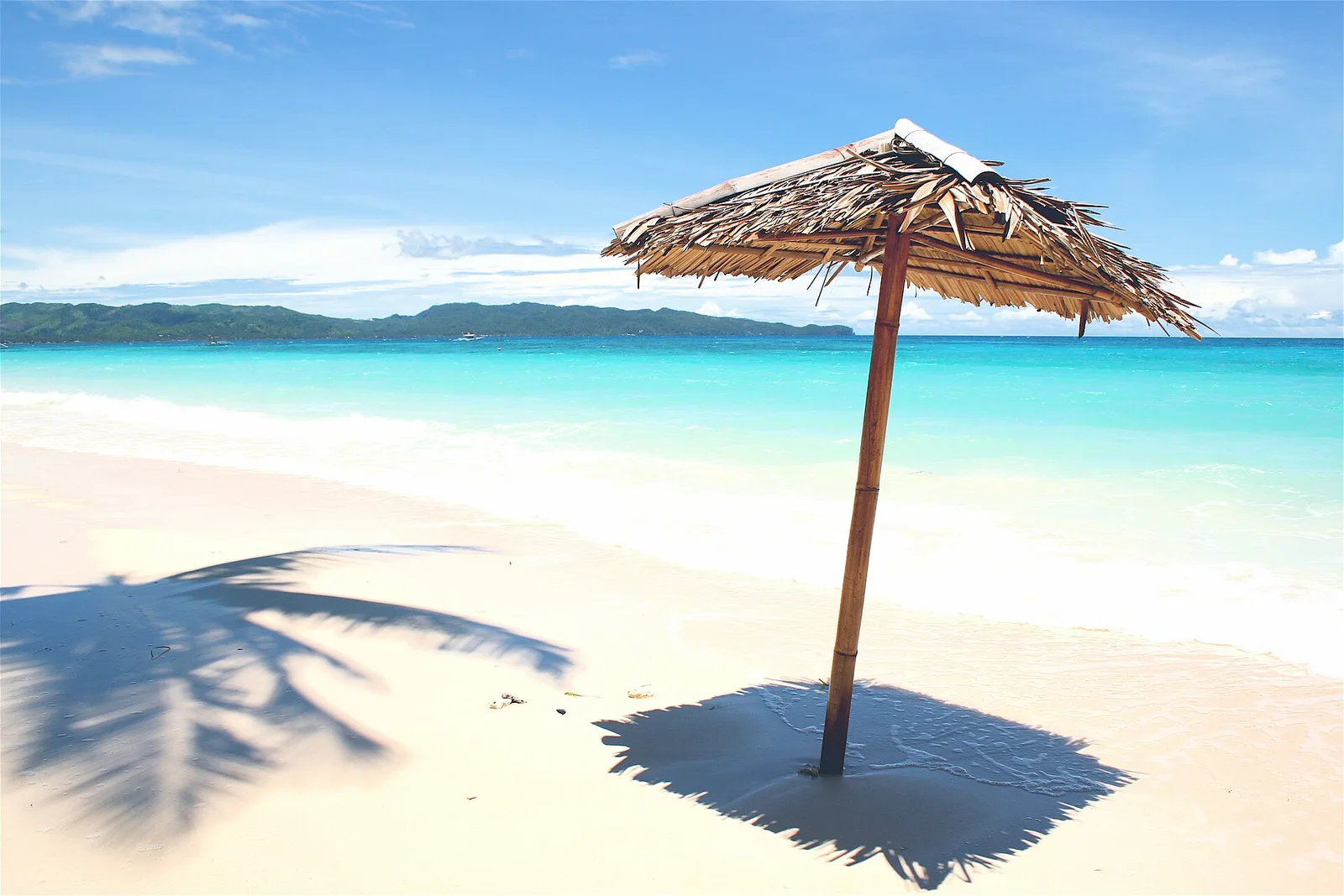
Some mornings on Boracay belong entirely to the water. The talcum-soft sand of White Beach is famous the world over, but the island's real magic reveals itself only when you push off from the shore on a paraw, the traditional double-outrigger sailboat, and watch the coastline unspool into one hidden cove after another. A relaxed beach-hopping and swim-stop tour is the slow, generous way to meet Boracay: no rushed schedules, no jostling crowds, just a sequence of turquoise bays where the boat cuts its engine, the captain drops anchor, and you slip into water so clear you can count the ripples in the sand four meters below.
Boracay Island Escape: Beach Hopping & Swim Stops - Guide
Trip.com
Search on Trip.comHotels in Philippines
Compare live prices via Travelpayouts — targeted for this guide.
This is the kind of day that makes people fall for the Philippines. You trade the buzz of D'Mall and the beachfront bars for the quieter, wilder edges of the island, where limestone cliffs meet the Sulu Sea and the only sound is the slap of small waves against the hull. Bring sunscreen, bring curiosity, and let the boat do the rest.
The island beneath the beaches
Boracay is small, around seven kilometers long and shaped a little like a dumbbell or a dog-bone, narrow in the middle and broader at each end. It sits just off the northwest tip of Panay, in the province of Aklan in the Western Visayas, separated from the mainland by a short stretch of water you cross by pumpboat from Caticlan jetty port. For all its fame, you can walk across the island's waist in minutes.
What gives Boracay its postcard looks is geology as much as good fortune. The island is built largely of limestone and old coralline rock, the compressed remains of ancient reefs, and that pale carbonate is exactly why the famous sand is so blindingly white and so impossibly fine. Unlike the coarser, golden, volcanic-tinged sand of many tropical islands, Boracay's grains are tiny fragments of coral and shell, ground fine over millennia, which is why the beach stays cool underfoot even at midday and squeaks softly when you walk. The same limestone forms the low cliffs, caves, and lagoons you visit on a boat tour, sculpted by wave action into coves with their own distinct character.
Trip.com
See all tours in Philippines on Trip.comTours & activities in Philippines
Hand-picked experiences in Philippines — book on Trip.com with instant confirmation.
The waters around the island shift with the monsoon. From roughly November to May, the Amihan (the northeast trade wind) keeps White Beach on the western shore calm and glassy, which is the classic Boracay everyone pictures. From around June to October, the Habagat (southwest monsoon) flips the script: the west side gets choppier and the sheltered eastern coves, like Bulabog, come into their own. A good boat captain reads these winds and routes the day toward whichever side is calm.
What you actually do, stop by stop
Every operator tweaks the itinerary with the weather, but a relaxed beach-hopping tour usually threads together a familiar set of stops along Boracay's coast and its small satellite islets.
Puka Shell Beach
On the island's northern tip, Puka (also spelled Puka Shell) Beach is the wilder cousin of White Beach. It is named for the small puka shells once gathered here and strung into necklaces, and the sand is a little coarser, flecked with crushed coral and shell. There are far fewer buildings, a scattering of simple stalls selling buko (young coconut) and grilled snacks, and a long, open sweep of shoreline that feels gloriously empty. The surf can be livelier here, so it is as much a beach to wander as to swim.
Crystal Cove and Tambisaan
Many tours pause near Crystal Cove, a tiny private islet just off Boracay's southeastern coast, known for two small sea caves and clear snorkeling water (it usually carries a modest entrance fee if you go ashore). Around the Tambisaan side and the southern reefs, the boat typically anchors over coral gardens for the day's main swim and snorkel stops.
The swim and snorkel stops
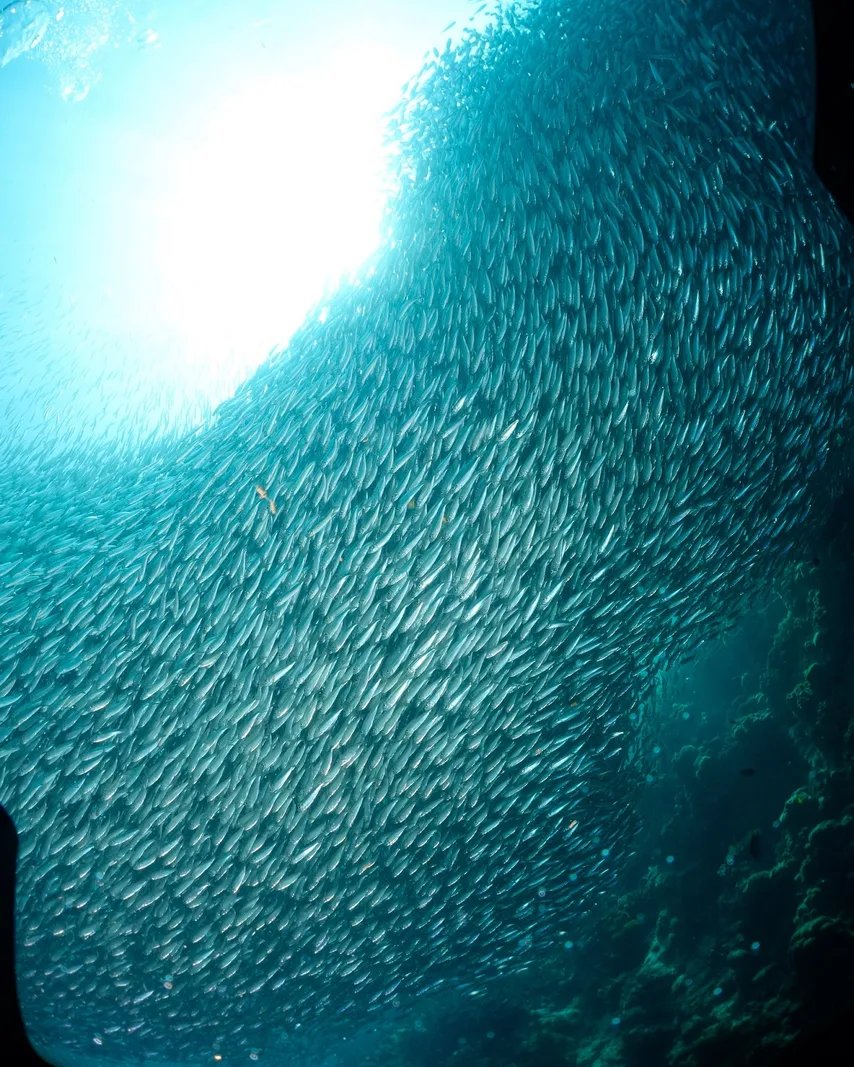
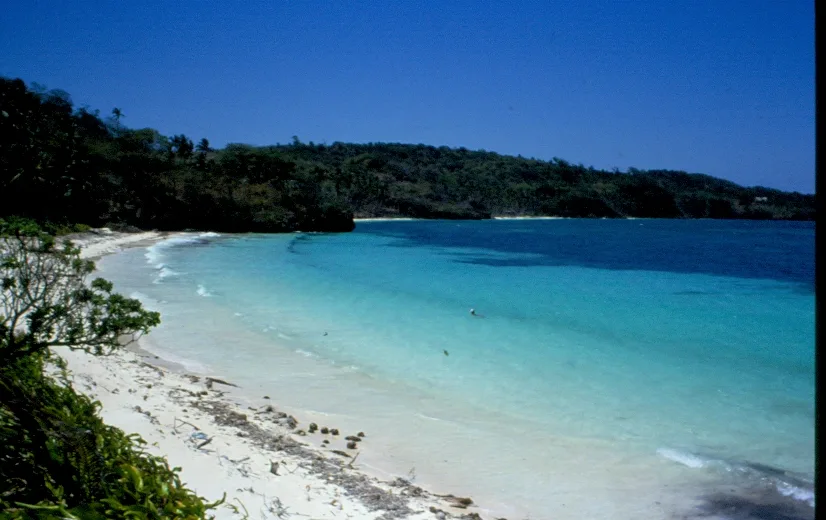
This is the heart of the trip. At chosen reef spots the crew kills the engine and you drop in over living coral, where you may see clouds of small reef fish, the occasional sea star, and gardens of branching and brain corals. Boracay's reefs took a real beating over the decades, and the island's landmark six-month closure in 2018 was driven partly by the need to let damaged ecosystems and overloaded sewage systems recover. Snorkeling here is a quiet reminder of why that pause mattered: look, float, and never stand on or touch the coral.
Magic Island and the cliff-jump option
Some longer itineraries swing past Magic Island, a small developed islet off the northeast with built platforms for cliff and tower jumping at varying heights. It is optional and usually carries its own fee, but for the adventurous it is a fun adrenaline punctuation between mellow swims. If heights are not your thing, you can simply swim and watch.
The slow sail home
The most photographed moment of any Boracay boat day is the paraw sail, especially in the late afternoon. These wooden outriggers, with their tall triangular sails, are part of the island's living maritime tradition, descended from the sailing craft of the seafaring Visayan peoples. Catching the breeze back toward White Beach as the sun sinks toward the horizon, sail snapping overhead, is the image you will carry home.
Culture, history, and why it matters
Boracay was not always a global resort. The island's earliest inhabitants were the Ati, an Indigenous Negrito people who are among the first settlers of Panay and the wider Visayas. Their presence is remembered each January in the Ati-Atihan festival on the Aklan mainland in Kalibo, one of the oldest and most exuberant fiestas in the Philippines, where revelers paint their faces and dance in tribute to the Santo Nino and to the Ati heritage. The Ati community still lives on Boracay, and respecting their land and dignity is part of traveling here thoughtfully.
Boracay only became internationally famous from the 1970s and 1980s onward, when backpackers and a few travel writers spread word of a near-perfect beach. Decades of breakneck, often unregulated development followed, and by the late 2010s the strain showed in polluted water and crowding. The 2018 closure and rehabilitation, controversial and painful for local livelihoods, reshaped the island with stricter rules: clearer building setbacks from the beach, bans on beachfront drinking and smoking, limits on certain water activities, and crackdowns on businesses dumping untreated wastewater. Today's beach-hopping tour exists within that more careful framework, which is genuinely good news for the reefs you swim over.
Practical tips for a great day
- Best season: The dry Amihan months, roughly late November through May, give the calmest west-coast water and the steadiest boat days. March to May is peak sun (and peak crowds). June to October can still be lovely between rain showers, with calmer eastern coves.
- Best time of day: Morning departures usually mean clearer water and calmer seas for snorkeling; late-afternoon sails are unbeatable for sunset. Some tours combine both.
- What to bring: Reef-safe sunscreen, a rash guard or light long-sleeve top for sun protection while snorkeling, a hat, sunglasses, a dry bag for your phone, a towel, and cash for small islet entrance fees, buko, and optional add-ons. A waterproof phone case earns its keep.
- What is typically included: The boat and crew, basic snorkeling gear (mask and snorkel; check fins), and often life vests and bottled water. Confirm whether lunch, the paraw sail, and islet fees are included or extra.
- How strenuous: Easygoing. Most stops involve wading or swimming from the boat in calm-to-moderate water. If you are not a confident swimmer, wear the life vest and tell the crew, who are used to mixed-ability groups. Cliff jumping is always optional.
- Duration: Relaxed beach-hopping trips commonly run anywhere from a few hours to a full half-day or so, depending on how many stops and whether a sunset sail is bundled in.
- Responsible travel: Choose operators who anchor on sand rather than coral, never feed or chase fish, and carry their trash out. Avoid touching or standing on coral, give the Ati community space and respect, and follow the island's no-littering rules. Boracay's recovery is real but fragile.
The closing drift
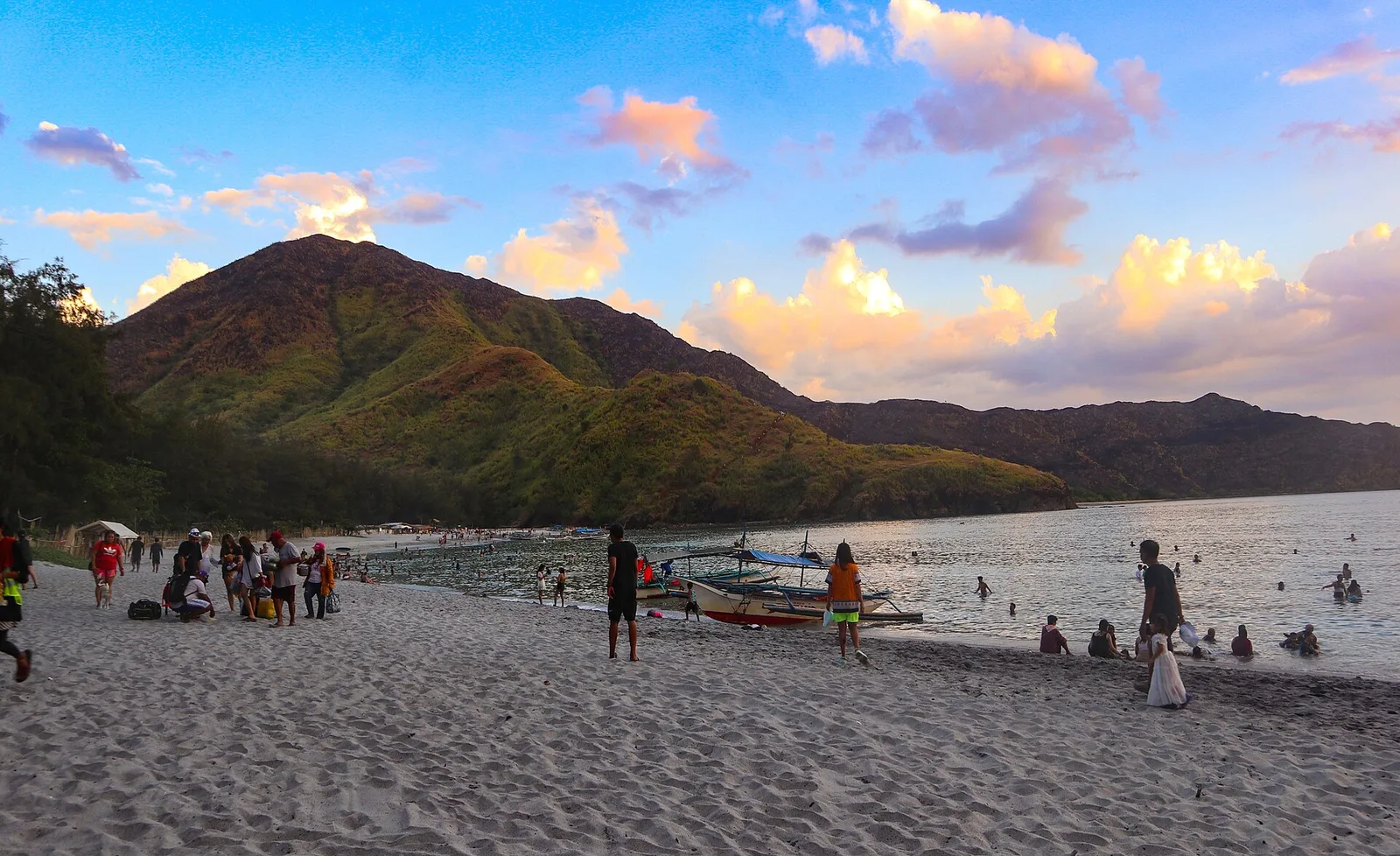
By the time the boat noses back toward White Beach, salt drying on your skin and a coconut in hand, Boracay stops being a name on a bucket list and becomes a feeling: warm water, white sand finer than flour, and the particular quiet of a cove with no one else in it. A beach-hopping and swim-stop tour gives you the island the way it deserves to be met, slowly, from the water, with time to float and look and simply be somewhere beautiful. It is the easy, generous heart of Boracay, and it tends to be the day people remember most.
Good to know before you book
- Duration: typically a full day (around 8 to 10 hours including transfers), though half-day and multi-day options exist - check the listing.
- Best for: couples, families and first-time visitors.
- What is included: the boat, life vests, snorkelling gear, a guide and usually lunch; island entrance and environmental fees may be paid locally.
- Pickup: most tours offer hotel or central pickup; confirm your point and time when booking.
- Book through: the GetYourGuide button on this page, which shows live availability and pricing.
Frequently asked questions
How long does the Boracay Island Escape: Beach Hopping & Swim Stops take?
Most departures run as a full day - roughly 8 to 10 hours including pickup, travel and the activities themselves - so plan to set aside the whole day. Some operators offer shorter or private versions; the exact timing for your date is shown when you book through the GetYourGuide button on this page.
What is included in the Boracay Island Escape: Beach Hopping & Swim Stops?
Typically the price covers the boat, life vests, snorkelling gear, a guide and usually lunch; island entrance and environmental fees may be paid locally. Inclusions vary by operator, so always read the specific listing - it spells out exactly what is provided and what you pay for separately, such as entrance or environmental fees.
What should I bring?
Pack swimwear, reef-safe sunscreen, a hat, a towel, water shoes for rocky landings and a waterproof pouch for your phone. It is also worth carrying some cash for local fees, drinks and tips, plus any personal medication, since card facilities can be limited outside the cities.
Is the Boracay Island Escape: Beach Hopping & Swim Stops suitable for beginners or families?
It is suitable for almost everyone, including families and non-swimmers, thanks to life vests and calm, sheltered water at most stops. There is plenty of time to simply relax on the sand. If you have specific concerns about age, fitness or swimming ability, message the operator before booking - they can advise on the best option for your group.
When is the best time to do this tour?
The best conditions are usually the dry season from roughly November to May. That said, the Philippines is a year-round destination, and many of these experiences run in any season - just expect the occasional shower and check the forecast for the day.
How do I get to Boracay?
To reach Boracay, travel to Boracay by the nearest airport or ferry and continue by road. Many tours include transfers from nearby towns or hotels, so confirm your pickup arrangement when you book so the day runs smoothly from the start.
Do I need to book the Boracay Island Escape: Beach Hopping & Swim Stops in advance?
Yes - booking ahead is strongly recommended, especially in the dry-season peak and on weekends, when popular tours and the best operators sell out. Reserving online also locks in your spot and lets you compare timings and inclusions easily.
How much does the Boracay Island Escape: Beach Hopping & Swim Stops cost?
Prices vary with the season, group size and exactly what is included, so we do not list a fixed figure here. Tap the GetYourGuide button on this page to see the current, accurate price and availability for your chosen date.
Can I do the Boracay Island Escape: Beach Hopping & Swim Stops as a private or customised tour?
Many operators offer a private version of this experience for couples, families or small groups who want a flexible pace and a guide to themselves, and some can tailor the route or add stops. If a private or custom option matters to you, check the listing or message the operator before booking, as availability and prices differ from the standard shared tour.
Ready to explore Boracay?
From planning to the moment you arrive, the Boracay Island Escape: Beach Hopping & Swim Stops is one of the most rewarding ways to experience this corner of the Philippines - and booking it is simple. Use the GetYourGuide button on this page to check live availability, compare timings and secure your spot, then turn up and let the local guides handle the rest while you focus on the views, the water and the memories.

PANA.PH Editorial Team
Philippines travel desk
The PANA.PH travel desk researches, books and re-checks Philippines travel logistics — fares, ferry schedules, government fees and permit rules — and publishes what it can verify.
🏡 Real local stays (book direct)
Hand-picked homestays and guesthouses — book direct, no markup.
Browse all local stays →

🌊 Popular activities (book instantly)
Island hopping, canyoneering, whale sharks — real Klook/GetYourGuide options.
View all activities →