Navigating an archipelago
Getting around 7,600 islands sounds daunting, but the Philippines has a well-worn network of flights, ferries and colourful local transport that makes island-hopping surprisingly manageable. Understanding your options - and building in a little buffer time - is the key to smooth travel across this scattered, beautiful country.
Flying between islands
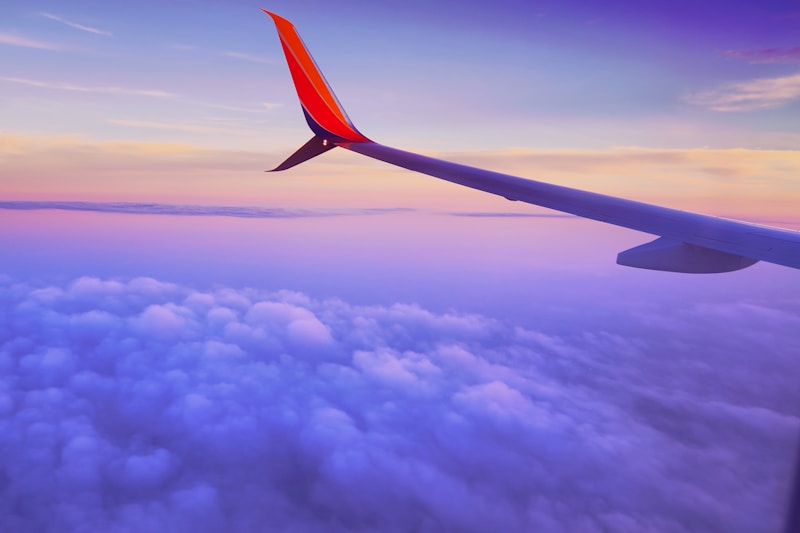
Domestic flights are the fastest way to cover big distances, with budget airlines linking Manila, Cebu and dozens of island airports. Book early for the best fares, travel light to avoid baggage charges, and allow buffer time, as weather and schedule changes can happen. Cebu and Manila are the main hubs.
Ferries and boats
Ferries connect the islands at every scale - fast craft between neighbouring islands (like Cebu to Bohol), large overnight vessels for longer routes, and small bangka outriggers for island hopping and short hops. They are affordable and scenic, though rough seas can cause delays or cancellations in the wet season.
Local transport
Jeepneys, tricycles and buses
The iconic jeepney is the workhorse of Philippine roads, cheap and characterful. Tricycles (motorbikes with sidecars) handle short town hops, while buses and vans cover longer overland routes like Puerto Princesa to El Nido. Ride-hailing apps operate in the big cities and are the easiest way around traffic-choked Manila.
Tips for smooth travel
Always build in buffer days, especially when connecting flights and ferries - a single delay can cascade. Carry cash for transport, agree tricycle fares in advance, and keep your plans flexible in the rainy season. For long or complex routes, booking transfers as part of a tour can save hassle and time.
Frequently asked questions
What is the best way to travel between islands in the Philippines?
For long distances, domestic flights are fastest, with budget airlines linking Manila, Cebu and many island airports. For neighbouring islands, ferries - from fast craft to overnight vessels - are affordable and scenic. Short island hops use small bangka boats. Most trips combine flights for big jumps with ferries and boats for local legs.
Are domestic flights in the Philippines cheap?
They can be very affordable if you book early and travel with hand luggage only, as budget airlines dominate domestic routes. Fares rise closer to departure and during peak seasons and holidays. Compare airlines, watch for baggage fees, and allow buffer time between connecting flights and onward ferries in case of delays.
What are jeepneys and tricycles?
Jeepneys are the Philippines' iconic public buses - long, brightly decorated vehicles that ply set routes for a very low fare. Tricycles are motorbikes with sidecars used for short trips around towns. Both are cheap, characterful and a great way to travel like a local, though agreeing fares in advance for tricycles helps avoid confusion.
How do I get around Manila?
Ride-hailing apps are the easiest and most reliable option in Manila, given the heavy traffic. Taxis, the elevated LRT and MRT rail lines, and jeepneys are alternatives. Whatever you choose, allow plenty of extra time - Manila's traffic is notorious, and short distances can take a long time, especially at rush hour.
Should I build buffer time into my itinerary?
Absolutely. Weather, ferry cancellations and flight delays are common enough that connecting an island-hopping trip tightly is risky. Leave a buffer day before international departures and between key transfers, especially in the wet season, so a single delay does not derail your plans or cause you to miss a flight home.
Is it easy to island-hop independently?
Yes, with some planning. Flights, ferries and local transport are well established, and booking apps and terminals are straightforward. The main challenges are weather-related delays and coordinating connections, so keep plans flexible and buffer your schedule. For complex routes or remote areas, guided transfers and tours can simplify the logistics.
Plan your trip with PANA.PH
Ready to turn the islands into a real itinerary? Browse our tours and activities for guided island hopping, canyoneering, diving and day trips, compare places to stay, and read more destination guides on the PANA.PH blog. Once you have the transport figured out, our tours handle the rest - browse island-hopping and day trips to plan your route.
The best Philippine trips come together when the big pieces are booked early - flights between islands, the headline tours, and rooms in peak season - while the small pleasures are left to discover on the ground. Travel in the dry season (roughly late November to May) for the calmest seas and clearest skies, carry enough cash for island fees and local eateries, and always keep a buffer day in case the weather reshuffles a boat trip. A little planning around the seasons and the logistics turns a good holiday into a great one.
PANA.PH gathers the best of the Philippines in one place - handpicked tours from trusted local operators, honest guides written to help rather than sell, and practical tips drawn from real island travel - so you can spend less time organising and more time actually exploring. Whether you are chasing beaches, reefs, waterfalls, food or culture, use the links above to shape your route, then book with confidence and let the islands take care of the rest.