Cebu City wears its history out in the open. Walk a few blocks from the modern downtown and you are standing where Spanish galleons once unloaded missionaries, where a wooden cross was planted in 1521, and where the first Christian community in the Philippines took root. Then, in the space of a single morning's drive, the city falls away behind you and the road climbs into cool, green ridges where the air smells of pine and the whole metropolis spreads out below like a map. This tour stitches those two worlds together: the dense, sun-baked heritage core of the oldest city in the country, and the breezy highlands that crown it. It is one of the most satisfying ways to understand Cebu, because it lets you feel the contrast in your own legs and lungs.
Cebu Heritage and Highlands Guided Tour - Guide
Hotels in Philippines
Compare live prices via Travelpayouts — targeted for this guide.
Cebu is the Philippines' oldest city, founded as a Spanish settlement in 1565 under Miguel Lopez de Legazpi, and it has been a trading hub for far longer than that. The heritage tour leans into this layered past, while the highlands portion takes you up into the central spine of Cebu island, a long, narrow landmass whose interior rises into limestone hills and mountain barangays that sit a world apart from the coastal heat.
The land beneath the city
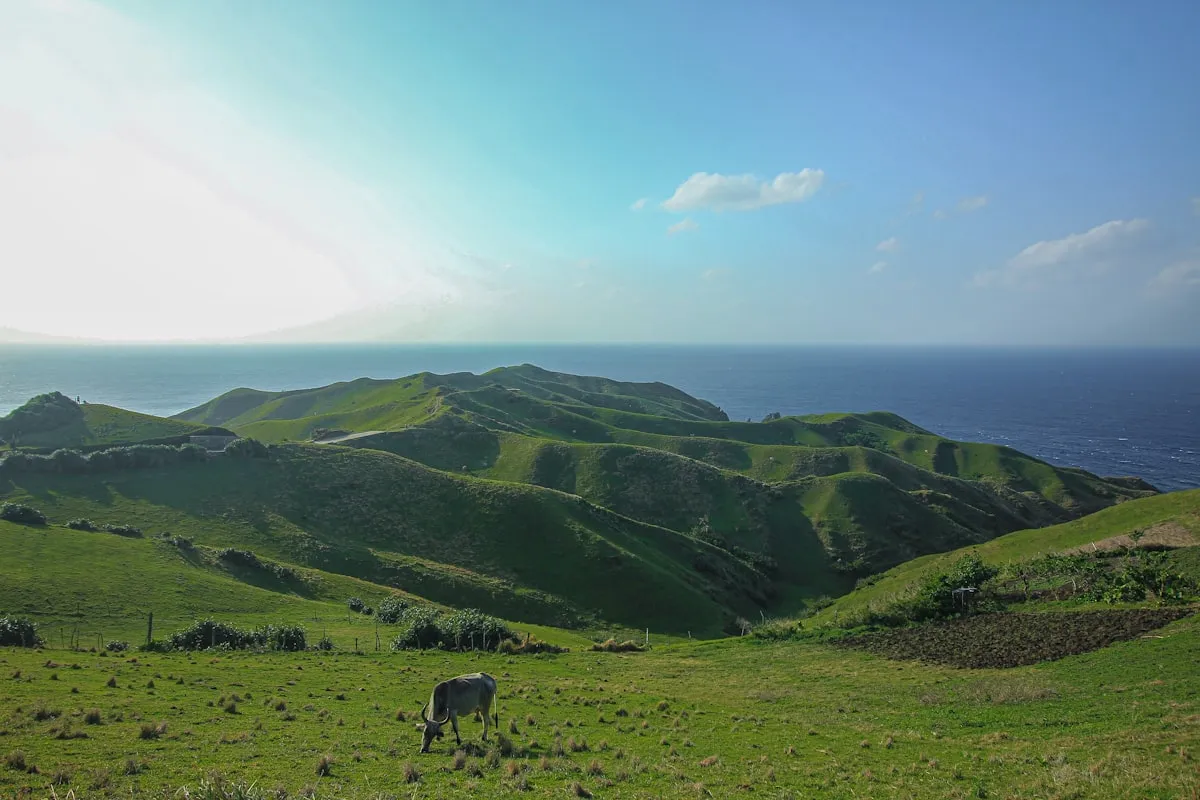
Cebu is a thin, elongated island, roughly 200 kilometres long but rarely more than 40 kilometres wide, with a mountainous backbone running almost its entire length. That geography is why the highlands sit so close to the city. You do not have to travel far inland to start gaining altitude, because the central ridge begins climbing almost as soon as the urban sprawl ends. Much of the island's bedrock is limestone, the compacted remains of ancient coral reefs lifted above sea level over millions of years. This karst geology shapes everything: the rolling hills, the springs, and the cool microclimate of the upland barangays. As you ascend, the temperature drops noticeably, the vegetation shifts toward pines and flowering shrubs, and the dense city humidity gives way to a clean mountain breeze. This is why uplands like Busay have long been where Cebuanos escape the lowland heat.
The heritage core, stop by stop
The historical portion of the tour concentrates on the tight cluster of landmarks around the old downtown, most of them within walking distance of one another.
City tour in Philippines
Hand-picked experiences in Philippines — book on Trip.com with instant confirmation.



Magellan's Cross
Housed in a small octagonal stone kiosk near the city hall, Magellan's Cross marks the spot where, by tradition, Ferdinand Magellan ordered a cross planted in 1521 to commemorate the first baptisms of local rulers and their followers. The cross you see is encased in a protective wooden shell because, according to local belief, devotees once chipped away fragments thinking the wood held miraculous power. Look up: the ceiling is painted with a mural depicting that founding moment. It is a tiny structure, but it is the symbolic origin point of Christianity in the Philippines.
Basilica del Santo Nino
Steps away stands the Basilica Minore del Santo Nino, the oldest Roman Catholic church in the country, founded in 1565 on the site where an image of the Santo Nino (the Christ Child) was found by Legazpi's expedition. That image, said to have been a gift from Magellan to the local queen at her baptism in 1521, is venerated to this day and is the centre of the Sinulog, Cebu's enormous January festival. The present stone church, with its weathered facade and quiet interior, is a place of constant devotion; you will likely see worshippers in prayer regardless of when you arrive.
Fort San Pedro
Down toward the old port sits Fort San Pedro, the oldest and smallest triangular bastion fort in the Philippines, begun under Legazpi in the 16th century. Its coral-stone walls enclose a leafy courtyard, and walking its ramparts gives you a sense of how the Spanish defended their toehold in the islands. Over the centuries it has served as a garrison, a prison, and even a base during the American period.
Colon Street and the Heritage Monument
Many tours also pass Colon Street, regarded as the oldest street in the Philippines, and the Cebu Heritage Monument, a dramatic sculptural tableau by Filipino artist Eduardo Castrillo depicting key scenes from Cebu's history, including the Battle of Mactan and the Santo Nino. Nearby, the Yap-Sandiego Ancestral House and the Jesuit-era buildings show how Chinese-Filipino merchant families and religious orders shaped the city.
Climbing into the highlands
After the heat and history of the lowlands, the road turns upward toward the Busay highlands and the Transcentral Highway, the serpentine route that crosses Cebu's mountain spine. The change is immediate and welcome. Within minutes the city noise fades, replaced by switchback views over rooftops, the sea, and the islands beyond.
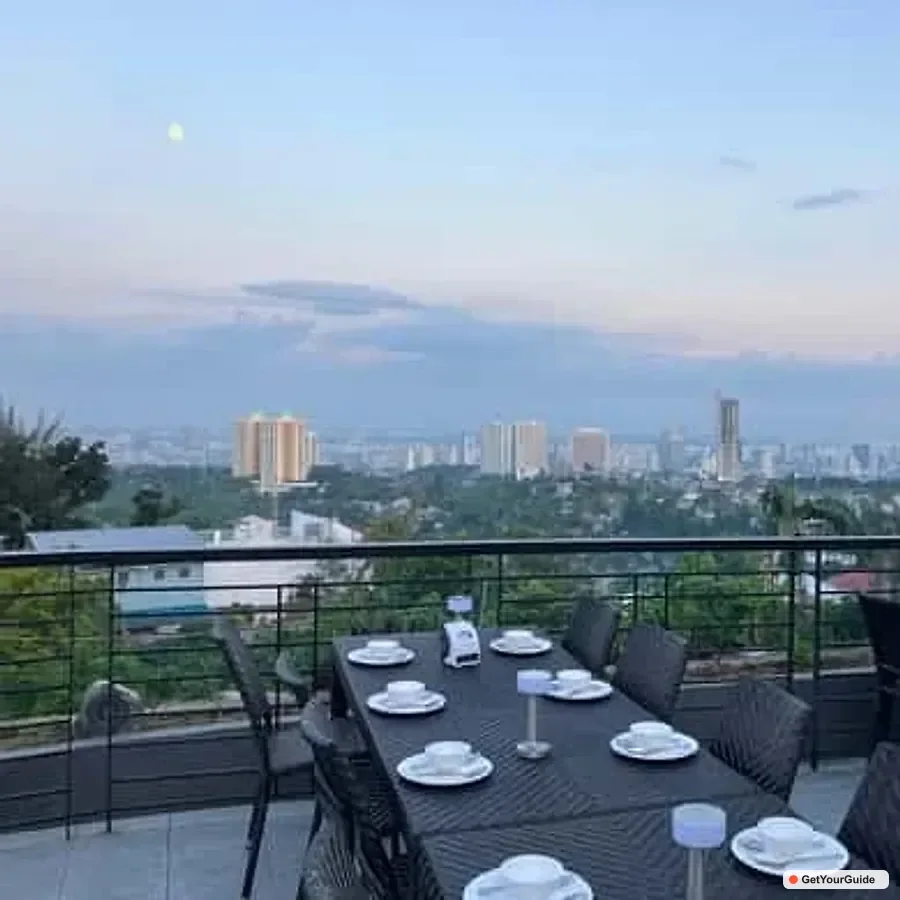
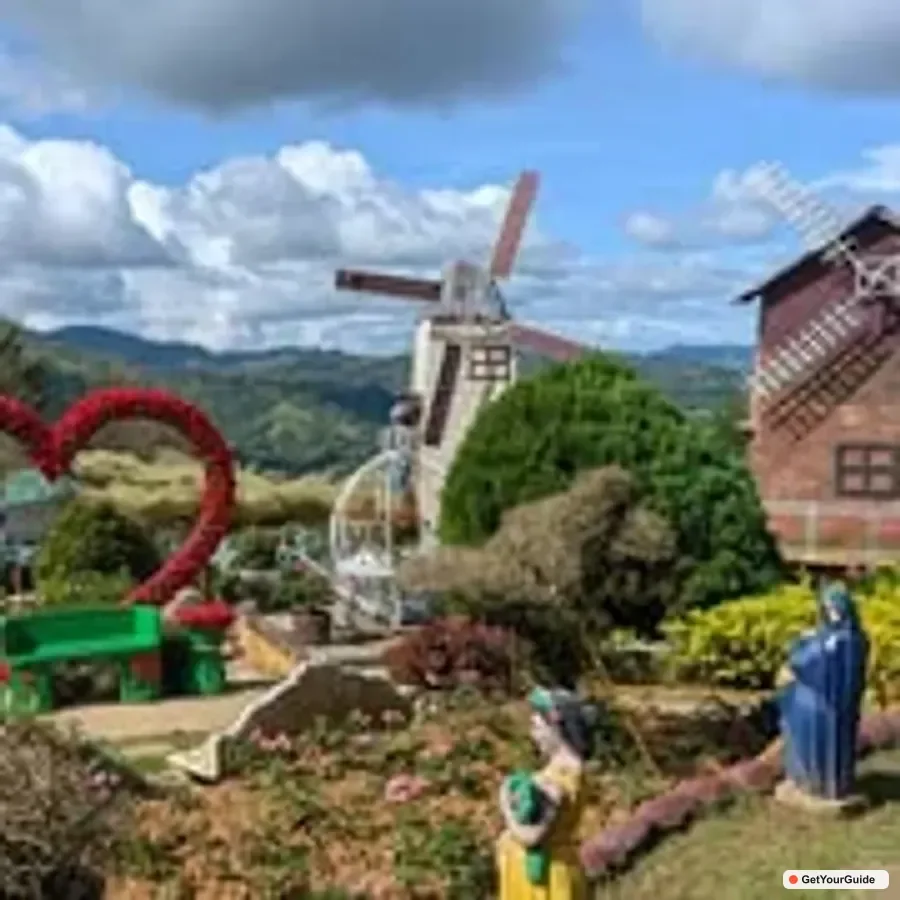
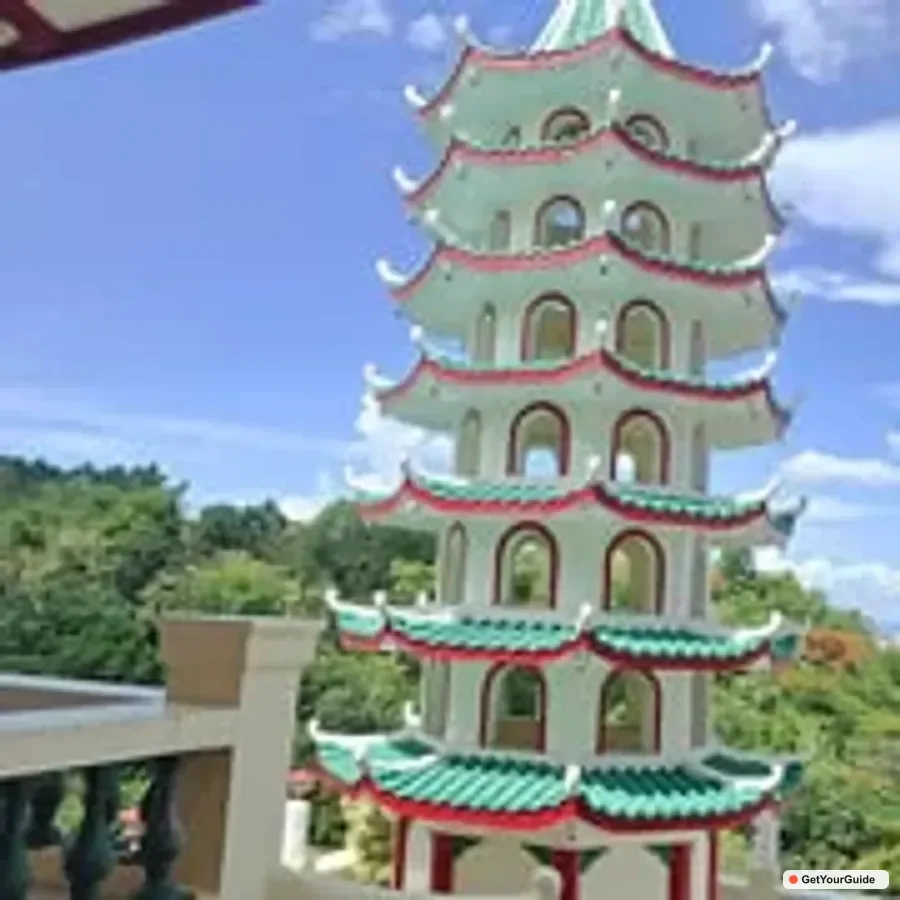
The signature highlands stop on most versions of this tour is the Temple of Leah, a grand Greco-Roman-style structure built in tribute to a beloved late wife. With its rows of columns, statues, and a commanding terrace, it is often called Cebu's miniature Taj Mahal in spirit, a monument to love perched on a hillside with sweeping views. Many tours also visit a mountaintop garden or viewpoint such as Sirao Garden, a flower park sometimes nicknamed Cebu's Little Amsterdam for its rows of celosia blooms, or one of the highland lookouts where the entire metropolis unfolds below. Up here the temperature is genuinely cooler, the light softer, and the perspective on Cebu City completely transformed: what felt enormous from the inside becomes a glittering grid hugging the coast.
Why it matters
This pairing is not just scenic convenience. The heritage sites tell the story of 1521 and 1565, the moments that drew the Philippines into the Spanish colonial and Catholic world, events that still define Filipino identity, faith, and festivals like the Sinulog. The highlands, meanwhile, reveal the island's natural character: the limestone uplands, the cooler interior, and the modern Cebuano love of mountain retreats and viewpoints. Seeing both in one day gives you the long view of Cebu, from a 16th-century cross to a 21st-century hilltop terrace.
Practical tips
- Best time of day: Start early. The heritage core is best in the cooler morning before the midday sun bakes the open courtyards, and reaching the highlands in the late afternoon means you can catch the city lights beginning to glow as dusk falls.
- What to wear and bring: The basilica and other churches are active places of worship, so dress modestly, covered shoulders and knees are appreciated. Bring sun protection, a hat, and plenty of water for the lowland stops. For the highlands, pack a light layer; it can feel surprisingly cool and breezy up top.
- How strenuous: Generally easy. Most stops involve short walks on flat ground, with some steps at Fort San Pedro and the temple terraces. The drive up the mountain is winding, so if you are prone to motion sickness, take precautions.
- Typically included: Private transport, a guide who narrates the history, and door-to-door hotel pickup are common inclusions. Entrance fees for sites like the Temple of Leah or flower gardens may or may not be included, so confirm in advance.
- Duration: Plan for roughly a half to full day depending on how many highland stops are included and traffic, which in Cebu City can be heavy.
- Responsible travel: Treat the religious sites with respect, keep your voice low inside the basilica, and avoid blocking devotees. At the highland attractions, stick to marked areas and take your litter with you to keep the viewpoints clean.
A day worth taking
What makes this tour memorable is the journey between two Cebus. You begin amid weathered coral stone and centuries of devotion, where the country's story essentially began, and you end above it all, breathing cool mountain air and watching the city you just explored sparkle far below. It is history and horizon in a single, generous day, and it leaves you understanding Cebu not as a single place but as a layered one, rooted in the past and reaching for the view.
Good to know before you book
- Duration: typically a full day (around 8 to 10 hours including transfers), though half-day and multi-day options exist - check the listing.
- Best for: couples, families and first-time visitors.
- What is included: transport, a guide and the listed stops; entrance donations and meals may be extra.
- Pickup: most tours offer hotel or central pickup; confirm your point and time when booking.
- Book through: the GetYourGuide button on this page, which shows live availability and pricing.
Frequently asked questions
How long does the Cebu Heritage and Highlands Guided Tour take?
Most departures run as a full day - roughly 8 to 10 hours including pickup, travel and the activities themselves - so plan to set aside the whole day. Some operators offer shorter or private versions; the exact timing for your date is shown when you book through the GetYourGuide button on this page.
What is included in the Cebu Heritage and Highlands Guided Tour?
Typically the price covers transport, a guide and the listed stops; entrance donations and meals may be extra. Inclusions vary by operator, so always read the specific listing - it spells out exactly what is provided and what you pay for separately, such as entrance or environmental fees.
What should I bring?
Pack light, modest clothing, comfortable walking shoes, a hat, sunscreen and small cash for candles or donations. It is also worth carrying some cash for local fees, drinks and tips, plus any personal medication, since card facilities can be limited outside the cities.
Is the Cebu Heritage and Highlands Guided Tour suitable for beginners or families?
It is easy and suitable for all ages, involving comfortable walking between sites. As these are active places of worship, modest dress is appreciated. If you have specific concerns about age, fitness or swimming ability, message the operator before booking - they can advise on the best option for your group.
When is the best time to do this tour?
The best conditions are usually the dry months of December to May, with calm seas for snorkelling and diving. That said, the Philippines is a year-round destination, and many of these experiences run in any season - just expect the occasional shower and check the forecast for the day.
How do I get to Cebu City?
To reach Cebu City, fly into Mactan-Cebu International Airport, then drive south (about 3 to 4 hours to the southwest coast). Many tours include transfers from nearby towns or hotels, so confirm your pickup arrangement when you book so the day runs smoothly from the start.
Do I need to book the Cebu Heritage and Highlands Guided Tour in advance?
Yes - booking ahead is strongly recommended, especially in the dry-season peak and on weekends, when popular tours and the best operators sell out. Reserving online also locks in your spot and lets you compare timings and inclusions easily.
How much does the Cebu Heritage and Highlands Guided Tour cost?
Prices vary with the season, group size and exactly what is included, so we do not list a fixed figure here. Tap the GetYourGuide button on this page to see the current, accurate price and availability for your chosen date.
Can I do the Cebu Heritage and Highlands Guided Tour as a private or customised tour?
Many operators offer a private version of this experience for couples, families or small groups who want a flexible pace and a guide to themselves, and some can tailor the route or add stops. If a private or custom option matters to you, check the listing or message the operator before booking, as availability and prices differ from the standard shared tour.
Ready to explore Cebu City?
From planning to the moment you arrive, the Cebu Heritage and Highlands Guided Tour is one of the most rewarding ways to experience this corner of the Philippines - and booking it is simple. Use the GetYourGuide button on this page to check live availability, compare timings and secure your spot, then turn up and let the local guides handle the rest while you focus on the views, the water and the memories.

PANA.PH Editorial Team
Philippines travel desk
The PANA.PH travel desk researches, books and re-checks Philippines travel logistics — fares, ferry schedules, government fees and permit rules — and publishes what it can verify.
🏡 Real local stays (book direct)
Hand-picked homestays and guesthouses — book direct, no markup.
Browse all local stays →

🌊 Popular activities (book instantly)
Island hopping, canyoneering, whale sharks — real Klook/GetYourGuide options.
View all activities →