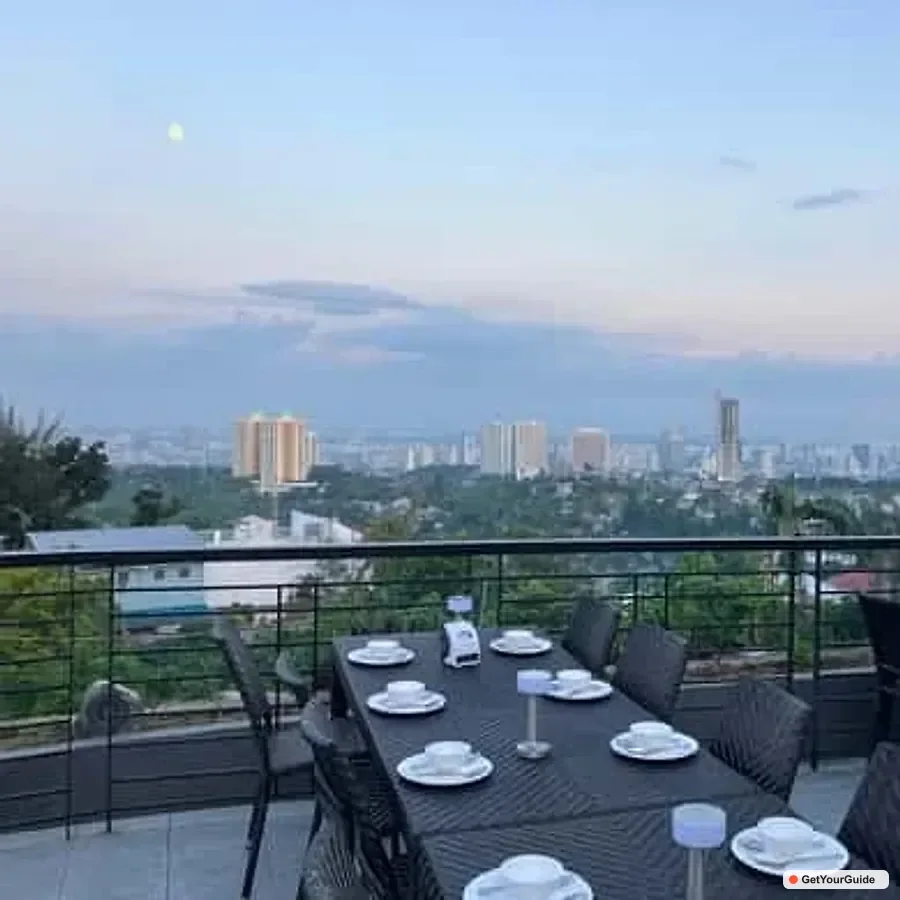
Let's address the elephant in the room immediately: Metro Manila traffic is genuinely terrible. INRIX and TomTom consistently rank it among the worst urban traffic conditions in Asia, and on bad days — a typhoon, a holiday rush, a presidential motorcade — it earns every word of that reputation. A journey that Google Maps estimates at 20 minutes can take 90. The 12-kilometre stretch of EDSA from Cubao to Makati that you could walk in two and a half hours can take your taxi three hours in peak-hour gridlock.
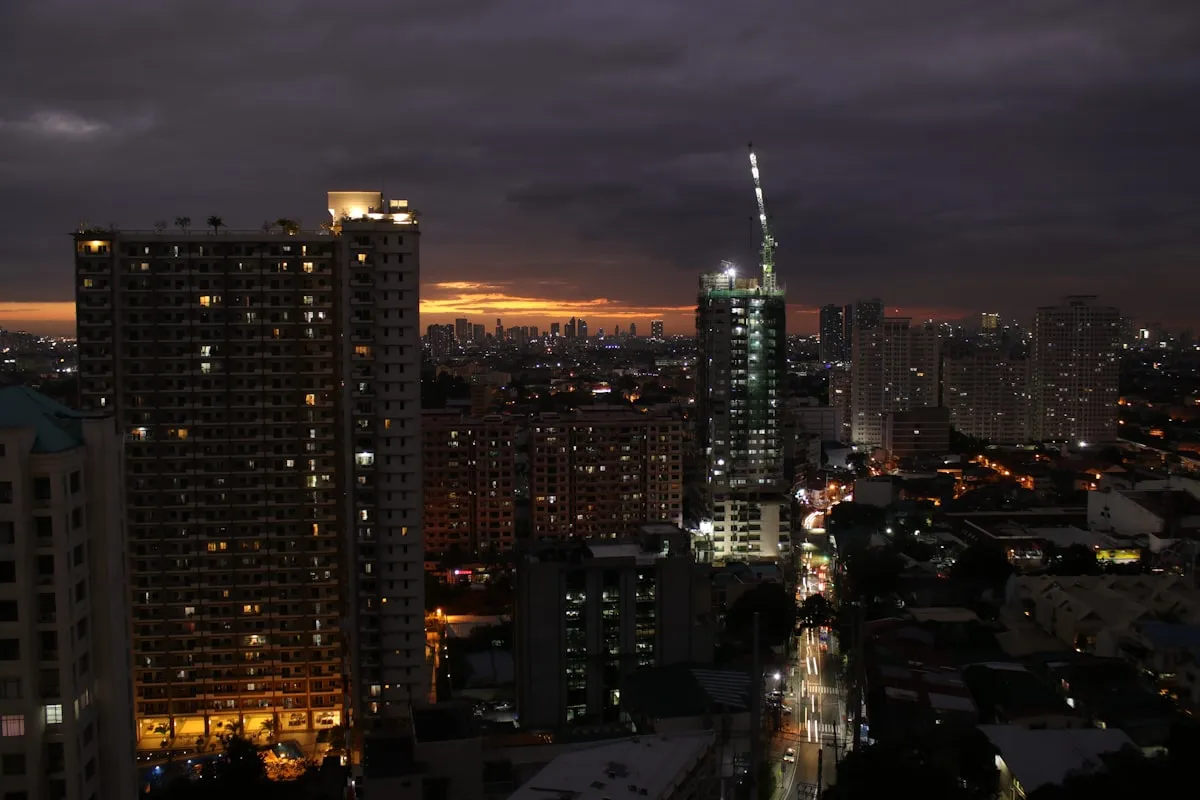
Getting Around Metro Manila: Complete Transport Guide (MRT, Jeepney, Grab & More)
Trip.com
Search on Trip.comHotels in Manila
Compare live prices via Travelpayouts — targeted for this guide.
And yet: millions of people move through Manila every single day without losing their minds, because they know the systems. The MRT skips the traffic entirely. Grab is predictable and safe. The jeepney network, once decoded, is surprisingly comprehensive. This guide gives you every tool you need to navigate Metro Manila like a local — or at least like an experienced visitor who stops making expensive mistakes.
1. Grab (App-Based Ride-Hailing)
Cost: PHP 100–300 for most city trips; PHP 300–600 airport to Makati/BGC depending on time of day and surge pricing.
Grab is the dominant ride-hailing app in Southeast Asia and in Manila it is the safest, most convenient option for visitors — full stop. Download the app before you arrive (it works with international cards and Google Pay / Apple Pay), register your account, and you are ready. The fare is shown upfront before you book, the driver and plate number are displayed in the app, and you can share your ride status with someone. Every Grab driver has a rating and a complaint mechanism. This accountability does not exist with street taxis.
Trip.com
See all tours in Manila on Trip.comTours & activities in Manila
Hand-picked experiences in Manila — book on Trip.com with instant confirmation.

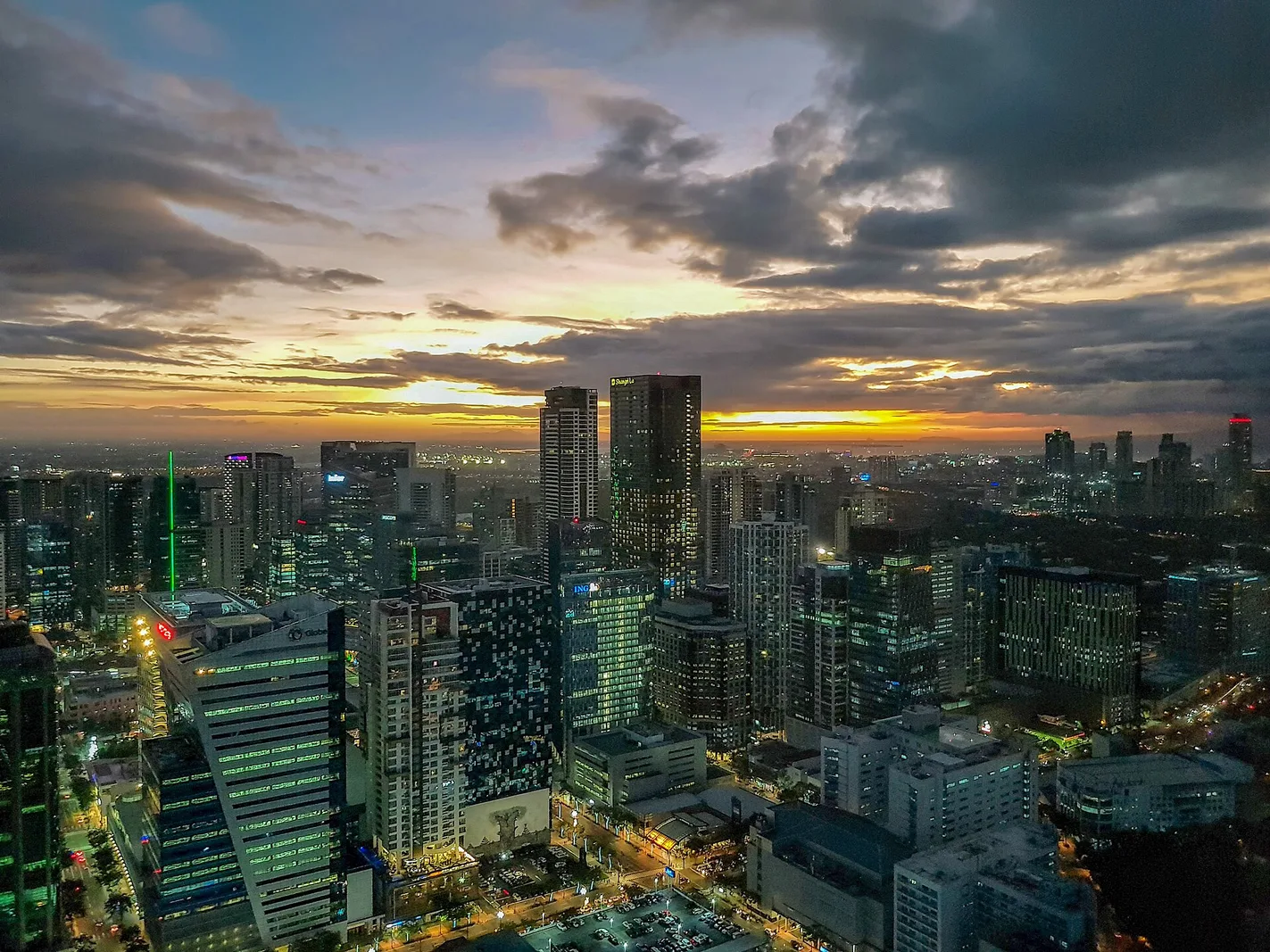

The key settings: Book "GrabCar" (private car, air-conditioned, safer) rather than "GrabBike" (motorcycle) for your first Manila experiences. GrabShare (carpooling) exists and is cheaper but adds travel time. GrabFood delivers meals within the app.
Surge pricing reality: During peak hours (7–9am, 5–8pm) and during heavy rain, Grab fares surge 1.5–3x. The app shows the multiplier before you confirm. During extreme surge, it is often faster and cheaper to take the MRT or a jeepney.
Why not regular taxis? Yellow metered taxis in Manila are cheap (PHP 40 flag-fall, PHP 13.50/300m) but a significant minority of drivers refuse to use the meter, take circuitous routes, or quote "fixed rates" to tourists that are triple the metered fare. If you do take a taxi, insist on the meter from the start and do not get in if the driver refuses. Airport taxis (white cabs) at NAIA use meters and are generally honest. For all other situations, Grab eliminates the negotiation entirely.
2. MRT Line 3 (Mass Rail Transit)
Cost: PHP 13–28 per trip depending on distance. Beep card load minimum PHP 150 including PHP 100 card cost.
Hours: 5:30am – 10:30pm daily (last train, not last departure from terminal).
The MRT Line 3 is the single most useful piece of infrastructure for visitors navigating Metro Manila's north-south axis. It runs 16 stations along EDSA — the main highway that bisects the metro — from North Avenue (Quezon City, near SM North EDSA) in the north to Taft Avenue (Pasay, near NAIA Terminal 1 and Baclaran Church) in the south. The journey that would take 90 minutes by taxi during rush hour takes 25–30 minutes by MRT.
Key stations for visitors:
- North Avenue: SM North EDSA, Trinoma Mall, connection to LRT Line 1
- Quezon Avenue: Quezon Memorial Circle
- Cubao: Ali Mall, SM Cubao, major bus terminals (Araneta Center)
- Ortigas: SM Megamall, Robinsons Galleria, Shangri-La Plaza
- Shaw Boulevard: Starmall
- Boni: Mandaluyong City Hall
- Guadalupe: transfer point for some buses to BGC
- Buendia: nearest MRT station to BGC (still requires a jeepney or bus from here)
- Ayala: Glorietta, Greenbelt, Landmark — the heart of Makati CBD
- Magallanes: connection for Alabang-bound buses
- Taft Avenue: connection to LRT Line 1, near NAIA Terminal 1
The Beep card: Buy a Beep card at any MRT or LRT station (PHP 150 total: PHP 100 card + PHP 50 initial load). The card works on MRT Line 3, LRT Line 1, and LRT Line 2 — Manila's entire rail network. Add load at ticketing machines or counters. Without a Beep card, you can buy a single-journey token but the queues at ticket windows are always longer than the Beep card lane.
Crowd reality: During peak hours (7–9am and 5–8pm), MRT queues to get into the station can be 30–60 minutes long. The cars themselves are packed beyond comfortable capacity. If you are carrying a large backpack, the MRT during peak hours is a miserable experience. Travel off-peak (10am–4pm) if you can.
3. Jeepney
Cost: PHP 13 starting fare for the first 4km, PHP 1.80 for each additional km. Pay in cash; tell the driver your destination or hand PHP 15–20 to the person next to you and say "bayad" (payment).
The jeepney is the most Filipino thing you will encounter in the Philippines. Descended from the surplus US military jeeps left after World War II, extended, elaborately decorated, and repurposed into the country's primary public transport vehicle, the jeepney is simultaneously a mode of transport, a folk art canvas, and a cultural institution. Every jeepney route has a destination sign in the windshield. Passengers climb in the back, sit facing each other on bench seats, pass fare forward to the driver through a human chain of hands, and receive change the same way. You knock on the roof or shout "Para!" (stop!) when you want to get off.
The new modern jeepneys: A government modernisation programme is replacing the classic colourful jeepneys with new Euro-4 emission standard modern units — longer, air-conditioned, with USB charging ports and GPS tracking. Many Filipinos mourn the classic jeepney's disappearance. As a visitor, the new units are objectively more comfortable.
How to use jeepneys as a visitor: The route network is complex and does not appear on Google Maps reliably. The practical approach: ask your hotel or guesthouse staff which jeepney goes to your destination. If in doubt, Grab costs PHP 100–200 more than the jeepney but eliminates all navigation uncertainty.
Where jeepneys make sense: Short fixed-route hops that you can confirm with a local — BGC to Ayala MRT station (the P2P jeepney runs this route), Quiapo to Divisoria, Baclaran to Roxas Boulevard. If you are confident in the route, jeepneys are a faster and far cheaper alternative to sitting in traffic in a Grab.
4. UV Express (Van Service)
Cost: PHP 20–40 depending on route length.
UV Express vans run fixed routes between key terminals across Metro Manila, operating like shared taxis with set starting and ending points. They are faster than jeepneys (fewer stops), cheaper than Grab, and more comfortable than the MRT at peak hours. Common useful routes for visitors include: Alabang to Makati, Fairview to Cubao, and several Quezon City routes. Terminals are usually located near MRT and LRT stations. Ask your hotel staff or look for the UV Express signage at transport hubs.
5. LRT Line 1 and LRT Line 2
Cost: PHP 15–30 per trip. Works with the same Beep card as MRT.
LRT Line 1 runs north-south from Roosevelt Station (Caloocan) to Baclaran (Pasay) — overlapping in coverage with MRT Line 3 but on the western side of Manila through Quiapo, Carriedo, and the historic areas near Intramuros. LRT Line 2 runs east-west from Antipolo (Rizal) through Cubao to Recto in Manila — the most useful route for accessing Quiapo market and the National Museum area from the Cubao hub.
For visitors, the most useful LRT Line 1 stop is Central Station (near Quiapo Church and the Quiapo market area) and United Nations (near Paco Church, Robinsons Place Manila, and the Malate area). The LRT connects to the MRT at Taft Avenue / EDSA and at Doroteo Jose / Recto (walking transfer).
6. Angkas / JoyRide (Motorcycle Taxi)
Cost: PHP 40–120 depending on distance. Fare shown in app before booking.
Motorcycle taxis (habal-habal) are legally operated through the Angkas and JoyRide apps, where drivers are registered and insured. They weave through traffic with impressive efficiency — a 45-minute Grab ride can become a 12-minute Angkas ride on the same route during peak hour. The app provides a helmet for the passenger.
For visitors: Not recommended unless you are comfortable with Manila traffic from the back of a motorcycle. The efficiency gain is real; the exposure to Manila traffic at motorcycle level is also real. If you are an experienced motorcycle passenger and comfortable in urban traffic, Angkas is genuinely useful. If not, the time savings are not worth the stress.
7. Walking
Safe walking areas in Metro Manila: Bonifacio Global City (BGC) has wide pavements, pedestrian crossings, and is very walkable — the 1km stretch from SM Aura to High Street is pleasant. Intramuros (the walled city) is best explored on foot or by calesa (horse-drawn carriage). Rizal Park and the National Museum area are walkable. The Ayala Center (Glorietta / Greenbelt area in Makati) is compact and walkable within the complex.
Not walkable: Virtually everywhere else in Metro Manila. Pavements are inconsistent, often occupied by street vendors, broken, or non-existent. EDSA has no meaningful pedestrian infrastructure. Heat and humidity make outdoor walking in midday brutal from March through May.
Manila Traffic: The Honest Reality
Avoid driving or riding on EDSA between 7–9am and 5–8pm on weekdays. These windows can add 30–120 minutes to any cross-city journey. If you have an early flight or a morning tour departure, plan to leave hotels in Makati or BGC by 5:30am at the latest to reach NAIA comfortably.
The cardinal rule for NAIA connections: Allow three hours from Makati or BGC to NAIA for international flights during morning or evening peak. Two hours minimum off-peak. Manila's airport sits at the end of a traffic-prone corridor and flight misses are preventable with buffer time.
Airport to Key Districts: Practical Guide
NAIA to Makati CBD: Grab PHP 250–400, 20–60 minutes depending on traffic. NAIA Terminal 1 to MRT Taft Avenue (walk or short taxi, then MRT to Ayala) is cheaper but involves luggage handling on the MRT — manageable for one carry-on bag, difficult with large luggage.
NAIA to BGC: Grab PHP 280–450. No direct MRT connection — BGC is a 15-minute drive from MRT Ayala station. The BGC bus from Ayala (PHP 80 premium A/C bus) is a good option off-peak.
NAIA to Intramuros / Manila Hotel area: Grab PHP 150–250, 20–45 minutes. LRT Line 1 from Baclaran (short taxi from NAIA T1/T3) reaches United Nations or Central station easily.
NAIA to Quezon City / Cubao: Grab PHP 350–600, 45–90 minutes. This is where the MRT earns its keep: taxi or Grab to MRT Taft, ride north to Cubao, total PHP 150–200 including MRT fare.
Frequently Asked Questions
Is it safe to take taxis in Manila?
Regular metered yellow taxis are generally safe in the sense that violent crime against passengers is rare. The more common issue is overcharging — drivers refusing to use the meter or claiming the meter is broken and quoting inflated "fixed rates" to tourists. If a driver refuses to use the meter, get out and find another cab or use Grab. Airport taxis (white cabs from official NAIA taxi queues) are the safest metered option. For all other situations, Grab's price transparency and driver accountability system make it the better choice.
What is the cheapest way to get from NAIA to Makati?
The cheapest route is: take the P2P (point-to-point) airport bus service (PHP 60–80, air-conditioned, direct service from NAIA terminals to Makati and BGC) if your timing aligns with their schedule. Otherwise, take a short taxi to MRT Taft Avenue and ride to Ayala Station (PHP 13–28 MRT fare). Total cost: PHP 70–120. It requires handling luggage on public transport but is perfectly doable with a carry-on.
How do I use a jeepney in Manila as a tourist?
For your first jeepney ride: identify a route your hotel recommends, confirm the destination word on the windshield matches, board from the back, find a seat, pass your fare (PHP 15 for most short trips) forward through fellow passengers with the word "bayad" (payment), and receive your change the same way. Say "Para!" loudly or knock twice on the roof when you want to stop. The learning curve is real but the experience is worth it at least once.
Is the MRT safe in Manila?
Yes. The MRT Line 3 has bag scanners and security guards at every station entrance. Pickpocketing in crowded cars is the primary risk during peak hours — keep your phone in a front pocket, keep your bag in front of you, and be aware in extremely crowded conditions. The women-and-children-priority carriages (the first and last car of each train, marked with pink signs) are less crowded and a good option for solo female travellers or those travelling with children.
How far in advance should I book Grab from NAIA?
Grab bookings at NAIA can only be made after you land and connect to data (use your roaming plan or buy a SIM at the arrival hall — Globe or Smart, PHP 99–149 for a tourist SIM with data). Walk out of the terminal, go to the designated Grab pick-up area (each terminal has one, follow the signs), and book from there. Wait times are typically 5–15 minutes. During extreme peak hours (7–9am and 5–8pm on weekdays) or when multiple international flights land simultaneously, wait times can extend to 30 minutes and surge pricing applies. The airport official taxi queue remains the best alternative in those situations.

PANA.PH Editorial Team
Philippines travel desk
The PANA.PH travel desk researches, books and re-checks Philippines travel logistics — fares, ferry schedules, government fees and permit rules — and publishes what it can verify.
🏡 Real local stays (book direct)
Hand-picked homestays and guesthouses — book direct, no markup.
Browse all local stays →
🌊 Popular activities (book instantly)
Island hopping, canyoneering, whale sharks — real Klook/GetYourGuide options.
View all activities →