Contents
There is a moment, somewhere deep in the Matutinao gorge, when you stand on a slab of warm limestone with turquoise water roaring past your shins, look up at a wall of jungle and rock rising on both sides, and realize there is only one way forward: down, and usually by jumping. Kawasan Full-Course Downstream Canyoneering is the most famous adventure in southern Cebu for exactly this reason. It takes you through a living river canyon, from the cool springs of the Cebu highlands all the way to the postcard-blue tiers of Kawasan Falls, on foot, by leap, by slide, and by float. It is equal parts hiking trail, water park, and geology lesson, and almost everyone who finishes it talks about it for years.
Hotels in Philippines
Compare live prices via Travelpayouts — targeted for this guide.
This guide walks you through what the river is, how it got that astonishing color, what you actually do stop by stop, and how to do it safely and responsibly. It is written for the curious traveler who wants more than a checklist.
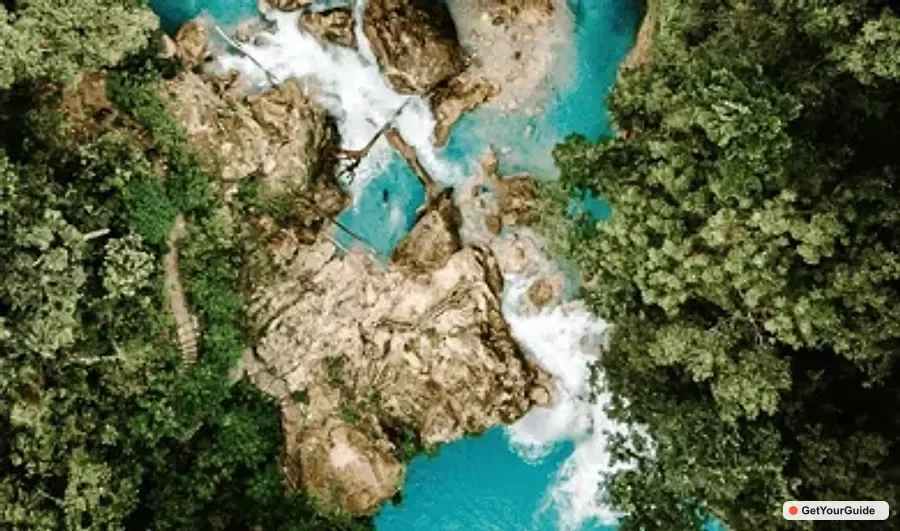
Where you are: the Matutinao River and the karst of southern Cebu
The canyon sits in the municipality of Badian, on the southwestern coast of Cebu island, roughly a three-hour drive south from Cebu City. The adventure follows the Matutinao River, which is fed by springs in the limestone interior and flows down to the Tanon Strait, the body of water that separates Cebu from Negros.
That limestone is the key to everything you will see. Cebu is built largely on uplifted coral and marine limestone, rock that was once a seabed and was pushed up over millions of years by tectonic forces. Rainwater is slightly acidic, and over a very long time it dissolves limestone, carving caves, sinkholes, and the steep-walled gorges that canyoneers love. This is classic karst landscape, the same family of geology that produces dramatic river canyons and underground rivers across the Philippines.
Canyoneering in Philippines
Hand-picked experiences in Philippines — book on Trip.com with instant confirmation.
Why the water is that impossible blue
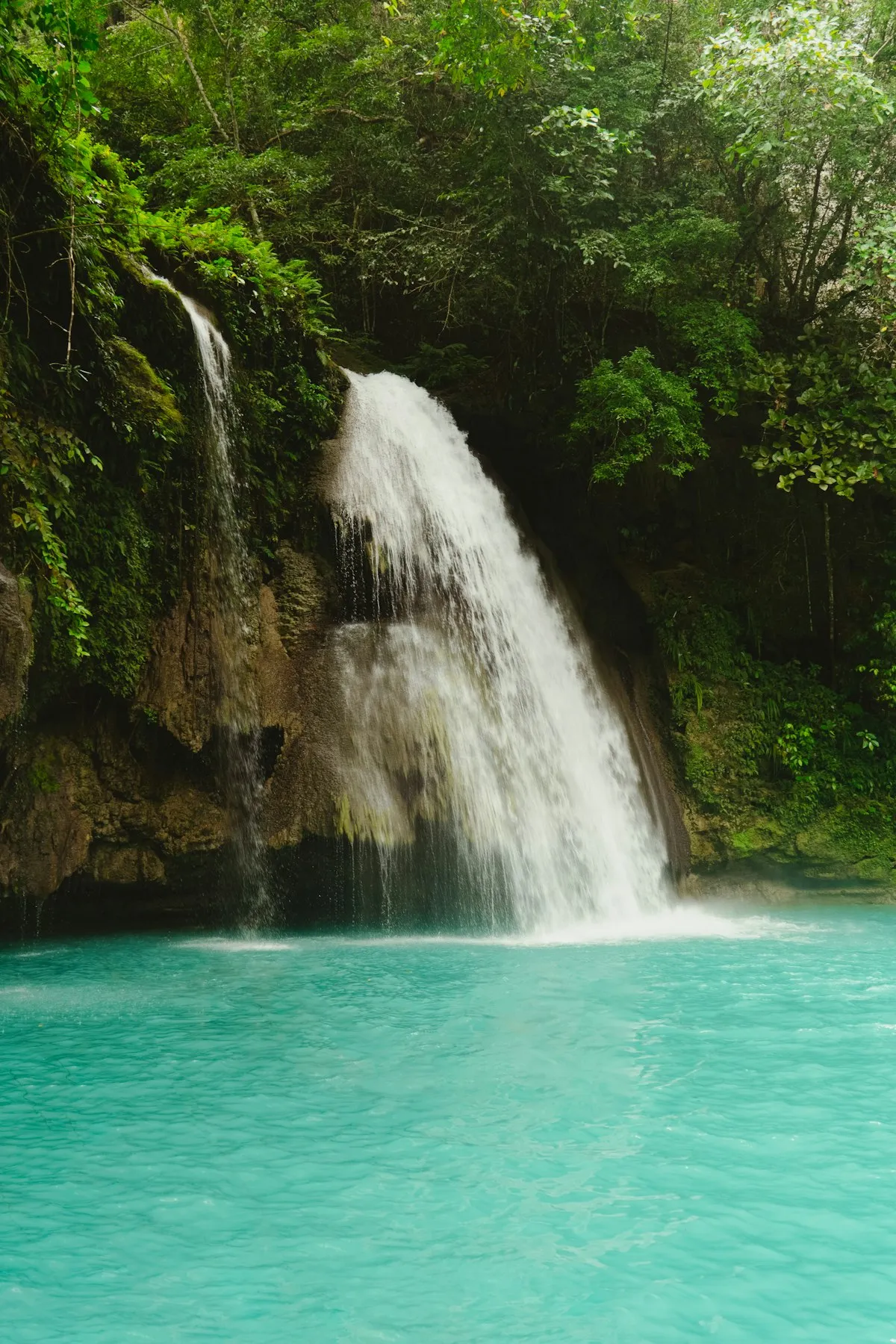
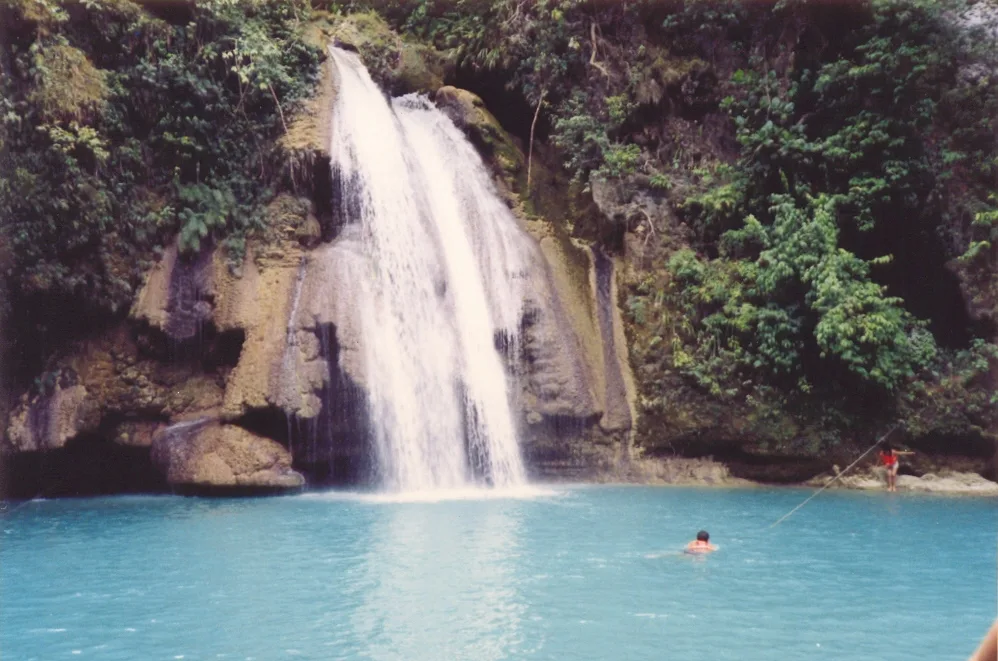
People often assume the color is dye or a trick of editing. It is not. As the spring water moves through limestone, it picks up dissolved calcium carbonate. When that mineral-rich water reaches the surface and meets air, the chemistry shifts and fine particles of calcium carbonate form a suspension in the water. Sunlight scatters off these particles and off the pale mineral riverbed, and the result is that vivid milky turquoise. The same process is why the river looks more intensely blue on bright, sunny days and a little flatter under heavy cloud. It is real, it is natural, and it is the signature of the whole experience.
What you actually do, stop by stop
The full course is the longer, more adventurous version, starting from the upper section of the river near Kanlaob in the Alegria area and working downstream toward Kawasan Falls in Badian. Shorter versions exist, but the full course is the one most people mean when they talk about the classic Kawasan canyoneering trip.
- Gear up and trek in. You are fitted with a life vest and helmet, and usually given the option of water shoes or aqua socks. After a short hike along the jungle trail and down to the river, you reach the put-in point.
- The first jumps. The adventure is a sequence of cliff jumps into deep pools, ranging from gentle hops of a meter or two up to bigger leaps. Guides scout each jump, check the water depth, and brief you on exactly where to aim. Nearly every jump has a walk-around or lower alternative, so you are rarely forced off a ledge you are not comfortable with.
- Natural slides and swims. Between jumps you slide down smooth water-polished chutes the river has carved over millennia, swim across long blue pools, and float through narrow passages where the canyon walls close in overhead.
- The big leap. Most full-course trips include one notably tall jump, the kind that makes you stand at the edge and negotiate with yourself. It is optional, with a path around for anyone who would rather watch.
- Arrival at Kawasan Falls. The river delivers you to the famous multi-tiered waterfall, where the milky-blue water pours over rock into wide swimming basins. After hours of moving through wild canyon, emerging at this iconic falls is the natural triumphant finish.
From start to finish the full course typically runs around three to four hours in the canyon, plus travel and gearing-up time, making it most of a day once you factor in the drive.
How hard is it, really?
You do not need to be an athlete, but you should be a reasonably confident swimmer and comfortable in moving water. There is real hiking over uneven, slippery rock, repeated jumps that demand a small act of nerve, and stretches of swimming where you cannot touch the bottom. The life vest does a lot of the work, and guides position themselves to help nervous jumpers, but the trip rewards basic fitness and a willingness to commit.
It is genuinely an adventure activity, not a gentle float. People with serious heart conditions, recent injuries, or a strong fear of heights or water should think carefully. Most operators set a minimum age and may decline guests who are pregnant. When in doubt, ask honestly about your situation before booking.
Practical tips: timing, gear, and what is included
Best time to go
- Season: The dry months, roughly from around December through May, tend to give the most reliable conditions and the clearest blue water. The wet season can still be wonderful, but heavy rain raises the river and can force operators to suspend trips for safety. Flash flooding is the real hazard in any river canyon, so reputable guides will cancel when water levels are unsafe, and you should take that decision as a good sign, not a disappointment.
- Time of day: Go early. The first trips of the morning beat the crowds, catch the best light on the water, and leave you the rest of the day to recover.
What to wear and bring
- Quick-dry clothing such as a rash guard and board shorts or leggings; avoid cotton and avoid loose items that can snag.
- Secure footwear with grip. Many operators supply water shoes, but well-fitting sandals with heel straps or your own water shoes are a help. Flip-flops are a poor choice.
- A securely strapped action camera if you want footage; phones get wet, dropped, and lost in a river canyon, so a waterproof case and a leash are essential, and many people simply buy the guide-shot photos and video instead.
- A dry bag for valuables, a change of clothes for afterward, reef-safe sunscreen, and cash for the local environmental and entrance fees that are usually collected on site.
What is typically included
Most organized tours include round-trip transport from Cebu City or Moalboal, a licensed local guide, the required safety gear (helmet and life vest), and often a lunch. Local government entrance and environmental fees may be included or collected separately, so confirm when you book. Going with a properly registered operator and a trained local guide is not just safer, it also channels income to the Badian and Alegria communities who manage and protect the river.
Travel responsibly
The river's fame has brought heavy foot traffic, and that pressure shows. Pack out everything you bring in, never carve or graffiti the rock, and resist the urge to break off mineral formations as souvenirs. Use reef-safe sunscreen, since this water flows down to the sea. Always follow your guide's instructions on which jumps are safe on a given day, because depths shift with the seasons and what was deep last month may not be today. Choosing local, licensed guides keeps the standards high and keeps the benefit in the community that calls this canyon home.
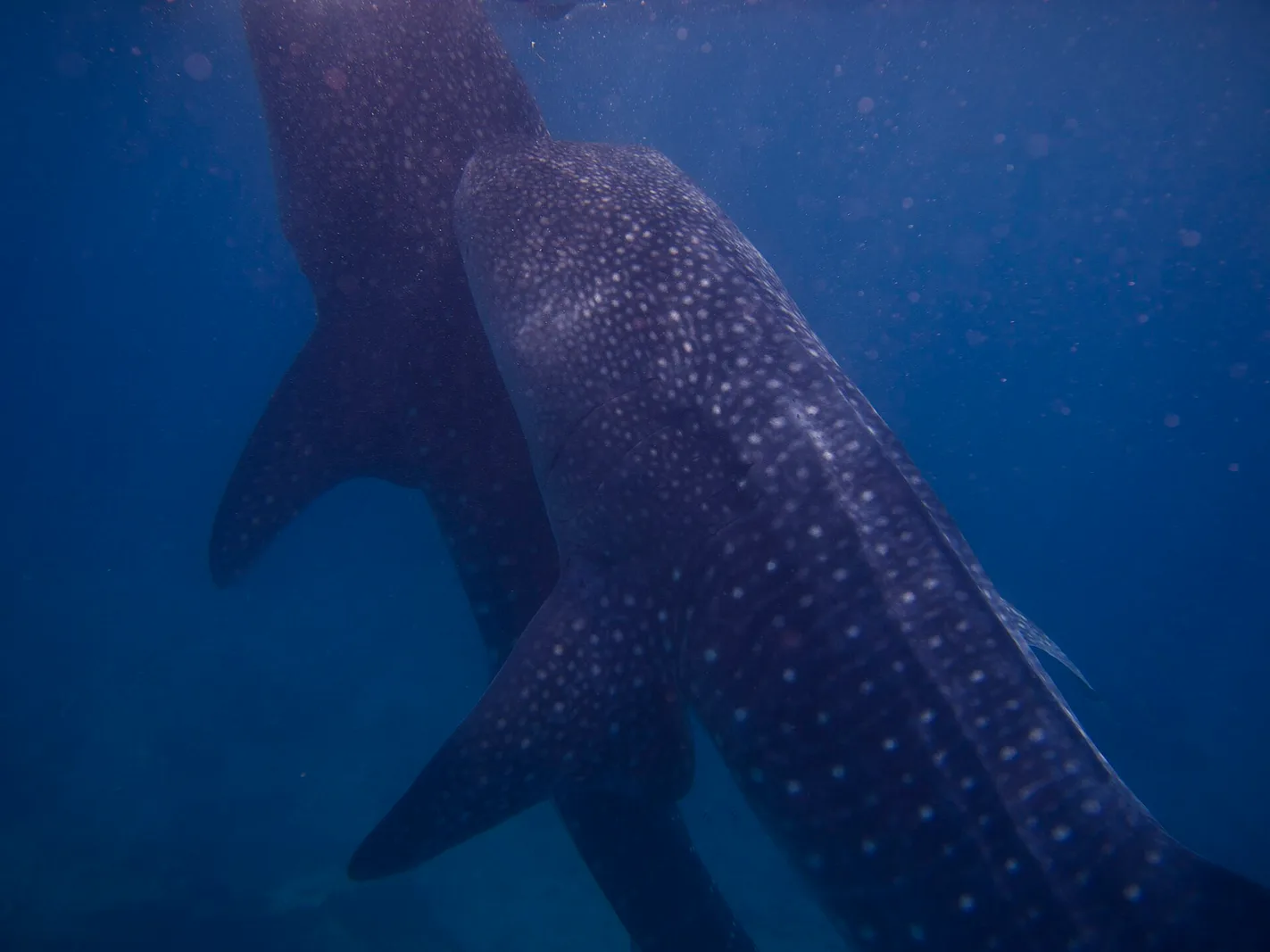
A note on a nearby temptation: many travelers pair Cebu's south with the whale-shark interaction at Oslob, where the animals are hand-fed to keep them in one spot for tourists. That practice is genuinely controversial among marine biologists and conservationists, who warn it alters the sharks' natural behavior and migration. Canyoneering carries none of that ethical baggage; if you do want to see whale sharks, consider seeking them out responsibly through ethical snorkeling elsewhere rather than at a feeding site, and read up before you decide.
The last jump
What stays with you about Kawasan canyoneering is not any single leap, but the rhythm of it: the cold shock of the water, the nervous laugh before a jump, the strange blue glow lighting up the gorge, the way the canyon keeps revealing one more pool, one more slide, one more impossible color. When you finally float into the basin below Kawasan Falls, sunburnt and breathless and grinning, you understand why this stretch of river has become a Philippine bucket-list legend. Go early, go with good guides, respect the water, and let the river carry you down.
Good to know before you book
- Duration: typically a full day (around 8 to 10 hours including transfers), though half-day and multi-day options exist - check the listing.
- Best for: active travellers, couples and friends.
- What is included: a local guide, safety gear (helmet and life vest), entrance fees and usually transfers; lunch is often included or available nearby.
- Pickup: most tours offer hotel or central pickup; confirm your point and time when booking.
- Book through: the GetYourGuide button on this page, which shows live availability and pricing.
Frequently asked questions
How long does the Kawasan Full-Course Downstream Canyoneering take?
Most departures run as a full day - roughly 8 to 10 hours including pickup, travel and the activities themselves - so plan to set aside the whole day. Some operators offer shorter or private versions; the exact timing for your date is shown when you book through the GetYourGuide button on this page.
What is included in the Kawasan Full-Course Downstream Canyoneering?
Typically the price covers a local guide, safety gear (helmet and life vest), entrance fees and usually transfers; lunch is often included or available nearby. Inclusions vary by operator, so always read the specific listing - it spells out exactly what is provided and what you pay for separately, such as entrance or environmental fees.
What should I bring?
Pack quick-dry clothes, secure water shoes or sandals with grip, reef-safe sunscreen and a floating or waterproof camera. Helmets and life vests are provided and must be worn. It is also worth carrying some cash for local fees, drinks and tips, plus any personal medication, since card facilities can be limited outside the cities.
Is the Kawasan Full-Course Downstream Canyoneering suitable for beginners or families?
It suits reasonably fit travellers who can swim and are comfortable in moving water; every cliff jump has a lower, optional alternative, so you set your own intensity. It is not designed for non-swimmers or very young children. If you have specific concerns about age, fitness or swimming ability, message the operator before booking - they can advise on the best option for your group.
When is the best time to do this tour?
The best conditions are usually the dry months of December to May, with calm seas for snorkelling and diving. That said, the Philippines is a year-round destination, and many of these experiences run in any season - just expect the occasional shower and check the forecast for the day.
How do I get to Badian?
To reach Badian, fly into Mactan-Cebu International Airport, then drive south (about 3 to 4 hours to the southwest coast). Many tours include transfers from nearby towns or hotels, so confirm your pickup arrangement when you book so the day runs smoothly from the start.
Do I need to book the Kawasan Full-Course Downstream Canyoneering in advance?
Yes - booking ahead is strongly recommended, especially in the dry-season peak and on weekends, when popular tours and the best operators sell out. Reserving online also locks in your spot and lets you compare timings and inclusions easily.
How much does the Kawasan Full-Course Downstream Canyoneering cost?
Prices vary with the season, group size and exactly what is included, so we do not list a fixed figure here. Tap the GetYourGuide button on this page to see the current, accurate price and availability for your chosen date.
Can I do the Kawasan Full-Course Downstream Canyoneering as a private or customised tour?
Many operators offer a private version of this experience for couples, families or small groups who want a flexible pace and a guide to themselves, and some can tailor the route or add stops. If a private or custom option matters to you, check the listing or message the operator before booking, as availability and prices differ from the standard shared tour.
Ready to explore Badian?
From planning to the moment you arrive, the Kawasan Full-Course Downstream Canyoneering is one of the most rewarding ways to experience this corner of the Philippines - and booking it is simple. Use the GetYourGuide button on this page to check live availability, compare timings and secure your spot, then turn up and let the local guides handle the rest while you focus on the views, the water and the memories.

Real local stays (book direct)
Hand-picked homestays and guesthouses — book direct, no markup.
Popular activities (book instantly)
Island hopping, canyoneering, whale sharks — real Klook/GetYourGuide options.
Plan your Philippines trip