The first thing you notice in Cebu is the smell. Somewhere a vendor is fanning a tray of pork belly over coals, the fat hissing and dripping, the smoke drifting down a narrow street where tricycles weave past sari-sari stores. This is the oldest city in the Philippines, the place Magellan landed in 1521, and it has been eating well ever since. A Cebu food tour drops you straight into that living history: a few celebrated restaurants, a clatter of street stalls, and the loud, gloriously chaotic ride that ties it all together -- the jeepney. By the end you are not just full. You understand a little of how Cebuanos actually live.
Cebu Food Tour: Bib Gourmand, Street Eats & Jeepney Ride - Guide
Trip.com
Search on Trip.comHotels in Philippines
Compare live prices via Travelpayouts — targeted for this guide.
Why Cebu, and Why a Food Tour
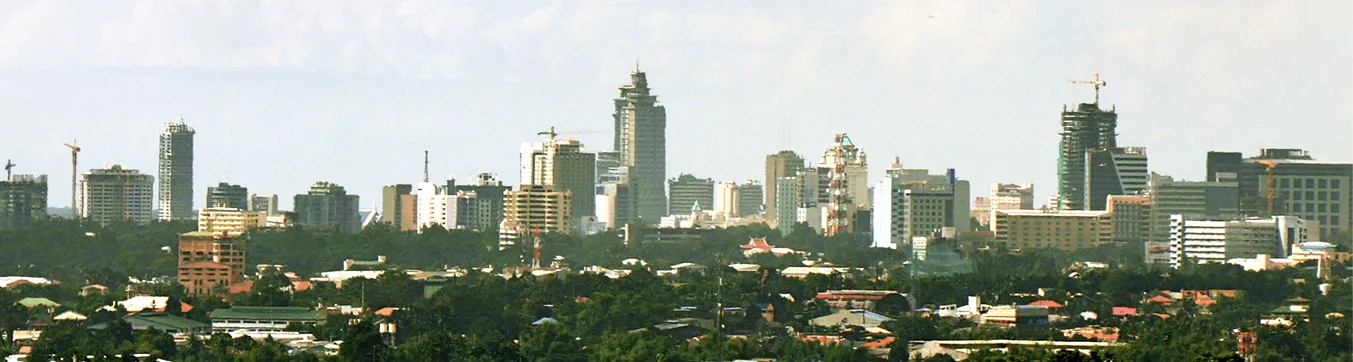
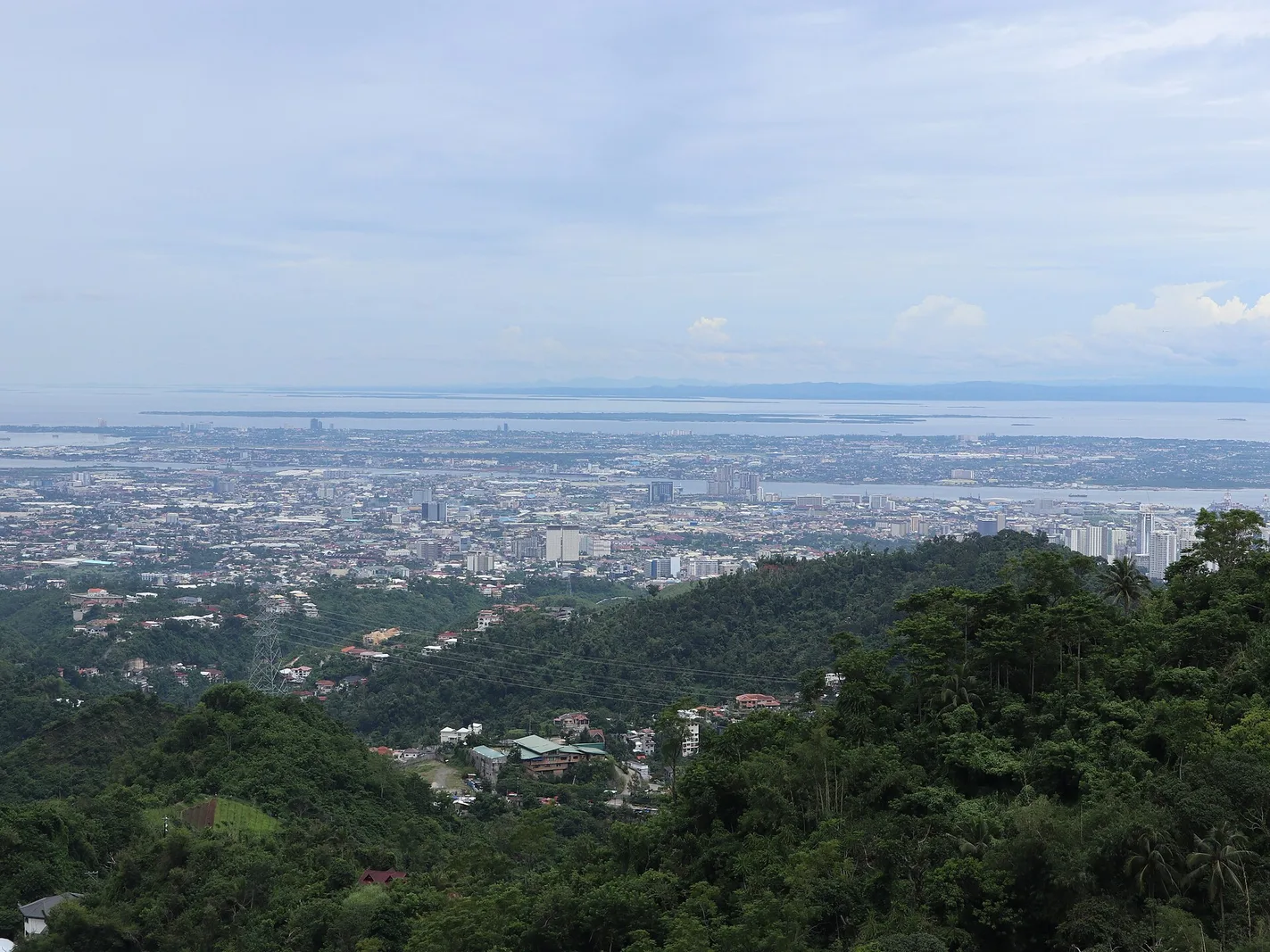
Cebu City sits on a long, narrow island in the central Visayas, hemmed between a spine of low limestone mountains and the sea. That geography shaped the plate. The waters of the Camotes Sea and the Tanon Strait deliver some of the country's best seafood, while the dry, sun-baked lowlands around Carcar and the south are perfect for raising the pigs that made Cebu famous. Put those two facts together and you get the region's signature: charcoal-roasted lechon and a relentless, salt-tinged street-food culture.
In recent years the Michelin Guide expanded into the Philippines, and several Cebu eateries earned the Bib Gourmand distinction -- the guide's nod to spots offering excellent food at friendly prices. A good tour threads a couple of these recognized kitchens together with the unglamorous, brilliant street stalls that locals have loved for generations. The contrast is the whole point: white-tablecloth recognition next to a plastic stool on the pavement, and both are delicious.
What You Actually Eat, Stop by Stop
Every guide runs a slightly different route, but the building blocks of a proper Cebu food crawl are remarkably consistent. Here is what tends to land in front of you.
Trip.com
See all tours in Philippines on Trip.comFood tour in Philippines
Hand-picked experiences in Philippines — book on Trip.com with instant confirmation.

Lechon -- the dish Cebu is famous for
Anthony Bourdain once called Cebu lechon the best pig he had ever tasted, and locals have never let anyone forget it. Cebu's version is distinct from the rest of the country: the cavity is stuffed with lemongrass, garlic, scallions, and other aromatics, then the whole pig is slow-turned over charcoal until the skin shatters like glass. Crucially, it needs no dipping sauce -- the seasoning is built in. Expect to be handed a piece of crackling skin with a sliver of impossibly tender meat still attached.
Street eats and the famous "puso"
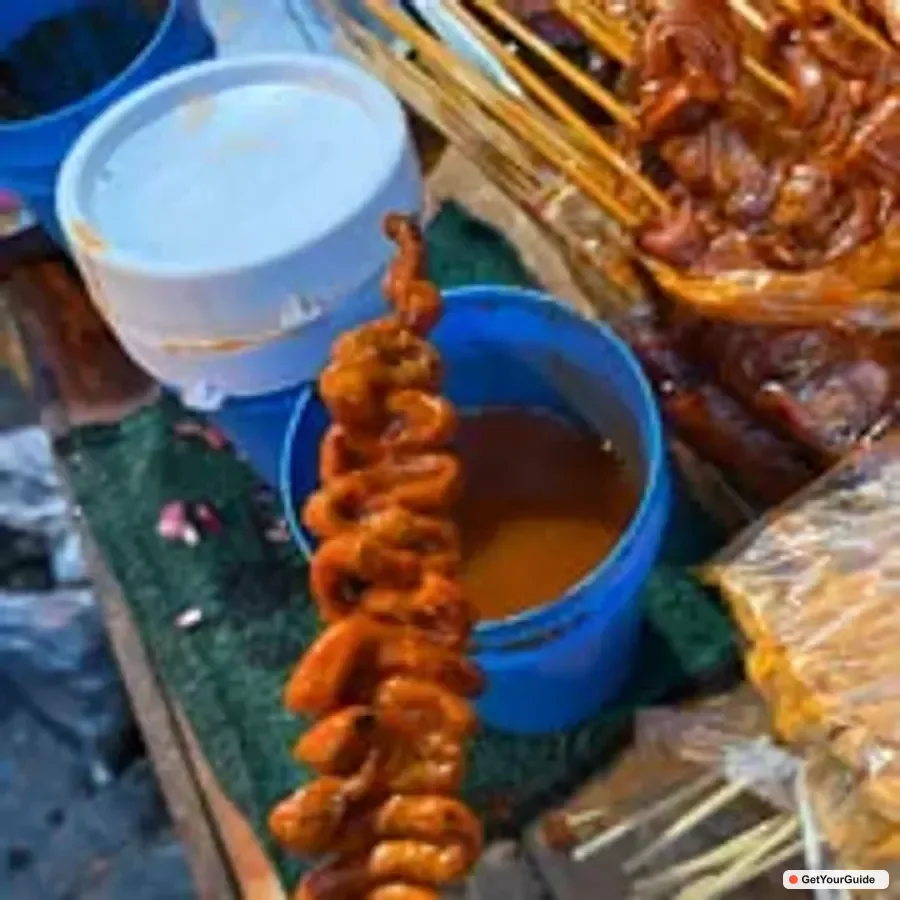
Cebu's street food is its own ecosystem. You will likely try puso, rice steamed inside a hand-woven pouch of coconut palm leaf, hung in clusters at every grill stand. It is the perfect handheld base for skewers. Around it come the grilled classics: isaw (chicken intestine), pork barbecue marinated in soy, calamansi and banana ketchup, chicken feet (cheekily called "adidas"), and grilled chorizo. Sweeter stops might bring balbacua-style stews or the milky, gelatinous comfort of warm taho.
Ngohiong, a Cebu original
One you will not find everywhere is ngohiong -- Cebu's localized take on a Chinese spring roll, fragrant with five-spice powder (the name itself comes from the Hokkien for five-spice), deep-fried crisp and dunked in a garlicky vinegar dip. It is a direct, edible record of the centuries of Chinese trade and migration that shaped this port city.
Seafood, sweets, and the Bib Gourmand kitchens
Because the sea is never far, expect grilled fish, squid, or kinilaw -- raw fish "cooked" in vinegar and calamansi with ginger and chili, the Filipino cousin of ceviche. The Bib Gourmand sit-down stops usually showcase refined home-style Cebuano cooking, the kind of food families argue over. Save room for dessert: budbud (sticky rice logs), torta, or a creamy local take on halo-halo if the heat demands it.
The Jeepney Ride
Between stops you ride the jeepney, and it deserves its own billing. Born from surplus U.S. military jeeps left after World War II, Filipino mechanics stretched the chassis, added two long benches in the back, and painted them in dazzling, hand-lettered colors. For decades the jeepney has been the workhorse of Philippine streets -- you board from the rear, pass your fare hand-to-hand toward the driver, and shout "para!" when you want to stop. Climbing aboard one mid-tour is not a gimmick; it is simply how Cebuanos get from one neighborhood to the next, and it puts you shoulder to shoulder with the city itself.
Culture and History on the Plate
Cebu's food is a timeline you can taste. The Spanish arrival in the 16th century -- marked today by the Magellan's Cross kiosk and the Basilica del Santo Nino in the city's historic core -- brought lechon, escabeche, and a deep Catholic festival culture that revolves around feasting. Centuries of Chinese trade left ngohiong, lumpia, and noodle dishes. American occupation gave the country banana ketchup (invented during a wartime tomato shortage) and, of course, the jeepney. Every skewer and spring roll is a small artifact of those layered histories, which is exactly why eating your way through the city teaches you more than a museum sometimes can.
Practical Tips Before You Go
- Best time: Cebu's drier months run roughly December through May; the wetter season spans June to November. Late afternoon and early evening tours are ideal -- the grills fire up, the heat eases, and the street comes alive.
- Come hungry, pace yourself: these tours involve multiple substantial tastings. Eat light beforehand and resist filling up at the first stop.
- What to wear: light, breathable clothing and genuinely comfortable closed shoes. You will walk on uneven pavement and clamber on and off a jeepney. Bring a hand fan or small towel; it gets sweaty.
- Bring: water, hand sanitizer or wet wipes (street eating is hands-on), small peso notes and coins for the jeepney and any extra snacks, and a tolerance for crowds and noise.
- How strenuous: generally easy to moderate -- mostly walking with short rides -- but the heat, humidity, and stair-free jeepney boarding can be tiring. Mention mobility needs or food allergies (shellfish, pork) to your guide in advance.
- What's typically included: a local guide, the food tastings at each stop, and the jeepney fares. Confirm whether bottled water and additional drinks are covered.
- Responsible travel: tip your guide and the vendors, follow your guide's lead on which stalls are freshest, and treat the jeepney as the working public transport it is -- give up your spot to commuters when it is busy. Supporting small, family-run stalls keeps this culinary heritage alive.
- Duration: most food tours run around three to four hours.
The Last Bite
What stays with you after a Cebu food tour is not any single dish -- though the lechon will haunt you -- but the rhythm of it: the sizzle of charcoal, the rattle of a jeepney over old streets, a vendor pressing one more skewer into your hand and grinning while you pretend you have room. Cebu does not perform its food culture for visitors. It simply lives it, loudly and generously, and for a few hours you get to live it too. Come hungry, stay curious, and let the oldest city in the Philippines feed you the way it has fed its own for five hundred years.
Good to know before you book
- Duration: typically a full day (around 8 to 10 hours including transfers), though half-day and multi-day options exist - check the listing.
- Best for: couples, families and first-time visitors.
- What is included: the farm or class, a guide, tastings or a meal and often transfers.
- Pickup: most tours offer hotel or central pickup; confirm your point and time when booking.
- Book through: the GetYourGuide button on this page, which shows live availability and pricing.
Frequently asked questions
How long does the Cebu Food Tour: Bib Gourmand, Street Eats & Jeepney Ride take?
Most departures run as a full day - roughly 8 to 10 hours including pickup, travel and the activities themselves - so plan to set aside the whole day. Some operators offer shorter or private versions; the exact timing for your date is shown when you book through the GetYourGuide button on this page.
What is included in the Cebu Food Tour: Bib Gourmand, Street Eats & Jeepney Ride?
Typically the price covers the farm or class, a guide, tastings or a meal and often transfers. Inclusions vary by operator, so always read the specific listing - it spells out exactly what is provided and what you pay for separately, such as entrance or environmental fees.
What should I bring?
Pack comfortable closed shoes for farm ground, a hat, sunscreen, water and an appetite for the tastings. It is also worth carrying some cash for local fees, drinks and tips, plus any personal medication, since card facilities can be limited outside the cities.
Is the Cebu Food Tour: Bib Gourmand, Street Eats & Jeepney Ride suitable for beginners or families?
It is relaxed and family-friendly, suitable for all ages and fitness levels - a gentle, hands-on experience rather than a strenuous one. If you have specific concerns about age, fitness or swimming ability, message the operator before booking - they can advise on the best option for your group.
When is the best time to do this tour?
The best conditions are usually the dry months of December to May, with calm seas for snorkelling and diving. That said, the Philippines is a year-round destination, and many of these experiences run in any season - just expect the occasional shower and check the forecast for the day.
How do I get to Cebu City?
To reach Cebu City, fly into Mactan-Cebu International Airport, then drive south (about 3 to 4 hours to the southwest coast). Many tours include transfers from nearby towns or hotels, so confirm your pickup arrangement when you book so the day runs smoothly from the start.
Do I need to book the Cebu Food Tour: Bib Gourmand, Street Eats & Jeepney Ride in advance?
Yes - booking ahead is strongly recommended, especially in the dry-season peak and on weekends, when popular tours and the best operators sell out. Reserving online also locks in your spot and lets you compare timings and inclusions easily.
How much does the Cebu Food Tour: Bib Gourmand, Street Eats & Jeepney Ride cost?
Prices vary with the season, group size and exactly what is included, so we do not list a fixed figure here. Tap the GetYourGuide button on this page to see the current, accurate price and availability for your chosen date.
Can I do the Cebu Food Tour: Bib Gourmand, Street Eats & Jeepney Ride as a private or customised tour?
Many operators offer a private version of this experience for couples, families or small groups who want a flexible pace and a guide to themselves, and some can tailor the route or add stops. If a private or custom option matters to you, check the listing or message the operator before booking, as availability and prices differ from the standard shared tour.
Ready to explore Cebu City?
From planning to the moment you arrive, the Cebu Food Tour: Bib Gourmand, Street Eats & Jeepney Ride is one of the most rewarding ways to experience this corner of the Philippines - and booking it is simple. Use the GetYourGuide button on this page to check live availability, compare timings and secure your spot, then turn up and let the local guides handle the rest while you focus on the views, the water and the memories.

PANA.PH Editorial Team
Philippines travel desk
The PANA.PH travel desk researches, books and re-checks Philippines travel logistics — fares, ferry schedules, government fees and permit rules — and publishes what it can verify.
🏡 Real local stays (book direct)
Hand-picked homestays and guesthouses — book direct, no markup.
Browse all local stays →

🌊 Popular activities (book instantly)
Island hopping, canyoneering, whale sharks — real Klook/GetYourGuide options.
View all activities →