Contents
Before the bangkas full of snorkelers leave the cove, before the first beachfront cafe has finished grinding its coffee, the fishermen of El Nido are already on the water. They have been doing this for generations, long before anyone thought to call this corner of Palawan one of the most beautiful places on earth. A private fishing tour with these men is not a polished, choreographed excursion. It is something quieter and rarer: a few hours spent inside the real working rhythm of a Filipino coastal town, with the karst towers of the Bacuit Archipelago rising out of the sea around you like the ruins of some impossibly old cathedral.
Hotels in Philippines
Compare live prices via Travelpayouts — targeted for this guide.
This is the El Nido most visitors never see. No resort jetty, no Instagram queue at a lagoon. Just a small outrigger boat, a line, the tide, and a local who knows these waters the way you know your own street.

Where you are: the Bacuit Archipelago and its drowned mountains
El Nido sits at the northern tip of Palawan, the long sliver of an island that forms the western edge of the Philippines. The bay you fish in is the Bacuit Archipelago, a scatter of roughly forty-five islands and islets that give the place its postcard drama. Those sheer grey cliffs streaked with black and rust are limestone karst, and their story is a long one.
The limestone began as coral reef and marine sediment laid down on an ancient seafloor over millions of years. Tectonic forces lifted it, and then rain and the slightly acidic sea went to work, dissolving the soft rock into the jagged pinnacles, sea caves, and hidden lagoons you see today. The famous Big and Small Lagoons of El Nido are essentially collapsed cave systems flooded by the sea. From a low fishing boat, riding close to the waterline, you appreciate the scale of these formations in a way you simply cannot from a crowded tour banca. The cliffs lean over you. The water beneath your hull can drop from turquoise shallows to deep indigo in a single boat-length.
Snorkeling in Philippines
Hand-picked experiences in Philippines — book on Trip.com with instant confirmation.
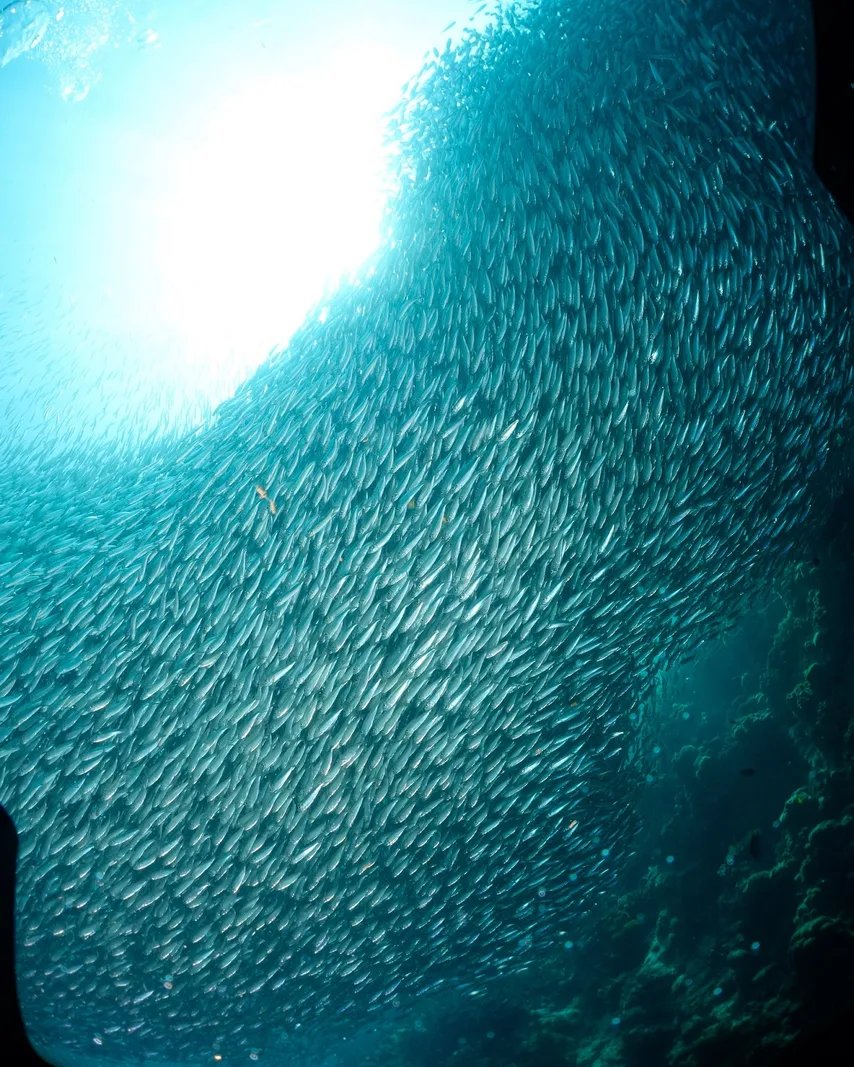
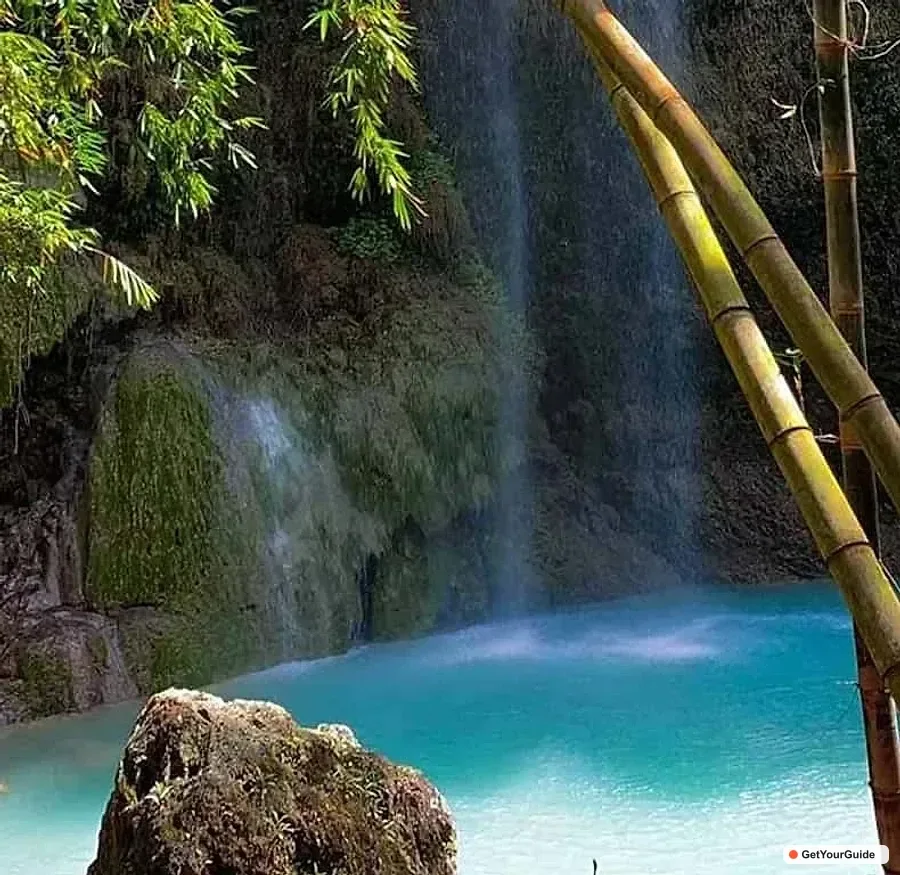

That underwater topography is exactly why fishing here works. Reefs, drop-offs, seagrass beds, and current lines create a patchwork of habitats, and the fishermen carry a mental map of all of it.
What you actually do, hour by hour
A private trip is shaped by the fisherman and the conditions, not a fixed script, but most follow a familiar arc.
The early start and the boat
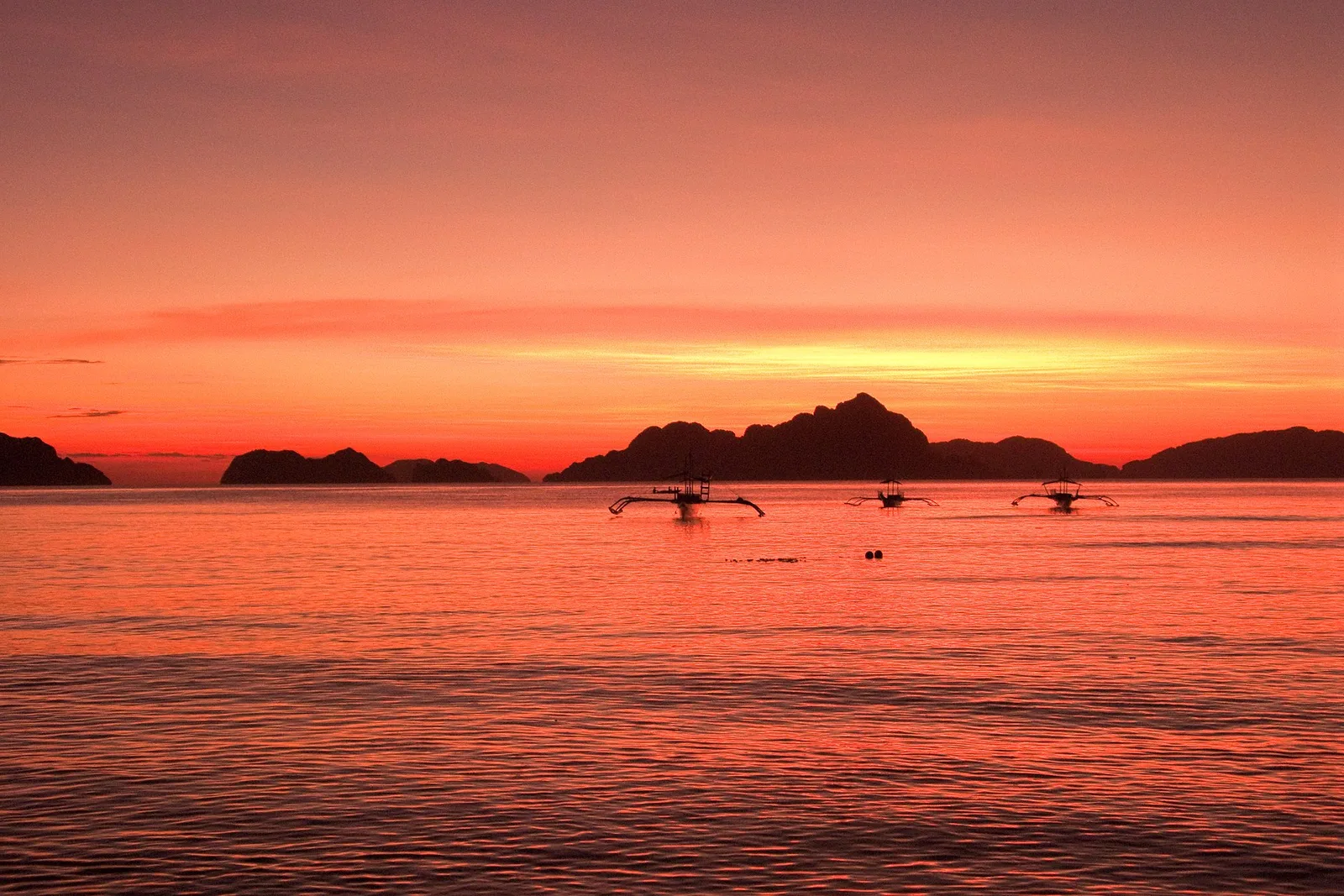
The best trips leave around dawn or in the soft light of late afternoon, when fish feed and the heat eases. You will board a bangka, the classic Filipino double-outrigger boat: a narrow wooden hull with bamboo arms (the katig) stretched out on either side for stability. It is a beautifully evolved design, perfectly suited to these waters, and it has changed remarkably little in centuries.
Learning the local methods
Don't expect glossy rods and reels. Traditional Palawan fishing is hand-line fishing, usually called kawil: a baited hook on a line you hold directly, feeling every nibble through your fingertips. It is humbling and addictive in equal measure. Your fisherman will show you how to read the tension, when to wait, and when to pull. Depending on the spot and the day, you might also try simple jigging or trolling a line behind the boat as it moves between islands.
- Hand-lining over a reef edge for reef fish like grouper, snapper, and emperor.
- Trolling between islets, where faster pelagic fish such as trevally (locally talakitok) cruise.
- Watching your guide free-dive or spearfish, if that is part of his practice, with a breath-hold ability that will leave you stunned.
The quiet in between
Much of fishing is waiting, and that is the secret gift of this tour. Between bites you drift past limestone cliffs, watch sea eagles wheel overhead, and trade stories. Many guides will happily pull in to a quiet cove so you can swim or snorkel away from the crowds, and the water clarity here is extraordinary. Some trips finish with the catch grilled simply over coals on a beach or back at the fisherman's home, eaten with rice and your fingers. There is no better seafood meal than one you helped pull from the sea an hour earlier.
Why it matters: culture, livelihood, and a fragile sea
Fishing is not a novelty in El Nido. It is the backbone of how coastal Palawan has fed itself for generations, and tourism arrived only relatively recently. By going out with a local fisherman, your money goes directly to a family rather than a large operator, and you get an unvarnished window into a way of life that the resort boom is steadily reshaping.
It also matters because these waters are protected. El Nido and the surrounding sea fall within the El Nido-Taytay Managed Resource Protected Area, one of the country's important marine conservation zones. The reefs here shelter sea turtles, reef sharks, and, in the broader waters of Palawan, even dugongs. Local fishing is increasingly bound by rules meant to keep it sustainable, and the best guides are quietly proud conservationists who know that healthy reefs are their pension. A few honest notes on responsible behaviour:
- Choose hook-and-line trips. Genuine small-scale line fishing is far gentler than nets or, worse, the destructive dynamite and cyanide methods that earlier devastated Philippine reefs and are now illegal.
- Respect catch limits and seasons. Let your guide lead on what is kept and what goes back. Undersized or out-of-season fish should be released.
- Never touch coral or take shells. Keep fins and feet clear of the reef when you swim.
- Bring your rubbish back. Pack out every wrapper and bottle.
Practical tips before you go
When to go
El Nido's dry season runs roughly from late November to May, with the calmest seas and clearest water generally from December to April. The wet, windier habagat months from June to October can bring rougher seas that cancel small-boat trips, so build in flexibility. For the fishing itself, the early morning and the last hours before sunset are reliably the most productive and the most beautiful.
What to bring
- Reef-safe sunscreen, a hat, sunglasses, and a long-sleeved rash guard. The tropical sun on open water is fierce, and shade on a small bangka is limited.
- Water and a few snacks, though many trips include refreshments or a cooked catch.
- A dry bag for your phone and camera. Spray and bilge water are guaranteed.
- Swimwear and a towel if you plan to snorkel.
- Light motion-sickness medication if you are sensitive to swell.
How strenuous and how long
This is a low-effort, accessible activity suitable for most ages and fitness levels. You are sitting in a boat; the main demands are sun exposure and the gentle motion of the sea. Trips commonly run anywhere from three to six hours depending on what you arrange, and because it is private, the pace bends to you. Bring patience rather than stamina. The fish arrive on their own schedule, and the waiting is part of the point.
A last cast
You can see El Nido's lagoons in a single frantic island-hopping day and tick the boxes. But to sit in a wooden boat at first light, line in hand, a Palawan fisherman beside you naming the cliffs and the currents, is to feel the place breathe. The fish are a bonus. What you really catch out there, drifting beneath those ancient drowned mountains, is a quieter and truer version of El Nido, and it tends to stay with you long after the tan has faded.
Good to know before you book
- Duration: typically a full day (around 8 to 10 hours including transfers), though half-day and multi-day options exist - check the listing.
- Best for: couples, families and first-time visitors.
- What is included: transport and a guide; check the listing for meals, gear and fees.
- Pickup: most tours offer hotel or central pickup; confirm your point and time when booking.
- Book through: the GetYourGuide button on this page, which shows live availability and pricing.
Frequently asked questions
How long does the El Nido Private Fishing Tour with Local Fishermen take?
Most departures run as a full day - roughly 8 to 10 hours including pickup, travel and the activities themselves - so plan to set aside the whole day. Some operators offer shorter or private versions; the exact timing for your date is shown when you book through the GetYourGuide button on this page.
What is included in the El Nido Private Fishing Tour with Local Fishermen?
Typically the price covers transport and a guide; check the listing for meals, gear and fees. Inclusions vary by operator, so always read the specific listing - it spells out exactly what is provided and what you pay for separately, such as entrance or environmental fees.
What should I bring?
Pack comfortable clothing, sunscreen, a hat, water and a little cash for fees and extras. It is also worth carrying some cash for local fees, drinks and tips, plus any personal medication, since card facilities can be limited outside the cities.
Is the El Nido Private Fishing Tour with Local Fishermen suitable for beginners or families?
It suits a wide range of travellers; ask the operator about fitness or swimming requirements if you are unsure. If you have specific concerns about age, fitness or swimming ability, message the operator before booking - they can advise on the best option for your group.
When is the best time to do this tour?
The best conditions are usually the dry season from late November to May, when seas are calmest and skies clearest. That said, the Philippines is a year-round destination, and many of these experiences run in any season - just expect the occasional shower and check the forecast for the day.
How do I get to El Nido?
To reach El Nido, fly into Puerto Princesa, El Nido or Coron (Busuanga) airport, then transfer by road or boat. Many tours include transfers from nearby towns or hotels, so confirm your pickup arrangement when you book so the day runs smoothly from the start.
Do I need to book the El Nido Private Fishing Tour with Local Fishermen in advance?
Yes - booking ahead is strongly recommended, especially in the dry-season peak and on weekends, when popular tours and the best operators sell out. Reserving online also locks in your spot and lets you compare timings and inclusions easily.
How much does the El Nido Private Fishing Tour with Local Fishermen cost?
Prices vary with the season, group size and exactly what is included, so we do not list a fixed figure here. Tap the GetYourGuide button on this page to see the current, accurate price and availability for your chosen date.
Can I do the El Nido Private Fishing Tour with Local Fishermen as a private or customised tour?
Many operators offer a private version of this experience for couples, families or small groups who want a flexible pace and a guide to themselves, and some can tailor the route or add stops. If a private or custom option matters to you, check the listing or message the operator before booking, as availability and prices differ from the standard shared tour.
Ready to explore El Nido?
From planning to the moment you arrive, the El Nido Private Fishing Tour with Local Fishermen is one of the most rewarding ways to experience this corner of the Philippines - and booking it is simple. Use the GetYourGuide button on this page to check live availability, compare timings and secure your spot, then turn up and let the local guides handle the rest while you focus on the views, the water and the memories.

Real local stays (book direct)
Hand-picked homestays and guesthouses — book direct, no markup.

Popular activities (book instantly)
Island hopping, canyoneering, whale sharks — real Klook/GetYourGuide options.
Plan your Philippines trip