Sailing into a Boracay Sunset There is a moment, somewhere off the western edge of Boracay, when the engines ease back and the yacht settles into a slow dr
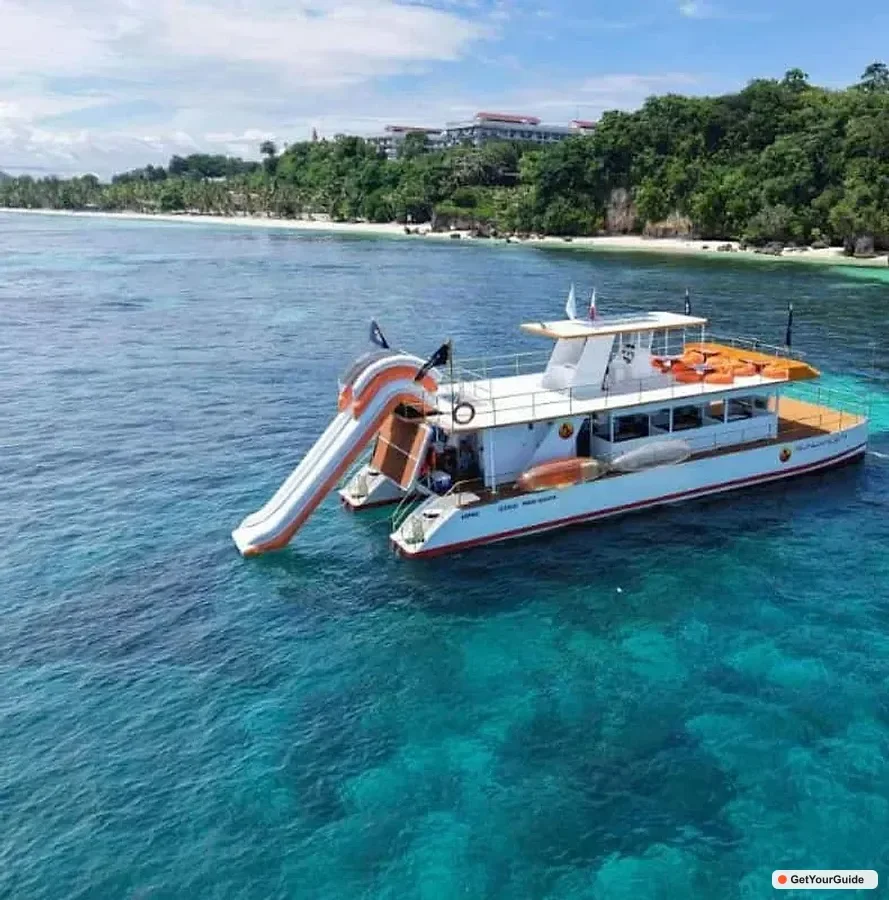
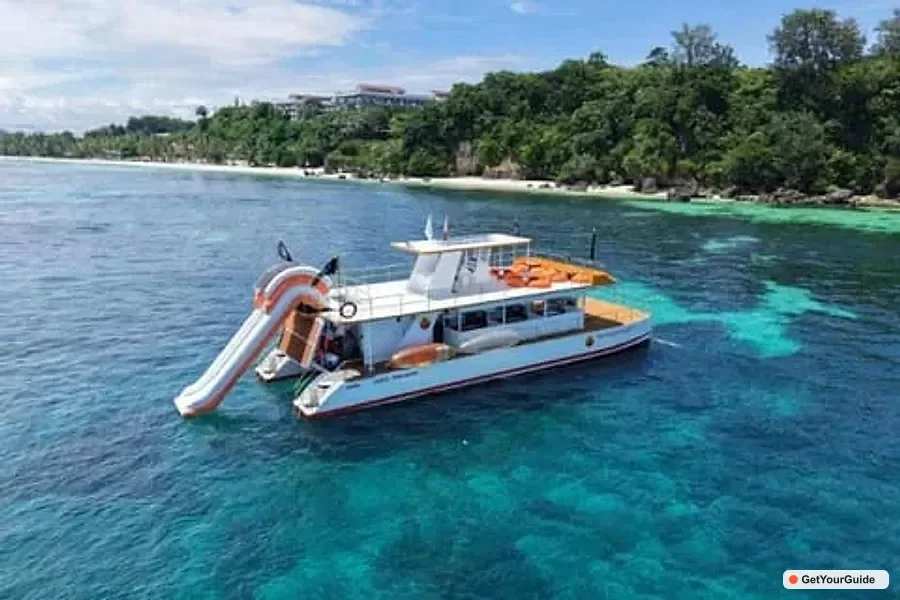
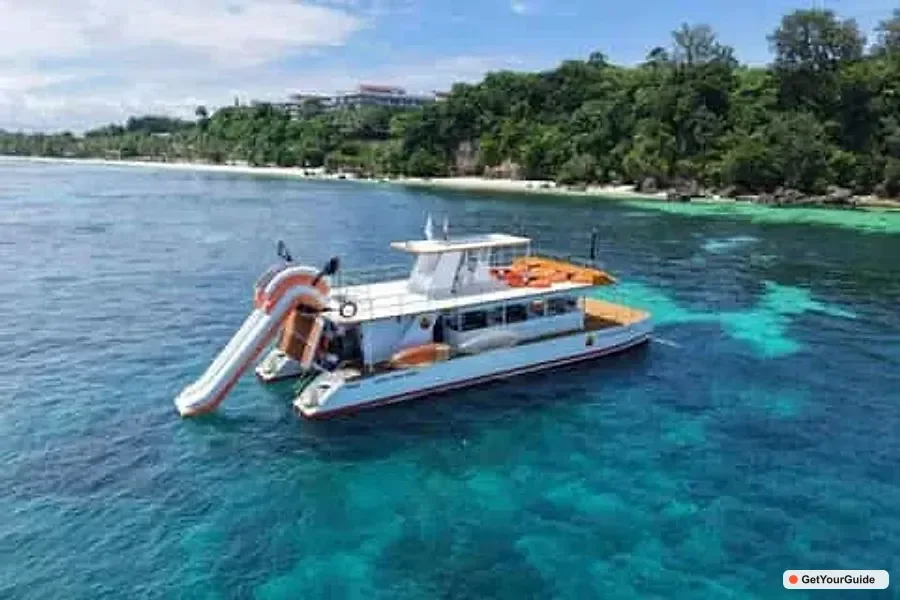
There is a moment, somewhere off the western edge of Boracay, when the engines ease back and the yacht settles into a slow drift. The wind softens, the music dips, and everyone aboard turns the same direction at the same time. To the west, the Sulu Sea has gone molten orange, and the sun is sinking fast toward the horizon line. Drinks are raised without anyone being told to. This is the heart of the Boracay Epic Yacht Party by Sundancer: a few hours on the water that swing between celebration and quiet awe, with the most famous beach in the Philippines glowing gold behind you.
Trip.com
Hotels in Philippines
Compare live prices via Travelpayouts — targeted for this guide.
Boracay is a tiny island, barely seven kilometers from tip to tip, sitting off the northwest corner of Panay in the province of Aklan in the Western Visayas. From the deck of a yacht you finally grasp its real shape: a slim, dog-bone of land with that legendary stretch of White Beach running down its leeward, western flank. Seeing the island from offshore, the way the early traders and fishermen first knew it, is reason enough to come aboard.
Why White Beach Is So Famous (The Geology Behind the Glow)
That blinding, talcum-soft white sand is not a marketing trick. White Beach is made largely of fine calcium carbonate grains, the broken-down remains of coral and the shells of marine organisms accumulated over thousands of years. Because the grains are so fine and so pale, the sand reflects sunlight rather than absorbing it, which is why it stays remarkably cool underfoot even at midday and why it seems to glow at golden hour. The island sits on the leeward, western side of Panay during the dry season, sheltered from the prevailing winds, which is exactly what gives White Beach its famously calm, swimmable water and makes the western side the natural stage for sunset cruises.
The Philippines lies along the Pacific edge of the Coral Triangle, the most biodiverse marine region on Earth, and the waters around Boracay are part of that richness. The seasonal wind shift the locals call amihan (the cool northeast wind of roughly November to May) and habagat (the southwest monsoon of the wet months) governs everything here: which beach is calm, where the boats anchor, and when the water is glassy enough for a relaxed cruise. Yacht parties run best in the amihan dry season, when the west-facing sunset side is sheltered and serene.
Trip.com
Tours & activities in Philippines
Hand-picked experiences in Philippines — book on Trip.com with instant confirmation.
The Sundancer experience is built around the late afternoon and the sunset, so most departures are timed to put you on the water as the light starts to turn. Here is the rhythm of a typical sail:
Boarding and welcome. You meet the crew, get a quick safety briefing, and settle into the deck. A welcome drink usually gets pressed into your hand almost immediately, and the sound system is already going.
The cruise out. The yacht pulls away from the Boracay shoreline and runs along the western coast. This is your chance to see the island the way few visitors do, with White Beach, Station 1's grand resorts, and the famous limestone outcrop of Willy's Rock sliding past from the water.
Swim and float stop. Most sails include an anchored stop where you can jump straight off the boat into clear, warm water. Floating in the open sea with the island as your backdrop is, for many guests, the highlight.
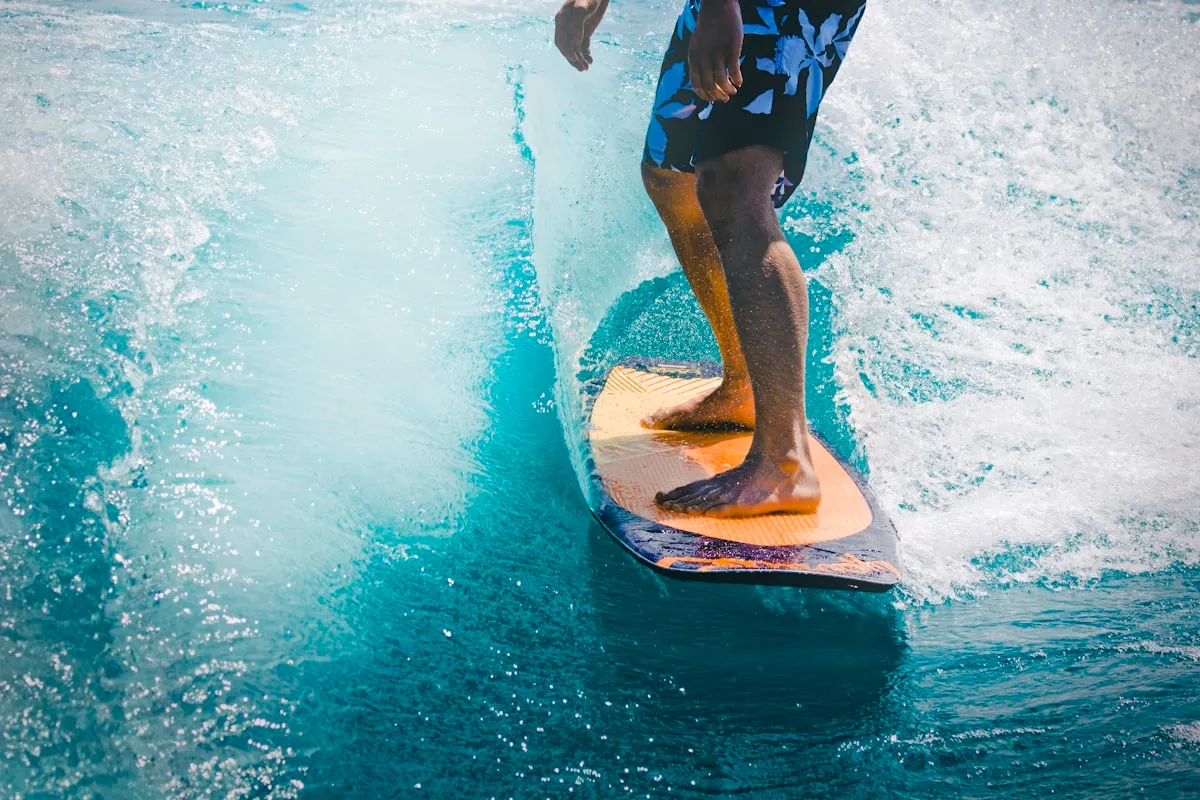
The party builds. Music, dancing on deck, drinks flowing, and the easy social mood of strangers becoming a crowd. Sundancer leans into the celebratory side, so expect an upbeat, social atmosphere rather than a hushed dinner cruise.
Golden hour and sunset. The crew positions the yacht for the main event. As the sun drops into the Sulu Sea, the whole deck turns to watch. On clear evenings the sky runs through orange, pink, and deep violet, and the silhouettes of other boats dot the horizon.
A Bit of Boracay's Story
Boracay was not always a global icon. For generations it was home to the indigenous Ati people, the island's original inhabitants, and a quiet community of fishing and farming families. It drifted into wider awareness only in the late twentieth century, first among backpackers and divers who passed word of an impossibly beautiful, barely-developed beach, and then, as the reputation spread, among the world.
That fame came at a cost. By the 2010s the island's runaway development had badly outpaced its sewage and waste infrastructure, and in 2018 the Philippine government took the dramatic step of closing Boracay to tourists for six months for an environmental rehabilitation. Drainage was fixed, illegal structures along the beach were cleared, and stricter rules were brought in, from the easements that now keep the beachfront clear to limits on activities right on the sand. When you cruise past today, you are looking at an island that has been deliberately pulled back from the brink, which is worth remembering as you enjoy it.
Practical Tips for a Great Sail
Best time to go. Aim for the amihan dry season, roughly November through May, when the western sunset side is calm and the skies are most likely to be clear. Within the day, sunset departures are the prize, so book the late-afternoon slot. Sunset over Boracay falls in the early evening, generally somewhere around 5:30 to 6:30 PM depending on the month.
What to wear and bring. Swimwear under light, breezy clothing; you will likely want to get in the water. Bring a towel, reef-safe sunscreen, sunglasses, and a light layer for when the wind picks up after dark. Secure your phone and bring a waterproof pouch if you want photos in the water. Flat or bare feet are the norm on deck, so leave the heels behind.
How strenuous it is. Not at all. This is a relaxed, accessible experience suitable for most ages and fitness levels. The only real exertion is climbing in and out of the water if you choose to swim, and there is no obligation to.
What is typically included. Yacht-party packages of this style generally cover the cruise itself, drinks, music and crew, and the swim stop. Some run with onboard snacks or food. Because exact inclusions vary by package and season, confirm the specifics, especially around food and the number of drinks, when you book rather than assuming.
Responsible-travel notes. Boracay's recovery is real but fragile. Use reef-safe sunscreen to protect the coral that built the very sand you came for, keep all trash on board, and never touch or stand on coral if you snorkel. Drink responsibly: it is a party, but the sea always deserves respect. Choosing operators who follow the island's rehabilitation rules is part of keeping Boracay beautiful for the next visitor.
Last Light, Lasting Memory
By the time the yacht turns back toward shore, the sky has usually gone deep blue and the lights of White Beach are flickering on, one bar and resort at a time. There is a particular kind of contentment that settles over a boat after a good sunset, salt on your skin, music still playing low, the island sliding closer. The Boracay Epic Yacht Party by Sundancer packs the best of this island, its impossible sand, its sheltered western water, its celebratory spirit, into a few unhurried hours on the sea. Climb aboard, raise a glass, and let Boracay show you why the whole world fell for it.
Good to know before you book
Duration: typically a full day (around 8 to 10 hours including transfers), though half-day and multi-day options exist - check the listing.
Best for: couples, families and first-time visitors.
What is included: transport and a guide; check the listing for meals, gear and fees.
Pickup: most tours offer hotel or central pickup; confirm your point and time when booking.
Book through: the GetYourGuide button on this page, which shows live availability and pricing.
Frequently asked questions
How long does the Boracay Epic Yacht Party by Sundancer take?
Most departures run as a full day - roughly 8 to 10 hours including pickup, travel and the activities themselves - so plan to set aside the whole day. Some operators offer shorter or private versions; the exact timing for your date is shown when you book through the GetYourGuide button on this page.
What is included in the Boracay Epic Yacht Party by Sundancer?
Typically the price covers transport and a guide; check the listing for meals, gear and fees. Inclusions vary by operator, so always read the specific listing - it spells out exactly what is provided and what you pay for separately, such as entrance or environmental fees.
What should I bring?
Pack comfortable clothing, sunscreen, a hat, water and a little cash for fees and extras. It is also worth carrying some cash for local fees, drinks and tips, plus any personal medication, since card facilities can be limited outside the cities.
Is the Boracay Epic Yacht Party by Sundancer suitable for beginners or families?
It suits a wide range of travellers; ask the operator about fitness or swimming requirements if you are unsure. If you have specific concerns about age, fitness or swimming ability, message the operator before booking - they can advise on the best option for your group.
When is the best time to do this tour?
The best conditions are usually the dry season from roughly November to May. That said, the Philippines is a year-round destination, and many of these experiences run in any season - just expect the occasional shower and check the forecast for the day.
How do I get to Boracay?
To reach Boracay, travel to Boracay by the nearest airport or ferry and continue by road. Many tours include transfers from nearby towns or hotels, so confirm your pickup arrangement when you book so the day runs smoothly from the start.
Do I need to book the Boracay Epic Yacht Party by Sundancer in advance?
Yes - booking ahead is strongly recommended, especially in the dry-season peak and on weekends, when popular tours and the best operators sell out. Reserving online also locks in your spot and lets you compare timings and inclusions easily.
How much does the Boracay Epic Yacht Party by Sundancer cost?
Prices vary with the season, group size and exactly what is included, so we do not list a fixed figure here. Tap the GetYourGuide button on this page to see the current, accurate price and availability for your chosen date.
Can I do the Boracay Epic Yacht Party by Sundancer as a private or customised tour?
Many operators offer a private version of this experience for couples, families or small groups who want a flexible pace and a guide to themselves, and some can tailor the route or add stops. If a private or custom option matters to you, check the listing or message the operator before booking, as availability and prices differ from the standard shared tour.
Ready to explore Boracay?
From planning to the moment you arrive, the Boracay Epic Yacht Party by Sundancer is one of the most rewarding ways to experience this corner of the Philippines - and booking it is simple. Use the GetYourGuide button on this page to check live availability, compare timings and secure your spot, then turn up and let the local guides handle the rest while you focus on the views, the water and the memories.
The PANA.PH travel desk researches, books and re-checks Philippines travel logistics — fares, ferry schedules, government fees and permit rules — and publishes what it can verify.