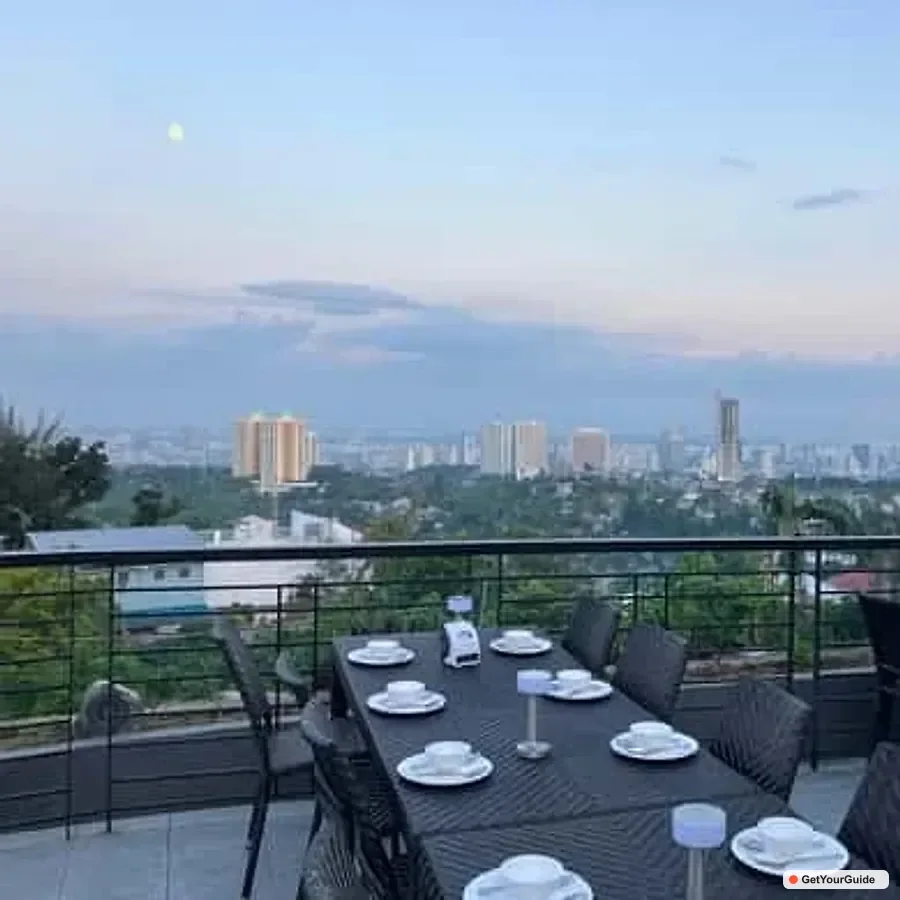
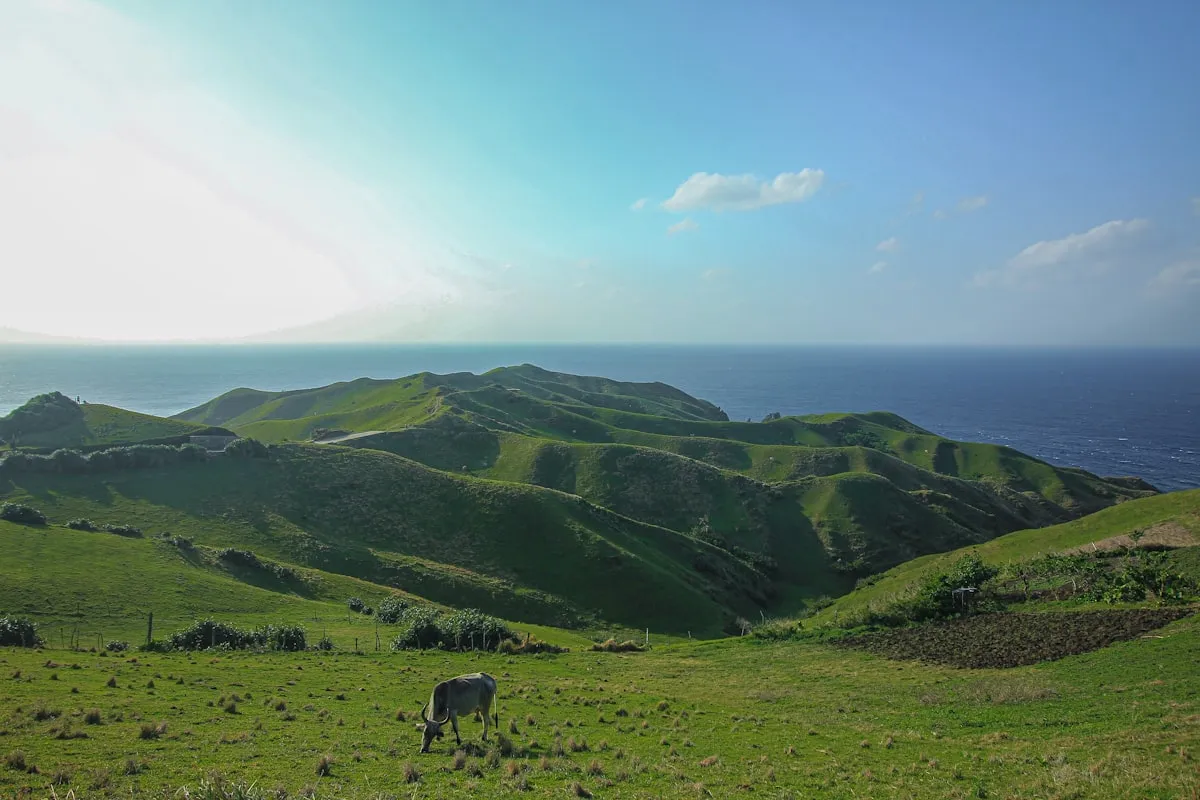
Palawan is the Philippines' last frontier — a UNESCO Biosphere Reserve stretching 450 kilometres through the Sulu and South China Seas. Its two most famous destinations, El Nido and Coron, have both made it onto every "bucket list" on the internet. Both deliver jaw-dropping limestone karsts, crystal-clear water, and the kind of island scenery that turns first-time visitors into lifelong Philippines addicts.
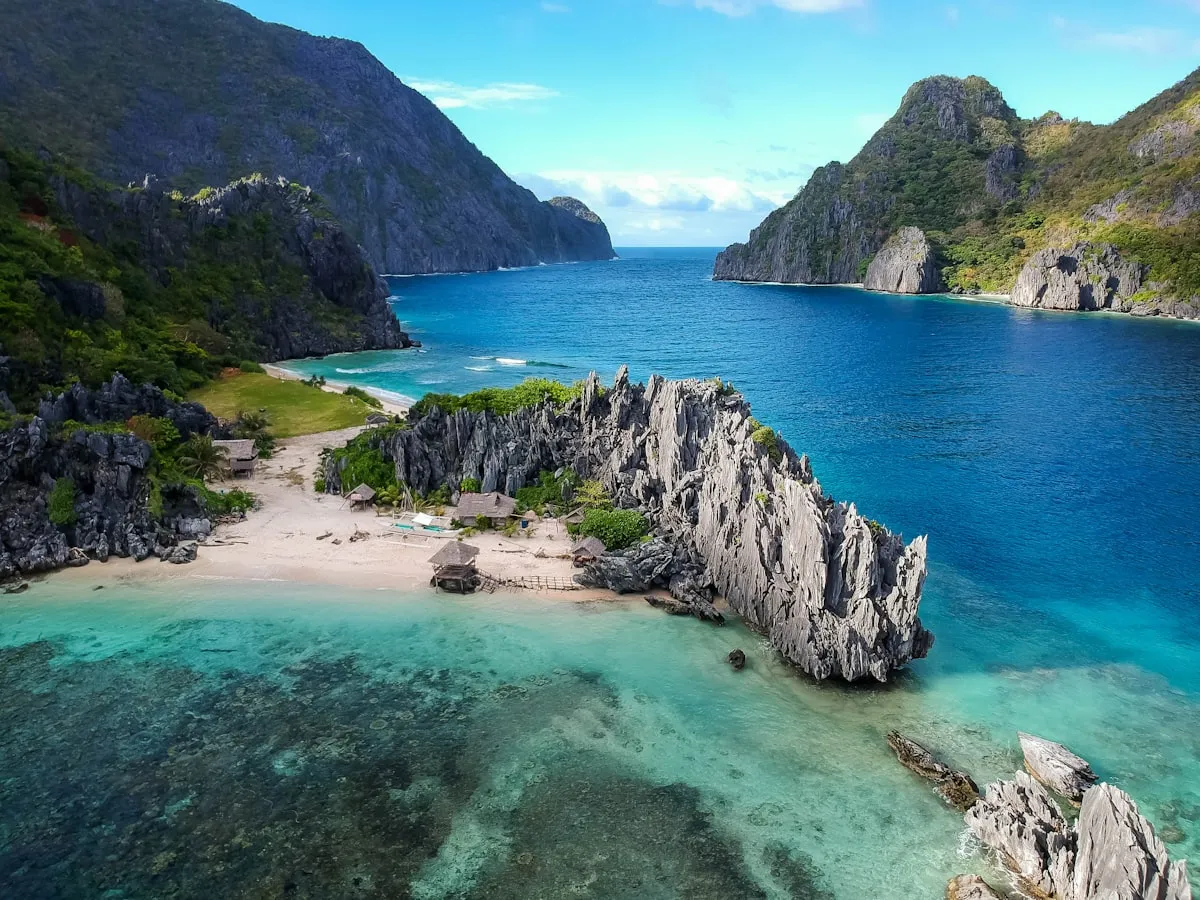
El Nido vs Coron: Which Palawan Destination Should You Choose? (2026)
Trip.com
Search on Trip.comHotels in Philippines
Compare live prices via Travelpayouts — targeted for this guide.
But here's what the glossy travel magazines usually skip: El Nido and Coron are fundamentally different places. One is built for scenery-seeking backpackers and snorkelers; the other is a world-class wreck diving destination with a quieter, more authentically Filipino character. Choosing the wrong one for your style of travel can mean spending a week wishing you were somewhere else.
This guide gives you the full, honest picture — with real prices, real logistics, and a clear verdict for different types of travelers. We've been to both, multiple times. Let's get into it.
Quick Comparison: El Nido vs Coron at a Glance
| Category | El Nido | Coron |
|---|---|---|
| Scenery | Iconic limestone cliffs, hidden lagoons, secret beaches | Karst peaks, pristine lakes, Japanese WWII wreck scenery |
| Diving | Good — coral reefs, wall dives, macro life | Exceptional — Asia's #1 wreck diving destination |
| Snorkeling | Excellent — rich coral gardens, diverse marine life | Good — shallow reefs around the wrecks, coral gardens |
| Beaches | Outstanding — Nacpan, Las Cabanas, Hidden Beach | Modest — beaches not the main draw here |
| Accommodation | Backpacker hostels to boutique resorts; wide range | Budget guesthouses to mid-range dive resorts |
| Budget (per day) | ₱2,500 - ₱4,500 | ₱2,000 - ₱4,000 |
| Crowds | Busy Dec-Apr; some sites very crowded | Quieter; less developed tourist infrastructure |
| Getting there | Puerto Princesa + 5h van, or direct flight to Lio | Direct flights from Manila to USU (Francisco B. Reyes) |
| Best for | Scenery lovers, snorkelers, first-timers, nightlife | Divers, photographers, history buffs, fewer crowds |
El Nido: The Lagoon Capital of the World
The Vibe
El Nido is where Palawan's reputation was made. The town sits at the northern tip of the island, hemmed in by a dramatic wall of limestone karsts that drop straight into Bacuit Bay. A decade ago it was a backpacker hideout with dirt roads and frequent power cuts. Today it's a hybrid: boutique beach resorts and rooftop bars coexist with budget guesthouses and tricycles navigating the still-unpaved Calle Hama. The nightlife is the best in Palawan — modest by Boracay or Cebu standards, but lively enough that you won't be in bed by 9pm unless you choose to be.
Trip.com
See all tours in Philippines on Trip.comDiving in Philippines
Hand-picked experiences in Philippines — book on Trip.com with instant confirmation.
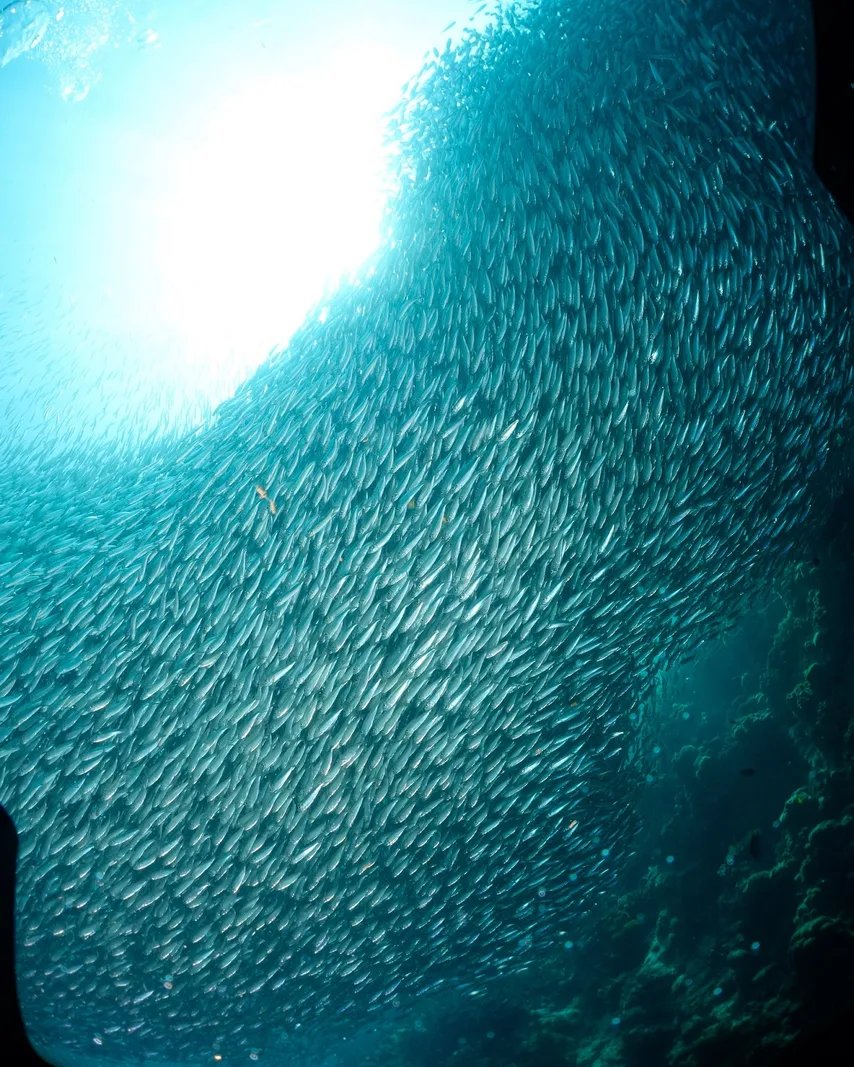
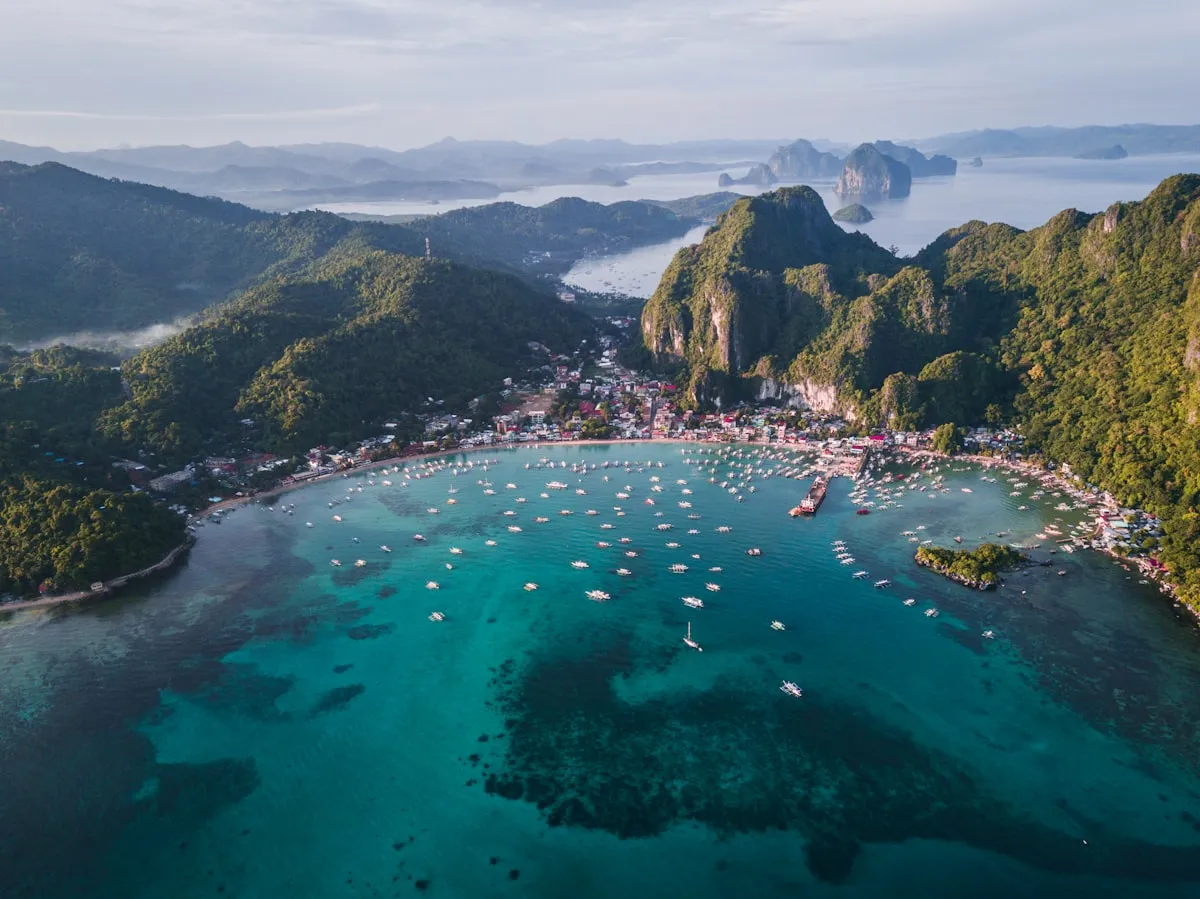
The crowds are real. December through April, the island-hopping boats leave in convoys and the more famous spots (Big Lagoon, Small Lagoon) feel like rush-hour traffic on water. Go early, book tours for 6-7am departure, and you'll have the first hour largely to yourself before the next wave arrives.
The Four Island-Hopping Tours
El Nido's island-hopping scene is organized into four official tour routes, each covering different islands and sites in Bacuit Bay. All tours run by bangka boat, include a crew and a packed lunch, and depart from El Nido town beach.
Tour A — The Flagship (₱1,400 - ₱1,800 per person)
This is El Nido's greatest hit and the most popular island-hopping route in the Philippines. Stops include the Big Lagoon (paddle a kayak through towering karst walls), the Small Lagoon (swim through a low arch into a secluded cove), and Secret Beach (dive through an underwater crack in a cliff to reach a hidden white-sand cove — no swimming ability, no entry). The route also typically includes Shimizu Island for snorkeling over one of the bay's best reef systems. Tour A is stunning but crowded. Book it first in your itinerary to set the baseline — every other tour will feel pleasantly quieter by comparison.
Tour B — The Caves Route (₱1,400 - ₱1,600 per person)
Tour B swings south to Pinagbuyutan Island (less visited, with a gorgeous stretch of beach and excellent snorkeling) and Cudugnon Cave (a dramatic limestone cavern you wade into at low tide). The Cathedral Cave — an ancient burial site used as a chapel by Spanish missionaries — is another common stop. Tour B is the most underrated of the four; it draws fewer crowds than Tour A but the scenery is comparably striking, and the snorkeling at Pinagbuyutan is often better.
Tour C — The Shrine Circuit (₱1,400 - ₱1,600 per person)
Tour C heads to the outer bay for Helicopter Island (named for its shape from the water — the beach here is powder-fine and usually uncrowded) and Matinloc Shrine, a clifftop chapel overlooking a hidden beach that requires a short swim to reach. Star Beach and Secret Lagoon (different from Tour A's Small Lagoon) round out the itinerary. Tour C requires slightly more open-sea crossings, so sea conditions matter more here than on Tours A or B.
Tour D — The Lagoon Loop (₱1,400 - ₱1,600 per person)
Tour D is the least-visited of the four, which is exactly why we recommend it. Stops include Talisay Beach (flat, calm, and largely private), Cadlao Lagoon (an enclosed emerald lagoon in the shadow of the area's tallest karst peak), and Bukal Beach. If you've already done Tour A and want more lagoon scenery without the crowds, Tour D delivers. Bangka operators sometimes combine D-route stops with private custom tours.
Best Beach: Nacpan
No island-hopping tour goes to Nacpan Beach — and that's precisely why it deserves its own mention. Located 45 minutes north of El Nido town by tricycle (₱300-400 one-way), Nacpan is a 4-kilometre arc of pale gold sand that meets both the sunrise and sunset sea depending on where you stand. It's part of the twin beaches of Nacpan-Calitang. Facilities are improving — a few beach bars and cottages have appeared — but it remains unhurried and spacious even in peak season. Combine it with a sunrise visit and you'll understand why it consistently ranks among Southeast Asia's finest beaches.
Where to Eat in El Nido
Republica Sunset Bar on the main beach is the iconic sundowner spot — overpriced by local standards (San Miguel ₱100-120) but the view justifies it at 5:30pm when the limestone karsts go orange and pink. Art Cafe on the main road does excellent smoothie bowls, proper coffee, and hearty Western-Filipino hybrid breakfast sets (₱250-400) in a leafy garden setting. For the best value, head to Calle Hama — the narrow dirt street behind the main beach — where family-run karinderias serve bangus (milkfish), adobo, and grilled liempo with rice for ₱80-120 per person. This is where the boat crews eat. Follow them.
El Nido Budget
- Budget traveler: ₱2,500/day — dorm bed (₱500-700), island tour (₱1,400), karinderia meals (₱300)
- Mid-range: ₱3,500-4,500/day — fan room or AC guesthouse (₱1,200-1,800), island tour, restaurant meals
- Splurge: ₱6,000+/day — beachfront boutique (₱3,000-5,000), private island-hopping charter
Getting to El Nido
The classic route: fly from Manila to Puerto Princesa (₱1,500-4,000 one-way, 1 hour), then catch a shared van from the main terminal to El Nido (₱250-350, roughly 5-6 hours depending on road conditions and stops). The road has improved significantly in recent years but it's still a mountain road — get a window seat, take motion sickness tablets if needed, and enjoy the rice paddies and river crossings.
For the time-rich alternative: direct flights to Lio Airport (El Nido) run on AirSWIFT from Manila (₱3,000-6,000 one-way) — a 55-minute hop that skips the van entirely. Limited seats, book early, worth every peso if you value your time or your knees.
Coron: Wreck Diving Capital of Asia
The Vibe
Coron is El Nido's quieter, grittier, more authentic sibling. The town itself — Coron town on Busuanga Island — is a working Filipino market town with tricycles, wet markets selling fresh tuna and squid, and a waterfront lined with fishing boats rather than tourist bangkas. The tourist infrastructure exists but hasn't yet overwhelmed the local character the way it has in El Nido. You'll share your restaurant with fishermen and local traders, not just other backpackers on their Southeast Asia circuit.
The reason divers from around the world make the pilgrimage to Coron is unambiguous: on September 24, 1944, US Navy aircraft bombed a Japanese supply fleet sheltering in Coron Bay and sank 24 ships in a single day. Those wrecks now rest between 10 and 40 metres below the surface, encrusted in coral and teeming with marine life. They are among the most accessible and diverse collection of WWII wrecks in the world.
Kayangan Lake
The most photographed spot in Coron — and possibly in all of the Philippines. Kayangan Lake sits inside a limestone cliff island, accessed via a steep wooden staircase (about 150 steps up, then down) with a panoramic viewpoint at the top that has been reproduced on approximately ten thousand Instagram accounts. The lake itself is extraordinary: tannin-stained emerald water so clear you can see 10 metres down without a mask. Swim to the underwater fissures in the cliff for a surreal submerged limestone cave experience. Entrance fee: ₱500 per person (funds the Tagbanua indigenous community that manages the area). Come before 9am or after 2pm to avoid the midday rush.
Twin Lagoon
A few minutes by boat from Kayangan Lake, Twin Lagoon is exactly what it sounds like: two separate lagoons connected by a narrow passage in the limestone cliff. At low tide you can swim through; at high tide you need to dive briefly underwater to pass. The inner lagoon is warmer (fed by geothermal activity) and more sheltered, with a completely different character from the outer — a striking natural experience that costs nothing beyond your tour package. Most Coron island-hopping day tours (₱1,500-2,500/person) bundle Kayangan and Twin Lagoon together.
Barracuda Lake
Barracuda Lake is one of the Philippines' great dive curiosities. The lake has a pronounced thermocline — a sharp temperature boundary — at around 20 metres, where the water shifts from warm surface water to cooler, saltier deeper water in the space of less than a metre. The effect underwater is a shimmering, almost hallucinatory boundary between two different water masses. The lake is also home to a resident barracuda (the one that gives the lake its name) and a healthy population of archerfish. Dive entry: ₱1,500-2,000 including equipment rental from local dive shops. Snorkelers can also enter the lake (shallower areas) for a reduced fee.
The WWII Wrecks
This is Coron's crown jewel and one of the world's great diving destinations. The main wrecks are:
- Okikawa Maru — a 168-metre fleet tanker resting between 10 and 47 metres. One of the largest and most impressive wrecks in Asia, penetrable in multiple areas, with massive engine rooms and cargo holds encrusted with sea fans and batfish circling in the blue. Suitable for Open Water certified divers in the shallower sections.
- Olympia Maru — a cargo/transport ship at 15-30 metres, with exceptional visibility and a stunning coral-covered exterior that photographs beautifully. Great for underwater photographers.
- Kogyo Maru — a freighter at 24-42 metres, with a deck crane and cargo holds still containing wartime equipment. Advanced divers only for the deeper sections.
- Akitsushima — a seaplane tender and arguably the most structurally intact of all Coron's wrecks. The seaplane crane is still recognizable. Sits at 25-40 metres.
Wreck dive prices: ₱1,800-2,500 per dive (two-tank dives ₱3,000-4,500) including guide and basic equipment rental from Coron town dive shops. Highly recommended operators include Sea Dive and DiveCamp Coron. Book a two-tank morning trip for maximum bottom time and the best light for photography.
Coron Town Market and Food
One of Coron's underrated pleasures is the wet market in town, where fishermen unload fresh catches every morning. Tuna, squid, tiger prawns, and blue crab — all sold live or freshly caught at a fraction of the price you'd pay in Manila. Several small restaurants around the market will cook your market purchases for a ₱50-100 cooking fee. Try the dampa (buy-and-cook) experience at least once. For sit-down dining, Coron has improved significantly — Lolo Nonoy's Floating Restaurant on the waterfront does excellent grilled seafood platters, and KotaBeach does reliably good pasta and Filipino fusion.
Coron Budget
- Budget traveler (non-diver): ₱2,000/day — guesthouse fan room (₱600-900), island tour (₱1,500), market meals (₱200-300)
- Mid-range: ₱3,000-4,000/day — AC guesthouse or dive resort, two-tank dive day (₱3,000-4,500 with equipment), restaurant meals
- Diver splurge: ₱6,000+/day — dive resort room, multiple dives daily, equipment rental
Getting to Coron
Coron is easier to reach independently than El Nido, which is one of its genuine logistical advantages. Francisco B. Reyes Airport (USU) in Busuanga receives direct flights from Manila on Cebu Pacific and AirAsia (₱2,000-5,000 one-way, roughly 1 hour 15 minutes). No epic van ride required — it's the most straightforward Palawan gateway. From the airport, tricycles and vans run to Coron town (30 minutes, ₱150-250/person).
Can You Do Both? The El Nido-to-Coron Boat Journey
One of the epic travel experiences in the Philippines — and one that remains genuinely underrated on the international backpacker circuit — is the El Nido to Coron passenger ferry. Run by operators including Montenegro Lines and Island Travelink, the journey takes approximately 8 hours by fast bangka, departing El Nido town beach at around 8am and arriving in Coron by mid-afternoon.
Price: ₱1,200-1,800 per person depending on operator and seat class. The boat makes stops along the way at various uninhabited islands — often including Linapacan, Culion, and Coron Island itself. You can disembark at any stop and continue on a later boat if you want to break the journey (though this requires planning ahead).
The journey itself is spectacular: open sea, white-sand islands, and a shifting panorama of limestone formations that gives you a perspective on Palawan's scale no land-based view can match. Bring sunscreen, a light rain jacket (spray and occasional showers), a book, and something to eat — the on-board food options are basic. Sea conditions matter; during peak typhoon season (June-October), this route is suspended or unreliable. December-May is the window for this crossing.
A 12-14 day itinerary that combines both destinations works beautifully: fly into Puerto Princesa or Lio, spend 5-6 days in El Nido, take the boat to Coron for 4-5 days of diving and lake exploration, then fly home directly from USU. This is the gold-standard Palawan itinerary.
Who Should Choose El Nido?
El Nido is the right choice if:
- You're visiting Palawan for the first time and want the iconic limestone lagoon experience
- Snorkeling, kayaking, and above-water scenery are your priorities over scuba diving
- You want access to world-class beaches (Nacpan, Las Cabanas)
- You enjoy a lively town with restaurant variety and some nightlife
- You're traveling as a couple or family who wants a mix of activities
- You have 4-5 days and want maximum scenery per day spent
Who Should Choose Coron?
Coron is the right choice if:
- You're a certified diver or plan to get certified during your trip (the wrecks are among the world's best)
- Underwater photography is a serious interest — wreck corridors draped in coral are exceptionally photogenic
- You prefer a more authentic, less touristy Filipino town atmosphere
- You want to spend time in freshwater lakes as well as the sea
- History — specifically WWII Pacific theater history — interests you
- You want lower crowd levels and a slightly more relaxed pace than El Nido
Our Verdict and Sample Combined Itinerary
For first-timers who can only choose one: El Nido. The lagoons and secret beaches are the defining Palawan experience and remain genuinely extraordinary despite the crowds. Go early, book your tours for the first departure of the day, and do all four tour routes across four days — you'll see more natural wonder per square kilometre than almost anywhere in Southeast Asia.
For divers, or return visitors: Coron. The Japanese wrecks are in a different category from El Nido's reef diving — a bucket-list experience for any serious diver, and an experience that simply cannot be replicated elsewhere. Kayangan Lake and Twin Lagoon add a freshwater dimension that El Nido can't match.
Ideal scenario: Do both. Here's a sample 12-day itinerary:
- Day 1: Fly Manila - Puerto Princesa, van to El Nido (arrive evening)
- Day 2: El Nido Tour A (Big Lagoon, Small Lagoon, Secret Beach)
- Day 3: El Nido Tour C (Helicopter Island, Matinloc Shrine)
- Day 4: El Nido Tour B (Pinagbuyutan Island, Cudugnon Cave)
- Day 5: Nacpan Beach day trip (morning), sunset at Republica Bar
- Day 6: El Nido Tour D, then pack bags for next morning
- Day 7: El Nido - Coron boat (depart 8am, arrive ~4pm), settle in Coron town
- Day 8: Two-tank wreck diving — Okikawa Maru + Olympia Maru
- Day 9: Kayangan Lake + Twin Lagoon island-hopping day tour
- Day 10: Barracuda Lake dive + Coron town market lunch
- Day 11: Two-tank wreck diving — Akitsushima + Kogyo Maru
- Day 12: Morning in Coron town, fly USU - Manila
Frequently Asked Questions
Is El Nido or Coron better for snorkeling?
El Nido wins for snorkeling. Bacuit Bay's reefs are healthier and more diverse than Coron's in most areas, and the island-hopping tours are specifically designed around snorkeling stops with rich marine life, colorful coral gardens, and clear visibility. Coron's snorkeling is enjoyable — especially around the shallower sections of the wrecks — but the main draw there is scuba diving. If you don't dive and aren't planning to, El Nido delivers a more complete snorkeling experience.
How much does a week in El Nido cost?
Budget travelers can manage El Nido on roughly ₱17,500-22,000 for 7 days (about USD 300-380) covering a dorm or cheap fan room, all four island-hopping tours, and eating mostly at local karinderias. Mid-range travelers spending on AC accommodation and restaurant meals should budget ₱28,000-35,000 for the same period. This excludes flights. The main variable is accommodation — El Nido ranges from ₱500/night dorms to ₱5,000+/night boutique beach bungalows.
Do I need diving certification to enjoy Coron?
No — but it helps enormously. Non-divers can have a genuinely excellent time in Coron through island hopping (Kayangan Lake, Twin Lagoon, Barracuda Lake surface snorkeling, Coron Island beaches) and the town itself. However, the wrecks — Coron's greatest attraction — are inaccessible to non-divers. If you've always wanted to learn, Coron is actually an excellent place to do your Open Water certification (₱14,000-18,000 for the full course including theory, pool session, and four open-water dives). Several of the shallower wrecks are used as certification training dives.
What is the best time of year to visit El Nido and Coron?
Both destinations are best visited during the dry season: November through May. December to April is peak season — excellent weather, calm seas ideal for island hopping, but higher prices and more crowds. The optimal sweet spot for weather-to-price-to-crowd ratio is November and early May: the seas are calm, the rain is minimal, but the December-April rush hasn't fully arrived or has just ended. Avoid June through October for both destinations — the southwest monsoon makes sea crossings dangerous and island hopping is frequently cancelled. Coron is slightly more weather-resilient than El Nido due to its more sheltered geography, but neither is recommended during typhoon season.
How many days do I need in each destination?
El Nido deserves a minimum of 4 full days — one per tour route — to see the best of Bacuit Bay without rushing. Add a fifth day for Nacpan Beach. Coron is well-covered in 3-4 days for non-divers (Kayangan Lake, Twin Lagoon, Coron Island beaches, town exploration); divers will want 4-5 days to fit in multiple dive sites and fully explore the wreck field. If you're combining both destinations via the inter-island boat, budget a minimum of 10 days total for a satisfying trip, 12-14 days for a comfortable pace.
The Bottom Line
Palawan is not a destination you choose lightly, and El Nido versus Coron is not a trivial question. They reward different kinds of travelers with different kinds of magic. El Nido's limestone lagoons and secret beaches are singular — the kind of scenery that makes you genuinely understand why people build their lives around travel. Coron's WWII wrecks, cloaked in coral and patrolled by barracuda, are a window into history and underwater beauty that few places on Earth can match.
Our honest take: if you can only go once, start with El Nido. If you dive, or if you've done El Nido before, Coron is essential. And if you have 12 days and a sense of adventure — take the boat. The open-sea crossing between Bacuit Bay and Coron Bay, watching uninhabited limestone islands pass in the late-afternoon light, is one of those travel memories you'll describe to people for the rest of your life.
Palawan is waiting. Both halves of it.

PANA.PH Editorial Team
Philippines travel desk
The PANA.PH travel desk researches, books and re-checks Philippines travel logistics — fares, ferry schedules, government fees and permit rules — and publishes what it can verify.
🏡 Real local stays (book direct)
Hand-picked homestays and guesthouses — book direct, no markup.
Browse all local stays →
🌊 Popular activities (book instantly)
Island hopping, canyoneering, whale sharks — real Klook/GetYourGuide options.
View all activities →