Contents
There is a moment, somewhere out in Bacuit Bay, when the engine of the bangka cuts to an idle and the only sound left is water lapping against the hull. Ahead of you, a wall of dark limestone rises straight out of a sea so clear you can count the fish below the boat. This is El Nido, on the northern tip of Palawan, and Tour A is the classic introduction to it -- the route that put this corner of the Philippines on every traveler's map. It is, quite simply, one of the great half-days of island hopping anywhere on earth.
Hotels in El Nido
Compare live prices via Travelpayouts — targeted for this guide.
Tour A is one of four standardized government-regulated island-hopping circuits in El Nido (creatively labeled A, B, C, and D). It focuses on the closest and most photographed corners of Bacuit Bay, threading together towering lagoons, hidden beaches, and easy snorkeling reefs. If you only have one day in El Nido, this is the one most people choose -- and for good reason.
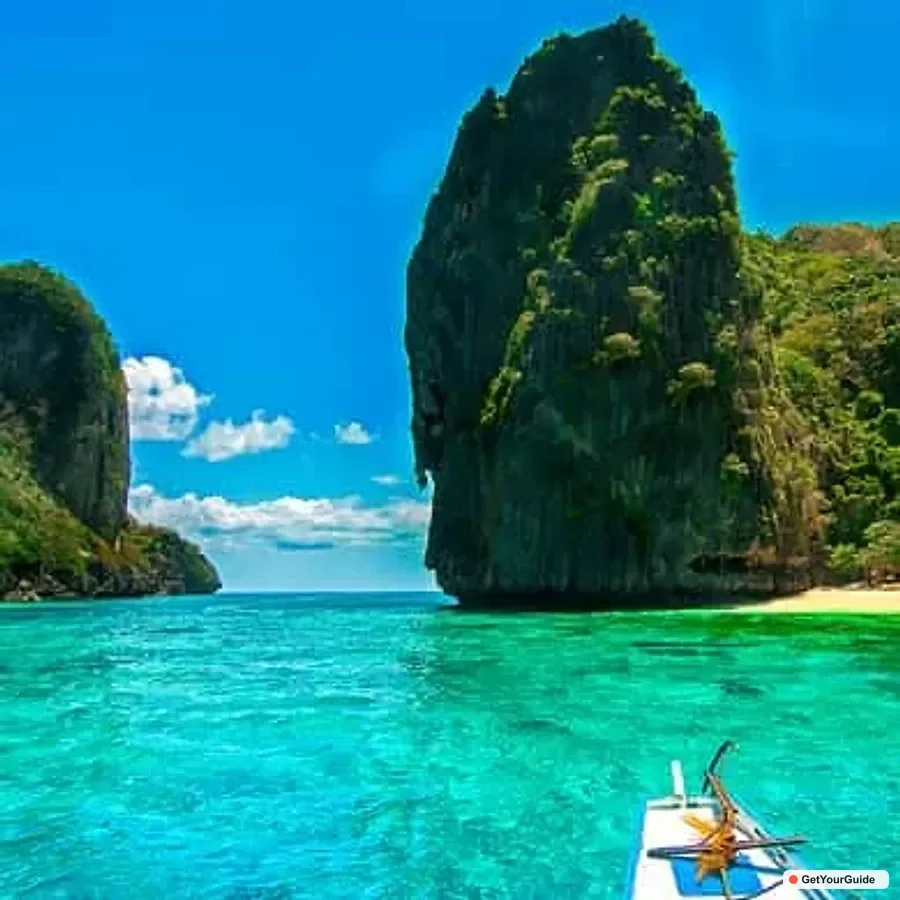
The Karst Cathedral of Bacuit Bay
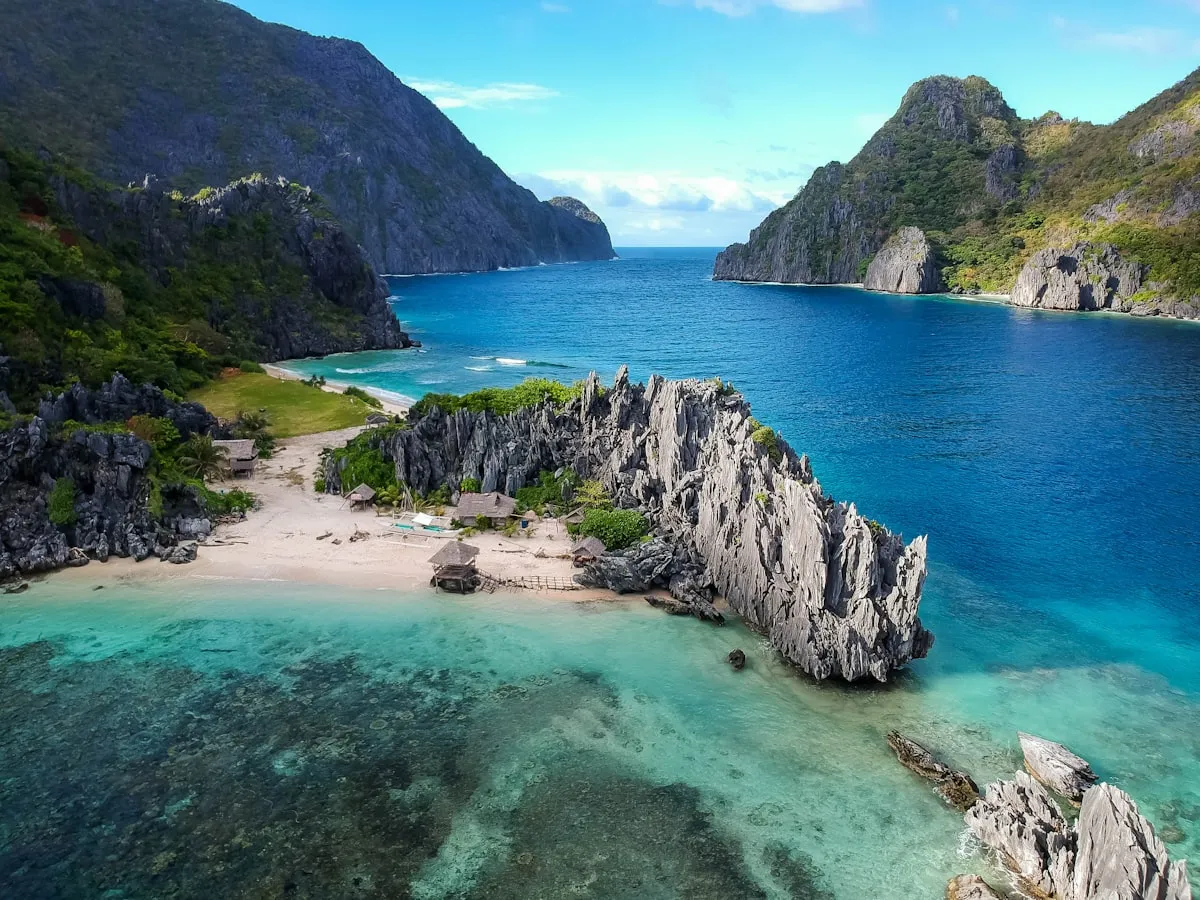
To understand why El Nido looks the way it does, you have to look down through millions of years. The jagged grey cliffs that ring Bacuit Bay are karst -- limestone built from the compressed skeletons of ancient coral reefs and marine organisms, laid down when this whole region sat beneath a warm sea. Over time, tectonic forces lifted that limestone above the waterline, and then rain and seawater went to work. Slightly acidic water slowly dissolves limestone, carving the rock into the dramatic sculpture you see today: sheer cliffs, fluted spires, sea caves, sinkholes, and the hollow, water-filled chambers that El Nido calls lagoons.
The same geological process produced the famous landscapes of Ha Long Bay in Vietnam and Krabi in Thailand -- El Nido belongs to that same family of tropical tower karst. The islands of the Bacuit archipelago are essentially the eroded remnants of an old reef platform, and the bay sits inside a protected area, part of the broader El Nido-Taytay Managed Resource Protected Area, established to safeguard its reefs, mangroves, and marine life. The name El Nido itself comes from the Spanish for "the nest," a reference to the edible swiftlet nests harvested from the sea caves here for generations.
Island hopping in El Nido
Hand-picked experiences in El Nido — book on Trip.com with instant confirmation.

Stop by Stop: What You Actually See and Do
The Big Lagoon
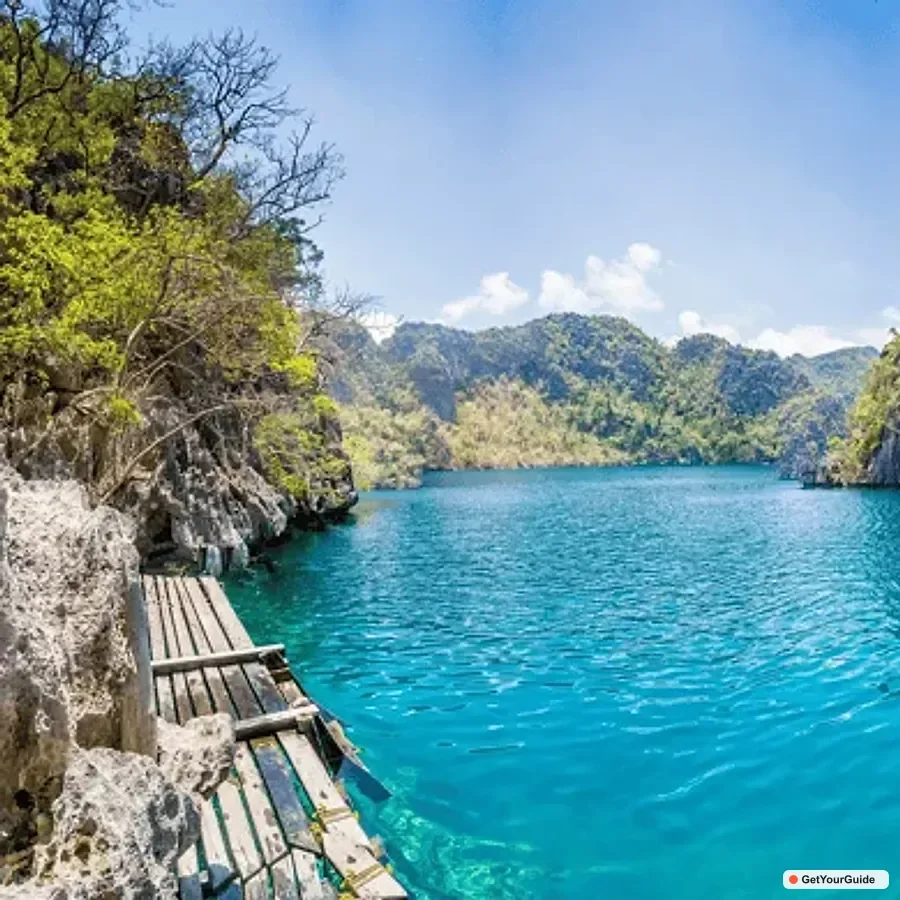
For most people this is the headline act, and it deserves to be. The Big Lagoon sits inside Miniloc Island, reached through a narrow gap in the cliffs that opens into a long, shallow channel of impossibly green water flanked by vertical limestone walls hundreds of feet high. Because the water is shallow at the entrance, large boats often cannot pass at low tide, so you typically transfer to a small kayak or wade in to glide through the lagoon. Paddling beneath those soaring walls, with the water shifting from emerald to jade beneath you, is the single most memorable thing many travelers do in the Philippines. Kayak rental is usually a small extra fee, and there is an environmental permit fee for the area that your operator handles.
The Secret Lagoon
Also on Miniloc, the Secret Lagoon earns its name from the way you reach it: a small hole in the rock, just big enough to duck through, that opens into a hidden pool ringed by cliffs. It is more of a quick novelty than a long swim, but squeezing through that crack and emerging into an enclosed, sun-dappled cove is genuinely fun. The adjacent beach is a good spot to wait your turn and take photos.

Seven Commandos Beach
This long, palm-fringed stretch of pale sand is the relaxed centerpiece of the tour and usually the lunch stop. The crew typically grills fresh fish and serves a spread of rice, pork, chicken, fruit, and vegetables right there on the beach -- one of the genuine pleasures of El Nido island hopping is how good that simple boat lunch tastes after a morning of swimming. Seven Commandos has gentle, swimmable water, shade under the trees, and (on a busy day) a small beach bar selling cold drinks and fresh coconuts. It is a good place to simply lie back and absorb where you are.
Snorkeling and the Reef Stops
Between the lagoons and the beach, Tour A includes snorkeling over shallow coral gardens in Bacuit Bay. You will commonly drift over reef inhabited by clownfish darting in and out of anemones, parrotfish grazing on coral, wrasses, sergeant majors, and the occasional sea turtle grazing on seagrass. The visibility on a calm, sunny day is superb. Coral health varies from spot to spot -- some areas show bleaching and old typhoon damage -- so the reefs reward a gentle, respectful approach.
Why It Matters: Conservation and Responsible Travel
El Nido's beauty is also its vulnerability. The same features that draw visitors -- delicate reefs, enclosed lagoons, and limited beaches -- can be quickly overwhelmed. In response, local authorities have introduced real protections: a daily visitor cap and timed-entry slots on the Big Lagoon to prevent overcrowding, standardized tour routes, and a required environmental/eco-tourism development fee that every visitor pays (your operator collects it). These are not bureaucratic hurdles; they are the reason the lagoons remain swimmable rather than gridlocked.
As a guest, the meaningful things you can do are simple and concrete:
- Never touch or stand on coral, and keep fins well clear of the reef -- a single careless kick can kill years of growth.
- Wear reef-safe (non-oxybenzone) sunscreen, or better, a rash guard, which protects both your skin and the water.
- Carry every scrap of trash back to the boat; the islands have no waste collection.
- Do not feed the fish or buy anything that disturbs marine life.
Practical Tips From People Who Have Done It Often
How strenuous is it? Comfortable for most reasonably fit travelers. There is plenty of swimming, some wading over rocks, and short kayak paddles, but nothing technical. The lagoons can be entered without being a strong swimmer if you wear a life vest, which boats provide. Children do this tour regularly with supervision.
Duration: Plan on a full day, roughly 9 a.m. to mid-afternoon, with boats returning before the late-day swell picks up.
What is typically included: Round-trip bangka transfer, a buffet beach lunch, drinking water, snorkeling gear, and life vests. Kayak rental and the area permit/eco fees are sometimes extra -- confirm with your operator.
What to bring: Swimwear worn under your clothes, a rash guard, reef-safe sunscreen, a hat, a dry bag for phone and valuables, water shoes or sandals you can swim in (the rocks can be sharp), and some cash for fees, drinks, or coconuts. A waterproof phone case or action camera is worth its weight.
Best time to go: The dry season, roughly late November through May, brings the calmest seas and clearest water; March to May is reliably sunny but busiest. During the rainy months (June to October), tours still run on calm days but can be cancelled when seas are rough. Whatever the season, an early start gives you the lagoons before the crowds and the best chance of glassy water.
A Day You Will Keep
El Nido Island Hopping Tour A packs an extraordinary amount of wonder into a single day: the hush of paddling into the Big Lagoon, the giddy squeeze into the Secret Lagoon, a grilled-fish lunch with your toes in the sand at Seven Commandos, and a slow drift over a living reef. It is touristy because it is genuinely that good. Go early, tread lightly, and let Bacuit Bay do the rest -- this is the day people remember long after the tan has faded.
Good to know before you book
- Duration: typically a full day (around 8 to 10 hours including transfers), though half-day and multi-day options exist - check the listing.
- Best for: couples, families and first-time visitors.
- What is included: the boat, life vests, snorkelling gear, a guide and usually lunch; island entrance and environmental fees may be paid locally.
- Pickup: most tours offer hotel or central pickup; confirm your point and time when booking.
- Book through: the GetYourGuide button on this page, which shows live availability and pricing.
Frequently asked questions
How long does the El Nido Island Hopping Tour A take?
Most departures run as a full day - roughly 8 to 10 hours including pickup, travel and the activities themselves - so plan to set aside the whole day. Some operators offer shorter or private versions; the exact timing for your date is shown when you book through the GetYourGuide button on this page.
What is included in the El Nido Island Hopping Tour A?
Typically the price covers the boat, life vests, snorkelling gear, a guide and usually lunch; island entrance and environmental fees may be paid locally. Inclusions vary by operator, so always read the specific listing - it spells out exactly what is provided and what you pay for separately, such as entrance or environmental fees.
What should I bring?
Pack swimwear, reef-safe sunscreen, a hat, a towel, water shoes for rocky landings and a waterproof pouch for your phone. It is also worth carrying some cash for local fees, drinks and tips, plus any personal medication, since card facilities can be limited outside the cities.
Is the El Nido Island Hopping Tour A suitable for beginners or families?
It is suitable for almost everyone, including families and non-swimmers, thanks to life vests and calm, sheltered water at most stops. There is plenty of time to simply relax on the sand. If you have specific concerns about age, fitness or swimming ability, message the operator before booking - they can advise on the best option for your group.
When is the best time to do this tour?
The best conditions are usually the dry season from late November to May, when seas are calmest and skies clearest. That said, the Philippines is a year-round destination, and many of these experiences run in any season - just expect the occasional shower and check the forecast for the day.
How do I get to El Nido?
To reach El Nido, fly into Puerto Princesa, El Nido or Coron (Busuanga) airport, then transfer by road or boat. Many tours include transfers from nearby towns or hotels, so confirm your pickup arrangement when you book so the day runs smoothly from the start.
Do I need to book the El Nido Island Hopping Tour A in advance?
Yes - booking ahead is strongly recommended, especially in the dry-season peak and on weekends, when popular tours and the best operators sell out. Reserving online also locks in your spot and lets you compare timings and inclusions easily.
How much does the El Nido Island Hopping Tour A cost?
Prices vary with the season, group size and exactly what is included, so we do not list a fixed figure here. Tap the GetYourGuide button on this page to see the current, accurate price and availability for your chosen date.
Can I do the El Nido Island Hopping Tour A as a private or customised tour?
Many operators offer a private version of this experience for couples, families or small groups who want a flexible pace and a guide to themselves, and some can tailor the route or add stops. If a private or custom option matters to you, check the listing or message the operator before booking, as availability and prices differ from the standard shared tour.
Ready to explore El Nido?
From planning to the moment you arrive, the El Nido Island Hopping Tour A is one of the most rewarding ways to experience this corner of the Philippines - and booking it is simple. Use the GetYourGuide button on this page to check live availability, compare timings and secure your spot, then turn up and let the local guides handle the rest while you focus on the views, the water and the memories.

Real local stays (book direct)
Hand-picked homestays and guesthouses — book direct, no markup.

Popular activities (book instantly)
Island hopping, canyoneering, whale sharks — real Klook/GetYourGuide options.
Plan your Philippines trip