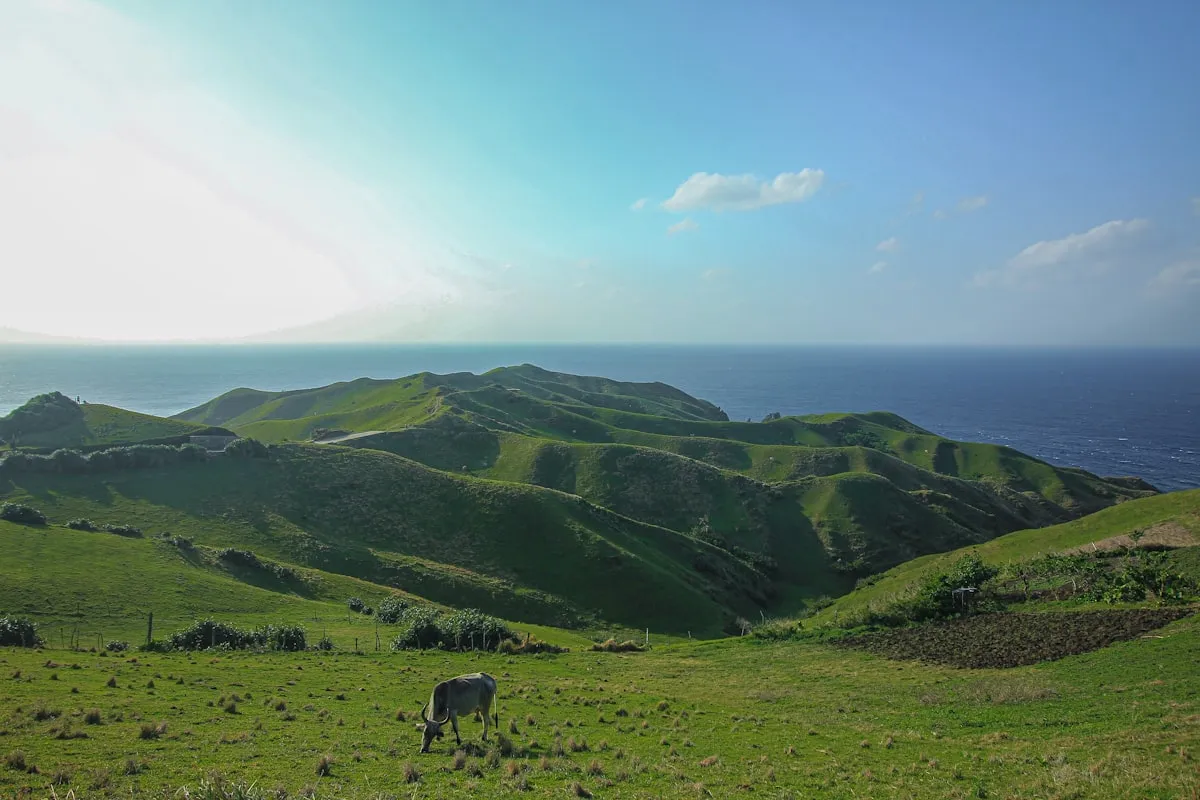
Most people come to Boracay for the sand. They fly into Caticlan, take the short banca ride across the channel, and within an hour they are barefoot on White Beach, watching the sunset turn the sky the color of a ripe mango. And then, for three or four days, they never leave that two-and-a-half-kilometer ribbon of powder. It is a beautiful mistake. Boracay is a real island with hills, hidden coves, mangroves, a quiet east coast, and viewpoints where you can see the whole shape of the place at once. The E-trike Land Tour is the easy, low-effort way to discover all of that without renting a scooter or haggling with drivers stop by stop. You climb into an electric tricycle, your guide-driver knows exactly where to point it, and the island slowly reveals itself.
Boracay E-trike Land Tour - Guide
Hotels in Philippines
Compare live prices via Travelpayouts — targeted for this guide.
The island you cannot see from White Beach
Boracay is small, only about seven kilometers long and roughly a kilometer wide at its narrowest, shaped a little like a dog bone or a dumbbell with bulges at the north and south ends and a slim waist in the middle. It sits just off the northwest tip of Panay Island, in the province of Aklan in the Western Visayas. The whole island is only around ten square kilometers, which is why a single morning on an e-trike really can show you most of it.
That famous white sand has a geological story. Boracay sits on a limestone and coral-rock base, and the beaches are made largely of pulverized coral and the calcium-carbonate remains of marine organisms broken down over millennia, which is why the sand stays remarkably cool underfoot even at midday and is so fine it almost squeaks. The interior, by contrast, rises into low forested hills of older rock, the highest point being Mount Luho, and it is those hills that give the land tour its viewpoints. The contrast is the whole point of the trip: the soft, busy west coast and the rugged, breezy, far quieter highlands and east coast.
Why an e-trike, and why it suits this island
The tricycle is the workhorse of Philippine island transport, a motorcycle bolted to a sidecar. On Boracay, many have gone electric, partly out of necessity. In 2018 the island was famously closed by the national government for six months for environmental rehabilitation after the president described it as a cesspool, and the cleanup that followed tightened rules on everything from sewage to vehicles. Electric trikes are quiet, produce no exhaust fumes, and fit the island's narrower roads, so touring in one is genuinely part of Boracay's cleaner second life rather than just a gimmick. You also get an open-sided view the whole way, the warm air moving past you, which a closed van never gives you.
Tours & activities in Philippines
Hand-picked experiences in Philippines — book on Trip.com with instant confirmation.
What you actually see, stop by stop
Routes vary a little by operator, but a typical land tour links the highland viewpoints and the lesser-known beaches. Common stops include:
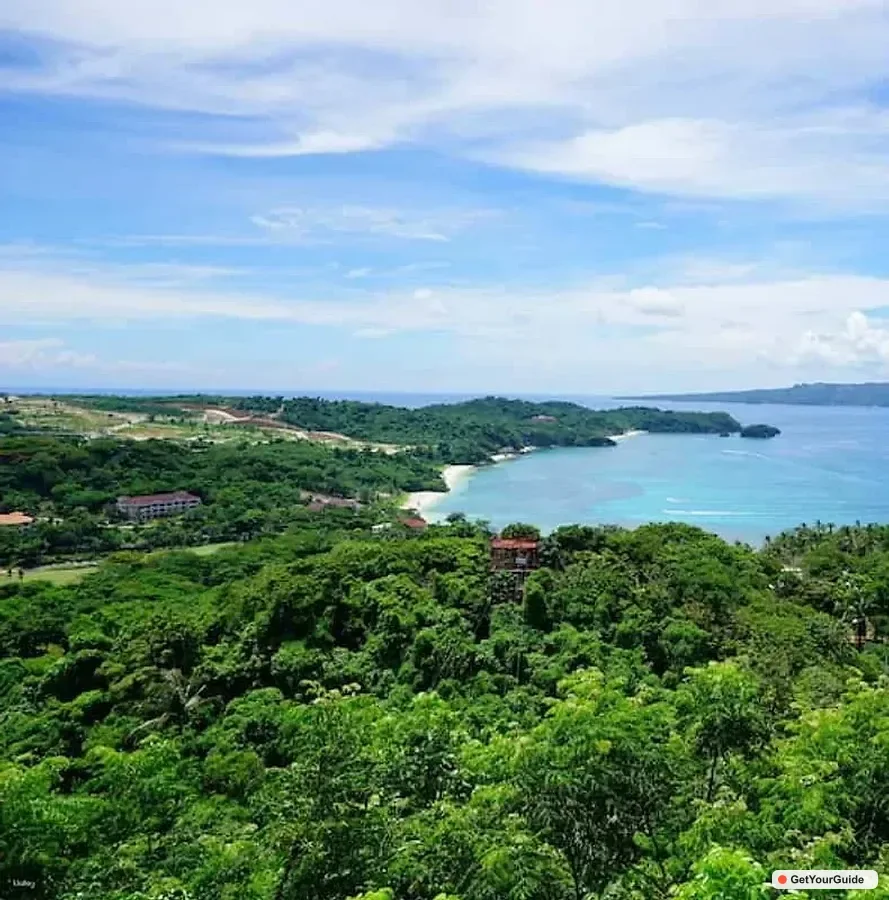
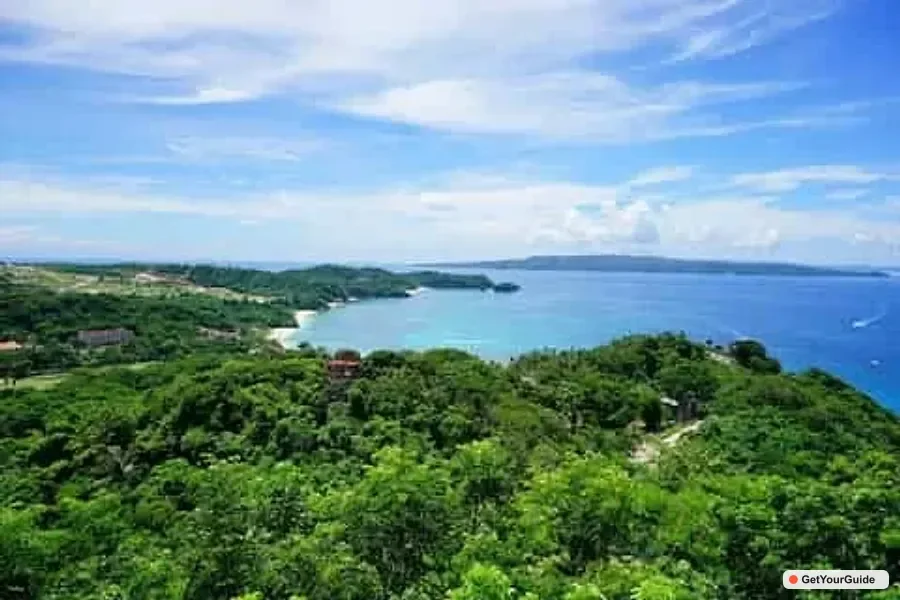
- Mount Luho viewpoint - the highest accessible point on the island, with a deck looking out over the green interior, the east coast, and the surrounding sea. On a clear day you can see the long curve of the coastline and boats dotting the channel. This is the classic photo stop and the moment most people realize how green and hilly Boracay actually is.
- The east coast beaches - places like Ilig-Iligan and Puka Shell Beach (Yapak). Puka Beach is named for the small puka shells that wash up there; it is wilder and far less developed than White Beach, with bigger surf and a fraction of the crowds. It is where locals once gathered shells for the puka jewelry that became a 1970s craze.
- Bulabog Beach - the island's wind-sports hub on the east side, where the steady amihan (northeast monsoon) season from roughly November to April makes it one of Asia's better kitesurfing and windsurfing spots. Seeing the kites stacked over the water is a striking contrast to the placid west coast.
- Viewpoints and scenic ridges - several pull-offs along the interior roads give sweeping looks at both coasts, and some tours add a stop at a chapel, a local market, or a photogenic ridge depending on conditions.
The pace is relaxed. You are not hiking; you are riding, stepping out for photos and a look around, then climbing back in. That makes this one of the most accessible tours on the island for families, older travelers, or anyone who simply does not want a strenuous day.
The culture and history under the sand
Boracay was not always a resort. Its original inhabitants were the Ati, an Indigenous Negrito people whose presence on Panay and its outlying islands long predates Spanish arrival. The island remained sleepy farming and fishing country well into the twentieth century, gaining wider fame only in the 1970s when backpackers and the puka-shell trade put it on the map, and then accelerating into the global beach destination it is today. The 2018 closure and rehabilitation marked a real turning point: drainage pipes that had emptied onto the beach were removed, illegal structures torn down, the beachfront easement enforced, and party rules tightened. Riding the land tour today, you are seeing an island that consciously chose to pull back from the brink, and the relative calm of the east coast and highlands is part of what that protection preserved.
Practical tips for the day
- Best time of day: Go in the morning for cooler air, softer light at the viewpoints, and clearer views before the afternoon haze. The whole tour is usually short, often in the range of a couple of hours, leaving the rest of your day for the beach.
- Best season: The dry, sunny months from roughly November to April (amihan) give the most reliable weather and the best visibility from Mount Luho. The wet habagat season (around June to October) can still be lovely between showers but expect grayer skies.
- What to wear and bring: Light, breathable clothes, real sun protection (hat, sunscreen, sunglasses), and water. The open trike means sun and wind. Bring a little cash for small entrance fees at some viewpoints and beaches, which are not always bundled into the tour price. Closed shoes or sturdy sandals help at the rougher stops.
- How strenuous: Very light. Most of the effort is stepping in and out of the sidecar and the occasional short walk to a viewpoint deck. It suits nearly everyone.
- Responsible travel: Stick to marked paths at viewpoints and beaches, take your trash with you, and do not pocket puka shells or coral as souvenirs, since the island's recovery depends on visitors treating it gently. Choosing an e-trike over a fuel tricycle is itself the lower-impact option.
A short closing
The E-trike Land Tour will not be the most adrenaline-filled thing you do on Boracay. It is something better: the trip that turns the island from a single beach into a real place in your mind. You will stand on Mount Luho and finally understand the shape of where you have been sleeping. You will feel the wind off Bulabog, walk the rougher sand at Puka, and breathe air that is quieter and greener than the strip. Do it early in your stay, and you will spend the rest of your time on Boracay seeing far more than the sunset. The island is small. Let the e-trike show you all of it.
Good to know before you book
- Duration: typically a full day (around 8 to 10 hours including transfers), though half-day and multi-day options exist - check the listing.
- Best for: couples, families and first-time visitors.
- What is included: transport and a guide; check the listing for meals, gear and fees.
- Pickup: most tours offer hotel or central pickup; confirm your point and time when booking.
- Book through: the GetYourGuide button on this page, which shows live availability and pricing.
Frequently asked questions
How long does the Boracay E-trike Land Tour take?
Most departures run as a full day - roughly 8 to 10 hours including pickup, travel and the activities themselves - so plan to set aside the whole day. Some operators offer shorter or private versions; the exact timing for your date is shown when you book through the GetYourGuide button on this page.
What is included in the Boracay E-trike Land Tour?
Typically the price covers transport and a guide; check the listing for meals, gear and fees. Inclusions vary by operator, so always read the specific listing - it spells out exactly what is provided and what you pay for separately, such as entrance or environmental fees.
What should I bring?
Pack comfortable clothing, sunscreen, a hat, water and a little cash for fees and extras. It is also worth carrying some cash for local fees, drinks and tips, plus any personal medication, since card facilities can be limited outside the cities.
Is the Boracay E-trike Land Tour suitable for beginners or families?
It suits a wide range of travellers; ask the operator about fitness or swimming requirements if you are unsure. If you have specific concerns about age, fitness or swimming ability, message the operator before booking - they can advise on the best option for your group.
When is the best time to do this tour?
The best conditions are usually the dry season from roughly November to May. That said, the Philippines is a year-round destination, and many of these experiences run in any season - just expect the occasional shower and check the forecast for the day.
How do I get to Boracay?
To reach Boracay, travel to Boracay by the nearest airport or ferry and continue by road. Many tours include transfers from nearby towns or hotels, so confirm your pickup arrangement when you book so the day runs smoothly from the start.
Do I need to book the Boracay E-trike Land Tour in advance?
Yes - booking ahead is strongly recommended, especially in the dry-season peak and on weekends, when popular tours and the best operators sell out. Reserving online also locks in your spot and lets you compare timings and inclusions easily.
How much does the Boracay E-trike Land Tour cost?
Prices vary with the season, group size and exactly what is included, so we do not list a fixed figure here. Tap the GetYourGuide button on this page to see the current, accurate price and availability for your chosen date.
Can I do the Boracay E-trike Land Tour as a private or customised tour?
Many operators offer a private version of this experience for couples, families or small groups who want a flexible pace and a guide to themselves, and some can tailor the route or add stops. If a private or custom option matters to you, check the listing or message the operator before booking, as availability and prices differ from the standard shared tour.
Ready to explore Boracay?
From planning to the moment you arrive, the Boracay E-trike Land Tour is one of the most rewarding ways to experience this corner of the Philippines - and booking it is simple. Use the GetYourGuide button on this page to check live availability, compare timings and secure your spot, then turn up and let the local guides handle the rest while you focus on the views, the water and the memories.

PANA.PH Editorial Team
Philippines travel desk
The PANA.PH travel desk researches, books and re-checks Philippines travel logistics — fares, ferry schedules, government fees and permit rules — and publishes what it can verify.
🏡 Real local stays (book direct)
Hand-picked homestays and guesthouses — book direct, no markup.
Browse all local stays →

🌊 Popular activities (book instantly)
Island hopping, canyoneering, whale sharks — real Klook/GetYourGuide options.
View all activities →