The boat slows to an idle and the engine cuts to a low purr. Your guide presses a finger to his lips, points across a shallow bay where the water turns from cobalt to a pale, glassy turquoise, and you understand without a word being said: this is seagrass country. Somewhere beneath that calm surface, grazing through the meadow like an underwater cow, a dugong is feeding. In Coron, Palawan, this is one of the rarest wildlife encounters in all of Southeast Asia, and on a good morning, it is yours to witness in the wild, on the animal's own terms.

Coron Dugong Watching & Snorkeling Tour - Guide
Trip.com
Search on Trip.comHotels in Philippines
Compare live prices via Travelpayouts — targeted for this guide.
This tour pairs that hope-filled search with a classic day of Coron snorkeling and a hot lunch on the water. It is part patience, part luck, and entirely unforgettable. Here is everything worth knowing before you go.
What a dugong actually is, and why Coron matters
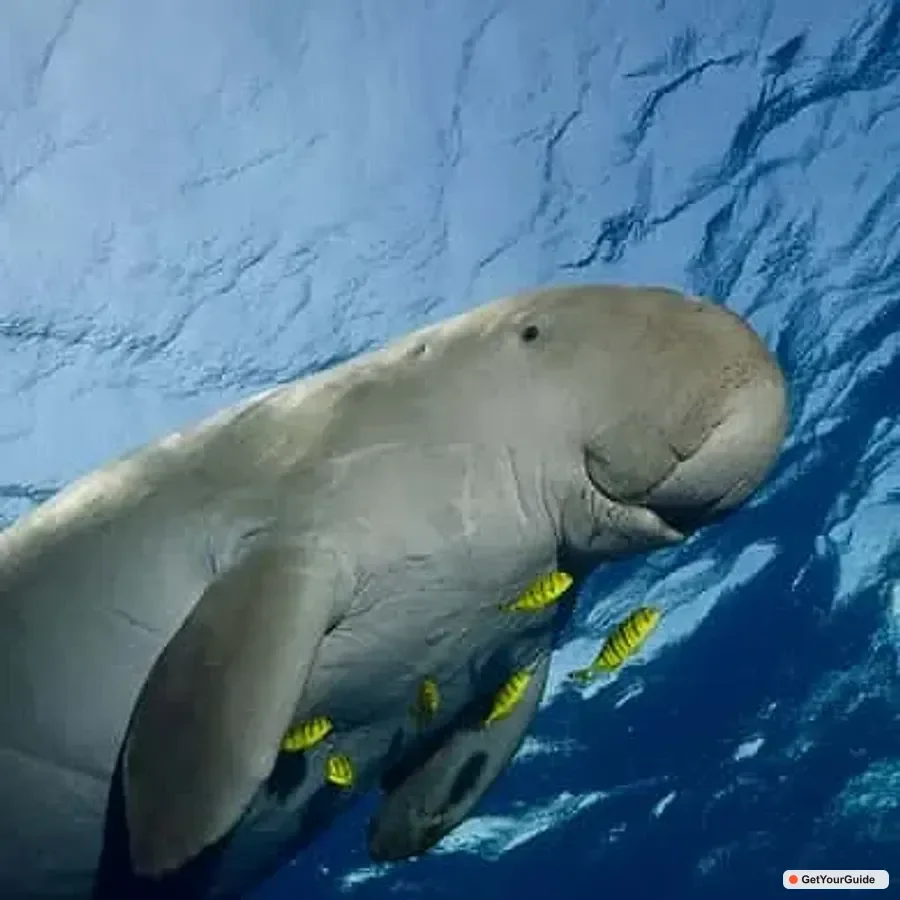
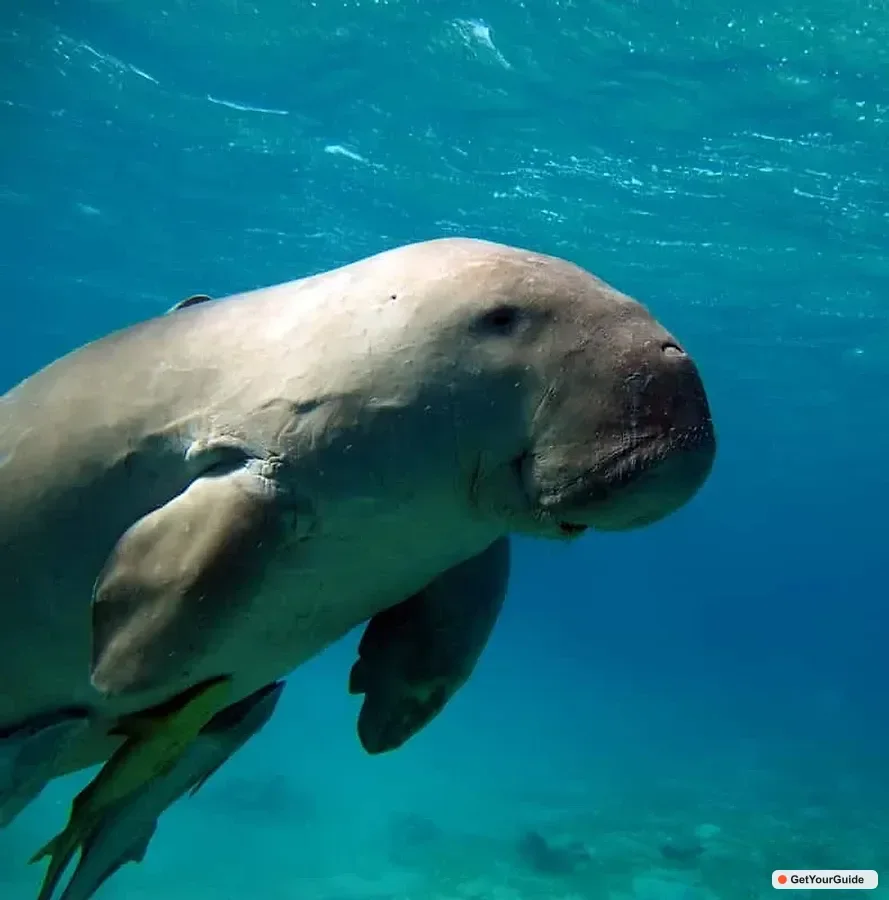
The dugong (Dugong dugon) is a marine mammal, the only living member of its family, and the sole strictly herbivorous one among the world's sea cows. It is the likely origin of old sailors' mermaid legends, though in truth a dugong looks more like a barrel-shaped, gentle grey giant with a fluked tail like a whale and a broad, downturned snout built for one job: grazing seagrass off the seafloor.
Dugongs are slow, long-lived, and slow to reproduce, which makes them deeply vulnerable. Globally they are classified as Vulnerable on the IUCN Red List, and in the Philippines they are a protected species under wildlife law. They depend almost entirely on healthy seagrass meadows, eating large quantities daily, which ties their fate directly to coastal water quality. Where seagrass dies, dugongs vanish.
Trip.com
Snorkeling in Philippines
Hand-picked experiences in Philippines — book on Trip.com with instant confirmation.
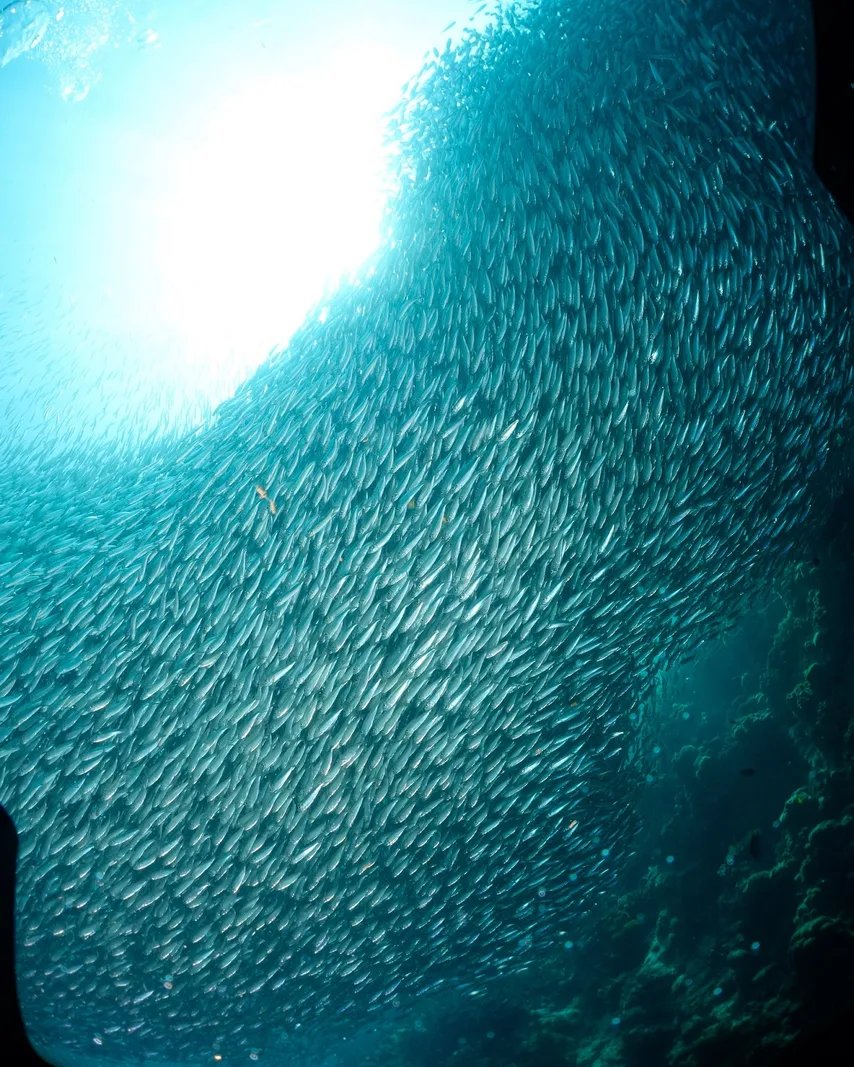
Moalboal Pescador Island Scuba Diving & Sardine RunMoalboal, Cebu · Full dayFrom ₱8,625Book on Trip.com →
Oslob Whale Shark, Tumalog, Sumilon & Moalboal TourOslob, Cebu · Full dayFrom ₱8,425Book on Trip.com →

Moalboal Scuba Diving: Sardine Run & Turtle ChasingMoalboal, Cebu · Full dayFrom ₱7,242Book on Trip.com →
This is exactly why Coron and the wider Calamian Islands of northern Palawan are special. The sheltered bays around Coron, Busuanga, and the surrounding islets still hold seagrass beds that support one of the few populations in the country where wild dugong sightings remain possible. You are not visiting a captive animal or a feeding station. You are visiting a living habitat and hoping a wild animal chooses to surface while you are there. That uncertainty is the whole point, and it is what makes a genuine sighting feel earned.
The setting: Coron's drowned limestone world
Coron sits at the northern tip of Palawan, and the scenery is unlike anywhere else in the Philippines. The towering black-and-grey cliffs you will pass are ancient limestone karst, the eroded remnants of an old reef system, now sculpted by rain and time into jagged ridges that drop straight into the sea. Coron Island itself is famous for its hidden lagoons and freshwater lakes cradled inside this karst, including the much-photographed Kayangan Lake.
The bays where dugongs graze are a different, gentler landscape: shallow, sandy-bottomed, sun-warmed flats where seagrass can root and spread. This contrast, dramatic cliffs above, soft meadows below, is part of what makes the day so visually rich. Note that the prime seagrass areas frequented by dugongs are typically off Busuanga rather than at the lagoons of Coron Island, so your route is built around where the animals are most likely to be feeding.
What you actually do, stop by stop
Itineraries vary by operator and, importantly, by the sea, but the rhythm of the day is consistent.
- Early start and briefing. Mornings mean calmer water and better light. Your guide will explain the rules clearly before you reach the dugong area: no touching, no chasing, no flash, keep your distance, and follow the spotter's signals.
- The search. The boat moves slowly along known seagrass grounds while the crew scan for a tell-tale swirl, a snout breaking the surface to breathe, or a feeding trail in the meadow. Dugongs surface roughly every few minutes to breathe, so spotters watch the water patiently.
- The encounter (if you are lucky). When a dugong is found, you slip quietly into the water and observe from a respectful distance. A good operator limits how close and how many people approach at once. Some days you watch from the boat; both are valid wildlife experiences.
- Snorkeling stops. The day also includes classic Coron-area snorkeling over coral and reef fish, the kind of clear, warm water this region is loved for.
- Lunch on the water. A hot meal is served, usually a Filipino-style spread of grilled fish or chicken, rice, and fresh fruit, eaten on the boat or a quiet beach.
Be honest with your own expectations: this is wildlife, not a guaranteed show. Responsible operators never promise a sighting, and on a no-sighting day the snorkeling, scenery, and seagrass-flat experience still make for a beautiful outing.
Responsible travel: the part that genuinely matters
Because dugongs are protected and easily stressed, how you behave in the water has real consequences. The widely accepted ethical standards for wild dugong encounters are simple and non-negotiable:
- Never touch, ride, chase, or feed the animal. Pursuit forces it to flee and burns energy it needs.
- Keep a respectful distance and let the dugong control the interaction. If it moves away, let it go.
- Limit numbers in the water at any one time, and avoid blocking its path to the surface to breathe.
- No flash photography and no loud noise.
- Reef-safe sunscreen protects the seagrass and coral the whole ecosystem depends on.
Choosing an operator that follows these rules is not just about ethics; it is what keeps wild sightings possible at all for the next visitor. This is a stark contrast to feeding-based wildlife tourism elsewhere in the Philippines, where animals are baited to appear. Here, the animals are genuinely wild, and that is something worth protecting by behaving well.
Practical tips before you book
- Best time to go: The dry season, roughly late November through May, brings the calmest seas and clearest water. The window from around March to May is often the most reliable for visibility. The wetter, windier months can mean choppier conditions and more cancellations.
- Best time of day: Morning. The water is calmest, the light is best for spotting, and afternoon wind tends to ruffle the surface.
- How strenuous: Moderate and accessible to most. You need to be comfortable in open water and able to snorkel; a life vest is standard. Sightings often happen in fairly shallow flats, so freediving skill is not required to enjoy it.
- What to bring: Reef-safe sunscreen, a rash guard or long-sleeve swim top for sun protection, a hat, a towel, drinking water, and a dry bag for valuables. A mask that fits well makes a huge difference; bring your own if you can.
- What is typically included: Boat, guide and spotter, snorkeling gear, lunch, and drinking water. Confirm gear, life vests, and any environmental or terminal fees when you book.
- Duration: Plan for a full-day trip, usually departing in the morning and returning in the afternoon.
A closing thought
There is a particular kind of stillness that settles over a boat when everyone is watching the same patch of water, willing a shy grey giant to surface. Whether or not the dugong shows itself, you come away with a clearer sense of how fragile and how worth protecting this corner of Palawan really is. A wild dugong sighting is not a transaction; it is a privilege granted by chance and good stewardship. Go with patience, go with respect, and let Coron's quiet seagrass meadows do the rest.
Good to know before you book
- Duration: typically a full day (around 8 to 10 hours including transfers), though half-day and multi-day options exist - check the listing.
- Best for: active travellers, couples and friends.
- What is included: the boat, snorkelling gear, a guide and often lunch; marine-park or environmental fees may be extra.
- Pickup: most tours offer hotel or central pickup; confirm your point and time when booking.
- Book through: the GetYourGuide button on this page, which shows live availability and pricing.
Frequently asked questions
How long does the Coron Dugong Watching & Snorkeling Tour take?
Most departures run as a full day - roughly 8 to 10 hours including pickup, travel and the activities themselves - so plan to set aside the whole day. Some operators offer shorter or private versions; the exact timing for your date is shown when you book through the GetYourGuide button on this page.
What is included in the Coron Dugong Watching & Snorkeling Tour?
Typically the price covers the boat, snorkelling gear, a guide and often lunch; marine-park or environmental fees may be extra. Inclusions vary by operator, so always read the specific listing - it spells out exactly what is provided and what you pay for separately, such as entrance or environmental fees.
What should I bring?
Pack swimwear, reef-safe sunscreen applied early and sparingly, a towel and an underwater camera. Snorkelling gear is normally provided. It is also worth carrying some cash for local fees, drinks and tips, plus any personal medication, since card facilities can be limited outside the cities.
Is the Coron Dugong Watching & Snorkeling Tour suitable for beginners or families?
It is suitable for swimmers and snorkellers of most levels, with life vests available for the less confident. For scuba elements you will need the appropriate certification. Children can usually join with a vest and supervision. If you have specific concerns about age, fitness or swimming ability, message the operator before booking - they can advise on the best option for your group.
When is the best time to do this tour?
The best conditions are usually the dry season from late November to May, when seas are calmest and skies clearest. That said, the Philippines is a year-round destination, and many of these experiences run in any season - just expect the occasional shower and check the forecast for the day.
How do I get to Coron?
To reach Coron, fly into Puerto Princesa, El Nido or Coron (Busuanga) airport, then transfer by road or boat. Many tours include transfers from nearby towns or hotels, so confirm your pickup arrangement when you book so the day runs smoothly from the start.
Do I need to book the Coron Dugong Watching & Snorkeling Tour in advance?
Yes - booking ahead is strongly recommended, especially in the dry-season peak and on weekends, when popular tours and the best operators sell out. Reserving online also locks in your spot and lets you compare timings and inclusions easily.
How much does the Coron Dugong Watching & Snorkeling Tour cost?
Prices vary with the season, group size and exactly what is included, so we do not list a fixed figure here. Tap the GetYourGuide button on this page to see the current, accurate price and availability for your chosen date.
Can I do the Coron Dugong Watching & Snorkeling Tour as a private or customised tour?
Many operators offer a private version of this experience for couples, families or small groups who want a flexible pace and a guide to themselves, and some can tailor the route or add stops. If a private or custom option matters to you, check the listing or message the operator before booking, as availability and prices differ from the standard shared tour.
Ready to explore Coron?
From planning to the moment you arrive, the Coron Dugong Watching & Snorkeling Tour is one of the most rewarding ways to experience this corner of the Philippines - and booking it is simple. Use the GetYourGuide button on this page to check live availability, compare timings and secure your spot, then turn up and let the local guides handle the rest while you focus on the views, the water and the memories.

PANA.PH Editorial Team
Philippines travel desk
The PANA.PH travel desk researches, books and re-checks Philippines travel logistics — fares, ferry schedules, government fees and permit rules — and publishes what it can verify.
🏡 Real local stays (book direct)
Hand-picked homestays and guesthouses — book direct, no markup.
Browse all local stays →


🌊 Popular activities (book instantly)
Island hopping, canyoneering, whale sharks — real Klook/GetYourGuide options.
View all activities →