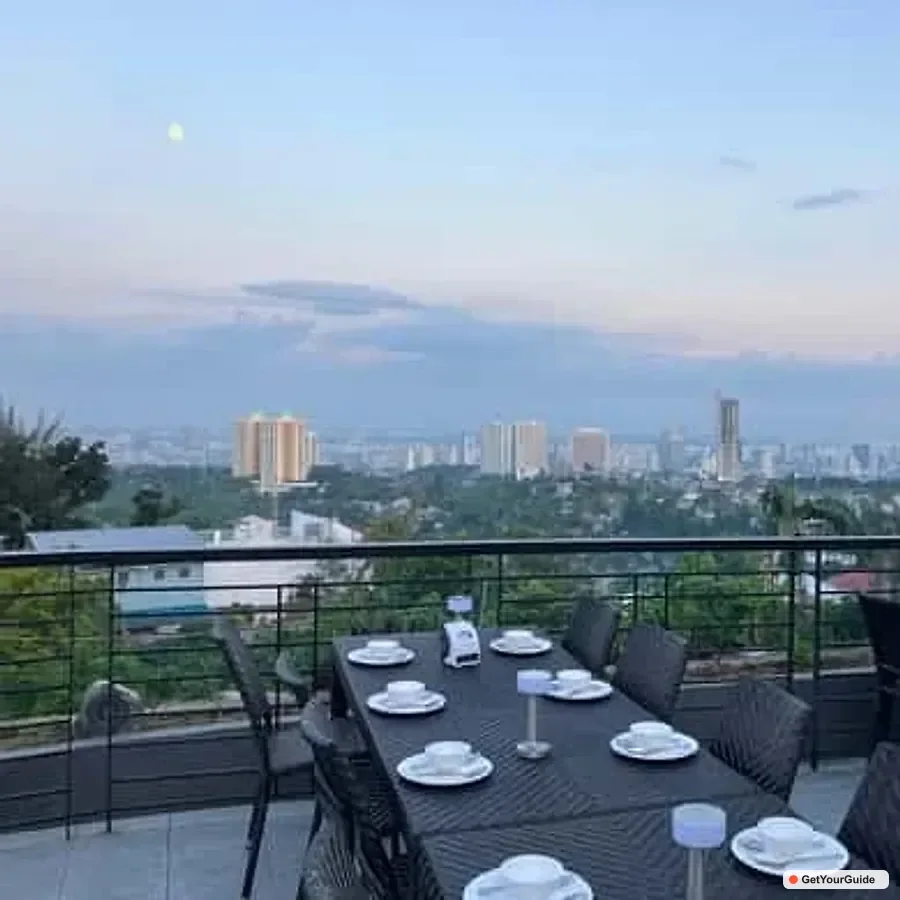
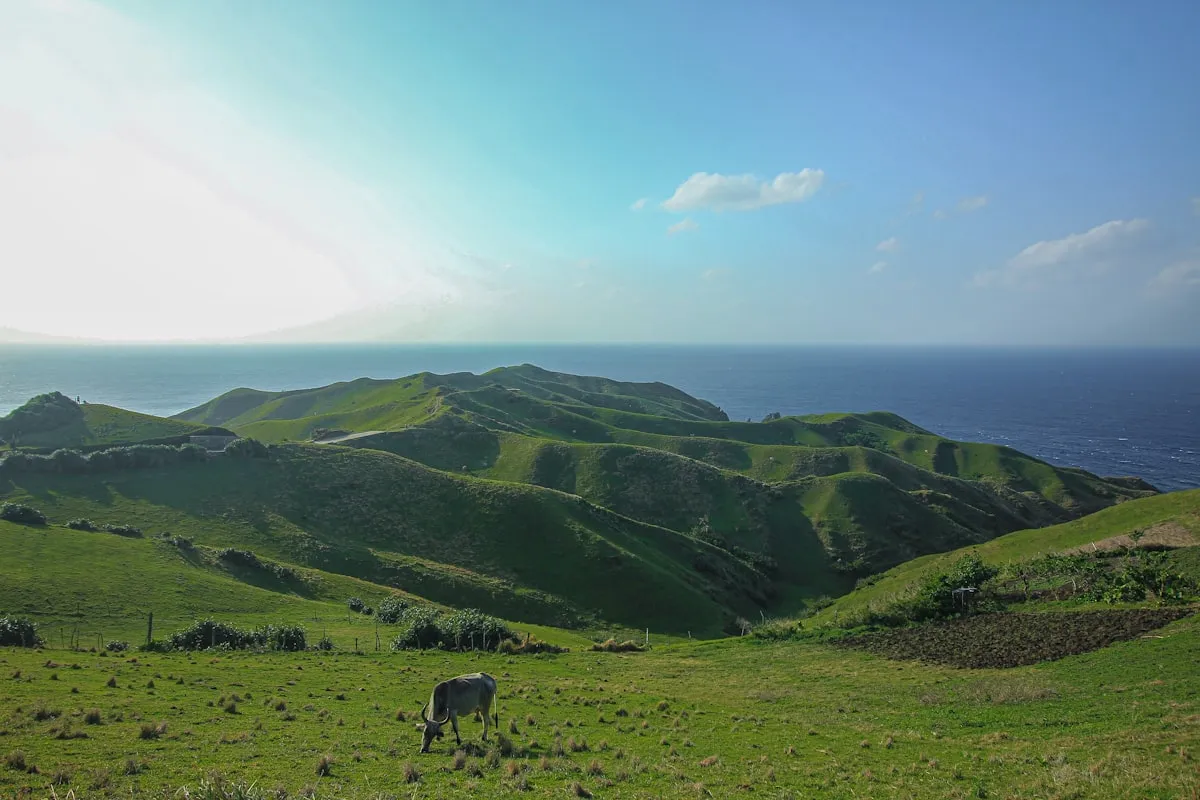
The sea off Panglao is still inky and cool when your boat slips out of the harbor, the sky just beginning to soften from charcoal to peach over the Bohol Sea. The outrigger -- a traditional Filipino bangka, its bamboo arms slicing twin wakes through the swell -- points its prow toward the deep water beyond the reef. For the first twenty minutes there is only the steady chug of the engine and the salt wind. Then someone at the bow shouts and points, and there they are: a pod of spinner dolphins breaking the surface in long, silver arcs, twisting in the air as if the morning itself were too exciting to swim through quietly. This is how a day on the Bohol Sea begins, and it only gets better from here.
Bohol Dolphin Watching & Sea Turtle Swim Island Hopping - Guide
Trip.com
Search on Trip.comHotels in Philippines
Compare live prices via Travelpayouts — targeted for this guide.
This island-hopping tour stitches together three of the best marine experiences in the central Philippines: dawn dolphin watching in open water, snorkeling alongside wild green sea turtles, and a stop at the legendary Balicasag Island marine sanctuary. It is one of the signature things to do in Panglao, and done right, it is both thrilling and genuinely respectful of the animals you come to see.
Where you are: Panglao, Balicasag, and the Bohol Sea
Panglao is a small, low-lying island joined to Bohol by two bridges, fringed with white-sand beaches -- Alona Beach being the busiest -- and ringed by coral reef. Geologically, Panglao is a raised coral-limestone platform, which is why the island is honeycombed with caves and freshwater cenote-like pools, and why its coastline drops away so quickly into deep blue water just offshore. That sharp drop-off matters: it puts genuinely deep ocean within easy reach of a morning boat ride, and deep water is exactly where the dolphins are.
The boats run out into the Bohol Sea (also called the Mindanao Sea), the body of water separating Bohol from Mindanao to the south. It is a deep, nutrient-rich sea, and that productivity supports an unusually high diversity of marine mammals -- spinner dolphins, bottlenose dolphins, and several whale and dolphin species are recorded in these waters. Off Bohol's southern coast, Pamilacan Island has a long, complicated history with marine mammals, and former hunters there have shifted toward watching and tourism.
Trip.com
See all tours in Philippines on Trip.comIsland hopping in Philippines
Hand-picked experiences in Philippines — book on Trip.com with instant confirmation.
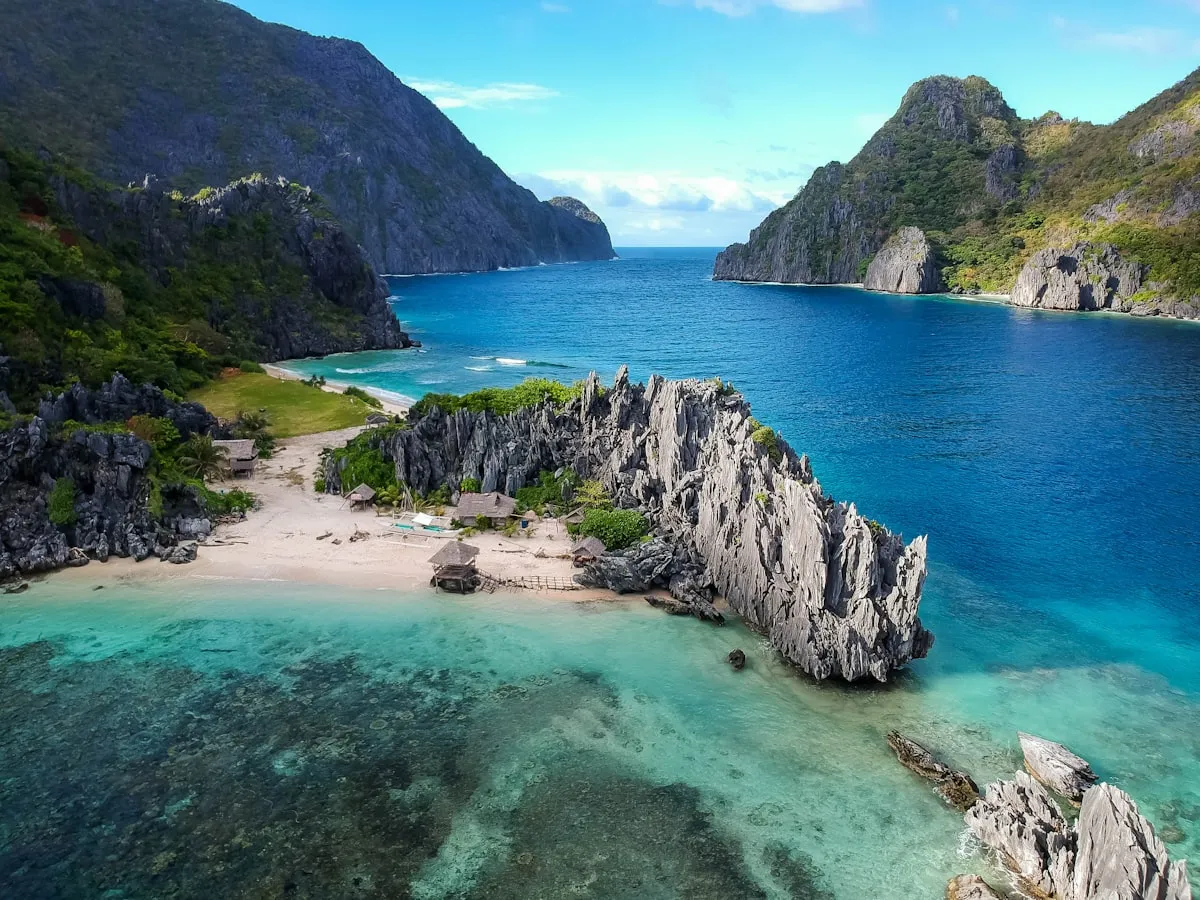
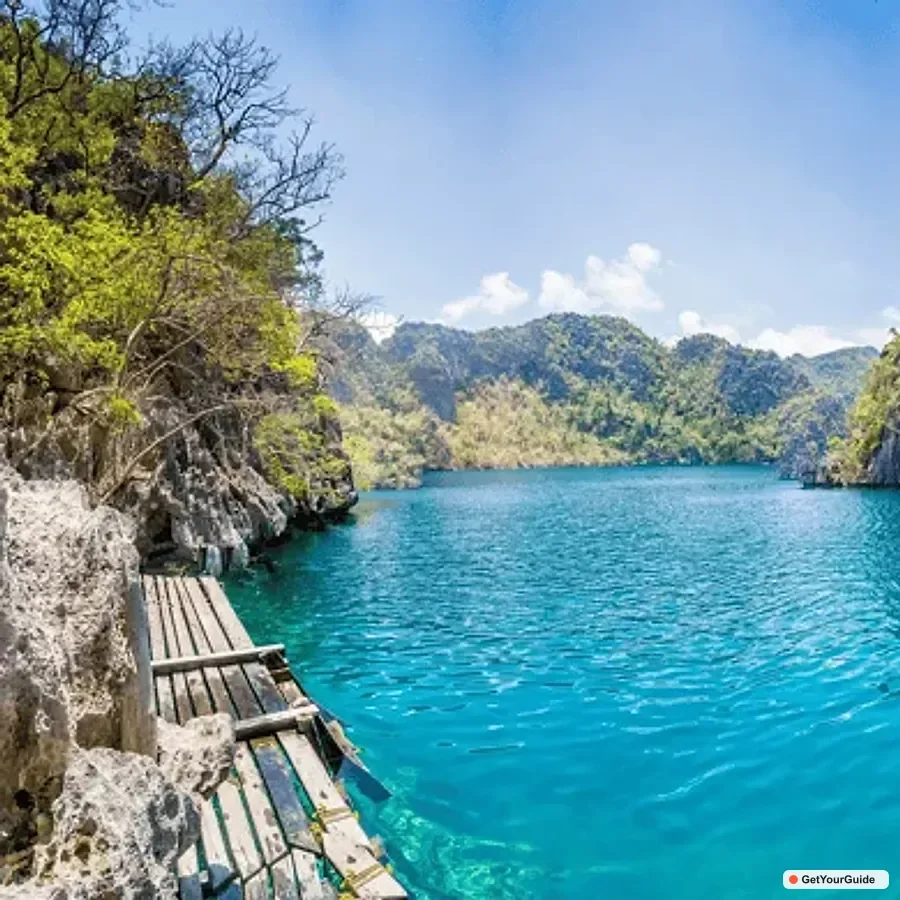
Balicasag Island, your main destination, sits roughly 6 kilometers off Panglao's southwest tip. It is a tiny coral island encircled by a steep reef wall -- a true drop-off where the seabed plunges from a few meters to hundreds within a short swim. Balicasag is a designated marine sanctuary and one of the most celebrated dive and snorkel sites in the Philippines, famous for its turtles, schooling jackfish, and pristine coral wall.
Stop by stop: what you actually see and do
Dawn dolphin watching
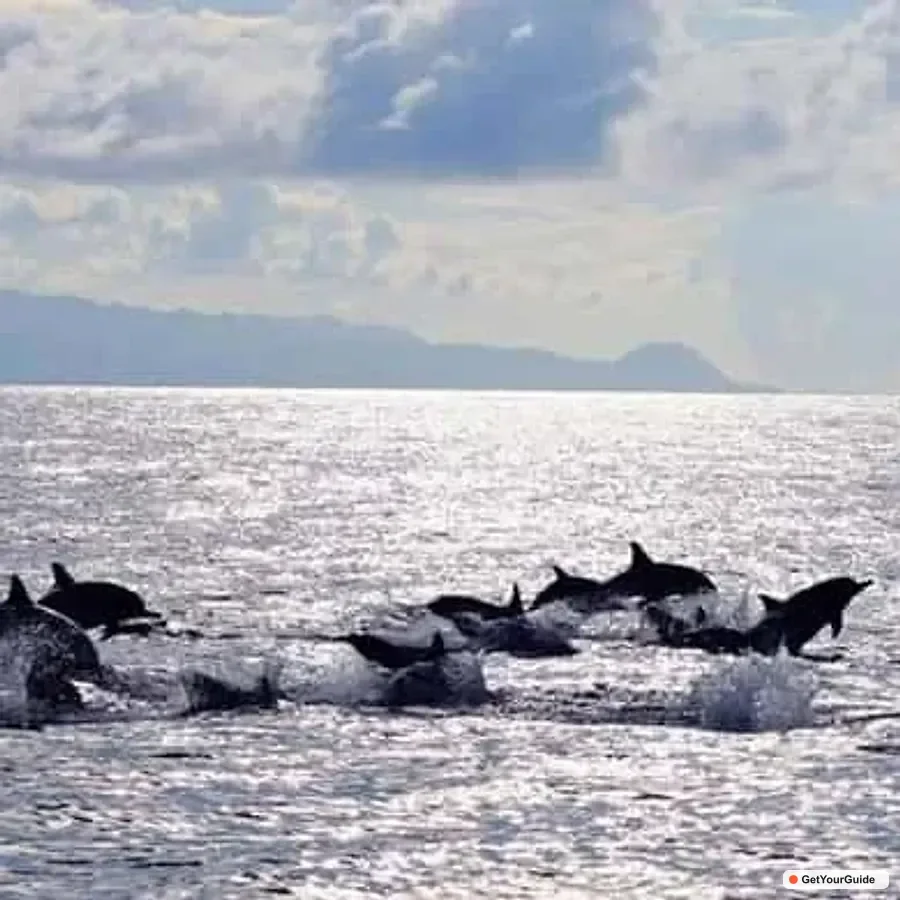
The tour starts early -- typically a pre-dawn or just-after-dawn departure around 5:30 to 6:00 a.m. -- because dolphins are most active and the sea is calmest in the early morning. The spinner dolphins here are wild and free-ranging, so sightings are never guaranteed, but the odds in the right season are good, and skilled boat captains know where the pods tend to travel. Spinners are named for their habit of leaping clear of the water and rotating multiple times on their long axis before splashing back down -- a behavior scientists still don't fully explain, though it may help dislodge parasites or signal to the pod. You watch from the boat; this is a look-but-don't-chase experience, and ethical operators keep their distance and let the animals dictate the encounter rather than crowding or herding them.
Sea turtle snorkeling
From the dolphins, the boat moves toward the shallow reefs near Balicasag, where green sea turtles graze on seagrass and rest among the corals. Slipping into the warm water and finding yourself a few meters from a turtle calmly finning along the reef is the emotional high point of the day for most people. These are wild green turtles (and occasionally hawksbills), an endangered species protected under Philippine law. The right way to swim with them is to keep a respectful distance, never touch or chase, and never block a turtle that is heading to the surface to breathe -- they are air-breathing reptiles and need clear access to the surface.
Balicasag Island and the coral wall
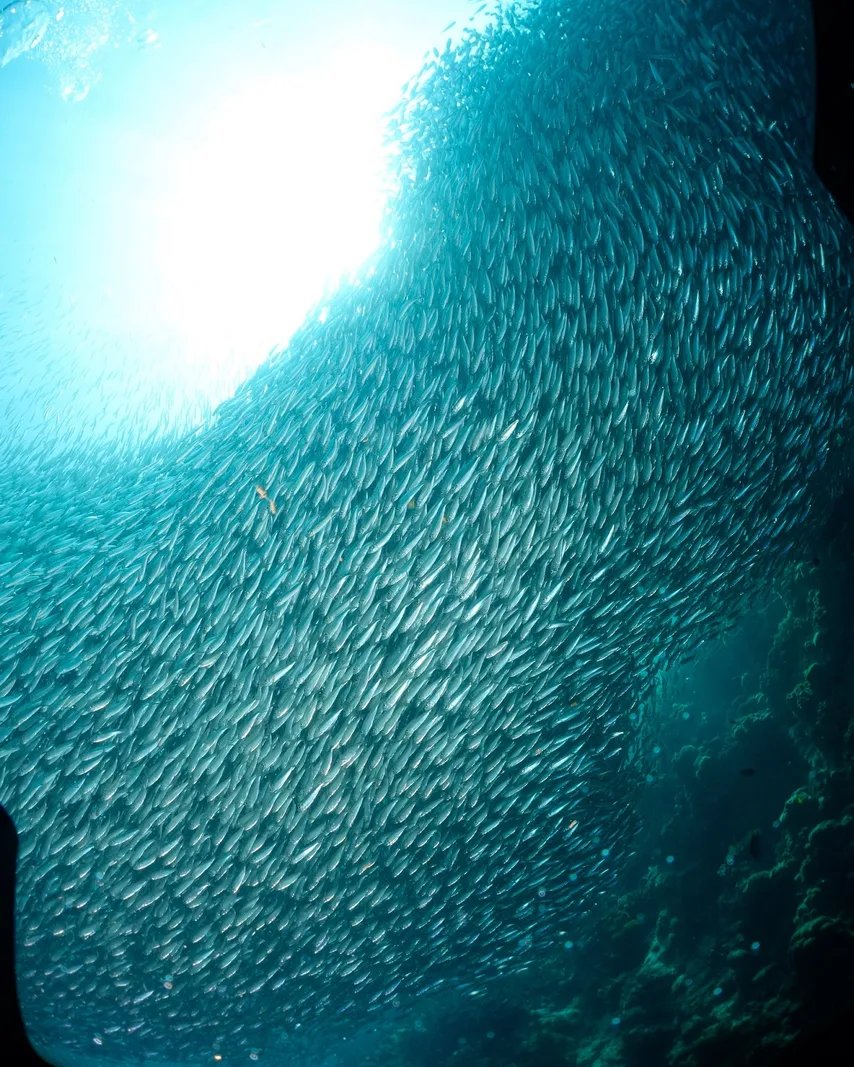
Balicasag itself is the jewel. As a protected marine sanctuary, entry is regulated -- you typically transfer to a small local boat and go with a local guide, and the number of swimmers in the sanctuary is limited to protect the reef. The signature feature is the wall: you snorkel along the lip of the drop-off, the reef alive with hard and soft corals, anthias, parrotfish, and clouds of fish, while the deep blue void falls away beneath you. Balicasag is also known for a resident school of big-eye trevally (jackfish) that sometimes mass018s into a slow, shimmering tornado of silver -- one of the most photographed sights in Philippine waters. Divers come from around the world for this wall; as a snorkeler you experience the top of it, which is plenty spectacular.
Many versions of the tour also include a stop at Virgin Island (Pungtud), a sandbar that emerges at low tide as a long white crescent in turquoise shallows, where you can wade, take photos, and buy fresh sea urchin and grilled seafood from floating vendors.
Why it matters: conservation and community
This region is a real conservation success story in progress. The marine sanctuary status of Balicasag, the protection of sea turtles, and the regulated, community-run boat operations all exist because local fishing communities and the government recognized that living reefs and wild dolphins are worth far more alive and protected than not. Tourism revenue gives that protection economic teeth.
It is worth being honest about pressure, though. Balicasag's popularity means crowding is a genuine concern, which is exactly why visitor numbers and guides are regulated -- please respect those limits rather than pushing for more. And a crucial responsible-travel note: this is wild dolphin watching, not the controversial captive or feeding-based wildlife encounters found elsewhere in the Philippines. Reputable operators here do not feed the dolphins or lure them. Choose a tour that keeps its distance from the pods, limits time near the animals, and never lets snorkelers touch the turtles. Your behavior in the water directly affects whether these encounters stay sustainable.
Practical tips for the day
- Duration: Plan for a half day, roughly five to six hours, with the boat returning to Panglao by mid-to-late morning before the sea picks up.
- Best time of year: The dry season, roughly March to May, offers the calmest seas and best visibility; the broader November-to-May window is generally good. The wet season can bring choppier water and lower visibility. Mornings are always calmer than afternoons.
- Best time of day: Early. The pre-dawn start is non-negotiable for the dolphins and rewards you with glassy water and soft light.
- What to bring: Reef-safe sunscreen (essential -- chemical sunscreens damage coral), a rash guard or light long-sleeve top for sun and warmth, a hat, drinking water, motion-sickness tablets if you are prone to seasickness, and a waterproof bag or case for your phone. A GoPro or underwater camera is well worth it.
- What's typically included: The boat, life jackets, and basic snorkel gear are usually provided, along with a guide. Separate sanctuary and environmental fees for Balicasag are commonly collected on-site and may not be in the headline price -- bring some cash.
- How strenuous: Light to moderate. Dolphin watching is done from the boat. Snorkeling requires basic comfort in open water; life jackets make it accessible to non-swimmers, but there can be current near the drop-off, so listen to your guide.
A closing thought
There is a particular kind of quiet that settles over a boat after a good dolphin morning -- everyone a little sun-dazed, salt-crusted, grinning, replaying the moment a turtle looked them in the eye or a hundred dolphins lit up the dawn. The Bohol Sea has a way of resetting something in you. Go early, go gently, and let the wild animals stay wild. Done with care, this is not just one of the best days you can have in Bohol -- it is the kind of morning you carry home for years.
Good to know before you book
- Duration: typically a full day (around 8 to 10 hours including transfers), though half-day and multi-day options exist - check the listing.
- Best for: active travellers, couples and friends.
- What is included: the boat, snorkelling gear, a guide and often lunch; marine-park or environmental fees may be extra.
- Pickup: most tours offer hotel or central pickup; confirm your point and time when booking.
- Book through: the GetYourGuide button on this page, which shows live availability and pricing.
Frequently asked questions
How long does the Bohol Dolphin Watching & Sea Turtle Swim Island Hopping take?
Most departures run as a full day - roughly 8 to 10 hours including pickup, travel and the activities themselves - so plan to set aside the whole day. Some operators offer shorter or private versions; the exact timing for your date is shown when you book through the GetYourGuide button on this page.
What is included in the Bohol Dolphin Watching & Sea Turtle Swim Island Hopping?
Typically the price covers the boat, snorkelling gear, a guide and often lunch; marine-park or environmental fees may be extra. Inclusions vary by operator, so always read the specific listing - it spells out exactly what is provided and what you pay for separately, such as entrance or environmental fees.
What should I bring?
Pack swimwear, reef-safe sunscreen applied early and sparingly, a towel and an underwater camera. Snorkelling gear is normally provided. It is also worth carrying some cash for local fees, drinks and tips, plus any personal medication, since card facilities can be limited outside the cities.
Is the Bohol Dolphin Watching & Sea Turtle Swim Island Hopping suitable for beginners or families?
It is suitable for swimmers and snorkellers of most levels, with life vests available for the less confident. For scuba elements you will need the appropriate certification. Children can usually join with a vest and supervision. If you have specific concerns about age, fitness or swimming ability, message the operator before booking - they can advise on the best option for your group.
When is the best time to do this tour?
The best conditions are usually the dry season from December to May, when the Chocolate Hills turn their famous brown. That said, the Philippines is a year-round destination, and many of these experiences run in any season - just expect the occasional shower and check the forecast for the day.
How do I get to Bohol?
To reach Bohol, fly into Bohol-Panglao International Airport, or take the fast ferry from Cebu (about 2 hours). Many tours include transfers from nearby towns or hotels, so confirm your pickup arrangement when you book so the day runs smoothly from the start.
Do I need to book the Bohol Dolphin Watching & Sea Turtle Swim Island Hopping in advance?
Yes - booking ahead is strongly recommended, especially in the dry-season peak and on weekends, when popular tours and the best operators sell out. Reserving online also locks in your spot and lets you compare timings and inclusions easily.
How much does the Bohol Dolphin Watching & Sea Turtle Swim Island Hopping cost?
Prices vary with the season, group size and exactly what is included, so we do not list a fixed figure here. Tap the GetYourGuide button on this page to see the current, accurate price and availability for your chosen date.
Can I do the Bohol Dolphin Watching & Sea Turtle Swim Island Hopping as a private or customised tour?
Many operators offer a private version of this experience for couples, families or small groups who want a flexible pace and a guide to themselves, and some can tailor the route or add stops. If a private or custom option matters to you, check the listing or message the operator before booking, as availability and prices differ from the standard shared tour.
Ready to explore Bohol?
From planning to the moment you arrive, the Bohol Dolphin Watching & Sea Turtle Swim Island Hopping is one of the most rewarding ways to experience this corner of the Philippines - and booking it is simple. Use the GetYourGuide button on this page to check live availability, compare timings and secure your spot, then turn up and let the local guides handle the rest while you focus on the views, the water and the memories.

PANA.PH Editorial Team
Philippines travel desk
The PANA.PH travel desk researches, books and re-checks Philippines travel logistics — fares, ferry schedules, government fees and permit rules — and publishes what it can verify.
🏡 Real local stays (book direct)
Hand-picked homestays and guesthouses — book direct, no markup.
Browse all local stays →

🌊 Popular activities (book instantly)
Island hopping, canyoneering, whale sharks — real Klook/GetYourGuide options.
View all activities →