There is a particular kind of quiet you only find inside a mangrove forest. The open sea is loud with wind and wave, but slip your kayak into one of the narrow tidal channels behind Cortes, just north of Tagbilaran, and the noise simply falls away. The water turns the color of weak tea, stained by tannins from the leaves. Arching roots close overhead into a green tunnel. A kingfisher flashes electric-blue across the channel. Somewhere a mudskipper plops off a root. This is one of Bohol's most underrated half-day adventures, and because it sits only a short drive from both Tagbilaran City and Panglao Island, it is wonderfully easy to fold into a wider Bohol trip.
Bohol Mangrove Kayaking from Tagbilaran / Panglao - Guide
Trip.com
Search on Trip.comHotels in Philippines
Compare live prices via Travelpayouts — targeted for this guide.
Unlike the island's headline attractions, mangrove kayaking is gentle, low-key, and genuinely good for the place you are visiting. You move under your own paddle power, you make almost no wake, and a good guide will spend as much time talking about ecology as scenery. If you have ever wanted to understand why mangroves matter, doing it from water level, eye-to-eye with the roots, is the best classroom there is.
Where you actually are: Cortes and Bohol's mangrove coast
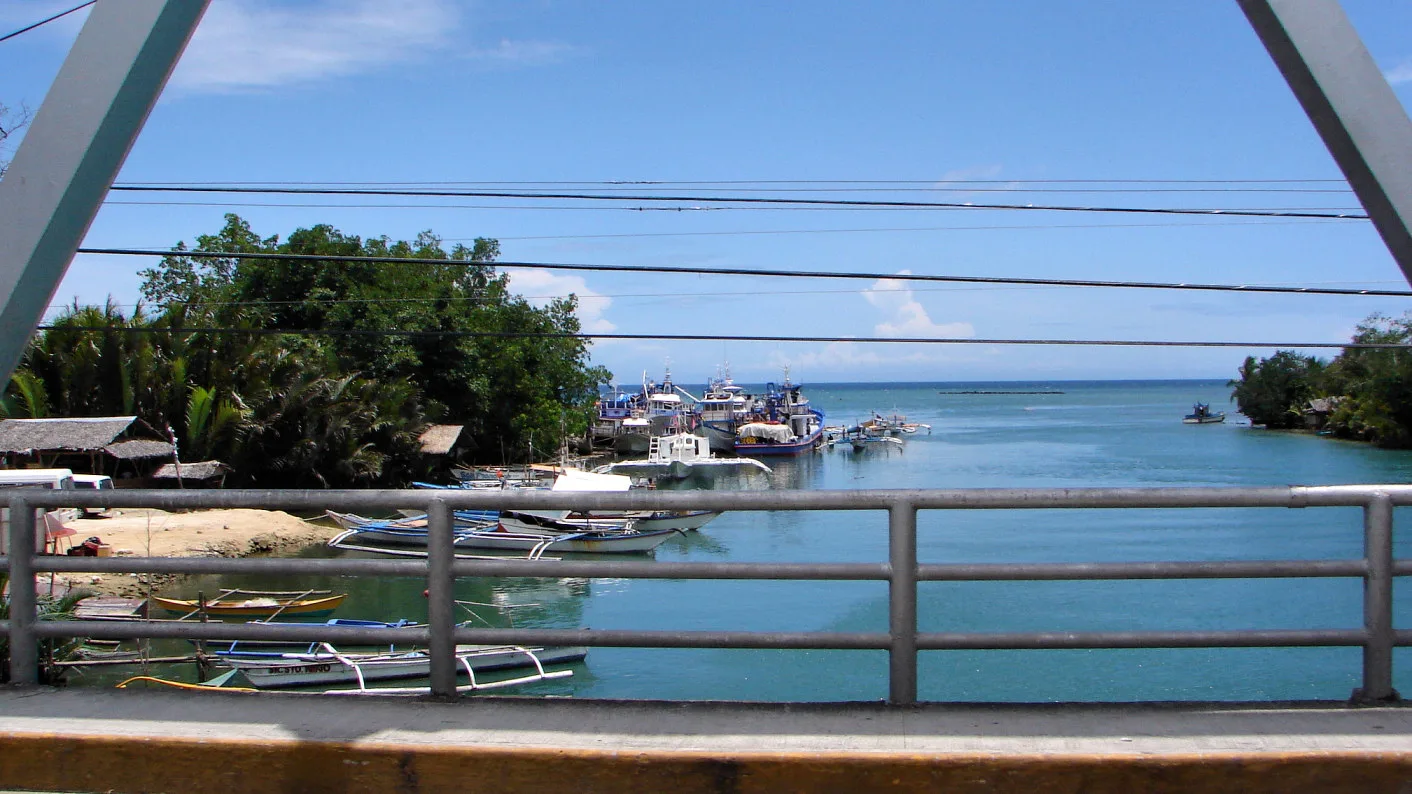
Most of these kayaking trips launch in or near the municipality of Cortes, a small coastal town a few kilometers north of Tagbilaran, Bohol's provincial capital. Tagbilaran sits on the island's southwest coast and is the natural arrival point for most visitors, whether you fly into the Bohol-Panglao International Airport on Panglao Island or come across by fast ferry from Cebu. From central Tagbilaran or the Panglao resorts, the mangrove launch sites are typically a 20 to 40 minute road transfer, which is why operators bundle hotel pickup from both areas.
Bohol's coast here is a low, sheltered shoreline fringed with tidal flats and river mouths, ideal mangrove habitat. The water is brackish, a mix of fresh runoff from inland rivers and salt water pushed in by the tide. That salinity, plus the calm, muddy environment, is exactly what mangroves need and most other trees cannot tolerate.
Trip.com
Kayaking in Philippines
Hand-picked experiences in Philippines — book on Trip.com with instant confirmation.
Bohol Mangrove Tunnels & Firefly Kayaking TrailLoay, Bohol · Full dayFrom ₱4,373Book on Trip.com →
Boracay Zipline, Kayaking and Kawa Hot Bath ComboBoracay, Philippines · Full dayFrom ₱2,768Book on Trip.com →
Boracay Cliff Diving at Ariel's Point — Full-Day AdventureBoracay · 8 hoursFrom ₱2,800Book on Trip.com →
How a mangrove forest actually works
Mangroves are not one species but a group of salt-tolerant trees and shrubs that have evolved remarkable engineering to survive where land meets sea. The Philippines hosts dozens of true mangrove species, and on a Bohol channel you will commonly paddle past a few distinct types:
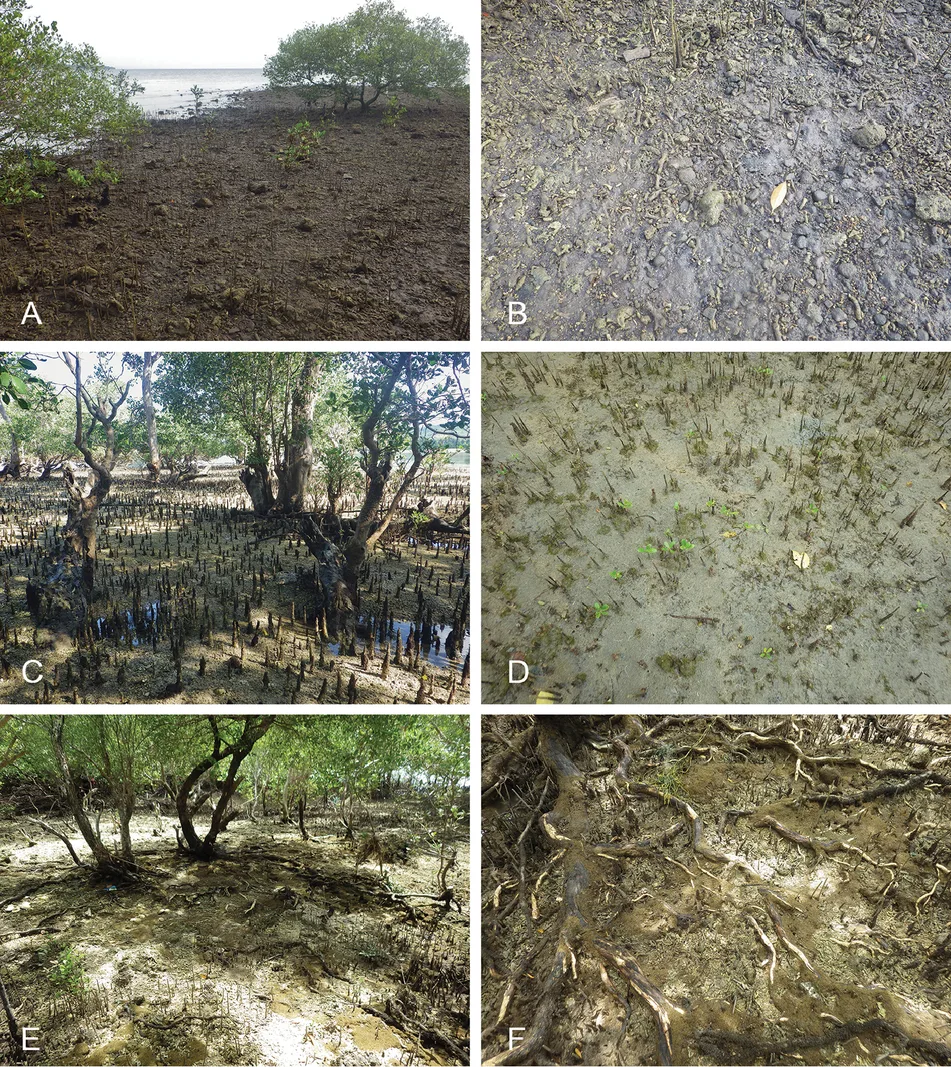
- Stilt or red mangroves (Rhizophora): the iconic ones, propped up on arching prop roots that look like spider legs. Those roots brace the tree in soft mud and let it breathe in oxygen-poor sediment.
- Black and grey mangroves (Avicennia, Sonneratia): these send up hundreds of little pencil-like spikes called pneumatophores from the mud around the trunk, snorkels that let the roots take in air at low tide.
- Nipa palm: in the brackish upper reaches you will often see dense stands of nipa, the palm whose fronds traditionally roof Filipino homes and whose sap is fermented into the local tuba.
To cope with salt, mangroves filter most of it out at the roots and excrete the rest through their leaves. Many are viviparous, meaning the seed germinates while still attached to the parent tree, forming a long, pointed propagule that drops, floats off on the tide, and roots itself elsewhere. From your kayak you can often spot these dangling green darts. The forest is also a carbon powerhouse: mangroves store enormous amounts of carbon in their waterlogged soils, far more per hectare than most rainforests, which is part of why coastal communities and the Philippine government have invested heavily in protecting and replanting them.
What you see and do, stretch by stretch
After your pickup and a short safety briefing, you will be fitted with a life vest and a paddle and given a quick lesson on basic strokes. The kayaks are typically stable sit-on-top doubles or singles, very forgiving for beginners. Then you push off into the channel.
Into the green tunnel
The first stretch is usually the showstopper: a narrow, winding waterway where the mangroves lean in from both banks and form a leafy arch overhead. Paddling is easy here because the water is sheltered and almost flat. Guides go slowly, pointing out the prop roots, the breathing pneumatophores, and the way the whole structure traps sediment and builds new land over time.
Wildlife at water level
Mangroves are nurseries, and a calm morning paddle is full of life if you know where to look. Keep an eye out for:
- Mudskippers hauled out on roots and mud, the amphibious fish that gulp air and skip across the surface.
- Fiddler crabs waving a single oversized claw on the exposed flats at low tide.
- Kingfishers, herons, and egrets hunting the shallows, and smaller birds flitting through the canopy.
- Small fish, shrimp, and juvenile reef species sheltering among the roots before they head out to the seagrass beds and reefs offshore.
This last point is the whole ecological story in miniature: the roots are a maze that shields baby fish from predators, so the mangroves you are paddling through are literally seeding the reefs that snorkelers enjoy off Panglao. Many operators run the trip in the cooler, calmer hours, and some offer an early-morning or late-afternoon paddle when birdlife is most active and the light is gorgeous.
Why this place matters
Bohol has a strong conservation streak. The island is famous for protecting the world's smallest primate, the Philippine tarsier, in sanctuaries near Corella and Loboc, and that same ethic carries over to its coasts. Mangroves here are not just scenery; they are flood defense, fish factory, and carbon store all at once. Their tangled roots blunt storm surge and waves, which is no small thing in a country that faces frequent typhoons. Bohol also endured a powerful earthquake in 2013 that reshaped parts of its coast, a reminder of how dynamic this shoreline is. Community-led mangrove protection and replanting projects across the province are part of a long Philippine effort to reverse decades of mangrove loss to fishponds and development. Choosing a guided, low-impact paddle directly supports that work.
Practical tips for the paddle
- How strenuous: Gentle. The water is sheltered, the pace is relaxed, and no prior kayaking experience is needed. Reasonable upper-body effort over a couple of hours is all it takes, and you can rest whenever you like.
- Rough duration: Plan on a half-day once you include transfers; the on-water portion is commonly in the one-to-two-hour range, with briefings and travel either side.
- Best time: Bohol's drier, calmer months run roughly from late November through May, with the wetter season around June to October. Early morning or late afternoon paddles are coolest, with the best light and most active wildlife. Tide matters too: guides time trips around water levels in the channels.
- What to wear and bring: Quick-dry clothes you do not mind getting splashed, sandals or water shoes with a strap, a hat, sunglasses on a cord, and reef-safe sunscreen. Bring drinking water, and a dry bag or waterproof case for your phone or camera.
- Typically included: Kayak and paddle, life vest, and a local guide; many packages add hotel pickup and drop-off from Tagbilaran or Panglao. Confirm exactly what is bundled when you book, since inclusions vary by operator.
- Responsible travel: Stay in your kayak, do not snap off propagules or roots, take all trash out with you, and keep your distance from nesting birds. Choosing an operator that talks conservation and hires local guides keeps the benefit in the community.
A different side of Bohol
Bohol will hand you Chocolate Hills, tarsiers, and the buffet boats on the Loboc River, and all of those deserve their fame. But the mangrove channels near Cortes give you something quieter and, in a way, more intimate: a chance to sit at water level inside one of the planet's hardest-working ecosystems and understand exactly why it is worth saving. Paddle out at first light, let your guide read the forest for you, and you will leave with tired arms, a full memory card, and a real appreciation for the green tangle that quietly protects this coast. It is the easiest, gentlest, and arguably most meaningful adventure you can have within minutes of Panglao's beaches.
Good to know before you book
- Duration: typically a full day (around 8 to 10 hours including transfers), though half-day and multi-day options exist - check the listing.
- Best for: couples, families and first-time visitors.
- What is included: transport and a guide; check the listing for meals, gear and fees.
- Pickup: most tours offer hotel or central pickup; confirm your point and time when booking.
- Book through: the GetYourGuide button on this page, which shows live availability and pricing.
Frequently asked questions
How long does the Bohol Mangrove Kayaking from Tagbilaran / Panglao take?
Most departures run as a full day - roughly 8 to 10 hours including pickup, travel and the activities themselves - so plan to set aside the whole day. Some operators offer shorter or private versions; the exact timing for your date is shown when you book through the GetYourGuide button on this page.
What is included in the Bohol Mangrove Kayaking from Tagbilaran / Panglao?
Typically the price covers transport and a guide; check the listing for meals, gear and fees. Inclusions vary by operator, so always read the specific listing - it spells out exactly what is provided and what you pay for separately, such as entrance or environmental fees.
What should I bring?
Pack comfortable clothing, sunscreen, a hat, water and a little cash for fees and extras. It is also worth carrying some cash for local fees, drinks and tips, plus any personal medication, since card facilities can be limited outside the cities.
Is the Bohol Mangrove Kayaking from Tagbilaran / Panglao suitable for beginners or families?
It suits a wide range of travellers; ask the operator about fitness or swimming requirements if you are unsure. If you have specific concerns about age, fitness or swimming ability, message the operator before booking - they can advise on the best option for your group.
When is the best time to do this tour?
The best conditions are usually the dry season from December to May, when the Chocolate Hills turn their famous brown. That said, the Philippines is a year-round destination, and many of these experiences run in any season - just expect the occasional shower and check the forecast for the day.
How do I get to Cortes Bohol?
To reach Cortes Bohol, fly into Bohol-Panglao International Airport, or take the fast ferry from Cebu (about 2 hours). Many tours include transfers from nearby towns or hotels, so confirm your pickup arrangement when you book so the day runs smoothly from the start.
Do I need to book the Bohol Mangrove Kayaking from Tagbilaran / Panglao in advance?
Yes - booking ahead is strongly recommended, especially in the dry-season peak and on weekends, when popular tours and the best operators sell out. Reserving online also locks in your spot and lets you compare timings and inclusions easily.
How much does the Bohol Mangrove Kayaking from Tagbilaran / Panglao cost?
Prices vary with the season, group size and exactly what is included, so we do not list a fixed figure here. Tap the GetYourGuide button on this page to see the current, accurate price and availability for your chosen date.
Can I do the Bohol Mangrove Kayaking from Tagbilaran / Panglao as a private or customised tour?
Many operators offer a private version of this experience for couples, families or small groups who want a flexible pace and a guide to themselves, and some can tailor the route or add stops. If a private or custom option matters to you, check the listing or message the operator before booking, as availability and prices differ from the standard shared tour.
Ready to explore Cortes Bohol?
From planning to the moment you arrive, the Bohol Mangrove Kayaking from Tagbilaran / Panglao is one of the most rewarding ways to experience this corner of the Philippines - and booking it is simple. Use the GetYourGuide button on this page to check live availability, compare timings and secure your spot, then turn up and let the local guides handle the rest while you focus on the views, the water and the memories.

PANA.PH Editorial Team
Philippines travel desk
The PANA.PH travel desk researches, books and re-checks Philippines travel logistics — fares, ferry schedules, government fees and permit rules — and publishes what it can verify.
🏡 Real local stays (book direct)
Hand-picked homestays and guesthouses — book direct, no markup.
Browse all local stays →

🌊 Popular activities (book instantly)
Island hopping, canyoneering, whale sharks — real Klook/GetYourGuide options.
View all activities →