Coron: Palawan's surreal north
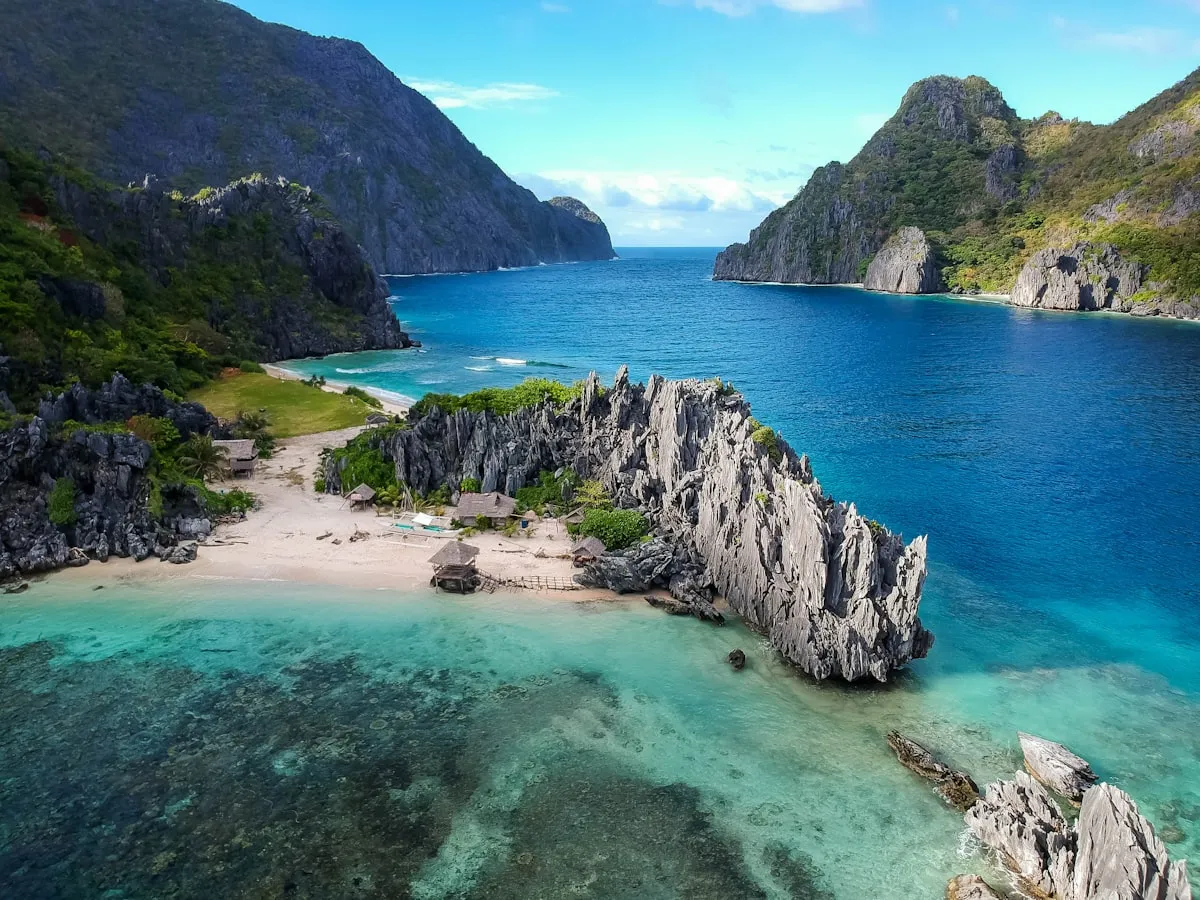
Coron, on Busuanga island at the top of Palawan, is one of the most jaw-dropping corners of the Philippines. Sheer limestone cliffs plunge into water of impossible clarity, hidden lagoons open through gaps in the rock, and beneath the surface lies a fleet of WWII shipwrecks that draw divers and snorkellers from around the world. Compact and laid-back, it is the perfect base for a few days of island adventure.
The classic Coron loop
Kayangan Lake and Twin Lagoon
The signature day trip climbs a short ridge to the iconic Kayangan viewpoint - the postcard image of Coron - then drops to the famously clear lake beyond. Twin Lagoon, where cool freshwater layers over warm seawater in a shimmering haze, is another highlight, entered through a gap in the cliff or over a small ladder at high tide.
Reefs and beaches
The loop also takes in coral gardens for snorkelling, the shallow wreck of a sunken ship, and white-sand beaches like Malcapuya and Banana for swimming and lunch. The water is warm, clear and endlessly photogenic.
Wreck diving and Barracuda Lake
Coron Bay's dozen or so Japanese shipwrecks, sunk in 1944, make it one of Asia's premier wreck-diving destinations - and several sit shallow enough for snorkellers to glimpse. Divers also love Barracuda Lake, a surreal spot where you swim through dramatic thermoclines between cool and warm water among towering rock walls.
On land
Back in town, climb the 700-odd steps up Mount Tapyas for a sweeping sunset view, then soak in the naturally warm, saltwater Maquinit Hot Springs after a day on the water. Coron town itself is small and friendly, with a growing choice of restaurants and bars.
Getting there and when to go
Fly into Busuanga (Francisco B. Reyes) airport from Manila or Cebu, a short drive from Coron town, or arrive by ferry from El Nido. The dry season from late November to May brings the calmest seas and best visibility - ideal for both island hopping and diving.
Frequently asked questions
What is Coron known for?
Coron is known for its stunning lagoons and lakes - especially Kayangan Lake, Twin Lagoon and Barracuda Lake - and for the WWII Japanese shipwrecks in its bay, which make it a world-class wreck-diving and snorkelling destination. Dramatic limestone scenery, clear water and warm hot springs round out the appeal.
How many days do you need in Coron?
Two to three full days lets you enjoy the classic island-hopping loop (Kayangan Lake, Twin Lagoon, reefs and beaches), a reef-and-wreck snorkelling or diving trip, and land highlights like Mount Tapyas and the Maquinit Hot Springs. Add more days if you plan to dive several wrecks.
Can you snorkel the Coron shipwrecks?
Yes - while the deeper wrecks are for scuba divers, several of Coron Bay's WWII wrecks sit shallow enough that snorkellers can see their ghostly shapes from the surface in clear conditions. Reef-and-wreck snorkelling tours are designed exactly for this, pairing the wrecks with vibrant coral gardens.
How do you get to Coron?
Fly into Busuanga (Francisco B. Reyes) airport, a short drive from Coron town, with flights from Manila and Cebu. Alternatively, arrive by fast ferry from El Nido in around three to four hours, or on a multi-day expedition boat that island-hops through the remote islands between the two.
Is Coron good for non-divers?
Absolutely. Even without scuba, you can snorkel over shallow wrecks and reefs, swim in the crystal lakes and lagoons, relax on white-sand beaches, and enjoy the hot springs and viewpoints. The island-hopping day trips are suitable for almost everyone, with life vests provided and calm, sheltered water at most stops.
When is the best time to visit Coron?
The dry season from late November to May offers the calmest seas, clearest water and most reliable boat trips - the best conditions for island hopping and diving. March and April are especially good. The wet season is quieter and cheaper but can bring rougher seas and occasional cancellations.
How much does a Coron island-hopping tour cost?
Shared group tours are the most affordable option and typically include the boat, life vests, snorkelling gear, a guide and lunch, while private charters cost more for the flexibility. On top of the tour price, expect to pay small government and environmental fees locally in cash for sites like Kayangan Lake. Prices shift with the season, so check the current rate when booking.
What should I pack for Coron?
Bring swimwear, reef-safe sunscreen, a hat, a towel, water shoes for rocky landings, and a dry bag or waterproof pouch for your phone. A light layer is handy for the boat and for cooler cave or lake spots, and some cash covers local fees, drinks and tips. An underwater camera is well worth it for the lagoons and wrecks.
Plan your trip with PANA.PH
Ready to turn Coron into a real itinerary? Browse our tours and activities for guided island hopping, canyoneering, diving and day trips, compare places to stay, and read more destination guides on the PANA.PH blog. Kayangan Lake, Twin Lagoon and the famous wrecks await - our Coron tours make them easy to explore.
The best Philippine trips come together when the big pieces are booked early - flights between islands, the headline tours, and rooms in peak season - while the small pleasures are left to discover on the ground. Travel in the dry season (roughly late November to May) for the calmest seas and clearest skies, carry enough cash for island fees and local eateries, and always keep a buffer day in case the weather reshuffles a boat trip. A little planning around the seasons and the logistics turns a good holiday into a great one.
PANA.PH gathers the best of the Philippines in one place - handpicked tours from trusted local operators, honest guides written to help rather than sell, and practical tips drawn from real island travel - so you can spend less time organising and more time actually exploring. Whether you are chasing beaches, reefs, waterfalls, food or culture, use the links above to shape your route, then book with confidence and let the islands take care of the rest.