There is a moment, somewhere on the second morning, when you realize you have not seen a road in two days. The boat is anchored off a deserted curve of white sand, the cook is frying eggs at the stern, and the only sound is the slap of turquoise water against the hull. The Coron-to-El Nido expedition is not a day trip you bolt onto a beach holiday. It is a slow, four-day crossing of one of the most spectacular stretches of sea in Southeast Asia, sleeping on islands with no electricity, eating fish caught that afternoon, and waking up somewhere new each day. It is, for many travelers, the single best thing they do in the Philippines.
Coron to El Nido 4-Day Island Hopping Expedition - Guide
Trip.com
Search on Trip.comHotels in Philippines
Compare live prices via Travelpayouts — targeted for this guide.
The route threads through the Calamian Islands and the Linapacan group in northern Palawan, covering roughly 150 kilometers of open water and hidden lagoons between Coron Town and El Nido. You can run it in either direction; the experience is the same. What is constant is the rhythm: cruise, snorkel, swim, beach lunch, cruise again, make camp before dark.
The geology beneath the postcards
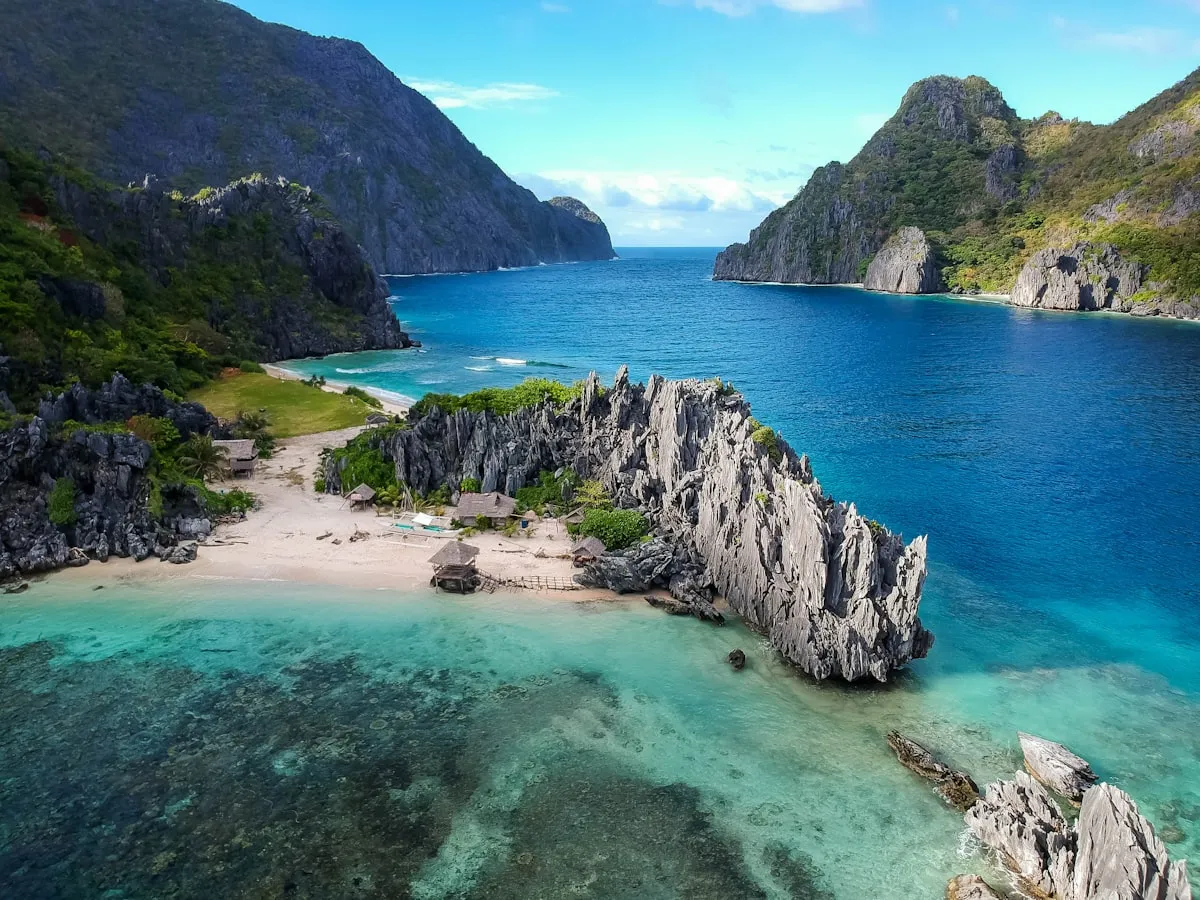
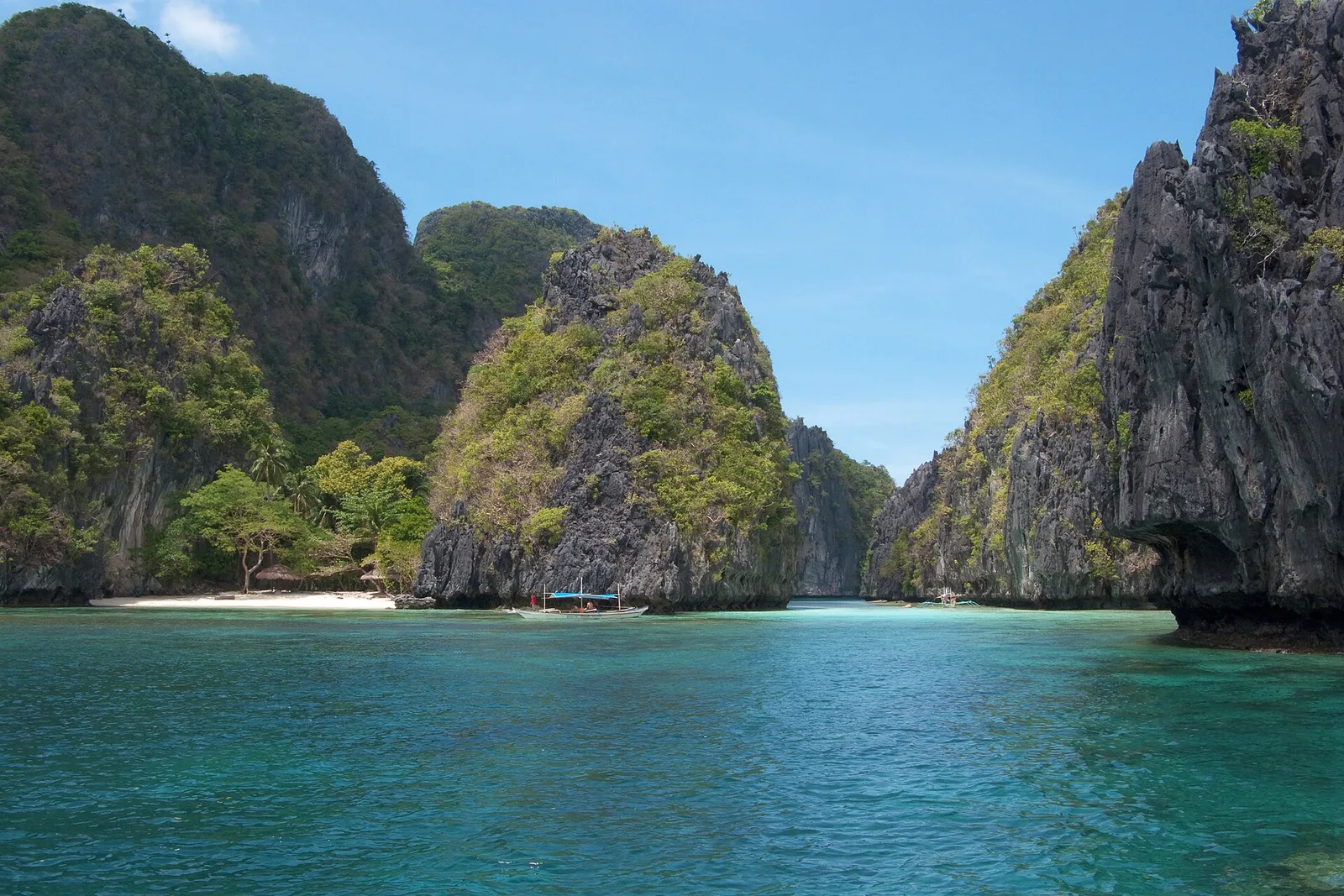
The drama of this seascape is written in limestone. The towering grey cliffs of Coron Island, the knife-edged karst around El Nido, and the jagged islets in between are all ancient marine sediment - the compressed remains of coral reefs and shelled creatures laid down over tens of millions of years, then thrust upward by tectonic collision and sculpted by rain and sea into the pinnacles you see today. Rainwater is mildly acidic, and over geologic time it dissolves limestone along cracks, carving the caves, sinkholes and sheer-walled lagoons that make this region so distinctive.
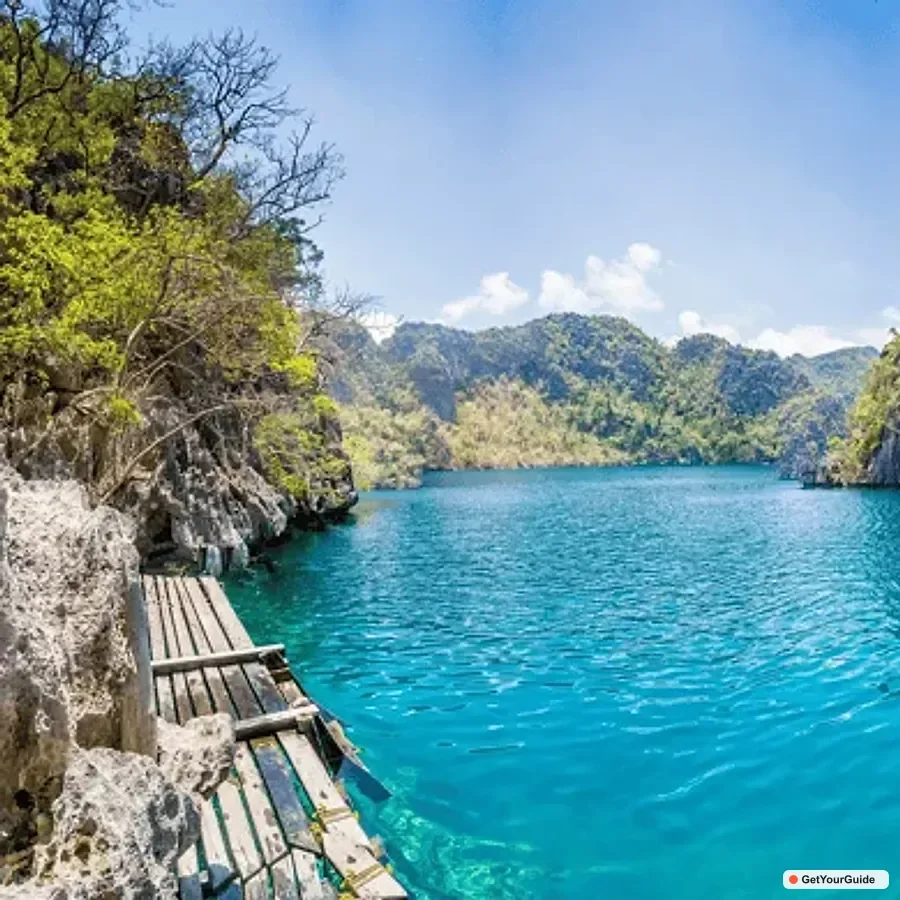
The most famous example sits on Coron Island itself: Kayangan Lake and the hidden Barracuda Lake. These are partly enclosed bodies of water ringed by karst, and Barracuda Lake is a genuine oddity - it is a meromictic, stratified lake where a layer of cool freshwater sits atop warmer, saltier water, producing eerie thermoclines you can feel as you swim through them. The clarity is astonishing because so little organic matter clouds the water. Around the Calamians you also pass the WWII Japanese shipwrecks sunk in 1944, now reefs in their own right, though most are better reached on dedicated dives rather than the expedition snorkel stops.
Trip.com
See all tours in Philippines on Trip.comIsland hopping in Philippines
Hand-picked experiences in Philippines — book on Trip.com with instant confirmation.
What you actually do, day by day
Itineraries vary by operator and weather, but the shape of a four-day, three-night trip is reliably consistent.
Day 1 - leaving the Calamians
You load up in Coron Town and motor out past Coron Island's cliffs. Early stops often include snorkeling over coral gardens and a swim at a sandbar before the boat strikes south toward the Linapacan area. By mid-afternoon you reach the first camp - usually a small uninhabited or barely inhabited island where the crew pitches tents or strings up simple bamboo huts and you watch your first sunset with sand between your toes.
Day 2 - the Linapacan crossing
This is the heart of the trip. The waters around Linapacan are frequently cited as some of the clearest in the world, and on a calm day the visibility genuinely feels limitless. You hop between deserted beaches, snorkel coral walls, and visit small fishing communities. Lunch is laid out on a beach - grilled fish, rice, fresh fruit, and often a whole spread far better than the rustic setting suggests.
Day 3 - lagoons and lonely beaches
More snorkeling, more swimming through narrow channels, and stops at sites like the so-called Hidden Beach and quiet reef passes as you approach the El Nido archipelago. The karst grows taller and closer; the islands cluster more tightly. Camp on the final night is often the most memorable, with a bonfire and a sky utterly free of light pollution.
Day 4 - into Bacuit Bay
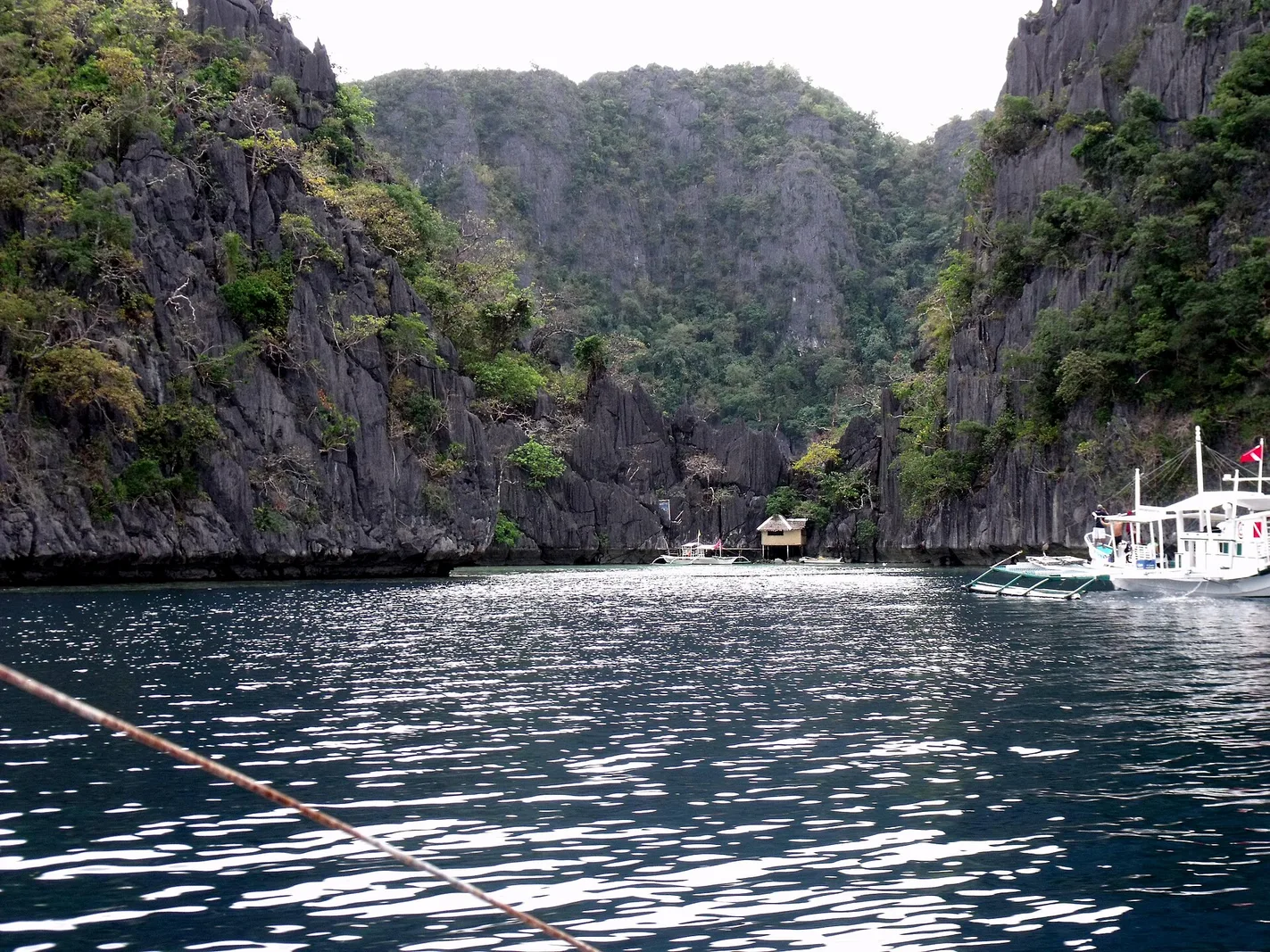
The last leg brings you into the spectacular Bacuit Bay outside El Nido, where the limestone towers reach their crescendo. After a final snorkel and beach stop you cruise into El Nido town, sun-darkened and a little feral, usually arriving in the early afternoon.
The marine life and why conservation matters
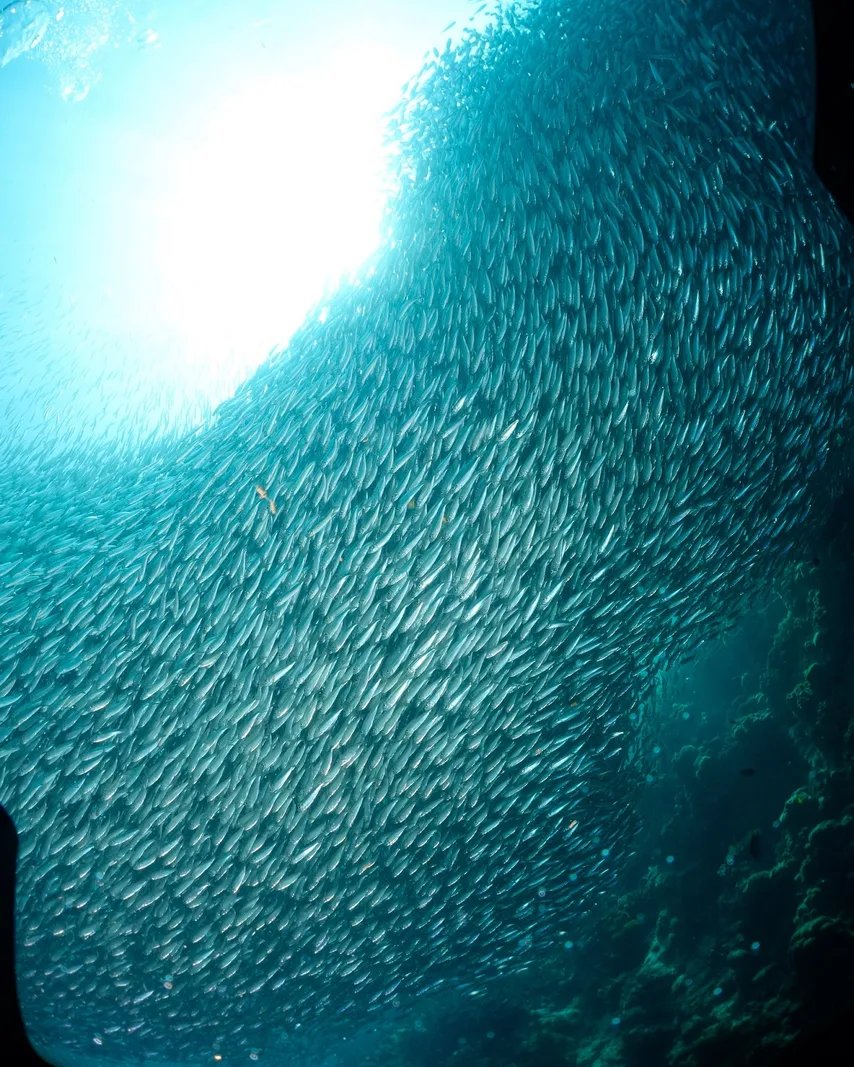
Underwater you can expect healthy hard and soft corals, clouds of reef fish, the occasional sea turtle grazing on seagrass, reef-tip sharks if you are lucky, and gardens of giant clams that some communities actively protect. These reefs are part of the Coral Triangle, the global center of marine biodiversity, which is precisely why responsible behavior matters. Reef-safe sunscreen, never touching or standing on coral, and not buying shell souvenirs are not optional niceties here - they are the difference between these reefs surviving the boom in island-hopping tourism or bleaching out under the pressure. Pack out your trash; the camps are pristine only because crews and travelers keep them that way.
Practical notes from experience
- Best time to go: The dry season, roughly late November through May, offers the calmest seas and most reliable conditions. Trips run through the year but rough water and cancellations are common in the wet, windy months around the southwest monsoon (typically June to October). March to May brings the warmest, glassiest water.
- How strenuous: Moderate. You need to be a comfortable swimmer - some snorkel stops are in open water and you may swim a short distance to shore. Camping is basic: tents or simple huts, shared or very simple toilet facilities, cold bucket showers, and limited or no electricity. This is the trade-off for sleeping somewhere no hotel could ever reach.
- What is typically included: All meals, drinking water, snorkeling gear, tents and basic bedding, and the boat crew and guides. Confirm specifics with your operator, as inclusions differ.
- What to bring: Reef-safe sunscreen, a rash guard or long-sleeve swim top (more effective than reapplying sunscreen all day), a dry bag, a headlamp, motion-sickness tablets if you are prone, quick-dry clothing, sandals, any personal medication, and cash - there are no ATMs on uninhabited islands. A power bank is essential; charging is scarce to nonexistent. Bring far less than you think and pack it waterproof.
- Connectivity: Expect to be largely offline for the full crossing. Tell people at home before you leave.
A word on the camps and the communities
The expedition passes through the lands and waters of fishing communities and indigenous peoples, including Tagbanua communities who hold ancestral domain over Coron Island and have a deep cultural relationship with its lakes and cliffs. Some sites carry entrance fees that go toward the communities and conservation - pay them gladly. Travel quietly, ask before photographing people, and remember you are a guest passing through a working seascape, not an empty playground.
Why it stays with you
Plenty of places in the Philippines deliver a perfect beach. What the Coron-to-El Nido expedition delivers is time - four days unhurried enough to let the place actually sink in. You stop checking your phone because there is no signal. You learn the crew's names. You watch the same stars two nights running. By the time the karst towers of Bacuit Bay rise out of the haze on the final morning, you are not the same traveler who boarded in Coron. Few trips earn the word expedition. This one does.
Good to know before you book
- Duration: typically a full day (around 8 to 10 hours including transfers), though half-day and multi-day options exist - check the listing.
- Best for: couples, families and first-time visitors.
- What is included: the boat, life vests, snorkelling gear, a guide and usually lunch; island entrance and environmental fees may be paid locally.
- Pickup: most tours offer hotel or central pickup; confirm your point and time when booking.
- Book through: the GetYourGuide button on this page, which shows live availability and pricing.
Frequently asked questions
How long does the Coron to El Nido 4-Day Island Hopping Expedition take?
Most departures run as a full day - roughly 8 to 10 hours including pickup, travel and the activities themselves - so plan to set aside the whole day. Some operators offer shorter or private versions; the exact timing for your date is shown when you book through the GetYourGuide button on this page.
What is included in the Coron to El Nido 4-Day Island Hopping Expedition?
Typically the price covers the boat, life vests, snorkelling gear, a guide and usually lunch; island entrance and environmental fees may be paid locally. Inclusions vary by operator, so always read the specific listing - it spells out exactly what is provided and what you pay for separately, such as entrance or environmental fees.
What should I bring?
Pack swimwear, reef-safe sunscreen, a hat, a towel, water shoes for rocky landings and a waterproof pouch for your phone. It is also worth carrying some cash for local fees, drinks and tips, plus any personal medication, since card facilities can be limited outside the cities.
Is the Coron to El Nido 4-Day Island Hopping Expedition suitable for beginners or families?
It is suitable for almost everyone, including families and non-swimmers, thanks to life vests and calm, sheltered water at most stops. There is plenty of time to simply relax on the sand. If you have specific concerns about age, fitness or swimming ability, message the operator before booking - they can advise on the best option for your group.
When is the best time to do this tour?
The best conditions are usually the dry season from late November to May, when seas are calmest and skies clearest. That said, the Philippines is a year-round destination, and many of these experiences run in any season - just expect the occasional shower and check the forecast for the day.
How do I get to El Nido?
To reach El Nido, fly into Puerto Princesa, El Nido or Coron (Busuanga) airport, then transfer by road or boat. Many tours include transfers from nearby towns or hotels, so confirm your pickup arrangement when you book so the day runs smoothly from the start.
Do I need to book the Coron to El Nido 4-Day Island Hopping Expedition in advance?
Yes - booking ahead is strongly recommended, especially in the dry-season peak and on weekends, when popular tours and the best operators sell out. Reserving online also locks in your spot and lets you compare timings and inclusions easily.
How much does the Coron to El Nido 4-Day Island Hopping Expedition cost?
Prices vary with the season, group size and exactly what is included, so we do not list a fixed figure here. Tap the GetYourGuide button on this page to see the current, accurate price and availability for your chosen date.
Can I do the Coron to El Nido 4-Day Island Hopping Expedition as a private or customised tour?
Many operators offer a private version of this experience for couples, families or small groups who want a flexible pace and a guide to themselves, and some can tailor the route or add stops. If a private or custom option matters to you, check the listing or message the operator before booking, as availability and prices differ from the standard shared tour.
Ready to explore El Nido?
From planning to the moment you arrive, the Coron to El Nido 4-Day Island Hopping Expedition is one of the most rewarding ways to experience this corner of the Philippines - and booking it is simple. Use the GetYourGuide button on this page to check live availability, compare timings and secure your spot, then turn up and let the local guides handle the rest while you focus on the views, the water and the memories.

PANA.PH Editorial Team
Philippines travel desk
The PANA.PH travel desk researches, books and re-checks Philippines travel logistics — fares, ferry schedules, government fees and permit rules — and publishes what it can verify.
🏡 Real local stays (book direct)
Hand-picked homestays and guesthouses — book direct, no markup.
Browse all local stays →

🌊 Popular activities (book instantly)
Island hopping, canyoneering, whale sharks — real Klook/GetYourGuide options.
View all activities →