Blog

Coron Island Premier Trimaran Tour - Guide

Sail Coron's iconic limestone islands on a comfortable trimaran with stops at Twin Lagoon, Kayangan Lake, Barracuda Lake, and a beach lunch away from the c

← Back to BlogCoron Island Premier Trimaran Tour - Guide

Coron Island Premier Trimaran Tour - Guide

Overview

Coron in northern Palawan is renowned for its dramatic karst landscape and clear waters. While many visitors focus on wreck diving, the island-hopping tours reveal another face of the destination: shallow lagoons, hidden lakes, and long stretches of beach framed by jagged cliffs. The Coron Island Premier Trimaran Tour is designed for comfort and smaller numbers. The vessel is a modern trimaran rather than a traditional outrigger bangka, offering more deck space, shade, and stability for a relaxed day on the water. It is an excellent introduction to the famous scenery of the area without the intensity of a diving-focused trip.

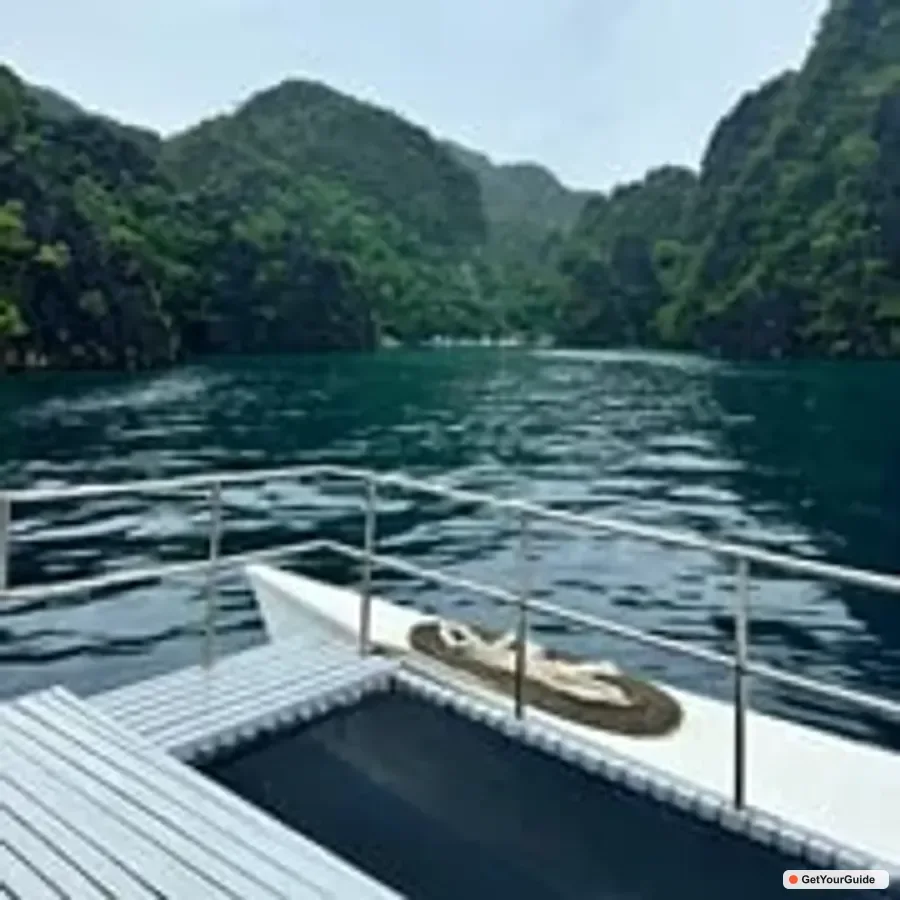
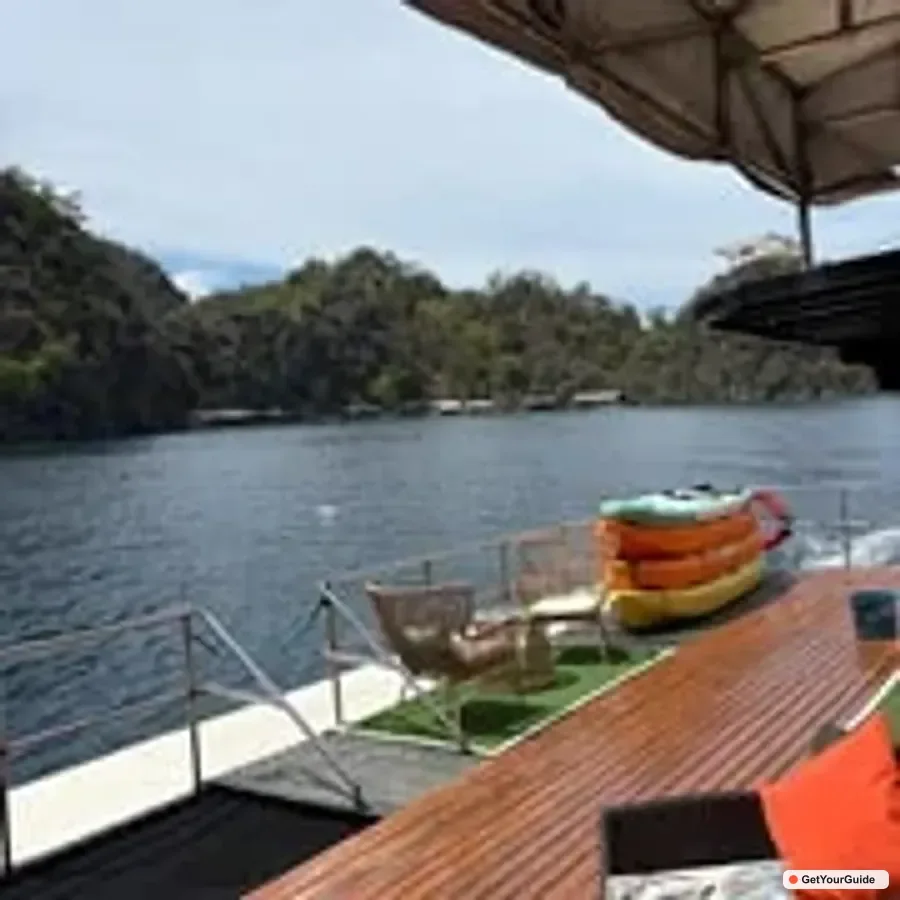
Luxury trimaran sailing past tall limestone cliffs in Coron Bay Palawan

Geology of Coron Island

Coron Island itself is a large block of ancient limestone that has been uplifted and then heavily karstified over millions of years. Rainwater has dissolved the rock into towers, arches, and sinkholes. The famous lakes sit in these depressions. The surrounding waters are part of the Coron Bay system, protected by a series of smaller islets that break wave action and create the calm conditions ideal for kayaking and snorkeling. The limestone also produces the striking turquoise color that appears in almost every photograph from the area. The karst formations are part of the same geological belt that runs through much of Palawan and creates the dramatic cliffs seen from the air on the approach to the island. The same geology that makes the landscape beautiful also makes it fragile, which is why visitor management and local stewardship are so important here.

The tour visits a carefully chosen circuit that avoids the busiest group landing sites when possible. The trimaran's larger size and private or small-group capacity help maintain a quieter experience even during peak season. The crew is usually local and can adjust the exact timing of stops based on tides and the day's conditions. This flexibility is one of the main reasons travelers choose the premier option over the larger bangka day tours.

🎫

Book Philippines tours & activities

Island hopping, whale shark watching, canyoneering and more. Best prices on GetYourGuide & Klook.

Browse tours →

Twin Lagoon and the Tidal Passage

Twin Lagoon is one of the most distinctive stops. Two bodies of water sit side by side, separated by a natural rock wall with a narrow, low opening at water level. At low tide you can swim or wade through the passage; at higher tide the boat may anchor outside and guests kayak or swim in. The inner lagoon is often glass-calm and ringed by vertical cliffs. The contrast between the open bay and the enclosed pool creates a memorable setting for a swim or a quiet float with a view straight up the limestone walls. Local stories sometimes describe the two lagoons as "siblings," one exposed to the sea and one sheltered. The passage itself is narrow enough that only a few people fit at once, which naturally spaces out visitors even when multiple boats are in the area.

Guides usually explain the tidal dynamics and the importance of timing the visit. Because the tour uses a trimaran with good maneuverability, the crew can often wait for the best window rather than rushing a large group through on a fixed schedule. Kayaks carried on the boat let you explore the edges of the lagoon quietly without disturbing the water column. The cliffs rise dramatically on all sides, and the light inside the lagoon changes with the angle of the sun, creating different moods throughout the morning.

Calm inner lagoon surrounded by sheer limestone walls with clear water in Coron

Kayangan Lake and Barracuda Lake

Kayangan Lake is frequently called one of the cleanest lakes in the Philippines. A short but steep trail leads from the landing beach up and then down into the crater lake. The water is exceptionally clear because the lake has no major sediment inflow. Swimming is allowed in designated areas; the temperature is noticeably cooler than the sea. The surrounding cliffs and the occasional monkey or monitor lizard add to the sense of a wild, enclosed ecosystem. The trail itself offers good views of the surrounding karst towers and the bay below, so even non-swimmers enjoy the stop. The lake is a freshwater jewel set inside the limestone, and its clarity is the result of both geology and careful protection.

Barracuda Lake sits in another depression and is named for the occasional sightings of the fish in its deeper sections. The most interesting feature is the thermocline: a visible layer where warm surface water meets colder deeper water, creating a shimmering optical effect. Snorkelers can dive through the layer and feel the temperature change. The lake is also surrounded by dramatic rock faces that make it a favorite for photographers. Both lakes are part of the protected landscape of Coron Island, and local communities have worked with national agencies to limit visitor numbers and prevent damage to the fragile freshwater systems. The effort has paid off; the lakes remain remarkably pristine compared with more heavily visited sites elsewhere in the country.

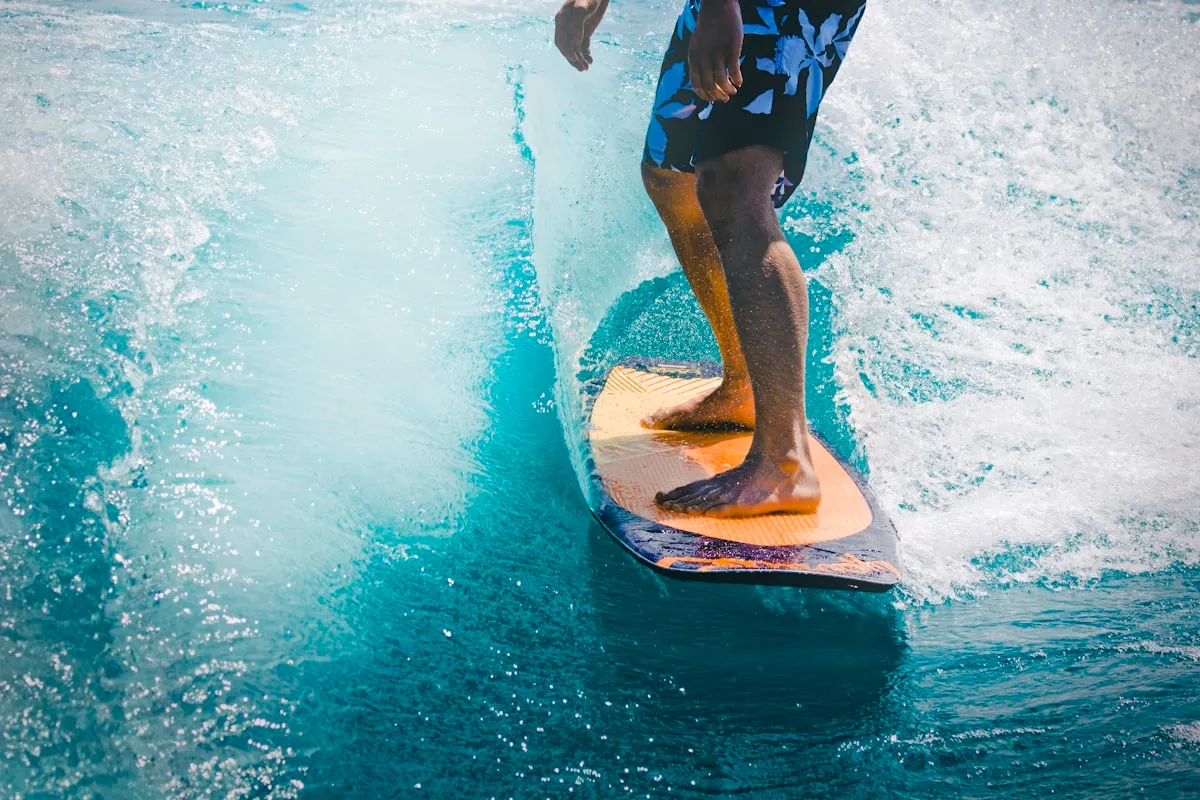
The trimaran carries kayaks, stand-up paddleboards, and snorkel gear. There is usually time at each lake for both water activities and simple relaxation on the boat or a small beach. The combination of hiking, swimming, and sailing in one day gives a broad sense of the island's varied environments. The physical variety is one reason the tour appeals to a wide range of ages and fitness levels.

Banul Beach and Onboard Lunch

Banul Beach provides the lunch stop. The beach is a narrow strip of sand backed by vegetation and cliffs. The crew sets up a barbecue buffet, typically featuring grilled meats, fresh seafood, rice, salads, and fruit. Drinks are available from the bar. The trimaran's spacious deck and shaded areas make the meal comfortable even when the sun is strong. After eating, guests can swim, kayak along the shore, or simply rest in the hammocks. The setting is deliberately chosen because it stays relatively quiet compared with more famous beaches that receive multiple boatloads at once. The lunch break is often the most social part of the day, with time to talk with the crew and other guests about the morning's highlights.

The emphasis on "no crowds, pure comfort" is deliberate. The tour deliberately limits numbers compared with the large bangka day trips that can deliver dozens of people to the same beaches at once. The result is more space on the sand and in the water, and a chance to appreciate the landscape without constant background noise from other groups. The trimaran also provides better stability and shade than traditional boats, which makes a full day on the water far more pleasant, especially for families or anyone sensitive to motion.

White sand beach with limestone backdrop and calm turquoise water at a Coron island stop

Practical Information for the Day

Most departures are from the main pier area in Coron town. The full circuit usually runs from early morning until mid to late afternoon. Bring reef-safe sunscreen, a hat, and a dry bag. The boat provides life jackets and basic snorkeling equipment. The limestone terrain at the lake trails can be slippery when wet; wear shoes with decent grip if you plan to hike to the viewpoints. The tour works well for travelers who want the classic Coron scenery without the hectic pace of mass island-hopping. Many guests say the relaxed rhythm of the trimaran day is what makes them want to return to Coron for longer exploration of the wrecks, inland hikes, or the smaller outlying islands that lie further out in the bay.

The combination of stable sailing, flexible water time, and good food makes it one of the most pleasant ways to spend a full day among the karst islands of northern Palawan. The tour is suitable for most ages and fitness levels, though the short hikes to the lakes require reasonable mobility. Operators generally provide a light briefing at the start of the day covering safety, the environment, and what to expect at each stop. With its focus on comfort and smaller groups, this is one of the most enjoyable ways to experience the signature beauty of Coron without the crowds.

Good to know before you book

Frequently asked questions

How long does the Coron Island Premier Trimaran Tour take?

Most departures run as a full day - roughly 8 to 10 hours including pickup, travel and the activities themselves - so plan to set aside the whole day. Some operators offer shorter or private versions; the exact timing for your date is shown when you book through the GetYourGuide button on this page.

What is included in the Coron Island Premier Trimaran Tour?

Typically the price covers transport and a guide; check the listing for meals, gear and fees. Inclusions vary by operator, so always read the specific listing - it spells out exactly what is provided and what you pay for separately, such as entrance or environmental fees.

What should I bring?

Pack comfortable clothing, sunscreen, a hat, water and a little cash for fees and extras. It is also worth carrying some cash for local fees, drinks and tips, plus any personal medication, since card facilities can be limited outside the cities.

Is the Coron Island Premier Trimaran Tour suitable for beginners or families?

It suits a wide range of travellers; ask the operator about fitness or swimming requirements if you are unsure. If you have specific concerns about age, fitness or swimming ability, message the operator before booking - they can advise on the best option for your group.

When is the best time to do this tour?

The best conditions are usually the dry season from late November to May, when seas are calmest and skies clearest. That said, the Philippines is a year-round destination, and many of these experiences run in any season - just expect the occasional shower and check the forecast for the day.

How do I get to Coron?

To reach Coron, fly into Puerto Princesa, El Nido or Coron (Busuanga) airport, then transfer by road or boat. Many tours include transfers from nearby towns or hotels, so confirm your pickup arrangement when you book so the day runs smoothly from the start.

Do I need to book the Coron Island Premier Trimaran Tour in advance?

Yes - booking ahead is strongly recommended, especially in the dry-season peak and on weekends, when popular tours and the best operators sell out. Reserving online also locks in your spot and lets you compare timings and inclusions easily.

How much does the Coron Island Premier Trimaran Tour cost?

Prices vary with the season, group size and exactly what is included, so we do not list a fixed figure here. Tap the GetYourGuide button on this page to see the current, accurate price and availability for your chosen date.

Can I do the Coron Island Premier Trimaran Tour as a private or customised tour?

Many operators offer a private version of this experience for couples, families or small groups who want a flexible pace and a guide to themselves, and some can tailor the route or add stops. If a private or custom option matters to you, check the listing or message the operator before booking, as availability and prices differ from the standard shared tour.

Ready to explore Coron?

From planning to the moment you arrive, the Coron Island Premier Trimaran Tour is one of the most rewarding ways to experience this corner of the Philippines - and booking it is simple. Use the GetYourGuide button on this page to check live availability, compare timings and secure your spot, then turn up and let the local guides handle the rest while you focus on the views, the water and the memories.

🏡 Real local stays (book direct)

Hand-picked homestays and guesthouses — book direct, no markup.

Bamboo Beach House
Bamboo Beach House📍 General Luna, Siargao4.9/10From ₱3,200/night
Batanes Stone House
Batanes Stone House📍 Basco, Batanes4.9/10From ₱5,200/night
El Nido Cliff Glamping
El Nido Cliff Glamping📍 El Nido, Palawan4.8/10From ₱4,500/night
Browse all local stays →

🌊 Popular activities (book instantly)

Island hopping, canyoneering, whale sharks — real Klook/GetYourGuide options.

Batanes Cultural Photography
Batanes Cultural Photography📍 Batanes · 3 daysFrom ₱3,500
Boracay Honeymoon Package
Boracay Honeymoon Package📍 Boracay · 4 daysFrom ₱8,000
Boracay Luxury Beach Villa Experience
Boracay Luxury Beach Villa Experience📍 Boracay · 2 daysFrom ₱20,000
View all activities →