Contents
There is a particular kind of quiet that only exists on the open water between Coron and El Nido, somewhere past the last cell signal, when the engine has been cut and the boat drifts above a reef so clear you can count the staghorn coral fifteen feet down. The 3-Day Castaway Expedition is built around that quiet. It is not a luxury cruise and it does not pretend to be. It is a slow, salt-crusted, gloriously simple boat journey down the spine of northern Palawan, sleeping on beaches, eating fish grilled over coals, and waking up somewhere new every morning. For a lot of travelers it ends up being the single best thing they do in the Philippines, and it is easy to understand why.
Hotels in Philippines
Compare live prices via Travelpayouts — targeted for this guide.
The Lay of the Land: Why This Stretch of Sea Exists
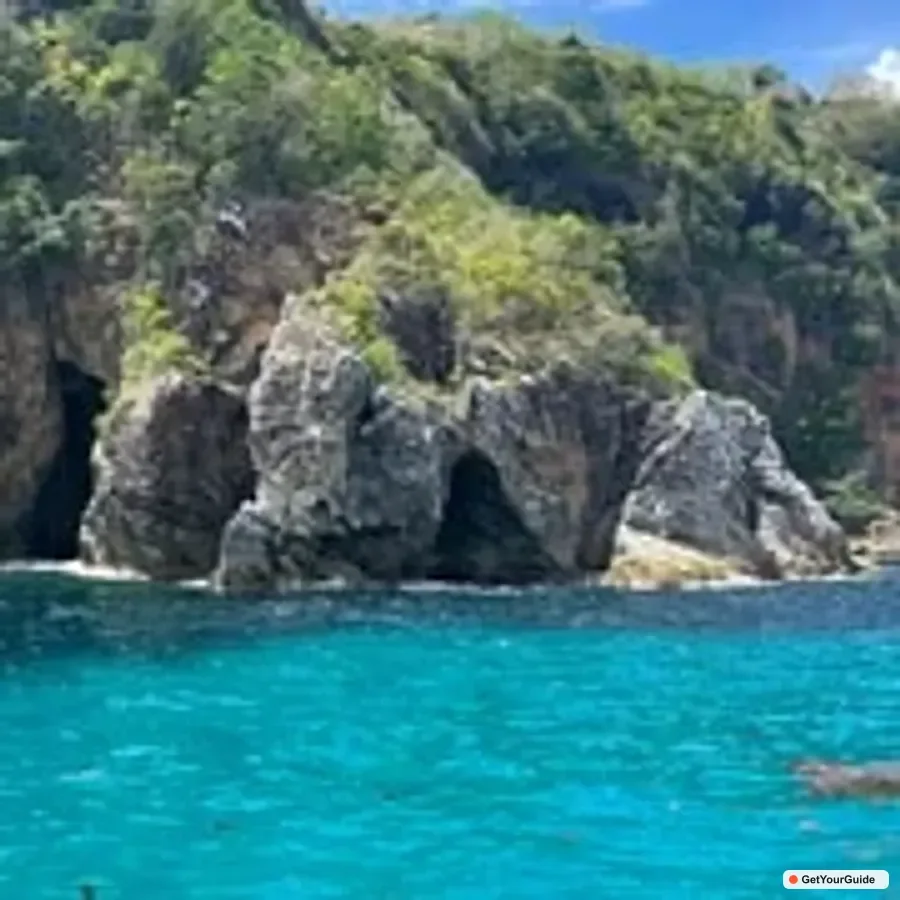
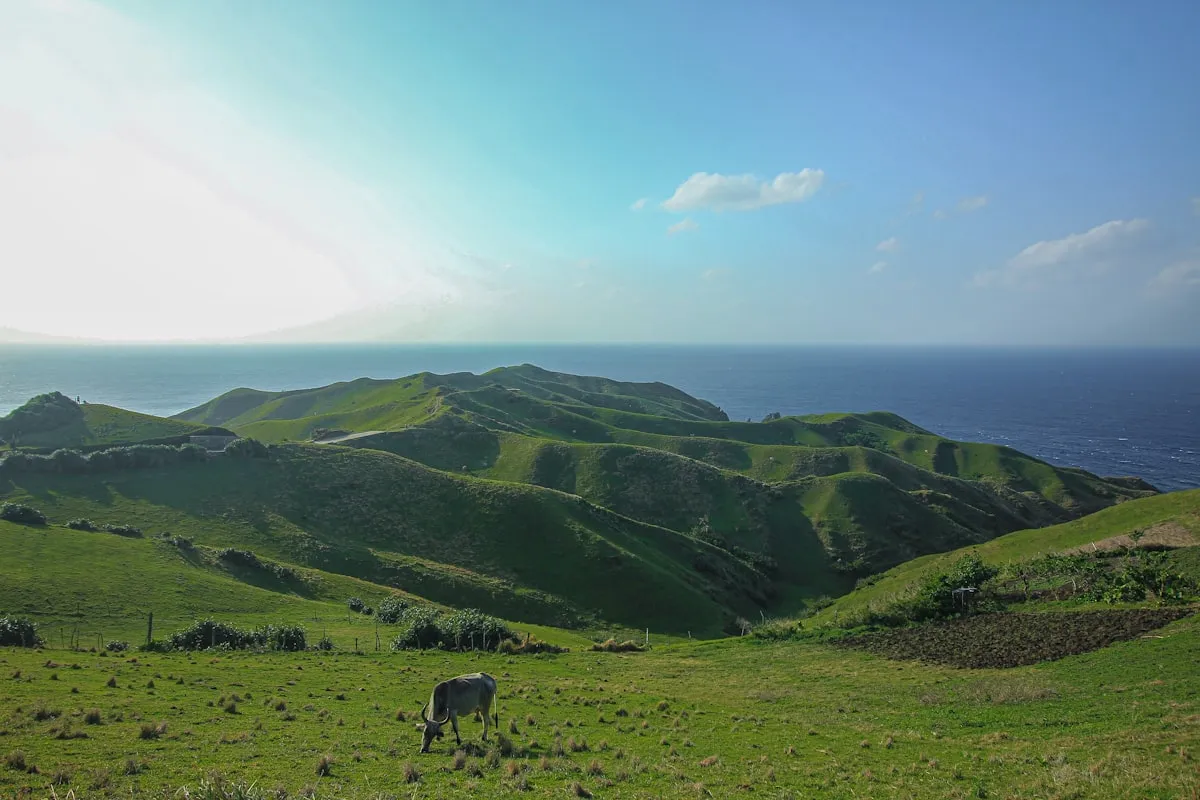
The expedition threads through the Calamian Islands and the Linapacan archipelago, the scattered chain of islets that fills the gap between Busuanga Island (where Coron town sits) and mainland Palawan (where El Nido sits). Geologically, this is karst country. The dramatic black-grey cliffs that rise straight out of turquoise water on Coron Island and around El Nido are Permian-age limestone, formed from ancient coral reefs and marine sediment laid down hundreds of millions of years ago, then uplifted and sculpted by rain and the slow chemistry of dissolving rock. That same process carves the lagoons, the hidden caves, and the sheer-walled coves the boats nose into along the way.
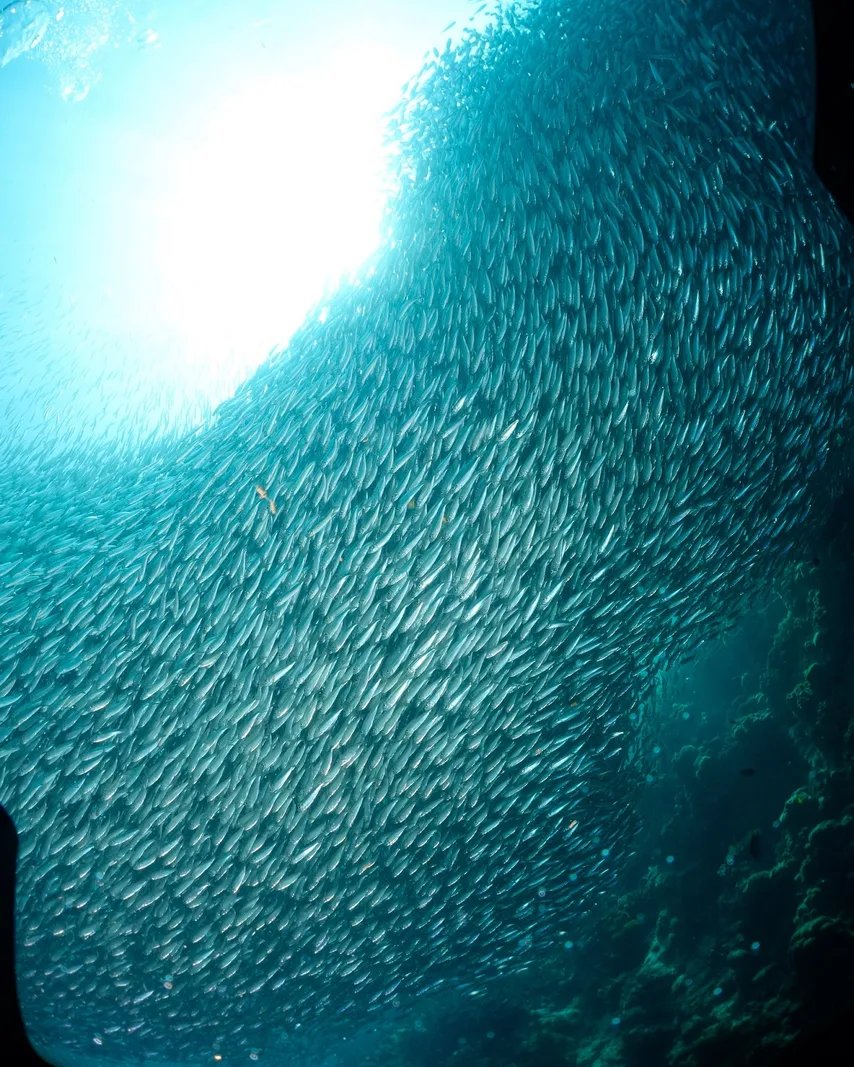
Linapacan, the middle leg of the trip, sits within the Coral Triangle, the most biodiverse marine region on Earth. The water here regularly draws comparison to the clearest in the world, and it earns it: visibility often stretches well past 30 meters, the seabed pale sand instead of mud, the reefs alive with parrotfish, clownfish in their anemones, and the occasional reef shark or sea turtle gliding past. The islands themselves are mostly uninhabited or home to small fishing communities, which is exactly why the place still feels untouched.
Day by Day: What You Actually See and Do
Day One - Leaving Coron Behind
Most expeditions depart Coron in the morning aboard a traditional Filipino bangka, the wide outrigger boat with bamboo arms that keep it steady in a swell. The first day usually lingers in the Calamian Islands before pushing south. Expect early snorkel stops over shallow gardens of coral, a beach lunch, and your first proper swim in water that is almost embarrassingly photogenic. By late afternoon the boat reaches a remote island where the crew sets up camp, pitching tents or stringing hammocks under the trees while dinner goes on the grill. There is no resort, no Wi-Fi, and that is the whole point.
Tours & activities in Philippines
Hand-picked experiences in Philippines — book on Trip.com with instant confirmation.
Day Two - The Heart of Linapacan
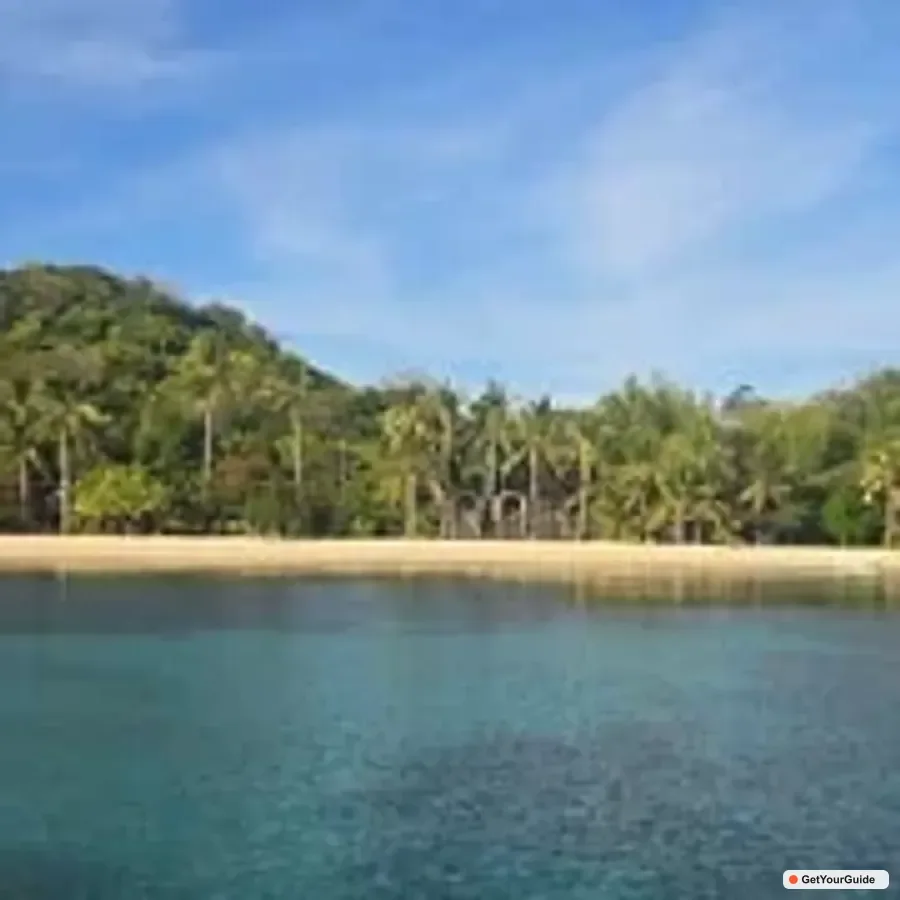
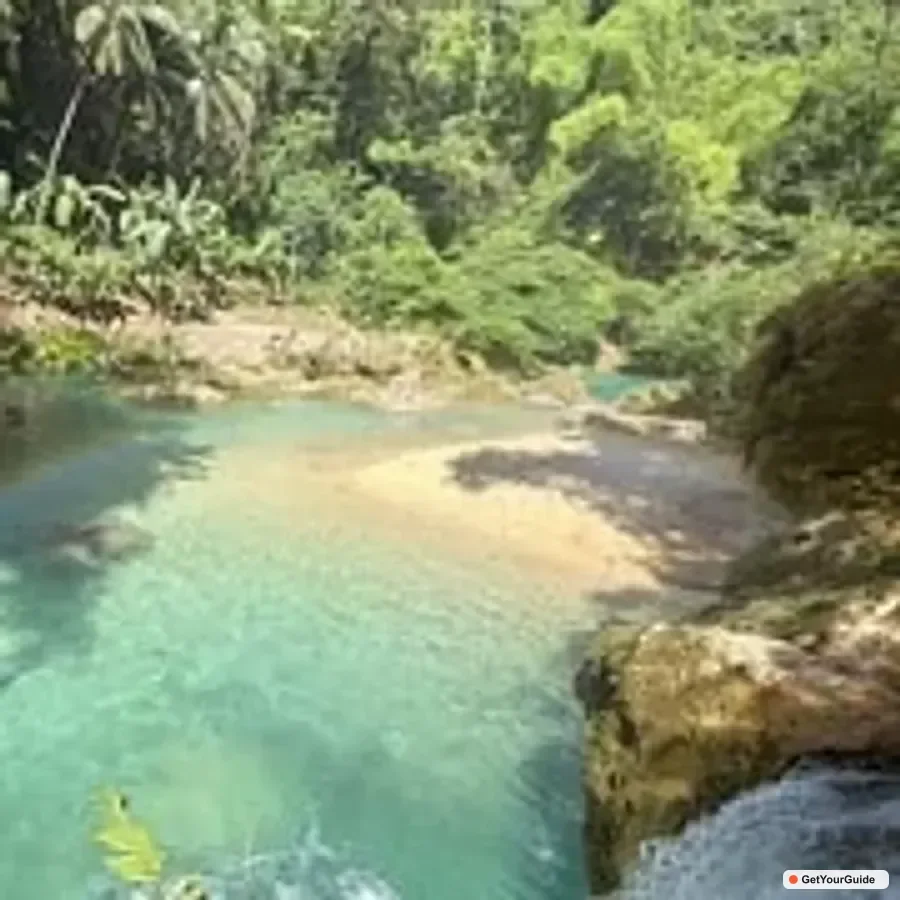
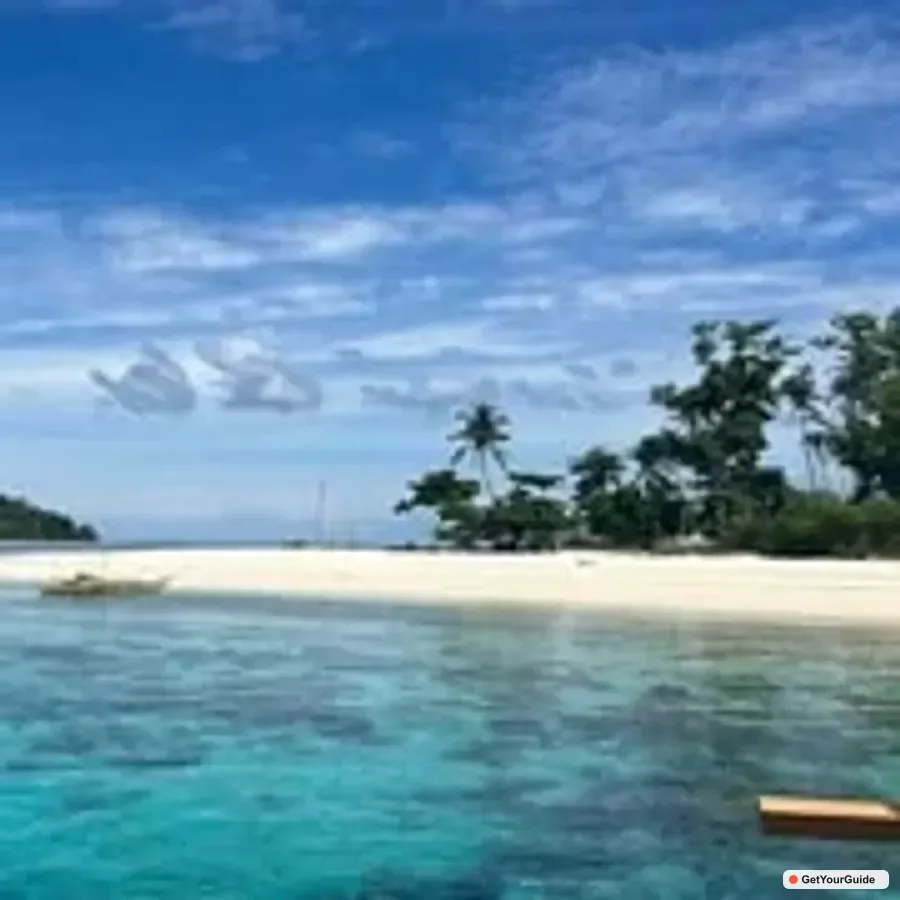
The middle day is the one people talk about for years. This is deep Linapacan, the stretch of sea with the most extraordinary clarity, where you anchor off sandbars that appear and vanish with the tide and snorkel reefs that see almost no other boats. You will likely visit hidden lagoons, swim through gaps in limestone walls, and beach the boat on a strip of white sand with no name and no footprints but your own. Lunch is fresh fish, rice, and tropical fruit eaten with your hands on the sand. The pace is deliberately unhurried; the schedule bends around the weather and the light rather than a clock.
Day Three - Arriving in El Nido
The final day works its way toward the Bacuit Archipelago, the cluster of towering karst islands that El Nido is famous for. As you approach, the islets grow taller and more theatrical, their cliffs draped in green, their bases undercut by the sea. You will typically get a few last snorkel and swim stops before the boat delivers you into El Nido town in the afternoon, sunburnt, a little feral, and reluctant to step back onto a road. The whole journey covers roughly 150 kilometers of coastline at a wandering, island-hopping pace.
Why It Matters: Culture and Conservation
Coron Island itself is the ancestral domain of the Tagbanua, one of the oldest indigenous peoples in the Philippines, and they hold a Certificate of Ancestral Domain Title over the island and its surrounding waters. Several of Coron's most sacred lakes and lagoons are managed by the Tagbanua, who charge entrance fees and restrict access to certain areas they consider holy. This is not bureaucracy; it is a living community protecting its home, and the fees fund that stewardship. Respecting their rules, and the local fishing communities you pass through, is part of doing this trip well.
The reefs you snorkel are fragile in ways that are not always obvious. Standing on coral, touching it, or kicking up sediment with careless fins can kill colonies that took decades to grow. Reef-safe sunscreen matters here, because the oxybenzone in conventional sunscreen is genuinely harmful to coral. Good operators brief you on this and carry out every scrap of trash; the wild, empty beaches stay that way only because people leave them as they found them.

Practical Notes for Doing It Right
The best window is the dry season, roughly late November through May, when the seas are calmest and the skies are clearest. March to May brings the warmest, glassiest water but also the strongest sun. The rainy months from June to October can still deliver beautiful days, but rougher water and the occasional canceled crossing are part of the gamble; typhoon season peaks toward the latter part of the year.
This is camping, so come prepared. Pack light but bring:
- Reef-safe sunscreen, a rash guard or long-sleeve swim shirt, and a wide hat - the sun on open water is relentless.
- A dry bag to keep your phone, camera, and a change of clothes from getting soaked.
- Your own snorkel and mask if you are particular about fit, plus water shoes for rocky shores.
- A headlamp or torch for camp, basic toiletries, any personal medication, and motion-sickness tablets if you are sensitive to swell.
- Cash for entrance and environmental fees collected along the route, since there are no ATMs out there.
Physically, the trip is moderate rather than demanding. You need to be comfortable swimming in open water and climbing in and out of a boat, and you should be ready for basic conditions: shared tents, simple toilets, cold-water bucket rinses, and long, sunny hours on deck. Meals are generally included and tend to be genuinely good - fresh seafood, rice, vegetables, and fruit prepared by the crew. What you trade in comfort you gain back tenfold in access to places almost no day-tripper ever reaches.
The Last Morning
By the time El Nido's cliffs come into view on the third day, something has usually shifted. Three days without screens, with nothing to do but swim and eat and watch the light move across the water, does that to people. You arrive a little changed, carrying salt in your hair and a stack of mental snapshots no resort could ever sell you: the sandbar that wasn't there an hour ago, the fish that hovered an inch from your mask, the night the sky was so thick with stars it looked solid. The Castaway Expedition is, in the end, a reminder of how much can happen when you simply let the sea carry you somewhere slowly.
Good to know before you book
- Duration: typically a full day (around 8 to 10 hours including transfers), though half-day and multi-day options exist - check the listing.
- Best for: couples, families and first-time visitors.
- What is included: transport and a guide; check the listing for meals, gear and fees.
- Pickup: most tours offer hotel or central pickup; confirm your point and time when booking.
- Book through: the GetYourGuide button on this page, which shows live availability and pricing.
Frequently asked questions
How long does the Coron to El Nido 3-Day Castaway Expedition take?
Most departures run as a full day - roughly 8 to 10 hours including pickup, travel and the activities themselves - so plan to set aside the whole day. Some operators offer shorter or private versions; the exact timing for your date is shown when you book through the GetYourGuide button on this page.
What is included in the Coron to El Nido 3-Day Castaway Expedition?
Typically the price covers transport and a guide; check the listing for meals, gear and fees. Inclusions vary by operator, so always read the specific listing - it spells out exactly what is provided and what you pay for separately, such as entrance or environmental fees.
What should I bring?
Pack comfortable clothing, sunscreen, a hat, water and a little cash for fees and extras. It is also worth carrying some cash for local fees, drinks and tips, plus any personal medication, since card facilities can be limited outside the cities.
Is the Coron to El Nido 3-Day Castaway Expedition suitable for beginners or families?
It suits a wide range of travellers; ask the operator about fitness or swimming requirements if you are unsure. If you have specific concerns about age, fitness or swimming ability, message the operator before booking - they can advise on the best option for your group.
When is the best time to do this tour?
The best conditions are usually the dry season from late November to May, when seas are calmest and skies clearest. That said, the Philippines is a year-round destination, and many of these experiences run in any season - just expect the occasional shower and check the forecast for the day.
How do I get to Coron?
To reach Coron, fly into Puerto Princesa, El Nido or Coron (Busuanga) airport, then transfer by road or boat. Many tours include transfers from nearby towns or hotels, so confirm your pickup arrangement when you book so the day runs smoothly from the start.
Do I need to book the Coron to El Nido 3-Day Castaway Expedition in advance?
Yes - booking ahead is strongly recommended, especially in the dry-season peak and on weekends, when popular tours and the best operators sell out. Reserving online also locks in your spot and lets you compare timings and inclusions easily.
How much does the Coron to El Nido 3-Day Castaway Expedition cost?
Prices vary with the season, group size and exactly what is included, so we do not list a fixed figure here. Tap the GetYourGuide button on this page to see the current, accurate price and availability for your chosen date.
Can I do the Coron to El Nido 3-Day Castaway Expedition as a private or customised tour?
Many operators offer a private version of this experience for couples, families or small groups who want a flexible pace and a guide to themselves, and some can tailor the route or add stops. If a private or custom option matters to you, check the listing or message the operator before booking, as availability and prices differ from the standard shared tour.
Ready to explore Coron?
From planning to the moment you arrive, the Coron to El Nido 3-Day Castaway Expedition is one of the most rewarding ways to experience this corner of the Philippines - and booking it is simple. Use the GetYourGuide button on this page to check live availability, compare timings and secure your spot, then turn up and let the local guides handle the rest while you focus on the views, the water and the memories.

Real local stays (book direct)
Hand-picked homestays and guesthouses — book direct, no markup.
Popular activities (book instantly)
Island hopping, canyoneering, whale sharks — real Klook/GetYourGuide options.
Plan your Philippines trip