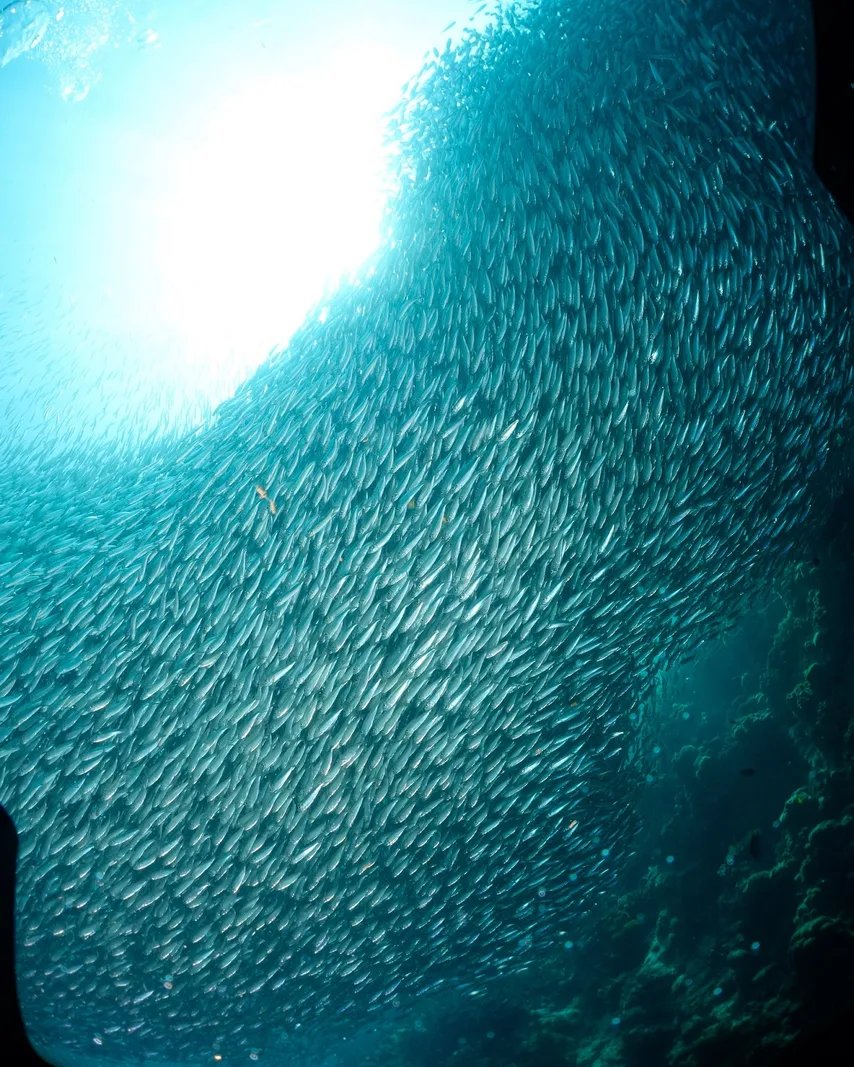
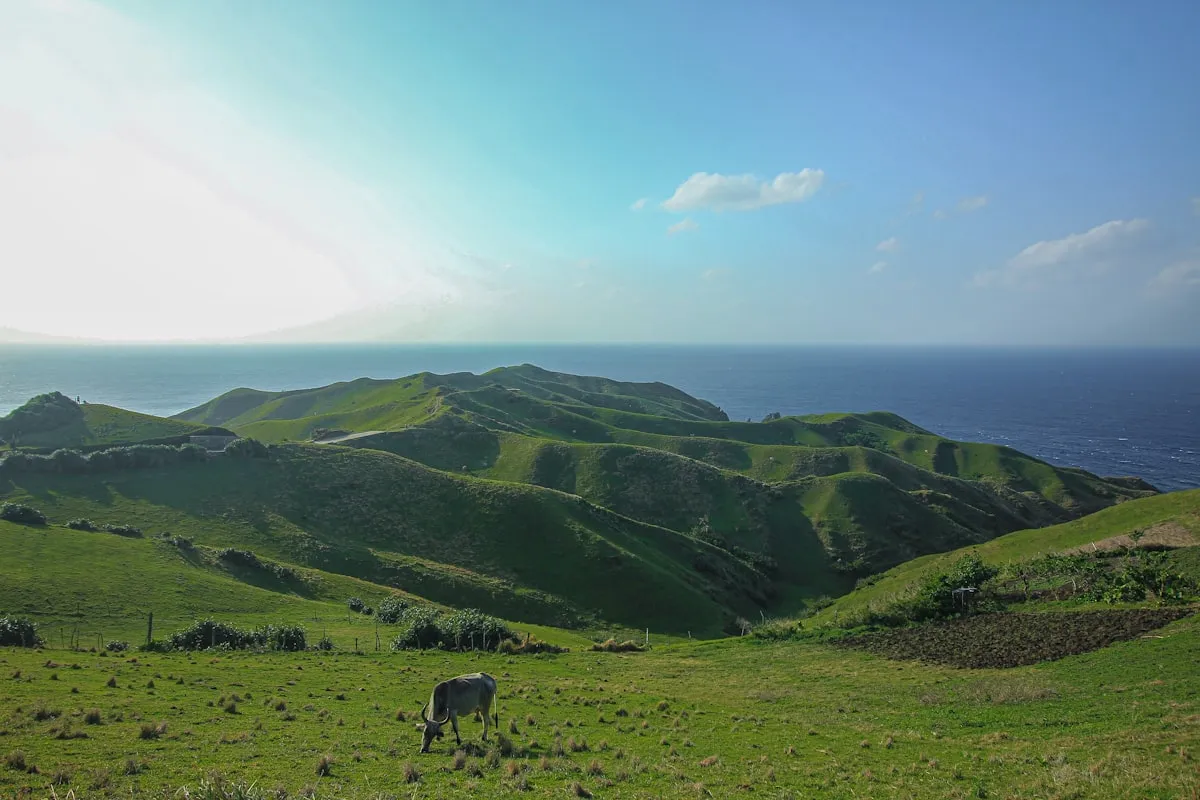
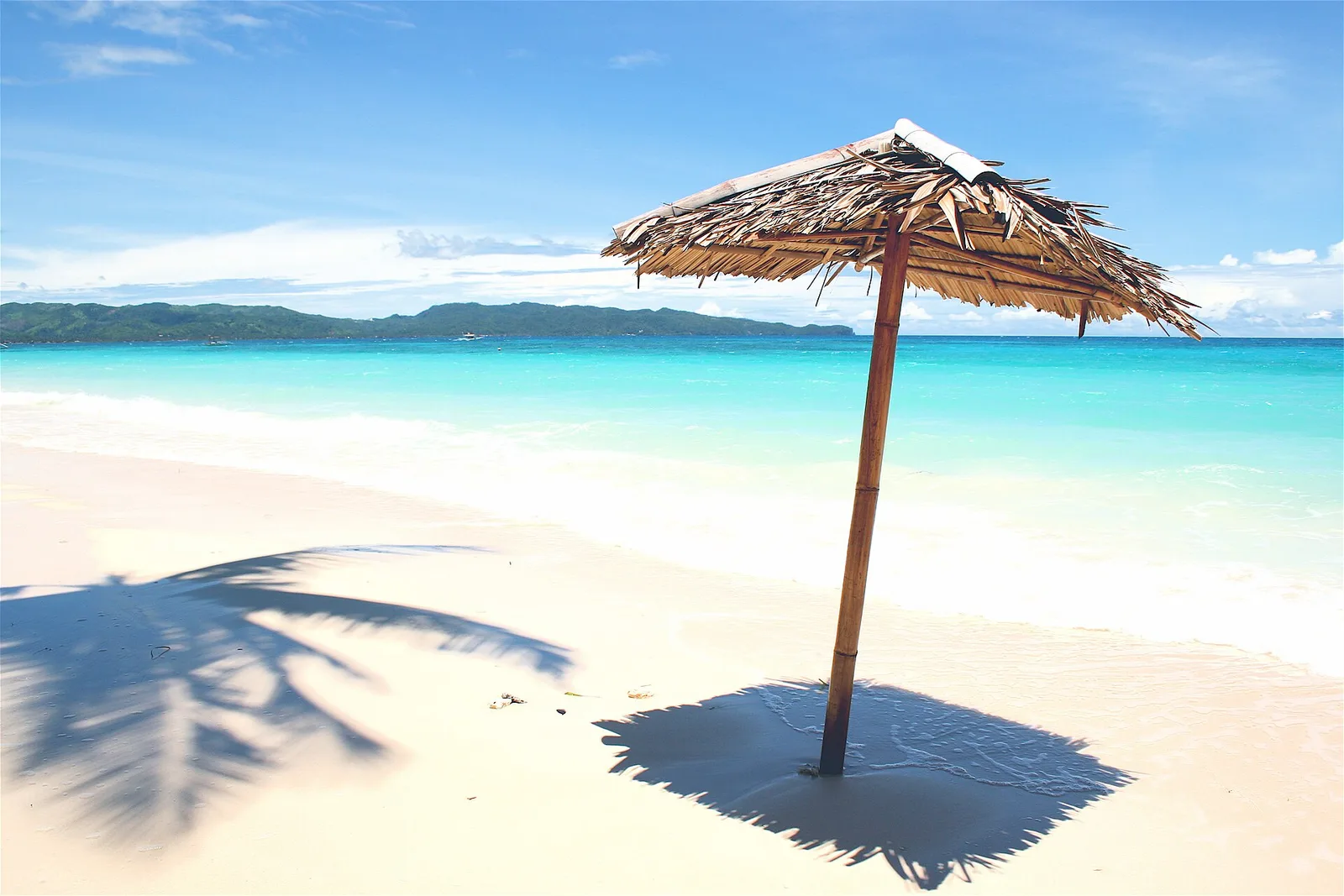
Most people come to Boracay for one thing: that long, blinding ribbon of powdery sand on the island's western shore, where the sea fades from clear to milky turquoise and the sunsets feel almost staged. But step away from White Beach for half a day and you discover that Boracay is, at heart, a small chunk of weathered limestone and volcanic rock rising out of the Sibuyan Sea, riddled with caves, ridged with low hills, and far greener and rougher around the edges than the postcards suggest. This adventure, combining the Pangihan (often spelled Pungihan) cave, an ATV trail ride, and a zipline, is how you trade the deck chair for the dirt and meet the wilder, less-photographed side of the island.
Boracay Pangihan Cave, ATV & Zipline Adventure - Guide
Trip.com
Search on Trip.comHotels in Philippines
Compare live prices via Travelpayouts — targeted for this guide.
It is the kind of outing that suits restless travelers, families with teenagers, and anyone who has had their fill of beach lounging by day three. You climb, you get muddy, you ride a quad over uneven ground, and you fly on a steel cable with the whole island laid out below. Then you go back to the sand feeling like you actually earned the evening swim.
The lay of the land: Boracay beyond the beach
Boracay is tiny, barely seven kilometers long and about a kilometer wide at its narrow waist, and it belongs to the municipality of Malay in Aklan province, on the northwestern tip of Panay Island in the Western Visayas. Geologically, the island is built largely of coralline limestone and older volcanic and metamorphic rock. That limestone is the key to this whole adventure: limestone is soluble, so over many thousands of years slightly acidic rainwater seeps into cracks and slowly dissolves the rock, hollowing out the caves, fissures, and karst features you find inland and along the bluffs.
The dazzling white sand of White Beach owes its color and fineness to the same chemistry from the other direction. It is largely calcium carbonate, the ground-down remains of corals and shelled marine organisms, washed ashore and pulverized by wave action over millennia. The sand is famously cool underfoot even at midday because it reflects so much light. So while the beach and the caves feel like opposite ends of a holiday, they are really two expressions of the same limestone story.
Trip.com
See all tours in Philippines on Trip.comATV tour in Philippines
Hand-picked experiences in Philippines — book on Trip.com with instant confirmation.
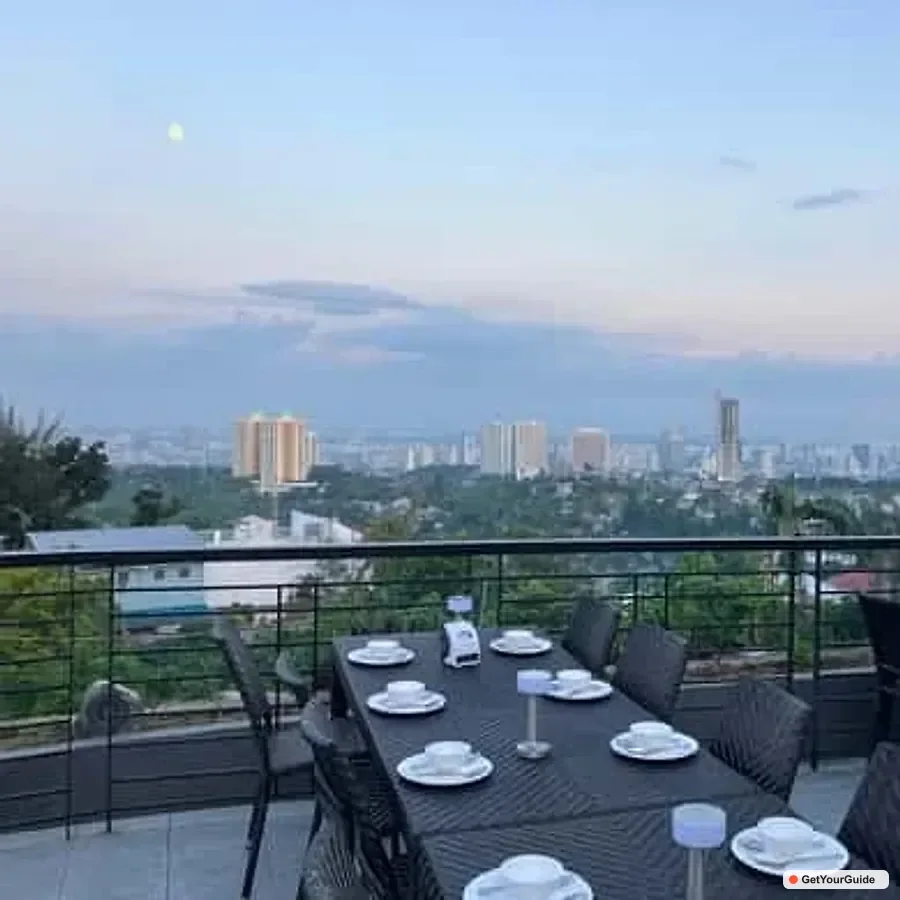
Inland, away from the resort strip, the terrain rises into modest hills and ridges covered in scrub, coconut palms, and remaining patches of vegetation. This is where the ATV trails and zipline towers are set, on higher ground that opens up genuine panoramic views over the island, the surrounding sea, and on clear days the mountains of mainland Panay.
What you actually do, stop by stop
Into the cave
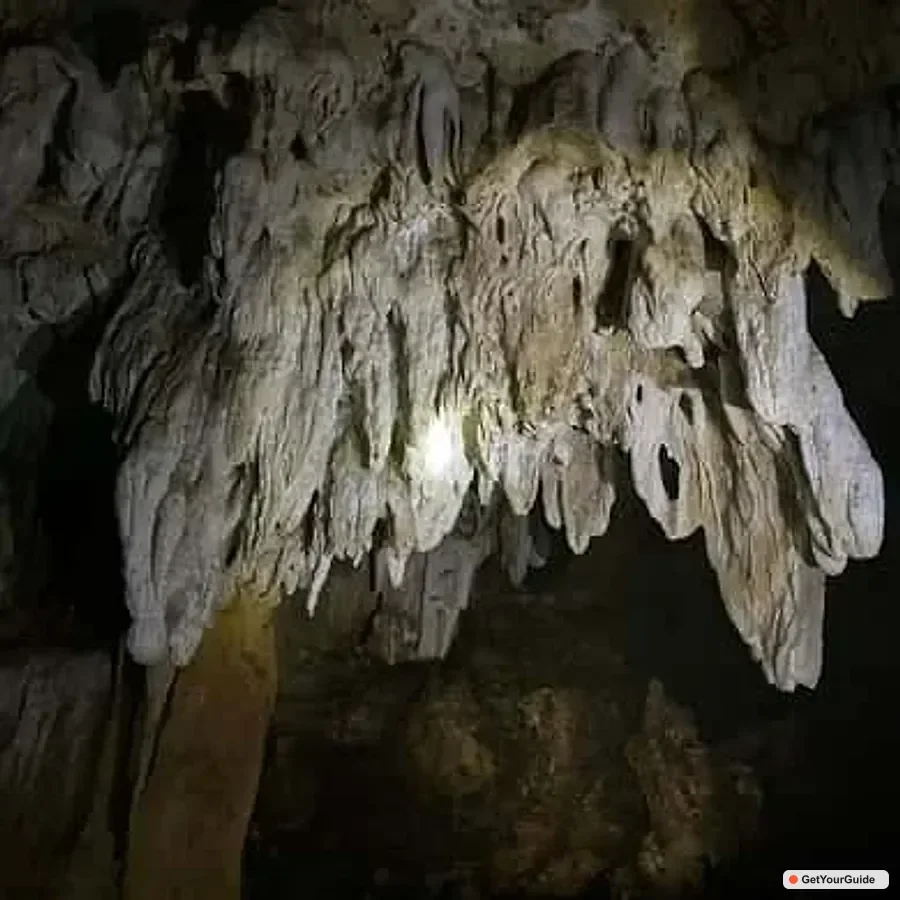
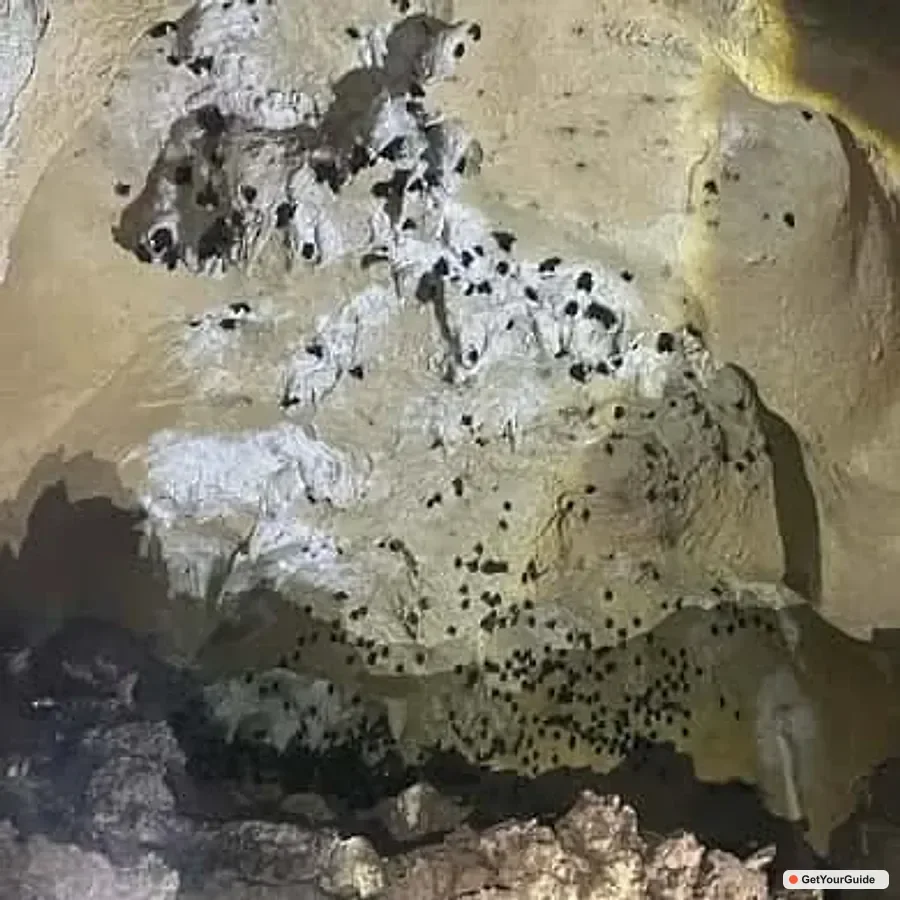
The cave portion takes you off the beaten resort track to a limestone cave on the island's wilder side. Expect a short trek to reach the entrance, then a descent into cool, humid darkness. Inside you move through chambers shaped by that slow water-on-limestone process, ducking under low ceilings and stepping carefully over uneven, often slick rock. Depending on conditions you may see classic cave formations, dripstone where mineral-rich water has built up over centuries, and the kind of pockets and passages that make a small island cave feel surprisingly atmospheric. A local guide leads the way, points out where to put your hands and feet, and shares the cave's local lore. A headlamp or flashlight is essential, and you should expect to get your hands and clothes dirty.
This is the most physically engaging part of the day. There is some scrambling, crouching, and balancing on damp surfaces. It is manageable for reasonably fit people, including older kids, but it is not a paved, handrail-lined show cave. Sturdy footwear with grip matters here far more than fashion.
The ATV ride
Back in daylight, you swap caving for horsepower. After a quick briefing on the controls and a few minutes to get comfortable with the throttle and brakes, you set off along inland trails on an all-terrain vehicle. The route typically climbs over packed dirt, gravel, and the occasional rutted or muddy stretch toward the high ground, where the payoff is the view. From up here Boracay reveals its true shape, a green spine between two coasts, and you understand just how small and how beautiful the island really is. The riding is more about scenery and gentle off-road fun than adrenaline, and guides keep the pace sensible, so it works well even for first-timers.
The zipline
The finale is the zipline, strung between elevated points so you glide on a steel cable across open terrain with the landscape dropping away beneath your harnessed feet. The view as you launch, out over hills and toward the sea, is the kind of thing that makes the morning's mud and sweat worthwhile. Staff handle the harness, helmet, and clipping-in, so your only job is to lift your feet and enjoy the ride.
Why this corner of the island matters
It is easy to forget, walking the busy beachfront, that Boracay nearly loved itself to death. In 2018 the Philippine government took the extraordinary step of closing the island to tourists for six months to address serious environmental problems, chiefly inadequate sewage handling and over-development crowding the shoreline. The island reopened with stricter rules on construction, beach activities, and crowd numbers. That history is worth carrying with you on a trip like this, because it is a reminder that Boracay's beauty is not guaranteed, it is maintained, and every visitor plays a small part.
The inland caves and hills are also part of the living landscape of Malay and its communities, not a manufactured theme park. Treating the cave with care, not breaking formations, not leaving litter, not carving names, keeps it intact for the next group and respects the people who steward it. Cave formations grow at a glacial pace; a stalactite snapped off in a second represents centuries of dripping water that will not be replaced in our lifetimes.
Practical tips for the day
- When to go: Boracay's dry season, roughly late November through May, brings the calmest weather and firmer trails. The amihan northeast wind dominates the early months and the habagat southwest monsoon brings rain and heavier seas around June to October, which can make cave and trail conditions muddier and slippier.
- Time of day: A morning start beats the midday heat and humidity, and leaves your afternoon and that famous sunset free for the beach.
- What to wear and bring: Closed, grippy shoes you do not mind getting dirty, clothes you can scramble and get muddy in, a change of clothes for afterward, water, insect repellent, and a small flashlight or headlamp even if guides provide light. Leave valuables at the hotel and bring only a little cash.
- How strenuous: Moderate overall. The cave involves crouching, scrambling, and balancing on wet rock; the ATV and zipline are low-effort but require following safety instructions. It is not suited to anyone with serious mobility issues, and small children may struggle with the cave.
- What is typically included: A local guide, safety gear for the zipline and ATV, and the activity equipment. Confirm exactly what your specific booking covers, including transfers, before you go.
- Responsible travel: Stay on marked trails to avoid eroding the hillsides, never touch or break cave formations, pack out everything you bring in, and follow your guide's lead. A small island under heavy tourism pressure depends on visitors who tread lightly.
Plan on a few hours for the whole circuit, leaving plenty of daylight on either side.
The takeaway
White Beach will always be the headline, and rightly so. But this cave, ATV, and zipline combo gives you the chapter most visitors skip, the limestone underbelly, the green hills, the big inland views, and a little honest dirt under your nails. You come back to the sand with stories that are not just about a sunset, and with a deeper sense of the island as a real place, geology and history and community and all. Then you wash off the mud, walk down to the shore, and let Boracay do the thing it does best.
Good to know before you book
- Duration: typically a full day (around 8 to 10 hours including transfers), though half-day and multi-day options exist - check the listing.
- Best for: couples, families and first-time visitors.
- What is included: transfers, boat rides, a guide, permits and often lunch; some areas charge a separate environmental fee.
- Pickup: most tours offer hotel or central pickup; confirm your point and time when booking.
- Book through: the GetYourGuide button on this page, which shows live availability and pricing.
Frequently asked questions
How long does the Boracay Pangihan Cave, ATV & Zipline Adventure take?
Most departures run as a full day - roughly 8 to 10 hours including pickup, travel and the activities themselves - so plan to set aside the whole day. Some operators offer shorter or private versions; the exact timing for your date is shown when you book through the GetYourGuide button on this page.
What is included in the Boracay Pangihan Cave, ATV & Zipline Adventure?
Typically the price covers transfers, boat rides, a guide, permits and often lunch; some areas charge a separate environmental fee. Inclusions vary by operator, so always read the specific listing - it spells out exactly what is provided and what you pay for separately, such as entrance or environmental fees.
What should I bring?
Pack a light jacket (the cave is cool), sunscreen and a hat for the boat ride and beach. Helmets are provided for the cave. It is also worth carrying some cash for local fees, drinks and tips, plus any personal medication, since card facilities can be limited outside the cities.
Is the Boracay Pangihan Cave, ATV & Zipline Adventure suitable for beginners or families?
It is gentle and accessible for all ages and fitness levels - the cave is broad and open rather than tight, and you remain seated in the boat throughout. If you have specific concerns about age, fitness or swimming ability, message the operator before booking - they can advise on the best option for your group.
When is the best time to do this tour?
The best conditions are usually the dry season from roughly November to May. That said, the Philippines is a year-round destination, and many of these experiences run in any season - just expect the occasional shower and check the forecast for the day.
How do I get to Boracay?
To reach Boracay, travel to Boracay by the nearest airport or ferry and continue by road. Many tours include transfers from nearby towns or hotels, so confirm your pickup arrangement when you book so the day runs smoothly from the start.
Do I need to book the Boracay Pangihan Cave, ATV & Zipline Adventure in advance?
Yes - booking ahead is strongly recommended, especially in the dry-season peak and on weekends, when popular tours and the best operators sell out. Reserving online also locks in your spot and lets you compare timings and inclusions easily.
How much does the Boracay Pangihan Cave, ATV & Zipline Adventure cost?
Prices vary with the season, group size and exactly what is included, so we do not list a fixed figure here. Tap the GetYourGuide button on this page to see the current, accurate price and availability for your chosen date.
Can I do the Boracay Pangihan Cave, ATV & Zipline Adventure as a private or customised tour?
Many operators offer a private version of this experience for couples, families or small groups who want a flexible pace and a guide to themselves, and some can tailor the route or add stops. If a private or custom option matters to you, check the listing or message the operator before booking, as availability and prices differ from the standard shared tour.
Ready to explore Boracay?
From planning to the moment you arrive, the Boracay Pangihan Cave, ATV & Zipline Adventure is one of the most rewarding ways to experience this corner of the Philippines - and booking it is simple. Use the GetYourGuide button on this page to check live availability, compare timings and secure your spot, then turn up and let the local guides handle the rest while you focus on the views, the water and the memories.

PANA.PH Editorial Team
Philippines travel desk
The PANA.PH travel desk researches, books and re-checks Philippines travel logistics — fares, ferry schedules, government fees and permit rules — and publishes what it can verify.
🏡 Real local stays (book direct)
Hand-picked homestays and guesthouses — book direct, no markup.
Browse all local stays →

🌊 Popular activities (book instantly)
Island hopping, canyoneering, whale sharks — real Klook/GetYourGuide options.
View all activities →