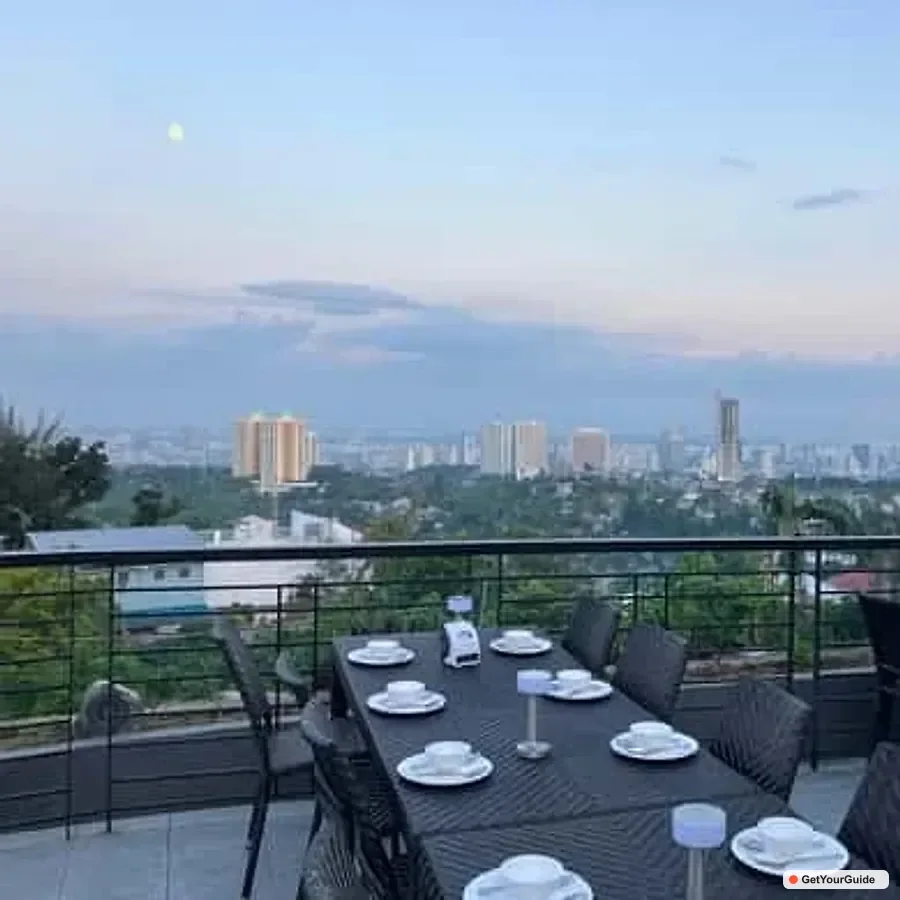
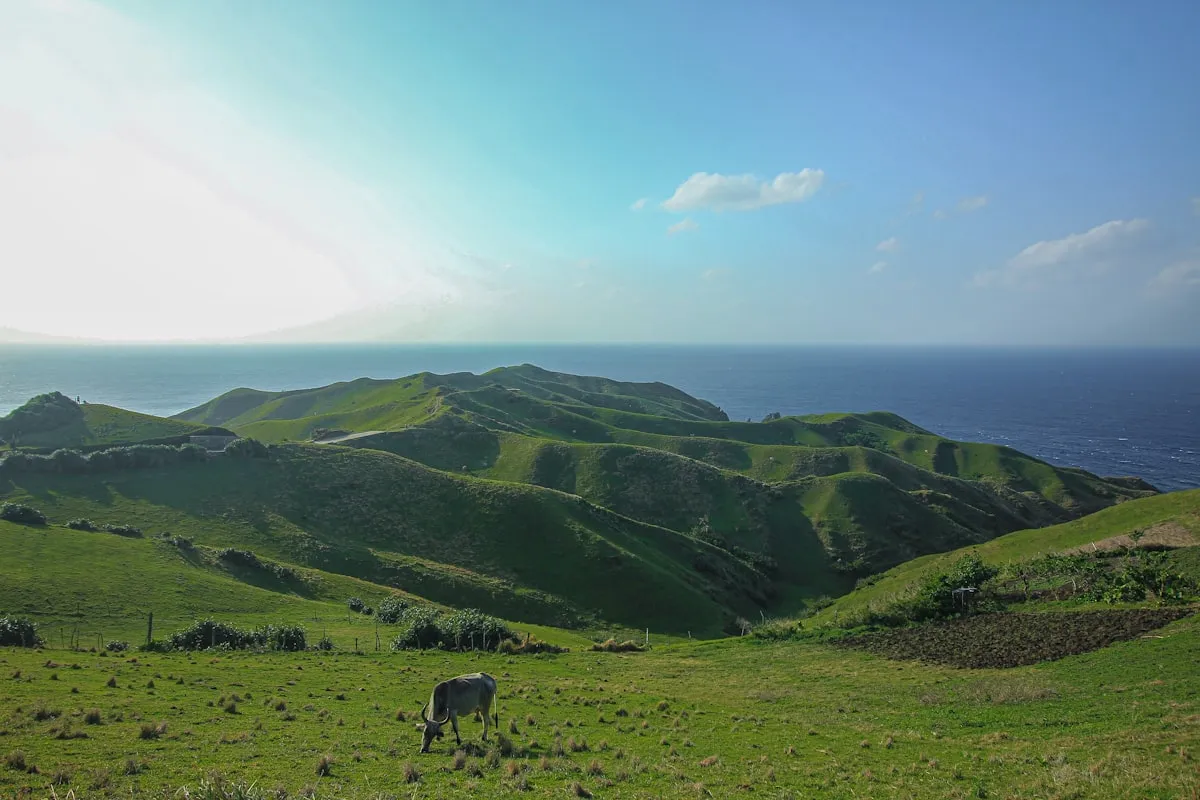
The road south out of Cebu City hugs the coast almost the whole way down, the Bohol Strait flickering silver on your left while the green spine of the island climbs on your right. Set off before dawn on a small-group South Cebu run and you will watch the sky turn from charcoal to peach over fishing bancas already out on the water. By the time most of the city is awake, you are deep into a day that braids together three very different Cebuano experiences: an encounter with the ocean's gentlest giants at Oslob, the quiet drama of a castle-like pilgrimage church at Simala, and the smoky, lechon-scented streets of Carcar. It is a long day and a generous one, the kind that shows you the south of Cebu the way a local friend would.
Small-Group South Cebu: Oslob, Simala & Carcar - Guide
Trip.com
Search on Trip.comHotels in Philippines
Compare live prices via Travelpayouts — targeted for this guide.
The lay of the land: South Cebu's coast and limestone bones
Cebu is a long, narrow island, and its geology is written in pale stone. Much of the south is built on uplifted coral limestone and karst, the same rock that gives the region its caves, springs, and sharply dropping coastlines. Because the seabed falls away steeply just offshore, deep, plankton-rich water comes close to land in places like Oslob, and that ocean character shapes everything you do here. The Tanon Strait to the west and the Bohol Strait to the south and east are among the most biodiverse marine corridors in the country, frequented by dolphins, whales, and the seasonal giants this tour is famous for.
Oslob sits on the southeastern tip, roughly a three-hour drive from Cebu City depending on traffic and stops. Simala lies inland in the town of Sibonga, and Carcar City is back up the coast closer to the city. A well-planned small-group itinerary usually runs the long leg first, reaching Oslob early, then works its way back north, which is why most operators start so early.
Oslob and the whale sharks
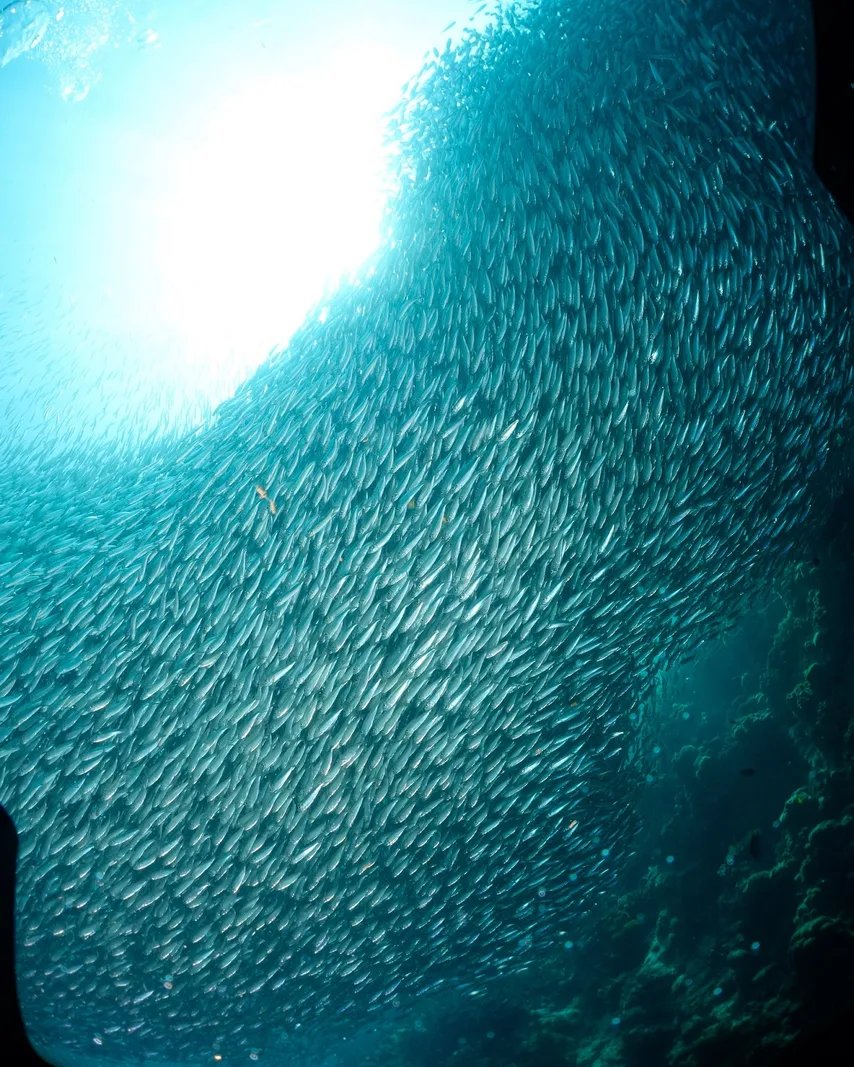
The star of the morning is the whale shark, known locally as butanding or tuki. Despite the name, whale sharks are sharks, not whales, the largest fish in the sea, capable of growing well over ten meters long. They are filter feeders, gliding open-mouthed through the water to strain tiny plankton, krill, and fish eggs, and they are completely harmless to people. Up close, what stays with you is the scale: a mouth more than a meter wide, a checkerboard of pale spots across a dark gray back, and an enormous tail sweeping past in slow motion.
Trip.com
Whale shark watching in Philippines
Hand-picked experiences in Philippines — book on Trip.com with instant confirmation.
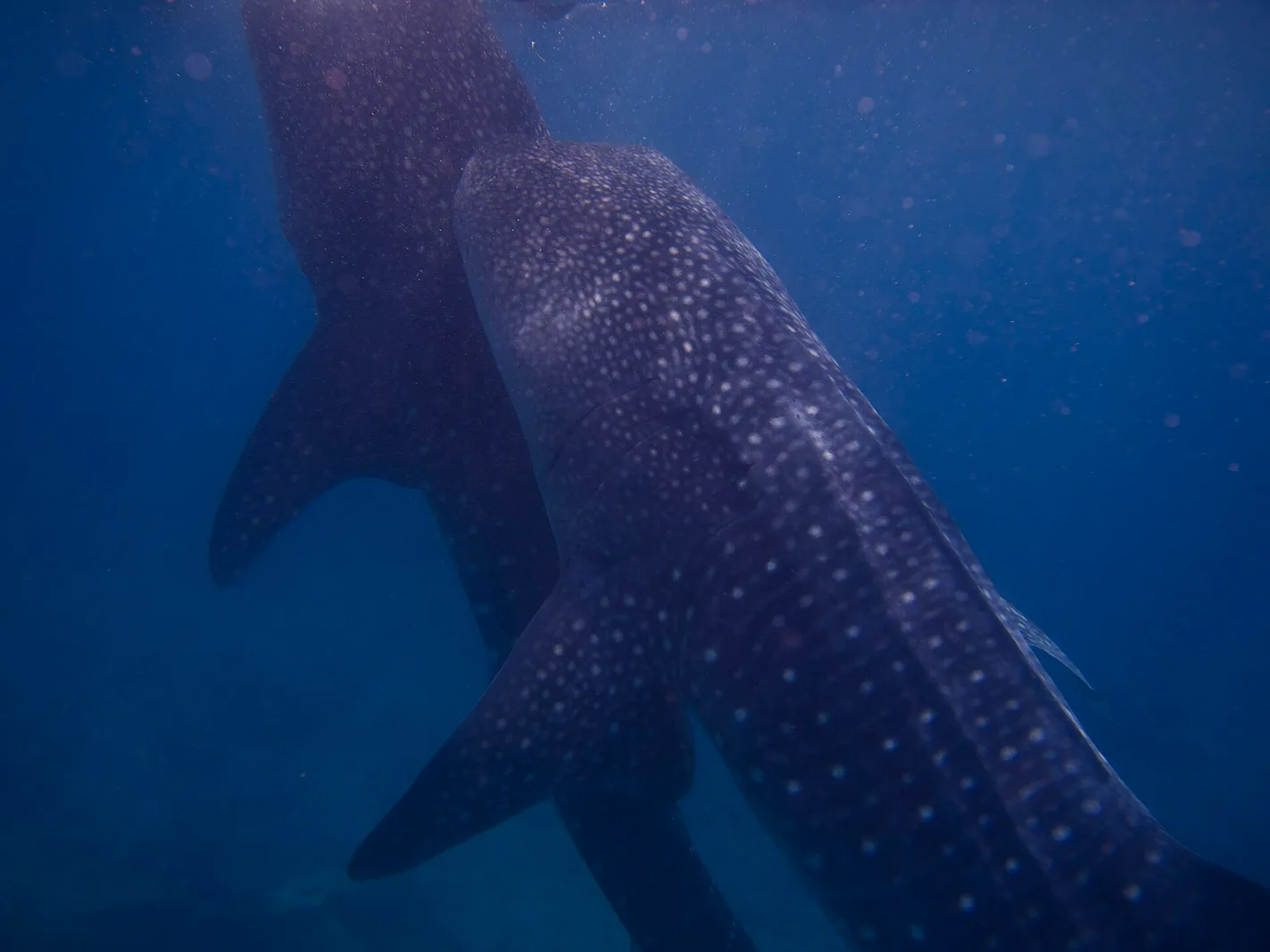
Oslob Whale Shark Watching from DalagueteMoalboal, Philippines · Full dayFrom ₱5,720Book on Trip.com →
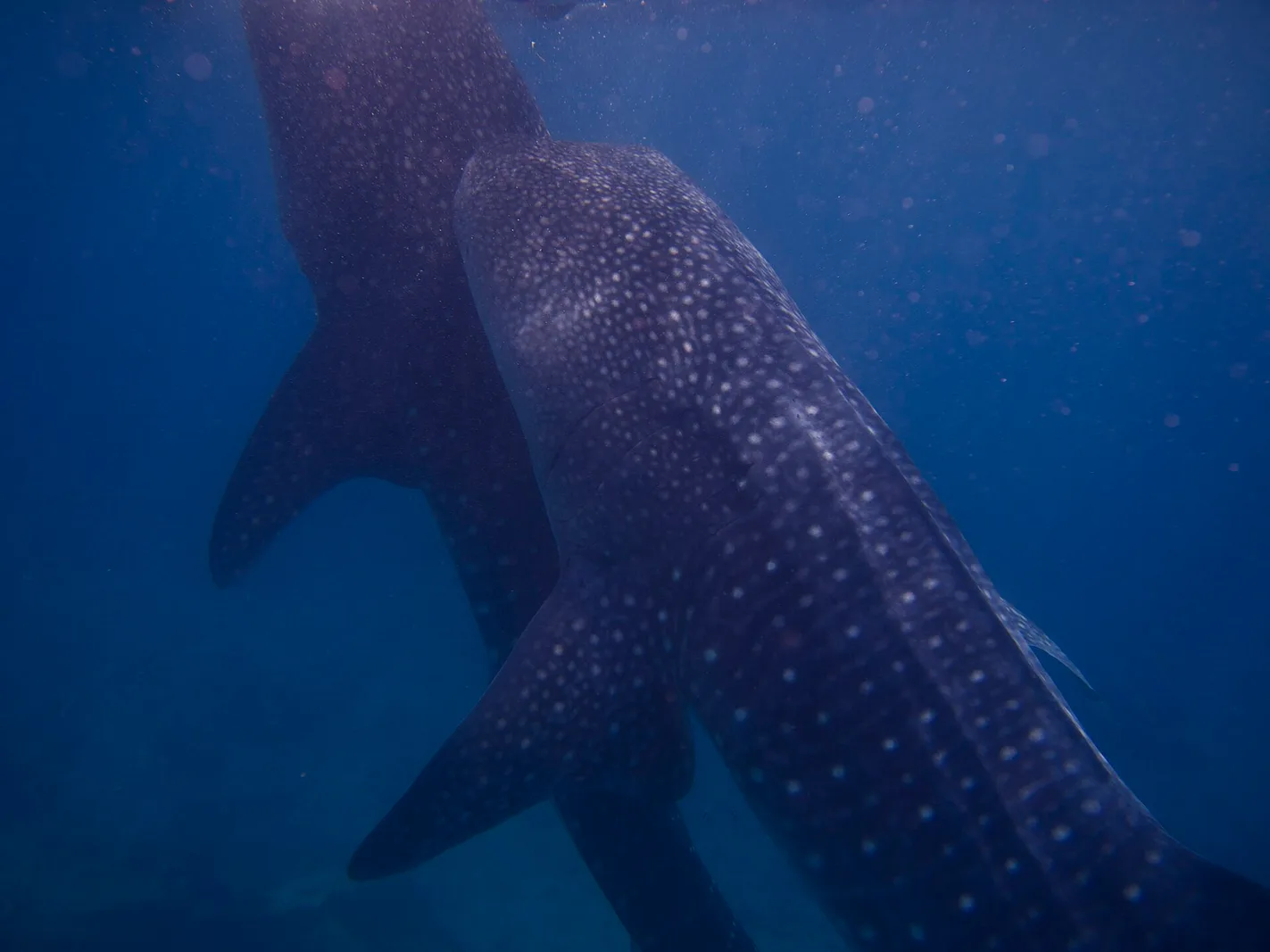
Oslob Whale Shark Watching Private TourMoalboal, Philippines · Full dayFrom ₱7,380Book on Trip.com →
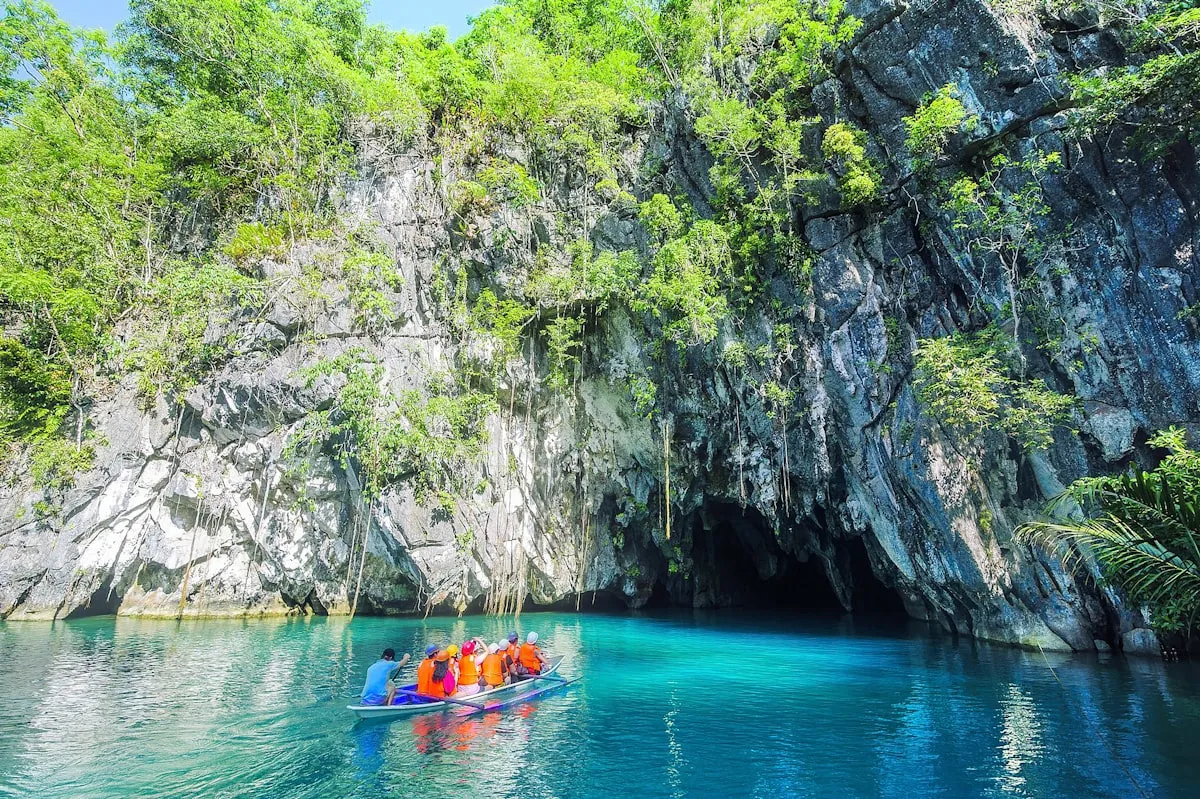
Whale Shark Watching in Puerto PrincesaPuerto Princesa, Palawan · Full dayFrom ₱2,510Book on Trip.com →
What the visit actually involves
At Tan-awan, the barangay in Oslob where the encounters happen, you watch a short safety and conduct briefing, put on a life vest, and board a paddled outrigger that takes you a short way offshore to the viewing area. From there you can watch from the boat or slip into the water to snorkel. The rules are strict and non-negotiable: keep a set distance from the animals, no touching, no sunscreen in the water (it harms marine life), and no flash photography. Sessions are kept short, often around 30 minutes in the water, to manage the crowds and limit stress on the animals.
An honest word on the ethics
You should know what you are participating in. The Oslob whale sharks are habituated through provisioning: local fishermen hand-feed them small shrimp from boats each morning, which is why the animals reliably gather here. Marine scientists and conservation groups have raised real concerns about this. Feeding can alter the sharks' natural migratory and feeding behavior, the daily boat traffic risks injuries from propellers and hulls, and close human contact can stress wild animals. Supporters counter that the practice has given the community a powerful economic reason to protect rather than fish these animals, and that strict rules reduce harm. Both things are true, and a thoughtful traveler can weigh them. If a fed, near-guaranteed encounter sits uneasily with you, Cebu also offers genuinely wild snorkeling and diving elsewhere; if you do go, follow every rule to the letter, never touch, and treat the animals as the wild giants they are.
Simala Shrine: a castle of devotion
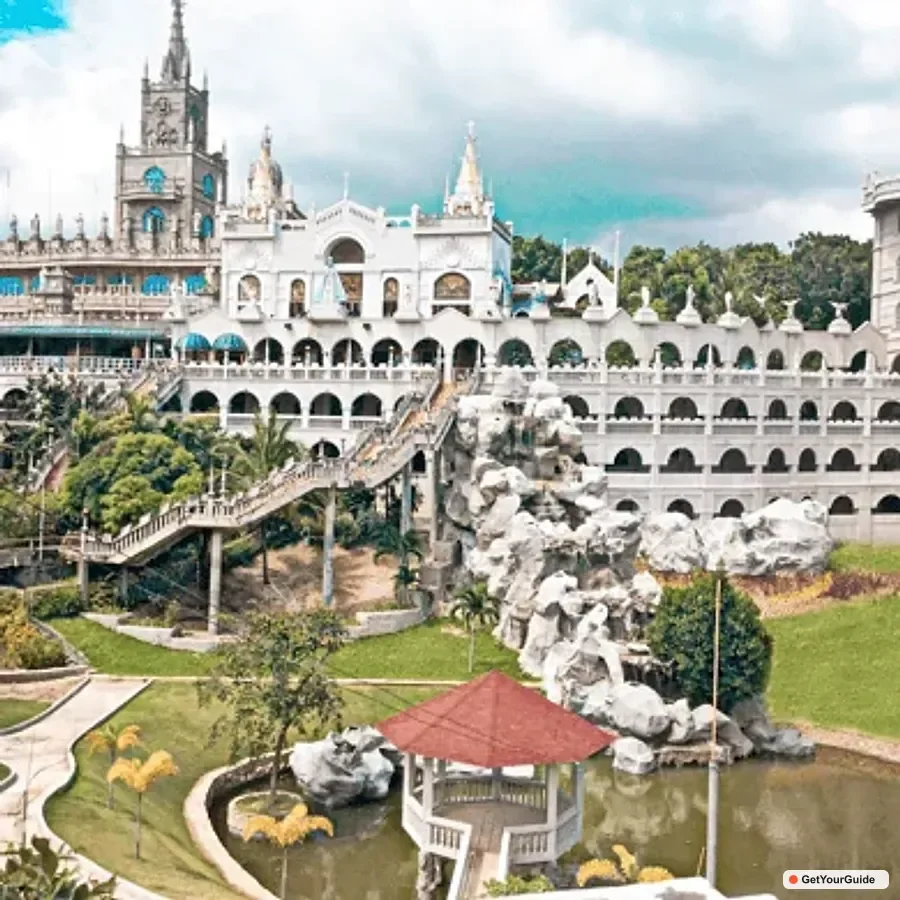
From the coast the tour usually climbs inland to Sibonga and the Monastery of the Holy Eucharist, almost universally called Simala Shrine or the Simala Church. Even non-religious visitors tend to fall quiet at the sight of it. Built and expanded by the Marian Monks of the Eucharist, the complex rises in pale, fortress-like towers, with grand staircases, arched walkways, and manicured gardens that genuinely resemble a European castle dropped into the Cebuano hills. It is a working pilgrimage site, one of the most visited in the province, and is associated by the faithful with a venerated image of the Blessed Virgin Mary, the Birhen sa Simala.
Inside, the walls are lined with thousands of letters, photographs, and notes of thanksgiving and petition left by pilgrims, along with discarded crutches and other tokens from those who believe they were healed. Whatever your beliefs, the cumulative weight of all that hope and gratitude is moving. Because it is a sacred space, modest dress is required: cover your shoulders and knees, and many people bring a light scarf or sarong for this stop. Keep your voice low, especially near the chapel.
Carcar: heritage town and the home of lechon
The last major stop, Carcar City, is a reward for the long day. This is one of Cebu's oldest towns, with a well-preserved Spanish-colonial heart of ancestral houses, a hilltop church, and a charming rotunda. Carcar is famous across the Philippines for two things. First, lechon, the whole roasted pig that Cebu has elevated to near-religious status; Carcar's version, crisp-skinned and seasoned, is sold at the public market and is, for many travelers, the single best bite of the trip. Second, chicharon, the crunchy fried pork crackling that the town produces in quantity and that makes an ideal, very local souvenir. Save some appetite and some pesos for the market.
Practical tips for the day
- Start early. Pickups are typically before sunrise. The whale-shark interaction runs in the morning hours and the animals are most reliably present early, so the schedule is built around getting to Oslob first.
- Duration. Expect a full day, often eleven to thirteen hours door to door, much of it driving. It is not strenuous, but it is long; the physical part is simply swimming or treading water at Oslob.
- What to bring. Swimwear worn under your clothes, a towel, a change of dry clothes, and reef-safe or no sunscreen for the water. Add a rash guard for sun protection, water and snacks, cash for entrance fees, the market, and tips, and that scarf or sarong for Simala.
- Bring an underwater camera if you want photos, but remember: no flash, and no chasing the animals for the shot.
- Best time to go. Whale sharks are seen at Oslob year-round, which is part of why it is so popular. The dry season, roughly from late winter into spring, generally brings calmer seas and easier travel.
- What is usually included. Small-group tours commonly cover round-trip transport, a guide or driver, and bottled water; entrance and interaction fees at Oslob, donations or fees at Simala, and food in Carcar are often paid on the day or excluded. Always confirm exactly what your specific tour covers before booking.
Why this trio works
What makes this South Cebu loop special is its range. In a single day you go from a face-to-face moment with the largest fish on Earth, to a hushed hilltop shrine layered with the prayers of strangers, to a smoky market stall where the crackle of perfect lechon skin is the only sound that matters. It is the ocean, the spirit, and the table, all in one province. Travel it with open eyes, especially at Oslob, where your choices carry weight, and you will come home with more than photos: you will understand a little of how the people of southern Cebu live with their sea, their faith, and their famous food.
Good to know before you book
- Duration: typically a full day (around 8 to 10 hours including transfers), though half-day and multi-day options exist - check the listing.
- Best for: couples, families and first-time visitors.
- What is included: transport and a guide; check the listing for meals, gear and fees.
- Pickup: most tours offer hotel or central pickup; confirm your point and time when booking.
- Book through: the GetYourGuide button on this page, which shows live availability and pricing.
Frequently asked questions
How long does the Small-Group South Cebu: Oslob, Simala & Carcar take?
Most departures run as a full day - roughly 8 to 10 hours including pickup, travel and the activities themselves - so plan to set aside the whole day. Some operators offer shorter or private versions; the exact timing for your date is shown when you book through the GetYourGuide button on this page.
What is included in the Small-Group South Cebu: Oslob, Simala & Carcar?
Typically the price covers transport and a guide; check the listing for meals, gear and fees. Inclusions vary by operator, so always read the specific listing - it spells out exactly what is provided and what you pay for separately, such as entrance or environmental fees.
What should I bring?
Pack comfortable clothing, sunscreen, a hat, water and a little cash for fees and extras. It is also worth carrying some cash for local fees, drinks and tips, plus any personal medication, since card facilities can be limited outside the cities.
Is the Small-Group South Cebu: Oslob, Simala & Carcar suitable for beginners or families?
It suits a wide range of travellers; ask the operator about fitness or swimming requirements if you are unsure. If you have specific concerns about age, fitness or swimming ability, message the operator before booking - they can advise on the best option for your group.
When is the best time to do this tour?
The best conditions are usually the dry months of December to May, with calm seas for snorkelling and diving. That said, the Philippines is a year-round destination, and many of these experiences run in any season - just expect the occasional shower and check the forecast for the day.
How do I get to Cebu?
To reach Cebu, fly into Mactan-Cebu International Airport, then drive south (about 3 to 4 hours to the southwest coast). Many tours include transfers from nearby towns or hotels, so confirm your pickup arrangement when you book so the day runs smoothly from the start.
Do I need to book the Small-Group South Cebu: Oslob, Simala & Carcar in advance?
Yes - booking ahead is strongly recommended, especially in the dry-season peak and on weekends, when popular tours and the best operators sell out. Reserving online also locks in your spot and lets you compare timings and inclusions easily.
How much does the Small-Group South Cebu: Oslob, Simala & Carcar cost?
Prices vary with the season, group size and exactly what is included, so we do not list a fixed figure here. Tap the GetYourGuide button on this page to see the current, accurate price and availability for your chosen date.
Can I do the Small-Group South Cebu: Oslob, Simala & Carcar as a private or customised tour?
Many operators offer a private version of this experience for couples, families or small groups who want a flexible pace and a guide to themselves, and some can tailor the route or add stops. If a private or custom option matters to you, check the listing or message the operator before booking, as availability and prices differ from the standard shared tour.
Ready to explore Cebu?
From planning to the moment you arrive, the Small-Group South Cebu: Oslob, Simala & Carcar is one of the most rewarding ways to experience this corner of the Philippines - and booking it is simple. Use the GetYourGuide button on this page to check live availability, compare timings and secure your spot, then turn up and let the local guides handle the rest while you focus on the views, the water and the memories.

PANA.PH Editorial Team
Philippines travel desk
The PANA.PH travel desk researches, books and re-checks Philippines travel logistics — fares, ferry schedules, government fees and permit rules — and publishes what it can verify.
🏡 Real local stays (book direct)
Hand-picked homestays and guesthouses — book direct, no markup.
Browse all local stays →

🌊 Popular activities (book instantly)
Island hopping, canyoneering, whale sharks — real Klook/GetYourGuide options.
View all activities →