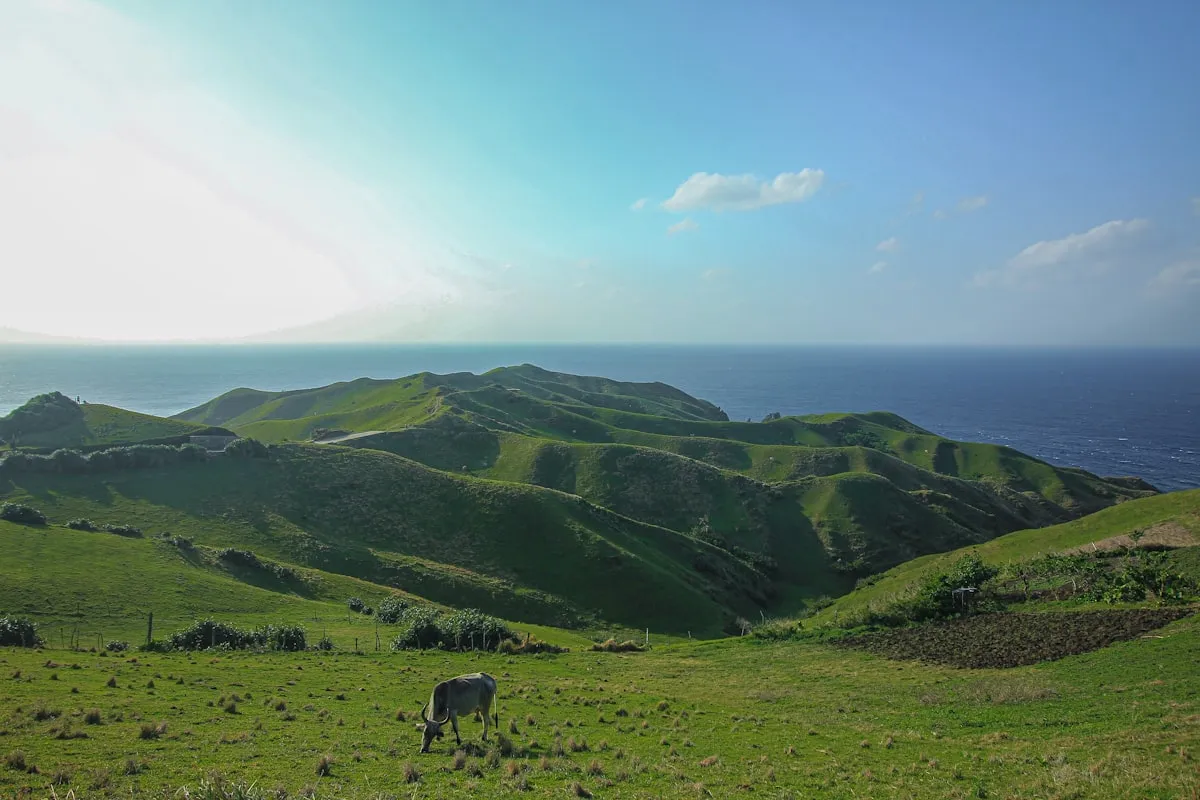
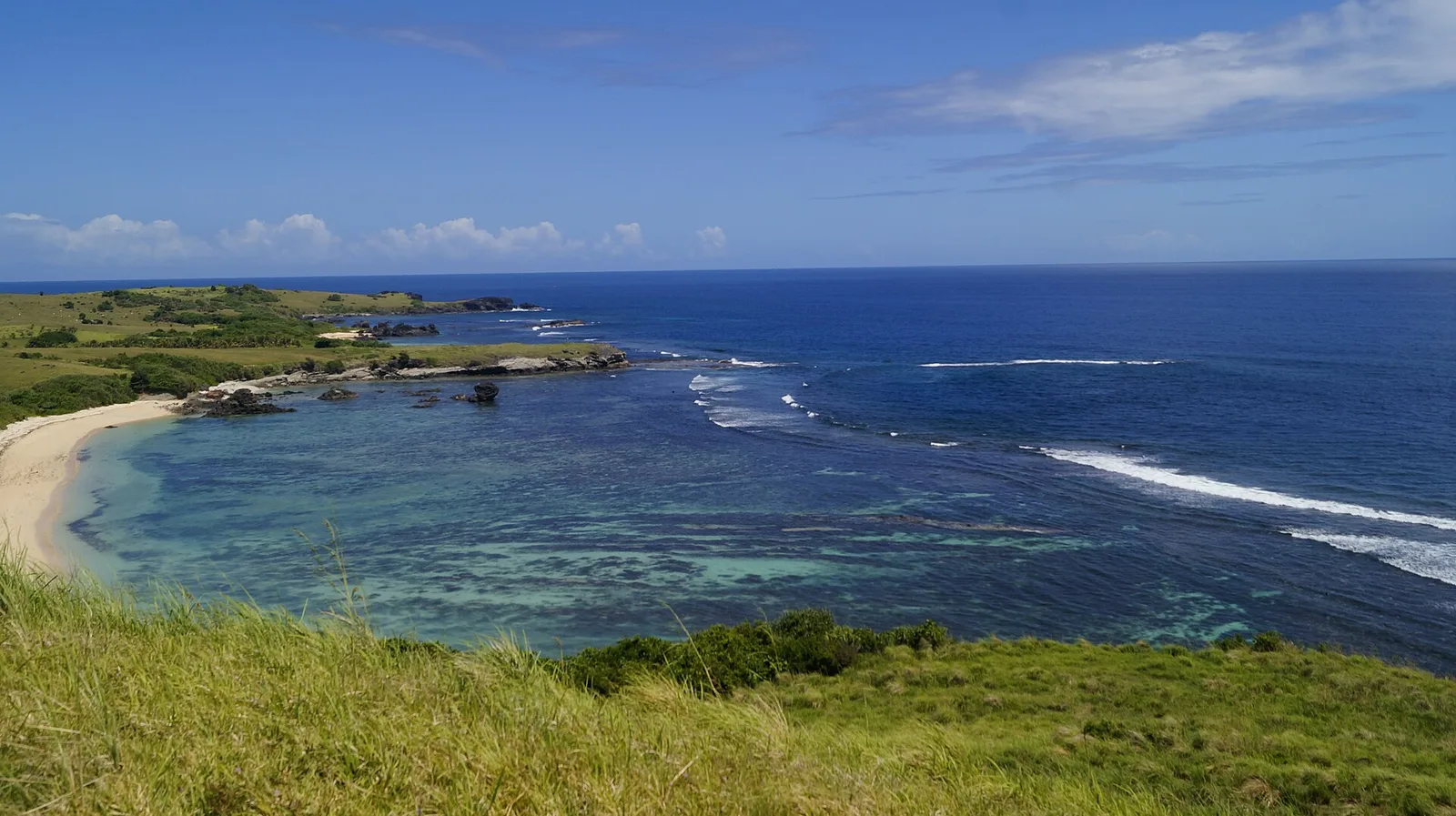
Caramoan is the peninsula that juts into the Philippine Sea on the eastern side of Camarines Sur. It is a maze of limestone cliffs, hidden lagoons, and white sand beaches that face open ocean on one side and quiet coves on the other. The reason many travelers first heard the name is television. The international Survivor franchise has filmed in the Caramoan Islands at least five times, using the dramatic karst walls and empty beaches as the backdrop for tribal councils and reward challenges. But Caramoan is not a set. It is a real municipality with fishing villages, small resorts, and a growing but still modest tourism trade. The Pana Luzon Desk visited in 2026, took the boat from Sabang to Guijalo, and checked the current island-hopping rates, resort prices, and transport times. This guide combines that direct experience with information from the Provincial Government of Camarines Sur and the Department of Tourism.
Caramoan Islands: Where Survivor Was Filmed in the Philippines
Hotels in Philippines
Compare live prices via Travelpayouts — targeted for this guide.
Why Survivor chose Caramoan
The Caramoan Islands have the right mix of isolation and variety. The mainland is connected to the rest of Camarines Sur by a narrow road and a ferry crossing, so the area was hard to reach for many years. That same isolation meant the beaches stayed clean and the forests stayed intact. The islands have different personalities. Some are open to the Pacific and have strong surf. Others are protected by high cliffs and have calm swimming water. Some have hidden lagoons that only appear at low tide, while others have flat sand spits that connect small islets. A production crew can film multiple "island" scenes without moving very far. The Survivor location scouts found Gota Beach, Lahos Island, and Matukad Island especially useful because they combine beach, rock, and water in one frame.
The main islands you will visit
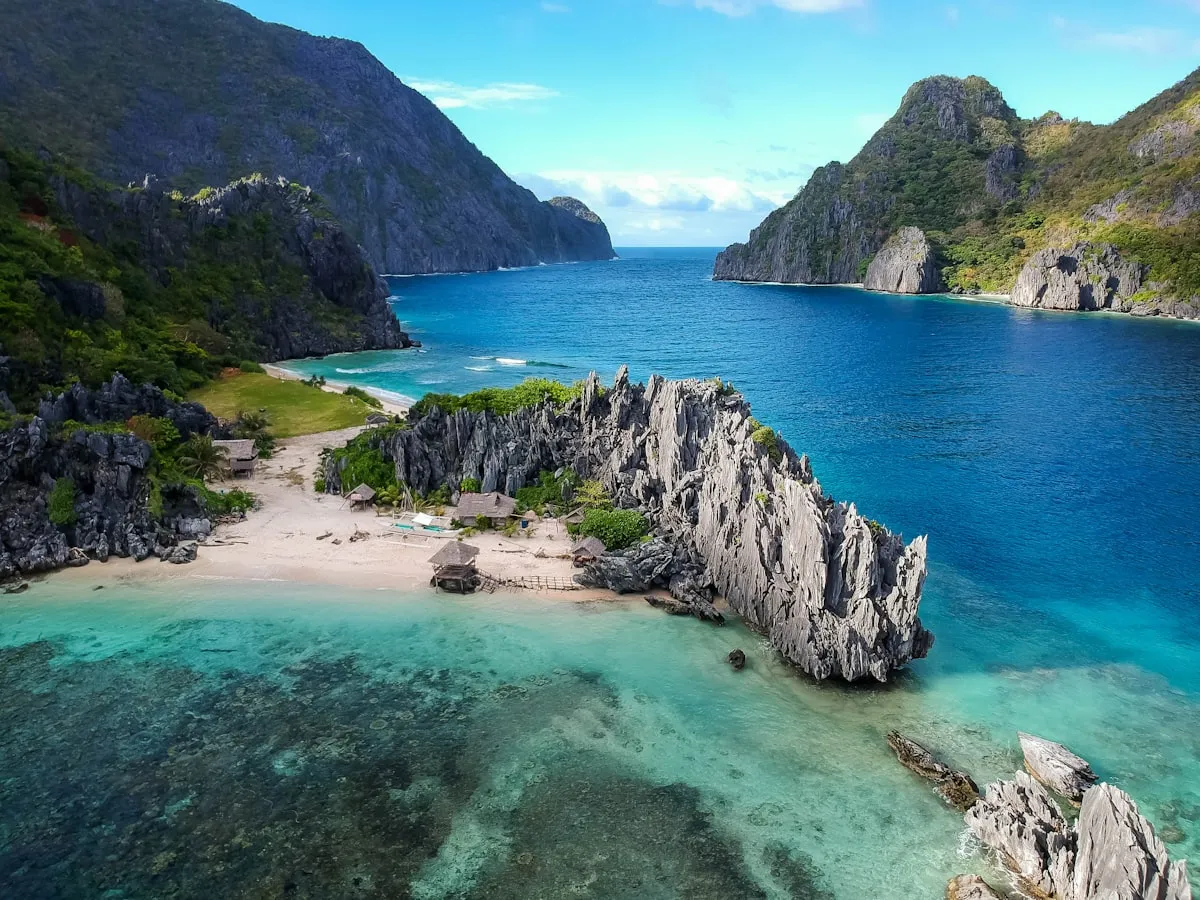
Most island-hopping tours follow a standard route that can be adjusted depending on the tide and the wind. The most common stops are Matukad Island, Lahos Island, Gota Beach, Hunongan Cove, and Minalahos Island. Matukad has a small hidden lagoon with a rock wall you can climb to see the view. Lahos is a wide sandbar between two outcrops that becomes more dramatic at low tide. Gota Beach is where the Survivor base camp was built and is now a small resort area. Hunongan Cove has clear snorkeling water and a strip of white sand. Minalahos is known for its long beach and shallow reef.
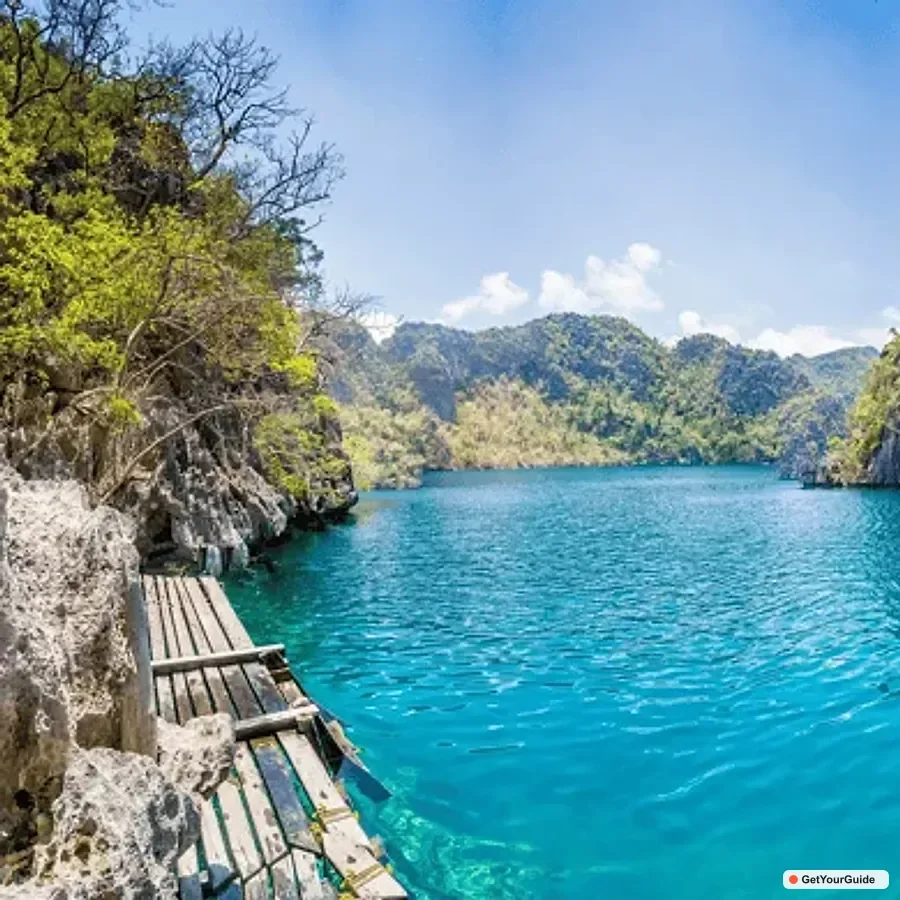
Lesser visited spots include Cotivas Island, Tinago Cove, and Bugtong Island. These are farther from the main resort area and usually require a private boat or a longer tour. The water color shifts from emerald near the cliffs to deep blue where the channel opens to the Pacific. The karst walls look grey at noon and gold in the late afternoon. Each stop has its own snorkeling, swimming, or viewpoint. A full day tour typically includes five to seven stops and a packed lunch.
Island hopping in Philippines
Hand-picked experiences in Philippines — book on Trip.com with instant confirmation.
Island-hopping activities and costs
The core activity in Caramoan is the boat tour. A half-day tour with a small outrigger boat costs PHP 1,500 to PHP 2,000 per person if you join a group. A private whole-day tour for four to six people ranges from PHP 5,000 to PHP 8,000 depending on the number of islands and whether lunch is included. Environmental fees are usually PHP 50 to PHP 100 per person, paid at the barangay tourism desk before the boat leaves.
Snorkeling gear can be rented for PHP 150 to PHP 300 per set. Kayaks are available at some resorts for PHP 300 to PHP 500 per hour. Rock climbing and cliff jumping are possible at a few spots, but should only be done with a guide who knows the local conditions. The tides matter in Caramoan. A sandbar that is wide at nine in the morning can be underwater by two in the afternoon. Guides plan the route around the tide, not the clock.
Real prices for 2026
Prices below come from boatmen, resort owners, and the tourism office in Barangay Tawilid. Peak season runs from March to May and rates can rise by twenty percent. Christmas and New Year are also busy. Book ahead if you are visiting during those windows.
- Van from Naga City to Sabang Port: PHP 150 to PHP 250
- Boat from Sabang to Guijalo: PHP 250 to PHP 350
- Tricycle from Guijalo to Caramoan town: PHP 50 to PHP 100
- Island hopping group tour: PHP 1,500 to PHP 2,000 per person
- Private whole-day boat: PHP 5,000 to PHP 8,000
- Environmental fee: PHP 50 to PHP 100
- Snorkel set rental: PHP 150 to PHP 300
- Kayak rental: PHP 300 to PHP 500 per hour
- Beach cottage or table: PHP 500 to PHP 1,000
- Budget fan room or homestay: PHP 800 to PHP 1,500 per night
- Mid-range resort room: PHP 2,000 to PHP 4,000 per night
- Meal at local carinderia: PHP 120 to PHP 250
- Resort seafood lunch: PHP 300 to PHP 600
- Bus from Manila to Naga: PHP 800 to PHP 1,200
How to get to the Caramoan Islands
The main gateway is Naga City in Camarines Sur. From Naga, take a van or bus to Sabang Port. The land trip takes about one and a half to two hours. At Sabang, you wait for the public outrigger boat to Guijalo Port in Caramoan. The crossing takes one and a half to two hours depending on the sea. The schedule is weather dependent, with fewer boats in rough conditions. From Guijalo, a tricycle or habal-habal takes you to the town center or your resort.
An alternative route goes through Legazpi in Albay, then a van or bus to Caramoan overland. That option is longer but can be more reliable in bad weather because it avoids the sea crossing. A few operators offer direct van transfers from Naga to Caramoan town that include the boat in one package. These package transfers cost PHP 500 to PHP 800 and save you from negotiating each leg.
If you are flying, the nearest airport is in Naga. There are also flights to Legazpi. From either airport, the road trip to Caramoan is two to three more hours. If you are coming from Manila, an overnight bus to Naga is the cheapest and most popular choice. The bus leaves in the evening and arrives in Naga early in the morning, in time for the first boat.
Where to stay
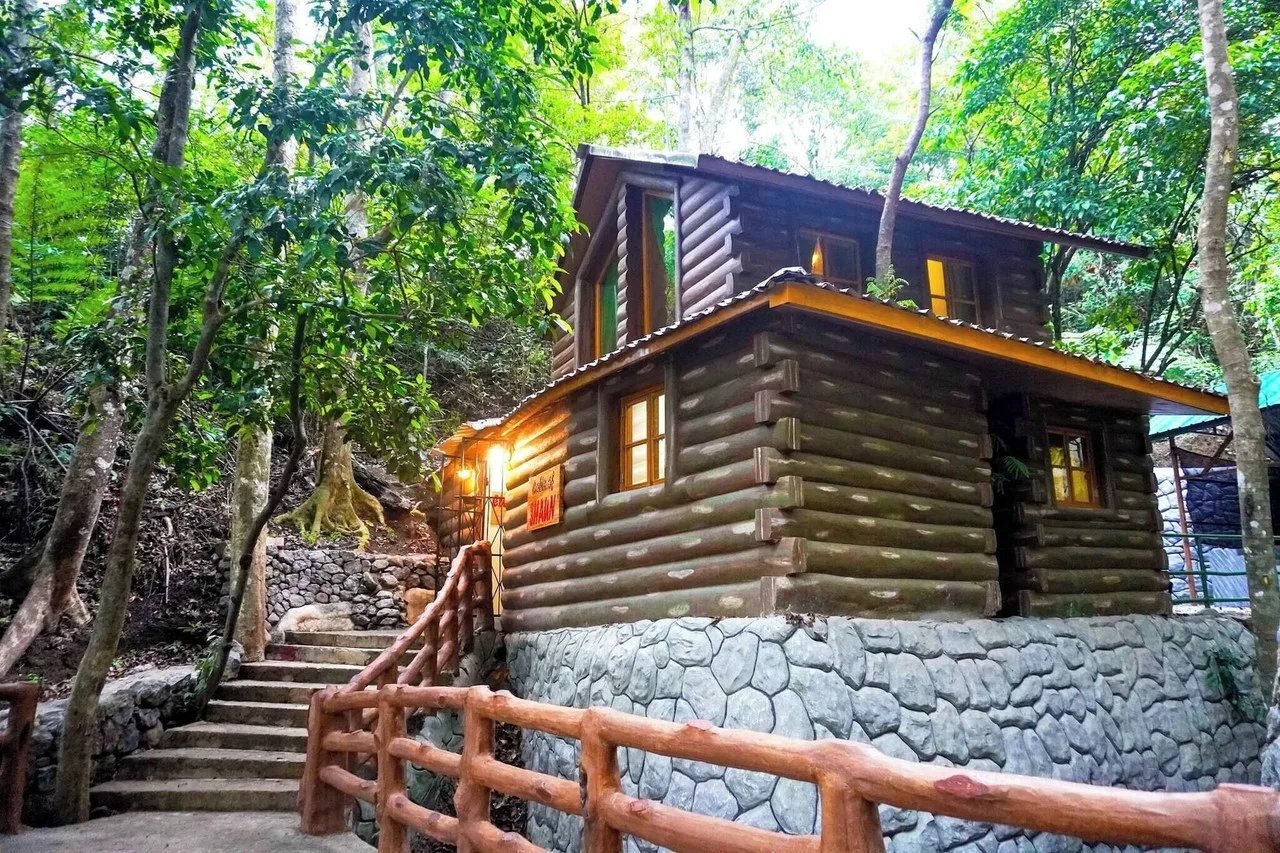
Caramoan has a mix of small resorts, guesthouses, and beach cottages. Most are concentrated along Gota Beach, Paniman Beach, or in the town center. Gota has the best scenery and the closest access to the Survivor filming site, but it is also the most expensive. Paniman is quieter and popular with boatmen. The town center is cheaper and closer to shops, but you lose the beachfront view. Budget fan rooms start at PHP 800. Mid-range air-conditioned rooms with private bathrooms run PHP 2,000 to PHP 4,000. A few larger resorts and boutique properties can reach PHP 5,000 during holidays. Homestays arranged through the barangay are an option for PHP 600 to PHP 1,000 if you are comfortable with basic facilities.
Best time to visit
The dry season from March to June is the best time for calm seas and clear water. February can also be good, but the Amihan winds from the north-east can make the boat crossing rough. July to November is the rainy season. The islands are still beautiful, but boat trips may be cancelled and some coves become unsafe because of swell. December to February is cooler and drier, but the wind can be strong. If you want to snorkel and swim in calm water, go in April or May. If you want fewer visitors, go in June or early July before the peak of the rainy months.
What to pack
Pack light because the boat crossing is wet and the tricycles have limited space. Bring a dry bag for electronics and a waterproof phone case. Sunscreen and a hat are essential because there is limited shade on the smaller islands. Aqua shoes help on the rocky beaches and when climbing to the Matukad lagoon. Bring enough cash. There are a few ATMs in the town center, but they are not always reliable and many boatmen and small resorts prefer cash. A reusable water bottle and a small trash bag are useful because waste disposal is still a challenge on the islands.
Sustainable travel in Caramoan
The growth of tourism has brought jobs to Caramoan, but it has also put pressure on the islands. Please take your trash back to the mainland. Do not touch or stand on coral. Avoid feeding fish or collecting shells. Use reef-safe sunscreen if possible. Support local boatmen and carinderias rather than bringing all your supplies from Naga. The Provincial Government of Camarines Sur and the barangay tourism office promote low-impact tourism, and your choices make a difference in how long the beaches stay clean.
Frequently Asked Questions
Which Survivor seasons were filmed in Caramoan?
Survivor has used Caramoan for multiple international versions, including Survivor US seasons 26 and 27, and several other country franchises. The exact number of productions depends on how you count international spin-offs, but the area is one of the most filmed Survivor locations in Asia.
How many days do I need in Caramoan?
Two to three days is enough for most visitors. One full day covers the main island tour. A second day lets you revisit your favorite beach or take a longer tour to the outer islands. A third day is useful if the weather cancels your first boat trip.
Is Caramoan safe for solo travelers?
Yes, but plan ahead. The boat schedule is limited, and the sea crossing can be rough. Solo travelers should join a group island tour or team up with other guests at the resort to split a private boat. Cash and power outages are the main practical concerns.
Are there ATMs in Caramoan?
There are a few ATMs in the town center, but they do not always have cash or a reliable connection. Bring enough Philippine pesos for your stay, especially for boat trips and small purchases.
Can I visit the actual Survivor camp?
The original base camp structures are not permanent, but the beach where they were built is part of the Gota area. You can visit Gota Beach and see the spot where the camps were set up. Some local guides will point out the specific locations used for tribal councils and challenges.
Plan your trip with Pana
Discover more Bicol destinations in the Pana destinations guide, book an island-hopping tour in Camarines Sur, find a beachfront hotel or resort, and read more 2026 travel updates on the Pana blog.
Sources and references
- Provincial Government of Camarines Sur: https://www.camarinessur.gov.ph/
- Department of Tourism Camarines Sur: https://www.tourism.gov.ph/destination/bicol-region/camarines-sur/
- Department of Environment and Natural Resources: https://www.denr.gov.ph/
- Department of Health travel advisories: https://doh.gov.ph/
Sources
Primary references for the figures and rules in this guide. Fees and schedules change — check the source before you travel.

PANA.PH Luzon Desk
Luzon travel logistics — Manila, Baguio and North Luzon
The Luzon Desk of the PANA.PH travel desk: it maintains and re-checks the luzon travel logistics — manila, baguio and north luzon data behind the site's guides — operator price lists, official fee schedules and posted timetables — and publishes what it can verify.
🏡 Real local stays (book direct)
Hand-picked homestays and guesthouses — book direct, no markup.
Browse all local stays →
🌊 Popular activities (book instantly)
Island hopping, canyoneering, whale sharks — real Klook/GetYourGuide options.
View all activities →