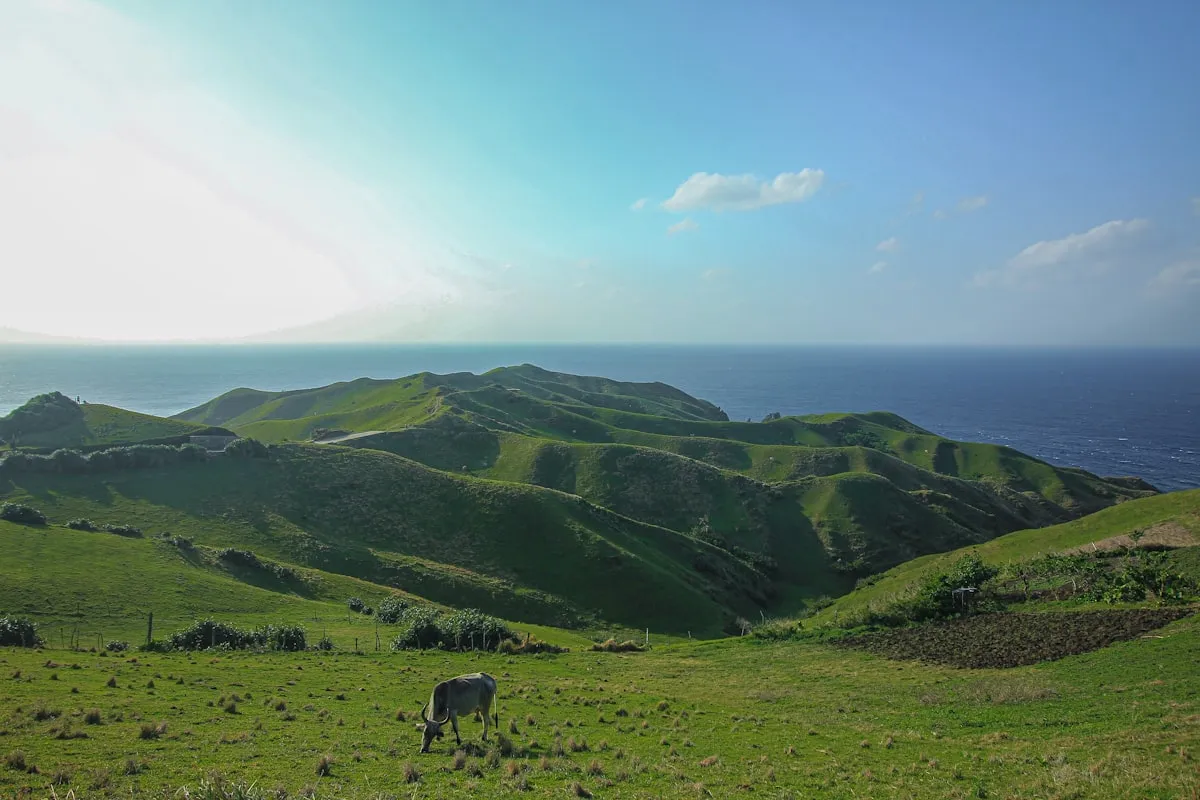
Often called the "Island Born of Fire," tiny Camiguin off the north coast of Mindanao is one of the Philippines' most underrated destinations - a pear-shaped island barely 60 kilometres around that somehow packs in seven volcanoes, hot and cold springs, waterfalls, a hauntingly beautiful sunken cemetery, and a pristine white sandbar floating offshore. It remains gloriously low-key and uncrowded, perfect for travelers wanting a slow, scenic island they can fully explore in two or three days. Here is everything to see and how to plan it.
Camiguin Things to Do: Island Born of Fire Guide
Trip.com
Search on Trip.comHotels in Camiguin
Compare live prices via Travelpayouts — targeted for this guide.
The Best Things to Do in Camiguin
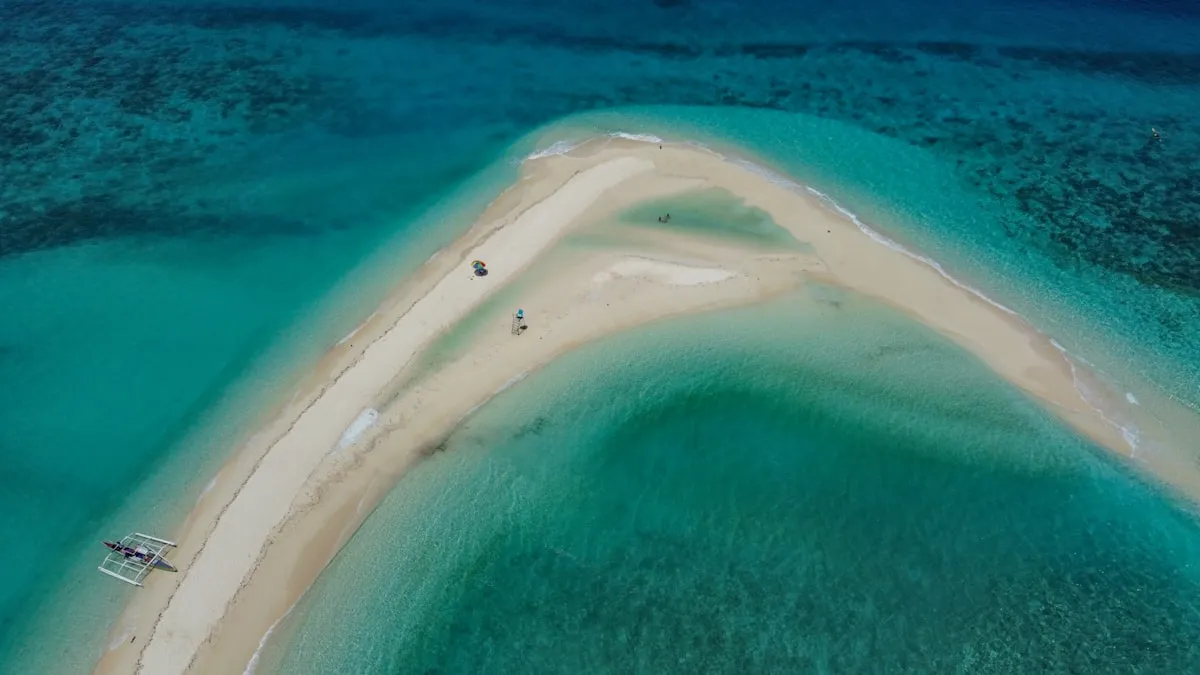
- White Island - the signature sight: an uninhabited white sandbar floating offshore, reached by a short boat ride from Agoho. There is no shade and nothing built on it - just blinding white sand, turquoise water and a postcard view of Camiguin's volcanoes behind you. Go early morning or late afternoon.
- Sunken Cemetery - when Mount Vulcan erupted in the 1870s it pushed the old town cemetery into the sea. Today a large cross marks the spot above the water, and you can snorkel or dive over the submerged graves and coral - eerie and unforgettable.
- Katibawasan Falls - a tall, single-drop waterfall plunging into a cold natural pool you can swim in.
- Tuasan Falls - a quieter, jungle-set falls for a refreshing dip.
- Sto. Nino Cold Spring and Ardent Hot Spring - crystal-clear cold pools and volcanically heated hot springs, the perfect double-act after a day of exploring.
- Mantigue Island - another small island for snorkeling and a marine sanctuary.
- Old Spanish church ruins and the Walkway to the Old Volcano - a Stations-of-the-Cross hike up the slopes with island views.
How to Get to Camiguin
Despite its small size, Camiguin is reachable several ways:
- Fly - Camiguin has a small airport (CGM) with limited flights, historically from Cebu; check current schedules as service varies. This is the fastest option when available.
- Via Cagayan de Oro (CDO) - fly into Laguindingan Airport (CGY) serving CDO, then take a bus/van to Balingoan port (about 1.5 to 2 hours) and a RoRo ferry to Benoni port, Camiguin (about 1 to 1.5 hours, frequent daily, around PHP 200 to 300).
- Via Bohol - a ferry connects Jagna (Bohol) to Balbagon, Camiguin (around 4 hours, fewer sailings), handy if you are combining Bohol with Camiguin.
Check flights into Cebu, CDO or Bohol on our flights page.
Getting Around the Island
The best way to explore Camiguin is to rent a scooter (around PHP 350 to 500/day) and follow the single ring road that loops the island, stopping at falls, springs and viewpoints. For non-riders, hiring a multicab or tricycle with a driver for a half- or full-day island tour is easy and affordable (roughly PHP 1,500 to 2,500 for the vehicle). The whole island is small enough to see comfortably in a day or two of looping. Compare island tours on our activities page.
Trip.com
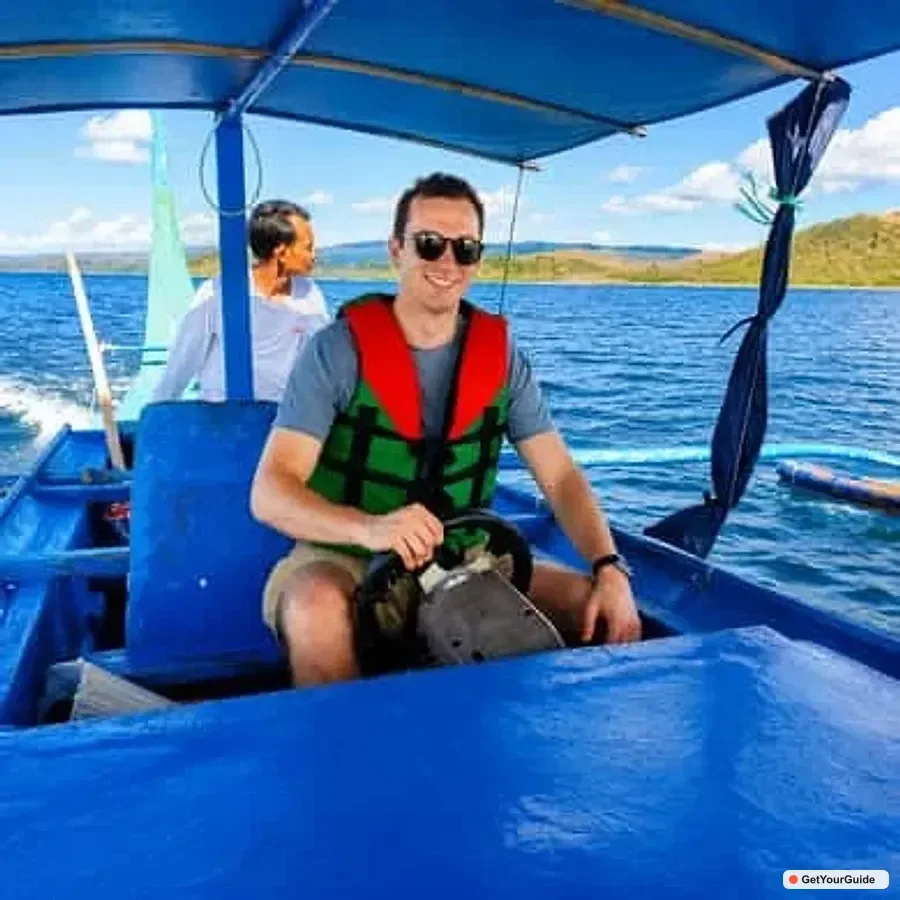
See all tours in Camiguin on Trip.comVolcano tour in Camiguin
Hand-picked experiences in Camiguin — book on Trip.com with instant confirmation.
Where to Stay
Most accommodation clusters around Agoho and Yumbing on the northwest coast, near the White Island jump-off and the best sunset beaches, with resorts, dive shops and restaurants. Mambajao is the main town for services and ATMs. Browse options on our stays page. Camiguin is also a quiet, well-priced diving destination, with sites around the Sunken Cemetery and Mantigue Island.
Best Time to Visit
The dry season from roughly February to May is ideal for White Island and snorkeling. Camiguin is also famous for its sweet lanzones fruit, celebrated each October at the Lanzones Festival - a lively, colourful time to visit if you do not mind the wetter season. Bring cash, as card acceptance is limited outside larger resorts.
A Suggested Camiguin Itinerary
With the island so compact, two to three days covers it beautifully. Day one: arrive, settle in around Agoho/Yumbing, and take an early-evening swim and sunset on the northwest beaches. Day two: the big sights - a sunrise boat to White Island before the heat, then loop the ring road by scooter or hired multicab to Katibawasan Falls, the Sunken Cemetery (especially atmospheric in late-afternoon light), and a soak at the Sto. Nino Cold Spring or Ardent Hot Spring to finish. Day three: a snorkeling trip to Mantigue Island, the Walkway to the Old Volcano with its Stations of the Cross, and Tuasan Falls if time allows. Divers can swap a half-day for the Sunken Cemetery and Mantigue dive sites. It is the rare destination where you genuinely can see the highlights without rushing.
Why Camiguin Stays Under the Radar
Despite packing in volcanoes, waterfalls, springs, a sunken cemetery and a postcard sandbar, Camiguin remains far quieter than comparable Philippine islands - and that is much of its charm. The reason is largely access: there is no major direct international or high-frequency flight route, so reaching it takes a connection through Cebu, Cagayan de Oro or Bohol, which filters out the casual crowds. The pay-off for that extra travel leg is an island that still feels local and unhurried, where the ring road is quiet, the beaches are uncrowded, and prices are gentle. For travellers willing to make the effort, Camiguin offers an increasingly rare combination of variety, beauty and tranquillity. Pair it with Bohol or a wider Mindanao-gateway trip, plan the route with our trip planner, and read more island guides on our blog.
Diving and Snorkeling in Camiguin
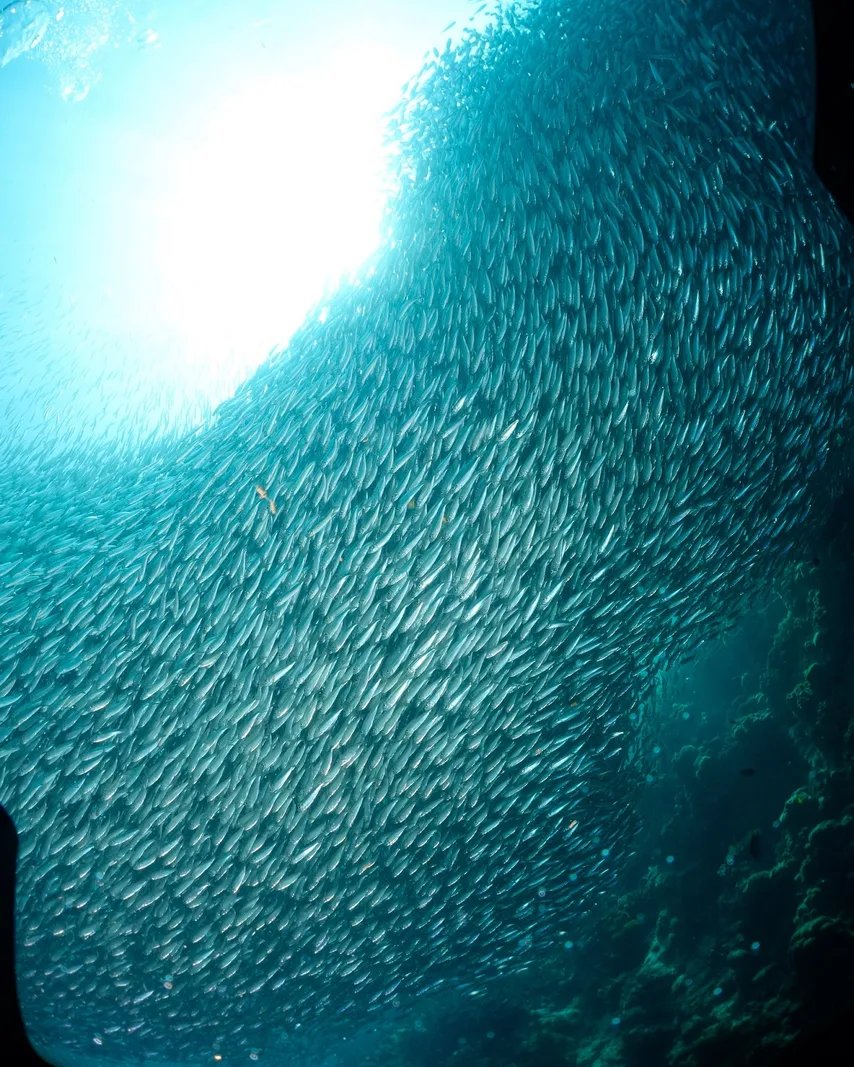
Camiguin is a quietly excellent and very affordable dive destination that most divers overlook. The signature site is the Sunken Cemetery, where you can dive or snorkel over the submerged old graves and the coral that has colonised them - eerie and beautiful. Mantigue Island has a protected marine sanctuary with healthy coral, a wall and abundant reef fish, ideal for both diving and easy snorkeling. Other sites around the island offer drop-offs, coral gardens and good macro life, generally with calm conditions and few other divers. Several dive shops operate around Agoho and Yumbing, and prices are lower than at the headline dive destinations. For snorkelers, White Island's surrounding shallows and Mantigue are the highlights. It is the kind of low-key, uncrowded underwater scene that rewards travellers who venture off the usual trail.
Camiguin's Food and Festivals
Part of Camiguin's charm is its local flavour, literally. The island is famous across the Philippines for its sweet lanzones fruit, celebrated each October at the Lanzones Festival - a colourful, lively week of street dancing, costumes and feasting that is a wonderful (if wetter-season) time to visit. Year-round, look out for pastel, the island's beloved soft bun filled with sweet custard (yema), sold as a local specialty and edible souvenir, along with fresh seafood and Filipino classics at the resorts and town eateries. Sampling the lanzones, pastel and the laid-back island cooking is part of the experience, and the warm, unhurried hospitality you find here is exactly what keeps visitors recommending this little volcanic island to anyone seeking somewhere genuinely off the beaten track. Find where to stay on our stays page and tours on our activities page.
Compact, scenic and gloriously uncrowded, the Island Born of Fire rewards the extra travel leg with volcanoes, waterfalls, springs, a sunken cemetery and a floating white sandbar, all loopable in a couple of relaxed days. For travellers seeking somewhere genuinely off the beaten track, Camiguin is one of the Philippines' best-kept secrets.
Final Word on Camiguin
Camiguin proves that the best Philippine experiences are not always the easiest to reach. The extra connection through Cebu, Cagayan de Oro or Bohol is exactly what keeps this little volcanic island so quiet, uncrowded and affordable. Loop the ring road by scooter, swim at White Island, soak in the springs, snorkel the Sunken Cemetery, and sample the sweet lanzones and pastel, and you will understand why those who make the effort so often call the Island Born of Fire one of the country's best-kept secrets.
Frequently Asked Questions
What is Camiguin famous for?
Camiguin, the "Island Born of Fire," is famous for White Island (a pristine offshore white sandbar), the Sunken Cemetery marked by a cross above submerged graves, waterfalls like Katibawasan, hot and cold springs, and its seven volcanoes - all on one tiny, uncrowded island.
How do you get to Camiguin?
You can fly to Camiguin's small airport (limited flights, historically from Cebu), or fly to Cagayan de Oro (Laguindingan), bus to Balingoan port and take a RoRo ferry to Benoni in about 1 to 1.5 hours. A longer ferry also runs from Jagna in Bohol to Camiguin.
How many days do you need in Camiguin?
Two to three days is enough to comfortably loop the small island, seeing White Island, the Sunken Cemetery, the waterfalls and the hot and cold springs without rushing. The whole island can be circled by scooter in a day.
How do you get around Camiguin?
Renting a scooter (around PHP 350 to 500 a day) to follow the single ring road is the best way. Non-riders can hire a multicab or tricycle with a driver for a half- or full-day island tour for roughly PHP 1,500 to 2,500.
When is the best time to visit Camiguin?
The dry season from roughly February to May is best for White Island and snorkeling. October brings the colourful Lanzones Festival celebrating the island's sweet fruit, though it falls in the wetter season.

PANA.PH Editorial Team
Philippines travel desk
The PANA.PH travel desk researches, books and re-checks Philippines travel logistics — fares, ferry schedules, government fees and permit rules — and publishes what it can verify.
🏡 Real local stays (book direct)
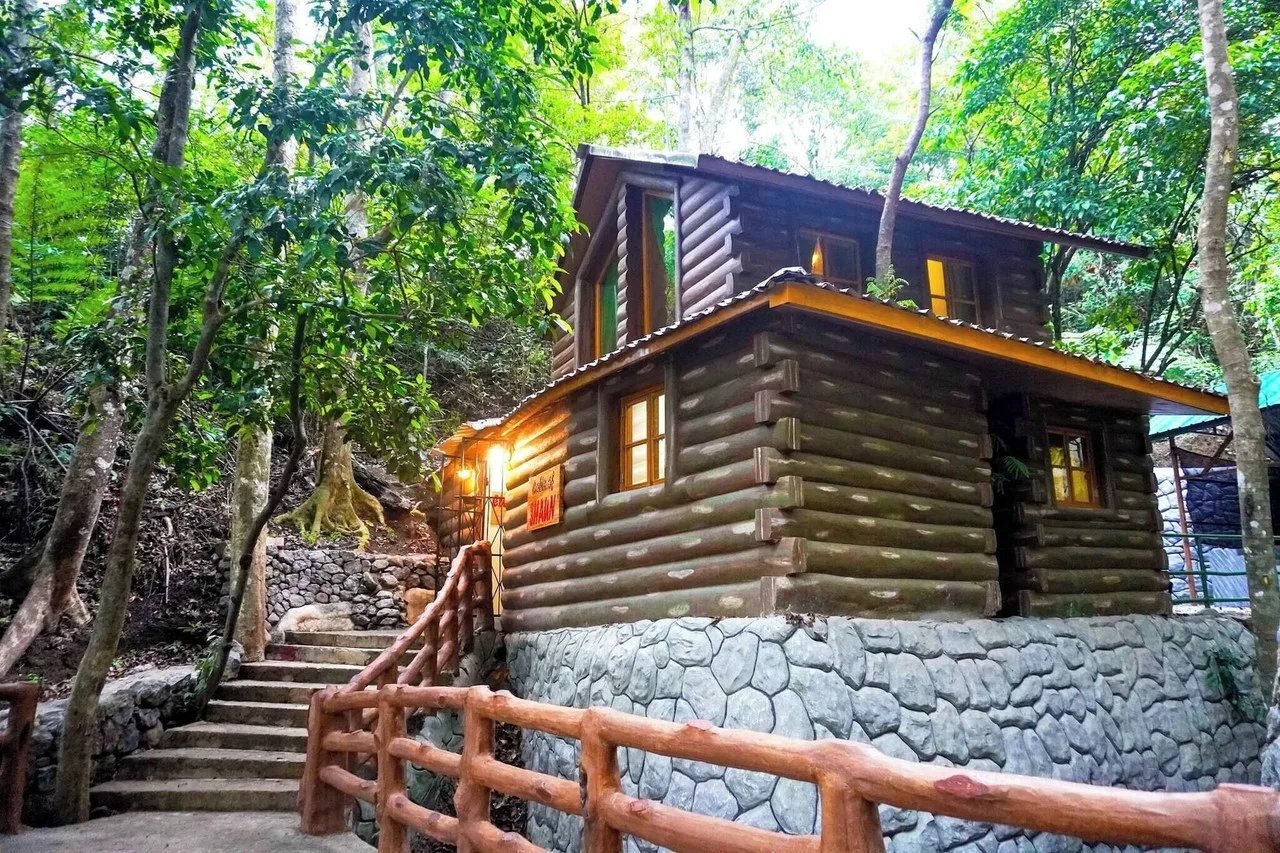
Hand-picked homestays and guesthouses — book direct, no markup.
Browse all local stays →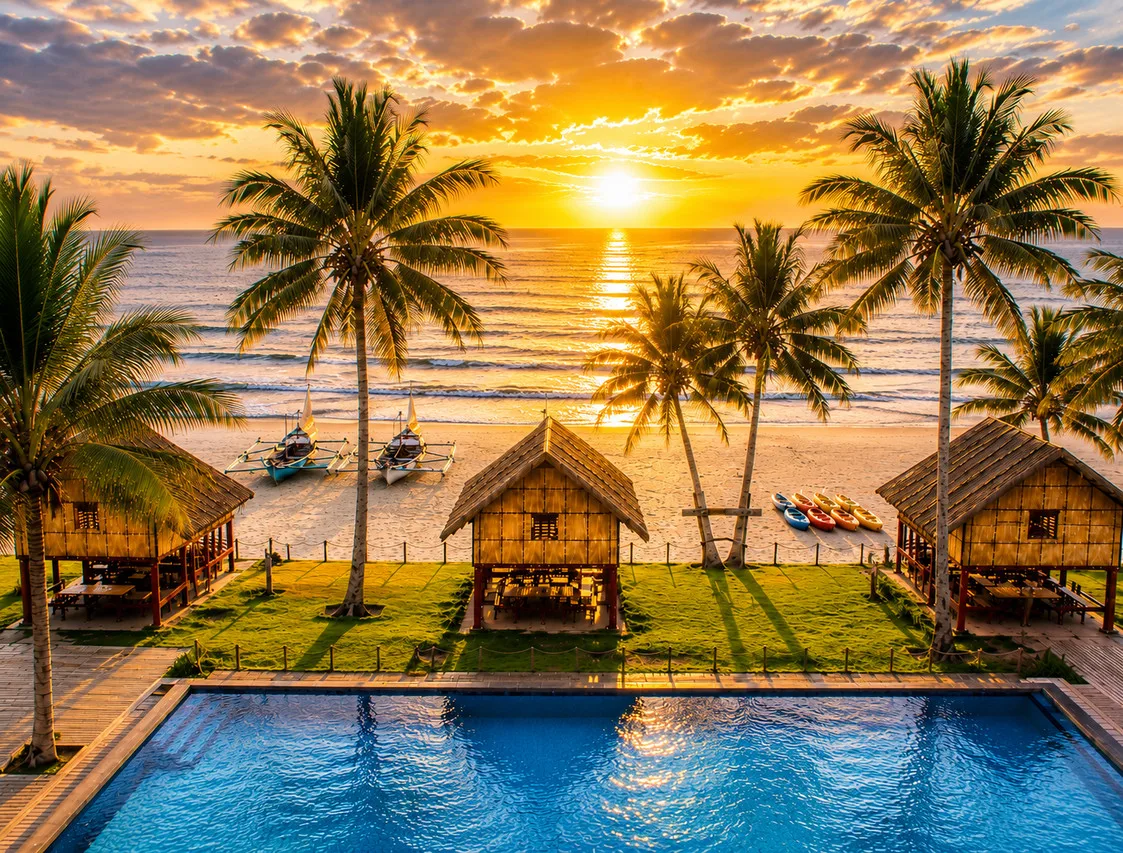
🌊 Popular activities (book instantly)
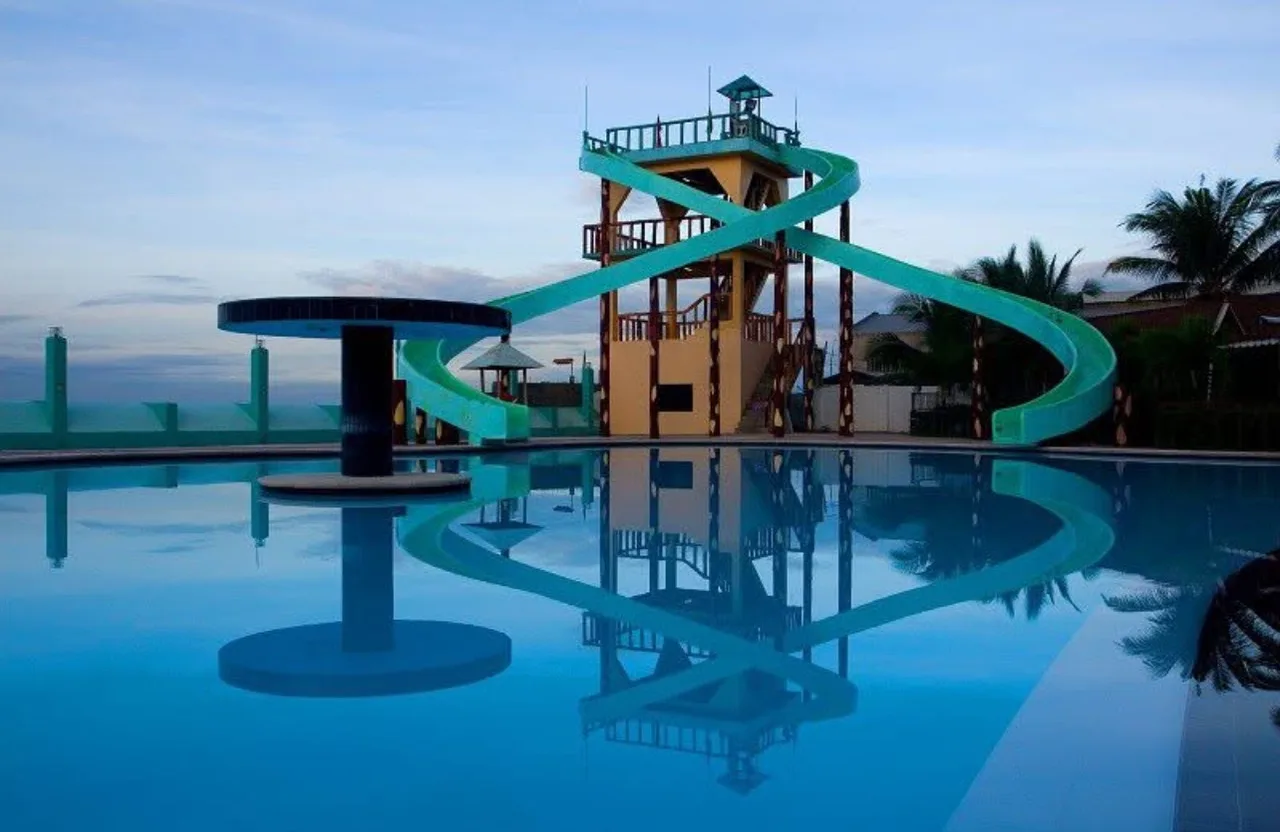
Island hopping, canyoneering, whale sharks — real Klook/GetYourGuide options.
View all activities →