Contents
Camiguin is the kind of place travellers fall for by accident. It is a tiny pear-shaped island off the northern tip of Mindanao, barely 64 kilometres around, yet it crams in seven volcanoes, a sunken cemetery, cold springs, hot springs, waterfalls and a blinding white sandbar that appears in the middle of the sea. Locals call it the "Island Born of Fire," and once you have circled it on a rented scooter in a single morning, you understand why people keep coming back. This guide covers everything you need to plan the trip well.
Hotels in Cagayan de Oro
Compare live prices via Travelpayouts — targeted for this guide.
Why visit Camiguin
What makes Camiguin special is the density of it all. On bigger islands you spend hours in a van getting between sights. Here the whole island loops in about two hours of easy riding, so you can hit a waterfall before breakfast, a cold spring at midday and a hot spring at sunset. It is quiet, green, friendly and refreshingly free of the crowds and party scene you get elsewhere. If you want nature without the hustle, this is it.
The must-see spots
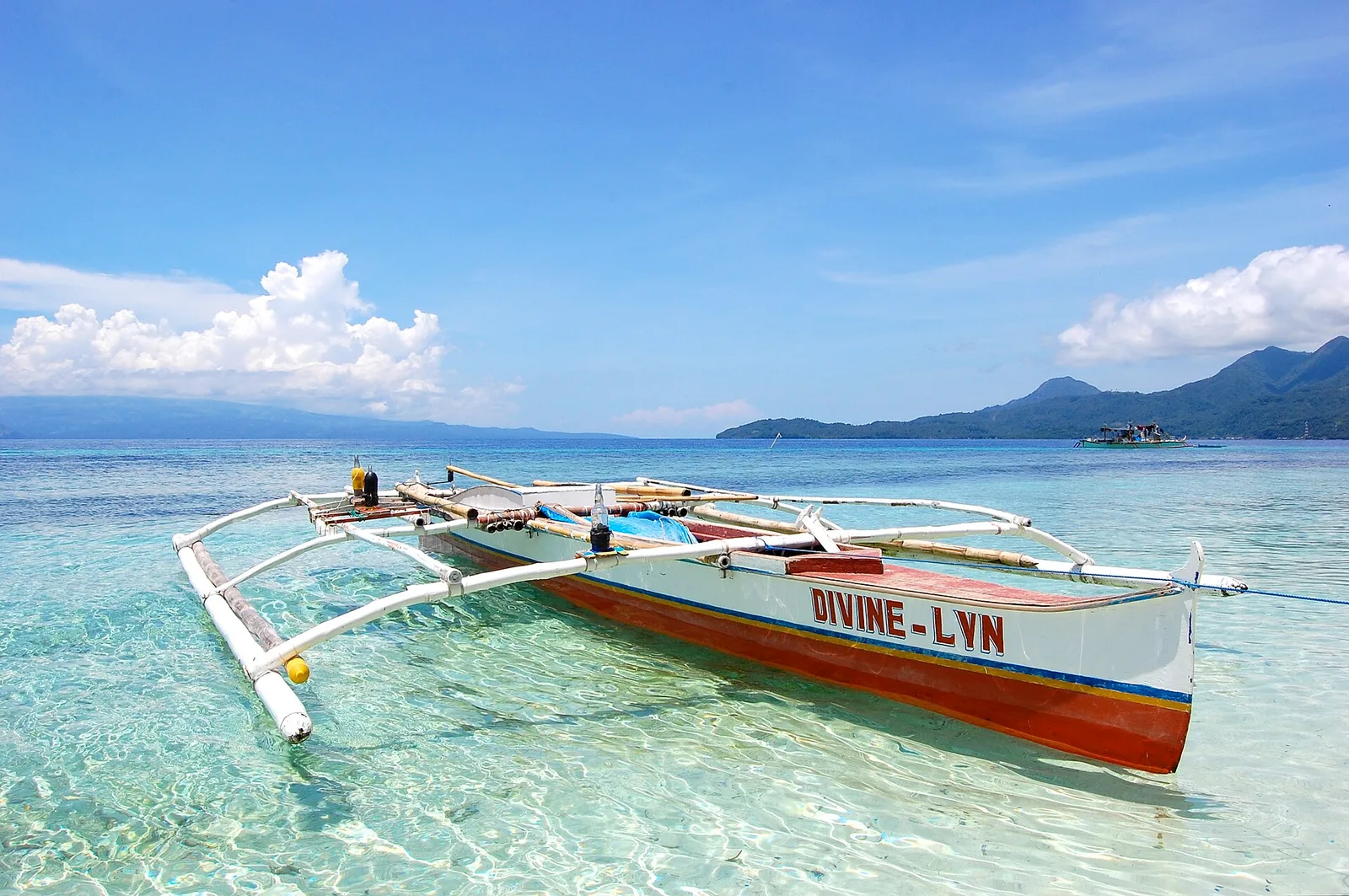
- White Island — an uninhabited C-shaped sandbar off Mambajao with zero shade and 360-degree views of the volcanoes. Bangka boats from the jetty cost around ₱400 to ₱600 per group round trip. Go early; by noon it is hot and the tide changes the shape.
- Sunken Cemetery — when Mt. Vulcan erupted in the 1870s it pushed the old town graveyard into the sea. A large white cross now marks it offshore. Snorkellers and divers swim over the submerged tombstones; you can also just admire it from the viewpoint for free.
- Katibawasan Falls — a single 76-metre ribbon of water dropping into a cold pool ringed by ferns. Entrance is roughly ₱75. Bring a towel; the water is bracing.
- Sto. Nino Cold Spring — a spring-fed pool so clear you can count the pebbles, with sand bubbling up from the bottom. Entrance around ₱30 to ₱50.
- Ardent Hot Spring — warm volcanic pools (about 40°C) tucked into the jungle on the slopes of Mt. Hibok-Hibok. Best at dusk. Entrance around ₱30 to ₱75.
- Walkway to the Old Volcano — a Stations-of-the-Cross trail climbing the 1871 lava field, with sweeping views from the top.
How to get to Camiguin
There are two realistic routes, and the right one depends on your budget and patience. Weighing the trade-off is a classic ferries versus flights decision.
By land and ferry (the budget route)
Most travellers fly into Cagayan de Oro (Laguindingan Airport), served by Cebu Pacific, Philippine Airlines and AirAsia. From the city, take a bus or van from Agora Terminal to Balingoan port (about 2 hours, ₱150 to ₱200). RORO ferries cross from Balingoan to Benoni, Camiguin roughly every hour from early morning to late afternoon (about 1 hour 15 minutes, ₱200 to ₱250). From Benoni it is a short jeepney or tricycle ride to Mambajao, the main town.
Volcano tour in Cagayan de Oro
Hand-picked experiences in Cagayan de Oro — book on Trip.com with instant confirmation.

By air (the fast route)
Camiguin has its own small airport in Mambajao. Flight schedules here come and go, so check current routes on our flights page before banking on it. When direct flights are not running, the Cagayan de Oro plus ferry combo is the dependable backup.
How many days do you need
You can see the headline sights in two full days, but three is the sweet spot. Day one for White Island and the north coast, day two for the waterfalls and springs loop, and a relaxed third day for diving, the giant clam sanctuary at Kabila, or simply doing nothing on a quiet beach. Add a buffer day in typhoon season in case a ferry is cancelled.
What it costs
Camiguin is one of the cheaper island getaways in the Philippines. A scooter rents for about ₱350 to ₱500 a day, the single best investment you will make here. Budget guesthouses run ₱800 to ₱1,500 a night, mid-range resorts ₱2,500 to ₱5,000. Meals at a local carinderia cost ₱80 to ₱150; a resort dinner more. Most attractions charge tiny entrance fees of ₱30 to ₱75. A frugal traveller can do Camiguin comfortably on ₱1,500 to ₱2,500 per day. For a fuller breakdown, plan with our trip costs tool.
When to go
The driest, most reliable months are roughly February to May. The wet season runs June to November and overlaps with typhoons, when rough seas occasionally cancel the Balingoan ferry for a day or two, so build in slack. The headline event is the Lanzones Festival in the third week of October, when the island celebrates its famous sweet lanzones fruit with street dancing, parades and costumes. It is a wonderful time to visit, just book accommodation well ahead. For a month-by-month view, see our notes on the best time to visit the Philippines.
Where to stay
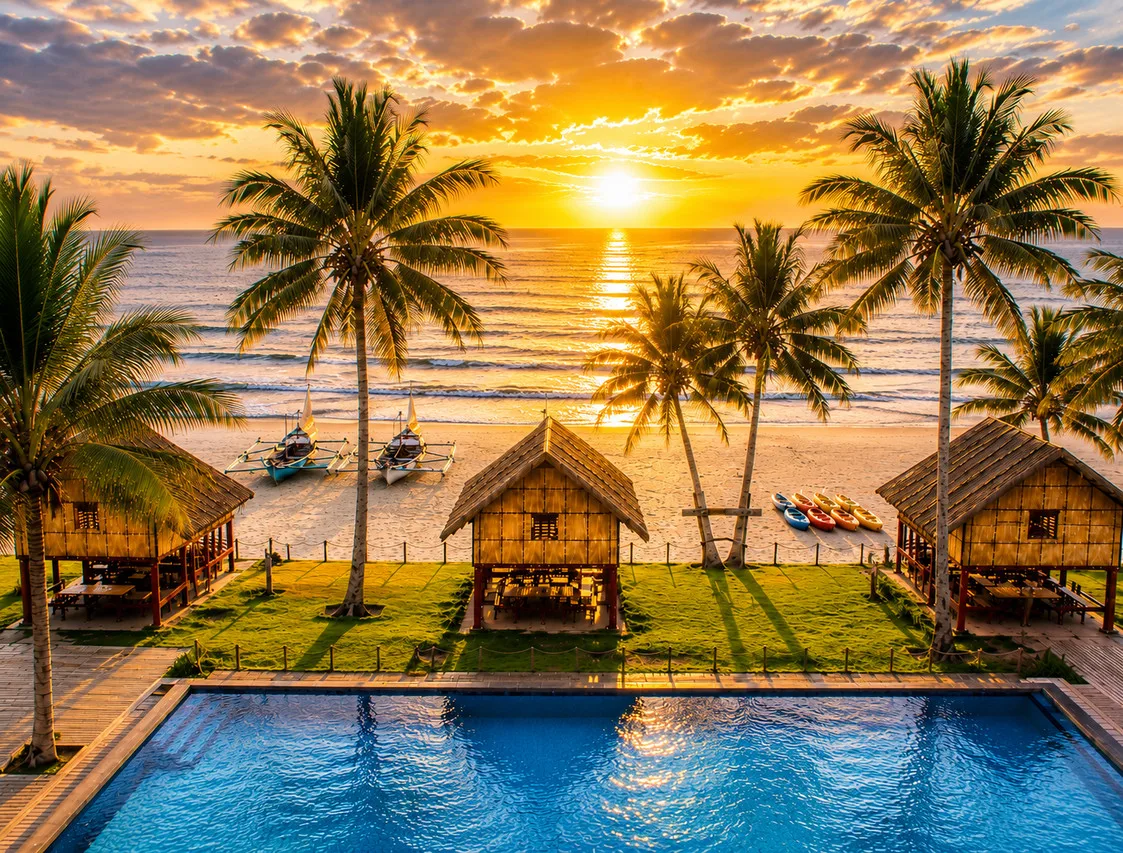
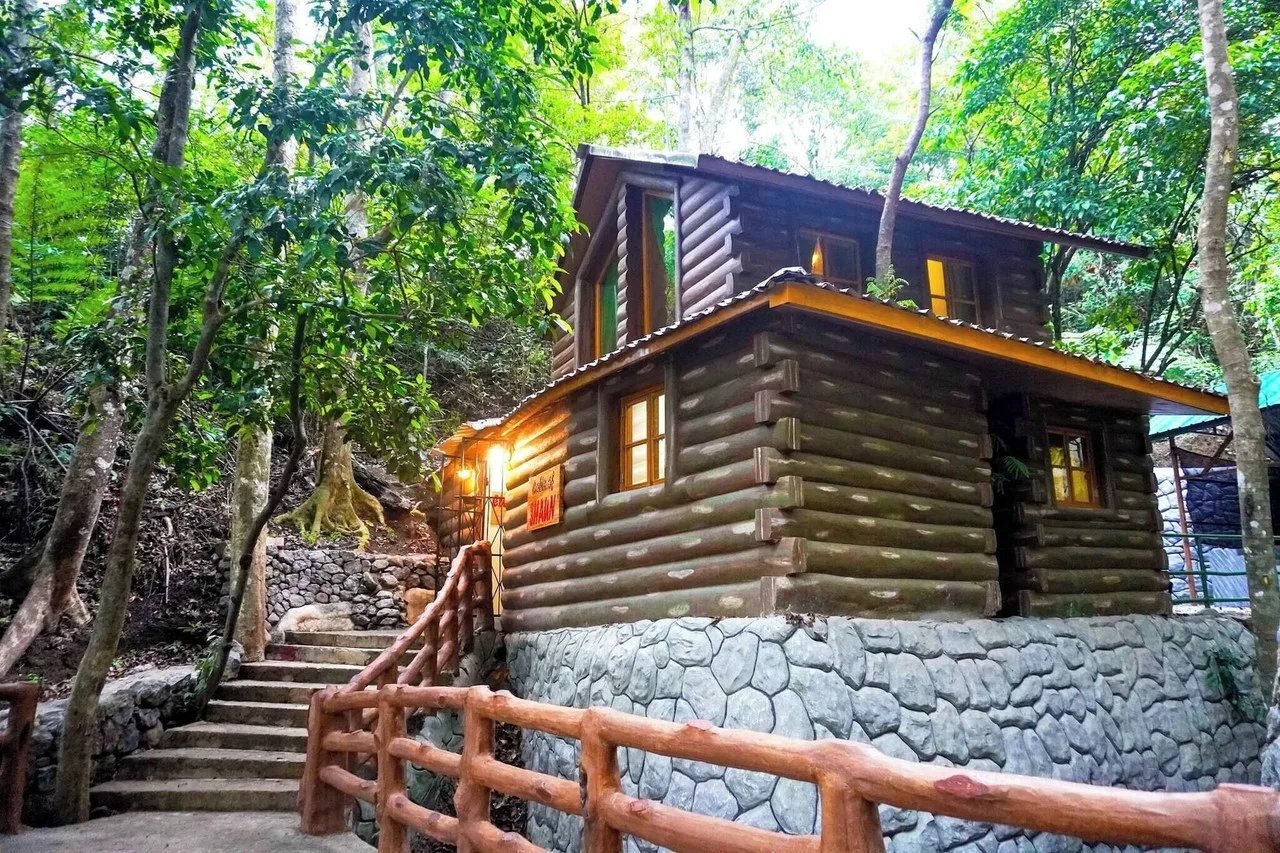
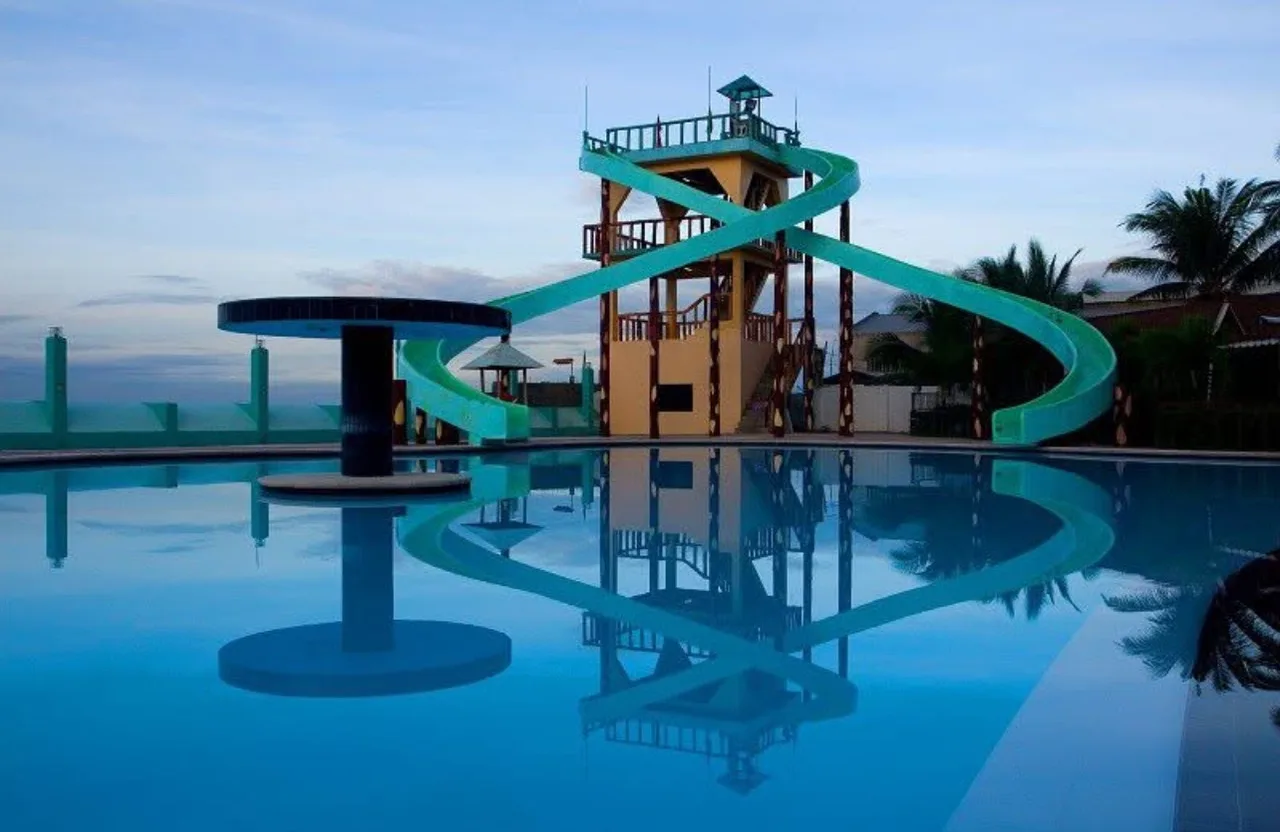
Most visitors base themselves in or near Mambajao, the capital, which is central for the island loop and close to the White Island jetty. Around Yumbing and Agoho you will find beach resorts with easy boat access to White Island. For a quieter, more rustic feel, look toward Benoni and the southern coast. Whatever you pick, somewhere with scooter rental on site saves hassle.
Practical tips
- Bring cash. ATMs exist in Mambajao but can run dry; many small establishments are cash only.
- Pack reef-safe sunscreen and a rash guard for White Island, which has no shade at all.
- Confirm the last ferry time back to Balingoan if you are leaving by land; afternoon crossings end earlier than you might expect.
- Drive carefully on the ring road, especially after rain, and watch for the steep section near Ardent.
Final word
Camiguin rewards the unhurried. It will not dazzle you with nightlife or shopping, but it offers something rarer: a small, green, volcanic island you can genuinely get to know in a few days. Sort out the ferry timings, rent a scooter, go in the dry season if you can, and let the island do the rest. For more ideas across the country, browse our destination guides and start mapping your route.

Real local stays (book direct)
Hand-picked homestays and guesthouses — book direct, no markup.
Popular activities (book instantly)
Island hopping, canyoneering, whale sharks — real Klook/GetYourGuide options.
Plan your Philippines trip