Most people come to El Nido for the limestone and the lagoons, and rightly so. But there is a quieter, sweeter side to this corner of northern Palawan, one that has been growing on Philippine farms for centuries and only recently found its way onto a tasting tray for travelers. The Cacao Tasting and Chocolate Experience is a chance to slow right down between island-hopping days, sit in the shade, and taste the journey from a knobbly tropical pod to a square of finished chocolate. It is hands-on, unhurried, and genuinely delicious, and it tells you something about the Philippines that the boats never will.
El Nido Cacao Tasting & Chocolate Experience - Guide
Trip.com
Search on Trip.comHotels in Philippines
Compare live prices via Travelpayouts — targeted for this guide.
This is a tour for the curious. You do not need a sweet tooth the size of a banca to enjoy it, though it helps. What you need is an hour or two of patience and a willingness to taste cacao in its rawest, most surprising forms before it ever becomes the chocolate you recognize.
Why cacao grows here at all
El Nido sits at the northern tip of Palawan, the long, thin island province that stretches toward Borneo. It is deep in the tropics, well within the narrow belt roughly twenty degrees north and south of the equator where the cacao tree, Theobroma cacao, will actually thrive. Cacao is a fussy understorey plant. In the wild it grows beneath taller rainforest trees, sheltered from harsh direct sun and dependent on steady warmth, high humidity, and reliable rainfall. Palawan's lowland climate and its forested, shaded slopes suit it well.
Cacao is not native to the Philippines. It originated in the Americas and was carried across the Pacific by Spanish galleons during the colonial era, when the Manila-Acapulco trade route connected the two halves of Spain's empire for two and a half centuries. The Spanish brought cacao, the habit of drinking chocolate, and the word itself. That is why, to this day, Filipinos drink tsokolate made from tablea, dense little tablets of pure ground roasted cacao, melted into hot water or milk and whisked frothy with a wooden batirol. The thick, slightly bitter tsokolate eh of a Filipino breakfast is a direct descendant of that galleon trade. Tasting cacao in El Nido, you are tasting a living piece of that history.
Trip.com
See all tours in Philippines on Trip.comTours & activities in Philippines
Hand-picked experiences in Philippines — book on Trip.com with instant confirmation.

What you actually see and do
The experience is built around the real arc of chocolate-making, and a good guide walks you through it stage by stage so the finished bar makes sense.
Meeting the pod
It usually starts with the pod itself, the strange, ridged, melon-sized fruit that grows straight out of the trunk and thick branches of the tree rather than from the twigs, a habit botanists call cauliflory. Split one open and the inside is a surprise to most first-timers: a clutch of seeds wrapped in soft, white, sweet-tart pulp. You are often invited to taste that raw pulp, which is nothing like chocolate at all, more like a tropical fruit, fresh and citrusy. Those seeds are the cacao beans, and at this point they have no chocolate flavor whatsoever.
Fermenting and drying
Your guide explains the two steps that unlock chocolate flavor and that most people have never heard of: fermentation and drying. The wet beans and pulp are heaped and left to ferment for several days, a microbial process that kills the seed, breaks down the pulp, and develops the precursor compounds that become real chocolate flavor during roasting. Then the beans are dried in the sun. Skip or rush these steps and no amount of fine roasting will rescue the flavor. This is the part that turns a tasting into an education.
Roasting, cracking, and grinding
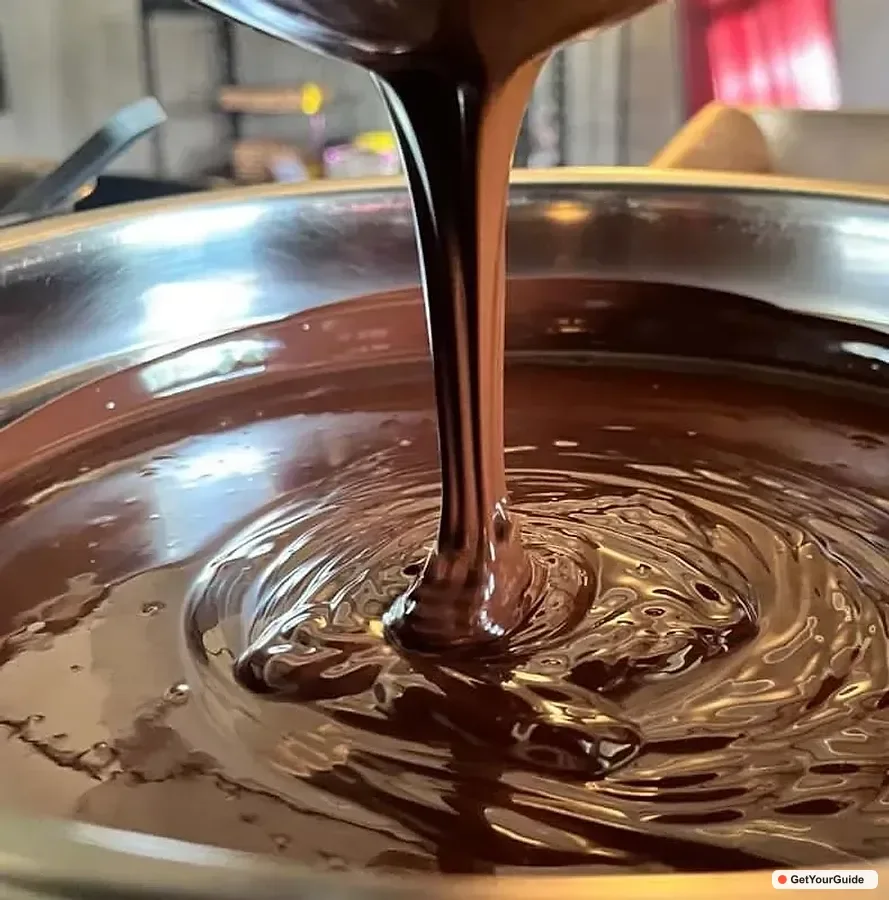
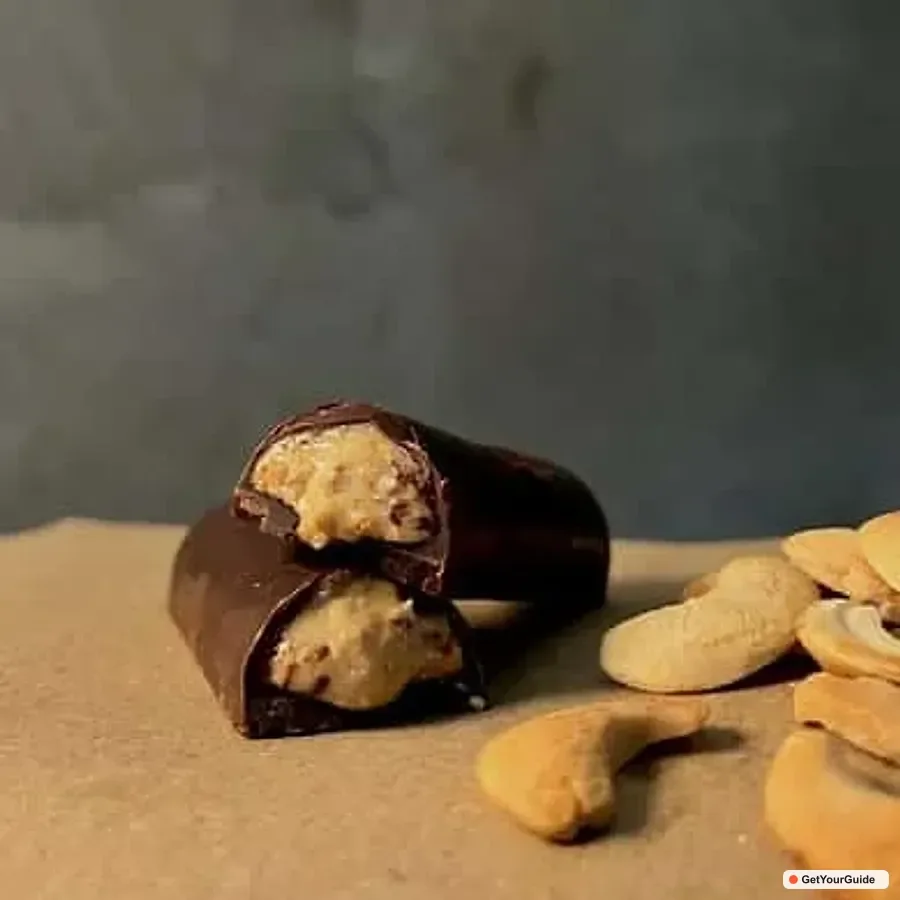
Then comes the part everyone smells before they see it. Dried beans are roasted, which is where the familiar chocolate aroma finally appears. You crack the roasted beans and winnow away the papery shells to reveal the nibs inside, the pure roasted cacao. Many versions of the experience let you grind the nibs yourself, often with a traditional stone or a hand grinder, watching the dry crumble turn glossy and liquid as the natural cocoa butter, more than half the weight of the nib, releases under friction and warmth. This thick, unsweetened liquid is cacao mass, the raw material of every chocolate bar on earth.
Tasting and tinkering
The tasting is the heart of it. You typically work from the most raw and bitter toward the sweetest and most refined: a nibble of pure nib, a sip of unsweetened or barely sweetened drinking chocolate, then tablea and finished chocolate where sugar and sometimes milk have been added. Tasting them side by side, you finally understand what sugar and milk actually do, and just how intense and faintly bitter pure cacao really is. Depending on the host, you may get to flavor your own chocolate or drink with local touches, and to compare percentages so you can feel the difference between something dark and something mellow.
Why it matters beyond the sugar
Cacao farming is a real and growing livelihood in Palawan and across the Philippines, and small-scale, farm-to-bar experiences like this one keep more of the value with the people who actually grow and process the beans. The Philippines has been working to revive its heritage cacao and to build a reputation for single-origin, fine-flavor chocolate, and tastings like this are part of that story, putting a face and a place to something most travelers only ever buy in a wrapper.
There is a genuine sustainability angle too. Cacao does best as a shade crop grown among other trees rather than in cleared monoculture, so well-run cacao plots can support more biodiversity than many other forms of farming. Choosing a small local operator means your money goes toward exactly the kind of agriculture that fits Palawan's fragile, forested landscape rather than working against it.

Practical tips
- How long it takes: Plan for roughly one to two hours. It is relaxed and seated for much of the time, not a hike.
- How strenuous: Very gentle. This is one of the easiest, most family-friendly activities in El Nido, suitable for kids, grandparents, and anyone needing a rest day from boats and snorkeling.
- Best time to go: Make it a land-day activity, ideal in the afternoon or on a day when the sea is rough and island-hopping is off. El Nido's drier, calmer months run roughly from late November into May; the wetter season brings afternoon downpours, which is no problem for a mostly sheltered, indoor-leaning experience.
- What to wear and bring: Light, breathable clothing, since it is hot and humid; insect repellent if the setting is leafy; and cash, because small local operators may not take cards and you will almost certainly want to buy chocolate or tablea to take home.
- What is typically included: A guided walk through the cacao-to-chocolate process, hands-on participation, and a tasting of cacao in several forms. Specifics vary by host, so confirm whether you grind your own and how many samples are included when you book.
- Good to know: Pace yourself on the samples; pure cacao is rich and the caffeine and theobromine in it are mildly stimulating. And come a little hungry so the tasting lands properly.
A sweet pause in the limestone
El Nido will always be about the water, the towering karst cliffs, and the impossibly blue lagoons. But the cacao experience gives you something the boats cannot: a story you can taste, rooted in galleon-era history and growing right in Palawan's warm, shaded soil. Spend an afternoon here, crack a pod, grind some nibs, and sip something dark and honest, and you will leave understanding chocolate, and a small, sweet slice of the Philippines, in a way you never did before.
Good to know before you book
- Duration: typically a full day (around 8 to 10 hours including transfers), though half-day and multi-day options exist - check the listing.
- Best for: couples, families and first-time visitors.
- What is included: the farm or class, a guide, tastings or a meal and often transfers.
- Pickup: most tours offer hotel or central pickup; confirm your point and time when booking.
- Book through: the GetYourGuide button on this page, which shows live availability and pricing.
Frequently asked questions
How long does the El Nido Cacao Tasting & Chocolate Experience take?
Most departures run as a full day - roughly 8 to 10 hours including pickup, travel and the activities themselves - so plan to set aside the whole day. Some operators offer shorter or private versions; the exact timing for your date is shown when you book through the GetYourGuide button on this page.
What is included in the El Nido Cacao Tasting & Chocolate Experience?
Typically the price covers the farm or class, a guide, tastings or a meal and often transfers. Inclusions vary by operator, so always read the specific listing - it spells out exactly what is provided and what you pay for separately, such as entrance or environmental fees.
What should I bring?
Pack comfortable closed shoes for farm ground, a hat, sunscreen, water and an appetite for the tastings. It is also worth carrying some cash for local fees, drinks and tips, plus any personal medication, since card facilities can be limited outside the cities.
Is the El Nido Cacao Tasting & Chocolate Experience suitable for beginners or families?
It is relaxed and family-friendly, suitable for all ages and fitness levels - a gentle, hands-on experience rather than a strenuous one. If you have specific concerns about age, fitness or swimming ability, message the operator before booking - they can advise on the best option for your group.
When is the best time to do this tour?
The best conditions are usually the dry season from late November to May, when seas are calmest and skies clearest. That said, the Philippines is a year-round destination, and many of these experiences run in any season - just expect the occasional shower and check the forecast for the day.
How do I get to El Nido?
To reach El Nido, fly into Puerto Princesa, El Nido or Coron (Busuanga) airport, then transfer by road or boat. Many tours include transfers from nearby towns or hotels, so confirm your pickup arrangement when you book so the day runs smoothly from the start.
Do I need to book the El Nido Cacao Tasting & Chocolate Experience in advance?
Yes - booking ahead is strongly recommended, especially in the dry-season peak and on weekends, when popular tours and the best operators sell out. Reserving online also locks in your spot and lets you compare timings and inclusions easily.
How much does the El Nido Cacao Tasting & Chocolate Experience cost?
Prices vary with the season, group size and exactly what is included, so we do not list a fixed figure here. Tap the GetYourGuide button on this page to see the current, accurate price and availability for your chosen date.
Can I do the El Nido Cacao Tasting & Chocolate Experience as a private or customised tour?
Many operators offer a private version of this experience for couples, families or small groups who want a flexible pace and a guide to themselves, and some can tailor the route or add stops. If a private or custom option matters to you, check the listing or message the operator before booking, as availability and prices differ from the standard shared tour.
Ready to explore El Nido?
From planning to the moment you arrive, the El Nido Cacao Tasting & Chocolate Experience is one of the most rewarding ways to experience this corner of the Philippines - and booking it is simple. Use the GetYourGuide button on this page to check live availability, compare timings and secure your spot, then turn up and let the local guides handle the rest while you focus on the views, the water and the memories.

PANA.PH Editorial Team
Philippines travel desk
The PANA.PH travel desk researches, books and re-checks Philippines travel logistics — fares, ferry schedules, government fees and permit rules — and publishes what it can verify.
🏡 Real local stays (book direct)
Hand-picked homestays and guesthouses — book direct, no markup.
Browse all local stays →


🌊 Popular activities (book instantly)
Island hopping, canyoneering, whale sharks — real Klook/GetYourGuide options.
View all activities →