How to Get to Bucas Grande and Sohoton Cove in 2026
Most travelers fly to Surigao City Airport or to Sayak Airport in Siargao, then transfer to a port. From Surigao City you can take a van or bus to the town of Hayanggabon, the main jump-off for Sohoton Cove, in about four to five hours. The land transfer passes through Surigao del Norte and Surigao del Sur, with good paved roads for most of the journey. From Hayanggabon, outrigger boats take roughly thirty minutes to reach the Sohoton Cove visitor center on Bucas Grande.
If you are already on Siargao, you can book a Sohoton day tour from Dapa or General Luna. The boat ride from Dapa to Sohoton takes around two hours each way and is usually run by Siargao-based operators. This is the easiest option if you want to see the Jellyfish Lagoon without arranging separate Mindanao transfers. The only trade-off is that the Siargao day tour is more expensive and depends on calm weather.
Another option is to stay in Socorro town proper. There are small inns, homestays, and a few budget hotels within walking distance of the local port. This is the best choice for photographers and nature lovers who want to be on the water at first light, before the Siargao day-trip boats arrive.
When to Visit for the Best Jellyfish Viewing
The dry season from March to May is the best window for jellyfish viewing. During these months the saltwater lake is calm and the jellyfish rise toward the surface in the morning and late afternoon. The animals are photosensitive and tend to move deeper when the sun is strongest, so plan your boat arrival for before nine in the morning or after three in the afternoon. June can still be productive, but rain and wind can lower visibility and make the narrow cove entrance rough.
October and November are outside the peak season and the jellyfish numbers are lower, though the cove itself is still beautiful. December to February is generally too cool and rainy for reliable jellyfish encounters. If you only have one chance to visit, choose late April or early May for the highest concentration of animals and the calmest seas.
What You Will Experience at the Jellyfish Lagoon
The first thing that strikes you is the silence. After the boat engine is switched off, you slide into warm, clear water and immediately see golden-brown jellyfish the size of dinner plates floating around you. They move slowly, propelled by tiny rhythmic pulses, and they often bump harmlessly against your arms and legs. It is one of the few places on Earth where you can share the water with millions of jellyfish without protective gear.
The experience is not about adrenaline. It is about stillness. Swimmers are asked to move gently and avoid splashing. The guide may also ask you to remove fins so you do not kick the animals. Snorkeling is allowed, but diving is not permitted because the deeper parts of the lake contain a hydrogen sulfide layer that can be dangerous to divers. A standard visit lasts between thirty and sixty minutes, which is plenty of time to take photos, float, and watch the jellyfish change depth with the light.
Other Spots Inside Sohoton Cove
Most Jellyfish Lagoon tickets include a full Sohoton Cove tour. After the lagoon, boats continue to the Hagukan Cave, where you can float into a dark chamber that glows with bioluminescence on certain nights. There is also the Magkukuob Cave, a short swim-through that leads to a small beach and a cliff-jumping point. The Tiktikan Lagoon is another saltwater lake used for kayaking and paddleboarding. These stops turn a jellyfish visit into a full day of cove exploration.
Lunch is usually served on one of the beaches or on the boat. Standard packages include grilled fish, rice, pork barbecue, and fresh tropical fruit. Vegetarian options are limited, so let your operator know in advance if you do not eat meat or seafood. Bring cash for tips, extra drinking water, and any snacks sold by local vendors at the registration area.
2026 Rates and Fees in Philippine Pesos
Prices change with fuel costs and park fees, but these are the most common rates quoted by Socorro tourism and local boat operators for the 2026 season. A small outrigger boat that holds one to four people costs around PHP 1,800 for the basic Sohoton Cove tour. A larger boat for five to ten guests is usually PHP 2,500 to PHP 3,000. The park environmental fee is PHP 50 per person, and the tour guide fee is around PHP 500 per group. If you add a Siargao pickup, expect to pay PHP 3,500 to PHP 4,500 per person for a join-in day tour.
Other costs to budget for include a light breakfast at the port, PHP 100 to PHP 200; a packed lunch, PHP 250 to PHP 400; and snorkeling mask rental, PHP 150 to PHP 200. A two-day, one-night homestay package on Bucas Grande starts around PHP 1,500 per person and includes meals, boat transfers, and the park tour. As always, confirm the final price with the operator before you pay, and ask whether the quote already includes the environmental fee.
What to Pack for the Jellyfish Lagoon
Pack light, reef-safe sunscreen, a reusable water bottle, and a dry bag. A rash guard is better than a full wetsuit because the water is warm and you want to avoid touching the jellyfish with loose fabric. Wear reef shoes or water socks to protect your feet on the rocky registration area and inside the caves. A wide-brimmed hat and a long-sleeve shirt will keep you from burning on the boat ride between stops.
Bring a waterproof camera or a phone in a waterproof case, but avoid flash photography because it can startle the jellyfish. A small amount of cash is essential because there are no ATMs on Bucas Grande. If you are prone to seasickness, take medication before the boat ride from Hayanggabon or Siargao, especially if the wind is up.
Safety and Etiquette on the Water
The jellyfish in the lagoon are safe to touch, but that does not mean they should be handled roughly. Touching them with gentle, open hands is usually tolerated, but scooping, grabbing, or lifting them out of the water is not allowed. The guide will explain the rules before you enter the water, and the boatman will anchor outside the jellyfish zone to avoid injuring the animals with the propeller.
Always wear a life vest when the boat is moving. Do not dive or free-dive in the lagoon. Do not leave trash on the beaches or inside the caves. The area is a national park, and local rangers monitor visitor behavior. If you are bringing children, keep them close and make sure they understand that splashing scares the jellyfish away. A calm, respectful approach gives everyone a better experience.
Frequently Asked Questions
Are the jellyfish in Bucas Grande really stingless?
Yes. The mastigias jellyfish in the Jellyfish Lagoon have lost most of their stinging cells because the enclosed lake has no predators. They are generally harmless to humans, but it is still best to touch them gently and avoid rubbing them on your face or eyes.
Can I visit the Jellyfish Lagoon on a day trip from Siargao?
Yes. Day trips from Siargao leave from Dapa or General Luna and take about two hours by boat each way. Prices usually range from PHP 3,500 to PHP 4,500 per person, including lunch and park fees.
What months can I see the most jellyfish?
The peak months are March, April, and May. The jellyfish are most active near the surface in the morning and late afternoon. Calm, sunny days produce the best visibility.
How much does a private boat cost from Socorro?
A private boat for up to four people is around PHP 1,800 for a basic Sohoton Cove tour, while larger boats for five to ten guests are PHP 2,500 to PHP 3,000. Park and guide fees are added on top.
Is there accommodation on Bucas Grande?
Yes. Homestays and small inns in Socorro town and on nearby islands offer overnight packages starting at PHP 1,500 per person per night, including meals and the park tour.
Plan Your Trip With Pana
Ready to swim with the stingless jellyfish? Start by browsing Philippine destinations to compare Surigao del Sur with other island-hopping regions. Once you have chosen your dates, look at tours to book a guided Sohoton Cove package. Find the best hotels in Surigao City, Siargao, or Socorro, and read more blog articles about Mindanao and the Visayas.
Sources
Article 107. Originally published for Pana in 2026. Written by the Pana Visayas desk and reviewed by Pana editorial. Prices and schedules are based on 2026 operator rates and are subject to change without notice.
Why Bucas Grande Belongs on Your 2026 Itinerary
Bucas Grande in Socorro, Surigao del Sur, is one of the quietest but most rewarding island-hopping destinations in the Philippines. The main attraction is the Jellyfish Lagoon, a shallow marine lake hidden inside Sohoton Cove National Park. From March through May, millions of spotted jellyfish migrate to the surface of the lagoon and drift between the mangroves and limestone walls. Unlike the stinging box jellyfish found in open water, the mastigias jellyfish in this lagoon have evolved without a sting because they have no predators inside the enclosed lake. That means visitors can swim and snorkel among them without worrying about painful contact.
At Pana we have talked with local boatmen, reviewed municipal tourism schedules, and cross-checked 2026 rates before publishing this guide. The author is the Pana Visayas desk, which covers island destinations in the Visayas and northeastern Mindanao corridor, and the article has been reviewed by Pana editorial for accuracy. Everything in this post reflects the latest information available for the 2026 travel season, including real prices in Philippine pesos.
Where is the Jellyfish Lagoon
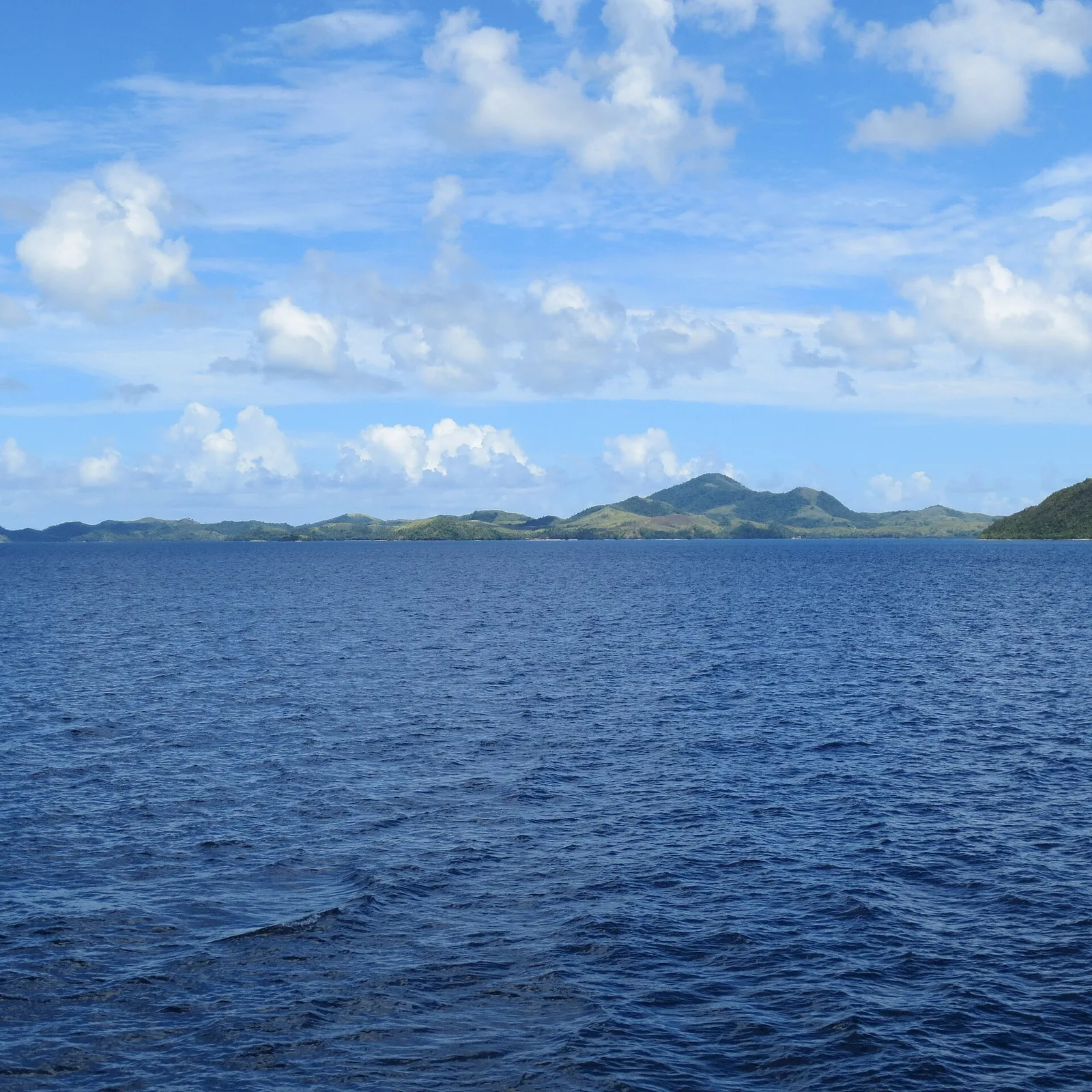
The Jellyfish Lagoon is part of the Sohoton Cove group of islands in Bucas Grande, a municipality also known as Socorro. Bucas Grande sits in the province of Surigao del Sur, on the eastern side of Mindanao, roughly a four-hour drive south of Surigao City and less than two hours by boat from the town of Dapa on Siargao Island. The entire cove is a national park, so access is controlled through a designated jump-off point and registration area. Most tours enter the cove through a narrow opening between the rocks, then pass into a calm inner lagoon surrounded by mangroves and karst walls.
Because the lagoon is inside a protected area, all visitors must be accompanied by a licensed guide or boat operator. Local boatmen know exactly where the jellyfish congregate and how to approach the lagoon quietly so the animals are not disturbed. The water is typically only a few meters deep, and the bottom is a mixture of white sand and sea grass that glows green in the sunlight.
How to Get to Bucas Grande and Sohoton Cove in 2026
Most travelers fly to Surigao City Airport or to Sayak Airport in Siargao, then transfer to a port. From Surigao City you can take a van or bus to the town of Hayanggabon, the main jump-off for Sohoton Cove, in about four to five hours. The land transfer passes through Surigao del Norte and Surigao del Sur, with good paved roads for most of the journey. From Hayanggabon, outrigger boats take roughly thirty minutes to reach the Sohoton Cove visitor center on Bucas Grande.
If you are already on Siargao, you can book a Sohoton day tour from Dapa or General Luna. The boat ride from Dapa to Sohoton takes around two hours each way and is usually run by Siargao-based operators. This is the easiest option if you want to see the Jellyfish Lagoon without arranging separate Mindanao transfers. The only trade-off is that the Siargao day tour is more expensive and depends on calm weather.
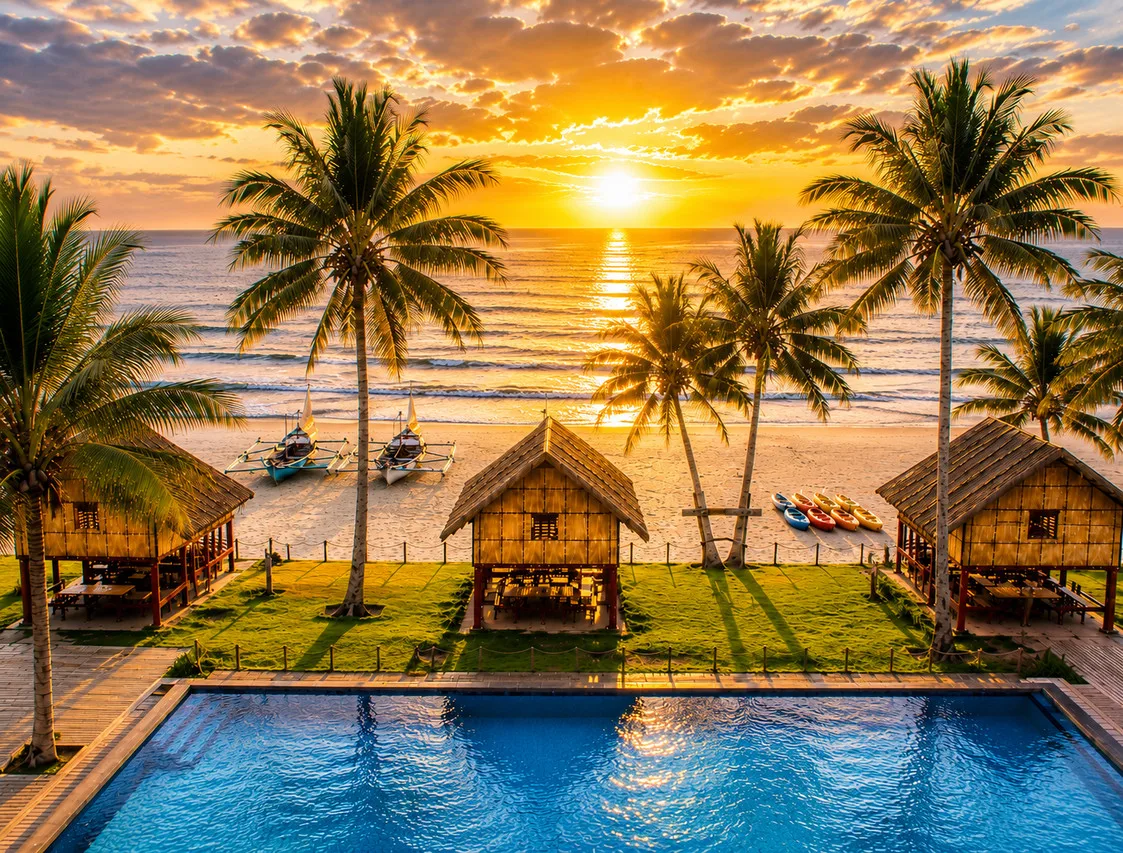
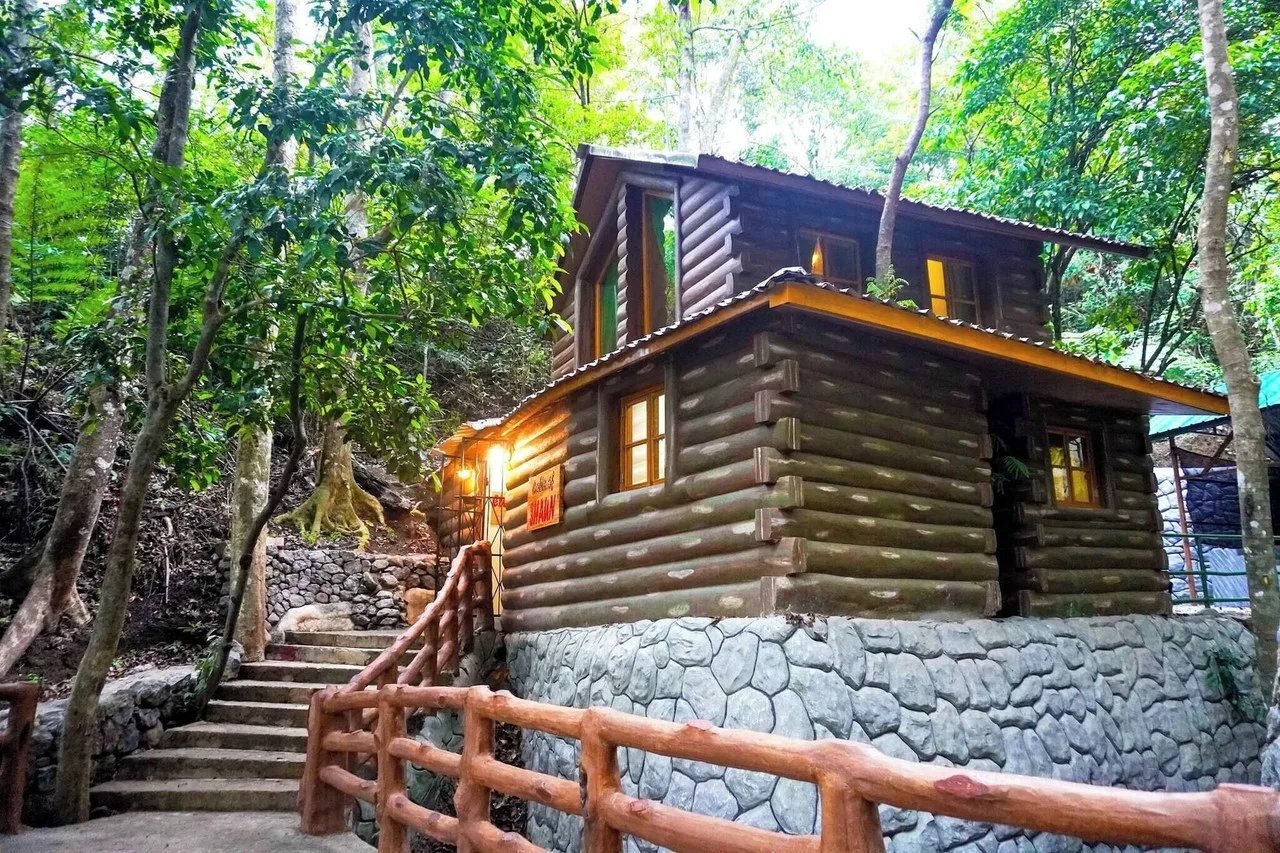
Another option is to stay in Socorro town proper. There are small inns, homestays, and a few budget hotels within walking distance of the local port. This is the best choice for photographers and nature lovers who want to be on the water at first light, before the Siargao day-trip boats arrive.
When to Visit for the Best Jellyfish Viewing
The dry season from March to May is the best window for jellyfish viewing. During these months the saltwater lake is calm and the jellyfish rise toward the surface in the morning and late afternoon. The animals are photosensitive and tend to move deeper when the sun is strongest, so plan your boat arrival for before nine in the morning or after three in the afternoon. June can still be productive, but rain and wind can lower visibility and make the narrow cove entrance rough.
October and November are outside the peak season and the jellyfish numbers are lower, though the cove itself is still beautiful. December to February is generally too cool and rainy for reliable jellyfish encounters. If you only have one chance to visit, choose late April or early May for the highest concentration of animals and the calmest seas.
What You Will Experience at the Jellyfish Lagoon
The first thing that strikes you is the silence. After the boat engine is switched off, you slide into warm, clear water and immediately see golden-brown jellyfish the size of dinner plates floating around you. They move slowly, propelled by tiny rhythmic pulses, and they often bump harmlessly against your arms and legs. It is one of the few places on Earth where you can share the water with millions of jellyfish without protective gear.
The experience is not about adrenaline. It is about stillness. Swimmers are asked to move gently and avoid splashing. The guide may also ask you to remove fins so you do not kick the animals. Snorkeling is allowed, but diving is not permitted because the deeper parts of the lake contain a hydrogen sulfide layer that can be dangerous to divers. A standard visit lasts between thirty and sixty minutes, which is plenty of time to take photos, float, and watch the jellyfish change depth with the light.
Other Spots Inside Sohoton Cove
Most Jellyfish Lagoon tickets include a full Sohoton Cove tour. After the lagoon, boats continue to the Hagukan Cave, where you can float into a dark chamber that glows with bioluminescence on certain nights. There is also the Magkukuob Cave, a short swim-through that leads to a small beach and a cliff-jumping point. The Tiktikan Lagoon is another saltwater lake used for kayaking and paddleboarding. These stops turn a jellyfish visit into a full day of cove exploration.
Lunch is usually served on one of the beaches or on the boat. Standard packages include grilled fish, rice, pork barbecue, and fresh tropical fruit. Vegetarian options are limited, so let your operator know in advance if you do not eat meat or seafood. Bring cash for tips, extra drinking water, and any snacks sold by local vendors at the registration area.
2026 Rates and Fees in Philippine Pesos
Prices change with fuel costs and park fees, but these are the most common rates quoted by Socorro tourism and local boat operators for the 2026 season. A small outrigger boat that holds one to four people costs around PHP 1,800 for the basic Sohoton Cove tour. A larger boat for five to ten guests is usually PHP 2,500 to PHP 3,000. The park environmental fee is PHP 50 per person, and the tour guide fee is around PHP 500 per group. If you add a Siargao pickup, expect to pay PHP 3,500 to PHP 4,500 per person for a join-in day tour.
Other costs to budget for include a light breakfast at the port, PHP 100 to PHP 200; a packed lunch, PHP 250 to PHP 400; and snorkeling mask rental, PHP 150 to PHP 200. A two-day, one-night homestay package on Bucas Grande starts around PHP 1,500 per person and includes meals, boat transfers, and the park tour. As always, confirm the final price with the operator before you pay, and ask whether the quote already includes the environmental fee.
What to Pack for the Jellyfish Lagoon
Pack light, reef-safe sunscreen, a reusable water bottle, and a dry bag. A rash guard is better than a full wetsuit because the water is warm and you want to avoid touching the jellyfish with loose fabric. Wear reef shoes or water socks to protect your feet on the rocky registration area and inside the caves. A wide-brimmed hat and a long-sleeve shirt will keep you from burning on the boat ride between stops.
Bring a waterproof camera or a phone in a waterproof case, but avoid flash photography because it can startle the jellyfish. A small amount of cash is essential because there are no ATMs on Bucas Grande. If you are prone to seasickness, take medication before the boat ride from Hayanggabon or Siargao, especially if the wind is up.
Safety and Etiquette on the Water
The jellyfish in the lagoon are safe to touch, but that does not mean they should be handled roughly. Touching them with gentle, open hands is usually tolerated, but scooping, grabbing, or lifting them out of the water is not allowed. The guide will explain the rules before you enter the water, and the boatman will anchor outside the jellyfish zone to avoid injuring the animals with the propeller.
Always wear a life vest when the boat is moving. Do not dive or free-dive in the lagoon. Do not leave trash on the beaches or inside the caves. The area is a national park, and local rangers monitor visitor behavior. If you are bringing children, keep them close and make sure they understand that splashing scares the jellyfish away. A calm, respectful approach gives everyone a better experience.
Frequently Asked Questions
Are the jellyfish in Bucas Grande really stingless?
Yes. The mastigias jellyfish in the Jellyfish Lagoon have lost most of their stinging cells because the enclosed lake has no predators. They are generally harmless to humans, but it is still best to touch them gently and avoid rubbing them on your face or eyes.
Can I visit the Jellyfish Lagoon on a day trip from Siargao?
Yes. Day trips from Siargao leave from Dapa or General Luna and take about two hours by boat each way. Prices usually range from PHP 3,500 to PHP 4,500 per person, including lunch and park fees.
What months can I see the most jellyfish?
The peak months are March, April, and May. The jellyfish are most active near the surface in the morning and late afternoon. Calm, sunny days produce the best visibility.
How much does a private boat cost from Socorro?
A private boat for up to four people is around PHP 1,800 for a basic Sohoton Cove tour, while larger boats for five to ten guests are PHP 2,500 to PHP 3,000. Park and guide fees are added on top.
Is there accommodation on Bucas Grande?
Yes. Homestays and small inns in Socorro town and on nearby islands offer overnight packages starting at PHP 1,500 per person per night, including meals and the park tour.
Plan Your Trip With Pana
Ready to swim with the stingless jellyfish? Start by browsing Philippine destinations to compare Surigao del Sur with other island-hopping regions. Once you have chosen your dates, look at tours to book a guided Sohoton Cove package. Find the best hotels in Surigao City, Siargao, or Socorro, and read more blog articles about Mindanao and the Visayas.
Sources
Article 107. Originally published for Pana in 2026. Written by the Pana Visayas desk and reviewed by Pana editorial. Prices and schedules are based on 2026 operator rates and are subject to change without notice.
Why Bucas Grande Belongs on Your 2026 Itinerary
Bucas Grande in Socorro, Surigao del Sur, is one of the quietest but most rewarding island-hopping destinations in the Philippines. The main attraction is the Jellyfish Lagoon, a shallow marine lake hidden inside Sohoton Cove National Park. From March through May, millions of spotted jellyfish migrate to the surface of the lagoon and drift between the mangroves and limestone walls. Unlike the stinging box jellyfish found in open water, the mastigias jellyfish in this lagoon have evolved without a sting because they have no predators inside the enclosed lake. That means visitors can swim and snorkel among them without worrying about painful contact.
At Pana we have talked with local boatmen, reviewed municipal tourism schedules, and cross-checked 2026 rates before publishing this guide. The author is the Pana Visayas desk, which covers island destinations in the Visayas and northeastern Mindanao corridor, and the article has been reviewed by Pana editorial for accuracy. Everything in this post reflects the latest information available for the 2026 travel season, including real prices in Philippine pesos.
Where is the Jellyfish Lagoon
The Jellyfish Lagoon is part of the Sohoton Cove group of islands in Bucas Grande, a municipality also known as Socorro. Bucas Grande sits in the province of Surigao del Sur, on the eastern side of Mindanao, roughly a four-hour drive south of Surigao City and less than two hours by boat from the town of Dapa on Siargao Island. The entire cove is a national park, so access is controlled through a designated jump-off point and registration area. Most tours enter the cove through a narrow opening between the rocks, then pass into a calm inner lagoon surrounded by mangroves and karst walls.
Because the lagoon is inside a protected area, all visitors must be accompanied by a licensed guide or boat operator. Local boatmen know exactly where the jellyfish congregate and how to approach the lagoon quietly so the animals are not disturbed. The water is typically only a few meters deep, and the bottom is a mixture of white sand and sea grass that glows green in the sunlight.
How to Get to Bucas Grande and Sohoton Cove in 2026
Most travelers fly to Surigao City Airport or to Sayak Airport in Siargao, then transfer to a port. From Surigao City you can take a van or bus to the town of Hayanggabon, the main jump-off for Sohoton Cove, in about four to five hours. The land transfer passes through Surigao del Norte and Surigao del Sur, with good paved roads for most of the journey. From Hayanggabon, outrigger boats take roughly thirty minutes to reach the Sohoton Cove visitor center on Bucas Grande.
If you are already on Siargao, you can book a Sohoton day tour from Dapa or General Luna. The boat ride from Dapa to Sohoton takes around two hours each way and is usually run by Siargao-based operators. This is the easiest option if you want to see the Jellyfish Lagoon without arranging separate Mindanao transfers. The only trade-off is that the Siargao day tour is more expensive and depends on calm weather.
Another option is to stay in Socorro town proper. There are small inns, homestays, and a few budget hotels within walking distance of the local port. This is the best choice for photographers and nature lovers who want to be on the water at first light, before the Siargao day-trip boats arrive.
When to Visit for the Best Jellyfish Viewing
The dry season from March to May is the best window for jellyfish viewing. During these months the saltwater lake is calm and the jellyfish rise toward the surface in the morning and late afternoon. The animals are photosensitive and tend to move deeper when the sun is strongest, so plan your boat arrival for before nine in the morning or after three in the afternoon. June can still be productive, but rain and wind can lower visibility and make the narrow cove entrance rough.
October and November are outside the peak season and the jellyfish numbers are lower, though the cove itself is still beautiful. December to February is generally too cool and rainy for reliable jellyfish encounters. If you only have one chance to visit, choose late April or early May for the highest concentration of animals and the calmest seas.
What You Will Experience at the Jellyfish Lagoon
The first thing that strikes you is the silence. After the boat engine is switched off, you slide into warm, clear water and immediately see golden-brown jellyfish the size of dinner plates floating around you. They move slowly, propelled by tiny rhythmic pulses, and they often bump harmlessly against your arms and legs. It is one of the few places on Earth where you can share the water with millions of jellyfish without protective gear.
The experience is not about adrenaline. It is about stillness. Swimmers are asked to move gently and avoid splashing. The guide may also ask you to remove fins so you do not kick the animals. Snorkeling is allowed, but diving is not permitted because the deeper parts of the lake contain a hydrogen sulfide layer that can be dangerous to divers. A standard visit lasts between thirty and sixty minutes, which is plenty of time to take photos, float, and watch the jellyfish change depth with the light.
Other Spots Inside Sohoton Cove
Most Jellyfish Lagoon tickets include a full Sohoton Cove tour. After the lagoon, boats continue to the Hagukan Cave, where you can float into a dark chamber that glows with bioluminescence on certain nights. There is also the Magkukuob Cave, a short swim-through that leads to a small beach and a cliff-jumping point. The Tiktikan Lagoon is another saltwater lake used for kayaking and paddleboarding. These stops turn a jellyfish visit into a full day of cove exploration.
Lunch is usually served on one of the beaches or on the boat. Standard packages include grilled fish, rice, pork barbecue, and fresh tropical fruit. Vegetarian options are limited, so let your operator know in advance if you do not eat meat or seafood. Bring cash for tips, extra drinking water, and any snacks sold by local vendors at the registration area.
2026 Rates and Fees in Philippine Pesos
Prices change with fuel costs and park fees, but these are the most common rates quoted by Socorro tourism and local boat operators for the 2026 season. A small outrigger boat that holds one to four people costs around PHP 1,800 for the basic Sohoton Cove tour. A larger boat for five to ten guests is usually PHP 2,500 to PHP 3,000. The park environmental fee is PHP 50 per person, and the tour guide fee is around PHP 500 per group. If you add a Siargao pickup, expect to pay PHP 3,500 to PHP 4,500 per person for a join-in day tour.
Other costs to budget for include a light breakfast at the port, PHP 100 to PHP 200; a packed lunch, PHP 250 to PHP 400; and snorkeling mask rental, PHP 150 to PHP 200. A two-day, one-night homestay package on Bucas Grande starts around PHP 1,500 per person and includes meals, boat transfers, and the park tour. As always, confirm the final price with the operator before you pay, and ask whether the quote already includes the environmental fee.
What to Pack for the Jellyfish Lagoon
Pack light, reef-safe sunscreen, a reusable water bottle, and a dry bag. A rash guard is better than a full wetsuit because the water is warm and you want to avoid touching the jellyfish with loose fabric. Wear reef shoes or water socks to protect your feet on the rocky registration area and inside the caves. A wide-brimmed hat and a long-sleeve shirt will keep you from burning on the boat ride between stops.
Bring a waterproof camera or a phone in a waterproof case, but avoid flash photography because it can startle the jellyfish. A small amount of cash is essential because there are no ATMs on Bucas Grande. If you are prone to seasickness, take medication before the boat ride from Hayanggabon or Siargao, especially if the wind is up.
Safety and Etiquette on the Water
The jellyfish in the lagoon are safe to touch, but that does not mean they should be handled roughly. Touching them with gentle, open hands is usually tolerated, but scooping, grabbing, or lifting them out of the water is not allowed. The guide will explain the rules before you enter the water, and the boatman will anchor outside the jellyfish zone to avoid injuring the animals with the propeller.
Always wear a life vest when the boat is moving. Do not dive or free-dive in the lagoon. Do not leave trash on the beaches or inside the caves. The area is a national park, and local rangers monitor visitor behavior. If you are bringing children, keep them close and make sure they understand that splashing scares the jellyfish away. A calm, respectful approach gives everyone a better experience.
Frequently Asked Questions
Are the jellyfish in Bucas Grande really stingless?
Yes. The mastigias jellyfish in the Jellyfish Lagoon have lost most of their stinging cells because the enclosed lake has no predators. They are generally harmless to humans, but it is still best to touch them gently and avoid rubbing them on your face or eyes.
Can I visit the Jellyfish Lagoon on a day trip from Siargao?
Yes. Day trips from Siargao leave from Dapa or General Luna and take about two hours by boat each way. Prices usually range from PHP 3,500 to PHP 4,500 per person, including lunch and park fees.
What months can I see the most jellyfish?
The peak months are March, April, and May. The jellyfish are most active near the surface in the morning and late afternoon. Calm, sunny days produce the best visibility.
How much does a private boat cost from Socorro?
A private boat for up to four people is around PHP 1,800 for a basic Sohoton Cove tour, while larger boats for five to ten guests are PHP 2,500 to PHP 3,000. Park and guide fees are added on top.
Is there accommodation on Bucas Grande?
Yes. Homestays and small inns in Socorro town and on nearby islands offer overnight packages starting at PHP 1,500 per person per night, including meals and the park tour.
Plan Your Trip With Pana
Ready to swim with the stingless jellyfish? Start by browsing Philippine destinations to compare Surigao del Sur with other island-hopping regions. Once you have chosen your dates, look at tours to book a guided Sohoton Cove package. Find the best hotels in Surigao City, Siargao, or Socorro, and read more blog articles about Mindanao and the Visayas.
Sources
Article 107. Originally published for Pana in 2026. Written by the Pana Visayas desk and reviewed by Pana editorial. Prices and schedules are based on 2026 operator rates and are subject to change without notice.
Why Bucas Grande Belongs on Your 2026 Itinerary
Bucas Grande in Socorro, Surigao del Sur, is one of the quietest but most rewarding island-hopping destinations in the Philippines. The main attraction is the Jellyfish Lagoon, a shallow marine lake hidden inside Sohoton Cove National Park. From March through May, millions of spotted jellyfish migrate to the surface of the lagoon and drift between the mangroves and limestone walls. Unlike the stinging box jellyfish found in open water, the mastigias jellyfish in this lagoon have evolved without a sting because they have no predators inside the enclosed lake. That means visitors can swim and snorkel among them without worrying about painful contact.
At Pana we have talked with local boatmen, reviewed municipal tourism schedules, and cross-checked 2026 rates before publishing this guide. The author is the Pana Visayas desk, which covers island destinations in the Visayas and northeastern Mindanao corridor, and the article has been reviewed by Pana editorial for accuracy. Everything in this post reflects the latest information available for the 2026 travel season, including real prices in Philippine pesos.
Where is the Jellyfish Lagoon
The Jellyfish Lagoon is part of the Sohoton Cove group of islands in Bucas Grande, a municipality also known as Socorro. Bucas Grande sits in the province of Surigao del Sur, on the eastern side of Mindanao, roughly a four-hour drive south of Surigao City and less than two hours by boat from the town of Dapa on Siargao Island. The entire cove is a national park, so access is controlled through a designated jump-off point and registration area. Most tours enter the cove through a narrow opening between the rocks, then pass into a calm inner lagoon surrounded by mangroves and karst walls.
Because the lagoon is inside a protected area, all visitors must be accompanied by a licensed guide or boat operator. Local boatmen know exactly where the jellyfish congregate and how to approach the lagoon quietly so the animals are not disturbed. The water is typically only a few meters deep, and the bottom is a mixture of white sand and sea grass that glows green in the sunlight.
How to Get to Bucas Grande and Sohoton Cove in 2026
Most travelers fly to Surigao City Airport or to Sayak Airport in Siargao, then transfer to a port. From Surigao City you can take a van or bus to the town of Hayanggabon, the main jump-off for Sohoton Cove, in about four to five hours. The land transfer passes through Surigao del Norte and Surigao del Sur, with good paved roads for most of the journey. From Hayanggabon, outrigger boats take roughly thirty minutes to reach the Sohoton Cove visitor center on Bucas Grande.
If you are already on Siargao, you can book a Sohoton day tour from Dapa or General Luna. The boat ride from Dapa to Sohoton takes around two hours each way and is usually run by Siargao-based operators. This is the easiest option if you want to see the Jellyfish Lagoon without arranging separate Mindanao transfers. The only trade-off is that the Siargao day tour is more expensive and depends on calm weather.
Another option is to stay in Socorro town proper. There are small inns, homestays, and a few budget hotels within walking distance of the local port. This is the best choice for photographers and nature lovers who want to be on the water at first light, before the Siargao day-trip boats arrive.
When to Visit for the Best Jellyfish Viewing
The dry season from March to May is the best window for jellyfish viewing. During these months the saltwater lake is calm and the jellyfish rise toward the surface in the morning and late afternoon. The animals are photosensitive and tend to move deeper when the sun is strongest, so plan your boat arrival for before nine in the morning or after three in the afternoon. June can still be productive, but rain and wind can lower visibility and make the narrow cove entrance rough.
October and November are outside the peak season and the jellyfish numbers are lower, though the cove itself is still beautiful. December to February is generally too cool and rainy for reliable jellyfish encounters. If you only have one chance to visit, choose late April or early May for the highest concentration of animals and the calmest seas.
What You Will Experience at the Jellyfish Lagoon
The first thing that strikes you is the silence. After the boat engine is switched off, you slide into warm, clear water and immediately see golden-brown jellyfish the size of dinner plates floating around you. They move slowly, propelled by tiny rhythmic pulses, and they often bump harmlessly against your arms and legs. It is one of the few places on Earth where you can share the water with millions of jellyfish without protective gear.
The experience is not about adrenaline. It is about stillness. Swimmers are asked to move gently and avoid splashing. The guide may also ask you to remove fins so you do not kick the animals. Snorkeling is allowed, but diving is not permitted because the deeper parts of the lake contain a hydrogen sulfide layer that can be dangerous to divers. A standard visit lasts between thirty and sixty minutes, which is plenty of time to take photos, float, and watch the jellyfish change depth with the light.
Other Spots Inside Sohoton Cove
Most Jellyfish Lagoon tickets include a full Sohoton Cove tour. After the lagoon, boats continue to the Hagukan Cave, where you can float into a dark chamber that glows with bioluminescence on certain nights. There is also the Magkukuob Cave, a short swim-through that leads to a small beach and a cliff-jumping point. The Tiktikan Lagoon is another saltwater lake used for kayaking and paddleboarding. These stops turn a jellyfish visit into a full day of cove exploration.
Lunch is usually served on one of the beaches or on the boat. Standard packages include grilled fish, rice, pork barbecue, and fresh tropical fruit. Vegetarian options are limited, so let your operator know in advance if you do not eat meat or seafood. Bring cash for tips, extra drinking water, and any snacks sold by local vendors at the registration area.
2026 Rates and Fees in Philippine Pesos
Prices change with fuel costs and park fees, but these are the most common rates quoted by Socorro tourism and local boat operators for the 2026 season. A small outrigger boat that holds one to four people costs around PHP 1,800 for the basic Sohoton Cove tour. A larger boat for five to ten guests is usually PHP 2,500 to PHP 3,000. The park environmental fee is PHP 50 per person, and the tour guide fee is around PHP 500 per group. If you add a Siargao pickup, expect to pay PHP 3,500 to PHP 4,500 per person for a join-in day tour.
Other costs to budget for include a light breakfast at the port, PHP 100 to PHP 200; a packed lunch, PHP 250 to PHP 400; and snorkeling mask rental, PHP 150 to PHP 200. A two-day, one-night homestay package on Bucas Grande starts around PHP 1,500 per person and includes meals, boat transfers, and the park tour. As always, confirm the final price with the operator before you pay, and ask whether the quote already includes the environmental fee.
What to Pack for the Jellyfish Lagoon
Pack light, reef-safe sunscreen, a reusable water bottle, and a dry bag. A rash guard is better than a full wetsuit because the water is warm and you want to avoid touching the jellyfish with loose fabric. Wear reef shoes or water socks to protect your feet on the rocky registration area and inside the caves. A wide-brimmed hat and a long-sleeve shirt will keep you from burning on the boat ride between stops.
Bring a waterproof camera or a phone in a waterproof case, but avoid flash photography because it can startle the jellyfish. A small amount of cash is essential because there are no ATMs on Bucas Grande. If you are prone to seasickness, take medication before the boat ride from Hayanggabon or Siargao, especially if the wind is up.
Safety and Etiquette on the Water
The jellyfish in the lagoon are safe to touch, but that does not mean they should be handled roughly. Touching them with gentle, open hands is usually tolerated, but scooping, grabbing, or lifting them out of the water is not allowed. The guide will explain the rules before you enter the water, and the boatman will anchor outside the jellyfish zone to avoid injuring the animals with the propeller.
Always wear a life vest when the boat is moving. Do not dive or free-dive in the lagoon. Do not leave trash on the beaches or inside the caves. The area is a national park, and local rangers monitor visitor behavior. If you are bringing children, keep them close and make sure they understand that splashing scares the jellyfish away. A calm, respectful approach gives everyone a better experience.
Frequently Asked Questions
Are the jellyfish in Bucas Grande really stingless?
Yes. The mastigias jellyfish in the Jellyfish Lagoon have lost most of their stinging cells because the enclosed lake has no predators. They are generally harmless to humans, but it is still best to touch them gently and avoid rubbing them on your face or eyes.
Can I visit the Jellyfish Lagoon on a day trip from Siargao?
Yes. Day trips from Siargao leave from Dapa or General Luna and take about two hours by boat each way. Prices usually range from PHP 3,500 to PHP 4,500 per person, including lunch and park fees.
What months can I see the most jellyfish?
The peak months are March, April, and May. The jellyfish are most active near the surface in the morning and late afternoon. Calm, sunny days produce the best visibility.
How much does a private boat cost from Socorro?
A private boat for up to four people is around PHP 1,800 for a basic Sohoton Cove tour, while larger boats for five to ten guests are PHP 2,500 to PHP 3,000. Park and guide fees are added on top.
Is there accommodation on Bucas Grande?
Yes. Homestays and small inns in Socorro town and on nearby islands offer overnight packages starting at PHP 1,500 per person per night, including meals and the park tour.
Plan Your Trip With Pana
Ready to swim with the stingless jellyfish? Start by browsing Philippine destinations to compare Surigao del Sur with other island-hopping regions. Once you have chosen your dates, look at tours to book a guided Sohoton Cove package. Find the best hotels in Surigao City, Siargao, or Socorro, and read more blog articles about Mindanao and the Visayas.
Sources