The island that defines the Philippine beach
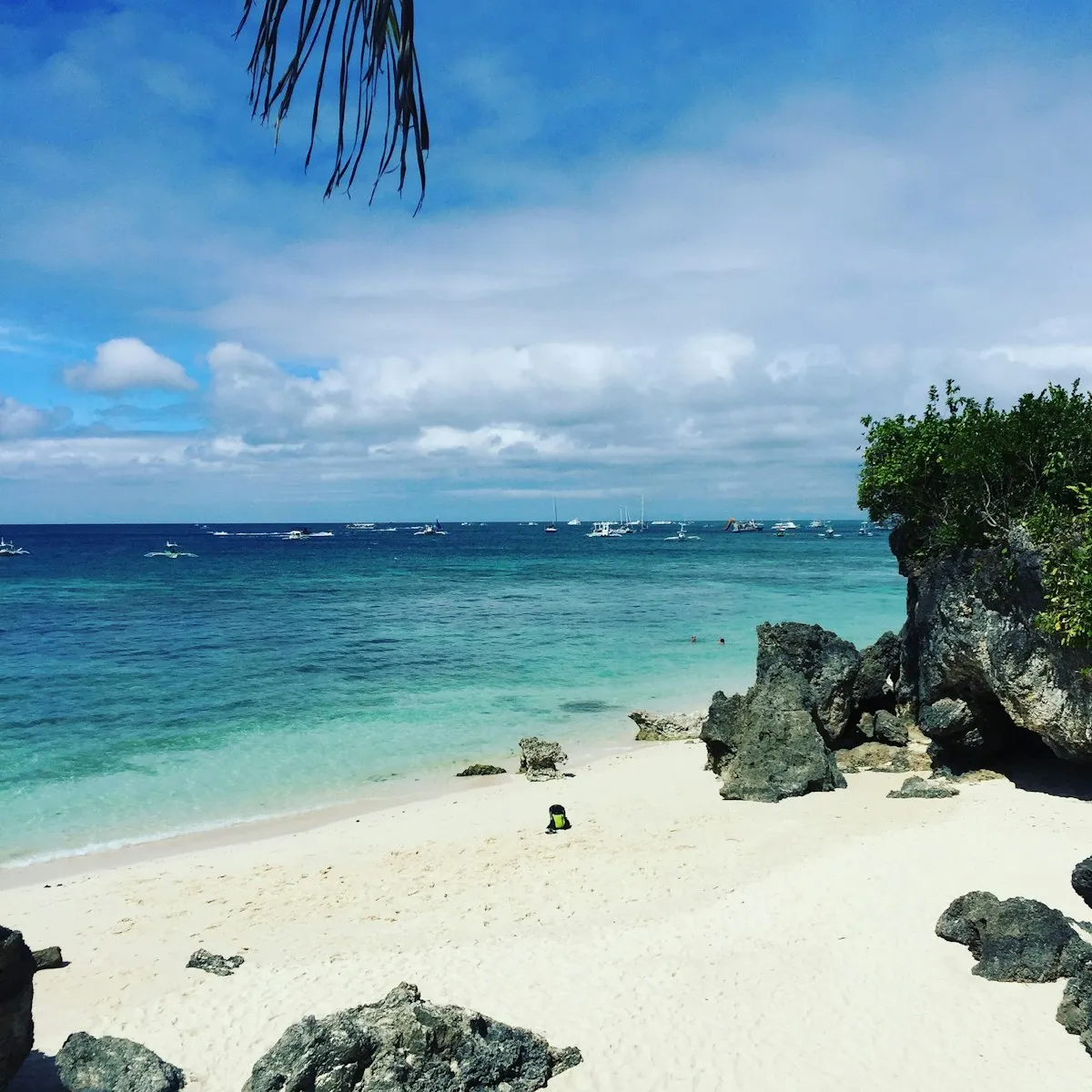
Boracay's White Beach - four kilometres of powder-soft sand and clear, shallow water - is regularly ranked among the best beaches in the world. After a major clean-up and rehabilitation, the island returned refreshed, with stricter rules that keep the sand pristine. Small enough to walk across yet packed with things to do, Boracay is the Philippines' most polished beach escape.
White Beach and the stations
White Beach is loosely divided into Stations 1, 2 and 3. Station 1 has the widest sand and upscale resorts, Station 2 is the lively centre with shops and restaurants, and Station 3 is quieter and more budget-friendly. The beachfront path links them all, and the famous sunset - best enjoyed from a traditional paraw sailboat - is a nightly ritual.
Things to do
On the water
Island-hopping tours visit snorkelling spots, crystal-clear kayaking shallows and hidden coves, often with a beach buffet. Try the classic paraw sail, parasailing, diving, or a helmet-diving walk on the seabed. Puka Shell Beach on the north end offers a wilder, quieter alternative to White Beach.
After dark
Evenings bring beachfront dining, live music and the island's signature fire-dancing shows. Boracay does nightlife well without losing its laid-back beach-town heart.
Beyond White Beach
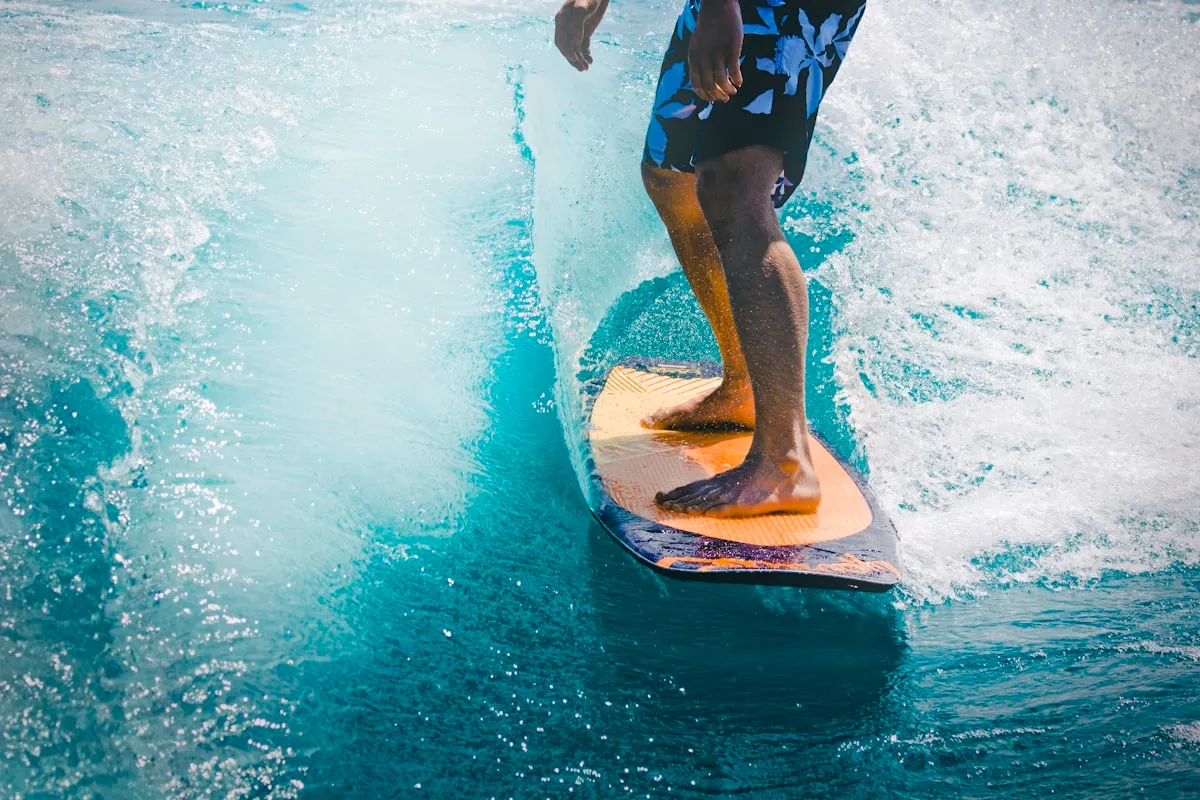
The island has more than its famous strip. Bulabog Beach on the east side is a world-class kitesurfing and windsurfing spot during the habagat season, Diniwid Beach next to Station 1 is a quieter cove, and inland you can try an ATV or e-trike land tour up to Mount Luho for island-wide views. Cliff diving at Ariel's Point (a boat ride away) is a popular half-day adventure.
Getting there and practical tips
Fly into Caticlan (closest) or Kalibo, then transfer by van and a short ferry to the island. An environmental fee and terminal fees apply on arrival. Boracay is good much of the year, with the calmest seas and driest weather from around November to May; the habagat season can bring seaweed and rougher water to White Beach, when the eastern Bulabog beach becomes the wind-sports hub.
Frequently asked questions
How do you get to Boracay?
Boracay has no airport of its own. You fly into Caticlan (the closest, about a 15-minute transfer to the jetty) or Kalibo (around two hours away), then take a short bangka or fast-craft ferry across to the island, followed by a quick van or tricycle ride to your hotel. Environmental and terminal fees apply on arrival.
Which station should I stay in on White Beach?
Station 1 has the widest, most beautiful sand and higher-end resorts; Station 2 is the vibrant heart with the most shops, restaurants and nightlife; and Station 3 is quieter and better value. Choose Station 1 or 3 for a calmer stay and Station 2 if you want to be in the middle of the action.
What is there to do in Boracay besides the beach?
Plenty: island-hopping and snorkelling tours, crystal-kayaking, paraw sailing at sunset, parasailing, scuba and helmet diving, and trips to quieter Puka Beach. In the windy season, Bulabog Beach is a top spot for kitesurfing and windsurfing. Evenings bring beachfront dining and fire-dancing shows.
When is the best time to visit Boracay?
The dry, calm months from roughly November to May are best for White Beach, with clear water and reliable sunshine (December to April are peak). During the habagat (southwest monsoon) months, White Beach can get seaweed and choppier water, but the island's eastern side comes alive for wind sports.
Is Boracay expensive?
Boracay spans all budgets. Station 3 guesthouses, local eateries and shared tours keep costs modest, while Station 1 resorts, fine dining and private boats push prices up. Factor in the arrival fees and ferry transfers. Booking accommodation and tours ahead in peak season helps secure better rates.
Is Boracay family friendly?
Yes. The shallow, calm water of White Beach is ideal for children, and there are gentle activities like crystal-kayaking, glass-bottom boats and beach time to suit all ages. Many resorts cater to families, and the compact, walkable layout makes getting around with kids easy. Just keep an eye on sun exposure and the midday heat.
How many days should I spend in Boracay?
Three to four days is a comfortable stay: enough for beach time, a sunset paraw sail, an island-hopping or snorkelling tour, and a half-day adventure like an ATV land tour or a trip to Puka Beach, without feeling rushed. If you just want to relax on White Beach and unwind, even two nights makes a worthwhile escape.
Can you see the Boracay sunset from the beach?
Yes - the White Beach sunset is one of the island's signature experiences, best enjoyed from the sand with a cold drink or from the deck of a traditional paraw sailboat gliding offshore. Arrive a little before the sun drops to find a good spot, as the beachfront fills up nightly for the show, which is often followed by fire-dancing performances.
Plan your trip with PANA.PH
Ready to turn Boracay into a real itinerary? Browse our tours and activities for guided island hopping, canyoneering, diving and day trips, compare places to stay, and read more destination guides on the PANA.PH blog. Crystal-kayak island hopping, sunset paraw sails and fire-dancing nights - our Boracay tours cover the lot.
The best Philippine trips come together when the big pieces are booked early - flights between islands, the headline tours, and rooms in peak season - while the small pleasures are left to discover on the ground. Travel in the dry season (roughly late November to May) for the calmest seas and clearest skies, carry enough cash for island fees and local eateries, and always keep a buffer day in case the weather reshuffles a boat trip. A little planning around the seasons and the logistics turns a good holiday into a great one.
PANA.PH gathers the best of the Philippines in one place - handpicked tours from trusted local operators, honest guides written to help rather than sell, and practical tips drawn from real island travel - so you can spend less time organising and more time actually exploring. Whether you are chasing beaches, reefs, waterfalls, food or culture, use the links above to shape your route, then book with confidence and let the islands take care of the rest.