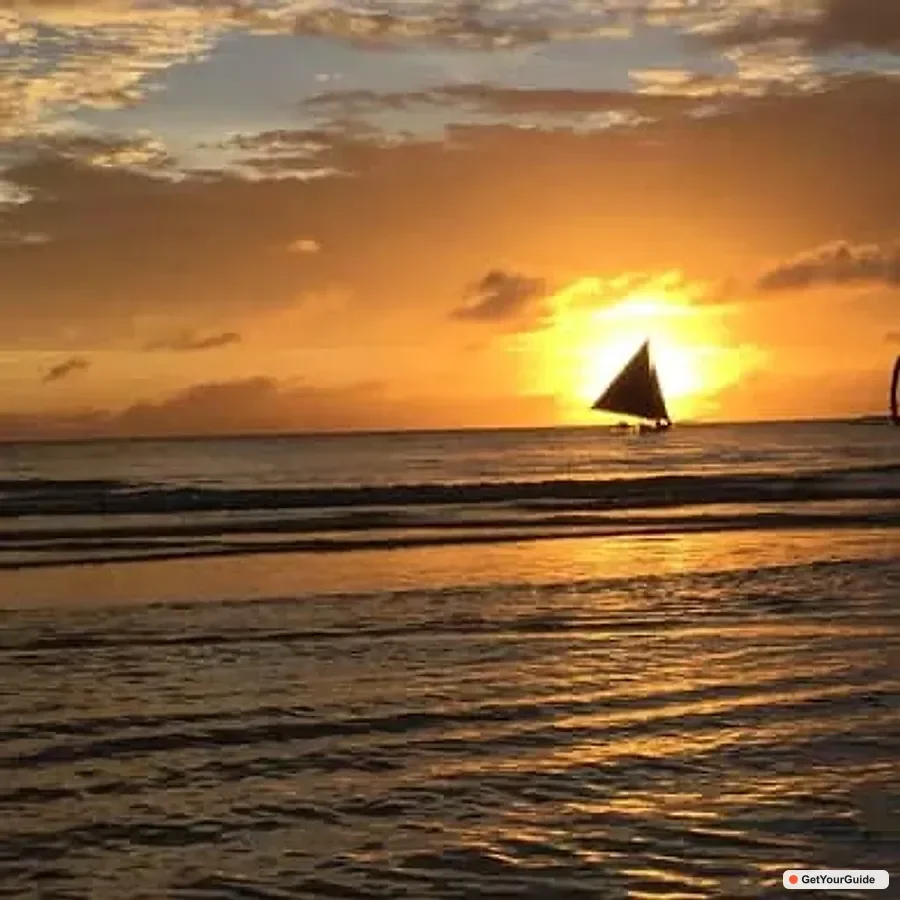
Most visitors to Boracay never venture far from the powdery sand of White Beach, but the island holds an entirely different face once you climb aboard a compact electric trike and head north. The Boracay Land Tour by Electric Trike is a two-hour circuit that trades the beach promenade for winding inland paths, a wind-swept shell beach on the northern tip, a viewpoint perched above the Sibuyan Sea, and the quiet corridors of a coastal mangrove reserve. The trike hums almost silently - a practical result of Boracay's ban on combustion engines, introduced after the island's landmark rehabilitation closure in 2018 - making the ride itself part of the appeal. You hear birds, the rustle of coconut palms, and the distant roll of surf rather than exhaust.
Trip.com
Hotels in Philippines
Compare live prices via Travelpayouts — targeted for this guide.
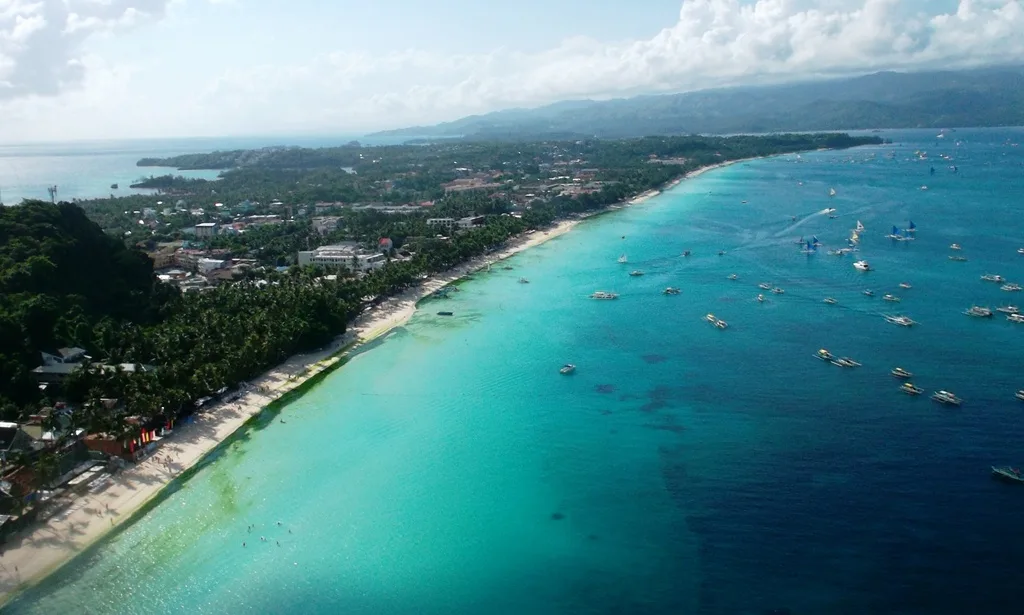
Boracay is a small island in the province of Aklan, roughly seven kilometers long and just over one kilometer wide at its broadest point, lying off the northwestern tip of Panay Island. Despite its modest size, the terrain varies considerably. The western coast - home to White Beach and Station 1, 2, and 3 - is calm, sheltered, and developed. The eastern shore faces Bulabog Beach, the site of Boracay's world-class kitesurfing, where the Amihan (northeast monsoon) pushes steady winds from October through April. The interior rises into low forested hills, and the far northern end of the island transitions from resort development into scrub woodland and open shoreline.
That northern tip is where Puka Shell Beach sits. Unlike White Beach, Puka is not raked smooth each morning by resort staff. It is a natural beach, roughly 800 meters long, covered in larger shells and coral fragments - including the small white puka shells that were Boracay's original export before mass tourism arrived. Waves here are stronger and the shore steeper, making it a swimming spot for confident swimmers rather than a calm wading beach, but the scenery is raw and the crowds are thin compared to the main strip.
The Route: What to Expect Stop by Stop
Boracay Newcoast
Most tours begin with a pass through or stop at Boracay Newcoast, the large integrated resort development on the northeastern side of the island that was built on former agricultural land. The scale of the complex - hotels, a commercial strip, open plazas - gives a useful reference point for how much of the island's northern end has been reshaped in the past decade. It also offers an elevated vantage across the channel toward the Aklan coastline of Panay.
Trip.com
Tours & activities in Philippines
Hand-picked experiences in Philippines — book on Trip.com with instant confirmation.
The trike continues to Puka Shell Beach, typically the most photographed stop on the route. The beach faces west-northwest, making it a strong choice for late-afternoon light, though tours typically run in the morning or early afternoon when the path through the island's interior is more comfortable in the shade. The shells underfoot - rounded by wave action over centuries - are the defining texture of the place. Swimming is possible but read the conditions; waves can be choppy on north-facing days.
Mount Luho and the Highest Point
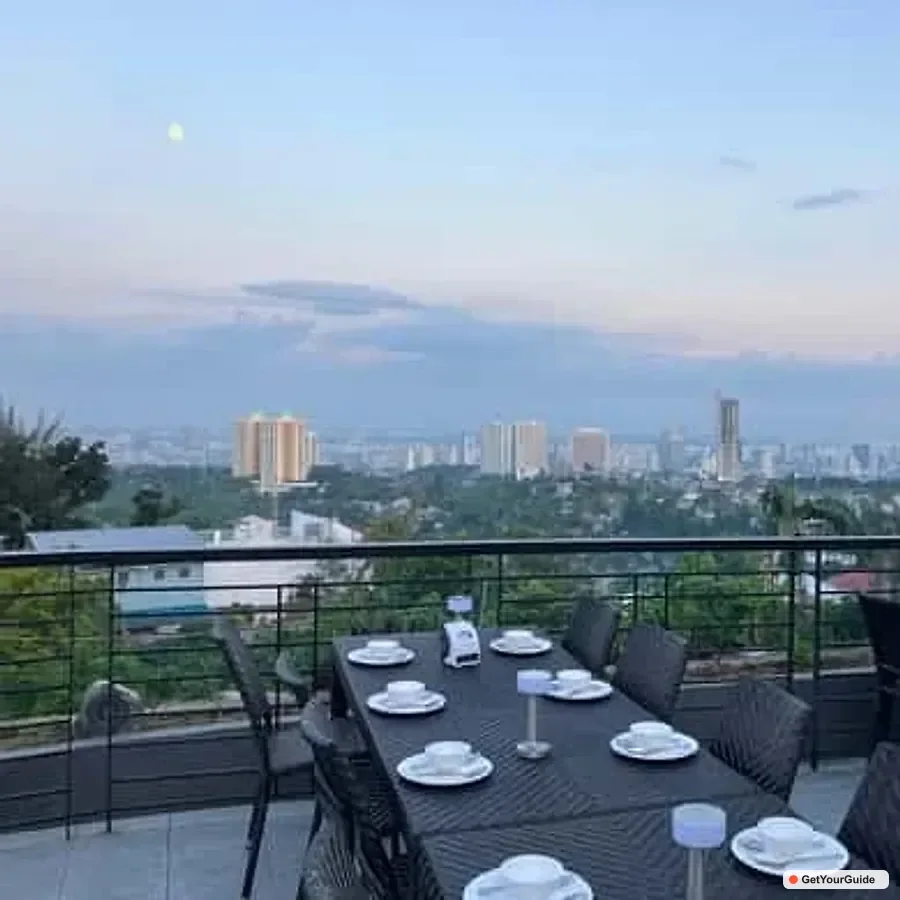
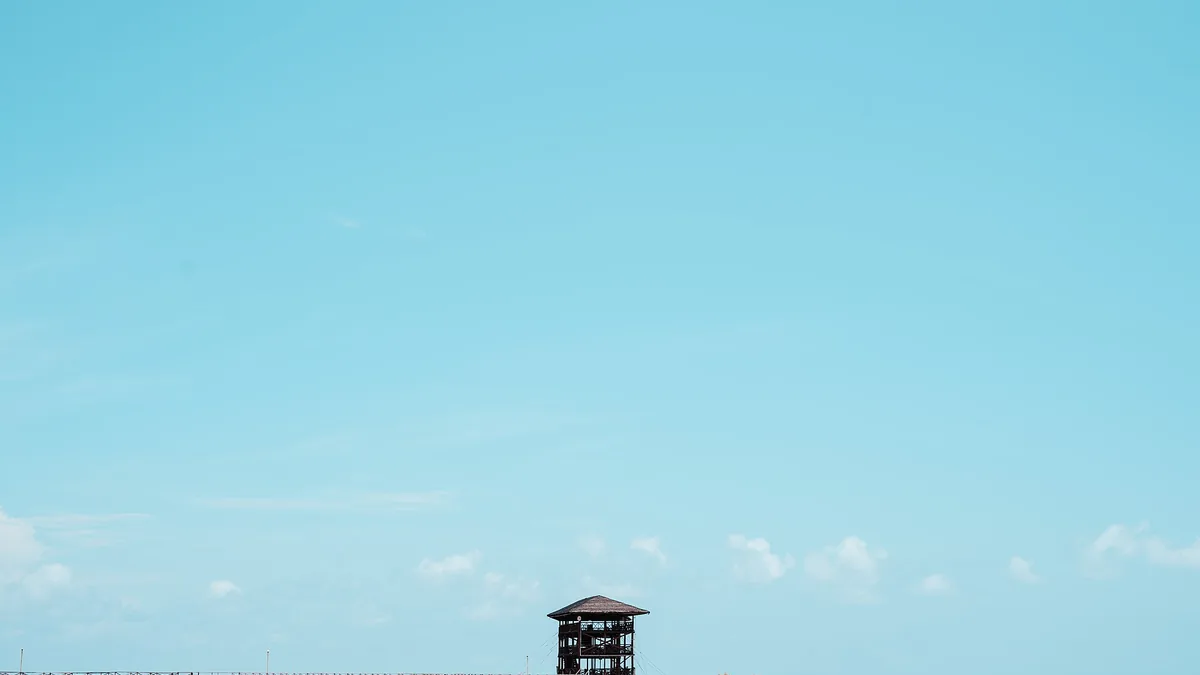
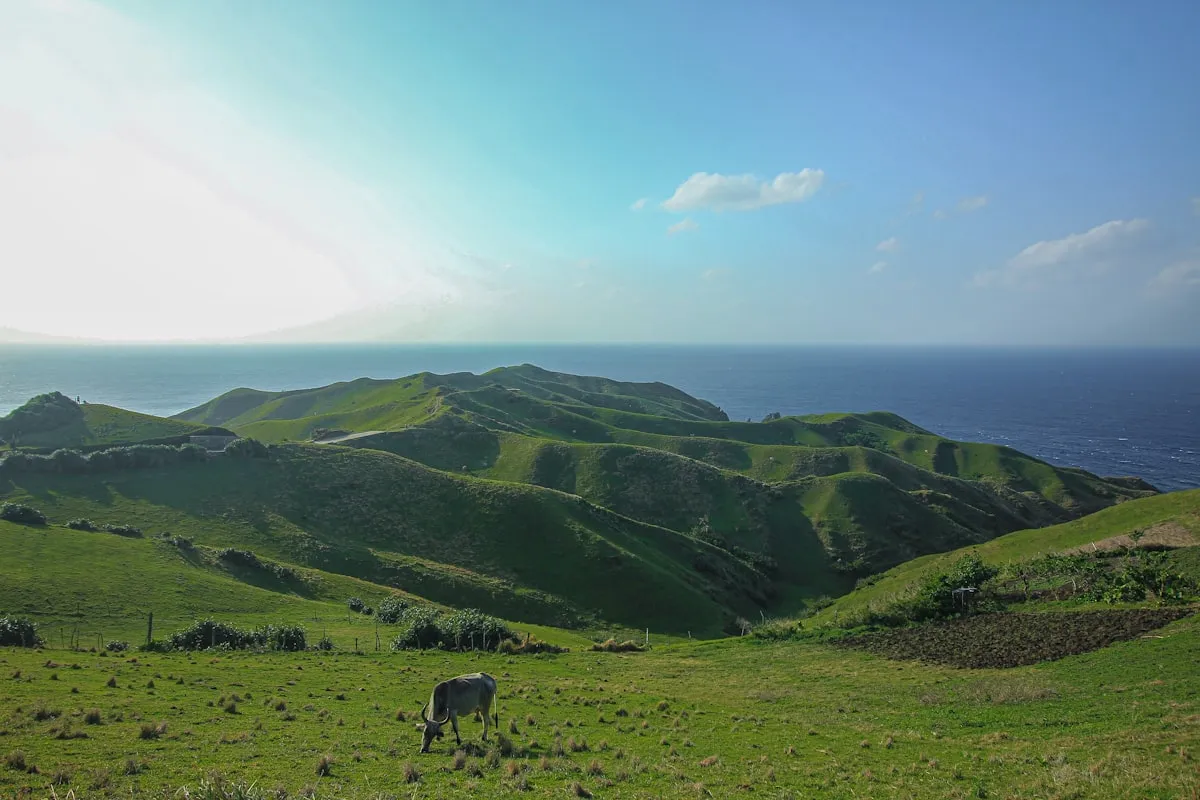
Mount Luho, at roughly 100 meters above sea level, is the highest accessible point on Boracay. A viewing tower at the summit extends the sightline further. On a clear day the panorama takes in the full length of the island from north to south - the white ribbon of White Beach to the west, the kite-dotted horizon over Bulabog to the east, and the Visayan Sea in multiple directions. The hill itself is covered in secondary forest, and the road to the top winds past small farms and native vegetation that most beach-side visitors never see.
The Luho stop also puts Boracay's geography into perspective in a way that ground-level beach time never quite does. You can trace the narrow land bridge connecting the north and south ends of the island, see how close the two coasts actually are, and appreciate why storm surges have periodically threatened to cut the island entirely during severe typhoon seasons.
Mangrove Park
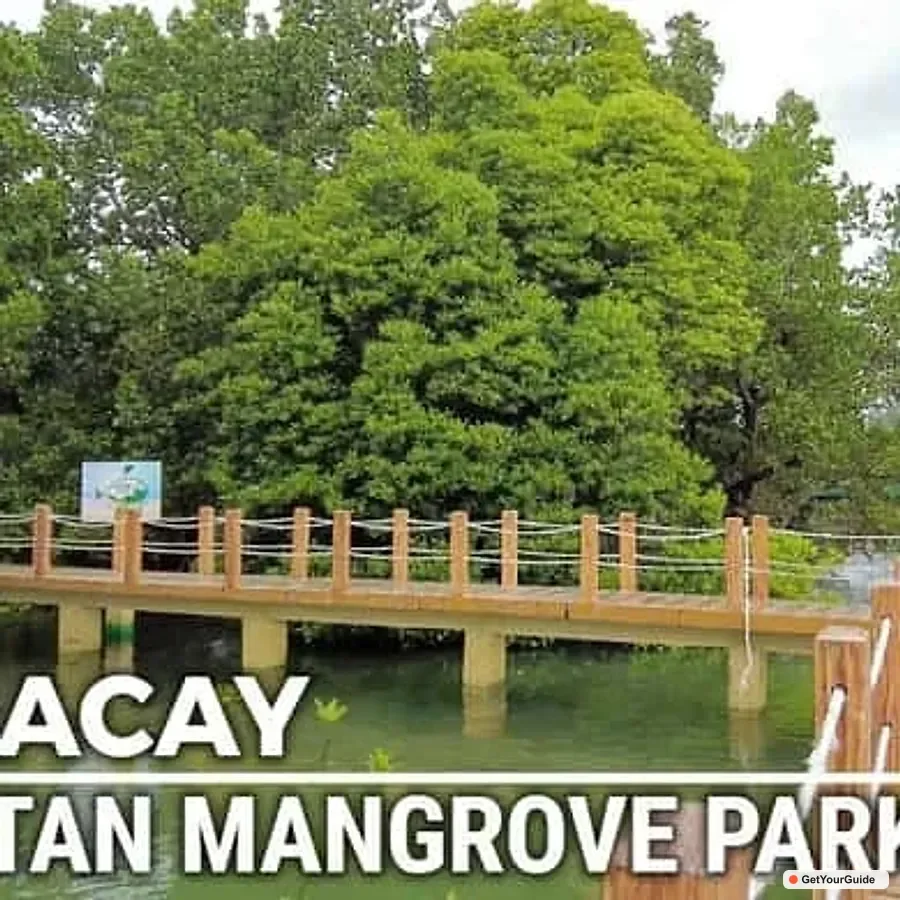
The route descends from the hills and follows the eastern shoreline toward a mangrove area on the coast near Bulabog. Boracay's mangrove stands were reduced significantly over decades of unregulated development, and what remains today is protected as part of post-rehabilitation environmental policy. The trees in a healthy mangrove system serve multiple functions - stabilizing shoreline against erosion, providing nursery habitat for juvenile fish and crustaceans, and acting as a buffer that absorbs storm surge energy before it reaches inland structures. A walk or short stop here connects the trike tour to Boracay's ecology in a way that beach time alone does not.
The Rehabilitation Context
To understand why an electric trike tour feels different from what Boracay once offered, it helps to know what happened in 2018. The Philippine government ordered a six-month closure of the island after assessments found widespread raw sewage discharge into coastal waters, illegal construction in protected coastal zones, and a carrying capacity far exceeded by tourist numbers. Hotels were shuttered, tens of thousands of workers temporarily displaced, and a systematic cleanup and rebuilding of infrastructure was carried out.
When the island reopened, combustion motorcycles and tricycles were replaced by electric vehicles on most routes. Setback rules for beachfront construction were enforced more strictly. The mangrove areas and certain inland zones were designated for environmental protection rather than development. The electric trike is not merely a novelty - it is a direct product of that policy shift, and riding one is in some ways a small measure of what the rehabilitation was meant to achieve.
Best Time to Take the Tour
Boracay has two distinct seasonal personalities. From November through April, the Amihan (northeast monsoon) brings dry weather, smooth water on the western coast, and reliable sunshine - this is peak season, and the island is busiest. From May through October, the Habagat (southwest monsoon) reverses conditions: White Beach can get choppy and resort-heavy areas feel quieter, while Bulabog on the east side becomes sheltered.
The land tour runs year-round because it is not weather-dependent in the way that boat trips are. That said, the Puka Beach stop is more pleasant during Amihan when the northern shore is calmer, and Mount Luho offers clearer views in dry-season conditions. Morning departures - ideally before 10 AM - make the most of lower temperatures and better light for photography at the viewpoint. Midday heat on the inland roads can be significant from March through May.
Practical Tips
Wear light, breathable clothing and apply sunscreen before departure - the trike is open-sided and the Luho stop involves direct sun exposure.
Bring a small bag for any shells or natural items you want to examine at Puka Beach, and leave them there - removal of shells contributes to gradual depletion of the beach's defining character.
The trike carries a small group, making it naturally private or semi-private depending on how tours are organized; confirm group size when booking if you prefer a solo-group experience.
Water is essential; there are limited refreshment options at the northern stops compared to the main beach area.
Who This Tour Suits
The Boracay land tour is a natural fit for repeat visitors who have already done White Beach thoroughly and want to see the parts of the island travel guides rarely photograph. It also suits families with children who are too young for water sports, couples looking for a slower-paced morning activity before the beach, and travelers with an interest in environmental history or island ecology. The electric trike is accessible, requires no physical exertion beyond boarding, and covers enough variety - coast, forest, summit, wetland - to hold the attention of most traveler types.
For first-time Boracay visitors, this tour works well as an orientation circuit on arrival day, giving a mental map of the island before committing to a beach chair. Once you have seen Boracay from Mount Luho, you understand the place differently - not just as a beach, but as an island with a layered geography that extends well beyond the strip of white sand that made it famous.
Good to know before you book
Duration: typically a full day (around 8 to 10 hours including transfers), though half-day and multi-day options exist - check the listing.
Best for: couples, families and first-time visitors.
What is included: transport and a guide; check the listing for meals, gear and fees.
Pickup: most tours offer hotel or central pickup; confirm your point and time when booking.
Book through: the GetYourGuide button on this page, which shows live availability and pricing.
Frequently asked questions
How long does the Boracay Land Tour by Electric Trike take?
Most departures run as a full day - roughly 8 to 10 hours including pickup, travel and the activities themselves - so plan to set aside the whole day. Some operators offer shorter or private versions; the exact timing for your date is shown when you book through the GetYourGuide button on this page.
What is included in the Boracay Land Tour by Electric Trike?
Typically the price covers transport and a guide; check the listing for meals, gear and fees. Inclusions vary by operator, so always read the specific listing - it spells out exactly what is provided and what you pay for separately, such as entrance or environmental fees.
What should I bring?
Pack comfortable clothing, sunscreen, a hat, water and a little cash for fees and extras. It is also worth carrying some cash for local fees, drinks and tips, plus any personal medication, since card facilities can be limited outside the cities.
Is the Boracay Land Tour by Electric Trike suitable for beginners or families?
It suits a wide range of travellers; ask the operator about fitness or swimming requirements if you are unsure. If you have specific concerns about age, fitness or swimming ability, message the operator before booking - they can advise on the best option for your group.
When is the best time to do this tour?
The best conditions are usually the dry season from roughly November to May. That said, the Philippines is a year-round destination, and many of these experiences run in any season - just expect the occasional shower and check the forecast for the day.
How do I get to Boracay?
To reach Boracay, travel to Boracay by the nearest airport or ferry and continue by road. Many tours include transfers from nearby towns or hotels, so confirm your pickup arrangement when you book so the day runs smoothly from the start.
Do I need to book the Boracay Land Tour by Electric Trike in advance?
Yes - booking ahead is strongly recommended, especially in the dry-season peak and on weekends, when popular tours and the best operators sell out. Reserving online also locks in your spot and lets you compare timings and inclusions easily.
How much does the Boracay Land Tour by Electric Trike cost?
Prices vary with the season, group size and exactly what is included, so we do not list a fixed figure here. Tap the GetYourGuide button on this page to see the current, accurate price and availability for your chosen date.
Can I do the Boracay Land Tour by Electric Trike as a private or customised tour?
Many operators offer a private version of this experience for couples, families or small groups who want a flexible pace and a guide to themselves, and some can tailor the route or add stops. If a private or custom option matters to you, check the listing or message the operator before booking, as availability and prices differ from the standard shared tour.
Ready to explore Boracay?
From planning to the moment you arrive, the Boracay Land Tour by Electric Trike is one of the most rewarding ways to experience this corner of the Philippines - and booking it is simple. Use the GetYourGuide button on this page to check live availability, compare timings and secure your spot, then turn up and let the local guides handle the rest while you focus on the views, the water and the memories.
The PANA.PH travel desk researches, books and re-checks Philippines travel logistics — fares, ferry schedules, government fees and permit rules — and publishes what it can verify.