There is a moment, somewhere off the west coast of Boracay, when the engine of the bangka cuts to a low idle, the wooden bamboo outriggers stop slapping the water, and you look down to see your own shadow on the seabed three meters below. The water is that clear. This is the feeling people chase when they book a 3-in-1 full-day tour here: not just the famous powder-white beach you have seen a thousand times on a screen, but the whole living archipelago of reefs, lagoons, hidden coves, and cliffs that surround it. A single afternoon on a traditional Filipino outrigger boat strings these together into one easy, joyful loop.
Boracay Island Vibe: 3-in-1 Full-Day Tour - Guide
Trip.com
Search on Trip.comHotels in Philippines
Compare live prices via Travelpayouts — targeted for this guide.
Boracay is tiny. It is only about seven kilometers long and, at its narrowest, less than a kilometer wide, shaped a bit like a dumbbell or a dog bone. It sits just off the northwest tip of Panay Island in Aklan province, in the Western Visayas. That small size is exactly why a 3-in-1 tour works so well: in the time it takes to have a long lunch back home, a boat can carry you to three or more completely different worlds of water and rock.
The geology behind the famous white sand
Before the stops, it helps to understand what you are actually standing on. That blindingly white, talcum-soft sand of White Beach is not silica like most beaches; it is carbonate sand, made over thousands of years from the broken-down skeletons of coral, the shells of foraminifera and mollusks, and the calcareous remains of marine organisms ground fine by the sea. Because it is calcium carbonate rather than quartz, it reflects heat instead of absorbing it, which is why you can walk it barefoot at noon without scorching your feet. It also stays remarkably fine and pale.
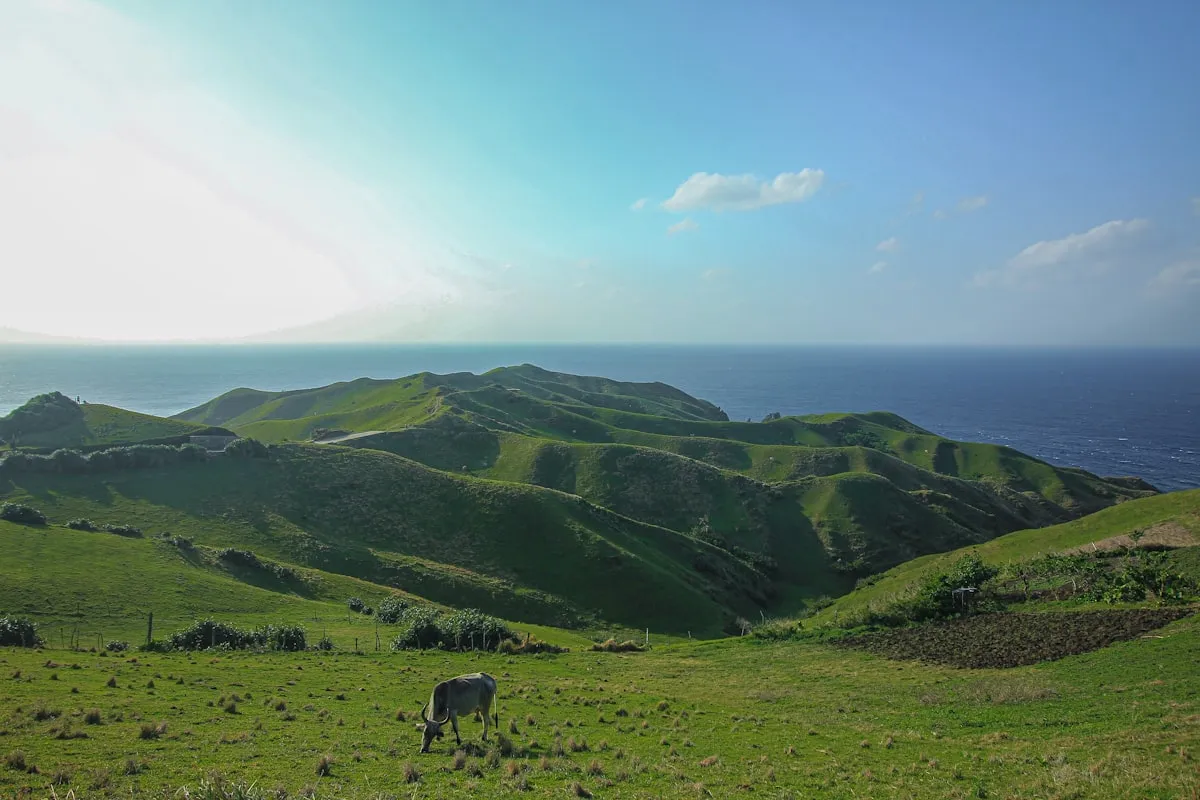
The island itself is built largely on uplifted coral limestone and older volcanic rock. Over time, rainwater and waves have carved that limestone into the dramatic karst features you will see on the tour: pocked cliffs, sea caves, and the hidden lagoons of the north. Boracay has two faces because of the monsoon. The west coast, home to White Beach, is sheltered during the dry Amihan season (roughly November to May), when the northeast wind blows offshore and the water turns glassy. The east coast, including Bulabog Beach, comes alive during the same season as the wind funnels across it, making it one of Asia's premier kiteboarding and windsurfing spots.
Trip.com
See all tours in Philippines on Trip.comTours & activities in Philippines
Hand-picked experiences in Philippines — book on Trip.com with instant confirmation.
Stop one: snorkeling the reefs
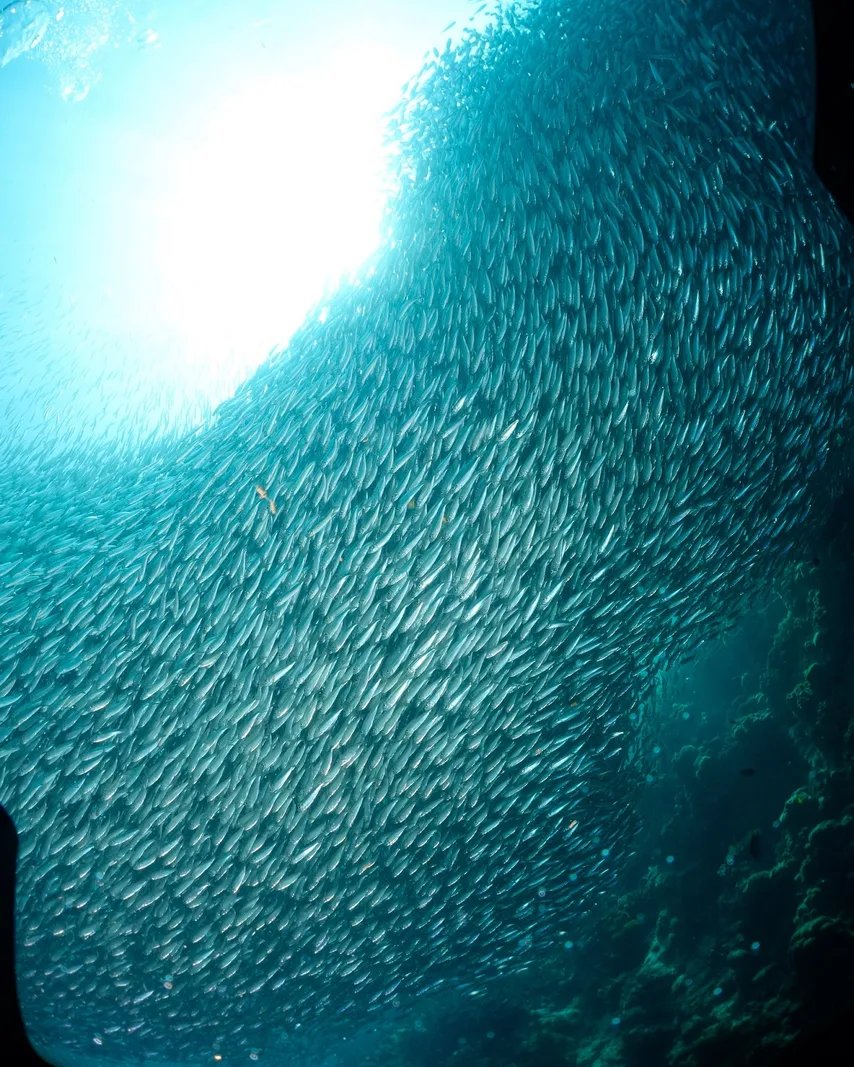
Most 3-in-1 tours open with a snorkeling stop, often near Crocodile Island (named for its crocodile-like silhouette, not for any actual crocodiles) or Coral Garden off the island's southern end. The boat anchors over a reef in a few meters of water and you slip in. What you see depends on the day, but the usual cast includes sergeant majors in their black-and-yellow stripes, parrotfish crunching audibly on coral, wrasses, and clouds of small reef fish that gather wherever a boat crew tosses bread. You will likely spot soft and hard corals, sea urchins tucked in crevices, and if you are lucky a sea turtle gliding past.
A responsible-travel note worth taking seriously: do not stand on or touch the coral, and skip the bread-feeding if you can. Feeding alters fish behavior and the bread itself does the reef no favors. Reef-safe sunscreen (or better, a rash guard) protects both your skin and the coral from the oxybenzone in conventional sunblock. Boracay's reefs took a battering in past decades, and the island famously closed to tourists for six months in 2018 for an environmental rehabilitation; treating the reef gently is part of keeping it open.
Stop two: the cliffs and caves
The second leg usually trades the reef for rock. Boats cruise the coastline to take in landmarks like Magic Island, Crystal Cove, or the cliff areas where the bravest passengers can do a cliff jump into deep water. The jumps come in tiers, from a gentle three-meter platform to higher ledges of roughly eight to fifteen meters; nobody is forced, and most people happily watch from the boat with a cold drink. This stretch is also where you appreciate the karst up close: limestone undercut by the sea into arches and shallow caves, draped here and there with hardy coastal vegetation clinging to the salt-sprayed stone.
Tours vary in their exact third stop. Some swing to Puka Shell Beach on the island's quieter north end, a wilder, coarser-sanded beach famed for the small puka shells that locals once strung into the necklaces that became a global craze in the 1970s. Others linger at a lagoon for more swimming, or include a sandbar at low tide. The beauty of the 3-in-1 format is that the captain reads the wind and tide and chooses the calmest, most beautiful combination for that particular day.
Stop three: the long lunch and the lagoons
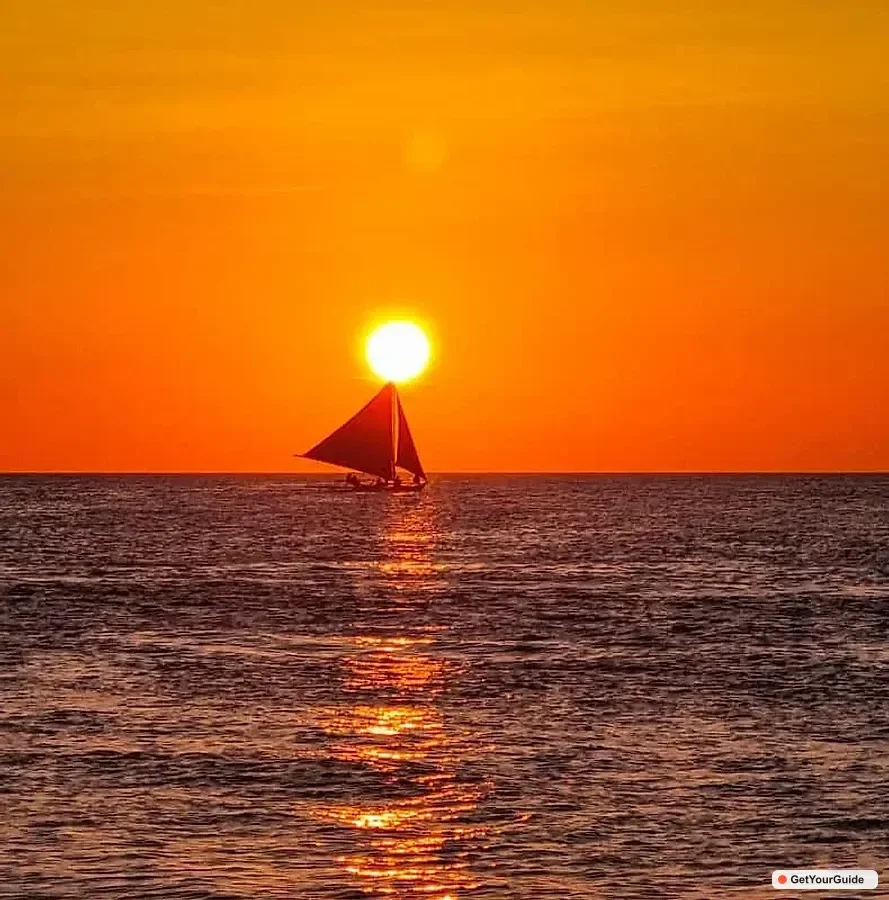
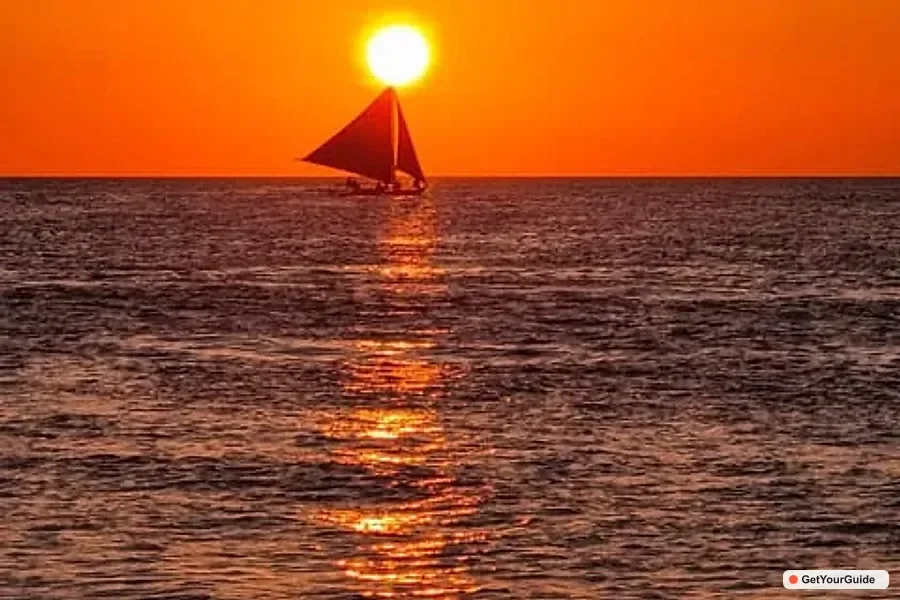
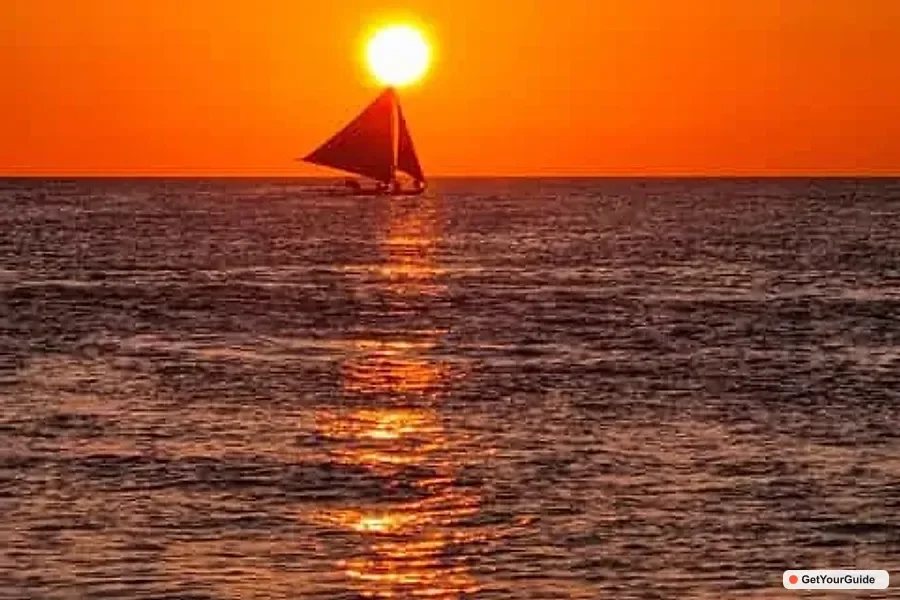
Most full-day versions of this tour include a beachside or onboard lunch, frequently a grilled spread of fish, chicken, rice, and fresh fruit. This is the slow, golden middle of the day: time to dry off, eat with your hands the way it is meant to be done, and watch the paraws (Boracay's iconic twin-sail sailboats) skim past. The paraw is a genuine piece of Visayan maritime heritage, a double-outrigger sailing craft whose design descends from the seafaring traditions that first peopled these islands.
Culture and why it matters
Boracay's original inhabitants are the Ati, an Indigenous Negrito people whose presence here long predates the resorts; the island's name is thought to derive from local words, and the Ati community still holds ancestral land here. The boats you ride, the outrigger design, the fishing knowledge, and the sailing of the paraw all trace back to centuries of Visayan seafaring culture. When you tip your boat crew and buy from local vendors rather than only from chains, you are keeping money in the community that has stewarded these waters for generations.
Practical tips
- Best season: The dry Amihan months (roughly late November to May) give the calmest west-coast water and clearest visibility. The Habagat (southwest monsoon, June to October) brings rain and rougher seas, though tours still run on calm days and crowds are thinner.
- Best time of day: Morning departures usually mean glassier water and let you swing back for a White Beach sunset, which is genuinely one of the best in the country.
- How strenuous: Gentle. If you can swim and climb a short boat ladder you are fine. Cliff jumps and deeper snorkeling are optional; life vests are standard.
- What to bring: Reef-safe sunscreen or a rash guard, a hat, a dry bag for your phone, a towel, and a little cash for vendors, tips, and the local environmental/terminal fees. Bring an underwater camera if you have one.
- Typically included: The boat, a crew, snorkel gear, life vests, and on full-day tours a lunch. Confirm whether snorkel masks and the environmental fee are bundled, as this varies by operator.
- Duration: A full-day 3-in-1 generally runs around five to seven hours including lunch and transfers; half-day versions compress it.
- Responsible travel: Do not touch coral or marine life, avoid single-use plastics on the boat, and choose operators who brief you on reef etiquette. After the 2018 closure, Boracay enforces stricter rules, and your good behavior is part of why the island stays beautiful.
The closing stretch
By late afternoon the boat noses back toward White Beach, the sun low and the sea turned to hammered gold. You will be salt-crusted, a little sunburnt despite your best efforts, and quietly amazed at how much of one small island you saw in a single day: the reef, the cliffs, the hidden beach, the long lunch under a bamboo roof. That is the whole point of the 3-in-1. It does not ask you to choose. It simply hands you Boracay, all of it, and lets you fall in love with the place the way generations of travelers and the islanders themselves already have.
Good to know before you book
- Duration: typically a full day (around 8 to 10 hours including transfers), though half-day and multi-day options exist - check the listing.
- Best for: couples, families and first-time visitors.
- What is included: transport, a guide and the main stops; entrance fees and lunch are sometimes extra.
- Pickup: most tours offer hotel or central pickup; confirm your point and time when booking.
- Book through: the GetYourGuide button on this page, which shows live availability and pricing.
Frequently asked questions
How long does the Boracay Island Vibe: 3-in-1 Full-Day Tour take?
Most departures run as a full day - roughly 8 to 10 hours including pickup, travel and the activities themselves - so plan to set aside the whole day. Some operators offer shorter or private versions; the exact timing for your date is shown when you book through the GetYourGuide button on this page.
What is included in the Boracay Island Vibe: 3-in-1 Full-Day Tour?
Typically the price covers transport, a guide and the main stops; entrance fees and lunch are sometimes extra. Inclusions vary by operator, so always read the specific listing - it spells out exactly what is provided and what you pay for separately, such as entrance or environmental fees.
What should I bring?
Pack comfortable shoes, sunscreen, a hat, water and small cash for entrance fees and souvenirs. It is also worth carrying some cash for local fees, drinks and tips, plus any personal medication, since card facilities can be limited outside the cities.
Is the Boracay Island Vibe: 3-in-1 Full-Day Tour suitable for beginners or families?
It is gentle and family-friendly, suitable for all ages with only light walking involved - a comfortable way to see the highlights. If you have specific concerns about age, fitness or swimming ability, message the operator before booking - they can advise on the best option for your group.
When is the best time to do this tour?
The best conditions are usually the dry season from roughly November to May. That said, the Philippines is a year-round destination, and many of these experiences run in any season - just expect the occasional shower and check the forecast for the day.
How do I get to Boracay Island Malay?
To reach Boracay Island Malay, travel to Boracay Island Malay by the nearest airport or ferry and continue by road. Many tours include transfers from nearby towns or hotels, so confirm your pickup arrangement when you book so the day runs smoothly from the start.
Do I need to book the Boracay Island Vibe: 3-in-1 Full-Day Tour in advance?
Yes - booking ahead is strongly recommended, especially in the dry-season peak and on weekends, when popular tours and the best operators sell out. Reserving online also locks in your spot and lets you compare timings and inclusions easily.
How much does the Boracay Island Vibe: 3-in-1 Full-Day Tour cost?
Prices vary with the season, group size and exactly what is included, so we do not list a fixed figure here. Tap the GetYourGuide button on this page to see the current, accurate price and availability for your chosen date.
Can I do the Boracay Island Vibe: 3-in-1 Full-Day Tour as a private or customised tour?
Many operators offer a private version of this experience for couples, families or small groups who want a flexible pace and a guide to themselves, and some can tailor the route or add stops. If a private or custom option matters to you, check the listing or message the operator before booking, as availability and prices differ from the standard shared tour.
Ready to explore Boracay Island Malay?
From planning to the moment you arrive, the Boracay Island Vibe: 3-in-1 Full-Day Tour is one of the most rewarding ways to experience this corner of the Philippines - and booking it is simple. Use the GetYourGuide button on this page to check live availability, compare timings and secure your spot, then turn up and let the local guides handle the rest while you focus on the views, the water and the memories.

PANA.PH Editorial Team
Philippines travel desk
The PANA.PH travel desk researches, books and re-checks Philippines travel logistics — fares, ferry schedules, government fees and permit rules — and publishes what it can verify.
🏡 Real local stays (book direct)
Hand-picked homestays and guesthouses — book direct, no markup.
Browse all local stays →

🌊 Popular activities (book instantly)
Island hopping, canyoneering, whale sharks — real Klook/GetYourGuide options.
View all activities →