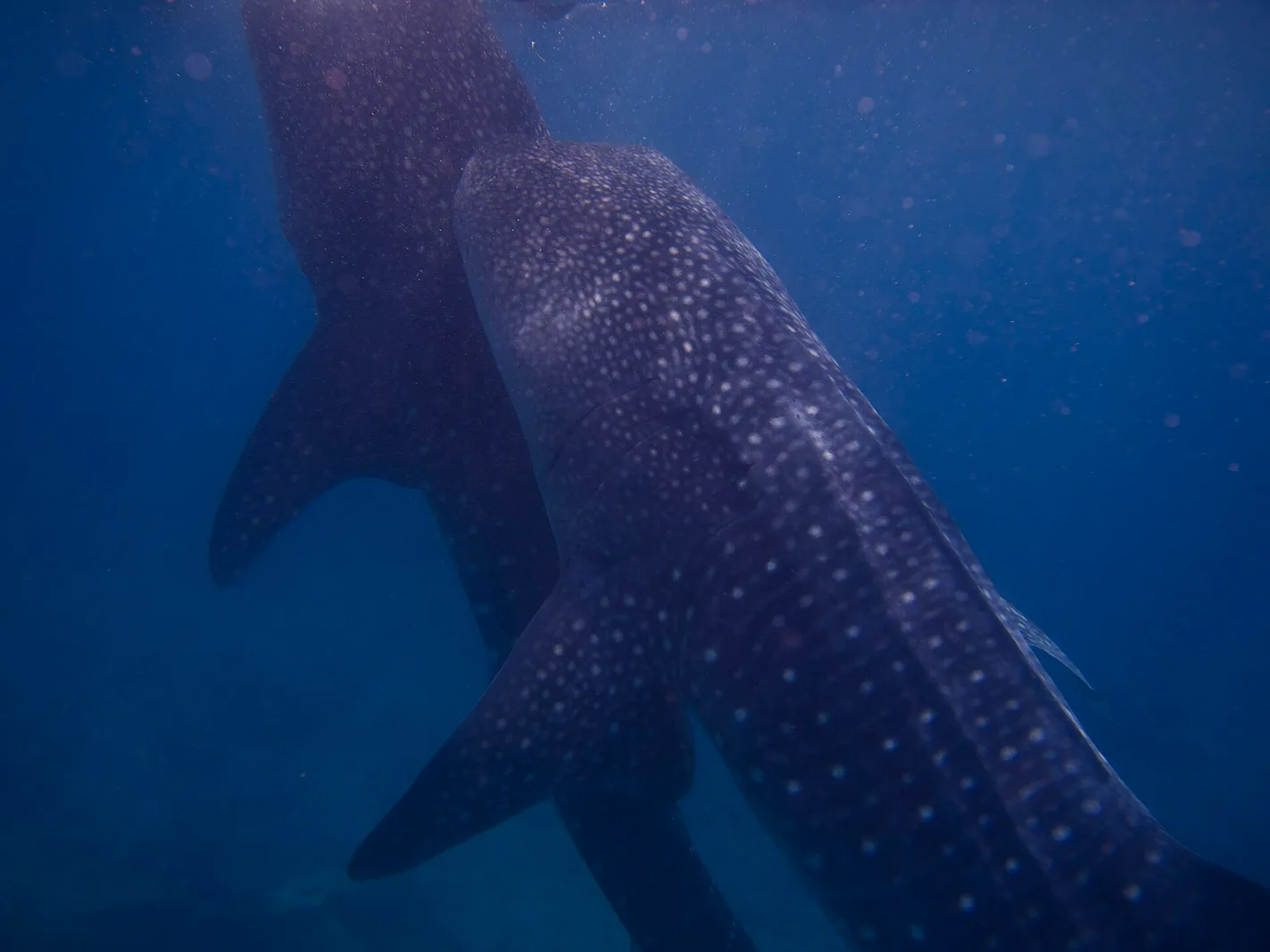
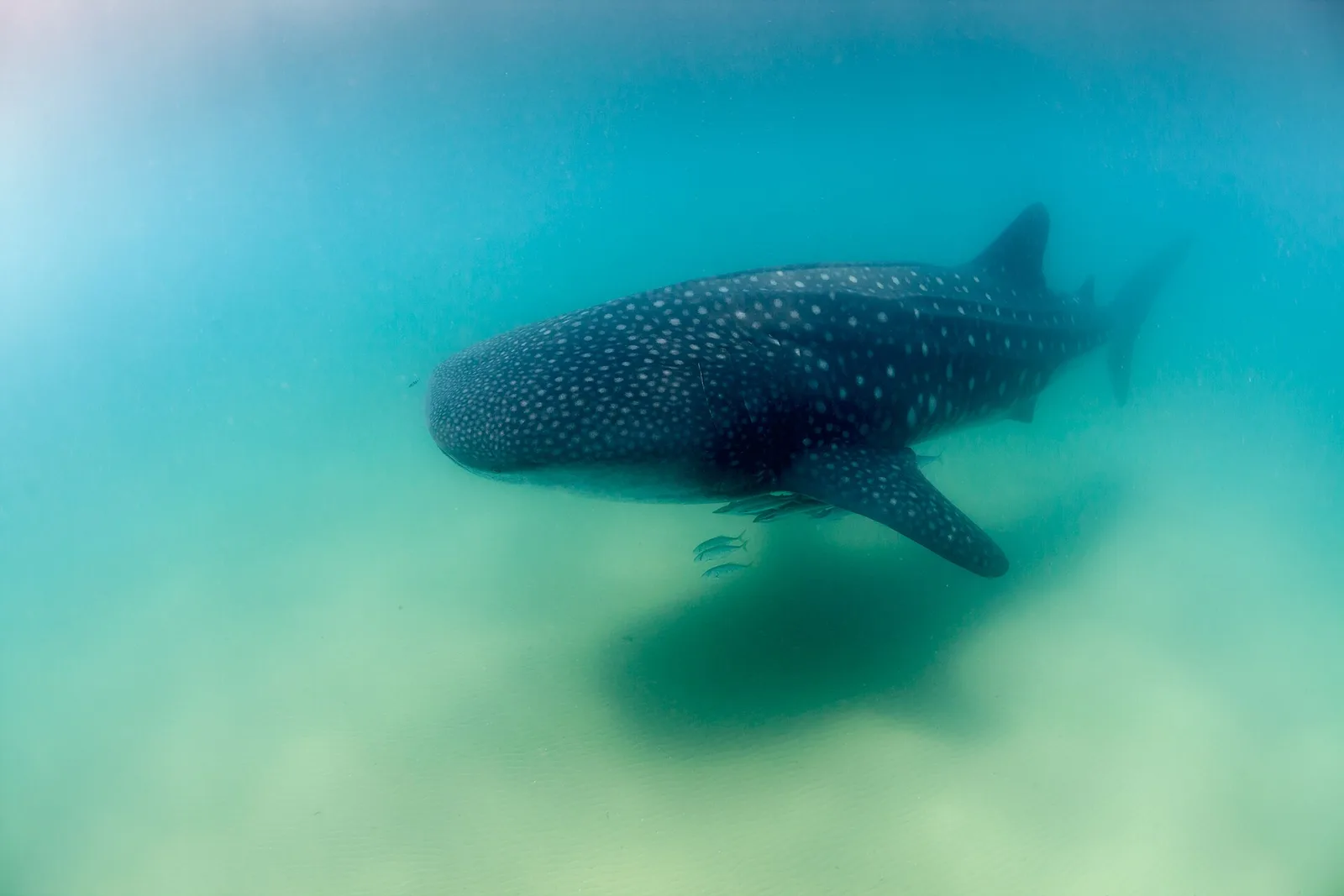
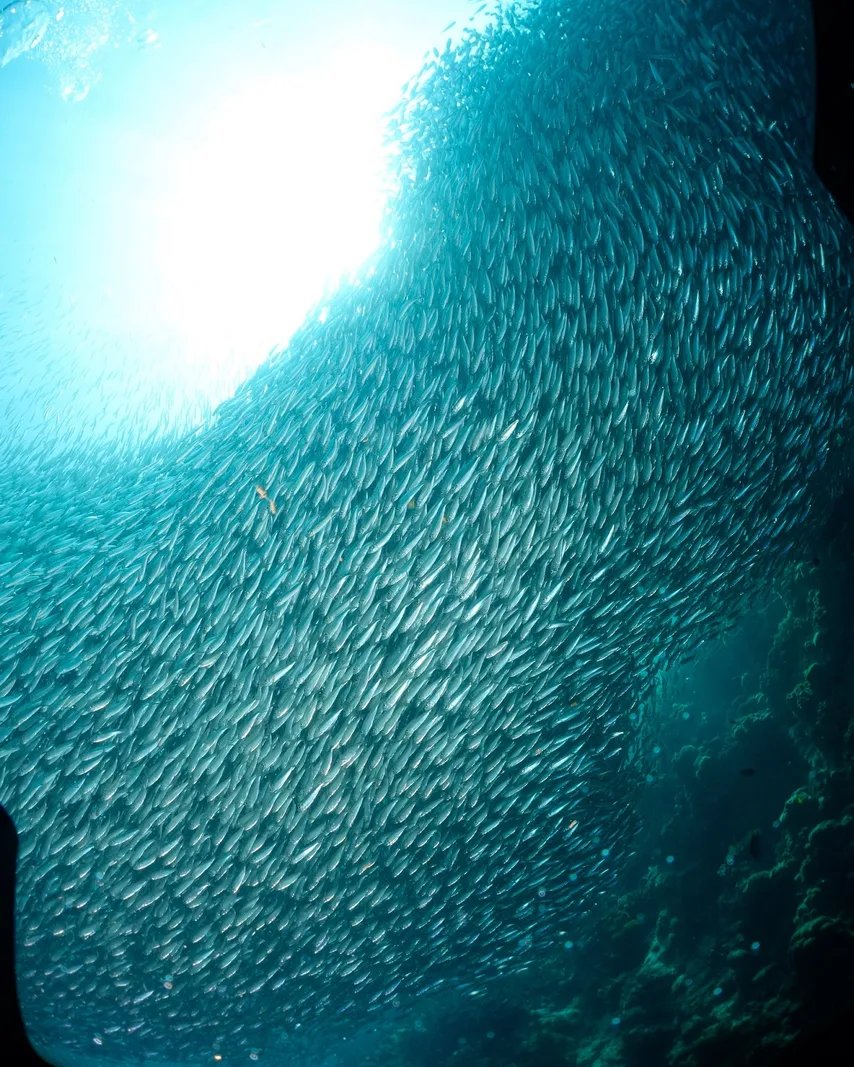
Off the municipality of Lila on Bohol's southern coast, a stretch of calm sea holds one of the Philippines' most affecting wildlife encounters. Here, Rhincodon typus - the whale shark, the largest fish on Earth - rises through turquoise water close enough for you to see the constellation of pale spots mapped across its dark skin. This is not a zoo exhibit or a dive resort show pool. It is a living marine environment, managed by the local government under national wildlife protection law, where a small window of regulated access lets visitors share the water with animals that can reach twelve metres in length and yet feed only on the smallest things in the ocean. Advance reservations through an organised tour from Panglao or Bohol's other resorts help you avoid the walk-in queues that build at peak hours, and the included ferry coordination means the logistics across Bohol's southern waters are handled before you arrive.
Trip.com
Hotels in Philippines
Compare live prices via Travelpayouts — targeted for this guide.
Whale sharks are filter feeders. Their enormous mouths - which can exceed a metre and a half in width - are built not for biting but for straining: water rushes in, and thousands of tiny gill rakers trap plankton, fish eggs, and krill before the water passes out through the gills. A whale shark has no interest in a snorkeler as prey; it is physiologically incapable of harming one intentionally. What draws them into shallow coastal waters in this part of Bohol is the same thing that draws them to aggregation sites across Southeast Asia - reliable feeding opportunity and warm, nutrient-rich water.
These animals are classified as Endangered on the IUCN Red List. Historically they were hunted for their fins and meat across Asia; the Philippines banned all whale shark fishing, trade, and harassment in 1998, making it one of the first countries in the world to grant the species full national protection. Encountering one in a government-supervised site is both a privilege and a direct expression of that conservation commitment.
Responsible Interaction: What the Rules Require
The encounter site operates under a framework of regulations that prioritise the animals' welfare. Guides will deliver a safety briefing before you enter the water. The core rules are consistent with Philippine national wildlife guidelines and international best practice:
Trip.com
Whale shark watching in Philippines
Hand-picked experiences in Philippines — book on Trip.com with instant confirmation.
Do not touch the whale sharks - physical contact stresses the animals and can damage the protective mucus layer on their skin.
Keep a minimum distance of at least three metres from the body and four metres from the tail.
No flash photography - sudden light startles the animals and disrupts their feeding behaviour.
No sunscreen containing oxybenzone or other reef-damaging chemicals - use mineral or biodegradable sunscreen only.
Do not stand on the seabed, chase, block, or attempt to ride the animals under any circumstances.
The thirty-minute water time per group is enforced to reduce cumulative disturbance. Rotation of groups and limits on simultaneous swimmers help maintain acceptable noise and disturbance levels in the water. Following these rules is not bureaucratic formality - it is what makes the experience sustainable and what keeps the animals returning to the area.
Bohol Context: Why Here
Bohol sits in the Visayan Sea, an island province connected to Cebu by frequent ferries and known internationally for two things that seem to belong to different worlds: the geological oddity of the Chocolate Hills inland, and some of the most biodiverse coral reefs in the Philippine archipelago along its coasts. The whale shark site on the southern coast adds a third dimension - a pelagic wildlife encounter in accessible shallow water, reachable from the resort town of Panglao in under two hours by road and short ferry.
The surrounding seascape is part of the Bohol Sea, a body of water that supports large populations of spinner dolphins, sea turtles, manta rays, and an extraordinary range of reef fish. The productive waters draw whale sharks that feed on seasonal plankton blooms. Unlike the more widely advertised whale shark encounter at Oslob in southern Cebu - which has faced sustained criticism from marine biologists for feeding practices that alter the animals' natural migration patterns - the Bohol site is managed with a stricter emphasis on limiting artificial feeding and maintaining the encounter within ecologically acceptable bounds. Travellers who prioritise responsible wildlife tourism will find Bohol's site worth the extra logistics.
What to Expect: Step by Step
Getting There
The tour departs from Momo Beach on Panglao Island. A ferry crossing of approximately ninety minutes brings the group to the encounter site on Bohol's southern coast. Ferry timings are coordinated by the tour operator, and hotel pickup from Panglao accommodations is typically included. The crossing itself passes through calm, island-sheltered water and is not usually rough, though those sensitive to motion on small vessels should take precautions on windier days between November and February.
The Safety Briefing
Before entering the water, the local guide conducts a mandatory safety briefing lasting around thirty minutes. This covers the behavioural rules described above, basic snorkeling technique if needed, life jacket usage, and what to do if a whale shark approaches closer than expected. Non-swimmers can observe from the boat; the encounter zone is shallow enough in places that confident waders can participate in the shallows, though snorkeling equipment allows a far richer view.
In the Water
The thirty minutes in the water are the core of the experience. Whale sharks in the area typically cruise slowly near the surface or at mid-water depths of three to eight metres, which makes them accessible to snorkelers without diving certification. You will likely see the animal before you are fully clear of the boat ladder - their size makes them immediately visible even through surface chop. The characteristic checkerboard pattern of white spots against dark grey-blue skin is distinctive and unmistakable. At close range the scale of the animal registers in a way that photographs do not fully convey - watching a six-to-nine-metre fish move with unhurried, deliberate sweeps of its tail while remaining entirely indifferent to your presence is consistently described by first-time participants as one of the most disorienting and affecting wildlife moments they have experienced.
Best Time to Go
The encounter site operates year-round, but conditions and sighting reliability vary by season. The dry season from March through May brings the calmest sea conditions, clearest visibility, and most consistent sightings. The months of December through February see the northeast monsoon (amihan) bring choppier water and occasionally rougher ferry crossings. The wet season from July through October is marked by afternoon squalls and stronger swells, though morning departures typically find calmer conditions even during this period. Sighting frequency is influenced by plankton bloom cycles rather than weather alone, and the local guides have long-term knowledge of seasonal patterns that organised tour operators incorporate into scheduling decisions.
Practical Tips
Bring reef-safe mineral sunscreen applied at least thirty minutes before entering the water, so it has absorbed and is less likely to wash off directly into the encounter zone. A rash guard or thin wetsuit top provides sun protection during the crossing and in the water without the chemical load of a full sunscreen application, and the Bohol Sea water temperature is warm enough at 27 to 30 degrees Celsius that thermal protection is not the priority. Underwater cameras with wide-angle lenses capture the scale of the animal far better than smartphone housings; the shots that register the whale shark's full length alongside a human diver require significant distance and a wide field of view. Book advance reservations through an operator rather than walking in - sold-out schedules are common during peak travel months from December through April, and a pre-booked slot guarantees your position in the rotation.
Who This Tour Suits
The encounter is designed for non-divers and beginners. Swimming competence is required, but no scuba certification or prior snorkeling experience is assumed. Children who are confident swimmers and comfortable in open water are typically welcome, though tour operators set minimum age guidelines that are worth confirming at booking. The tour is not suitable for people with a significant fear of deep water, given that the encounter takes place in open sea rather than a pool or enclosed reef flat. For families, solo travellers, or couples looking for a single wildlife encounter that requires no technical preparation and delivers a genuinely rare natural history moment, the Bohol whale shark experience is one of the most accessible and responsibly managed options in the Philippine archipelago.
Good to know before you book
Duration: typically a full day (around 8 to 10 hours including transfers), though half-day and multi-day options exist - check the listing.
Best for: active travellers, couples and friends.
What is included: the boat, snorkelling gear, a guide and often lunch; marine-park or environmental fees may be extra.
Pickup: most tours offer hotel or central pickup; confirm your point and time when booking.
Book through: the GetYourGuide button on this page, which shows live availability and pricing.
Frequently asked questions
How long does the Bohol Whale Shark Snorkeling Experience take?
Most departures run as a full day - roughly 8 to 10 hours including pickup, travel and the activities themselves - so plan to set aside the whole day. Some operators offer shorter or private versions; the exact timing for your date is shown when you book through the GetYourGuide button on this page.
What is included in the Bohol Whale Shark Snorkeling Experience?
Typically the price covers the boat, snorkelling gear, a guide and often lunch; marine-park or environmental fees may be extra. Inclusions vary by operator, so always read the specific listing - it spells out exactly what is provided and what you pay for separately, such as entrance or environmental fees.
What should I bring?
Pack swimwear, reef-safe sunscreen applied early and sparingly, a towel and an underwater camera. Snorkelling gear is normally provided. It is also worth carrying some cash for local fees, drinks and tips, plus any personal medication, since card facilities can be limited outside the cities.
Is the Bohol Whale Shark Snorkeling Experience suitable for beginners or families?
It is suitable for swimmers and snorkellers of most levels, with life vests available for the less confident. For scuba elements you will need the appropriate certification. Children can usually join with a vest and supervision. If you have specific concerns about age, fitness or swimming ability, message the operator before booking - they can advise on the best option for your group.
When is the best time to do this tour?
The best conditions are usually the dry season from December to May, when the Chocolate Hills turn their famous brown. That said, the Philippines is a year-round destination, and many of these experiences run in any season - just expect the occasional shower and check the forecast for the day.
How do I get to Bohol?
To reach Bohol, fly into Bohol-Panglao International Airport, or take the fast ferry from Cebu (about 2 hours). Many tours include transfers from nearby towns or hotels, so confirm your pickup arrangement when you book so the day runs smoothly from the start.
Do I need to book the Bohol Whale Shark Snorkeling Experience in advance?
Yes - booking ahead is strongly recommended, especially in the dry-season peak and on weekends, when popular tours and the best operators sell out. Reserving online also locks in your spot and lets you compare timings and inclusions easily.
How much does the Bohol Whale Shark Snorkeling Experience cost?
Prices vary with the season, group size and exactly what is included, so we do not list a fixed figure here. Tap the GetYourGuide button on this page to see the current, accurate price and availability for your chosen date.
Can I do the Bohol Whale Shark Snorkeling Experience as a private or customised tour?
Many operators offer a private version of this experience for couples, families or small groups who want a flexible pace and a guide to themselves, and some can tailor the route or add stops. If a private or custom option matters to you, check the listing or message the operator before booking, as availability and prices differ from the standard shared tour.
Ready to explore Bohol?
From planning to the moment you arrive, the Bohol Whale Shark Snorkeling Experience is one of the most rewarding ways to experience this corner of the Philippines - and booking it is simple. Use the GetYourGuide button on this page to check live availability, compare timings and secure your spot, then turn up and let the local guides handle the rest while you focus on the views, the water and the memories.
The PANA.PH travel desk researches, books and re-checks Philippines travel logistics — fares, ferry schedules, government fees and permit rules — and publishes what it can verify.