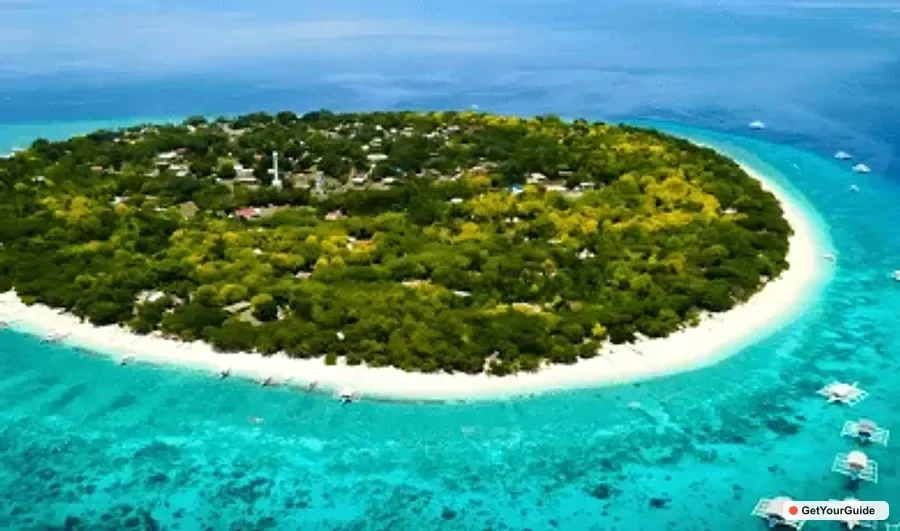
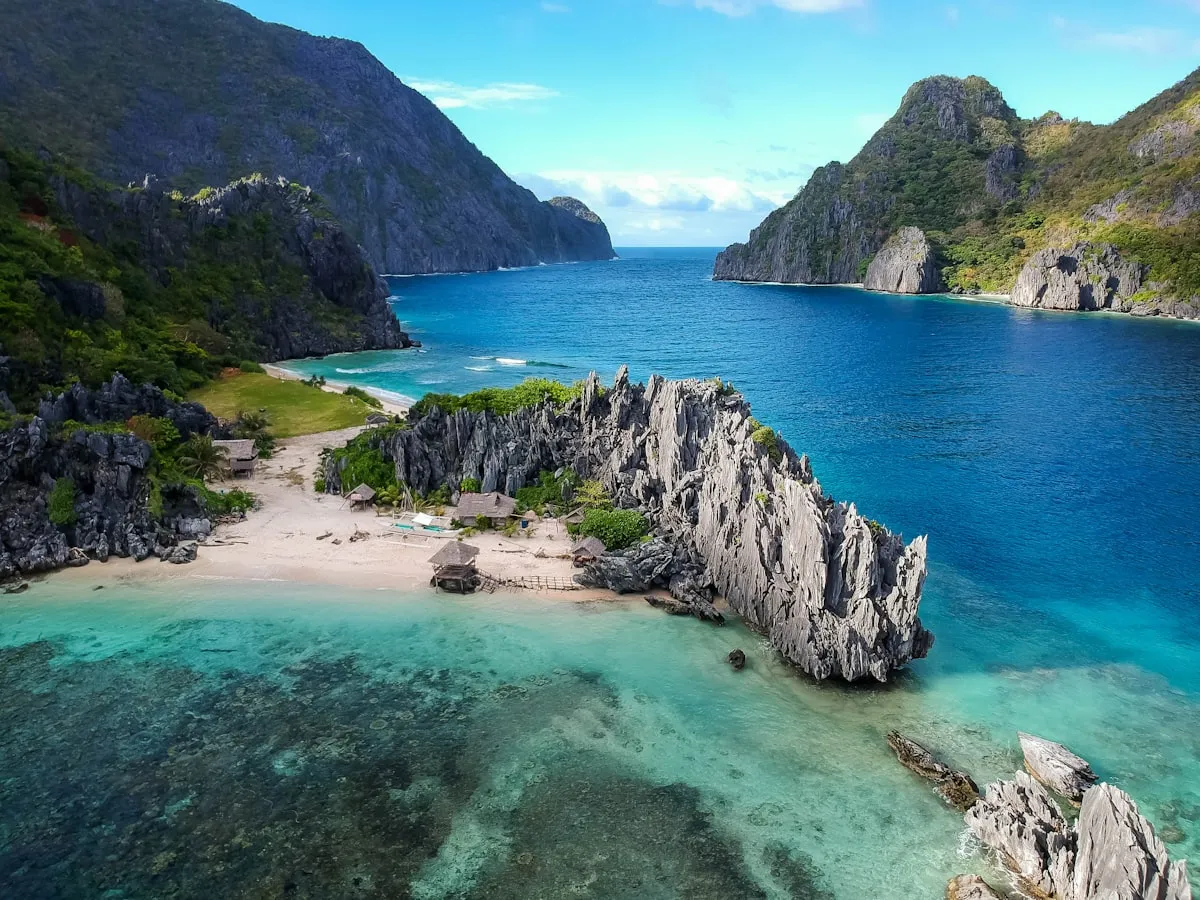
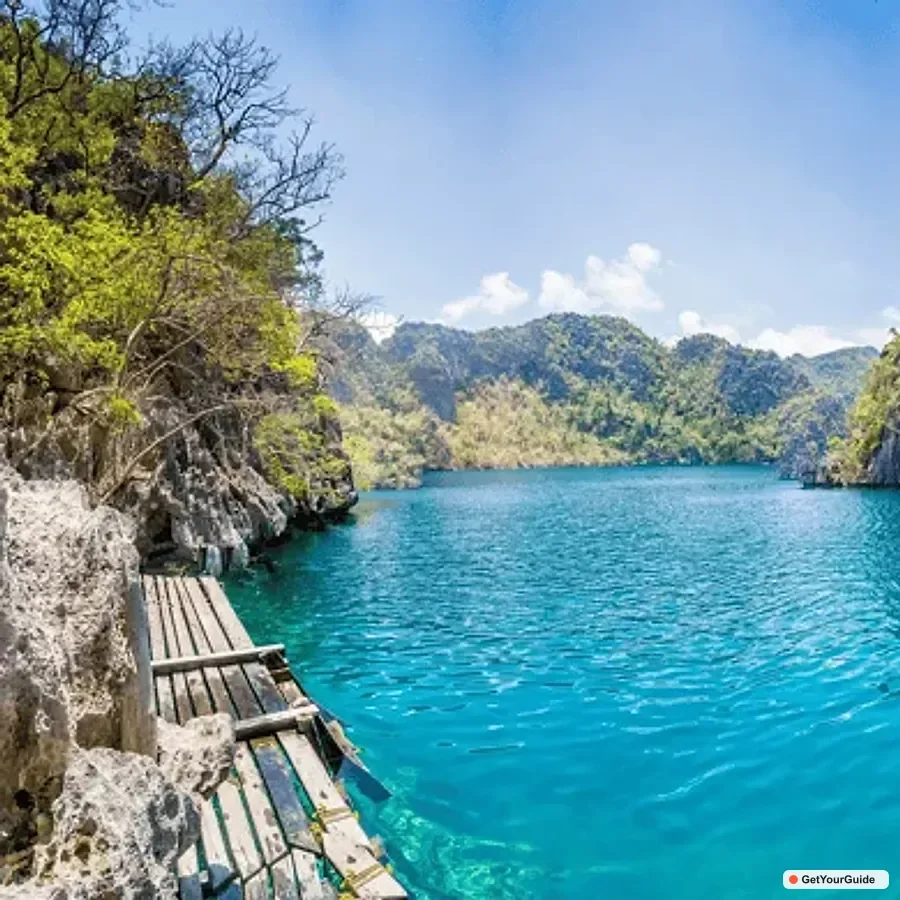
Bohol sits in the Visayan Sea at the geographic heart of the Philippines, and nowhere does its underwater world reveal itself more dramatically than on the waters surrounding Balicasag Island. This island hopping adventure takes you out into open sea to find wild spinner dolphins in their natural habitat, then drops you into one of the country's most celebrated marine sanctuaries to snorkel above coral gardens teeming with sea turtles, parrotfish, and vast schools of tropical reef fish. It is a full-immersion encounter with Bohol's marine biodiversity - no glass-bottomed boats, no tanks of captive animals, just you, the sea, and creatures living exactly as they should.
Trip.com
Hotels in Philippines
Compare live prices via Travelpayouts — targeted for this guide.
Balicasag Island lies roughly 7 kilometres southwest of Panglao Island, rising from a shallow reef platform before dropping into a wall that plunges to depths of 40 metres and beyond. The surrounding waters fall within a protected marine sanctuary, and the effect on sea life is immediately visible: the coral formations here - table corals, fan corals, brain corals - are dense and largely intact, sustaining populations of hawksbill and green sea turtles that have made the reef a permanent residence. Turtles here are genuinely wild and habituated to snorkelers in a way that allows remarkably close observation without any feeding or baiting involved.
The deeper wall attracts larger pelagic visitors - jacks, barracuda, and occasional thresher sharks further out - but the shallow reef, just two to five metres deep in places, is where most of the snorkeling action takes place. Visibility on calm mornings can exceed 20 metres. The Bohol Sea surrounding the route to Balicasag is also the territory of large pods of spinner dolphins, the most frequently seen cetacean in Philippine inshore waters, known for their acrobatic leaping and tight social groupings.
Dolphin Watching on the Open Sea
The boat ride from Panglao toward Balicasag crosses open water where spinner dolphin pods regularly appear, especially in the early morning hours when they are most active near the surface. Morning departures - ideally before 7 AM - significantly increase the likelihood of encountering a pod, since dolphins tend to move further offshore and dive deeper as the day warms. When a pod appears, the boat captain cuts speed and holds a respectful distance, allowing the dolphins to approach and ride the bow wake if they choose. Spinner dolphins in Bohol are not provisioned or attracted by food; the encounters are entirely on the animals' terms.
Trip.com
Island hopping in Philippines
Hand-picked experiences in Philippines — book on Trip.com with instant confirmation.
Pods here can number in the dozens to over a hundred individuals. Watching them leap in synchronised arcs from the bow of a banca outrigger, with the limestone cliffs of Panglao receding behind you and Balicasag's palm fringe emerging ahead, is one of those moments that stays with travellers long after the tan fades.
Snorkeling Balicasag's Reef
Once the boat anchors at the sanctuary, snorkelers enter shallow, warm water - typically around 28 to 30 degrees Celsius - above a coral landscape that rewards slow, patient observation. Sea turtles here behave with extraordinary calm; they surface to breathe every few minutes and will often pass within arm's reach of a still snorkeler. The cardinal rule in the sanctuary is no touching and no standing on the coral, and guides enforce this consistently - the reef's health depends on it.
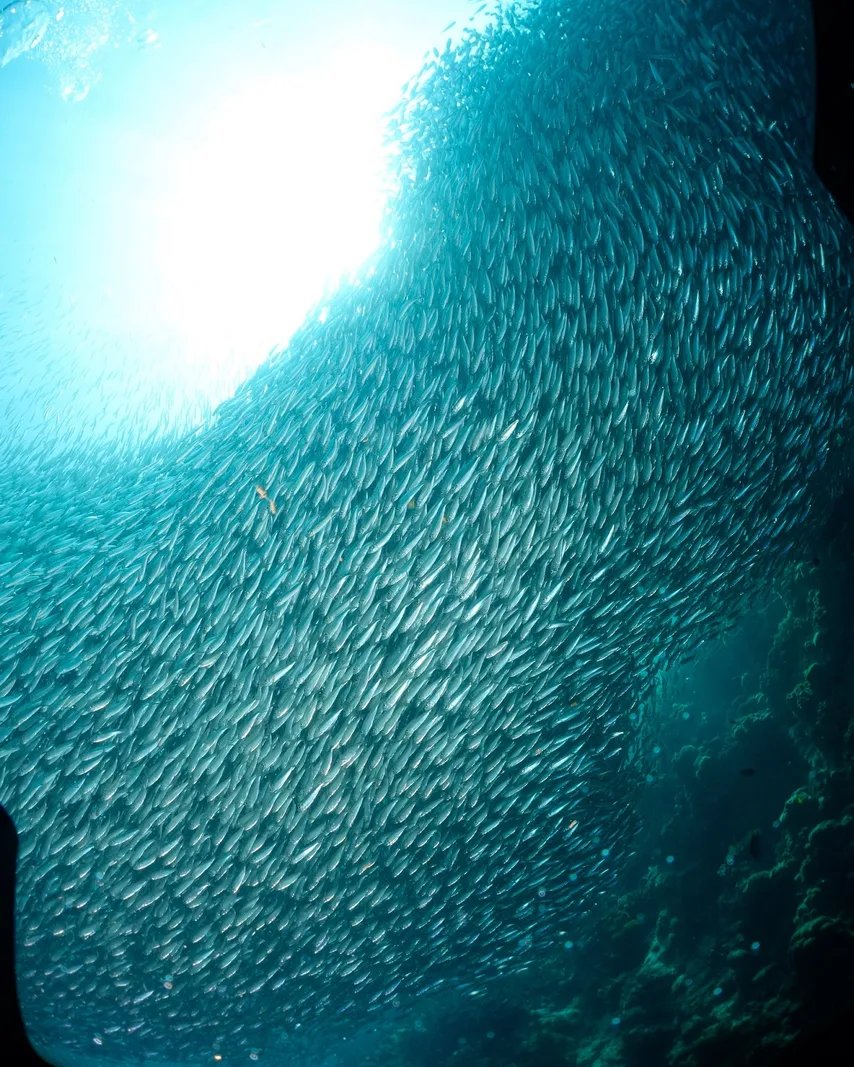
Beneath the turtles, the reef is dense with parrotfish grazing on coral, surgeonfish moving in coordinated formations, and the occasional pufferfish drifting through gaps in the staghorn coral. The marine sanctuary's no-fishing zone has been in place long enough to produce fish populations that feel genuinely abundant rather than depleted, a rarity in Southeast Asian coastal waters.
What Snorkelers Will See
Hawksbill and green sea turtles resting and feeding on the reef
Schools of blue-stripe snapper, surgeonfish, and moorish idols
Parrotfish, pufferfish, and triggerfish among staghorn and brain corals
Fan corals and table corals on the upper reef wall at around 5 metres
What to Expect on the Day
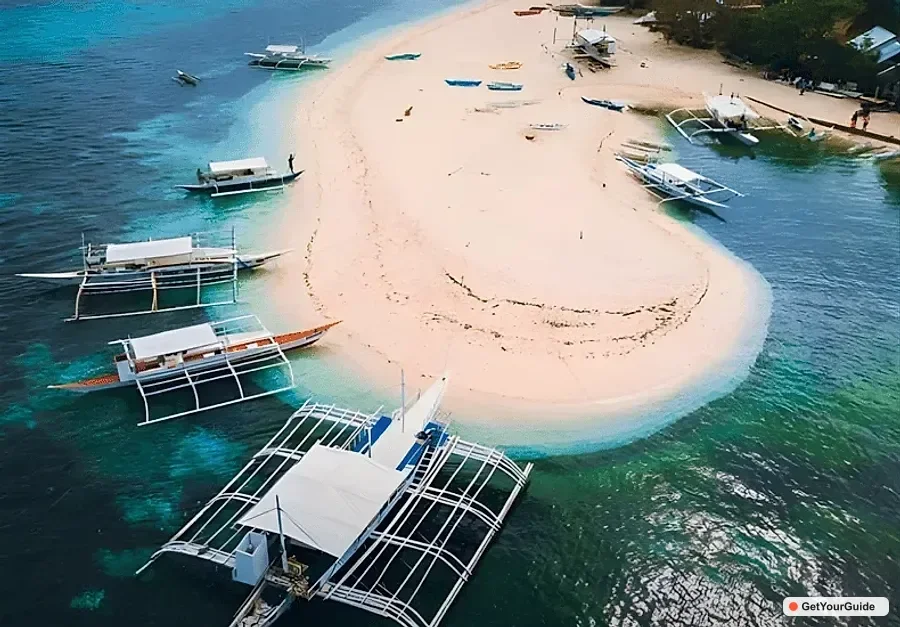
Tours depart from Alona Beach on Panglao Island or from nearby Danao Port, usually between 6 and 7 AM. The banca outrigger is the traditional Philippine island-hopping vessel - wooden, narrow, and stabilised by twin bamboo outriggers - and the ride to Balicasag takes roughly 30 to 45 minutes depending on sea conditions. Snorkeling gear (mask, fins, and life jacket) is provided and fitted before you enter the water. The snorkeling stop at Balicasag typically lasts 45 minutes to an hour, giving plenty of time to drift along the reef at your own pace.
After Balicasag, many itineraries continue to a second stop - sometimes a sandbar, sometimes the Virgin Island sandbar off Panglao's northern coast - before returning to the departure point by midday or early afternoon. The whole trip runs four to five hours on the water.
Best Time to Go
The Bohol Sea is calmest and clearest from November through May, the dry season in the Visayas. December through March brings the most settled weather, with light winds and negligible swell making for smooth crossings and excellent underwater visibility. June through September sees the habagat (southwest monsoon), which can push waves up on the open crossing to Balicasag and sometimes forces tour operators to cancel or reroute. If you are travelling in the wet season, book with a flexible cancellation policy and check sea conditions the night before. Dolphin sightings are reported year-round but are most consistent in the early dry season months when pods concentrate in the Bohol Sea.
Practical Tips
What to Bring
Bring a rash guard or lightweight wetsuit top rather than relying entirely on sunscreen - you will be floating face-down in direct sun for extended periods and the back of your legs and neck burn faster than expected. The sanctuary and most responsible operators request biodegradable, reef-safe sunscreen only. Chemical sunscreens containing oxybenzone and octinoxate are harmful to coral and banned in several Philippine marine protected areas. Bring a dry bag for your phone and wallet; banca boats are open and water comes aboard on choppier days. A small bottle of fresh water for rinsing your face after the sea crossing is a small comfort that pays off.
Fitness and Accessibility
This tour does not require swimming ability at an advanced level - life jackets are always provided - but non-swimmers will have a limited experience at the reef since floating over the coral requires some comfort in open water. People prone to seasickness should take a preventive tablet the evening before, as the open-sea crossing to Balicasag can be uncomfortable in moderate swell. Children over six who are comfortable in water and happy to wear a snorkel mask will have a genuinely memorable time here.
Marine Etiquette and Conservation
Balicasag's marine sanctuary is one of the better-managed in the Philippines, but it faces the same pressures as reefs everywhere - anchor damage, careless snorkelers, and coastal development. Follow your guide's instructions without argument: stay horizontal, use fins gently, and keep hands tucked. Never touch a turtle - contact stresses them and is illegal under Philippine wildlife law. If your operator allows or encourages touching or riding turtles, that is a sign to choose a different operator. The reef that makes this experience extraordinary only stays extraordinary because the rules are followed.
Who This Tour Suits
Bohol island hopping to Balicasag is ideal for first-time visitors to the Philippines who want to experience genuinely wild marine life without undertaking a dive certification. It is equally rewarding for experienced snorkelers who appreciate pristine reef ecosystems. Families with older children (6 and above who are water-confident), solo travellers, and couples looking for a high-impact half-day on the water all fit this experience naturally. Anyone who has ever wanted to drift next to a sea turtle in the open ocean - watching it turn slowly, blink, and descend back into the blue - will find Balicasag an experience that requires no further justification.
Good to know before you book
Duration: typically a full day (around 8 to 10 hours including transfers), though half-day and multi-day options exist - check the listing.
Best for: active travellers, couples and friends.
What is included: the boat, snorkelling gear, a guide and often lunch; marine-park or environmental fees may be extra.
Pickup: most tours offer hotel or central pickup; confirm your point and time when booking.
Book through: the GetYourGuide button on this page, which shows live availability and pricing.
Frequently asked questions
How long does the Bohol Island Hopping with Dolphins, Turtles and Snorkeling take?
Most departures run as a full day - roughly 8 to 10 hours including pickup, travel and the activities themselves - so plan to set aside the whole day. Some operators offer shorter or private versions; the exact timing for your date is shown when you book through the GetYourGuide button on this page.
What is included in the Bohol Island Hopping with Dolphins, Turtles and Snorkeling?
Typically the price covers the boat, snorkelling gear, a guide and often lunch; marine-park or environmental fees may be extra. Inclusions vary by operator, so always read the specific listing - it spells out exactly what is provided and what you pay for separately, such as entrance or environmental fees.
What should I bring?
Pack swimwear, reef-safe sunscreen applied early and sparingly, a towel and an underwater camera. Snorkelling gear is normally provided. It is also worth carrying some cash for local fees, drinks and tips, plus any personal medication, since card facilities can be limited outside the cities.
Is the Bohol Island Hopping with Dolphins, Turtles and Snorkeling suitable for beginners or families?
It is suitable for swimmers and snorkellers of most levels, with life vests available for the less confident. For scuba elements you will need the appropriate certification. Children can usually join with a vest and supervision. If you have specific concerns about age, fitness or swimming ability, message the operator before booking - they can advise on the best option for your group.
When is the best time to do this tour?
The best conditions are usually the dry season from December to May, when the Chocolate Hills turn their famous brown. That said, the Philippines is a year-round destination, and many of these experiences run in any season - just expect the occasional shower and check the forecast for the day.
How do I get to Bohol?
To reach Bohol, fly into Bohol-Panglao International Airport, or take the fast ferry from Cebu (about 2 hours). Many tours include transfers from nearby towns or hotels, so confirm your pickup arrangement when you book so the day runs smoothly from the start.
Do I need to book the Bohol Island Hopping with Dolphins, Turtles and Snorkeling in advance?
Yes - booking ahead is strongly recommended, especially in the dry-season peak and on weekends, when popular tours and the best operators sell out. Reserving online also locks in your spot and lets you compare timings and inclusions easily.
How much does the Bohol Island Hopping with Dolphins, Turtles and Snorkeling cost?
Prices vary with the season, group size and exactly what is included, so we do not list a fixed figure here. Tap the GetYourGuide button on this page to see the current, accurate price and availability for your chosen date.
Can I do the Bohol Island Hopping with Dolphins, Turtles and Snorkeling as a private or customised tour?
Many operators offer a private version of this experience for couples, families or small groups who want a flexible pace and a guide to themselves, and some can tailor the route or add stops. If a private or custom option matters to you, check the listing or message the operator before booking, as availability and prices differ from the standard shared tour.
Ready to explore Bohol?
From planning to the moment you arrive, the Bohol Island Hopping with Dolphins, Turtles and Snorkeling is one of the most rewarding ways to experience this corner of the Philippines - and booking it is simple. Use the GetYourGuide button on this page to check live availability, compare timings and secure your spot, then turn up and let the local guides handle the rest while you focus on the views, the water and the memories.
The PANA.PH travel desk researches, books and re-checks Philippines travel logistics — fares, ferry schedules, government fees and permit rules — and publishes what it can verify.