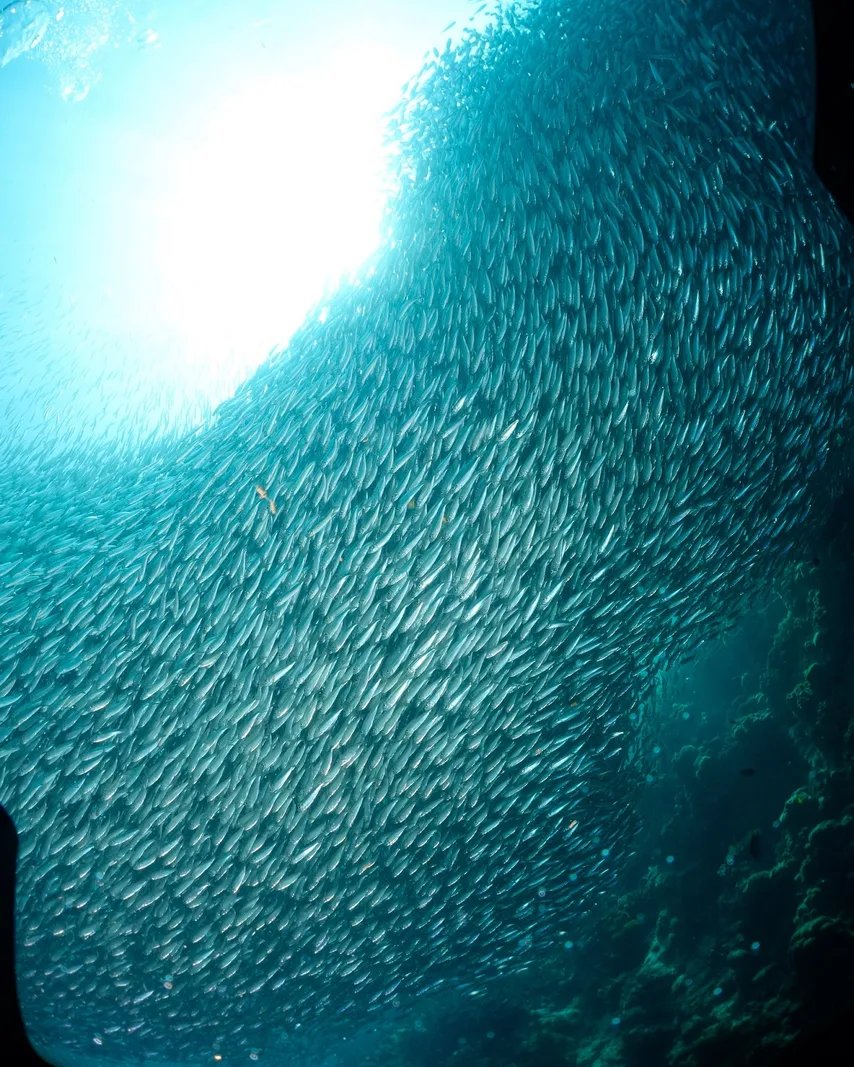
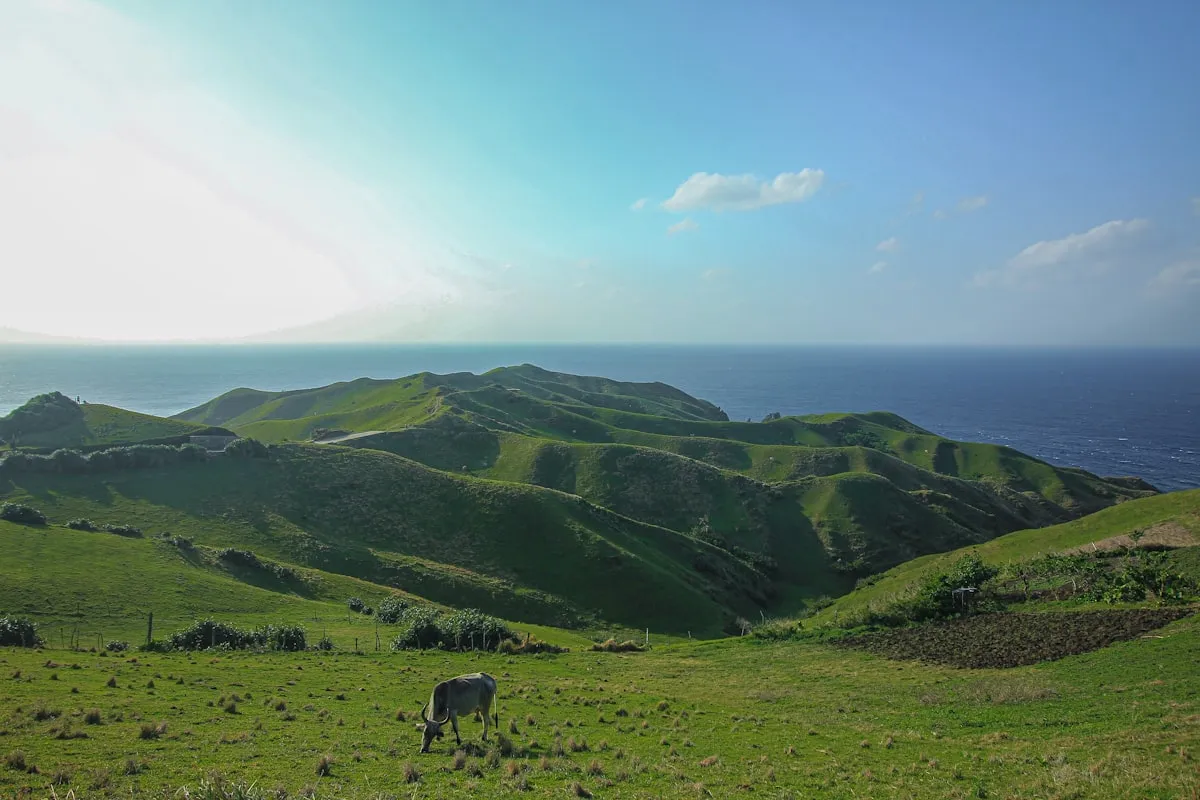
There's a reason Bohol keeps appearing on every "best of the Philippines" list. It's not just one thing — it's the staggering concentration of things. In the space of a single island about the size of a large province, you get otherworldly geological formations, the world's tiniest primates, a river that doubles as a floating restaurant, some of the best dive sites in Southeast Asia, and beaches that quietly rival anything in Boracay or El Nido. And unlike those destinations, Bohol rarely feels overrun. You can cover the highlights in three days, do it properly in five, and still feel like you've only scratched the surface.
Bohol Complete Travel Guide: Chocolate Hills, Tarsiers & Island Paradise (2026)
Trip.com
Search on Trip.comHotels in Philippines
Compare live prices via Travelpayouts — targeted for this guide.
This is the complete guide — getting there, where to sleep, what to see, how much to budget, and the honest tips the Instagram posts leave out.
Getting to Bohol
Bohol has two entry points: Tagbilaran City (the capital, on the island's southwest coast) and the fast-craft terminal for boats from Cebu. Most travellers arrive via one of these two routes.
From Cebu City
The ferry crossing is half the fun. Fast craft vessels — operated by Oceanjet, SuperCat, and Lite Ferries — depart from Cebu's Pier 1 throughout the day and reach Tagbilaran in about two hours. Fares run PHP 250–350 for a tourist-class seat, and the boats are air-conditioned and reasonably comfortable. Book online a day or two ahead during weekends and holidays — they do sell out. If you're on an extremely tight budget or travelling with a motorbike, RoRo (roll-on, roll-off) ferries are cheaper at around PHP 150 but take three to four hours. They depart from Cebu's Pier 4 and are worth it only if time genuinely doesn't matter.
Trip.com
See all tours in Philippines on Trip.comChocolate Hills tour in Philippines
Hand-picked experiences in Philippines — book on Trip.com with instant confirmation.
From Manila
Fly directly into Tagbilaran Airport (TAG), which now receives several direct flights from Manila daily. Flight time is roughly 1.5 hours. Cebu Pacific and Philippine Airlines are the main carriers; fares range from PHP 2,000 to PHP 5,000 one-way depending on how far in advance you book and whether Cebu Pacific is running a seat sale. For the best prices, book 6–8 weeks out and check the Cebu Pacific app on Tuesday and Wednesday mornings when promotions typically go live. Alternatively, fly to Mactan-Cebu International Airport (which has far more flight options from Manila and other international hubs) and then take the fast craft — total travel time is similar but the Cebu connection gives you far more scheduling flexibility.
Where to Stay in Bohol
Where you base yourself shapes your entire Bohol experience. Here are the three main options, each with a distinct personality.
Tagbilaran City
The capital is primarily a transit hub — you'll likely arrive and depart through here, and it's convenient for early-morning ferry departures or late arrivals. It's not especially scenic or beach-focused, but it has the widest selection of budget hotels, decent restaurants, and everything you need practically. Good choice for a single-night stay at either end of your trip, but most travellers push straight through to Panglao or Anda.
Alona Beach and Panglao Island
This is the main tourist heartland of Bohol, connected to the mainland by a short causeway. Alona Beach is the backpacker and dive hub — a narrow strip of white sand lined with guesthouses, dive shops, open-air restaurants, and beach bars that stay lively well into the evening. It's compact, social, and a little chaotic in the best possible way. Accommodation here ranges from basic fan rooms at PHP 800–1,200/night to air-conditioned bungalows with private bathrooms at PHP 1,500–2,500/night. For something quieter but still on Panglao, look at the resorts along the southern coastline facing the Bohol Sea — better beaches, fewer people, similar prices.
Anda
Anda, on the island's eastern tip, is where you go when you want Bohol's beauty without its crowds. The stretch of white-sand beach here is genuinely spectacular — fine, powdery, and usually almost empty. Accommodation is simpler than in Panglao, with resorts and guesthouses running PHP 1,000–2,000/night. Anda also has its own attractions (more on those below). The trade-off is distance — it's about an hour and a half from Tagbilaran, so it works best as a dedicated two-to-three-night base rather than a day-trip destination.
The Chocolate Hills
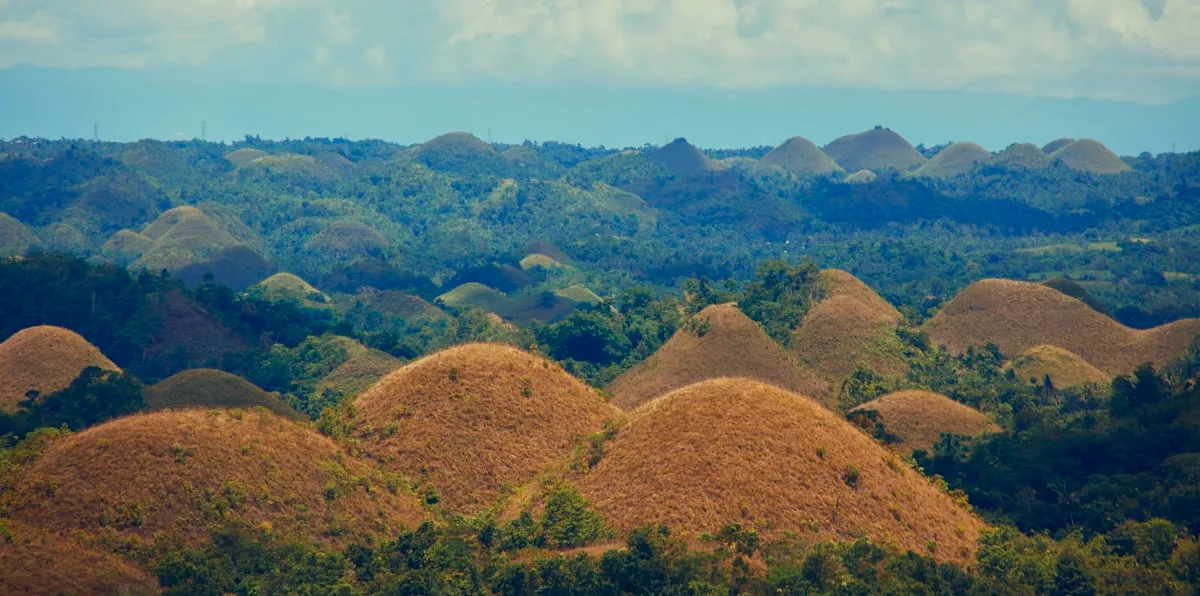
Nothing in the Philippines quite prepares you for the Chocolate Hills. There are 1,776 of them — conical, almost perfectly symmetrical grass-covered mounds rising from the flat valley floor across Carmen, Batuan, and Sagbayan municipalities. The geological theory is that they're the weathered remains of marine limestone formations, but standing at the viewpoint and watching them roll to the horizon in every direction, they feel more like a film set than a natural landscape.
The name comes from the dry season (roughly March through May), when the grass turns brown and the hills look like a giant box of chocolate truffles. In the wet season, they're a vivid, lush green — arguably more beautiful, just less chocolatey. Both seasons are worth seeing; don't let anyone tell you there's a single "right" time to visit.
The main viewpoint is the Carmen View Complex, a hilltop observation platform with staircases that were rebuilt after earthquake damage. Entrance is PHP 100. Arrive before 9am to beat the tour buses — by mid-morning the parking lot fills up fast. Sunset light from the viewpoint is genuinely stunning if you can arrange your itinerary to catch it.
For those who want to get in among the hills rather than just look at them from above, ATV tours through the valleys between the formations are widely available in Carmen. Expect to pay PHP 1,500–2,500 depending on tour duration and operator. It's one of the more memorable ways to spend a morning in Bohol — especially if you're travelling with kids or anyone who'd rather ride than walk.
The Chocolate Hills were submitted for UNESCO World Heritage consideration and appear on the UNESCO tentative list — which means there are ongoing conservation rules around development in the area. Stick to designated trails and viewpoints, and please don't carve your initials into anything.
Philippine Tarsiers: The World's Smallest Primates
Tarsiers are genuinely extraordinary animals. With eyes larger (relative to body size) than any other mammal on Earth, enormous bat-like ears, and the ability to rotate their heads almost 360 degrees, they look like the concept art for an alien species. A full-grown Philippine tarsier is roughly the size of a fist and weighs about 120 grams. Bohol is their last remaining stronghold in the wild.
Here's the problem: tarsiers are extremely sensitive to stress and light. Unethical roadside sanctuaries — and there are many on the road between Tagbilaran and Carmen — keep them in brightly lit enclosures, allow flash photography, and sometimes permit physical contact. Tarsiers subjected to these conditions frequently die of stress within weeks. It is not an exaggeration to say that a single flash photo can contribute to a tarsier's death.
The ethical alternative is the Bohol Tarsier Sanctuary in Corella, managed by the Philippine Tarsier Foundation. Here, tarsiers roam in a semi-wild forested environment. They perch on branches at viewing height but in their natural setting — no cages, no spotlights, no handlers moving them for photos. Entrance is PHP 100. No flash photography is allowed and guides enforce this. If you see a tour that advertises "tarsier selfies" or claims you can hold one, walk away. Visit Corella instead — you'll have a far better, more honest experience, and the animals will survive it.
The Loboc River Cruise
The Loboc River winds through thick jungle in the island's interior, lined with nipa palms and banana trees, and it's the setting for one of Bohol's most beloved activities: the floating restaurant cruise. Flatboats fitted with dining tables and kitchens drift slowly upriver and back, covering about five kilometres in roughly 1.5 hours while a live ensemble plays traditional Filipino folk music on deck. Lunch — a buffet of local dishes — is included in the ticket price.
Standard prices run PHP 600–800 per person. The experience sounds touristy, and it is — the boats convey in a slow-moving fleet — but it's also genuinely relaxing in the deep-jungle heat of a Bohol afternoon, the food is decent, and the music is authentic and excellent. Children in particular love it.
A practical tip: book through Klook rather than through the tour operators who approach you at the dock. Klook packages often include transportation and combine the cruise with the Chocolate Hills and tarsier sanctuary as a day tour, at better prices than booking everything separately. The dock touts at Loboc charge a premium and the floating restaurants they work with are not always the better ones.
Panglao Island Beaches
Panglao has more than one beach, and each has its own character.
Alona Beach is the main hub — lively, social, and lined with dive shops and restaurants. The sand is fine and white, the swimming is good, and the nightlife (such as it is) is here. It can feel crowded on weekends and holidays but is far from unpleasant.
Dumaluan Beach, a short tricycle ride east of Alona, is quieter and has a longer, wider stretch of sand. The water is shallow and calm — excellent for families with young children. Several mid-range resorts front this beach, making it a good base if you want beach access without Alona's bustle.
Danao Beach is where locals go on weekends. Less polished, more authentic — a handful of carenderias, kids playing in the shallows, fishermen pulling in their morning catch. If you want to see Panglao as it is for the people who actually live there rather than the Instagram version, Danao is worth the tricycle ride.
Diving from Alona Beach
Alona is one of the premier dive destinations in the Philippines, and the Philippines is one of the premier dive destinations on Earth. The concentration of dive shops on and around Alona Beach means fierce competition and, consequently, reasonable prices.
The headline dive site is Balicasag Island Marine Sanctuary, a 45-minute boat ride from Alona. The sanctuary is home to large schools of jacks and snappers, sea turtles that are reliably encountered at the cleaning stations, a dramatic wall drop to 40+ metres, and visibility that regularly hits 25–30 metres. A two-dive trip to Balicasag including equipment hire and boat transfer runs roughly PHP 2,500. Individual fun dives from Alona start at PHP 1,000–1,500 including equipment.
Dive shops also run PADI open-water courses for beginners — expect to pay PHP 12,000–16,000 for a full four-day certification, which compares very favourably to prices in Thailand or Australia. The water is warm (27–29°C year-round), the marine life is extraordinary, and the instructors at the established shops are generally excellent.
The Anda Area: Bohol Without the Crowds
If you have an extra day or two and want a completely different pace, make the journey to Anda. The beach here — a long, curved bay of powder-white sand facing the Camotes Sea — is among the finest on the island and sees a fraction of Panglao's visitor numbers. Mornings on Anda beach in the low season can feel like you have the entire thing to yourself.
Beyond the beach, Anda has a pair of worthwhile attractions. Lamanoc Island, a short boat ride offshore, contains sacred caves with pre-colonial burial jars and rock art that document indigenous Visayan spiritual practices. The caves are genuinely atmospheric and the boat crossing is pleasant. It's a 20-minute outrigger ride each way — arrange at the Anda pier for around PHP 400 return including the guide.
The Anda beach walk runs along the coastline through fishing villages, coconut groves, and the occasional small chapel. There's no formal trail — just follow the shoreline — and it takes about two hours at a relaxed pace. Pack water, wear sunscreen, and go in the morning before the heat peaks.
The Classic Bohol Day Tour Itinerary
If you only have one full day for the interior sights, here's the popular route that most day-tour operators run — and for good reason, it works well:
Morning (8am): Start at the Bohol Tarsier Sanctuary in Corella. Arrive early before the tour buses and you'll have the forest path almost to yourself. The tarsiers are most active in the cooler morning hours.
Late morning (10am): Drive to Carmen for the Chocolate Hills. Two hours is enough to climb the viewpoint stairs, take photos, and absorb the view. If ATV tours appeal, book here for an additional hour.
Midday (12:30pm): Head to Loboc for the river cruise and lunch. The 1.5-hour cruise covers the hottest part of the day while keeping you cool on the water — excellent timing.
Afternoon (3pm onwards): Return to Panglao Island. Hit the beach, check into accommodation, and plan your evening around Alona's restaurant row. Seafood grilled over charcoal on the beachfront is the right choice for dinner.
Hiring a private tricycle or van driver for this route costs PHP 1,500–2,500 depending on negotiation and vehicle type. Organised tours (booked through Klook or your accommodation) run PHP 1,200–2,000 per person and handle all logistics including pick-up.
Budget: What to Expect
Bohol is not the Philippines' cheapest destination — Panglao's popularity has pushed prices above the provincial average — but it remains excellent value by any international standard. Based from Alona Beach or Panglao, a realistic daily budget breaks down roughly as follows:
- Accommodation: PHP 800–2,500/night (fan room to air-conditioned bungalow)
- Food: PHP 400–800/day (mix of carenderia meals and beachfront restaurants)
- Activities: PHP 600–1,500/day (entry fees, tricycle hire, one main attraction)
- Transport: PHP 200–400/day (tricycle hops around Panglao)
All-in, budget travellers can manage on PHP 2,500/day with discipline. A comfortable mid-range trip — good air-conditioned accommodation, restaurant meals, and doing the main activities — runs PHP 3,500–4,500/day. Splurge days (Balicasag diving, ATV at Chocolate Hills, beachfront dining) push that to PHP 6,000+.
Local Food Worth Seeking Out
Bohol has a handful of local specialities that are worth going out of your way for:
Chicken Binakol is the island comfort food — a fragrant coconut-water soup with chicken, ginger, lemongrass, and sometimes young coconut flesh. It's warming, subtly sweet, and deeply satisfying. Any traditional eatery in Tagbilaran or along the road to Carmen will have it; PHP 120–180 for a generous bowl.
Calamay is Bohol's most famous export — a sticky, sweet paste made from glutinous rice, coconut milk, and brown sugar, cooked down slowly and packed into coconut shells. You'll see vendors selling it near the Chocolate Hills and at every souvenir shop. It's intensely sweet but genuinely good. Buy one as a pasalubong (home gift) — they travel well and keep for a week or two.
Fresh seafood on Panglao is predictably excellent. The catch of the day — whatever the morning boats brought in — is grilled over charcoal and served with steamed rice and dipping sauce at the beachfront restaurants for PHP 300–600 depending on size. Squid, grouper, and lapu-lapu (coral grouper) are the stars.
Frequently Asked Questions
When is the best time to visit Bohol?
Bohol's dry season runs from December through May, with January through April offering the most reliably sunny weather. March through May is peak-hot — spectacular for beach and diving but bring serious sunscreen. The wet season (June–October) brings occasional rain and rougher seas, which affects island-hopping to Balicasag. That said, Bohol is located in the Visayas and generally sheltered enough that even the wet season has plenty of fine days. November and early December offer an excellent sweet spot: dry-season conditions arriving, prices not yet at peak, crowds manageable.
How many days do I need in Bohol?
A minimum of three days covers the highlights: one full day for the Chocolate Hills, tarsiers, and Loboc cruise; one day for diving or snorkelling from Alona; and a half-day for beach time. Five days is the comfortable version — you can add Anda, a second dive day, and still have evenings to wander Alona properly. A week is not too much if diving is your main focus.
Is Bohol safe for solo travellers?
Yes. Bohol consistently ranks among the Philippines' safest provinces. Panglao is a well-established tourist area with a visible police presence, well-lit streets, and a tourism industry that depends on visitor goodwill. The standard Philippines travel precautions apply — don't flash expensive gear in markets, use official tricycles or metered transport, and keep copies of your documents — but solo travellers (including solo women) move around Bohol routinely without incident. Alona Beach has a social, hostel-friendly vibe that makes it easy to meet people if you're travelling alone.
Can I do Bohol as a day trip from Cebu?
Technically yes, but practically it's a waste. The fast craft takes two hours each way, which eats four hours of your day before you've done anything. You'd be rushing through the Chocolate Hills and tarsiers and barely touching the beach. If you genuinely only have one day, take an early-morning ferry, do the interior tour, and catch a late-afternoon or evening fast craft back — but even then, you'll return to Cebu wishing you'd stayed overnight. Bohol is worth at least two nights; treat it as its own destination, not a Cebu side trip.
Do I need to book tours in advance?
For peak season (December–April, especially Holy Week), booking accommodation and the Loboc cruise at least a week ahead is wise — particularly if you want specific departure times on the fast craft. The Chocolate Hills viewpoint and tarsier sanctuary don't require advance booking. Dive trips from Alona can generally be arranged same-day or the evening before. Klook is a reliable platform for pre-booking the classic day tour and the Loboc cruise at guaranteed prices; alternatively, your accommodation's front desk can usually arrange transport and tours on short notice for a small service fee.
The Bottom Line
Bohol earns its reputation. The combination of geological wonder, wildlife that exists nowhere else in comparable density, world-class diving, and beautiful beaches in a compact, navigable island makes it one of the few destinations in the Philippines that genuinely delivers on every level. It's not trying to be El Nido's dramatic cliffs or Boracay's party-beach scene — it's something more varied and, for many travellers, more satisfying.
Come for the Chocolate Hills. Stay for the diving. Leave with a pocket full of calamay and the nagging feeling that three days wasn't quite enough.

PANA.PH Editorial Team
Philippines travel desk
The PANA.PH travel desk researches, books and re-checks Philippines travel logistics — fares, ferry schedules, government fees and permit rules — and publishes what it can verify.
🏡 Real local stays (book direct)
Hand-picked homestays and guesthouses — book direct, no markup.
Browse all local stays →
🌊 Popular activities (book instantly)
Island hopping, canyoneering, whale sharks — real Klook/GetYourGuide options.
View all activities →