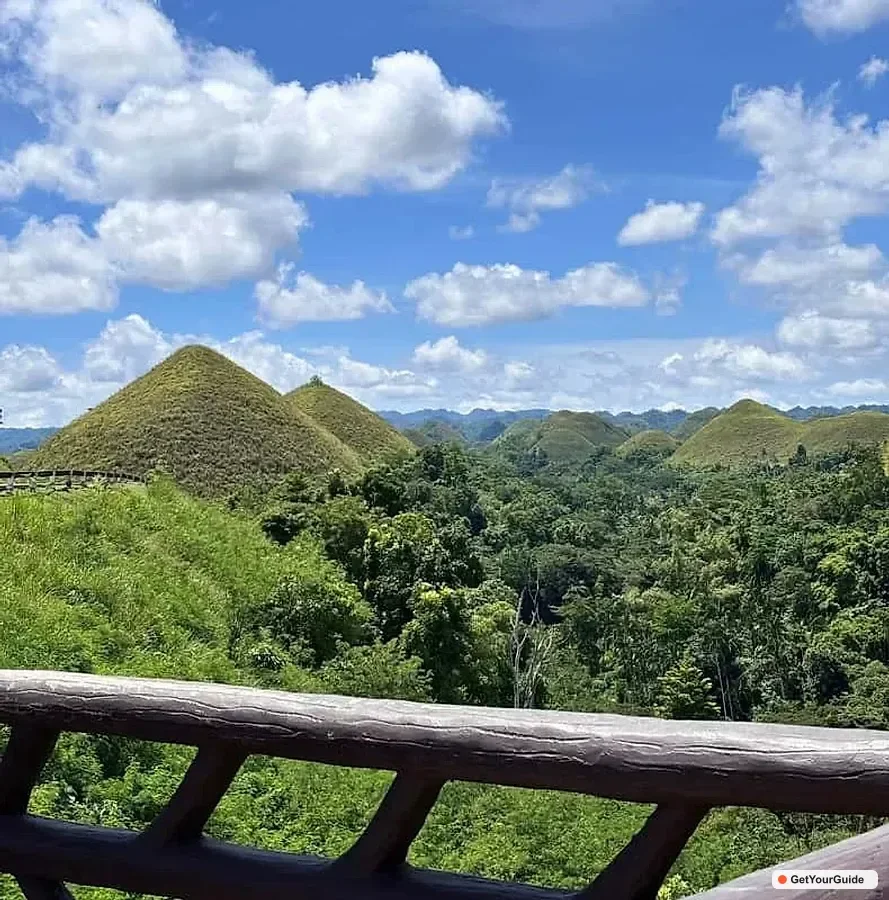
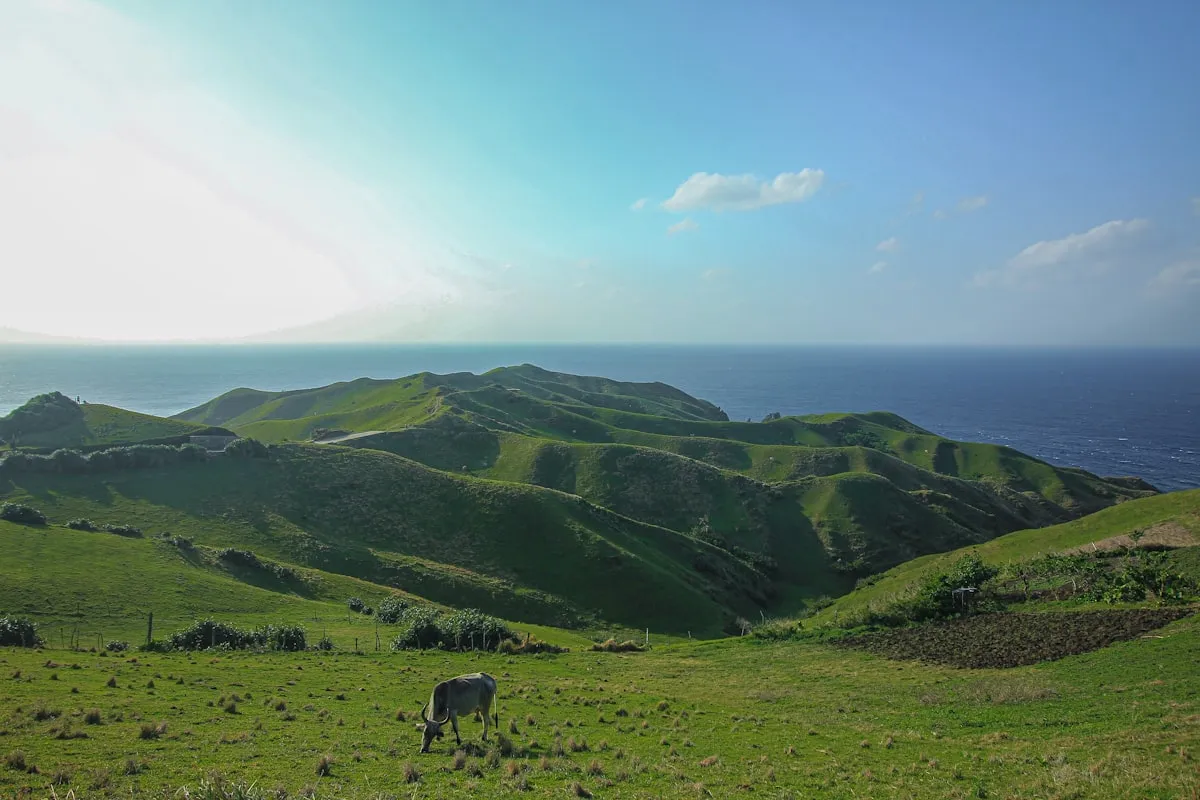
Short answer: February to May, and specifically for the hills. The Chocolate Hills are grass-covered mounds that turn brown only when the grass dries out in those months - the rest of the year they are green, which is striking but not what the name or the photographs promise. Bohol is otherwise one of the more weather-tolerant destinations we index, because half its attractions are inland and reached by van.
Trip.comHotels in Visayas
Compare live prices via Travelpayouts — targeted for this guide.
Search on Trip.comA seasonality guide for Bohol: which months, what actually changes, and what it costs. Built from 38 bookable trips. Last checked 9 August 2026.
| Period | Hills | Verdict | Checked |
|---|
| February - May | Brown - the classic look | Best overall | 2026-08-09 |
| December - January | Greening | Cool, dry, peak season | 2026-08-09 |
| June - September | Green | Workable; cheapest | 2026-08-09 |
| October - November | Green | Wettest; still viable | 2026-08-09 |
How this guide was built
We read all 38 bookable Bohol trips. The median is PHP 2,117 - the lowest of any major destination we index - and the eight-hour countryside loop covering the Chocolate Hills, the tarsier sanctuary and the Loboc river runs about PHP 1,200.
That price tells you why Bohol handles weather well: its headline sights are inland and reached by road. Boats are what make Palawan expensive and weather-fragile; Bohol's best day is a van with a driver, and rain inconveniences it rather than cancelling it.
Seasons follow PAGASA's official definition - wet June to November, dry December to May.
Why the hills change colour
There are over a thousand of them, covered in grass rather than trees. In the dry months the grass browns off and the whole field turns the colour that gave them the name; after the rains return it greens again.
Both are worth seeing. But a visitor arriving in August expecting the brown landscape from every travel article will find something different, and no guide should let that surprise happen.
The 2013 earthquake, still visible
A magnitude 7.2 earthquake struck Bohol in October 2013, destroying several centuries-old stone churches including Loboc and Baclayon, and altering some of the hills themselves.
Restoration has been slow and remains visible from the Loboc river cruise. Knowing why a facade is half new makes the stop more interesting than photographing it without context - and it is unaffected by season.
Balicasag, and the months the sea cooperates
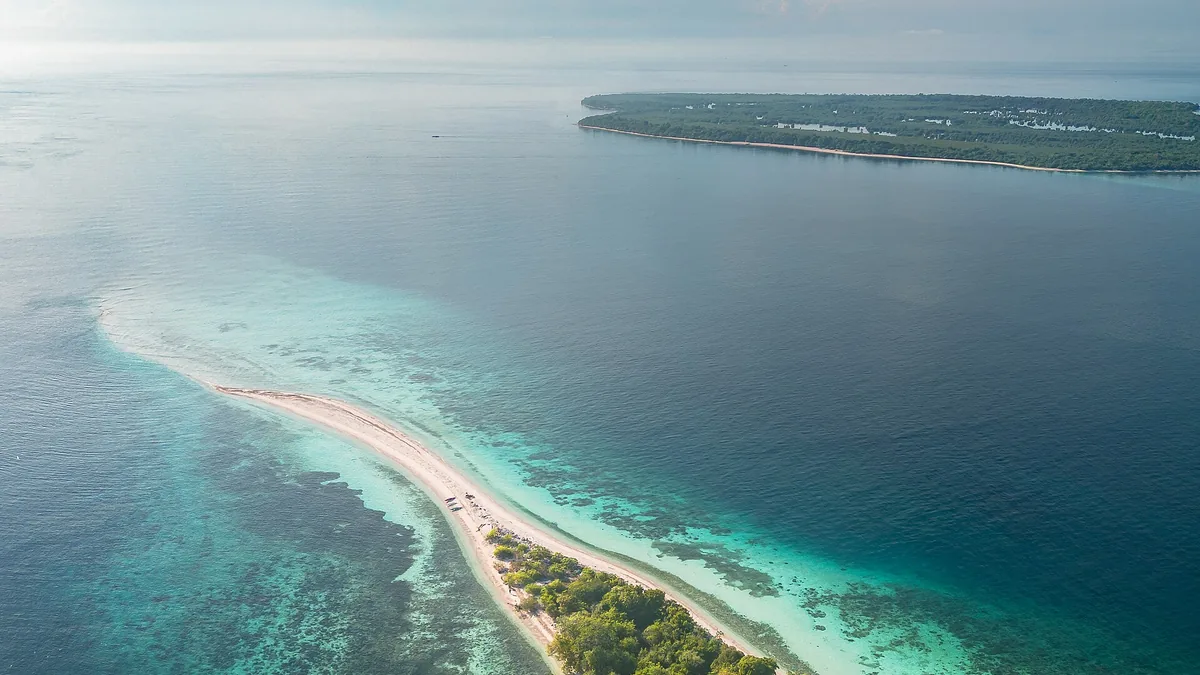
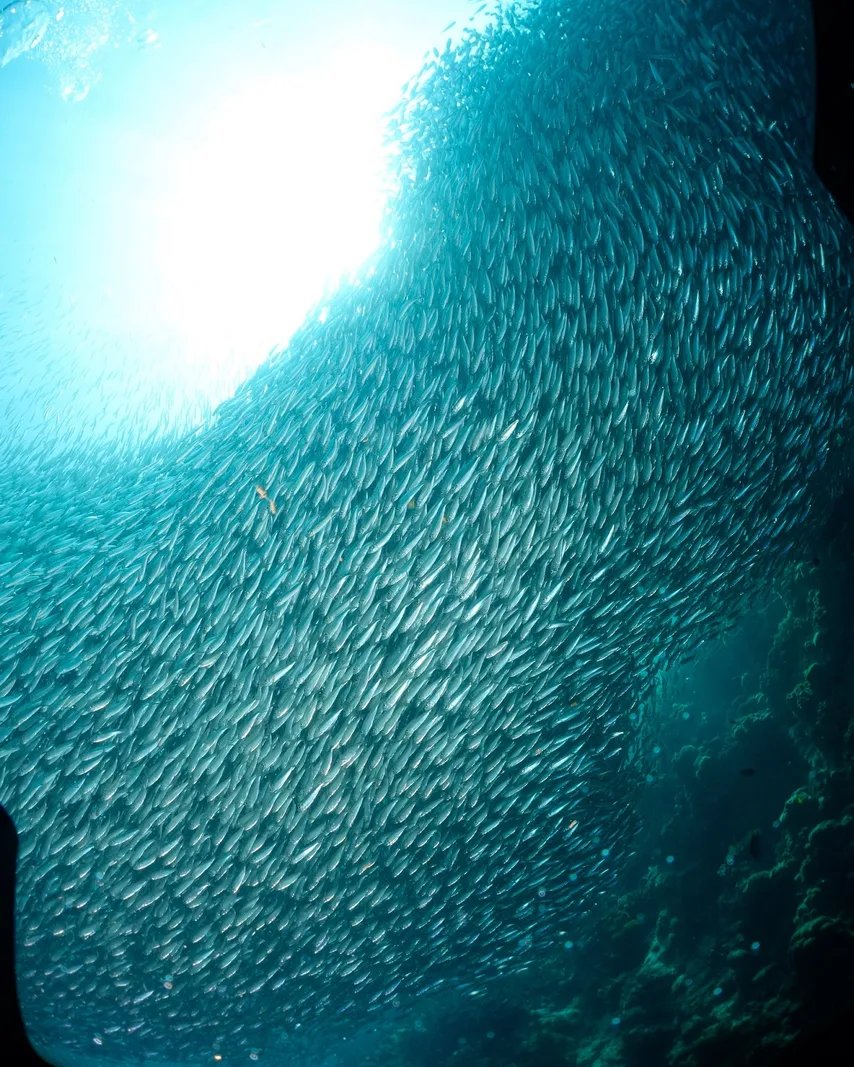
The other half of a Bohol trip is at sea off Panglao: dolphins at dawn then snorkelling the wall at Balicasag, where turtles are reliable. Calm water makes both better and the hot-dry months give the flattest sea.
Balicasag is a marine sanctuary with a daily cap on visitor numbers, counted separately for divers and snorkellers. That applies in every season and is part of why boats leave around 06:00.
What nobody tells you about wet-season Bohol
The first thing is the colour, covered above - it is the single most common mismatch between expectation and reality here.
The second is that the Cebu fast ferry keeps running when small boats do not. It is an enclosed, air-conditioned vessel on a two-hour crossing at PHP 250-450, so arrival is rarely the problem even in poor weather.
The third is that the countryside loop is the wet-season insurance policy. When the sea is up, the van day still runs - which is exactly what El Nido and Coron cannot offer.
Where prices sit, all year
Bohol's PHP 2,117 median holds across the calendar, and the countryside loop stays around PHP 1,200 for eight hours - the best value per hour in our entire Philippine inventory.
The Cebu crossing also holds at PHP 250-450. Accommodation on Alona Beach is what moves, peaking December to February and over Holy Week.
The tarsiers, and the rule that matters in any month
Philippine tarsiers are nocturnal primates with enormous fixed eyes and a genuine sensitivity to stress - distressed animals have injured themselves. The conservation sanctuary at Corella keeps visitors quiet, bans flash and does not permit handling.
Roadside operations that let you hold one are not the same thing. The sanctuary is included in the roughly PHP 1,200 loop, so there is no saving in choosing otherwise.
Where to base yourself through the year
Alona Beach on Panglao holds nearly all the accommodation, dive shops and restaurants, and it is the default in any season. Doljo and Momo beaches on the same island are quieter alternatives minutes away.
Anda, two hours east on Bohol proper, is the genuine escape - quiet beaches and cave pools with almost none of Alona's crowds. It is a different trip rather than a different hotel, and it works best when you have five nights rather than three.
Getting here when the weather is poor
Bohol-Panglao International sits on Panglao itself, 20 to 30 minutes from Alona Beach, so arrival does not depend on a sea crossing at all - unusual for a Philippine beach destination and genuinely useful in the wet months.
The alternative is flying into Cebu and taking the fast ferry to Tagbilaran, roughly two hours at PHP 250-450. Those are enclosed air-conditioned vessels rather than open outriggers, which is exactly why they keep running in conditions that stop small boats elsewhere.
How many nights, and what each buys
Three nights gives two usable days: one inland for the hills, tarsiers and Loboc river, one at sea off Panglao for Balicasag. Arrival day is largely consumed whichever route you take.
Five nights adds diving properly or the drive east to Anda. Seven is more than the island needs on its own - at which point the PHP 250-450 Cebu crossing makes the two islands one trip rather than two.
Loboc, and what the river cruise really is
The Loboc cruise is a floating restaurant with a buffet and live music, drifting upriver for an hour or so. It is touristy, everyone does it, and it is genuinely pleasant.
Loboc town was badly damaged in the 2013 earthquake, which destroyed its centuries-old church - restoration is visible from the water. That context turns a buffet boat into something more interesting, in any season.
Why Bohol suits families in any month
The countryside loop is a van with stops, the tarsiers are a short walk, the river cruise sits still and feeds people, and Alona's water is shallow and calm. Nothing requires stamina.
Against that, Palawan's island hopping needs a full day on a boat and El Nido's tours are all full days. Bohol is the most forgiving major destination we index for anyone travelling with small children or older parents - and that forgiveness extends to the weather, because the inland half runs when the sea does not.
Frequently asked questions
When are the Chocolate Hills brown?
Roughly February to May, when the grass dries out. They are green through the wet season.
What is the best month to visit Bohol?
March or April - brown hills, calm sea for Balicasag, dry weather.
Is Bohol good in the rainy season?
Relatively, yes. The inland countryside loop is a van day, and the Cebu ferry keeps running in most conditions.
How much is the countryside tour?
About PHP 1,200 for eight hours including the hills, tarsiers and Loboc river - the best value in our inventory.
Why do Balicasag boats leave so early?
For the dolphins, and because the sanctuary caps daily visitor numbers.
Where should I see the tarsiers?
The conservation sanctuary at Corella, never the roadside stops that allow handling.
Book tours, hotels & stays in Bohol
Top tours
Top hotels
Top stays