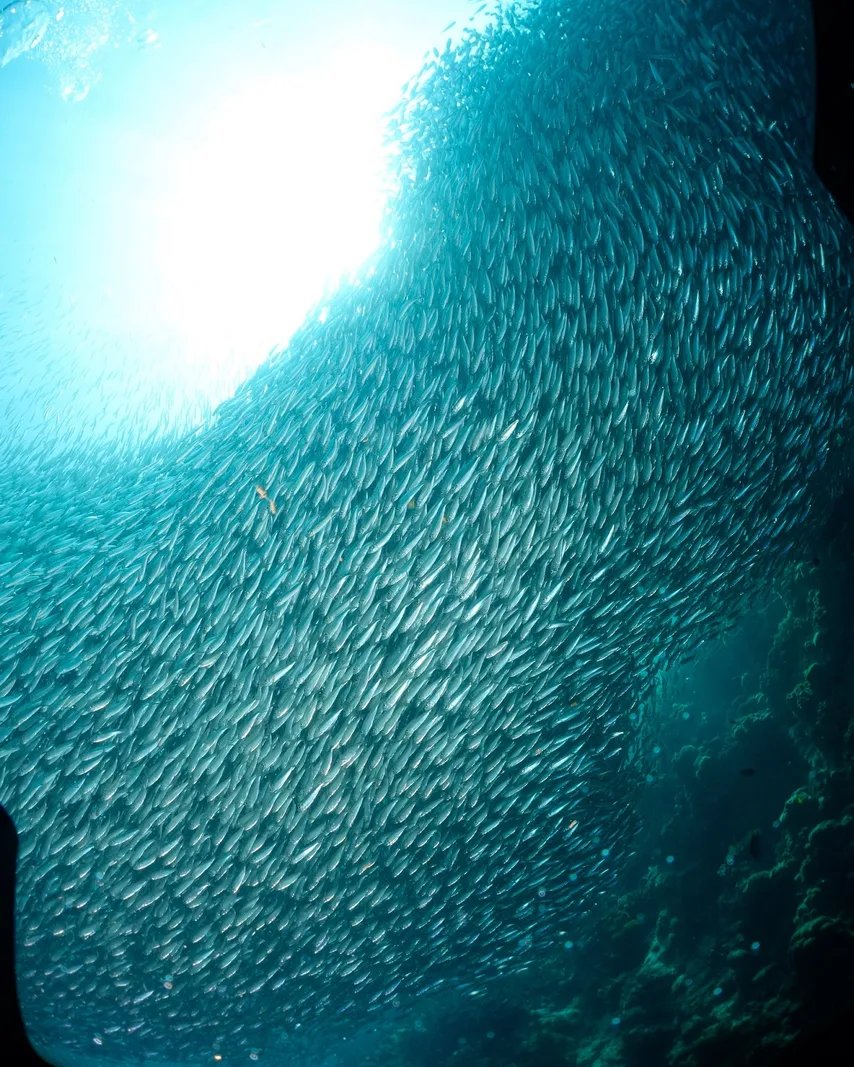
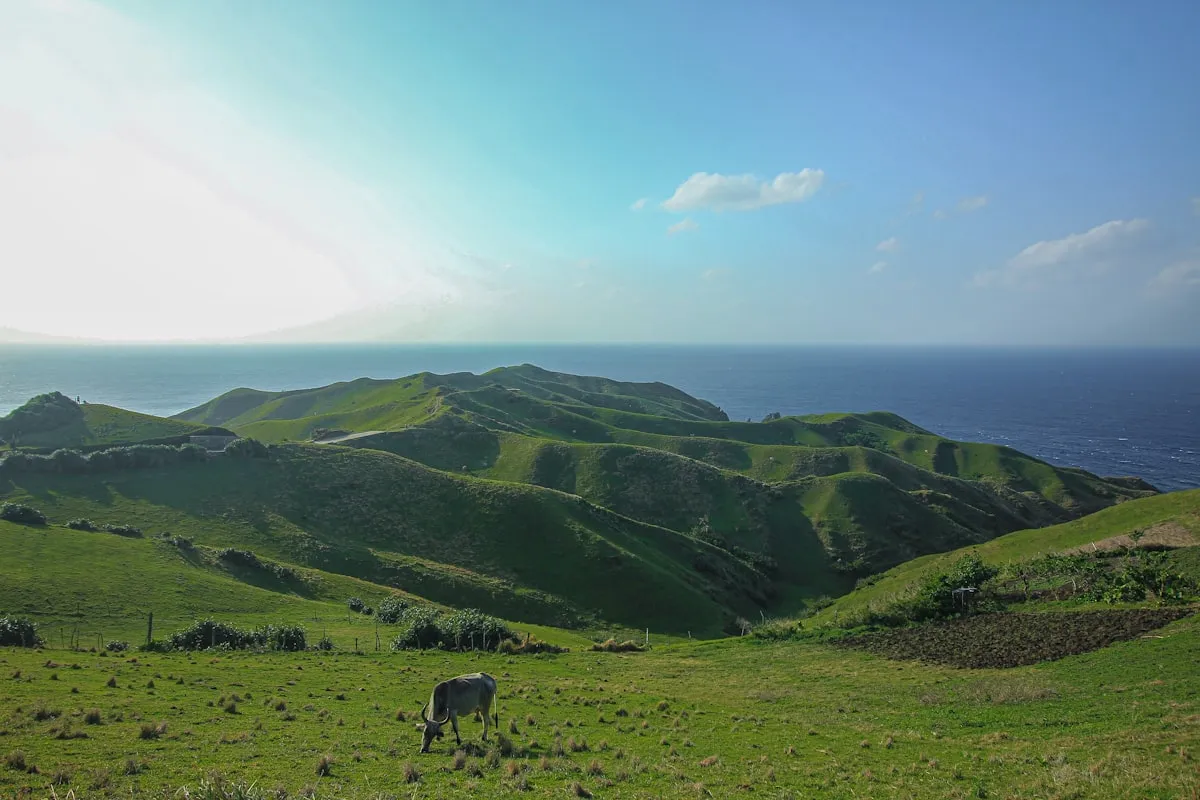
There is a moment on this tour, somewhere out on the open water north of Coron town, when the limestone cliffs that make this corner of Palawan famous fall away behind you and the horizon turns into pure blue distance. You are heading somewhere most Coron day-trippers never reach: a wild stretch of northern Busuanga where a coal-black island rises out of turquoise shallows, and where, on a remote peninsula, giraffes and zebras graze under tropical sun. It is one of the strangest, most memorable pairings in the Philippines, and on a private boat with just your own group, it feels like genuine exploration rather than a packaged outing.
Coron Black Island & Calauit Private Safari Tour - Guide
Trip.com
Search on Trip.comHotels in Philippines
Compare live prices via Travelpayouts — targeted for this guide.
Most Coron itineraries chase the same handful of lagoons and shipwrecks. This one points the bow in the opposite direction, trading crowds for two stops that surprise almost everyone: Black Island (Malajon) and the Calauit Safari Park. Going private matters here, because both sites sit far from town and the day is long; having your own banca lets you set the pace, linger where you want, and skip the convoy.
Where you actually are: the geology of Coron and Busuanga
Coron sits in the Calamian Islands, a cluster between mainland Palawan and Mindoro. The dramatic cliffs everyone photographs around Coron Island are karst: ancient limestone, formed from compressed marine sediments and coral, slowly dissolved by rainwater and the sea into jagged towers, hidden lakes, and sheer walls. That same limestone story shapes much of the trip. Black Island, properly called Malajon, gets its name and its brooding color from dark, weathered rock faces that look almost charcoal against the white-sand beach at its foot.
Calauit, by contrast, is a flatter, greener island off the northwest tip of Busuanga, fringed by mangroves and grassland rather than cliffs. The waters between these places are part of the same shallow, reef-rich shelf that makes the whole Calamian region a snorkeling and diving magnet. The boat ride itself becomes part of the experience: long crossings over water that shifts from deep navy to electric jade as the seabed rises and falls beneath you.
Trip.com
See all tours in Philippines on Trip.comTours & activities in Philippines
Hand-picked experiences in Philippines — book on Trip.com with instant confirmation.
Black Island (Malajon): the wild beach stop
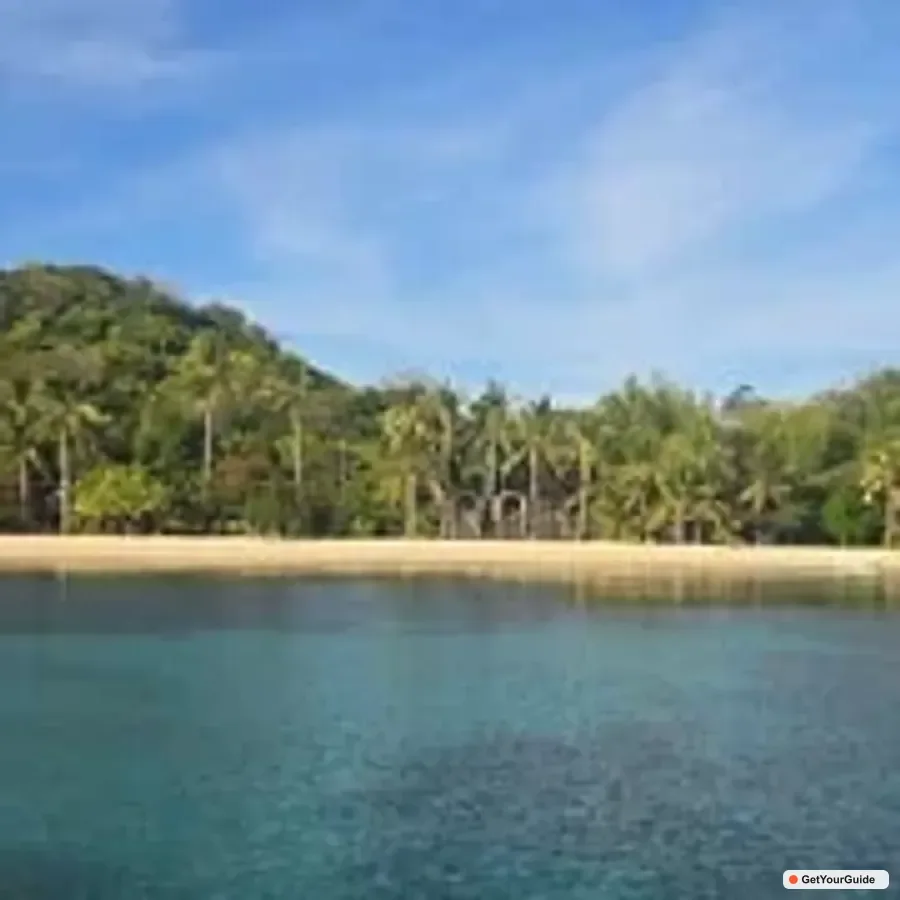
Black Island is the kind of place that makes you understand why people fall hard for Palawan. The contrast is the whole point: a long sweep of pale sand and clear, calm water set directly beneath those dark limestone cliffs. It is far less developed than the headline Coron spots, so the mood is quiet and raw.
Here is roughly what unfolds once you anchor:
- The beach: Soft sand and shallow, swimmable water make this an easy place to just float, walk, and take in the scenery. The cliff backdrop gives it a moody, cinematic feel unlike the brighter lagoons.
- Snorkeling: The reef close to shore can be rewarding, with coral and reef fish in the clear shallows. Conditions depend on the day, so ask your boatmen where visibility is best.
- The cave: Malajon has a small limestone cave you can explore on foot near the beach, a short, atmospheric scramble into the dark rock that gives the island its name.
- Quiet time: Because it is remote, you often share the beach with few other groups, which is exactly why a private tour shines here.
Footwear matters: bring reef-safe water shoes or sandals, because the rock and reef areas are not the powder-soft sand of a resort. The cave and shoreline involve some uneven walking, but nothing strenuous.
Calauit Safari Park: Africa in Palawan
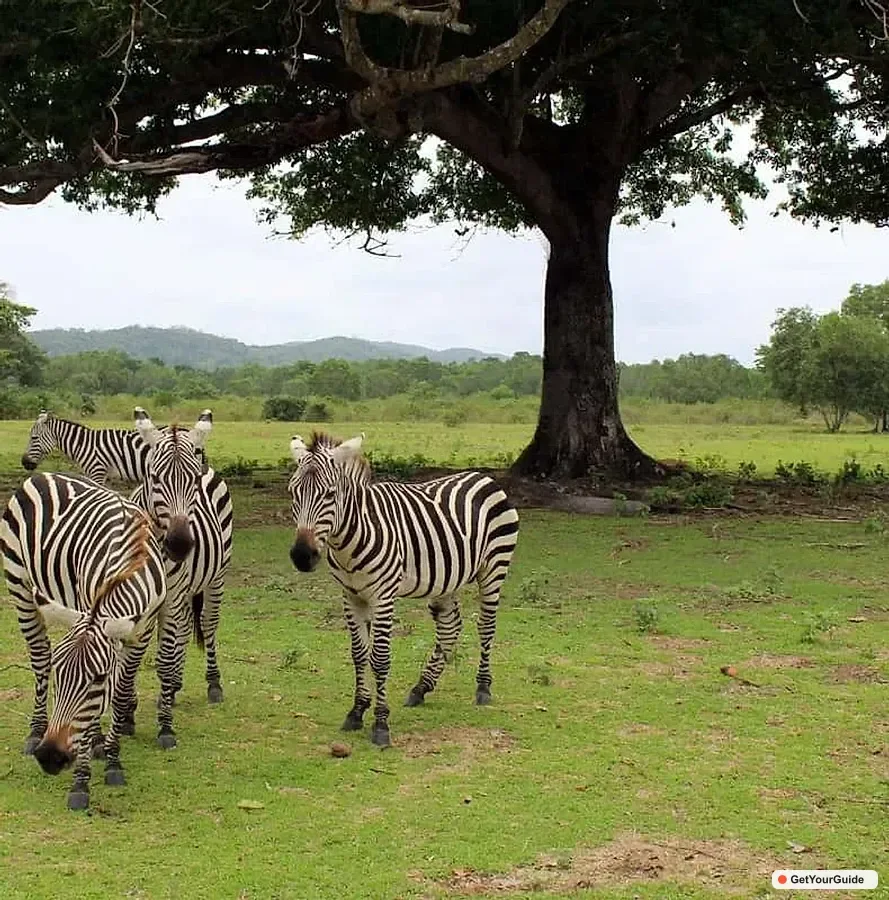
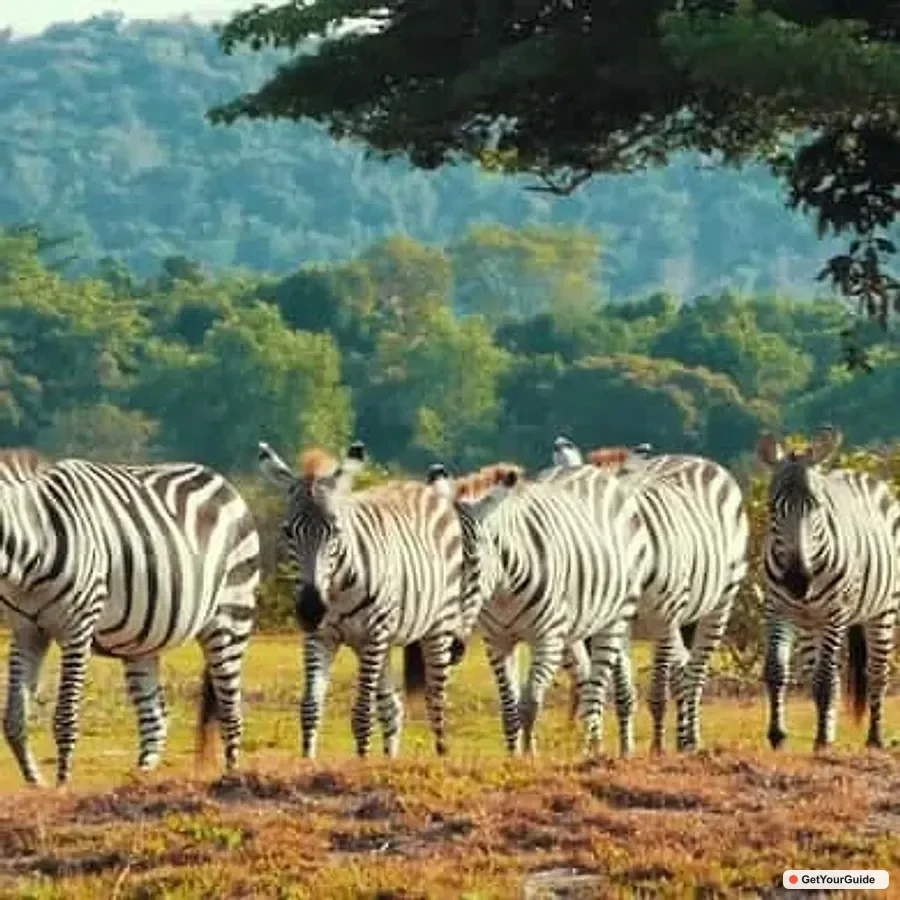
The Calauit Safari Park is the part of the day that genuinely catches people off guard. On a Philippine island, you walk among free-roaming giraffes and zebras, descendants of African animals brought here decades ago. The story behind it is real and worth knowing.
In 1976, under a presidential proclamation during the Marcos era, Calauit Island was set aside as a game reserve and wildlife sanctuary. A group of African animals, including giraffes and zebras, was translocated here, the result of an agreement tied to international conservation efforts of the time. The relocation famously involved displacing local Tagbanua families from the island, a controversial chapter that is part of the site's honest history. Over the decades the African species adapted and bred on Calauit's grasslands.
Today the park functions as a wildlife sanctuary blending those introduced African species with native Palawan fauna. What you typically encounter:
- Giraffes: The headline sight. In designated feeding areas you can often hand-feed them under ranger supervision, an unforgettable close encounter.
- Zebras: Herds graze across the open grassland, frequently visible from the trail and access road.
- Native species: Calauit is also home to Philippine wildlife such as the Calamian deer (a species endemic to these islands), Palawan bearcat, and other native animals, depending on what is present and visible that day.
A ranger or guide accompanies your visit, sharing the animals' history and keeping interactions safe and controlled. The walking here is gentle, on flat ground, though it can be hot and exposed, so sun protection is essential.
Practical tips from someone who has done this run
This is a full-day, long-distance trip. Expect a substantial boat ride plus a land transfer to reach Calauit, since the safari is on the far northwestern side of Busuanga and is accessed overland. Many private versions combine boat and vehicle, so confirm the exact logistics with your operator when you book.
- Best time to go: The dry season, roughly late November through May, brings the calmest seas and most reliable boat conditions. Coron's wetter, windier months can mean choppier crossings and changed plans. Going early in the day helps you beat heat and afternoon weather.
- What to bring: Reef-safe sunscreen, a hat, sunglasses, water shoes, a dry bag, plenty of drinking water, and a towel. Bring cash for any on-site fees and tips. A light long-sleeve layer helps against both sun and wind on the boat.
- How strenuous: Low to moderate. The hard part is the length of the day and the heat, not the physical effort. Swimming, easy beach walking, and a flat safari stroll are the main activities.
- What is typically included: Private boat, boatmen, and usually lunch and basic snorkeling gear; park entrance and conservation fees may be separate. Always confirm inclusions before you go.
- Responsible travel: Use reef-safe sunscreen and never touch or stand on coral at Black Island. At Calauit, follow ranger instructions, feed animals only where and what staff permit, and keep a respectful distance. Supporting a managed sanctuary is part of why visitor fees matter, but be a calm, low-impact guest.

Why this combination is worth the long day
Plenty of Coron tours show you the postcard. This one shows you the parts of the Calamianes that feel genuinely off the map: a black-cliffed beach where you might have the sand nearly to yourself, and a grassland where giraffes wander against a Palawan sky. The distances are real and the day is long, but that is exactly what keeps these places quiet and special.
Go private, go early, pack smart, and let the boatmen read the water. By the time you motor back toward Coron town with salt on your skin and the strange, lovely image of zebras on a tropical island still in your head, you will understand why this is one of the most memorable days the region has to offer.
Good to know before you book
- Duration: typically a full day (around 8 to 10 hours including transfers), though half-day and multi-day options exist - check the listing.
- Best for: couples, families and first-time visitors.
- What is included: transport and a guide; check the listing for meals, gear and fees.
- Pickup: most tours offer hotel or central pickup; confirm your point and time when booking.
- Book through: the GetYourGuide button on this page, which shows live availability and pricing.
Frequently asked questions
How long does the Coron Black Island & Calauit Private Safari Tour take?
Most departures run as a full day - roughly 8 to 10 hours including pickup, travel and the activities themselves - so plan to set aside the whole day. Some operators offer shorter or private versions; the exact timing for your date is shown when you book through the GetYourGuide button on this page.
What is included in the Coron Black Island & Calauit Private Safari Tour?
Typically the price covers transport and a guide; check the listing for meals, gear and fees. Inclusions vary by operator, so always read the specific listing - it spells out exactly what is provided and what you pay for separately, such as entrance or environmental fees.
What should I bring?
Pack comfortable clothing, sunscreen, a hat, water and a little cash for fees and extras. It is also worth carrying some cash for local fees, drinks and tips, plus any personal medication, since card facilities can be limited outside the cities.
Is the Coron Black Island & Calauit Private Safari Tour suitable for beginners or families?
It suits a wide range of travellers; ask the operator about fitness or swimming requirements if you are unsure. If you have specific concerns about age, fitness or swimming ability, message the operator before booking - they can advise on the best option for your group.
When is the best time to do this tour?
The best conditions are usually the dry season from late November to May, when seas are calmest and skies clearest. That said, the Philippines is a year-round destination, and many of these experiences run in any season - just expect the occasional shower and check the forecast for the day.
How do I get to Coron?
To reach Coron, fly into Puerto Princesa, El Nido or Coron (Busuanga) airport, then transfer by road or boat. Many tours include transfers from nearby towns or hotels, so confirm your pickup arrangement when you book so the day runs smoothly from the start.
Do I need to book the Coron Black Island & Calauit Private Safari Tour in advance?
Yes - booking ahead is strongly recommended, especially in the dry-season peak and on weekends, when popular tours and the best operators sell out. Reserving online also locks in your spot and lets you compare timings and inclusions easily.
How much does the Coron Black Island & Calauit Private Safari Tour cost?
Prices vary with the season, group size and exactly what is included, so we do not list a fixed figure here. Tap the GetYourGuide button on this page to see the current, accurate price and availability for your chosen date.
Can I do the Coron Black Island & Calauit Private Safari Tour as a private or customised tour?
Many operators offer a private version of this experience for couples, families or small groups who want a flexible pace and a guide to themselves, and some can tailor the route or add stops. If a private or custom option matters to you, check the listing or message the operator before booking, as availability and prices differ from the standard shared tour.
Ready to explore Coron?
From planning to the moment you arrive, the Coron Black Island & Calauit Private Safari Tour is one of the most rewarding ways to experience this corner of the Philippines - and booking it is simple. Use the GetYourGuide button on this page to check live availability, compare timings and secure your spot, then turn up and let the local guides handle the rest while you focus on the views, the water and the memories.

PANA.PH Editorial Team
Philippines travel desk
The PANA.PH travel desk researches, books and re-checks Philippines travel logistics — fares, ferry schedules, government fees and permit rules — and publishes what it can verify.
🏡 Real local stays (book direct)
Hand-picked homestays and guesthouses — book direct, no markup.
Browse all local stays →

🌊 Popular activities (book instantly)
Island hopping, canyoneering, whale sharks — real Klook/GetYourGuide options.
View all activities →