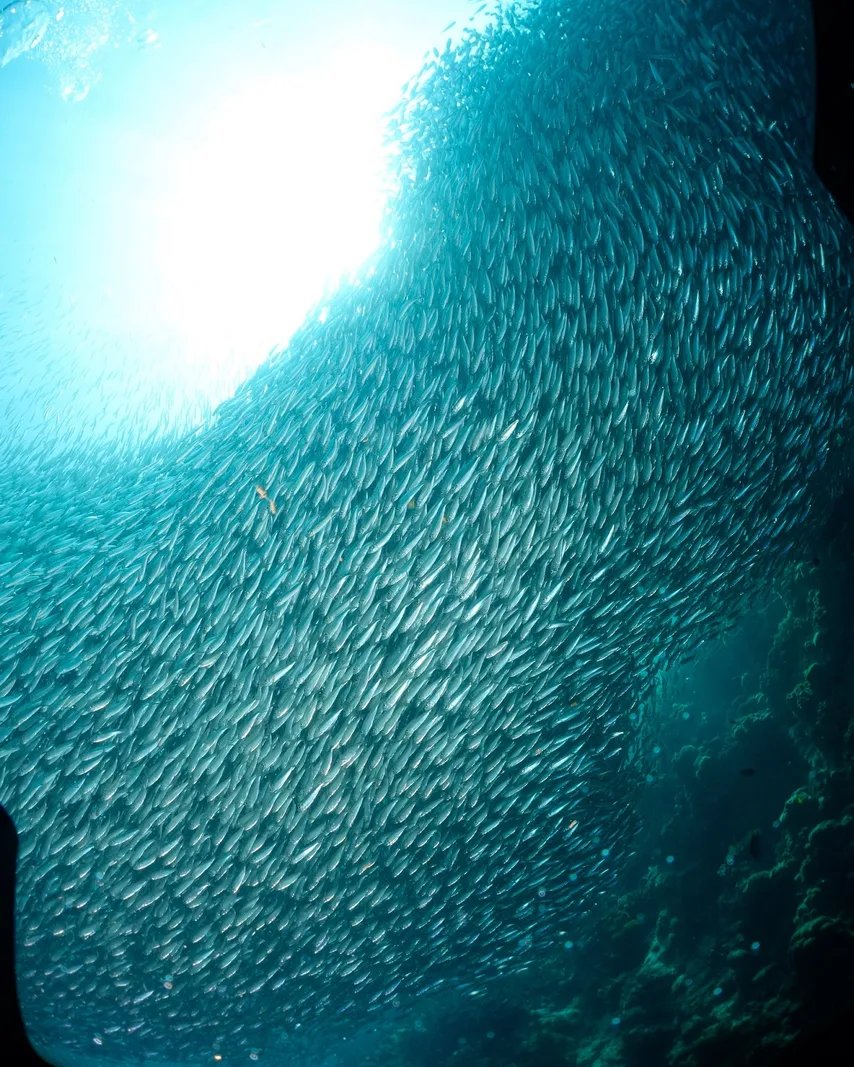
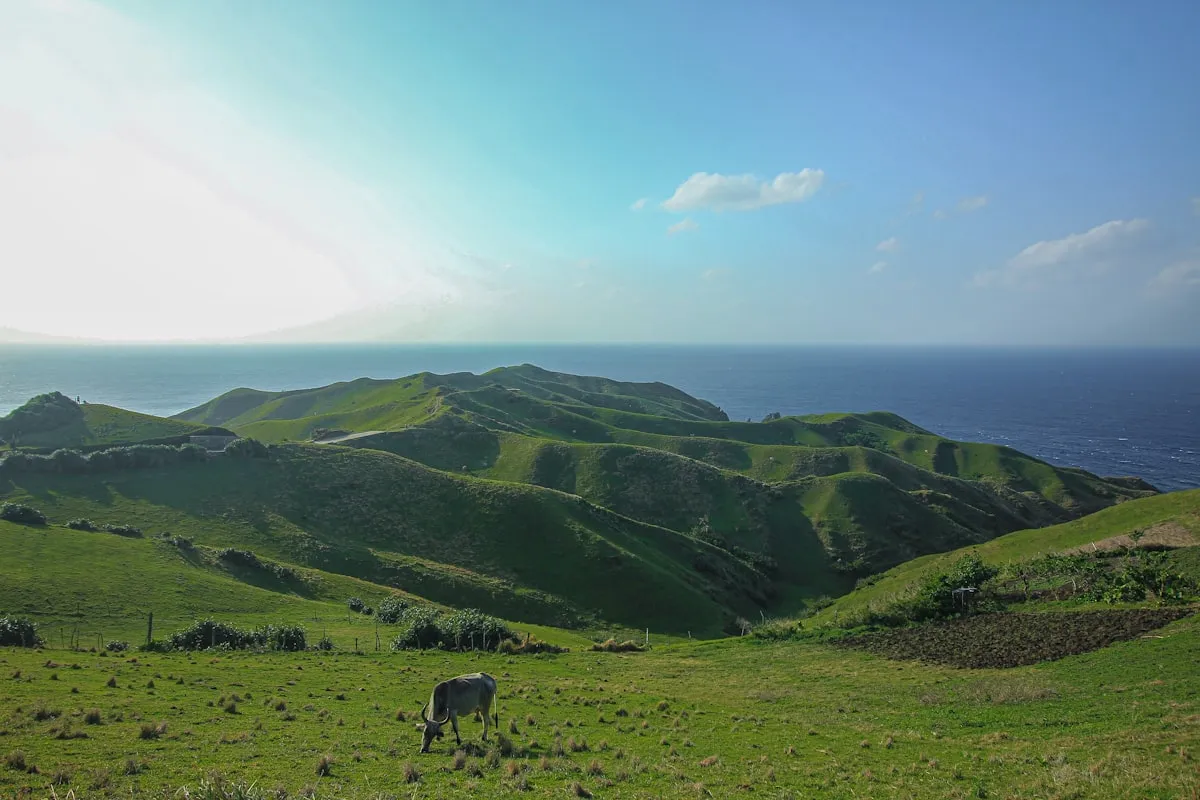
There is a moment, somewhere off the southern coast of Coron, when the engine throttles down and the water beneath the hull turns from deep navy to a shade of turquoise so luminous it looks lit from below. That is your cue. Malcapuya is close. On a private speedboat tour to Malcapuya, Ditaytayan, and the beaches around Culion, you trade the crowded, fixed-route island-hopping circuit for something rarer in Coron: time, space, and a coastline that still feels like a secret. This is the long-way-round of the Calamian Islands, and it is worth every minute on the water.
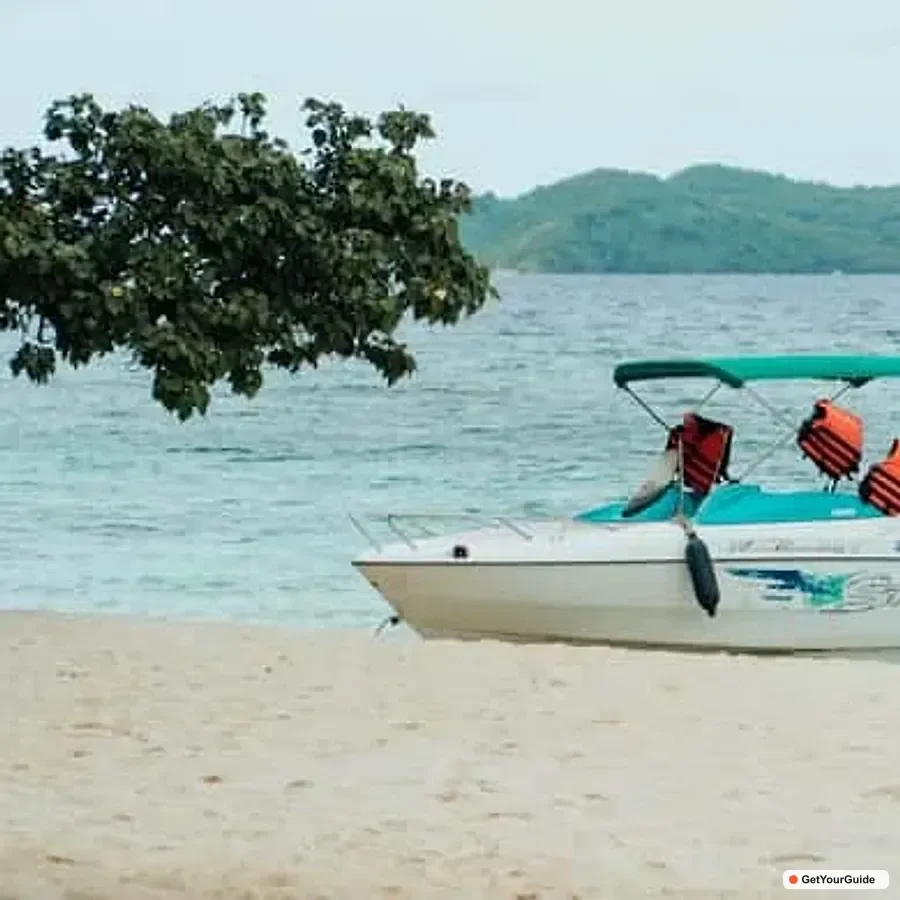
Coron Private Speedboat to Malcapuya & Culion Beaches - Guide
Trip.com
Search on Trip.comHotels in Philippines
Compare live prices via Travelpayouts — targeted for this guide.
Where you actually are: the Calamian Islands
Coron sits in the Calamian Group, a scatter of islands between the main bulk of Palawan and Mindoro, in the Philippines' far west. Most first-timers assume "Coron" is one place, but it is really three things: Coron town (on Busuanga Island, where you sleep and eat), Coron Island (the dramatic limestone giant with the lagoons), and a constellation of smaller islands south and west of it. Malcapuya, Ditaytayan, and Culion all lie to the south, which is exactly why they need a speedboat. They are simply too far for the slow, wooden bangka outriggers that handle the close-in lagoon tours.
The geology here is a tale of two rock types, and you will feel the difference under your feet. Coron Island itself is jagged Permian-age limestone karst, the same kind of ancient seabed rock that gives the region its black cliffs and hidden lagoons. The southern beach islands, by contrast, are crowned with soft white coralline sand, the slowly ground-down remains of reefs, which is why Malcapuya and Ditaytayan feel like classic tropical postcards while Coron Island feels like a fortress.
The stops, one by one
Malcapuya Island
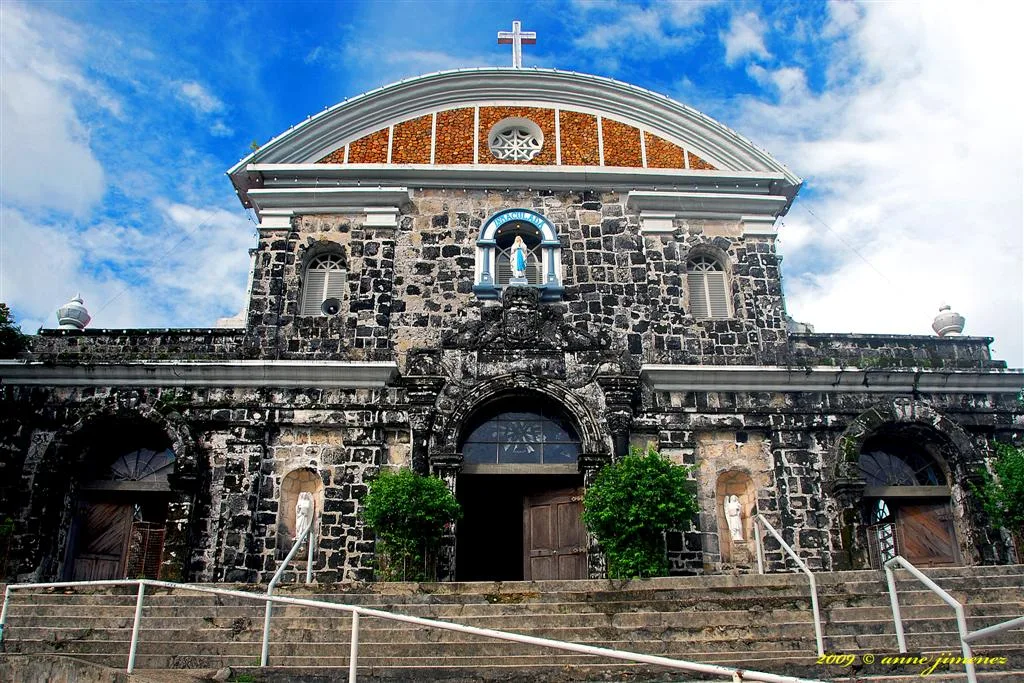
Malcapuya is the headline act, and it earns it. The main beach is a long, gentle curve of powder-soft white sand backed by coconut palms and a low green hill. The water shelves out slowly and stays shallow and warm for a long way, so you can wade out a remarkable distance and still stand. Snorkellers should head toward the rocky edges at either end of the bay, where the sandy bottom gives way to a living reef of soft and hard corals, sea stars, and reef fish. Climb the short trail up the headland and you get the view that ends up on everyone's camera roll: the whole sandbar and turquoise shallows laid out below you. There are basic amenities here, simple toilets, shaded huts, and local vendors selling cold drinks and snacks, but bring cash, as card payment does not exist on a beach island.
Trip.com
See all tours in Philippines on Trip.comTours & activities in Philippines
Hand-picked experiences in Philippines — book on Trip.com with instant confirmation.
Ditaytayan (Banana) Island
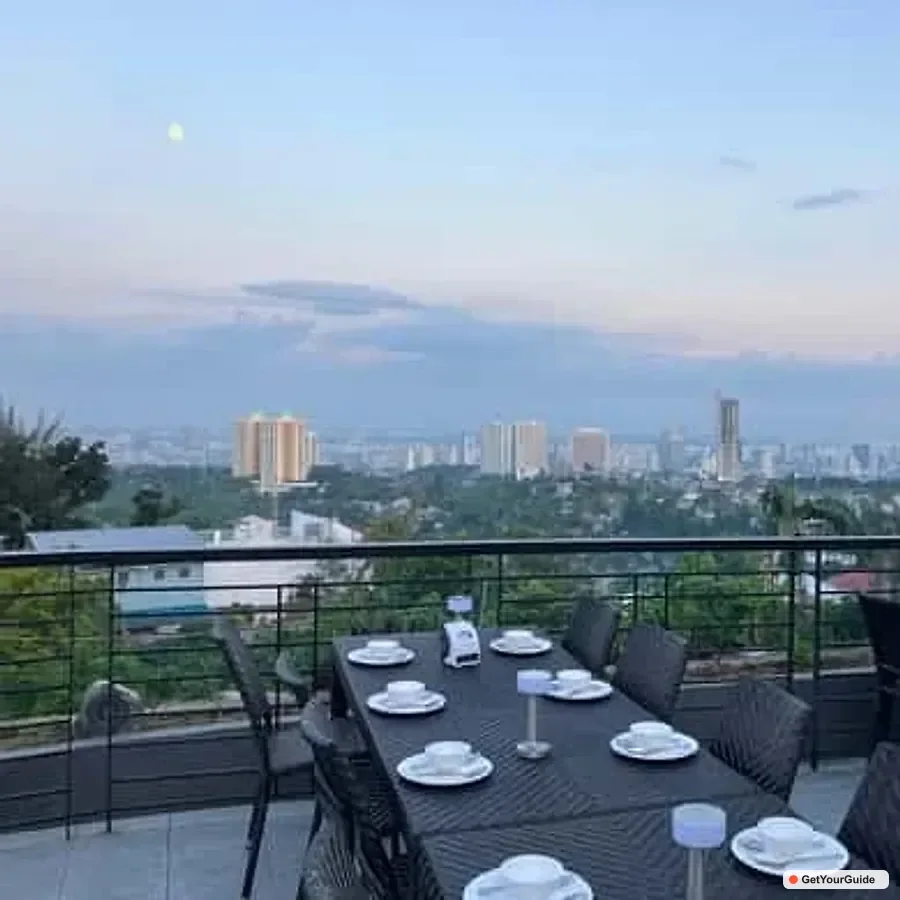
If Malcapuya is the polished star, Ditaytayan is the wild one. Its defining feature is a long, narrow sandbar that reaches out into the sea like a tongue of pure white sand, often appearing and shifting with the tide. Walking out along it, with clear water on both sides, is one of those genuinely surreal Coron experiences. The island also has a small mangrove fringe and quieter coves, and because it sees fewer boats than Malcapuya, you often get long stretches of beach to yourself. It is a place to slow down rather than tick off sights.
Culion's beaches and its remarkable history
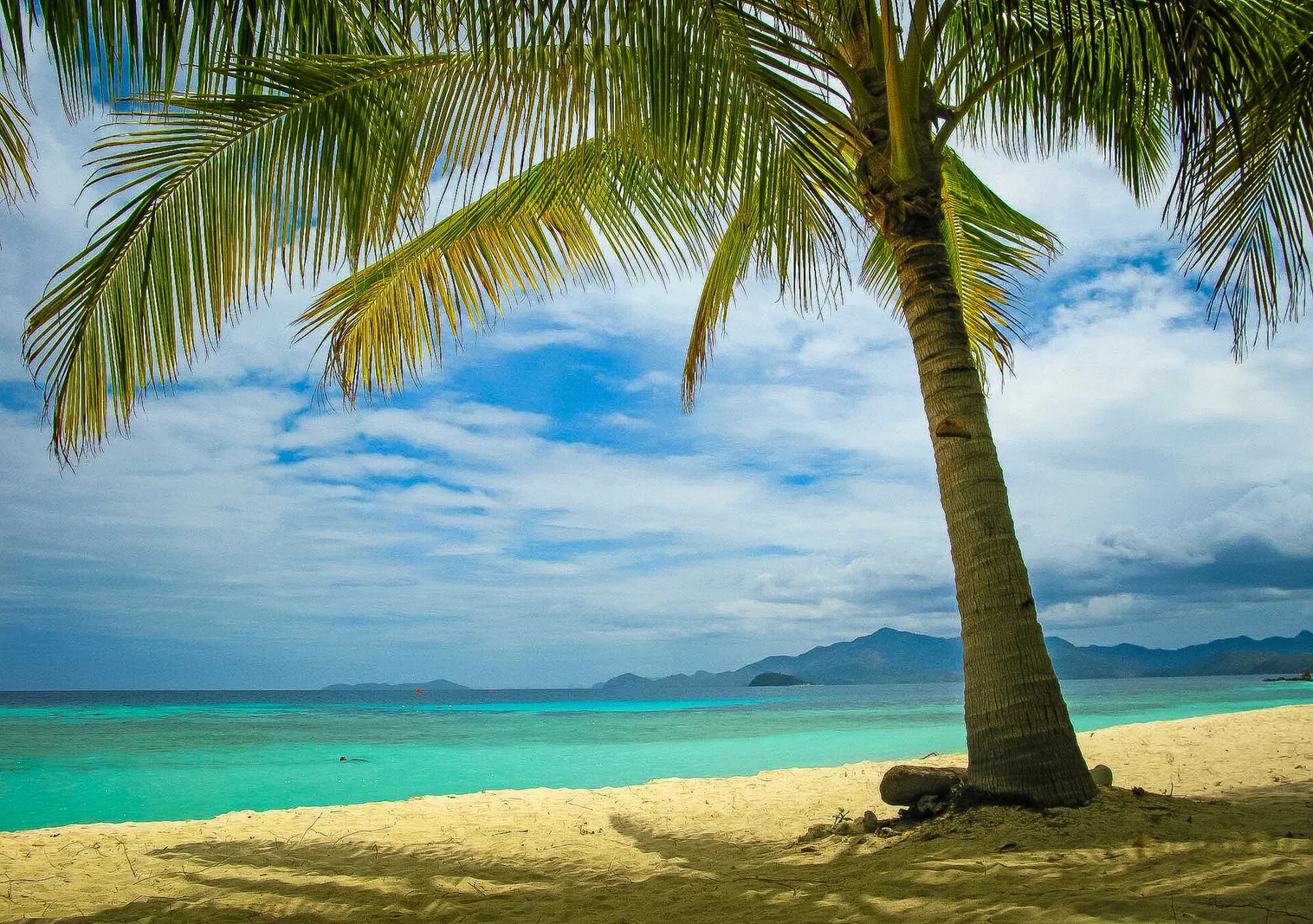
Culion is where this tour stops being only about beaches and starts being about people. The island is famous for a heavy and important reason: from 1906, under the American colonial administration, Culion was established as a leprosarium, and for decades it became one of the largest leprosy colonies in the world, home to thousands of patients sent here, often forcibly, to live in isolation. What grew here, though, was not just confinement but a real community, with its own church, hospital, and identity. Today Culion is a fully functioning town, and the disease has long been controlled and treatable. The old Spanish-era La Inmaculada Concepcion church sits atop the hill where a fort once stood, overlooking the bay, and the town's history is preserved in a small museum. Many tours pair a quiet beach stop with a glimpse of this layered past, and it gives the day a depth that pure sand-and-snorkel trips lack. Treat the town and its people with respect; this is living history, not a curiosity.
Why a private speedboat changes the day
The practical magic of the speedboat is speed, and speed buys you freedom. A standard shared bangka tour to these southern islands is a long, slow haul, and you arrive when everyone else arrives, at the busiest hour. A private speedboat cuts the travel time dramatically and lets you set your own rhythm: reach Malcapuya early before the day-tripper fleet lands, linger at Ditaytayan's sandbar until you are ready to leave, and adjust the order of stops with your boatman to chase the best light and the emptiest sand. Private also means it is just your group, your pace, and your music, which for families, couples, and small groups of friends is the whole point.
Practical notes from people who have done it
- Best time of year: The dry season, roughly late November through May, brings the calmest seas and clearest water. The open crossing to the southern islands gets choppy in the wet/windy months, and tours are sometimes cancelled in rough weather for safety. March to May is reliably gorgeous but hot.
- Best time of day: Go early. An early start means cooler crossings, glassier water, and beaches before the crowds.
- How strenuous: Easy overall. The swimming and snorkelling are gentle, but the open-water boat ride can be bumpy and splashy, so anyone prone to seasickness should take precautions. The Malcapuya viewpoint climb is short but can be steep and slippery.
- What to bring: Reef-safe sunscreen, a rash guard or long-sleeve top (the sun out here is fierce), a hat, plenty of water, cash in small bills for island fees, drinks, and snacks, a dry bag for valuables, and your own snorkel gear if you have it. Aqua shoes help on coral and rocky entries.
- Typically included: Most private tours bundle the boat, fuel, a boatman/guide, a cooked lunch (often grilled fish, chicken, rice, and fresh fruit prepared on board or on the beach), snorkelling gear, and bottled water. Island entrance and environmental fees are sometimes separate, so confirm when booking.
- Rough duration: Plan for a full day, commonly around eight to ten hours door to door, depending on how long you linger.
Travel responsibly
These islands are privately stewarded or community-managed, and the reefs are fragile. Use reef-safe sunscreen, never stand on or touch coral, do not feed the fish, and carry every scrap of your rubbish back to Coron town with you, the small islands have no real waste infrastructure. The small entrance fees you pay go toward maintenance and local livelihoods, so pay them gladly.
The closing scene
By late afternoon, salt-crusted and sun-warmed, you will point the boat back toward Coron town with the karst cliffs of Coron Island glowing on the horizon. What stays with you is not just the colour of the water, though you will think about that turquoise for a long time, but the texture of the day: the sandbar that vanishes into the sea at Ditaytayan, the quiet weight of Culion's story, the simple pleasure of a beach you nearly had to yourself. This is the version of Coron that takes a little more effort and a faster boat to reach, and that is precisely why it remains one of the most rewarding days you can spend in Palawan.
Good to know before you book
- Duration: typically a full day (around 8 to 10 hours including transfers), though half-day and multi-day options exist - check the listing.
- Best for: couples, families and first-time visitors.
- What is included: the boat, life vests, snorkelling gear, a guide and usually lunch; island entrance and environmental fees may be paid locally.
- Pickup: most tours offer hotel or central pickup; confirm your point and time when booking.
- Book through: the GetYourGuide button on this page, which shows live availability and pricing.
Frequently asked questions
How long does the Coron Private Speedboat to Malcapuya & Culion Beaches take?
Most departures run as a full day - roughly 8 to 10 hours including pickup, travel and the activities themselves - so plan to set aside the whole day. Some operators offer shorter or private versions; the exact timing for your date is shown when you book through the GetYourGuide button on this page.
What is included in the Coron Private Speedboat to Malcapuya & Culion Beaches?
Typically the price covers the boat, life vests, snorkelling gear, a guide and usually lunch; island entrance and environmental fees may be paid locally. Inclusions vary by operator, so always read the specific listing - it spells out exactly what is provided and what you pay for separately, such as entrance or environmental fees.
What should I bring?
Pack swimwear, reef-safe sunscreen, a hat, a towel, water shoes for rocky landings and a waterproof pouch for your phone. It is also worth carrying some cash for local fees, drinks and tips, plus any personal medication, since card facilities can be limited outside the cities.
Is the Coron Private Speedboat to Malcapuya & Culion Beaches suitable for beginners or families?
It is suitable for almost everyone, including families and non-swimmers, thanks to life vests and calm, sheltered water at most stops. There is plenty of time to simply relax on the sand. If you have specific concerns about age, fitness or swimming ability, message the operator before booking - they can advise on the best option for your group.
When is the best time to do this tour?
The best conditions are usually the dry season from late November to May, when seas are calmest and skies clearest. That said, the Philippines is a year-round destination, and many of these experiences run in any season - just expect the occasional shower and check the forecast for the day.
How do I get to Coron?
To reach Coron, fly into Puerto Princesa, El Nido or Coron (Busuanga) airport, then transfer by road or boat. Many tours include transfers from nearby towns or hotels, so confirm your pickup arrangement when you book so the day runs smoothly from the start.
Do I need to book the Coron Private Speedboat to Malcapuya & Culion Beaches in advance?
Yes - booking ahead is strongly recommended, especially in the dry-season peak and on weekends, when popular tours and the best operators sell out. Reserving online also locks in your spot and lets you compare timings and inclusions easily.
How much does the Coron Private Speedboat to Malcapuya & Culion Beaches cost?
Prices vary with the season, group size and exactly what is included, so we do not list a fixed figure here. Tap the GetYourGuide button on this page to see the current, accurate price and availability for your chosen date.
Can I do the Coron Private Speedboat to Malcapuya & Culion Beaches as a private or customised tour?
Many operators offer a private version of this experience for couples, families or small groups who want a flexible pace and a guide to themselves, and some can tailor the route or add stops. If a private or custom option matters to you, check the listing or message the operator before booking, as availability and prices differ from the standard shared tour.
Ready to explore Coron?
From planning to the moment you arrive, the Coron Private Speedboat to Malcapuya & Culion Beaches is one of the most rewarding ways to experience this corner of the Philippines - and booking it is simple. Use the GetYourGuide button on this page to check live availability, compare timings and secure your spot, then turn up and let the local guides handle the rest while you focus on the views, the water and the memories.

PANA.PH Editorial Team
Philippines travel desk
The PANA.PH travel desk researches, books and re-checks Philippines travel logistics — fares, ferry schedules, government fees and permit rules — and publishes what it can verify.
🏡 Real local stays (book direct)
Hand-picked homestays and guesthouses — book direct, no markup.
Browse all local stays →

🌊 Popular activities (book instantly)
Island hopping, canyoneering, whale sharks — real Klook/GetYourGuide options.
View all activities →