Short answer: Airfare is the whole story. Philippine Airlines publishes Basco fares from PHP 4,914 all-in one way, and April peaks push tickets past PHP 8,000. Ground costs on Batan are modest by comparison. A realistic five-day budget for one traveller lands between PHP 22,000 and PHP 35,000 including return flights from Manila.
Trip.comHotels in Philippines
Compare live prices via Travelpayouts — targeted for this guide.
Search on Trip.comFor independent travellers pricing a Batanes trip from Manila and deciding whether to add Sabtang or Itbayat. Airfares are the carriers' published starting fares, last checked 30 July 2026; ground figures are typical reported ranges compiled from operator and homestay rates, not a single quoted price. Batanes runs on cash.
| Line item | Typical range | Basis | Checked |
|---|
| Manila to Basco, one way | PHP 4,914-8,000+ | PAL published all-in starting fare; peak-season reports | 30 Jul 2026 |
| Basco to Manila, one way | PHP 5,231+ | PAL published all-in starting fare | 30 Jul 2026 |
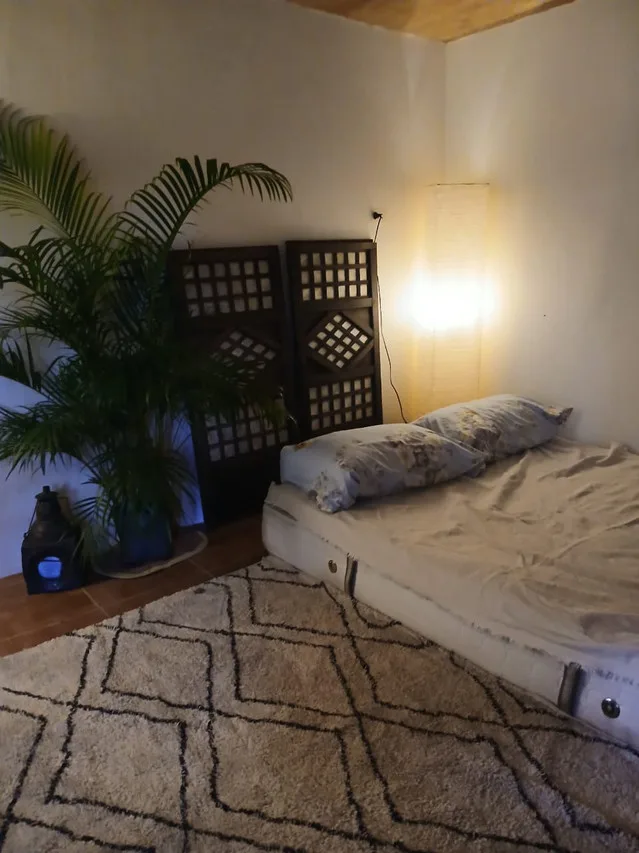
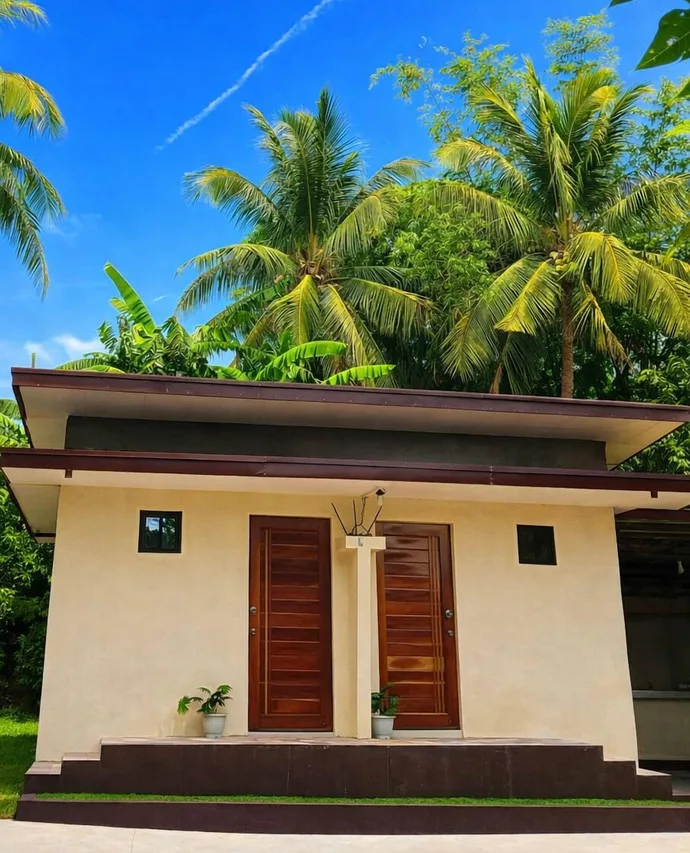
| Homestay, per night | PHP 900-2,500 | Typical reported range, Basco | 30 Jul 2026 |
| North Batan half-day tour | PHP 1,500-2,500 | Typical tricycle or van charter | 30 Jul 2026 |
| South Batan full-day tour | PHP 2,500-4,000 | Typical van charter | 30 Jul 2026 |
| Sabtang day trip incl. faluwa | PHP 2,000-3,500 | Boat plus island tour, typical | 30 Jul 2026 |
| Meals, per day | PHP 600-1,200 | Typical reported range | 30 Jul 2026 |
| Five days, one traveller | PHP 22,000-35,000 | Sum of the above with return airfare | 30 Jul 2026 |
Airfare is the line item that decides the trip
Batanes has a reputation as an expensive destination, and the reputation is accurate for exactly one reason. Once you are there, it is not a costly place - homestays are modest, meals are local prices, and the island tours are charter rates split across a group. The expense is the seat that gets you there.
Philippine Airlines publishes Basco fares from PHP 4,914 all-in, with the return leg from Basco starting slightly higher. Those are starting fares on the least popular dates. SkyJet, the other carrier on the route, runs from roughly PHP 4,000 in lean months to PHP 8,000 and above in April, which is the single busiest month on the route.
The compounding factor is capacity. Basco Airport takes a limited number of daily services, and the aircraft are small. There is no overflow, so demand does not smooth out across more seats - it pushes straight into price. Booking three months out is not a saving tactic here, it is the baseline.
Two carriers, one runway, and a weather margin
The route is served by Philippine Airlines and SkyJet, both into Basco. That is the entire commercial air access to the province, which makes the schedule fragile in a way that mainland routes are not. One cancelled service is a meaningful fraction of a day's capacity.
Weather is the usual cause. Batanes sits in the northern approach corridor for tropical cyclones tracking toward Luzon and Taiwan, and it also gets strong seasonal winds. PAGASA is the authority to check before travelling, not a weather app.
The budgeting consequence is that a Batanes itinerary needs slack at the end. A traveller with a connecting international flight the day after their Basco departure is one weather system away from missing it, and rebooking on a two-carrier route in peak season is expensive when it is possible at all.
Ground costs on Batan, Sabtang and Itbayat
Batan is the main island and the one everything is priced around. The standard structure is a North Batan half-day and a South Batan full day, both run as tricycle or van charters. Because they are charters, the per-person cost falls sharply with group size - two travellers splitting a van pay roughly half what a solo traveller does for the identical tour.
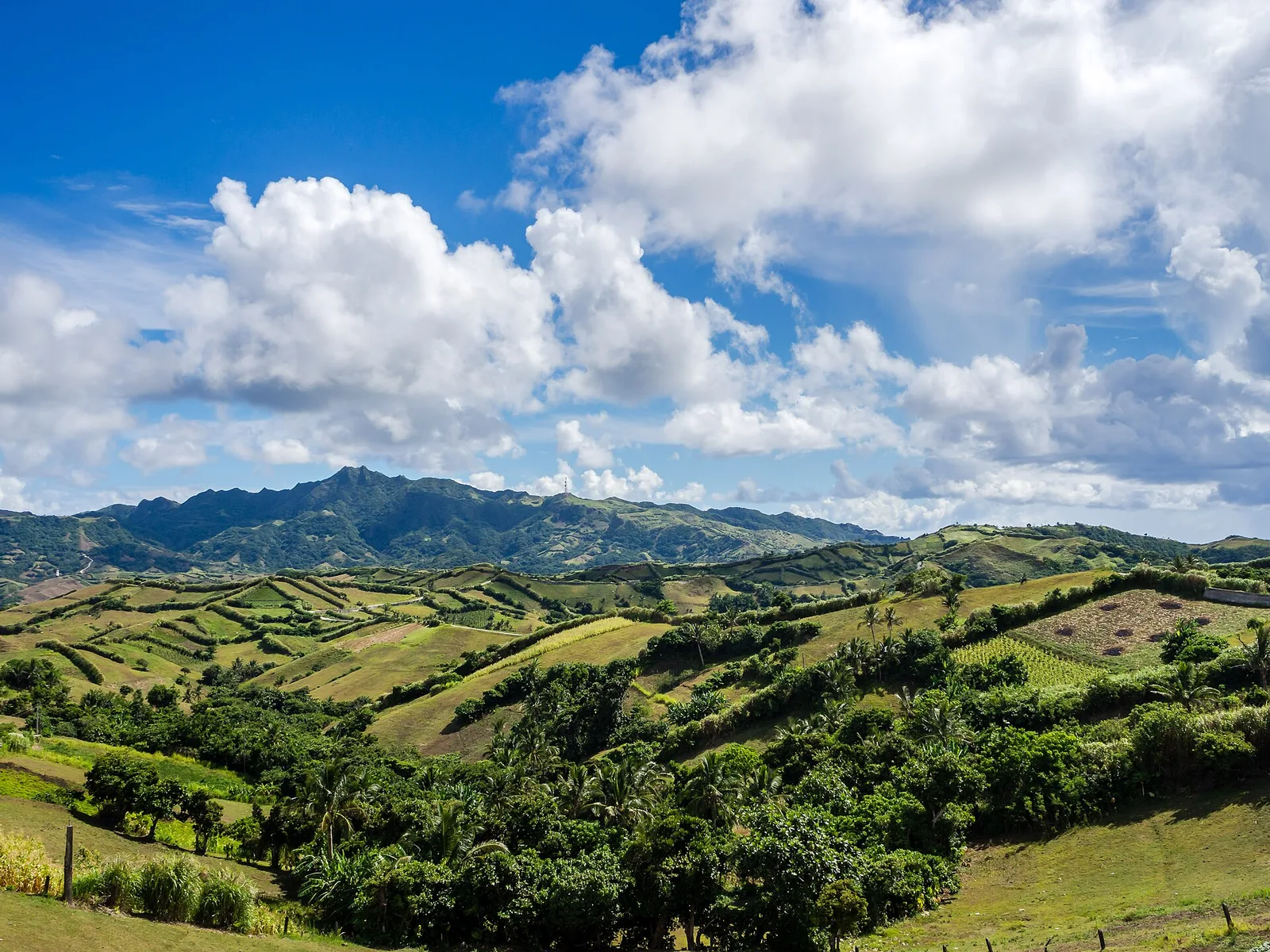
Sabtang is a separate day and a separate crossing. The faluwa, a distinctive local wooden boat, runs from Ivana on Batan's south coast, and the crossing is weather-dependent in a way that catches people out. A day trip to Sabtang is a normal ambition; a guaranteed day trip to Sabtang is not.
Itbayat is the third island and the one to treat as a bonus rather than a plan. The boat crossing is long and frequently cancelled, and the air service is thin. Travellers with fewer than seven days in the province should build an itinerary that does not depend on reaching it.
A five-day budget, itemised
Take one traveller flying Manila to Basco and back, four nights in a Basco homestay, a North Batan half-day, a South Batan full day, a Sabtang day trip and ordinary meals. Return airfare at the published starting fares is roughly PHP 10,000, and considerably more in April. Four nights of accommodation runs PHP 3,600 to PHP 10,000. Three tour days come to PHP 6,000 to PHP 10,000 solo, less if shared. Meals add PHP 3,000 to PHP 6,000.
That produces a working range of PHP 22,000 to PHP 35,000, with the spread driven almost entirely by two variables: which month you fly and whether you are splitting charters with anyone.
Two people travelling together do not pay double. They pay two airfares and then share the charters and often the room, which is why Batanes rewards pairs and small groups more than almost any other Philippine destination.
Why a cancelled flight costs more than the ticket
The hidden line item is disruption. A cancelled Basco service does not simply move you to the next flight, because the next flight is small and probably full. It moves you to whenever a seat exists, and every night of that delay is another night of accommodation and meals in a province where you have already spent your budget.
Two defences are worth their cost. Travel insurance that covers weather-related disruption rather than only medical events is the first. Booking the Batanes leg with a clear buffer before any onward international flight is the second, and it is free.
Batanes also runs largely on cash. ATM coverage in Basco is limited and card acceptance outside a handful of places is not something to rely on. Arrive with the trip's cash rather than planning to draw it there.
What most guides get wrong about Batanes prices
The dominant error is calling Batanes the most expensive place in the Philippines without saying why. It is not expensive on the ground - homestays and meals are ordinary Philippine prices. It is a destination with one costly component and several cheap ones, and that framing changes how you save money: you optimise the flight, not the trip.
The second is quoting a solo traveller's tour costs as though they were fixed prices. Island tours on Batan are vehicle charters. Presenting a per-person figure without saying it assumes a solo charter overstates the cost for pairs by close to half.
The third is silence on cancellation risk. Guides list the best months and stop there, when the more useful advice is structural: build slack into the end of the itinerary, insure for weather, and treat Itbayat as optional. A Batanes trip that goes wrong usually goes wrong at the airport, not at the destination.
Frequently asked questions
How much does a Batanes trip cost?
Roughly PHP 22,000 to PHP 35,000 for five days solo from Manila, including return airfare. Pairs pay considerably less each because the island tours are vehicle charters that split.
How much are flights to Basco?
Philippine Airlines lists Basco fares from PHP 4,914 all-in one way and PHP 5,231 on the return leg. SkyJet ranges from about PHP 4,000 in lean months to PHP 8,000 and above in April.
Which month is most expensive?
April. It is the busiest month on the Basco route and the point where fares roughly double against lean-month starting prices. Capacity at Basco Airport is limited, so demand pushes straight into price.
Do I need cash in Batanes?
Yes. ATM coverage in Basco is limited and card acceptance is patchy outside a few places. Bring the trip's cash from Manila rather than planning to withdraw it on arrival.
Should I include Itbayat?
Only with seven days or more. The boat crossing is long and cancelled often, and air service is thin. Build an itinerary around Batan and Sabtang, and treat Itbayat as a bonus.
Book tours, hotels & stays in Batanes Trip Cost Flights
Top tours