Contents
There is a moment, somewhere along the winding road past Nueva Vizcaya, when the lowland heat falls away and the bus starts to climb in earnest. The air turns cool and resinous with pine, the clouds drop down to meet the ridgelines, and then, rounding one final bend, you see them: tier upon tier of green-and-silver terraces stacked up the mountainside like a giant amphitheater carved by hand. The first sight of the Banaue Rice Terraces stops conversation cold. People have been farming these slopes in the Cordillera highlands of Ifugao for a very long time, and standing at the lookout, you understand instantly that this is not scenery. It is a living machine, still working, still feeding families, after century upon century.
Hotels in Philippines
Compare live prices via Travelpayouts — targeted for this guide.
This three-day trip takes you from the noise of Manila up into that highland world: a long overnight haul north, two full days exploring the terraces and the villages tucked among them, and a slow exhale back to the city. Here is what you are actually walking into.
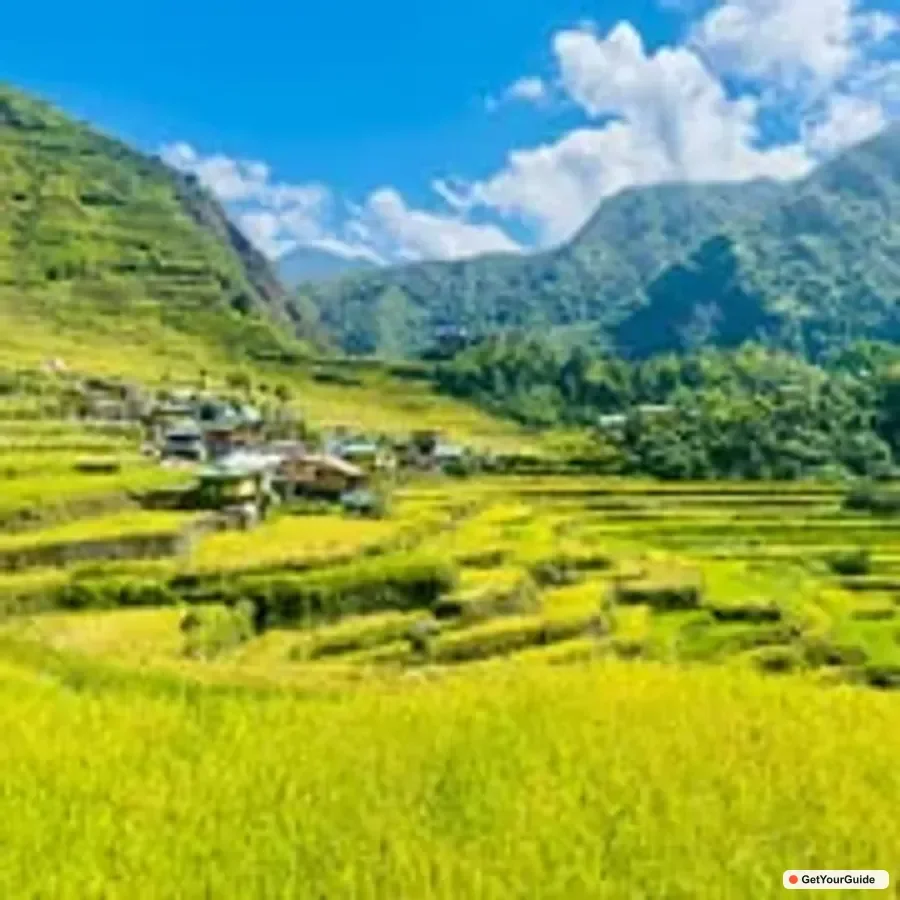
What you are really looking at: the engineering under the green
The terraces sit high in the Cordillera Central mountain range on the island of Luzon, in Ifugao province, roughly 1,500 meters above sea level. They were hand-carved into steep mountain slopes by the Ifugao people, an Indigenous group of the northern Philippines, using stone and mud walls to hold flat paddies in place where gravity would otherwise pull everything downhill. The achievement is not just the cutting of the steps. It is the water.
Above the highest terraces sit private muyong, traditional forests that the Ifugao deliberately maintain as watersheds. Rain soaks into these forests, emerges as springs, and is then guided down through an intricate network of channels and bamboo pipes that feeds water from one paddy to the next, all the way down the mountain, by gravity alone. The system manages erosion, distributes water fairly, and recycles nutrients. It is precision hydraulic agriculture built without modern surveying tools, and it has kept these slopes both fertile and structurally stable for generations. The Ifugao traditionally grow tinawon, a heirloom rice harvested once a year, and the knowledge of how to build and maintain the terraces was passed down through oral tradition rather than written plans.
Rice terrace tour in Philippines
Hand-picked experiences in Philippines — book on Trip.com with instant confirmation.

UNESCO and why it matters
In 1995, UNESCO inscribed the Rice Terraces of the Philippine Cordilleras on the World Heritage List as a cultural landscape, recognizing five terrace clusters in Ifugao province (including those at Batad and Bangaan) as an outstanding example of living, evolving land use in harmony with the environment. Crucially, these were listed as a cultural landscape, not just a natural one, because the terraces are inseparable from the Ifugao people, their beliefs, and their farming calendar. For a stretch, the terraces were placed on the List of World Heritage in Danger because of erosion, abandonment, and the pull of younger generations toward city jobs. They were later removed from the danger list following conservation work, but the underlying tension remains real, and you will feel it as you walk.
The trip, stop by stop
Day one: the long road up
Most tours leave Manila late in the evening and drive through the night, a journey that typically runs around nine to ten hours depending on traffic and stops. You arrive in Banaue town near dawn, bleary but rewarded, because the early light on the terraces is some of the best you will get. After breakfast and a chance to freshen up, the day usually starts at the Banaue viewpoints along the road above town, the classic panoramas you have seen on the old Philippine banknotes and postcards. This is also where you will meet Ifugao elders in traditional dress near the lookouts; if you take their photo, a small tip is the expected courtesy.
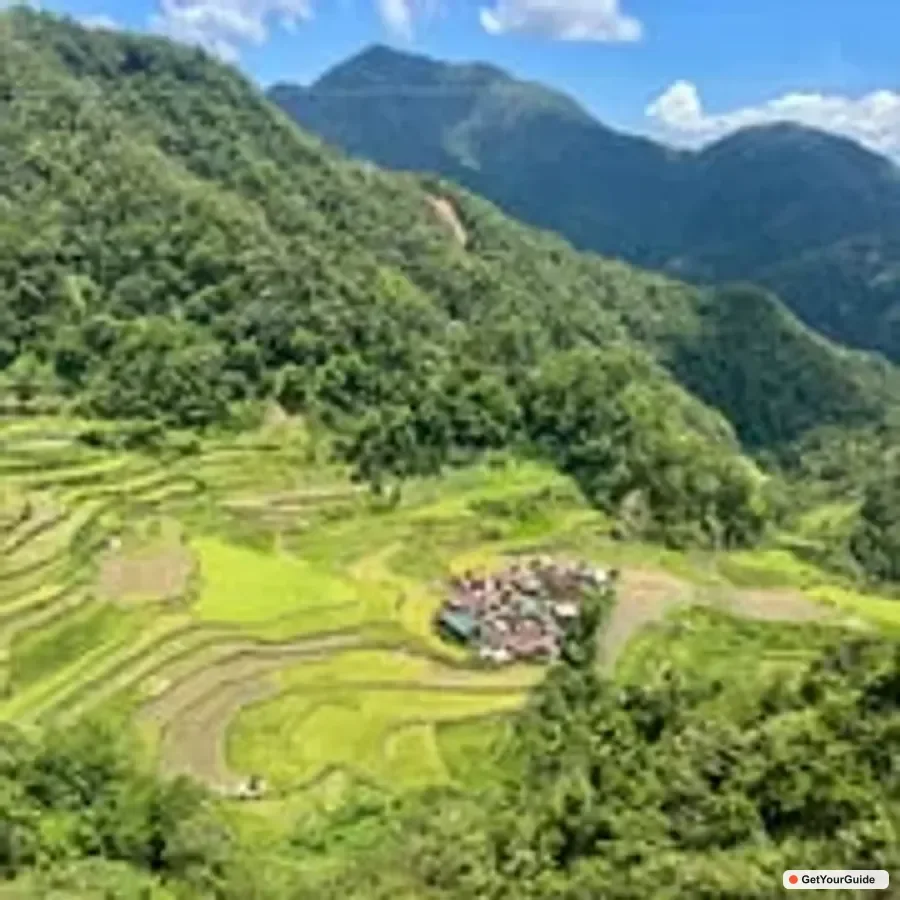
Day two: Batad and the real hike
The heart of the trip is Batad, a village set inside a natural amphitheater of terraces that many travelers consider the most breathtaking in the region. Reaching Batad means a transfer by jeepney or van to a saddle point, followed by a hike in on foot, because the village proper has no road running through it. The trail descends and climbs along terrace walls and stone paths, and depending on the route and recent rain it can be genuinely strenuous, with steep, uneven, and sometimes slippery sections. Local guides, who are well worth hiring and often required, lead you down into the amphitheater, point out the irrigation channels, and explain the farming year.
From Batad, the more energetic option is the onward trek to Tappiya Falls, a tall waterfall plunging into a pool at the base of the valley. The path to Tappiya is steep and rugged in both directions, and the climb back up is the part that earns the rest you will want afterward. Many itineraries also include Bangaan, a compact, photogenic cluster of terraces wrapped around a traditional village, which is easier to reach and gives you a closer look at classic Ifugao houses with their distinctive pyramidal thatched roofs.
Day three: last light and the road home
The final morning is usually reserved for any viewpoints you missed, a local breakfast, and perhaps a stop for woodcarvings, weavings, and the Ifugao bul-ul, the carved wooden rice-guardian figures that protect the harvest in local belief. Then it is the long drive back to Manila, arriving in the evening. It is a lot of road for the time on the ground, which is exactly why doing it over three days, rather than rushing it, is the sensible choice.
Practical tips from people who have done it
- Best time to visit: The terraces are most vividly green roughly from February through April, before the once-a-year harvest, and the dry months are generally kinder for hiking. The rainy season can make trails slick and views cloudy, though mist over the terraces has its own drama. Early morning consistently offers the clearest light and the calmest weather.
- How strenuous: This is an active trip, not a sit-and-look tour. Expect real hiking on steep, uneven terrain, especially around Batad and Tappiya Falls. A reasonable level of fitness and a tolerance for stairs and mud will serve you well.
- What to wear and bring: Sturdy shoes or hiking sandals with grip, layers for the cool highland mornings and warmer midday sun, a light rain jacket, sun protection, plenty of water, and cash in small bills (ATMs are limited and many transactions, guide fees, and tips are cash only).
- What is typically included: Transport from Manila and back, basic guesthouse or homestay accommodation, and some meals; local guide fees and entrance or environmental fees may be separate. Confirm exactly what your specific package covers before you go.
- Altitude and weather: Banaue sits high enough that nights and early mornings are genuinely cool, a relief after Manila but a surprise if you packed only for the tropics.
Travel responsibly
The terraces are not a theme park. They are working farmland and sacred ground, and a number are slowly being abandoned as young people leave for cities, which is part of why your visit matters. Stay on marked paths, never walk across or sit on the paddy walls (some are fragile and centuries old), ask before photographing people, hire local guides so your money stays in the community, and buy crafts directly from the villages. Choosing locally run homestays over passing through quickly puts your spending where it does the most good. The single most respectful thing you can do is treat the place as what it is: someone's livelihood and heritage, not just a backdrop.
Why it stays with you
Plenty of places are beautiful. Banaue is something rarer: a landscape that is also an argument, proof that people can shape a mountainside for the long haul without ruining it, and that knowledge handed down by voice and hand can outlast empires. You will come home with aching legs, a phone full of photographs that never quite capture the scale, and a quieter conviction that some things are worth the long, dark bus ride north. Walk it slowly. Listen to your guide. And take a long last look from the lookout before you go, because the terraces have been there a very long time, and the privilege is entirely yours.
Good to know before you book
- Duration: typically a full day (around 8 to 10 hours including transfers), though half-day and multi-day options exist - check the listing.
- Best for: couples, families and first-time visitors.
- What is included: transport and a guide; check the listing for meals, gear and fees.
- Pickup: most tours offer hotel or central pickup; confirm your point and time when booking.
- Book through: the GetYourGuide button on this page, which shows live availability and pricing.
Frequently asked questions
How long does the Banaue Rice Terraces take?
Most departures run as a full day - roughly 8 to 10 hours including pickup, travel and the activities themselves - so plan to set aside the whole day. Some operators offer shorter or private versions; the exact timing for your date is shown when you book through the GetYourGuide button on this page.
What is included in the Banaue Rice Terraces?
Typically the price covers transport and a guide; check the listing for meals, gear and fees. Inclusions vary by operator, so always read the specific listing - it spells out exactly what is provided and what you pay for separately, such as entrance or environmental fees.
What should I bring?
Pack comfortable clothing, sunscreen, a hat, water and a little cash for fees and extras. It is also worth carrying some cash for local fees, drinks and tips, plus any personal medication, since card facilities can be limited outside the cities.
Is the Banaue Rice Terraces suitable for beginners or families?
It suits a wide range of travellers; ask the operator about fitness or swimming requirements if you are unsure. If you have specific concerns about age, fitness or swimming ability, message the operator before booking - they can advise on the best option for your group.
When is the best time to do this tour?
The best conditions are usually the dry season from roughly November to May. That said, the Philippines is a year-round destination, and many of these experiences run in any season - just expect the occasional shower and check the forecast for the day.
How do I get to Banaue?
To reach Banaue, travel to Banaue by the nearest airport or ferry and continue by road. Many tours include transfers from nearby towns or hotels, so confirm your pickup arrangement when you book so the day runs smoothly from the start.
Do I need to book the Banaue Rice Terraces in advance?
Yes - booking ahead is strongly recommended, especially in the dry-season peak and on weekends, when popular tours and the best operators sell out. Reserving online also locks in your spot and lets you compare timings and inclusions easily.
How much does the Banaue Rice Terraces cost?
Prices vary with the season, group size and exactly what is included, so we do not list a fixed figure here. Tap the GetYourGuide button on this page to see the current, accurate price and availability for your chosen date.
Can I do the Banaue Rice Terraces as a private or customised tour?
Many operators offer a private version of this experience for couples, families or small groups who want a flexible pace and a guide to themselves, and some can tailor the route or add stops. If a private or custom option matters to you, check the listing or message the operator before booking, as availability and prices differ from the standard shared tour.
Ready to explore Banaue?
From planning to the moment you arrive, the Banaue Rice Terraces is one of the most rewarding ways to experience this corner of the Philippines - and booking it is simple. Use the GetYourGuide button on this page to check live availability, compare timings and secure your spot, then turn up and let the local guides handle the rest while you focus on the views, the water and the memories.

Real local stays (book direct)
Hand-picked homestays and guesthouses — book direct, no markup.

Popular activities (book instantly)
Island hopping, canyoneering, whale sharks — real Klook/GetYourGuide options.
Plan your Philippines trip