A Burst of Saltwater and Laughter on the Sibuyan Sea There is a particular sound that defines a good day on Boracay's White Beach, and it is not the gentle
A Burst of Saltwater and Laughter on the Sibuyan Sea
There is a particular sound that defines a good day on Boracay's White Beach, and it is not the gentle hush of the tide. It is the shriek-and-laugh of a half-dozen people clinging to a fat yellow inflatable as a speedboat hauls them in a wide arc across turquoise water. The banana boat ride is the most democratic of Boracay's water sports: no skill required, no swimming prowess demanded, just a willingness to hold on tight and accept that you will, very probably, end up in the sea. For families, barkadas (friend groups), and first-timers nervous about the deeper end of adventure, this is the perfect saltwater initiation.
Trip.com
Hotels in Philippines
Compare live prices via Travelpayouts — targeted for this guide.
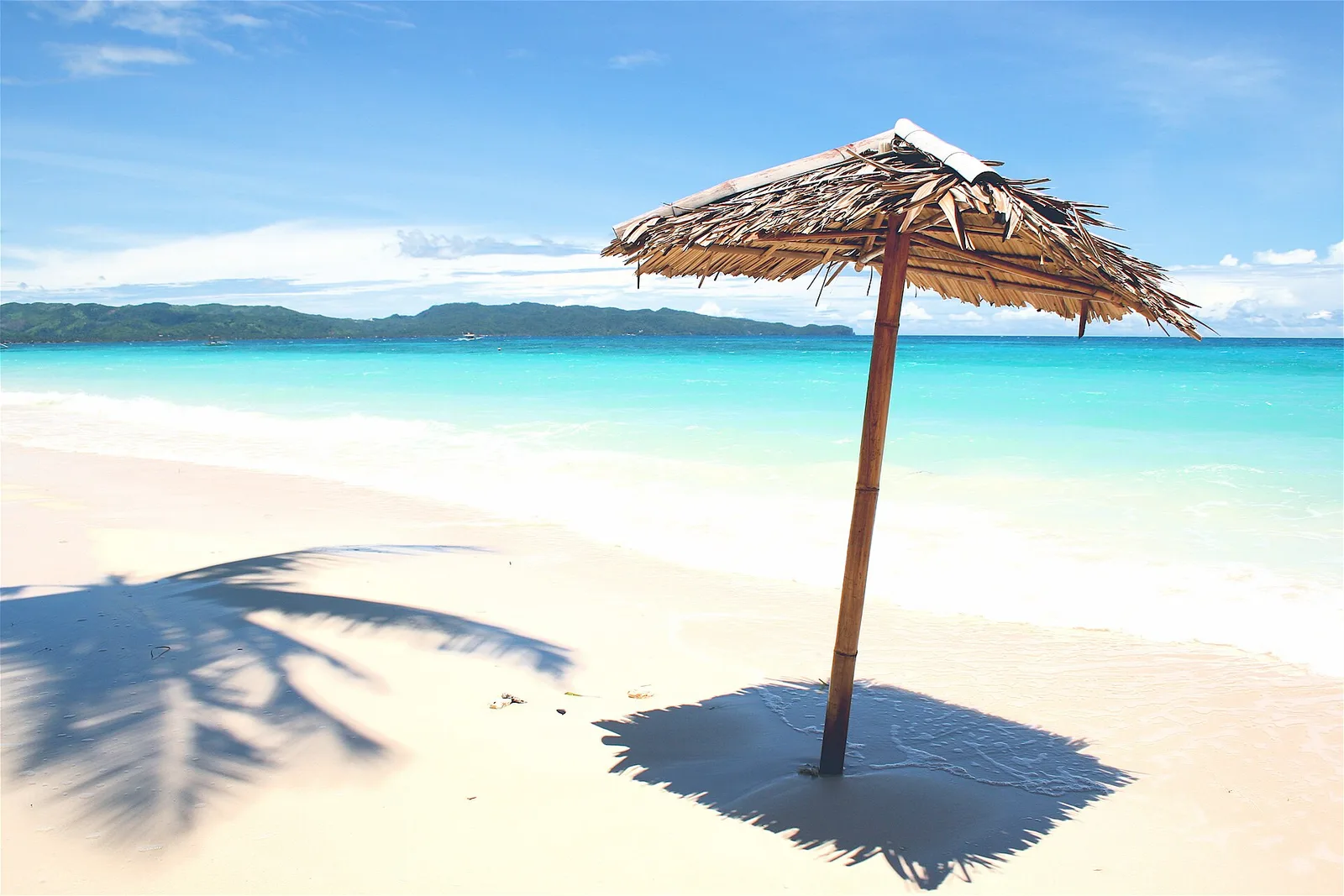
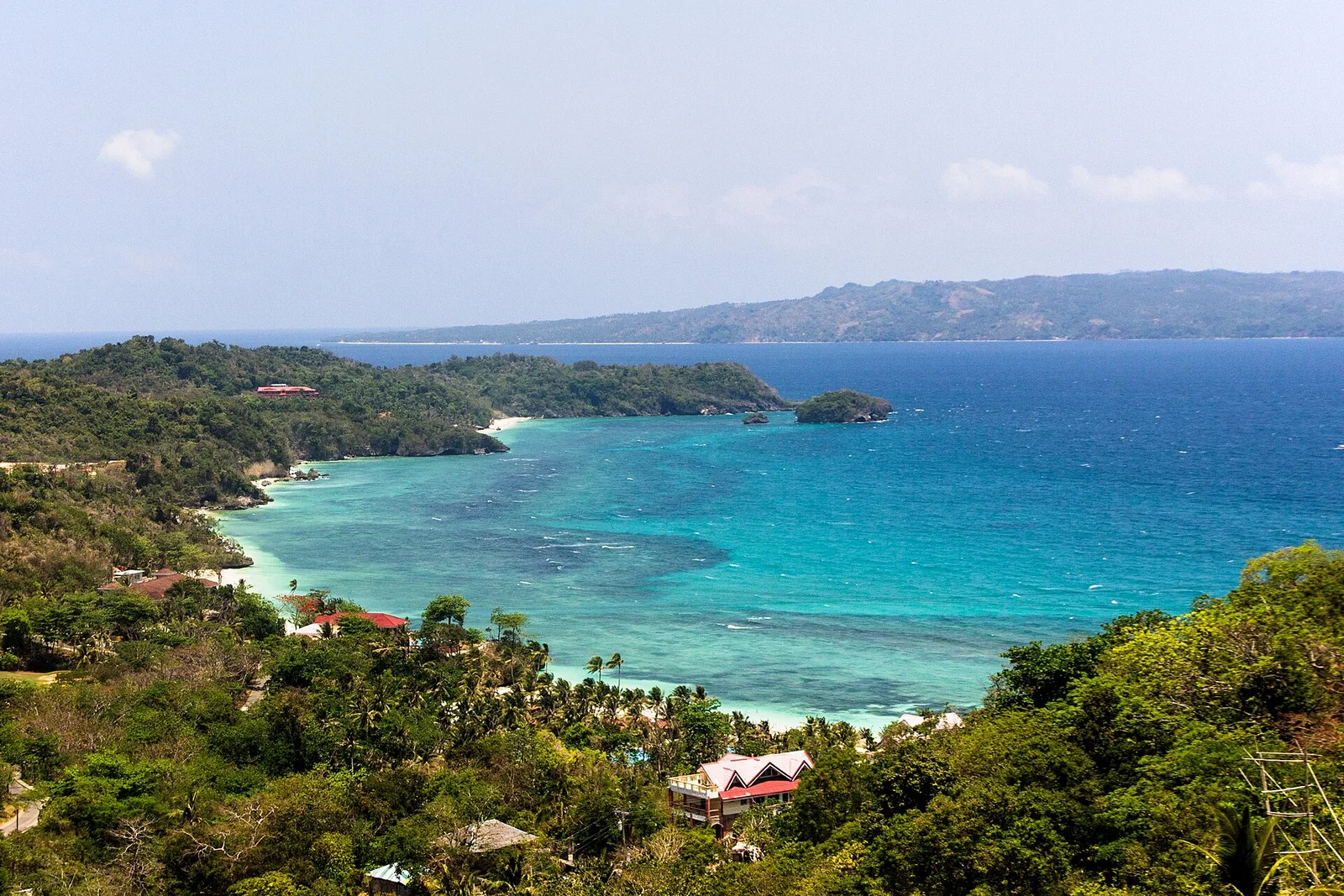
You launch straight off the famous powdery sand of White Beach, the four-kilometer crescent that made this tiny island in the Western Visayas world-famous. Within seconds the shore shrinks behind you and the horizon opens up into the Sibuyan Sea, the warm stretch of water cradling Boracay against the larger island of Panay in Aklan province.
The Island Beneath You: Why Boracay's Water Looks Like That
Part of what makes a banana boat ride here unforgettable is the stage it plays out on. Boracay is a small island, only about seven kilometers long and barely one kilometer at its narrowest waist, sitting off the northwest tip of Panay. Its signature is the sand: White Beach's grains are exceptionally fine and pale, the product of pulverized coral and the calcium carbonate skeletons of marine organisms broken down over millennia. Because the grains are so fine and reflective, and because the shallow shelf offshore is sandy rather than rocky, sunlight scatters through the clear water to produce that famous gradient of glassy aqua shading into deeper blue.
The west-facing orientation of White Beach matters too. It is sheltered for much of the year, which keeps the nearshore water calm enough for inflatables to run safely. The reef systems and seagrass beds further out support the marine life that has made Boracay a snorkeling and diving destination, and they are also why responsible operators keep the high-speed boats in designated lanes away from coral and swimmers.
Trip.com
Tours & activities in Philippines
Hand-picked experiences in Philippines — book on Trip.com with instant confirmation.
It is worth knowing the recent history under your feet. In 2018 the Philippine government closed Boracay to tourists for six months for an environmental rehabilitation, after years of overdevelopment had overwhelmed the island's sewage and waste systems. Since reopening, water-quality monitoring, drainage upgrades, and stricter rules on beachfront activities have been part of island life. The banana boat operators today work within zoned activity areas precisely because of that reset, so the ride you take is part of a more carefully managed beach than the one of a decade ago.
What Actually Happens, Step by Step
The mechanics are simple, which is the whole charm. Here is how a typical ride unfolds:
Gear up. Before anything, you are handed a life vest (buoyancy aid) and asked to buckle it snugly. This is non-negotiable, and a good operator will check it for you. The banana boat itself is an inflatable shaped roughly like its namesake, with molded seats and rope handles, towed behind a small speedboat or pump boat.
Board from the shallows. You wade in knee- to waist-deep and straddle the tube like a saddle, gripping the rope handles in front of you and bracing your feet on the side ropes. Most boats seat between four and six riders single-file, with a crew member often riding at the back.
The pull. The speedboat takes up the slack and accelerates. You bounce over your own wake and slap across the small chop of the Sibuyan Sea. The driver carves S-turns and figure-eights, and each turn flings the banana wide so the outside riders feel the centrifugal swing.
The dunk. On most rides the crew will, at some point, deliberately bank hard enough to roll everyone off into the sea. This is the part people scream about and then immediately ask to do again. Your life vest pops you straight back to the surface, the boat circles back, and you re-board for another loop.
The cruise back. After the laps and dunks, the boat tows you gently back toward the launch point on the sand.
Practical Tips From People Who Have Done It Many Times
How long, how hard?
A banana boat ride is short and high-energy. The on-water portion typically runs around 10 to 15 minutes, sometimes a little longer depending on the operator and how many circuits they do. It is low-effort in terms of fitness: you are not paddling or steering, just holding on. The main demand is grip strength and a tolerance for getting tossed around. You do not need to know how to swim because the life vest keeps you afloat, but you do need to be comfortable with going underwater unexpectedly. Most operators set a minimum age and may ask very young children or anyone with back, neck, or heart conditions, or pregnant travelers, to sit this one out, since the bouncing impact can be jarring.
What to wear and bring
Swimwear plus a rash guard. You will be soaked, so wear your swimsuit. A rash guard or lightweight quick-dry shirt protects your skin from sun and from the friction of the tube.
A strap for your glasses, and leave the rest behind. Anything loose will be lost to the sea. Take off jewelry, secure prescription glasses with a strap, and absolutely do not bring a phone unless it is in a tested waterproof pouch on a lanyard.
Reef-safe sunscreen. Apply before you go out, and choose a reef-safe formula. Boracay's marine ecosystem is part of what makes the island special, and oxybenzone-based sunscreens contribute to coral stress.
Secure footwear or bare feet. Flip-flops will float away; either go barefoot or wear water shoes with a heel strap.
Best time to go
Boracay's most reliable weather window is roughly late November through May, the dry Amihan-into-summer season when the western beach is calm and sunny. The peak holiday months of December through April bring the clearest conditions but also the biggest crowds. From around June to October the Habagat (southwest monsoon) can bring stronger surf and wind to White Beach; on rougher days, water-sports operators may relocate activities to the calmer eastern shore or pause them altogether. For the smoothest, sunniest ride and the prettiest water color, go in the morning before the midday boat traffic peaks, when the sea is typically calmest and the light is soft.
What is usually included, and safety
A standard banana boat package includes the life vest, the ride itself, and the crew. Confirm before paying whether your price is per person or for the whole boat, and how many laps or how many minutes you are getting. Choose an accredited operator: look for one whose crew wears their own life vests, whose boat is clearly in good condition, and who genuinely checks your vest fit. A brief safety briefing on how to hold on and what to do when you fall off is a good sign you are in capable hands.
Responsible-travel notes
The banana boat is one of the lower-impact thrills on offer, but a few small choices matter. Keep your sunscreen reef-safe and apply it well before launch so less washes directly off your skin into the sea. Hold onto any litter; nothing should go overboard. And respect the zoned activity lanes that keep motorized boats away from swimmers, snorkelers, and the reef, rules that exist because of the very rehabilitation that brought Boracay's water back to health.
Worth the Soaking
A banana boat ride will not teach you to dive or carry you to a hidden lagoon. What it does is simpler and, on a hot Boracay afternoon, almost perfect: it bundles your friends or family onto one absurd yellow tube, hauls you out over some of the most beautiful water in the Philippines, and dumps you laughing into the warm Sibuyan Sea. You will surface spluttering, salt in your eyes, already grinning. Then you will paddle back to that impossibly white sand, wring out your shirt, and start plotting the next round.
Good to know before you book
Duration: typically a full day (around 8 to 10 hours including transfers), though half-day and multi-day options exist - check the listing.
Best for: couples, families and first-time visitors.
What is included: transport and a guide; check the listing for meals, gear and fees.
Pickup: most tours offer hotel or central pickup; confirm your point and time when booking.
Book through: the GetYourGuide button on this page, which shows live availability and pricing.
Frequently asked questions
How long does the Boracay Banana Boat Ride take?
Most departures run as a full day - roughly 8 to 10 hours including pickup, travel and the activities themselves - so plan to set aside the whole day. Some operators offer shorter or private versions; the exact timing for your date is shown when you book through the GetYourGuide button on this page.
What is included in the Boracay Banana Boat Ride?
Typically the price covers transport and a guide; check the listing for meals, gear and fees. Inclusions vary by operator, so always read the specific listing - it spells out exactly what is provided and what you pay for separately, such as entrance or environmental fees.
What should I bring?
Pack comfortable clothing, sunscreen, a hat, water and a little cash for fees and extras. It is also worth carrying some cash for local fees, drinks and tips, plus any personal medication, since card facilities can be limited outside the cities.
Is the Boracay Banana Boat Ride suitable for beginners or families?
It suits a wide range of travellers; ask the operator about fitness or swimming requirements if you are unsure. If you have specific concerns about age, fitness or swimming ability, message the operator before booking - they can advise on the best option for your group.
When is the best time to do this tour?
The best conditions are usually the dry season from roughly November to May. That said, the Philippines is a year-round destination, and many of these experiences run in any season - just expect the occasional shower and check the forecast for the day.
How do I get to Boracay?
To reach Boracay, travel to Boracay by the nearest airport or ferry and continue by road. Many tours include transfers from nearby towns or hotels, so confirm your pickup arrangement when you book so the day runs smoothly from the start.
Do I need to book the Boracay Banana Boat Ride in advance?
Yes - booking ahead is strongly recommended, especially in the dry-season peak and on weekends, when popular tours and the best operators sell out. Reserving online also locks in your spot and lets you compare timings and inclusions easily.
How much does the Boracay Banana Boat Ride cost?
Prices vary with the season, group size and exactly what is included, so we do not list a fixed figure here. Tap the GetYourGuide button on this page to see the current, accurate price and availability for your chosen date.
Can I do the Boracay Banana Boat Ride as a private or customised tour?
Many operators offer a private version of this experience for couples, families or small groups who want a flexible pace and a guide to themselves, and some can tailor the route or add stops. If a private or custom option matters to you, check the listing or message the operator before booking, as availability and prices differ from the standard shared tour.
Ready to explore Boracay?
From planning to the moment you arrive, the Boracay Banana Boat Ride is one of the most rewarding ways to experience this corner of the Philippines - and booking it is simple. Use the GetYourGuide button on this page to check live availability, compare timings and secure your spot, then turn up and let the local guides handle the rest while you focus on the views, the water and the memories.
The PANA.PH travel desk researches, books and re-checks Philippines travel logistics — fares, ferry schedules, government fees and permit rules — and publishes what it can verify.