Contents
There is a strange and wonderful moment, about three rungs down the ladder off the back of a boat near Boracay, when the warm Sibuyan Sea closes over your shoulders and you realize you are still breathing normally. No regulator clenched between your teeth, no mask squeezing your face, no claustrophobic gear at all. Just a glass-fronted helmet resting on your shoulders, a steady hiss of air, and below you a patch of sandy seabed waiting to be walked across like a sunlit alien meadow. Aquanaut helmet diving (often sold under names like sea walking, helmet diving, or simply the underwater walk) is Boracay's gentlest way to meet the reef, and for many travelers it is the first time they have ever stood, fully upright, on the floor of the ocean.
Hotels in Philippines
Compare live prices via Travelpayouts — targeted for this guide.
How it actually works
The technology is older and simpler than it looks, and that is precisely why it feels so safe. The helmet is a rigid dome that sits on your shoulders rather than sealing to your face, so your head stays completely dry inside a pocket of air. A surface compressor on the boat pumps a continuous flow of fresh air down a hose into the top of the helmet. The weight of the helmet itself (it is heavy out of the water, often around 20 to 30 kilograms) keeps it pressed down and keeps the air pocket in place, while underwater that same weight becomes negligible and acts as your ballast, letting you walk naturally along the bottom.
Because your face never touches the water and you breathe the same way you do on land, you do not need to be a swimmer, you do not need to equalize the way scuba divers do, and you keep your glasses or contact lenses on if you wear them. The physics is the same principle as an upturned glass pushed into a sink: trap air, keep the water out. Depths are deliberately shallow, typically only a few meters, so the pressure stays mild and the experience stays beginner-friendly.
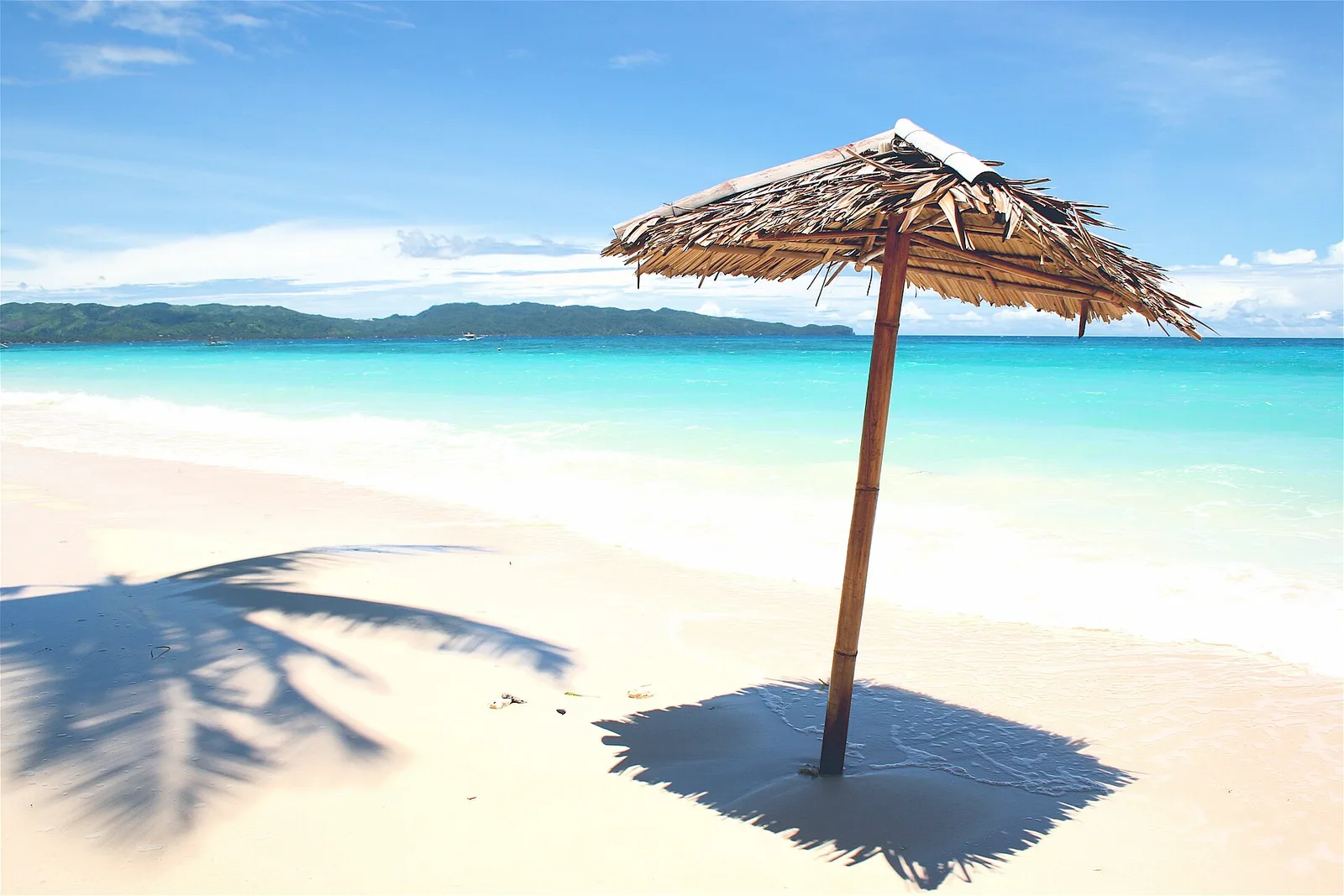
Where you are: the waters around Boracay
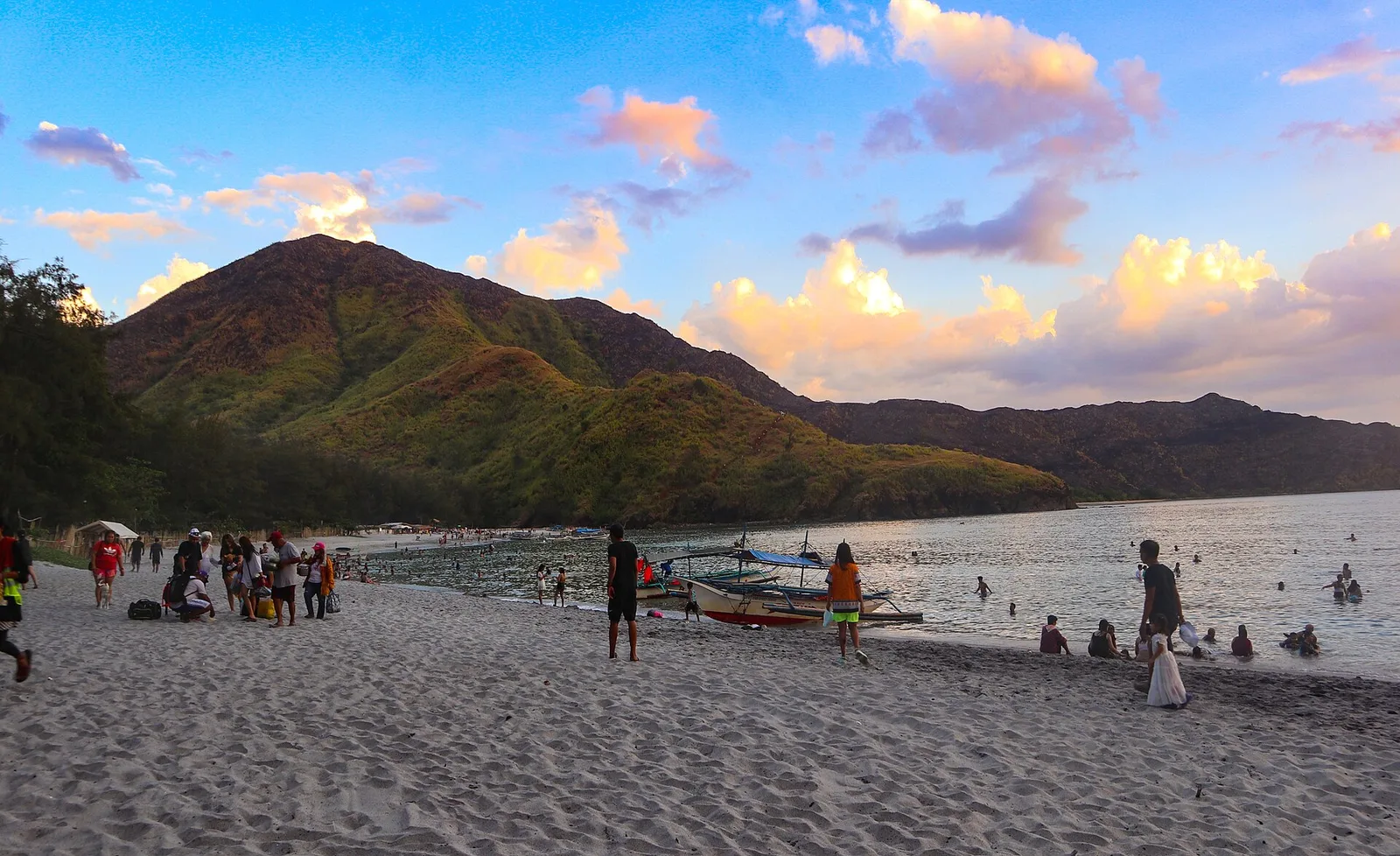
Boracay is a small dog-bone-shaped island off the northwest tip of Panay, in the province of Aklan in the Western Visayas. It is famous worldwide for White Beach, a four-kilometer stretch of powder-fine coral sand on the island's leeward western side, but helmet diving usually happens off the calmer, more sheltered coves rather than in the surf of the main beach. The island sits in clear tropical water warmed year-round, which is why so much marine life thrives just offshore.
Diving in Philippines
Hand-picked experiences in Philippines — book on Trip.com with instant confirmation.
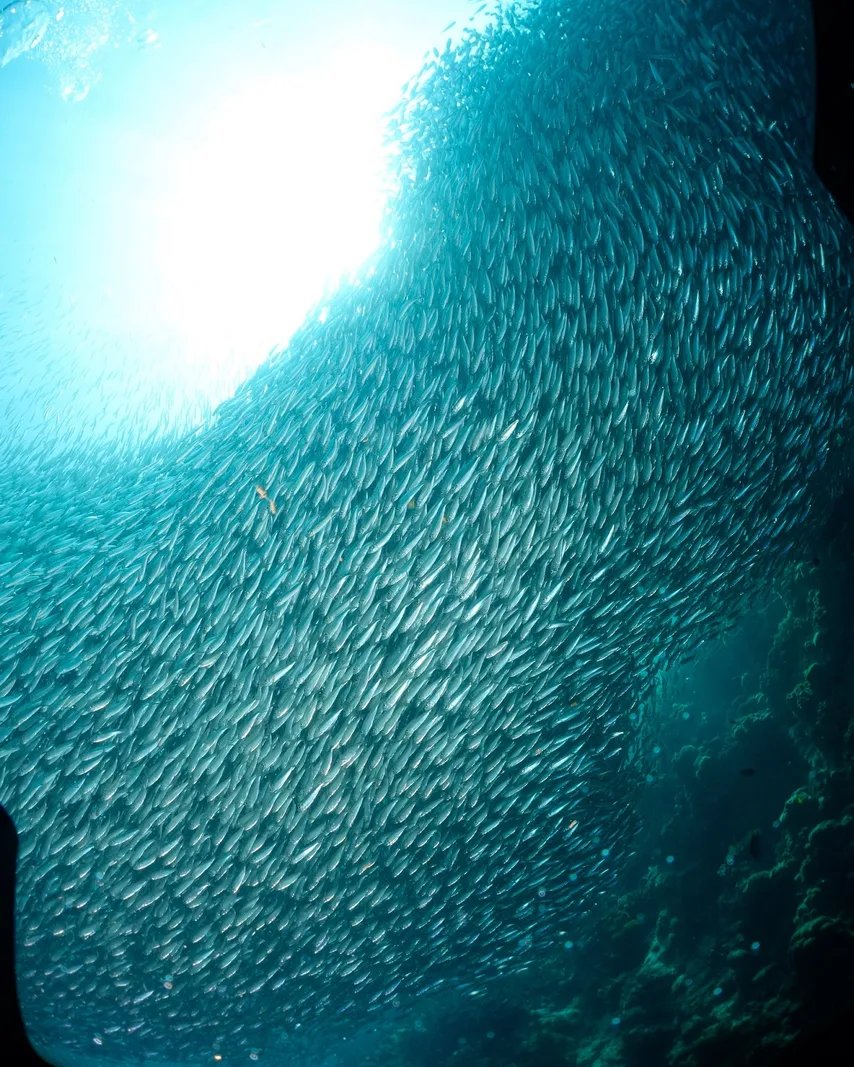
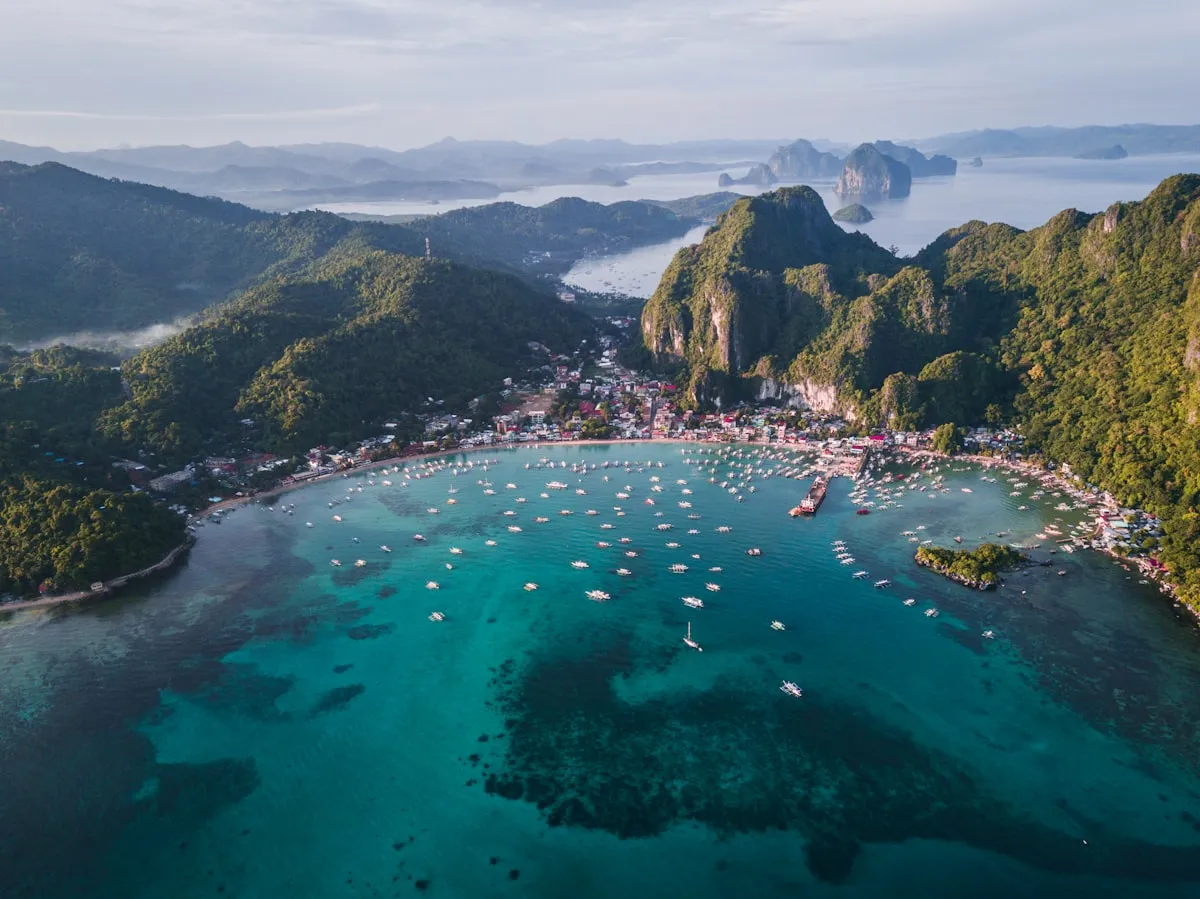
Geologically, Boracay is a low limestone and coral island, and that origin matters for what you see underwater. The famous white sand is essentially pulverized coral and the calcium-rich remains of marine organisms, broken down over millennia and washed ashore. The reefs fringing the island are part of the Coral Triangle, the global epicenter of marine biodiversity that spans the Philippines, Indonesia, and neighboring waters, and which hosts more coral and reef-fish species than anywhere else on Earth. Even in the shallow, easy zones used for helmet diving, that richness shows up as darting damselfish, sergeant majors, and the occasional bolder reef fish that has learned the operators sometimes carry food.
What you actually do, step by step
Most trips follow a familiar rhythm. After a short boat ride from the beach to the dive area, the crew runs a quick briefing on the surface. You will learn a few simple hand signals: usually a thumbs-up or okay sign, a signal for ear discomfort, and a signal to ascend. The crew explains how to equalize your ears if needed, which for most people is as easy as swallowing or gently pinching the nose, since the depth is so modest.
- The descent. You climb backward down a ladder. As your shoulders reach the water, the divemaster lowers the helmet onto you. You keep descending hand-over-hand on the ladder or a guide rope while air flows steadily into the dome.
- Standing on the seabed. Once your feet touch the sand, you simply stand up. There is a surreal lightness to it, walking in slow motion with the surface shimmering above you.
- The walk and the fish. A guide stays with you the whole time, holding your hand or a rope, leading you slowly across the bottom. Crews often bring a little fish food, so within moments you can be surrounded by a swirling cloud of tropical fish brushing past the glass of your helmet.
- Photos. Most operators include underwater photos or short videos taken by the guide, and many props are on hand: a chalkboard for a message, a fake telephone, sometimes a small bicycle anchored to the bottom for that classic walking-on-the-ocean-floor shot.
- The ascent. When time is up, you walk back to the ladder, climb a few rungs, and the helmet is lifted off as your shoulders break the surface.
The whole underwater portion is usually fairly short, commonly in the range of 20 to 30 minutes on the bottom, with the total outing including the boat ride and briefing running closer to an hour or more. It is not strenuous in the slightest. If you can stand and take slow steps, you can do this.
Who can do it, and who should think twice
The great appeal of helmet diving is its accessibility. Children (operators usually set a minimum age, often around the early teens or sometimes younger with conditions), grandparents, and confirmed non-swimmers all routinely take part. You do not need a diving certification or any prior experience.
That said, be honest with the crew about your health. Helmet diving still involves mild changes in pressure, so it is generally not recommended if you are pregnant, have heart or serious respiratory conditions, significant ear or sinus problems, or have been flying very recently. As with any diving activity, you should not fly within roughly the next 18 to 24 hours, so plan it for the middle of your trip rather than the morning of your departure flight. Avoid alcohol beforehand, and tell the guide immediately if your ears hurt during the descent.
When to go and what to bring
Boracay's weather is shaped by the monsoon seasons. The Amihan, the cool northeast monsoon roughly from around November to May, brings the calmest seas and clearest water on the western side of the island, and this is the classic dry-season window that draws the biggest crowds and the best underwater visibility. The Habagat, the southwest monsoon of the wetter months, can churn up the water and the western beaches, though operators adapt by shifting to more sheltered spots. For the clearest water and the most reliable conditions, the dry season is the safe bet, and a mid-morning to early-afternoon slot tends to offer the best light underwater.
You barely need to pack anything. Wear a swimsuit, bring a towel and a change of clothes, and apply reef-safe sunscreen well before the trip rather than greasing up right before you enter the water. Leave loose jewelry behind. Because the helmet keeps your head dry, you can keep your glasses on, which is a small joy for anyone who has ever squinted at a blurry reef through a fogged scuba mask.
Doing it responsibly
Boracay carries a cautionary tale worth remembering. In 2018 the Philippine government closed the island to tourists for six months for an environmental rehabilitation after years of overdevelopment and pollution overwhelmed its sewage and reef systems. The island reopened with stricter rules, and that history is a reminder that these waters are fragile. As a visitor you can help by choosing operators who respect the reef, never standing on or touching live coral, and being thoughtful about fish feeding. Hand-feeding fish is fun and photogenic, but it does alter natural behavior, so favor crews who keep it modest. Use mineral or reef-safe sunscreen, take all your trash back to the boat, and treat the seabed as the living habitat it is rather than a stage set.
Why it stays with you
Scuba diving asks a lot of you before it gives anything back: training, gear, a tolerance for breathing through a tube. Helmet diving asks almost nothing and hands you the same magic in miniature. There is something profound about standing upright on the ocean floor, dry-faced and calm, watching a curtain of silver fish wheel around you while the sun ripples across the sand. For families with kids, for nervous first-timers, for anyone who has always wanted to meet the sea on its own terms but never knew how, the Boracay aquanaut walk is one of the easiest doors into that underwater world. You will come up grinning, salt in your hair, already wondering what else is down there.
Good to know before you book
- Duration: typically a full day (around 8 to 10 hours including transfers), though half-day and multi-day options exist - check the listing.
- Best for: active travellers, couples and friends.
- What is included: the boat, snorkelling gear, a guide and often lunch; marine-park or environmental fees may be extra.
- Pickup: most tours offer hotel or central pickup; confirm your point and time when booking.
- Book through: the GetYourGuide button on this page, which shows live availability and pricing.
Frequently asked questions
How long does the Boracay Aquanaut Helmet Diving Experience take?
Most departures run as a full day - roughly 8 to 10 hours including pickup, travel and the activities themselves - so plan to set aside the whole day. Some operators offer shorter or private versions; the exact timing for your date is shown when you book through the GetYourGuide button on this page.
What is included in the Boracay Aquanaut Helmet Diving Experience?
Typically the price covers the boat, snorkelling gear, a guide and often lunch; marine-park or environmental fees may be extra. Inclusions vary by operator, so always read the specific listing - it spells out exactly what is provided and what you pay for separately, such as entrance or environmental fees.
What should I bring?
Pack swimwear, reef-safe sunscreen applied early and sparingly, a towel and an underwater camera. Snorkelling gear is normally provided. It is also worth carrying some cash for local fees, drinks and tips, plus any personal medication, since card facilities can be limited outside the cities.
Is the Boracay Aquanaut Helmet Diving Experience suitable for beginners or families?
It is suitable for swimmers and snorkellers of most levels, with life vests available for the less confident. For scuba elements you will need the appropriate certification. Children can usually join with a vest and supervision. If you have specific concerns about age, fitness or swimming ability, message the operator before booking - they can advise on the best option for your group.
When is the best time to do this tour?
The best conditions are usually the dry season from roughly November to May. That said, the Philippines is a year-round destination, and many of these experiences run in any season - just expect the occasional shower and check the forecast for the day.
How do I get to Boracay?
To reach Boracay, travel to Boracay by the nearest airport or ferry and continue by road. Many tours include transfers from nearby towns or hotels, so confirm your pickup arrangement when you book so the day runs smoothly from the start.
Do I need to book the Boracay Aquanaut Helmet Diving Experience in advance?
Yes - booking ahead is strongly recommended, especially in the dry-season peak and on weekends, when popular tours and the best operators sell out. Reserving online also locks in your spot and lets you compare timings and inclusions easily.
How much does the Boracay Aquanaut Helmet Diving Experience cost?
Prices vary with the season, group size and exactly what is included, so we do not list a fixed figure here. Tap the GetYourGuide button on this page to see the current, accurate price and availability for your chosen date.
Can I do the Boracay Aquanaut Helmet Diving Experience as a private or customised tour?
Many operators offer a private version of this experience for couples, families or small groups who want a flexible pace and a guide to themselves, and some can tailor the route or add stops. If a private or custom option matters to you, check the listing or message the operator before booking, as availability and prices differ from the standard shared tour.
Ready to explore Boracay?
From planning to the moment you arrive, the Boracay Aquanaut Helmet Diving Experience is one of the most rewarding ways to experience this corner of the Philippines - and booking it is simple. Use the GetYourGuide button on this page to check live availability, compare timings and secure your spot, then turn up and let the local guides handle the rest while you focus on the views, the water and the memories.

Real local stays (book direct)
Hand-picked homestays and guesthouses — book direct, no markup.

Popular activities (book instantly)
Island hopping, canyoneering, whale sharks — real Klook/GetYourGuide options.
Plan your Philippines trip