There is a moment that every first-time visitor to Apo Island describes the same way: you slip beneath the surface, adjust your mask, and a sea turtle the size of a coffee table cruises past you at arm's length, completely unbothered, ancient eyes surveying you with magnificent indifference. It turns and glides deeper into the blue, joined by two more turtles heading the same direction. Nobody screams — you cannot scream through a snorkel — but the underwater hand-gestures and wide eyes say everything.
Apo Island Marine Sanctuary: The Philippines' Best Sea Turtle Encounter
Trip.com
Search on Trip.comHotels in Philippines
Compare live prices via Travelpayouts — targeted for this guide.
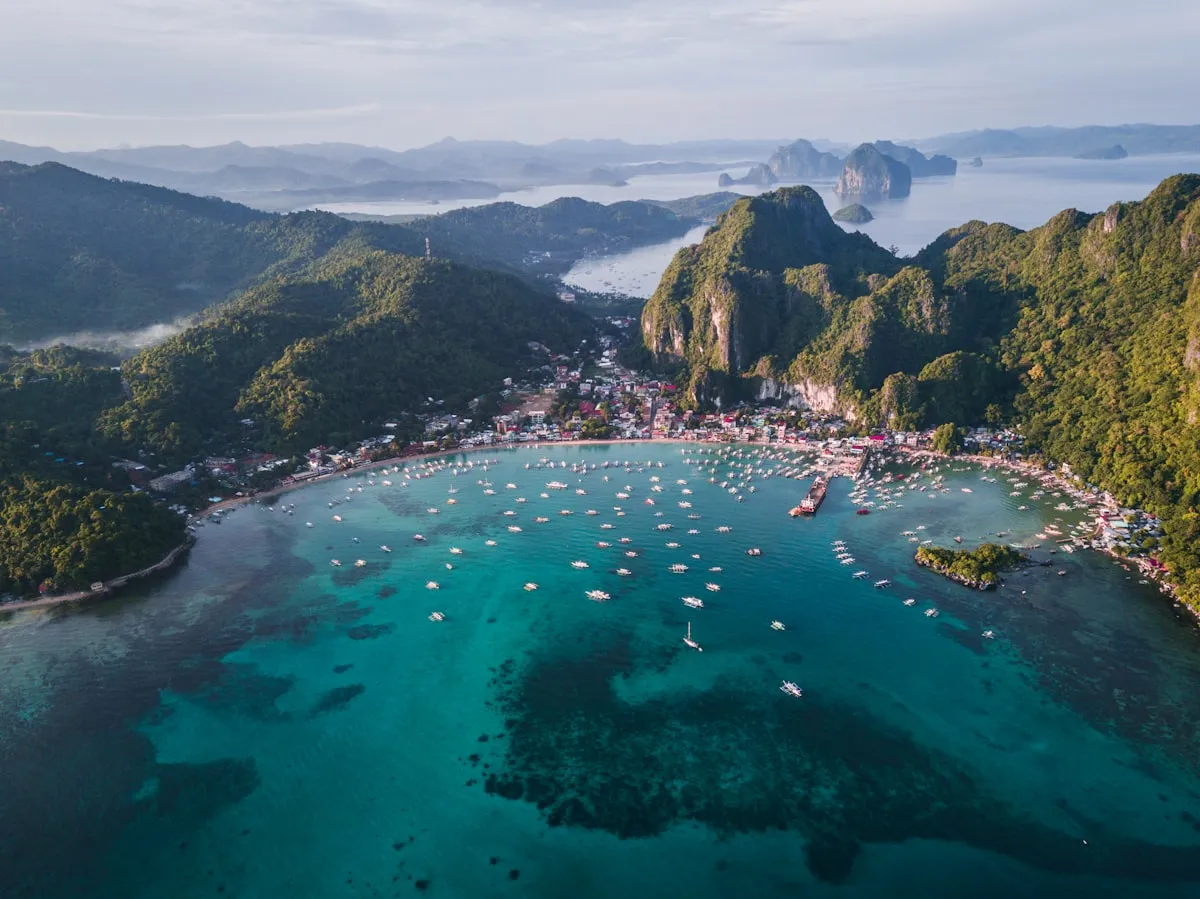
Apo Island, a tiny volcanic speck off the southeast coast of Negros Oriental, has achieved something remarkable: it has proved that community-managed marine protection works. Since the 1980s, when local fishers agreed to establish a no-take marine sanctuary, the reef has recovered to become one of the richest in the Visayas. The turtle population has rebounded to the point where encounters are not an if but a when. This guide tells you everything you need to know to get there and make the most of it.
Getting to Apo Island
From Dumaguete
The nearest city is Dumaguete, the pleasant university town on the southeast coast of Negros Oriental. From Dumaguete, the journey to Apo Island takes 30–45 minutes by bangka. Boats depart from Malatapay Port, about 30 km south of Dumaguete (PHP 60 by jeepney or PHP 200–300 by hired tricycle from Dumaguete). Bangka fare to Apo Island runs PHP 150–200 per person one way on shared boats, or PHP 1,500–2,000 to charter the whole boat. Boats run in the mornings and are weather-dependent — check conditions the day before.
Day Tour from Dumaguete
Several tour operators in Dumaguete offer all-inclusive day trips to Apo Island for PHP 1,500–2,500 per person. These packages typically include the van transfer to Malatapay, bangka, marine sanctuary entrance fee, snorkeling gear, and lunch. It is the most convenient option for travelers who do not want to figure out the logistics independently. Book through your guesthouse in Dumaguete the evening before — most can arrange it on short notice.
Trip.com
See all tours in Philippines on Trip.comDiving in Philippines
Hand-picked experiences in Philippines — book on Trip.com with instant confirmation.
The Marine Sanctuary
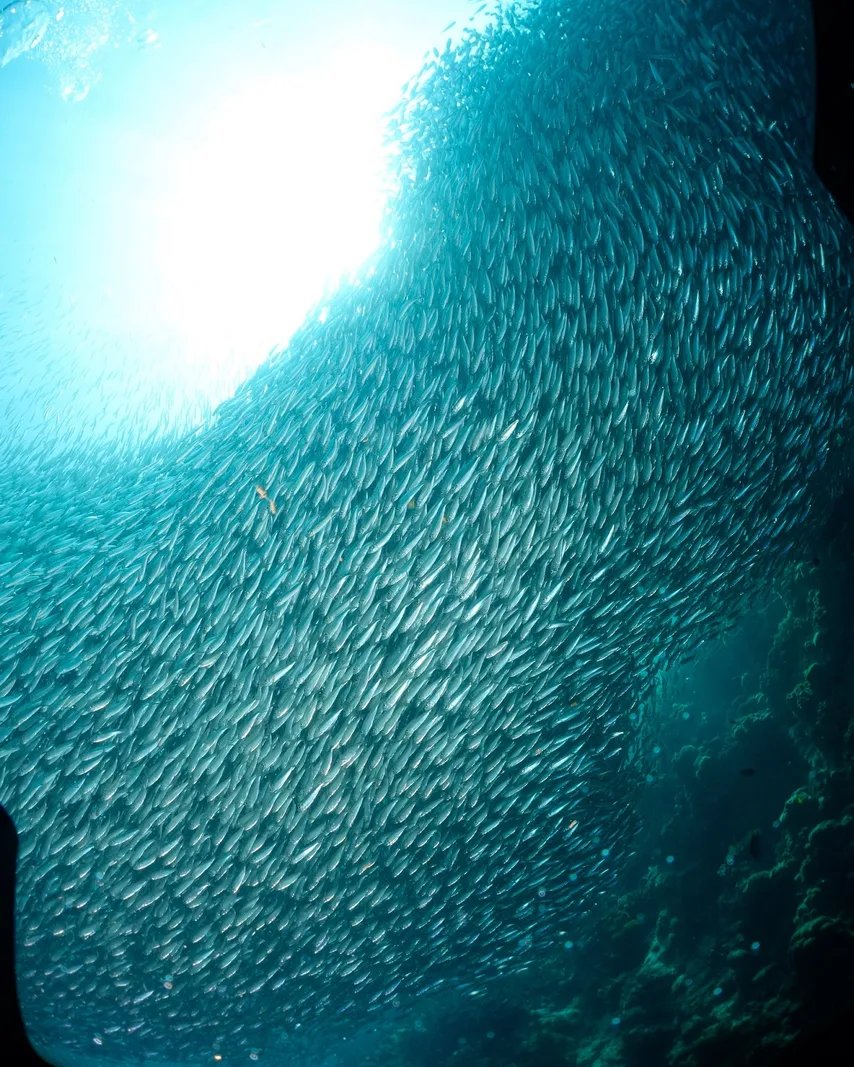
Apo Island's marine sanctuary covers roughly a third of the reef surrounding the island and is one of the oldest community-managed reserves in the Philippines. The results are measurable and visible: coral cover runs to 60–70% on the best sections of reef, compared to 20–30% on most unprotected Philippine reefs. Fish biomass is dramatically higher. And the turtles — green sea turtles (Chelonia mydas) and hawksbill turtles (Eretmochelys imbricata) — are the headline act.
Entrance fee: PHP 200 per person, collected at the island. This goes directly to the community and funds sanctuary enforcement and ranger salaries. Pay it without complaint — it is one of the best PHP 200 you will spend in the Philippines.
Sanctuary Rules (Follow Them)
- No touching sea turtles. Not a fin, not a shell. The turtles are habituated to human presence, which is why they do not flee — exploiting that trust by grabbing them stresses them and harms the experience for everyone. Rangers will remove you from the water for violations.
- Reef-safe sunscreen only. Chemical sunscreens (oxybenzone, octinoxate) bleach coral. Use mineral-based (zinc oxide or titanium dioxide) or simply wear a rashguard — the better choice in tropical sun anyway.
- No standing on coral. This is non-negotiable and enforced.
- No fishing in the sanctuary zone.
Best Snorkeling Spots
Chapel Beach
The most popular entry point and the best turtle encounter zone. Chapel Beach is a small black-sand beach (volcanic island, remember) on the northwest side of the island. Slip into the water here and within minutes you will almost certainly find green sea turtles feeding on seagrass in the shallows. The reef just off the beach drops to about 15 metres and is carpeted with healthy hard and soft coral. Morning visits (before 9am) offer the clearest water and the most turtle activity before the day-trip boats arrive en masse.
Rock Point East
The more dramatic dive and snorkel site on the eastern side of the island. The wall here drops from 5 metres at the surface to beyond 40 metres, and the coral growth is spectacular — massive table corals, sea fans the size of doorways, and clouds of anthias hovering in the current. This is where you are most likely to encounter hawksbill turtles (slightly smaller and more shy than the green turtles at Chapel Beach) and schools of large pelagics including barracuda and jack trevally. Best experienced by divers rather than snorkelers due to the depth, but the top five metres still rewards strong swimmers.
Coconut Point
The shallowest and most snorkeler-friendly section of reef, on the northwest corner of the island. Wide, bright, and colourful, with excellent coverage of staghorn and brain coral in 3–8 metres of water. Ideal for beginners and children. Turtle encounters here are common in the late morning.
Diving at Apo Island
Apo Island has three established dive sites plus the sanctuary reef accessible from multiple entry points. Dive prices run PHP 1,200–1,500 per dive including equipment rental. Local dive operators on the island are small and community-affiliated — you are not dealing with a Cebu City dive shop, but the guides are knowledgeable about local marine life in a way that formal certification courses do not always teach.
Visibility is generally 15–25 metres from November through May, dropping to 8–15 metres during the rainy season when river runoff from Negros affects clarity. The thermocline can be felt around 20 metres — warm water above, cooler and clearer below. Water temperature hovers at 27–29°C year-round in the shallows.
Sea Turtle Facts Worth Knowing
The turtles at Apo Island are primarily green sea turtles, which can grow to 1.5 metres in length and weigh up to 200 kg. They feed mainly on seagrass and algae. Adults can hold their breath for up to 7 hours while resting and need to surface every few minutes when actively swimming. If you position yourself still in the water and let them approach rather than chasing them, encounters last longer and are more intimate — a turtle surfacing for air a metre from your face is one of those wildlife moments that rewires your brain.
The morning hours at Chapel Beach (before 10am) offer the best encounters as the turtles are active feeders in the shallows. By midday they are resting on the reef at 10–15 metres depth. The afternoon light is better for photography if you can dive, as the sun angle improves underwater visibility from above.
Staying Overnight on Apo Island
Apo Island has limited but genuine overnight accommodation in community-run homestays. Expect to pay PHP 500–800 per person per night, usually including simple meals (rice, fish, vegetables). Electricity runs on a generator from roughly 6pm to 10pm — after that, the island goes dark and quiet. Bring a headlamp, a good book, and an offline download of whatever you were watching. There is no WiFi. Mobile signal is weak but present.
The advantage of staying overnight is enormous: you have the reef to yourself in the early morning before the day-trip boats arrive, and in the late afternoon after they have all departed. The sunset from the island's western side is spectacular and the star visibility at night — with no light pollution — is extraordinary.
Day Trip vs. Overnight
A day trip is fine for snorkeling and ticking Apo Island off the list. You will see turtles, enjoy the reef, and get back to Dumaguete for a comfortable dinner. If you are a diver or want a genuinely unhurried experience, an overnight stay transforms the visit. Two mornings on the reef before the crowds arrive, sunsets with local fishers, and the quiet satisfaction of having actually lived on a tiny Philippine island for a night — the homestay experience is the point.
Best Season
Visibility is best from March through May when currents are gentler and the water is clearest. The dry season overall (November–May) is the reliable window. The roughest months are July through September when the southwest monsoon generates swells that make the bangka crossing from Malatapay unpleasant and occasionally suspended. Even in the rainy season Apo Island can be visited, but check sea conditions carefully and build flexibility into your itinerary.
Combining Apo Island with Siquijor
Siquijor, the mystical island famous for its healers, white-sand beaches, and bioluminescent bays, is accessible by ferry from Dumaguete in under an hour. A logical route: fly into Dumaguete, spend a day at Apo Island (or overnight), return to Dumaguete, then ferry to Siquijor for two to three nights. Dumaguete is a genuinely pleasant base city — the Boulevard promenade along the seafront, the excellent local seafood restaurants, and Silliman University's colonial campus make it more than just a transit hub.
Budget Summary
Day trip from Dumaguete: PHP 1,500–2,500 all-in. Independent visit: PHP 700–900 transport + PHP 200 entrance + PHP 1,200–1,500 per dive or PHP 100–150 for snorkel gear rental. Overnight homestay: add PHP 500–800 per person. Total budget per day: PHP 2,000–3,500 depending on whether you dive.
Frequently Asked Questions
Are sea turtle encounters at Apo Island guaranteed?
Nothing in nature is guaranteed, but the probability is extremely high — in the 85–95% range during a morning snorkel at Chapel Beach. The turtles are resident, numerous, and habituated to snorkelers. The most common reason for missing them is arriving late (after the midday heat sends them deeper) or being part of a large noisy group that scatters them. Go early, move slowly, and the turtles will almost certainly find you.
Can I touch the sea turtles at Apo Island?
No, and this rule is strictly enforced by community rangers who accompany groups in the water. Do not touch, ride, chase, or block the path of sea turtles. The turtles are calm around humans because they have been protected from harassment — maintaining that calm is what makes the encounters so extraordinary. Violators are removed from the water immediately.
Is Apo Island good for non-divers?
Absolutely. The snorkeling at Chapel Beach and Coconut Point is among the best in the Visayas for people who have never strapped on a tank. Green sea turtles feed in water as shallow as 2–3 metres, and the reef at Chapel Beach is vibrant at snorkeling depth. Bring your own mask and snorkel if possible — rented gear is available but quality varies.
How do I get from Cebu City to Apo Island?
Fly or take a fastcraft from Cebu to Dumaguete (2 hours by sea, 45 minutes by air), then arrange transport to Malatapay Port and catch the bangka to Apo Island. Total journey from Cebu City is 3–5 hours depending on mode. Most travelers combine Dumaguete with Apo Island as a 2–3 night side trip from Cebu or as part of a Visayas loop.
What is the best time of day to snorkel at Apo Island?
Early morning, between 7am and 10am, is the prime window. The turtles are actively feeding in the shallows at Chapel Beach, the day-trip boats from Dumaguete have not yet arrived, and the sun is at an angle that lights up the shallow reef beautifully. If you are staying overnight on the island, this early window is the single biggest advantage of not day-tripping. Afternoon snorkeling (after 3pm, when day-trippers leave) is the second-best option.

PANA.PH Editorial Team
Philippines travel desk
The PANA.PH travel desk researches, books and re-checks Philippines travel logistics — fares, ferry schedules, government fees and permit rules — and publishes what it can verify.
🏡 Real local stays (book direct)
Hand-picked homestays and guesthouses — book direct, no markup.
Browse all local stays →
🌊 Popular activities (book instantly)
Island hopping, canyoneering, whale sharks — real Klook/GetYourGuide options.
View all activities →