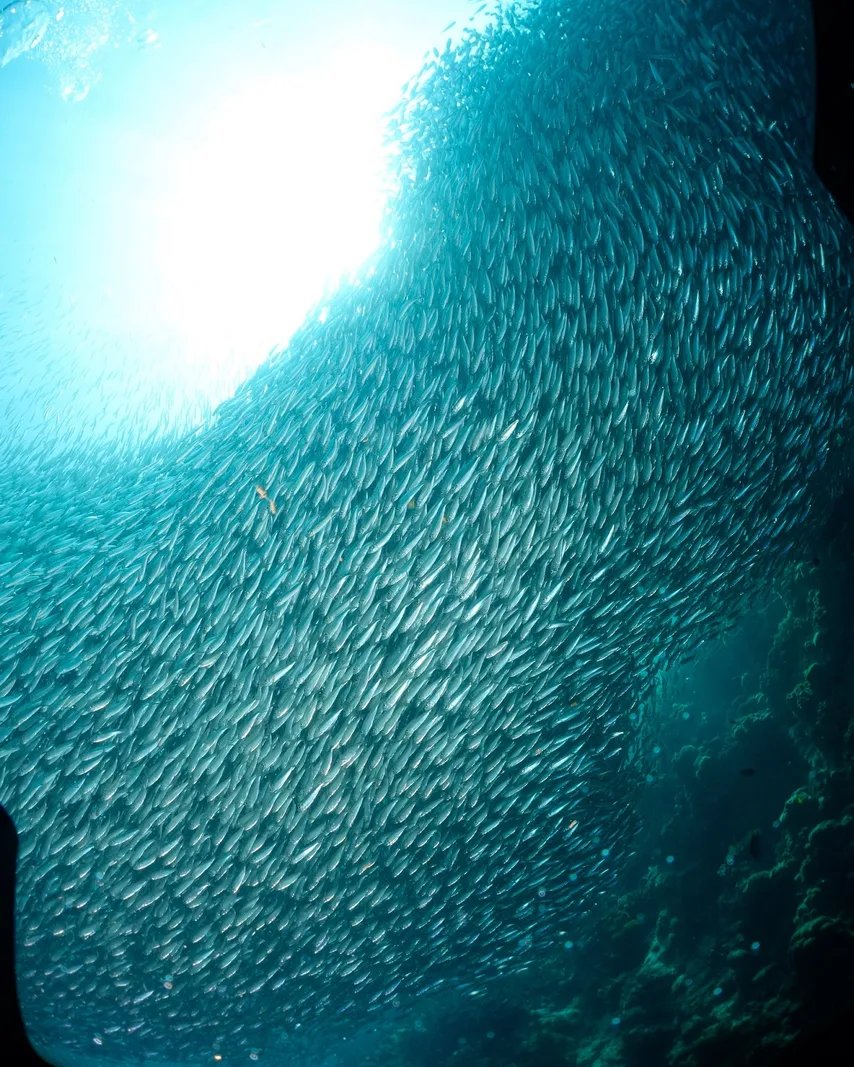
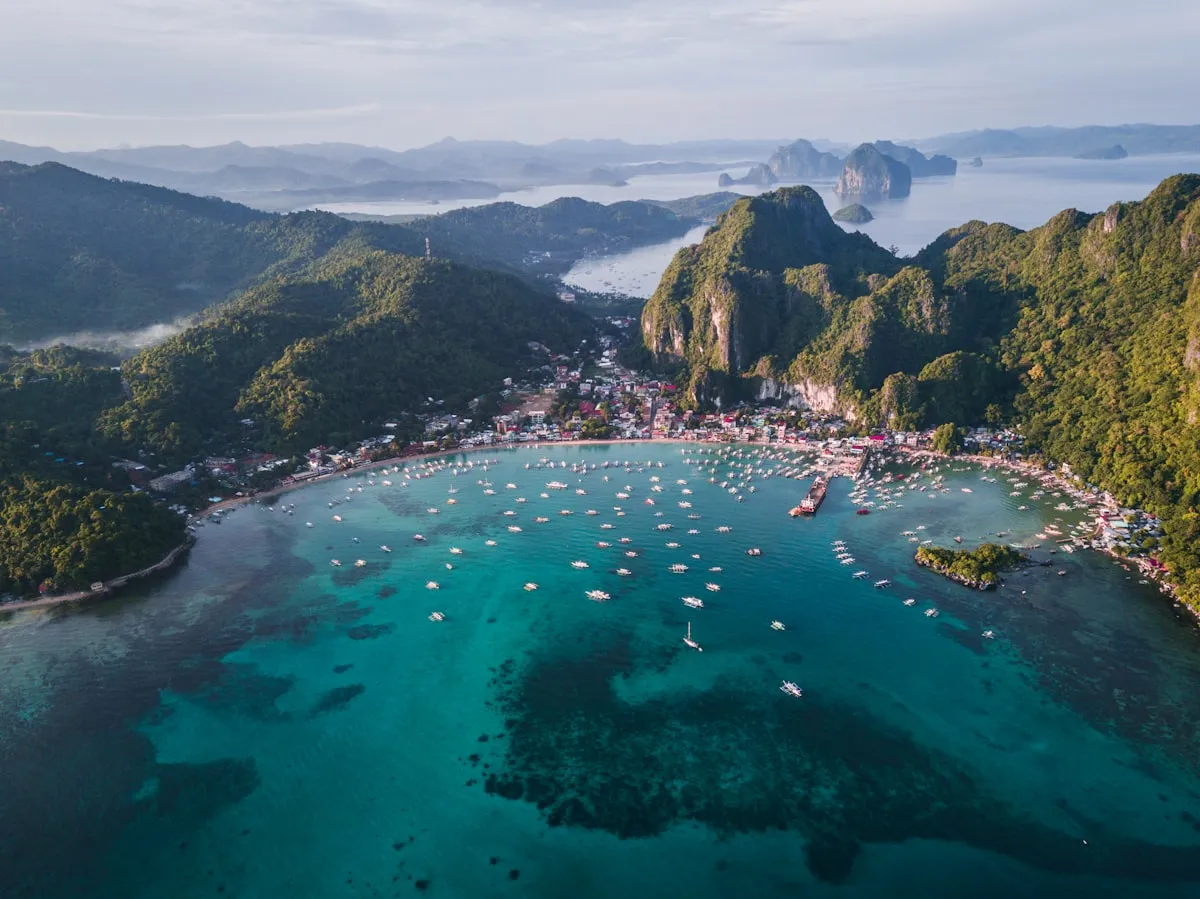
Short answer: Apo Island sits about seven kilometres off Dauin in Negros Oriental and its reef has been community-protected since the early 1980s. Guides are mandatory inside the sanctuary, entrance fees run roughly PHP 200 to 300 with a snorkelling guide fee around PHP 300, and touching anything - coral, turtles, the bottom - is prohibited rather than discouraged.
Trip.comHotels in Philippines
Compare live prices via Travelpayouts — targeted for this guide.
Search on Trip.comFor snorkellers and divers visiting from Dumaguete or Dauin, usually as a day trip. Fees and rules last checked 30 July 2026; the island's charges are set locally and have been revised more than once, so confirm at the registration desk. Bring cash - there is no card facility on the island.
| Charge or rule | Detail | Applies to |
|---|
| Island entrance fee | Roughly PHP 200-300 | All visitors |
| Snorkelling guide fee | Around PHP 300 | Mandatory in the sanctuary |
| Day tour from Dumaguete | Roughly PHP 1,500-2,500 | Includes transport, boat, fees, lunch |
| Touching coral or wildlife | Prohibited | Everyone, enforced by guides |
| Sunscreen | Reef-safe only | Everyone entering the water |
A fishing village closed its own reef and it worked
Apo Island matters beyond its snorkelling because of what happened here in the early 1980s. The community, working with marine scientists from Silliman University in Dumaguete, agreed to close a section of its own fishing ground and protect it.
That was a costly decision for a village that lived on fish. Within years the protected section had recovered enough that spillover into the surrounding waters improved catches outside it, and the model - a small, community-enforced no-take zone - became one of the most cited examples of community-based marine protection in Asia.
The reason this is a visitor's business rather than a history lesson is that the enforcement is still local. The guides are from the community, the fees fund the management, and the rules exist because people gave up income to make them work.
Why the guide is not optional
Snorkelling guides are mandatory within the sanctuary. Visitors sometimes read this as a make-work rule or a soft upsell, and it is neither.
The sanctuary is a defined area with boundaries that are not visible from the water, and the guide is how a visitor stays inside the permitted zone and off the coral. Apo's reef comes very shallow, the current between the island and the shore can run hard, and the combination of shallow coral and moving water is precisely where fin damage happens.
The guides also function as the enforcement layer. They will tell you to move away from a turtle, and the expectation is that you do - they are not offering an opinion.
Turtle etiquette, and why habituated is not tame
Apo's green sea turtles graze the seagrass beds and are used to people, which visitors consistently misinterpret. A turtle that does not flee is not comfortable - it is a wild animal that has learned that fleeing costs energy.
The rules are simple and constantly broken. Do not touch. Do not ride, which people still attempt. Do not position yourself above a turtle - they surface to breathe and a snorkeller overhead blocks the ascent. Keep a few metres back and let the animal set the distance.
Sea turtles are protected under Philippine wildlife legislation administered by the DENR, so harassment is a legal matter and not merely poor form. Guides have been known to end a snorkel over it.
What the fees pay for and why they change
Charges cluster around an island entrance fee in the region of PHP 200 to 300 and a guide fee of about PHP 300 for snorkelling, with diving priced separately by operators. A packaged day trip out of Dumaguete typically runs PHP 1,500 to 2,500 including transport, the boat, fees and lunch.
The money goes to island management and community development rather than to a national agency, which is the point of the model. It funds the guides, the marker buoys, the patrols and the maintenance that keeps the no-take zone real.
Because the fees are set locally they get revised, and published figures go stale quickly. Treat any number you read - including these - as the amount to have ready rather than a quoted price, and carry more cash than the arithmetic suggests.
Getting there, and the landing that catches people out
Most visitors come from Dumaguete or from Dauin directly opposite, crossing by bangka. The island is small, the accommodation on it is limited, and the majority of traffic is day trippers.
The landing is the practical wrinkle. Apo has no sheltered pier for small boats in all conditions, and arrivals can involve stepping off into shallow water over an uneven bottom. Footwear that can get wet is more useful here than on most Philippine day trips.
Sea conditions in the channel also close the crossing more often than the weather at Dumaguete suggests. A calm morning on the Negros shore does not guarantee a calm channel, and boats are turned back.
What most guides get wrong about Apo Island
The most common failure is describing it as a snorkelling stop with nice turtles and omitting what it is. Apo is a functioning community-managed marine protected area with a forty-year history, and the reason the reef and the turtles are there is that a village enforced a closure at its own expense. A guide that presents it as scenery has removed the only thing that makes it distinctive.
The second is treating the mandatory guide as an optional extra to negotiate away. It is a condition of entering the sanctuary, it exists because the boundaries are invisible and the coral is shallow, and shopping for an operator who will skip it is shopping for the operator who does not respect the sanctuary.
The third is the turtle photograph culture. Articles show swimmers alongside turtles at arm's length, which normalises exactly the distance the rules prohibit. Habituation is not consent, and a turtle that cannot reach the surface because a ring of snorkellers is waiting for a shot is being harmed by people who believe they are having a wildlife encounter.
Frequently asked questions
Do I need a guide at Apo Island?
Yes, snorkelling guides are mandatory inside the sanctuary. The boundaries are invisible from the water and the coral comes very shallow, so the guide keeps you in the permitted zone and off the reef.
How much does Apo Island cost?
Roughly PHP 200 to 300 for the island entrance and around PHP 300 for a snorkelling guide. A packaged day trip from Dumaguete generally runs PHP 1,500 to 2,500 including boat, fees and lunch.
Can I touch the turtles?
No. Sea turtles are protected under Philippine wildlife law, and touching or riding one is an offence. Stay a few metres back and never position yourself above an animal that needs to surface.
Why is Apo Island famous among marine scientists?
The community closed part of its own fishing ground in the early 1980s with Silliman University, and the recovery and spillover became a widely cited model for community-based marine protection in Asia.
How do I get to Apo Island?
By bangka from Dauin or Dumaguete in Negros Oriental, about seven kilometres offshore. The channel closes more often than conditions on the Negros shore suggest, so crossings can be cancelled.