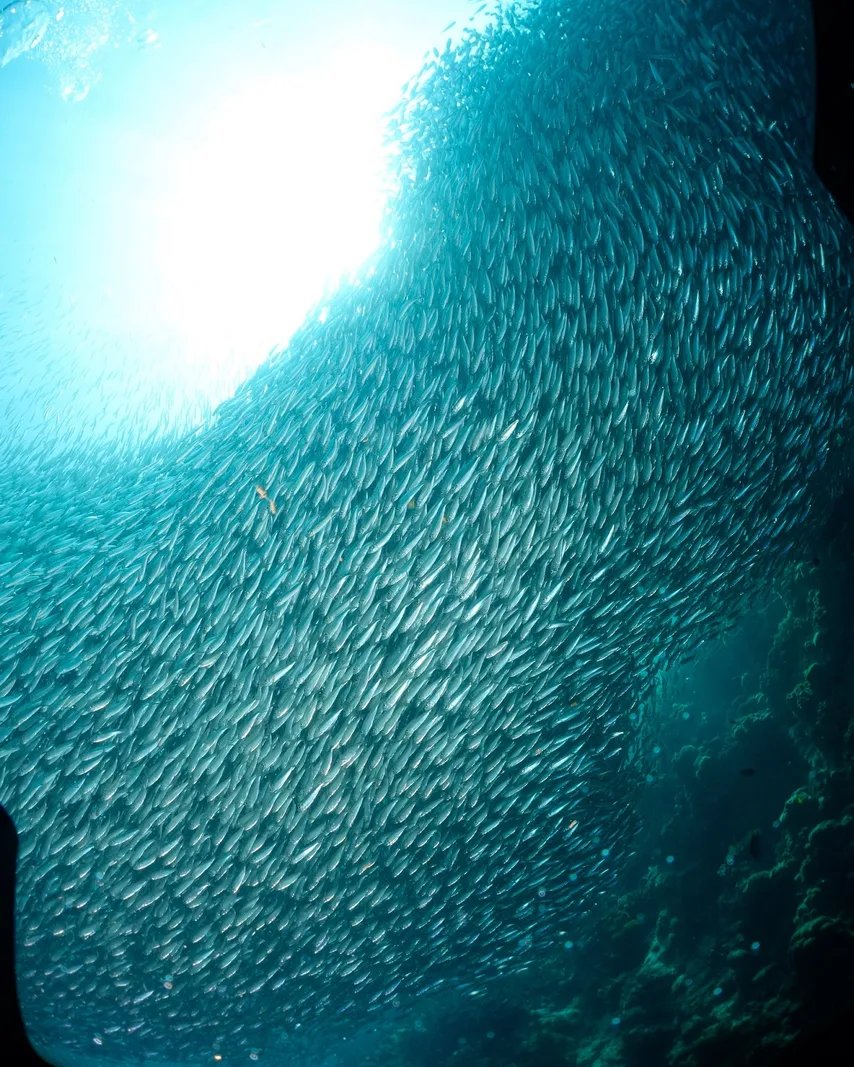
There is a moment, somewhere out on the water between the limestone walls of Bacuit Bay, when you stop taking photos and simply stare. The cliffs rise straight from a sea so clear you can count the fish below the hull, and ahead of you a hidden lagoon glows a shade of green that no screen ever quite captures. El Nido is one of those rare places that out-performs its own postcards, and the A/C/D Highlights Speedboat Tour is built around a simple, greedy idea: instead of choosing just one of the famous island-hopping circuits, why not cherry-pick the very best stops from three of them in a single day? With a faster speedboat doing the long transfers, that ambition actually works.
El Nido A/C/D Highlights Speedboat Tour - Guide
Trip.com
Search on Trip.comHotels in Philippines
Compare live prices via Travelpayouts — targeted for this guide.
Where you are: the karst world of Bacuit Bay
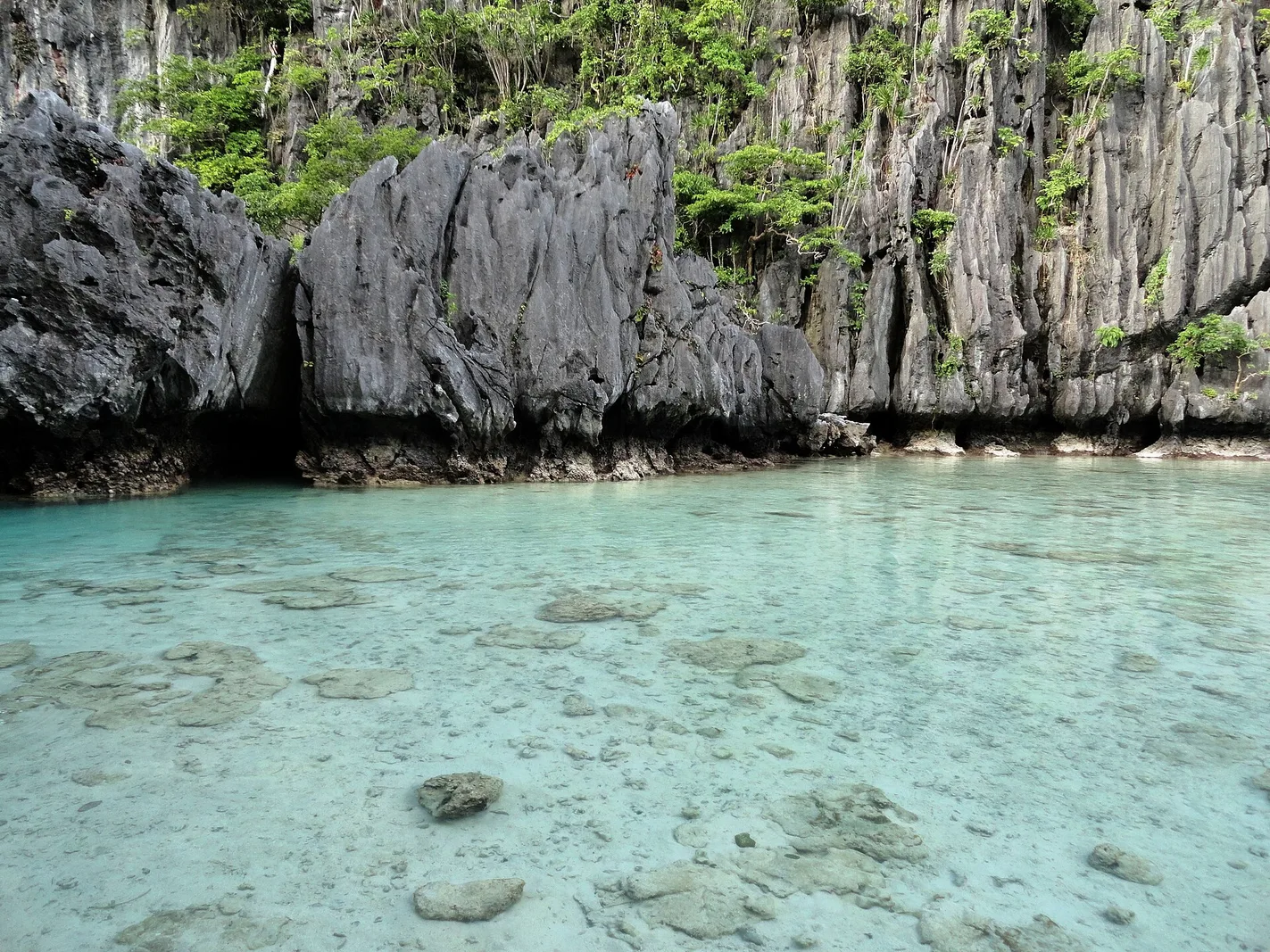
El Nido sits at the northern tip of Palawan, the long, sword-shaped island that stretches toward Borneo and shelters some of the most biodiverse waters in the Philippines. The town itself is small, hemmed between a steep wall of jagged cliffs and the calm half-moon of Bacuit Bay, which is studded with around forty-five islands and islets. Those dramatic gray-and-black towers are karst, made of limestone laid down as ancient coral reefs and marine sediment over tens of millions of years. Slow uplift pushed them above the sea, and ever since, rain and seawater have been quietly dissolving the soluble rock along its cracks. The result is the classic karst signature you see everywhere here: fluted cliffs, sea caves, sinkholes, sharp pinnacles, and the showpiece of the region, the enclosed saltwater lagoons that flood and drain with the tide.
The same limestone that makes the scenery also feeds the ecosystem. Nutrients washing off the cliffs and the protected, current-sheltered coves help corals thrive, and the reefs in turn shelter clownfish, parrotfish, wrasse, sea turtles, and the occasional reef shark. El Nido and the surrounding waters are formally protected as the El Nido-Taytay Managed Resource Protected Area, which is why you will see mooring buoys, ranger checks, and environmental fees collected before you set out. The name El Nido itself means "the nest" in Spanish, a nod to the swiftlets that build edible nests high in the sea caves, harvested for centuries for bird's-nest soup.
How the A/C/D combination works
El Nido's island-hopping is organized into lettered routes, A through D, each a fixed loop of stops that local boat operators and the tourism office have standardized over the years. Tour A is the lagoon-and-beach classic, Tour C leans into hidden beaches and dramatic rock formations farther out, and Tour D bundles the closer islands and reefs nearest town. Normally you would pick one per day. This combined tour uses a speedboat to stitch the headline stops of all three into one long, full-day outing, so you cover much more ground than a traditional bangka (the wooden outrigger most tours use). Expect to be on the water roughly from mid-morning until late afternoon, with the exact lineup of stops adjusted by your captain to follow the tides, the weather, and the crowds.
Trip.com
See all tours in Philippines on Trip.comTours & activities in Philippines
Hand-picked experiences in Philippines — book on Trip.com with instant confirmation.
The Tour A highlights
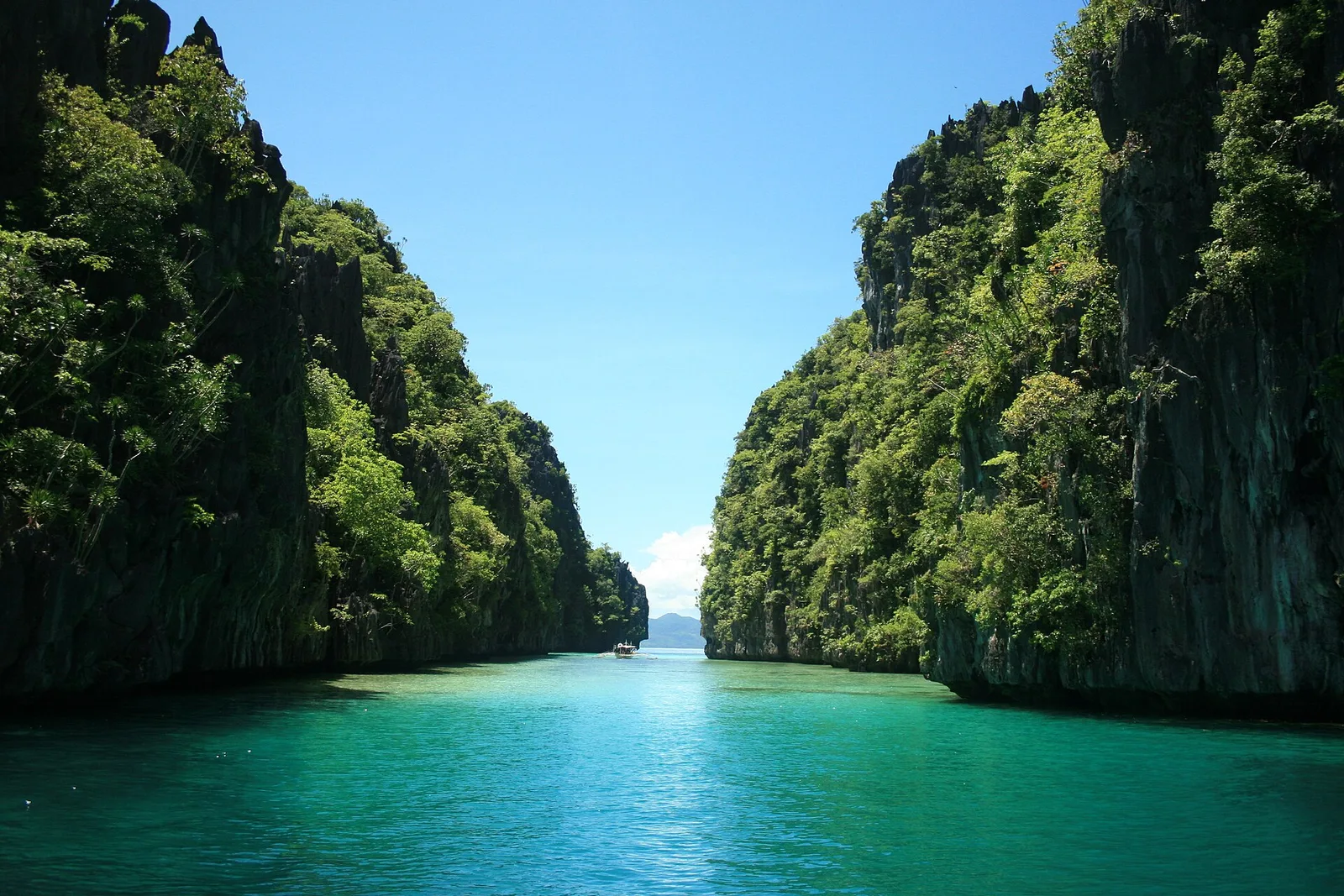
- Big Lagoon - a wide, shallow channel of emerald water that opens between sheer cliffs. You usually drift in slowly, sometimes transferring to a kayak, gliding past walls that rise dozens of meters straight from the sea. It is the single most photographed spot in El Nido for good reason.
- Small Lagoon - reached by ducking through a low gap in the rock (often you swim or kayak the last stretch). Inside is an enclosed pool ringed by cliffs, quieter and more intimate than its big sibling.
- Secret Lagoon - a tiny hidden pool you access by squeezing through a small crack at the base of a cliff, a fun, slightly cheeky scramble that kids and adults both enjoy.
- Shimizu or Seven Commandos Beach - a classic white-sand stop, often where lunch is served, with shallow turquoise water and good easy snorkeling just offshore.
The Tour C highlights
- Hidden Beach - a sheltered cove tucked behind a wall of rock, with fine sand and calm, shallow water.
- Secret Beach - the inspiration, by local legend, for the kind of enclosed paradise that the novel "The Beach" romanticized; you swim through a gap in the limestone to reach a sandy pocket fully ringed by cliffs.
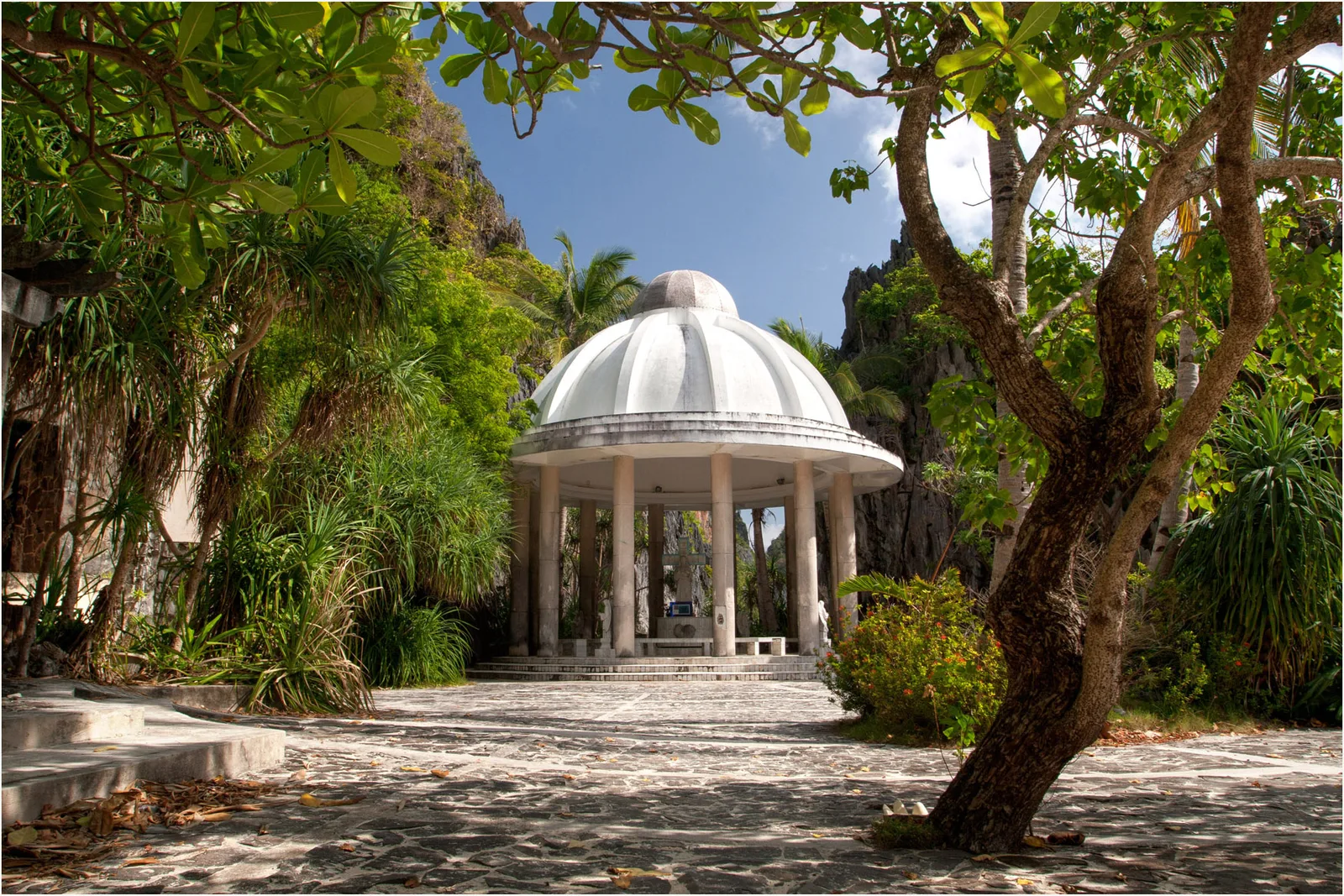
- Matinloc Shrine and the dramatic Tapiutan Strait - towering rock formations and some of the most striking, sculptural cliffscapes in the whole bay.
- Star Beach or Helicopter Island (Dilumacad) - a long, low island shaped like a helicopter from a distance, fringed with good snorkeling reef.
The Tour D highlights
- Cadlao Lagoon - set below Cadlao, the tallest island in the bay, a serene lagoon often less crowded than the Tour A pair.
- Pasandigan and Paradise beaches - calm, sandy coves close to town, ideal for a relaxed swim.
- Natnat or Bukal beaches and nearby reefs - gentle snorkeling spots that round out the day before the run back to the pier.
What the day actually feels like
The rhythm is part of the pleasure. You pull away from the beach, the town shrinks behind you, and the cliffs open up one after another. At the lagoons you slow right down, sometimes paddling, sometimes swimming, threading through gaps barely wider than your shoulders into hidden pools. At the beaches you wade ashore for a swim, a snorkel over the reef, and usually a fresh grilled lunch laid out by the crew, often fish, chicken, rice, and a heap of just-cut tropical fruit eaten with your feet in the sand. Between stops the speedboat covers the long open-water transfers quickly, which is the whole point: less time droning across the bay, more time in the water.
None of the stops are physically demanding, but a basic comfort in the water helps enormously. Several of the best lagoons and the secret beaches are only reachable by swimming a short distance or wading through a narrow opening, sometimes against a light current or a small swell. If you are not a confident swimmer, wear your life vest (operators provide them) and tell your guide; they are used to helping nervous swimmers through the tricky entrances.
Conservation, and traveling here responsibly
El Nido's beauty is also its vulnerability. The protected-area fees you pay go toward managing the reefs and lagoons, and the rules exist for good reason. Do not touch or stand on coral, do not feed the fish, and never take shells, sand, or living creatures. Reef-safe sunscreen genuinely matters here, since the same chemicals that protect your skin can bleach coral in these enclosed, slow-flushing lagoons; many travelers cover up with a rash guard instead. Bring as little single-use plastic as possible and carry your trash back to town. Inside the lagoons, keep your voice and your wake low, both for the wildlife and for everyone else chasing the same magic.
Practical tips before you go
- Best time of year: The dry season, roughly late November through May, brings the calmest seas and clearest water; the months around March and April are the sunniest. The wet season can still be lovely between squalls, but rough water occasionally forces operators to swap or skip the more exposed Tour C stops, which is exactly when a flexible combined itinerary earns its keep.
- What to bring: Swimwear worn under your clothes, a quick-dry towel, a rash guard for sun and snorkeling, reef-safe sunscreen, a hat, sunglasses, water shoes or sandals you can swim in (some entries are rocky), a dry bag for your phone, and cash for fees and tips. A waterproof phone case or action camera pays for itself.
- Strenuousness: Easy to moderate. The walking is minimal, but expect to swim, snorkel, and occasionally scramble over rock to reach the hidden spots.
- Typically included: Boat transfers, snorkeling gear, life vests, and a beach lunch are standard on these tours; the environmental and protected-area fees are sometimes separate, so confirm in advance.
- Timing of day: The lagoons are calmest and least crowded earlier; a combined speedboat tour helps you reach marquee stops ahead of the slower bangka fleet.
A last word
What makes the A/C/D combination special is not just that you see more, it is that you feel the whole personality of Bacuit Bay in a single day, the cathedral hush of the big lagoons, the playful squeeze into a secret beach, the lazy snorkel over a reef while lunch smokes on the grill. Few places reward a long day on the water like El Nido, and few tours let you taste so much of it at once. Slather on the reef-safe sunscreen, keep your camera close but your eyes closer, and let the speedboat carry you from one impossible shade of green to the next.
Good to know before you book
- Duration: typically a full day (around 8 to 10 hours including transfers), though half-day and multi-day options exist - check the listing.
- Best for: couples, families and first-time visitors.
- What is included: the boat, life vests, snorkelling gear, a guide and usually lunch; island entrance and environmental fees may be paid locally.
- Pickup: most tours offer hotel or central pickup; confirm your point and time when booking.
- Book through: the GetYourGuide button on this page, which shows live availability and pricing.
Frequently asked questions
How long does the El Nido A/C/D Highlights Speedboat Tour take?
Most departures run as a full day - roughly 8 to 10 hours including pickup, travel and the activities themselves - so plan to set aside the whole day. Some operators offer shorter or private versions; the exact timing for your date is shown when you book through the GetYourGuide button on this page.
What is included in the El Nido A/C/D Highlights Speedboat Tour?
Typically the price covers the boat, life vests, snorkelling gear, a guide and usually lunch; island entrance and environmental fees may be paid locally. Inclusions vary by operator, so always read the specific listing - it spells out exactly what is provided and what you pay for separately, such as entrance or environmental fees.
What should I bring?
Pack swimwear, reef-safe sunscreen, a hat, a towel, water shoes for rocky landings and a waterproof pouch for your phone. It is also worth carrying some cash for local fees, drinks and tips, plus any personal medication, since card facilities can be limited outside the cities.
Is the El Nido A/C/D Highlights Speedboat Tour suitable for beginners or families?
It is suitable for almost everyone, including families and non-swimmers, thanks to life vests and calm, sheltered water at most stops. There is plenty of time to simply relax on the sand. If you have specific concerns about age, fitness or swimming ability, message the operator before booking - they can advise on the best option for your group.
When is the best time to do this tour?
The best conditions are usually the dry season from late November to May, when seas are calmest and skies clearest. That said, the Philippines is a year-round destination, and many of these experiences run in any season - just expect the occasional shower and check the forecast for the day.
How do I get to El Nido?
To reach El Nido, fly into Puerto Princesa, El Nido or Coron (Busuanga) airport, then transfer by road or boat. Many tours include transfers from nearby towns or hotels, so confirm your pickup arrangement when you book so the day runs smoothly from the start.
Do I need to book the El Nido A/C/D Highlights Speedboat Tour in advance?
Yes - booking ahead is strongly recommended, especially in the dry-season peak and on weekends, when popular tours and the best operators sell out. Reserving online also locks in your spot and lets you compare timings and inclusions easily.
How much does the El Nido A/C/D Highlights Speedboat Tour cost?
Prices vary with the season, group size and exactly what is included, so we do not list a fixed figure here. Tap the GetYourGuide button on this page to see the current, accurate price and availability for your chosen date.
Can I do the El Nido A/C/D Highlights Speedboat Tour as a private or customised tour?
Many operators offer a private version of this experience for couples, families or small groups who want a flexible pace and a guide to themselves, and some can tailor the route or add stops. If a private or custom option matters to you, check the listing or message the operator before booking, as availability and prices differ from the standard shared tour.
Ready to explore El Nido?
From planning to the moment you arrive, the El Nido A/C/D Highlights Speedboat Tour is one of the most rewarding ways to experience this corner of the Philippines - and booking it is simple. Use the GetYourGuide button on this page to check live availability, compare timings and secure your spot, then turn up and let the local guides handle the rest while you focus on the views, the water and the memories.

PANA.PH Editorial Team
Philippines travel desk
The PANA.PH travel desk researches, books and re-checks Philippines travel logistics — fares, ferry schedules, government fees and permit rules — and publishes what it can verify.
🏡 Real local stays (book direct)
Hand-picked homestays and guesthouses — book direct, no markup.
Browse all local stays →

🌊 Popular activities (book instantly)
Island hopping, canyoneering, whale sharks — real Klook/GetYourGuide options.
View all activities →