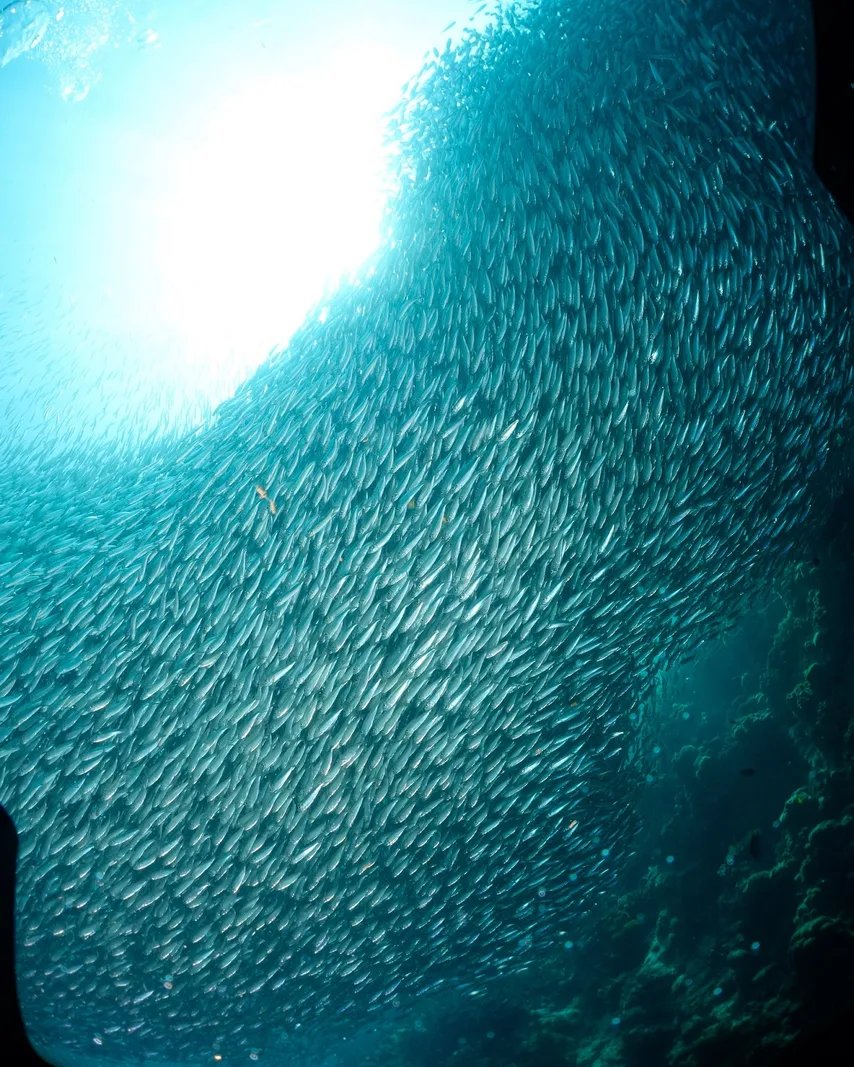
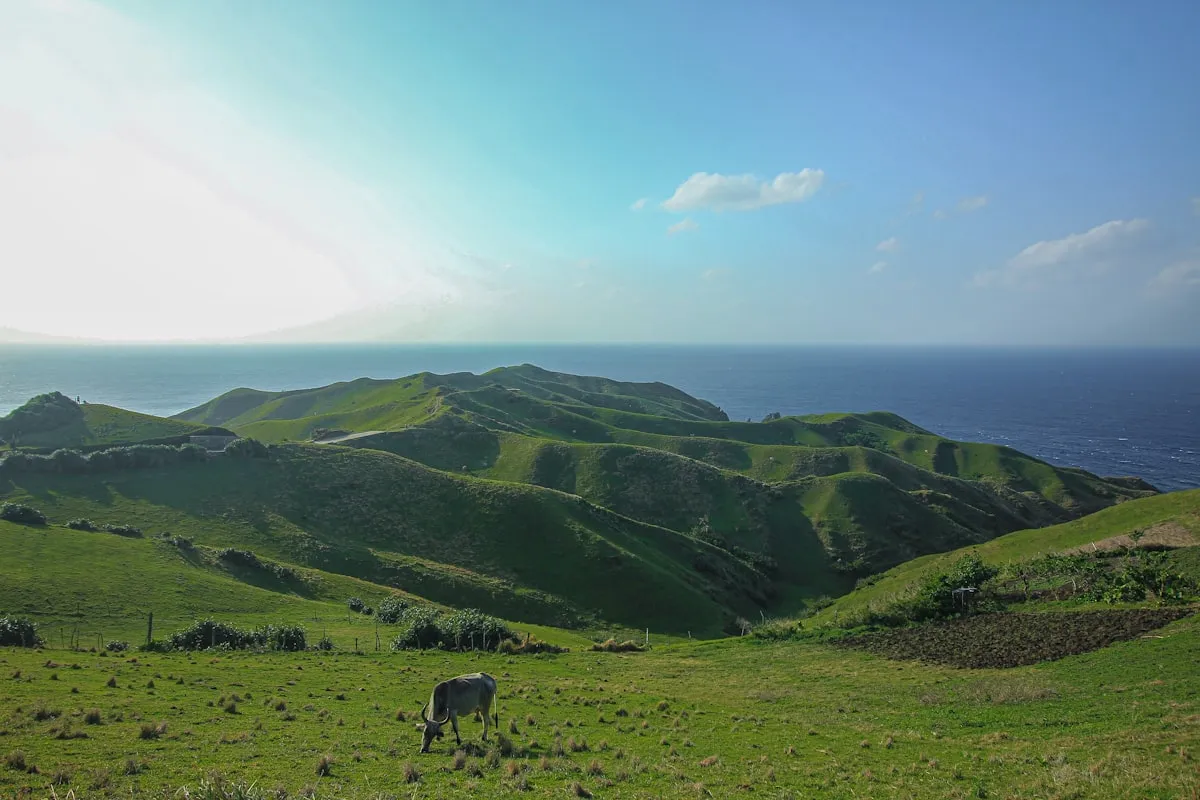
There is a particular shade of green-blue that only seems to exist in the Bacuit Archipelago, the cluster of islands scattered just off the town of El Nido at the northern tip of Palawan. On a calm morning, when the speedboat eases out of the bay and the towering limestone cliffs rise straight from the water like the backs of sleeping giants, the sea turns a color that camera screens never quite capture. This A&B route, threading together Entalula Island, hidden sea caves, and a tide-born sandbar, is one of the most rewarding ways to spend a day on that water. It borrows the best stops from El Nido's famous Tour A and Tour B menus, then runs them on a faster, smaller speedboat so you spend less time in transit and more time in the water.
El Nido A&B Speedboat: Entalula, Caves & Sandbar - Guide
Trip.com
Search on Trip.comHotels in Philippines
Compare live prices via Travelpayouts — targeted for this guide.
The geology that makes El Nido look impossible
To understand why these islands look the way they do, you have to go back hundreds of millions of years. The dramatic gray cliffs of the Bacuit Archipelago are karst limestone, formed from the compressed skeletons of ancient coral reefs and marine organisms that built up on a shallow sea floor. Over enormous spans of time, tectonic forces lifted that limestone above the waterline. Then water did the slow work of sculpting: rain is mildly acidic, and as it seeps through limestone it dissolves the rock, carving out caves, sinkholes, fissures, and the jagged, knife-edged pinnacles you see all over El Nido.
This is the same family of karst landscape that gives Palawan its other UNESCO-listed wonder, the Puerto Princesa Subterranean River further south. In the Bacuit Archipelago the process created sheer walls that plunge underwater, sheltered lagoons hidden behind narrow gaps, and the partly collapsed cave roofs that let sunlight pour into spaces that feel like cathedrals. Coral reefs ring the bases of many islands, and the whole archipelago sits within a protected managed-resource area, which is why El Nido still has the clear water and living reef that first put it on the map.
Stop by stop: what the day actually looks like
Entalula Island
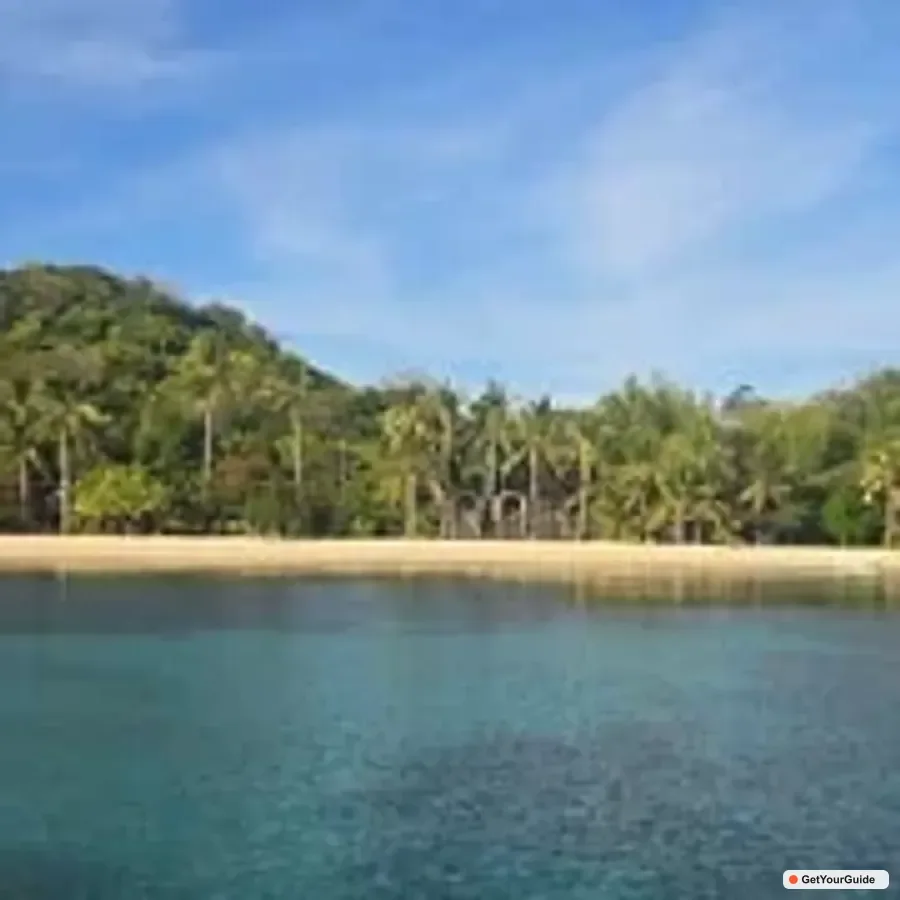
Entalula is one of the quieter beach stops in the archipelago, a curve of pale sand backed by coconut palms and framed by limestone walls. Compared with the busier beaches closer to town, it tends to feel calmer and less crowded, which is exactly why it earns a place on this itinerary. The water just offshore is shallow and clear, good for floating, and the cliffs behind make for that classic El Nido backdrop. It is a place to slow down, swim, and let the boat crew set up lunch.
Trip.com
See all tours in Philippines on Trip.comTours & activities in Philippines
Hand-picked experiences in Philippines — book on Trip.com with instant confirmation.
The sea caves
The "caves" on this route are the kind that limestone country does best. Depending on conditions and the captain's call, you may nose the boat or swim into shaded grottoes and overhangs where the rock arches overhead and the water glows from light bouncing off the sandy bottom. Some are small cathedral-like chambers carved by wave action at the waterline; others are openings you reach by ducking through a gap in the cliff. This is where a calm sea matters, because the caves are tucked into the rock and best entered when the water is gentle.
The sandbar
A sandbar is one of the most photogenic things the sea makes on its own. As tides and currents move sediment around the islands, they pile fine sand into a low ridge that surfaces at lower tides, a thin pale ribbon seemingly floating in the middle of turquoise water. Because it is tide-dependent, the sandbar is a moving target: it is at its widest and most dramatic around low tide and can shrink or disappear as the water rises. Standing on it, ankle-deep, with open sea on both sides, is one of those quietly surreal El Nido moments.
Snorkeling along the way
Between the named stops, this kind of tour usually pauses at reef and coral-garden snorkel sites. The Bacuit reefs host the usual cast of tropical reef fish, sea anemones with their resident clownfish, and patches of hard and soft coral. Visibility is generally excellent on calm days. The crew typically provides snorkel gear and points you toward the best patches.
Why a speedboat changes the day
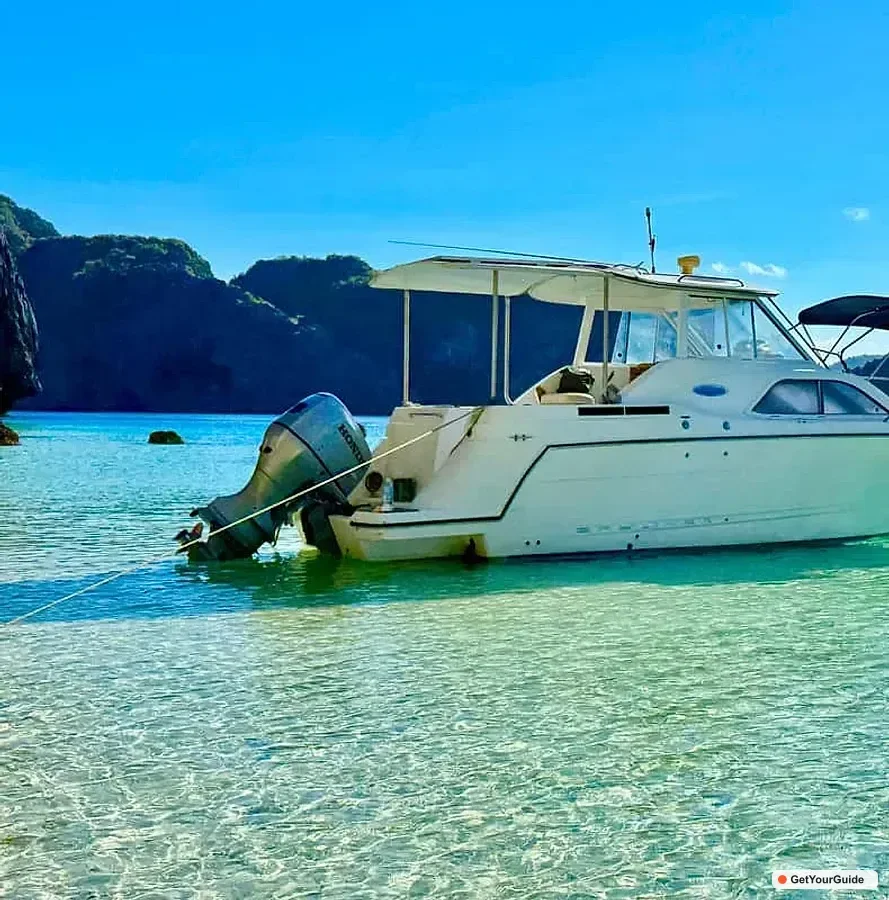
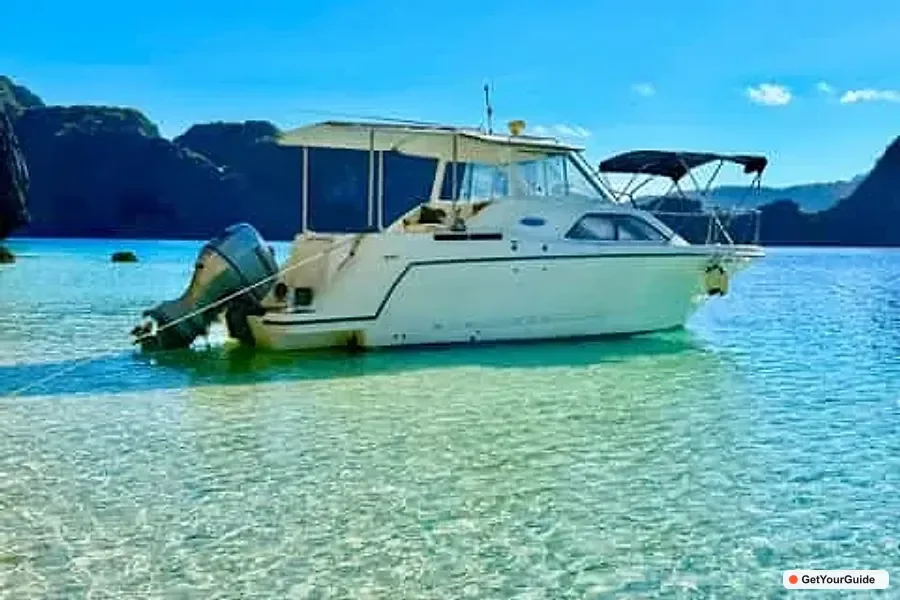
Most El Nido island hopping runs on traditional outrigger boats called bangka, with their distinctive bamboo stabilizer arms. They are charming and stable, but slow. A speedboat does the same loop in less time, which means more minutes in the water at each stop and a smoother, drier ride in good conditions. Speedboat tours also tend to carry smaller groups, so beaches and caves feel less crowded when you arrive. The trade-off is that speedboats can feel the chop more on rougher days, so sea conditions matter.
Culture, conservation, and why it matters
El Nido takes its name from the Spanish word for "nest," a reference to the edible nests of swiftlets that cling to the limestone cliffs and were once harvested for bird's nest soup. The whole town and archipelago lie within a protected area, and visitors pay an environmental fee (the El Nido Eco-Tourism Development Fee) that funds conservation and is usually valid for several days. It is worth keeping your receipt, as it can be checked.
The protections are real and they are why El Nido still dazzles. Coral is fragile and slow-growing, so standing on it, touching it, or kicking it with fins kills it. Sunscreen chemicals can damage reefs too, which is why reef-safe (mineral) sunscreen or simply covering up with a rash guard is the responsible choice. Take everything you bring back out with you; single-use plastics are increasingly discouraged across Palawan.
Practical tips from people who go often
- Best time of year: The dry season, roughly late November through May, brings the calmest seas and clearest water; March to May is hot and busy. The wet season can still have beautiful days, but rough water sometimes closes the more exposed stops or cancels tours for safety.
- Best time of day: Earlier departures generally mean calmer water and fewer boats at each stop. Sandbar visibility depends on the tide more than the clock, so the timing varies day to day.
- What to wear and bring: Swimwear under a rash guard, reef-safe sunscreen, a hat, sunglasses, and water shoes or sandals for rocky entries. Bring a dry bag for your phone, a towel, and cash for the environment fee and tips. A waterproof phone case or action camera is well worth it here.
- How strenuous: Generally easy and family-friendly. You should be comfortable getting in and out of a boat and floating in open water; a life vest is normally provided and you can wear it while snorkeling.
- What is typically included: Island-hopping tours in El Nido commonly include a boat lunch, snorkel gear, and life vests. Confirm the specifics of your booking, since the environment fee is sometimes separate.
- Duration: Plan for most of the day, typically a morning departure with a return in the afternoon.
A last word before you board
What makes this A&B speedboat loop special is the variety packed into a single day: a quiet beach at Entalula, the cool hush of a limestone cave, the strange thrill of standing on a sandbar in the open sea, and reef stops in between. Treat the islands gently, keep your fins off the coral, and give yourself a moment, at least once, to stop swimming and just float. Look up at those impossible cliffs, listen to the swiftlets, and remember that this whole landscape is the slow handiwork of ancient coral and patient water. El Nido has a way of recalibrating what you thought a coastline could look like, and this route is one of the best front-row seats it offers.
Good to know before you book
- Duration: typically a full day (around 8 to 10 hours including transfers), though half-day and multi-day options exist - check the listing.
- Best for: couples, families and first-time visitors.
- What is included: the boat, life vests, snorkelling gear, a guide and usually lunch; island entrance and environmental fees may be paid locally.
- Pickup: most tours offer hotel or central pickup; confirm your point and time when booking.
- Book through: the GetYourGuide button on this page, which shows live availability and pricing.
Frequently asked questions
How long does the El Nido A&B Speedboat: Entalula, Caves & Sandbar take?
Most departures run as a full day - roughly 8 to 10 hours including pickup, travel and the activities themselves - so plan to set aside the whole day. Some operators offer shorter or private versions; the exact timing for your date is shown when you book through the GetYourGuide button on this page.
What is included in the El Nido A&B Speedboat: Entalula, Caves & Sandbar?
Typically the price covers the boat, life vests, snorkelling gear, a guide and usually lunch; island entrance and environmental fees may be paid locally. Inclusions vary by operator, so always read the specific listing - it spells out exactly what is provided and what you pay for separately, such as entrance or environmental fees.
What should I bring?
Pack swimwear, reef-safe sunscreen, a hat, a towel, water shoes for rocky landings and a waterproof pouch for your phone. It is also worth carrying some cash for local fees, drinks and tips, plus any personal medication, since card facilities can be limited outside the cities.
Is the El Nido A&B Speedboat: Entalula, Caves & Sandbar suitable for beginners or families?
It is suitable for almost everyone, including families and non-swimmers, thanks to life vests and calm, sheltered water at most stops. There is plenty of time to simply relax on the sand. If you have specific concerns about age, fitness or swimming ability, message the operator before booking - they can advise on the best option for your group.
When is the best time to do this tour?
The best conditions are usually the dry season from late November to May, when seas are calmest and skies clearest. That said, the Philippines is a year-round destination, and many of these experiences run in any season - just expect the occasional shower and check the forecast for the day.
How do I get to El Nido?
To reach El Nido, fly into Puerto Princesa, El Nido or Coron (Busuanga) airport, then transfer by road or boat. Many tours include transfers from nearby towns or hotels, so confirm your pickup arrangement when you book so the day runs smoothly from the start.
Do I need to book the El Nido A&B Speedboat: Entalula, Caves & Sandbar in advance?
Yes - booking ahead is strongly recommended, especially in the dry-season peak and on weekends, when popular tours and the best operators sell out. Reserving online also locks in your spot and lets you compare timings and inclusions easily.
How much does the El Nido A&B Speedboat: Entalula, Caves & Sandbar cost?
Prices vary with the season, group size and exactly what is included, so we do not list a fixed figure here. Tap the GetYourGuide button on this page to see the current, accurate price and availability for your chosen date.
Can I do the El Nido A&B Speedboat: Entalula, Caves & Sandbar as a private or customised tour?
Many operators offer a private version of this experience for couples, families or small groups who want a flexible pace and a guide to themselves, and some can tailor the route or add stops. If a private or custom option matters to you, check the listing or message the operator before booking, as availability and prices differ from the standard shared tour.
Ready to explore El Nido?
From planning to the moment you arrive, the El Nido A&B Speedboat: Entalula, Caves & Sandbar is one of the most rewarding ways to experience this corner of the Philippines - and booking it is simple. Use the GetYourGuide button on this page to check live availability, compare timings and secure your spot, then turn up and let the local guides handle the rest while you focus on the views, the water and the memories.

PANA.PH Editorial Team
Philippines travel desk
The PANA.PH travel desk researches, books and re-checks Philippines travel logistics — fares, ferry schedules, government fees and permit rules — and publishes what it can verify.
🏡 Real local stays (book direct)
Hand-picked homestays and guesthouses — book direct, no markup.
Browse all local stays →

🌊 Popular activities (book instantly)
Island hopping, canyoneering, whale sharks — real Klook/GetYourGuide options.
View all activities →