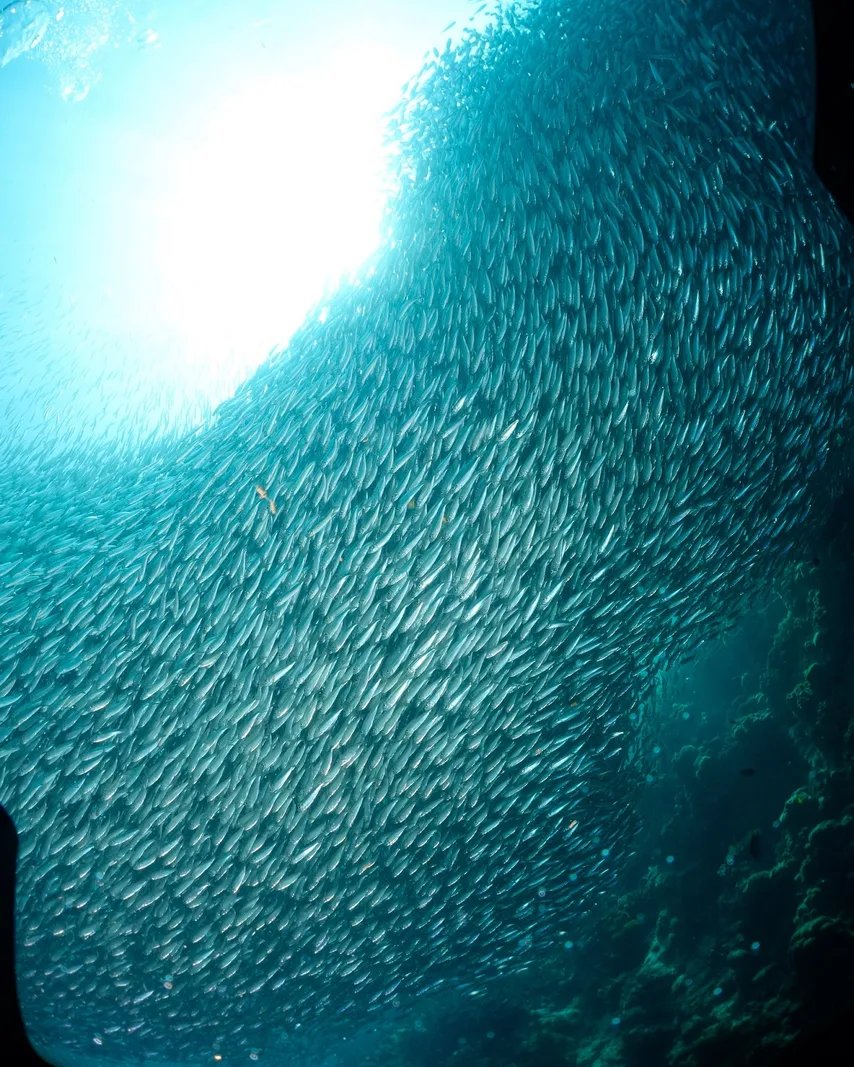
There is a moment, about fifteen meters down off the western edge of Cebu, when the ocean in front of you stops looking like water and starts looking like a single living organism. Millions of sardines wheel and fold in unison, a silver wall that splits around you and reforms behind your fins, catching the light like crushed mirror. This is the Moalboal sardine run, and unlike almost every other great marine spectacle in the Philippines, it does not require a boat trip to a far-off reef, a lucky season, or a roll of the dice. It is here, year-round, a few kicks off the beach. Pair it with a morning at Pescador Island, the small limestone islet that anchors Moalboal's reputation as one of Asia's best-value dive destinations, and you have one of the finest single days of diving in the country.
Moalboal Pescador Island Scuba Diving & Sardine Run - Guide
Hotels in Philippines
Compare live prices via Travelpayouts — targeted for this guide.
Where you are: the Moalboal reef and the Tanon Strait
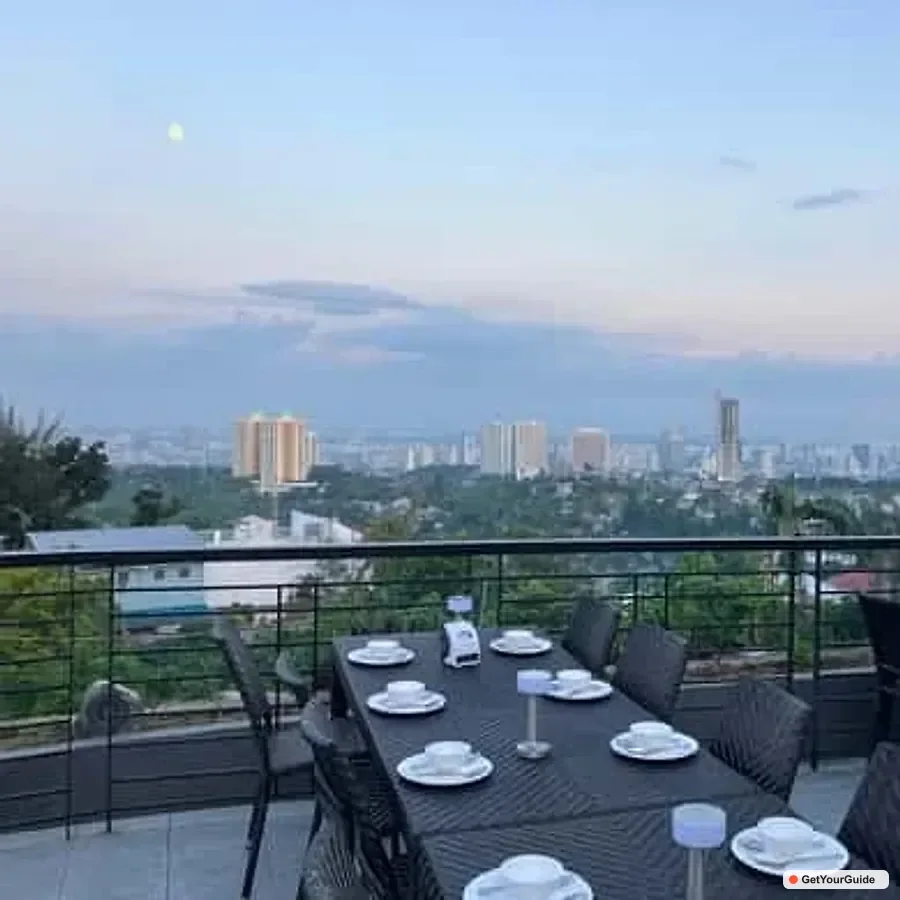
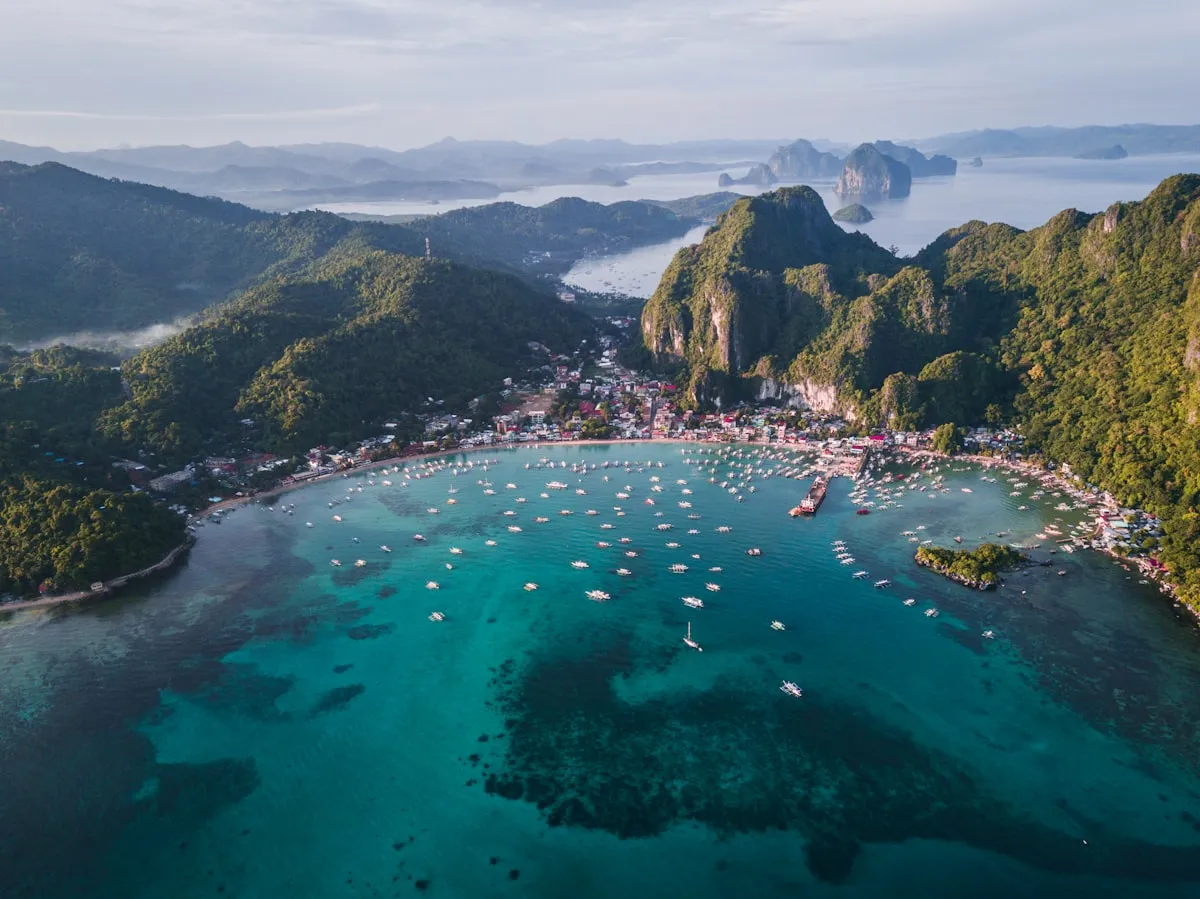
Moalboal sits on the southwestern coast of Cebu, roughly three hours by road from Cebu City, facing the deep blue channel of the Tanon Strait that separates Cebu from Negros. The town's diving life is concentrated around Panagsama Beach and the headland of Basdiyot. What makes the geography so generous is the reef itself: the coral shelf runs close to shore and then drops away abruptly into a near-vertical wall. You can wade or take a few fin-strokes from the sand, cross a shallow garden of hard and soft coral, and suddenly the bottom falls away into deep blue. That wall, and the nutrient-rich currents pushing through the strait, are exactly why the marine life here is so dense.
The Tanon Strait is itself a protected seascape, the largest in the Philippines, and a known corridor for cetaceans and pelagic fish. The upwelling of cool, plankton-rich water along Moalboal's drop-off is what sustains the resident sardine school (the locals call them "tamban") in such enormous, permanent numbers.
The sardine run: a bait ball that never leaves
Most "sardine runs" elsewhere in the world are seasonal migrations you have to chase. Moalboal's is different. A massive school of sardines has made the reef off Panagsama Beach its permanent home, hanging in the water column day after day, year after year. The school shifts its position along the wall, sometimes hovering right under the house reef, sometimes drifting a little south, but it is almost always findable, and almost always vast.
Diving in Philippines
Hand-picked experiences in Philippines — book on Trip.com with instant confirmation.
What you actually experience is hard to overstate. As you descend, the school senses your movement and responds as one body, opening into tunnels and curtains and tornado-like vortices of fish. Predators give it shape and drama: you will often see jacks and trevally slicing through the edges, the occasional sea turtle gliding underneath unbothered, and sometimes a thresher shark or a flotilla of devil rays passing in the deeper blue. Because the show happens between roughly five and fifteen meters, it is just as spectacular for freedivers and snorkelers as it is for scuba divers. Many people do it twice in a day: once on a tank to sit inside the school, once on a single breath to swim down through it.
Pescador Island: a cathedral of limestone and coral
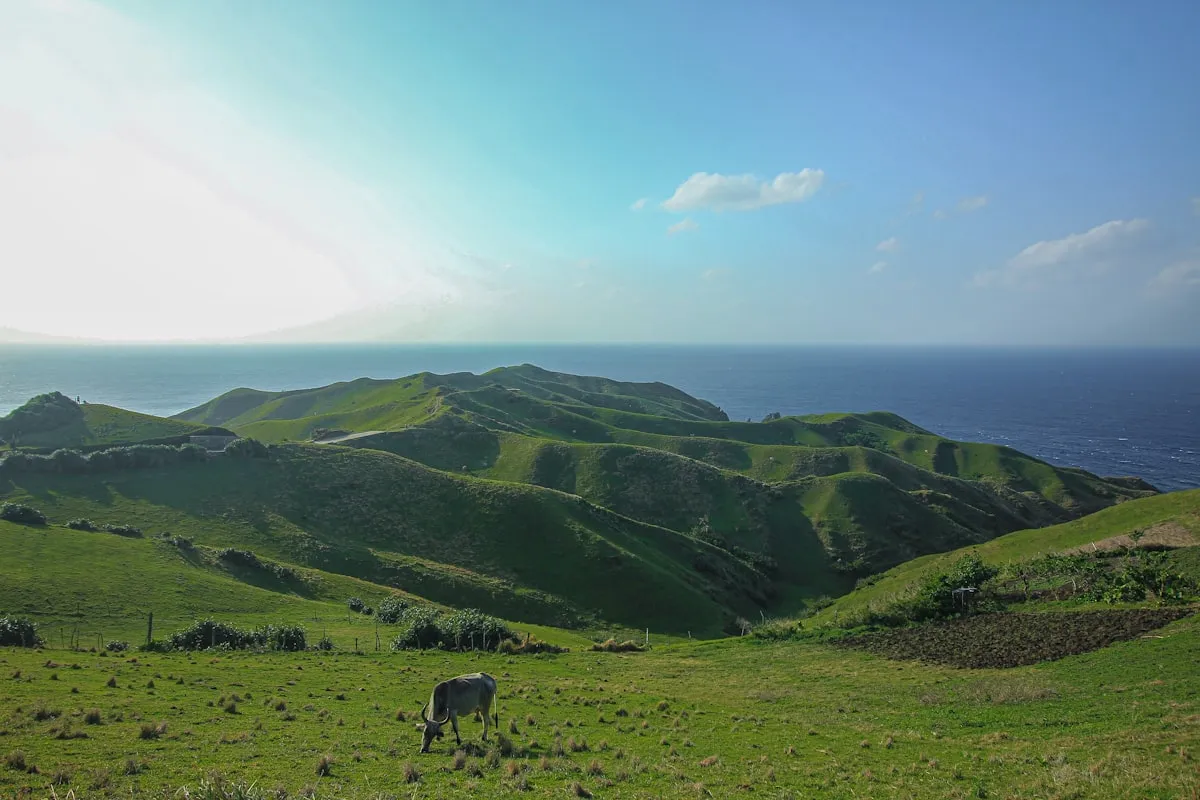
About a fifteen- to twenty-minute banca (outrigger boat) ride offshore lies Pescador Island, a small uninhabited limestone outcrop that is the marquee dive site of the region. The island is the eroded remnant of an ancient uplifted coral reef, ringed by walls that plunge steeply into deep water, and it concentrates an astonishing amount of life around a tiny footprint.
The Cathedral
Pescador's signature feature is a chimney-like cavern known as The Cathedral, on the island's southern side. Divers drop into an opening in the reef and pass through a vertical funnel of rock where shafts of sunlight spear down through the blue, the effect that gave the formation its name. It is an easy, atmospheric swim-through rather than a technical cave, and a highlight even for newer divers under guidance.
The walls and what lives on them
Circling the island, the walls are upholstered in soft corals, sea fans, sponges, and crinoids. Look closely and the macro life appears: nudibranchs, scorpionfish, frogfish on the right day, and the famous "pygmy" treasures the area is known for. Look out into the blue and the bigger animals come and go, turtles, tuna, jacks, and, with luck and the right season, thresher sharks rising from the depths. Pescador is also frequently visited by Moalboal's sardines, so on good days you can have the bait ball and the wall in a single dive.
How a typical day unfolds
A standard Moalboal dive day with the sardines and Pescador usually runs as two boat dives, often with the option of a third. A common rhythm:
- Dive one, Pescador Island: a morning crossing to dive The Cathedral and the surrounding wall, when the light through the chimney is at its best and the water is typically calmest.
- Surface interval: back toward shore or a short break on the boat, hydrate, log the dive, swap tanks.
- Dive two, the house reef and sardine run: a shallower, relaxed wall dive right off Panagsama, dropping into the school. Because it is shallow and current-light, it makes a perfect second dive with generous bottom time.
Snorkel-only and freedive options follow the same geography. Snorkelers are taken directly over the sardine school and the shallow reef top, where visibility is usually excellent and the action is right at the surface.
Difficulty and who it suits
Moalboal is famously beginner-friendly. The house reef and sardine run involve little to no current and shallow depths, so they suit open-water-certified divers and even discover-scuba first-timers under an instructor. Pescador's walls can carry mild to moderate current depending on the tide, which is why a guide is standard. Snorkelers should be comfortable in deep open water (the bottom drops away fast) but need no special skill beyond that.
Practical tips from people who dive it often
- When to go: the sardines are present all year, which is the whole point. Conditions are generally calmest and visibility best in the dry months from roughly December to May. Thresher shark sightings are more of a bonus than a guarantee.
- Time of day: mornings tend to bring flatter seas and cleaner light at Pescador; the sardine school photographs beautifully when the sun is high and shafts of light cut through it.
- What to bring: reef-safe sunscreen, a rash guard for sun and stings, your certification card and logbook if diving, and a camera with a wide lens if you have one, the bait ball is a wide-angle subject. Most operators include tanks, weights, and core gear; confirm whether full rental, guide, and boat fees are bundled.
- Comfort: water is warm year-round, so a 3mm wetsuit or even a rash guard is plenty for most. Bring motion-sickness remedies if the crossing bothers you.
- Responsible travel: do not touch or chase the sardines, the turtles, or the corals; the school will give you a better show if you stay calm and let it come to you. Maintain good buoyancy near Pescador's delicate soft corals, and choose operators who brief on no-contact diving. Moalboal's free, wild, unfed spectacle is a genuinely ethical alternative to controversial wildlife encounters elsewhere in Cebu, such as the Oslob whale-shark feeding on the island's southeast coast, where animals are hand-fed to guarantee sightings, a practice many marine biologists criticize for altering natural behavior. Here, nothing is baited and nothing is fed; the animals are simply home.
- Duration: a two-dive trip typically takes about half a day including boat time and surface interval; snorkel trips are shorter, often two to three hours.
Why it stays with you
Plenty of places promise big marine life and deliver a lucky glimpse. Moalboal delivers something rarer: a near-certainty. The sardines are always here, the wall is always alive, and Pescador's sunlit Cathedral is always waiting a short boat ride out. You can be a first-time snorkeler or a seasoned wreck diver and still surface grinning around your regulator. Spend a morning between the silver storm of the bait ball and the coral-draped cliffs of Pescador, and you will understand why so many travelers who plan one day in Moalboal end up rebooking for a week.
Good to know before you book
- Duration: typically a full day (around 8 to 10 hours including transfers), though half-day and multi-day options exist - check the listing.
- Best for: active travellers, couples and friends.
- What is included: the boat, snorkelling gear, a guide and often lunch; marine-park or environmental fees may be extra.
- Pickup: most tours offer hotel or central pickup; confirm your point and time when booking.
- Book through: the GetYourGuide button on this page, which shows live availability and pricing.
Frequently asked questions
How long does the Moalboal Pescador Island Scuba Diving & Sardine Run take?
Most departures run as a full day - roughly 8 to 10 hours including pickup, travel and the activities themselves - so plan to set aside the whole day. Some operators offer shorter or private versions; the exact timing for your date is shown when you book through the GetYourGuide button on this page.
What is included in the Moalboal Pescador Island Scuba Diving & Sardine Run?
Typically the price covers the boat, snorkelling gear, a guide and often lunch; marine-park or environmental fees may be extra. Inclusions vary by operator, so always read the specific listing - it spells out exactly what is provided and what you pay for separately, such as entrance or environmental fees.
What should I bring?
Pack swimwear, reef-safe sunscreen applied early and sparingly, a towel and an underwater camera. Snorkelling gear is normally provided. It is also worth carrying some cash for local fees, drinks and tips, plus any personal medication, since card facilities can be limited outside the cities.
Is the Moalboal Pescador Island Scuba Diving & Sardine Run suitable for beginners or families?
It is suitable for swimmers and snorkellers of most levels, with life vests available for the less confident. For scuba elements you will need the appropriate certification. Children can usually join with a vest and supervision. If you have specific concerns about age, fitness or swimming ability, message the operator before booking - they can advise on the best option for your group.
When is the best time to do this tour?
The best conditions are usually the dry months of December to May, with calm seas for snorkelling and diving. That said, the Philippines is a year-round destination, and many of these experiences run in any season - just expect the occasional shower and check the forecast for the day.
How do I get to Moalboal?
To reach Moalboal, fly into Mactan-Cebu International Airport, then drive south (about 3 to 4 hours to the southwest coast). Many tours include transfers from nearby towns or hotels, so confirm your pickup arrangement when you book so the day runs smoothly from the start.
Do I need to book the Moalboal Pescador Island Scuba Diving & Sardine Run in advance?
Yes - booking ahead is strongly recommended, especially in the dry-season peak and on weekends, when popular tours and the best operators sell out. Reserving online also locks in your spot and lets you compare timings and inclusions easily.
How much does the Moalboal Pescador Island Scuba Diving & Sardine Run cost?
Prices vary with the season, group size and exactly what is included, so we do not list a fixed figure here. Tap the GetYourGuide button on this page to see the current, accurate price and availability for your chosen date.
Can I do the Moalboal Pescador Island Scuba Diving & Sardine Run as a private or customised tour?
Many operators offer a private version of this experience for couples, families or small groups who want a flexible pace and a guide to themselves, and some can tailor the route or add stops. If a private or custom option matters to you, check the listing or message the operator before booking, as availability and prices differ from the standard shared tour.
Ready to explore Moalboal?
From planning to the moment you arrive, the Moalboal Pescador Island Scuba Diving & Sardine Run is one of the most rewarding ways to experience this corner of the Philippines - and booking it is simple. Use the GetYourGuide button on this page to check live availability, compare timings and secure your spot, then turn up and let the local guides handle the rest while you focus on the views, the water and the memories.

PANA.PH Editorial Team
Philippines travel desk
The PANA.PH travel desk researches, books and re-checks Philippines travel logistics — fares, ferry schedules, government fees and permit rules — and publishes what it can verify.
🏡 Real local stays (book direct)
Hand-picked homestays and guesthouses — book direct, no markup.
Browse all local stays →

🌊 Popular activities (book instantly)
Island hopping, canyoneering, whale sharks — real Klook/GetYourGuide options.
View all activities →