There is a particular kind of magic to island-hopping the Philippines, and this nine-day route stitches together three of the country's most famous names: Boracay, Cebu and Coron. Each one is a different flavor of paradise. Boracay is the polished, party-and-powder-sand classic. Cebu, in the central Visayas, is the gritty-glamorous mix of city, mountain and sea where you can swim with sardines in the morning and chase waterfalls by lunch. Coron, far to the southwest in the Calamian Islands of Palawan, is the wild one: a jagged jungle-covered limestone world where shipwrecks rust beneath impossibly clear lagoons. Strung together over nine days, they give you the full spectrum of what makes this archipelago of more than 7,000 islands so hard to forget.
Boracay, Cebu & Coron 9-Day Island Adventure - Guide
Hotels in Philippines
Compare live prices via Travelpayouts — targeted for this guide.
This guide walks you through the geography, the geology, the culture and the practical reality of moving between these three islands, so you arrive knowing what you are actually looking at and how to make the most of every day on the water.
Boracay: the four kilometers of sand that started it all
Boracay is a tiny island, only about seven kilometers long, sitting just off the northwest tip of Panay in the Western Visayas. Its fame rests almost entirely on one feature: White Beach, a roughly four-kilometer crescent of sand so fine and pale it squeaks underfoot and stays cool even at midday. That sand is largely the eroded remains of coral and shells, ground down over millennia, which is why it is so soft and so brilliantly white compared to coarser volcanic beaches elsewhere in the country.
White Beach is informally divided into Stations 1, 2 and 3. Station 1 has the widest sand and the higher-end resorts; Station 2 is the busy heart with the D'Mall shopping and dining strip; Station 3 is quieter and more budget-friendly. On the other side of the island, Bulabog Beach catches the steady northeast wind from roughly November to April and is one of Asia's better-known kitesurfing and windsurfing spots.
Island hopping in Philippines
Hand-picked experiences in Philippines — book on Trip.com with instant confirmation.
It is worth knowing the recent history. In 2018 the Philippine government closed Boracay to tourists for six months for an environmental rehabilitation, after years of overdevelopment had overwhelmed its sewage and drainage systems. The island reopened with stricter rules: no more beachfront parties with single-use plastics, set-back building lines, banned sandcastles in some areas, and a cleaner, more regulated shoreline. The Boracay you visit today is a deliberately managed place, and it is noticeably cleaner for it.
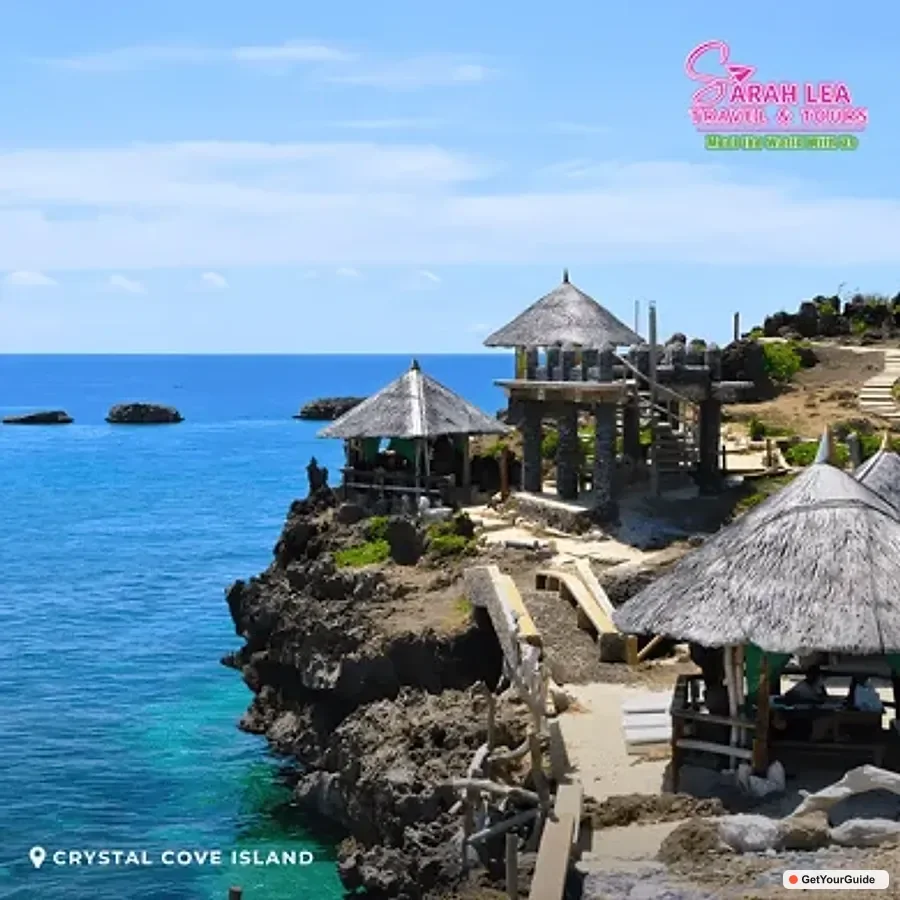
Typical days here include a sunset paraw sailing trip on the traditional double-outrigger sailboats, an island-hopping boat tour to spots like Puka Shell Beach and Crystal Cove, and simply slow time on White Beach watching the sun drop straight into the sea.
Cebu: city, mountain and the central crossroads
Cebu sits in the middle of the Visayas and is the historical heart of the Philippines. Cebu City is where Ferdinand Magellan landed in 1521, where the Santo Nino (the oldest Christian relic in the country) is enshrined, and where Lapu-Lapu famously defeated Magellan at the Battle of Mactan. It is the oldest city in the Philippines and the obvious hub for reaching the rest of the region.
The island itself is long and mountainous, with a limestone spine that gives rise to caves, springs and waterfalls. Two experiences dominate most Cebu itineraries:
- Kawasan Falls in Badian, on the southwest coast, a series of multi-tiered waterfalls fed by a spring-fed river. The water carries dissolved minerals and fine limestone sediment, which scatter light and give it that startling turquoise color. Kawasan is also the home of canyoneering, where you scramble, swim and leap down the river gorge before arriving at the falls.
- The whale sharks of Oslob, on the southeast coast. This is the most ethically debated activity in the entire region, and you should go in informed. The whale sharks here are wild but habituated: local boatmen hand-feed them small shrimp (uyap) every morning, which keeps the animals reliably present for tourists. Conservationists raise real concerns that feeding alters the sharks' natural migratory and feeding behavior, can cause boat-strike injuries, and disrupts a species that is internationally listed as endangered. A more responsible alternative many travelers choose is to seek whale sharks in places like Donsol (Sorsogon), where interactions are with genuinely wild, unfed animals. If you do go to Oslob, never touch the animals, keep your distance, and skip sunscreen that harms reefs.
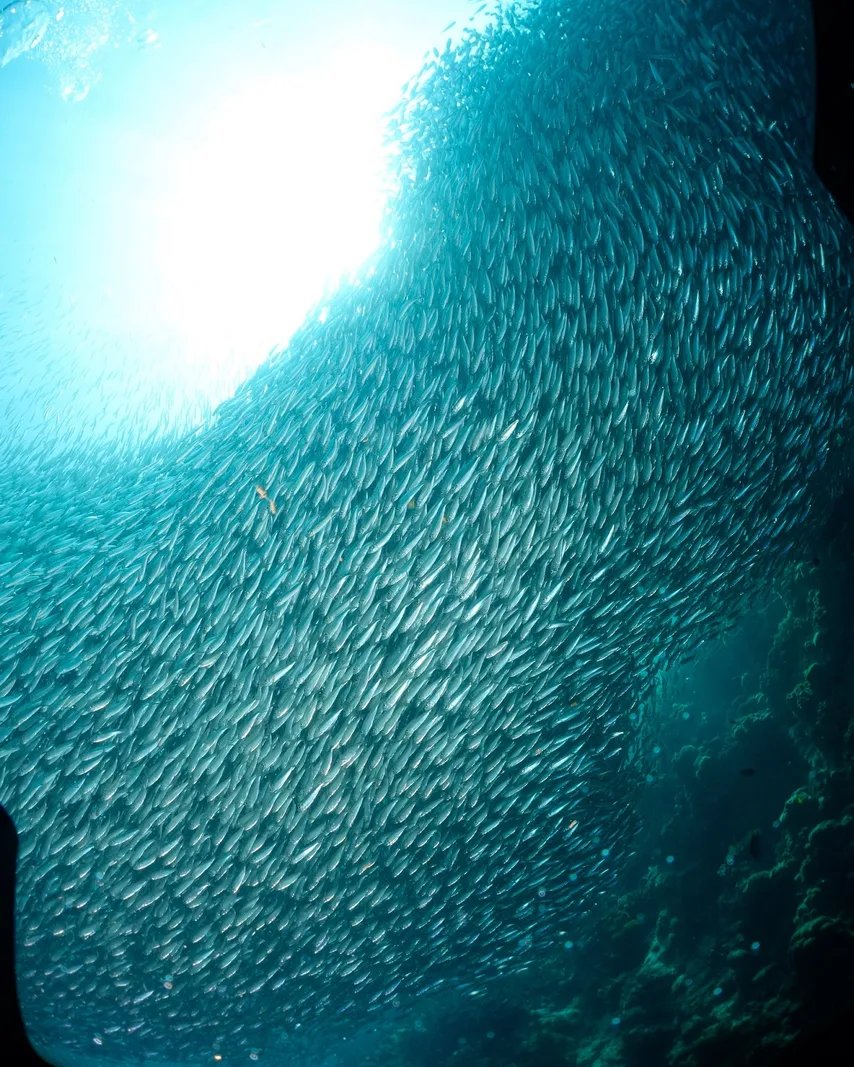
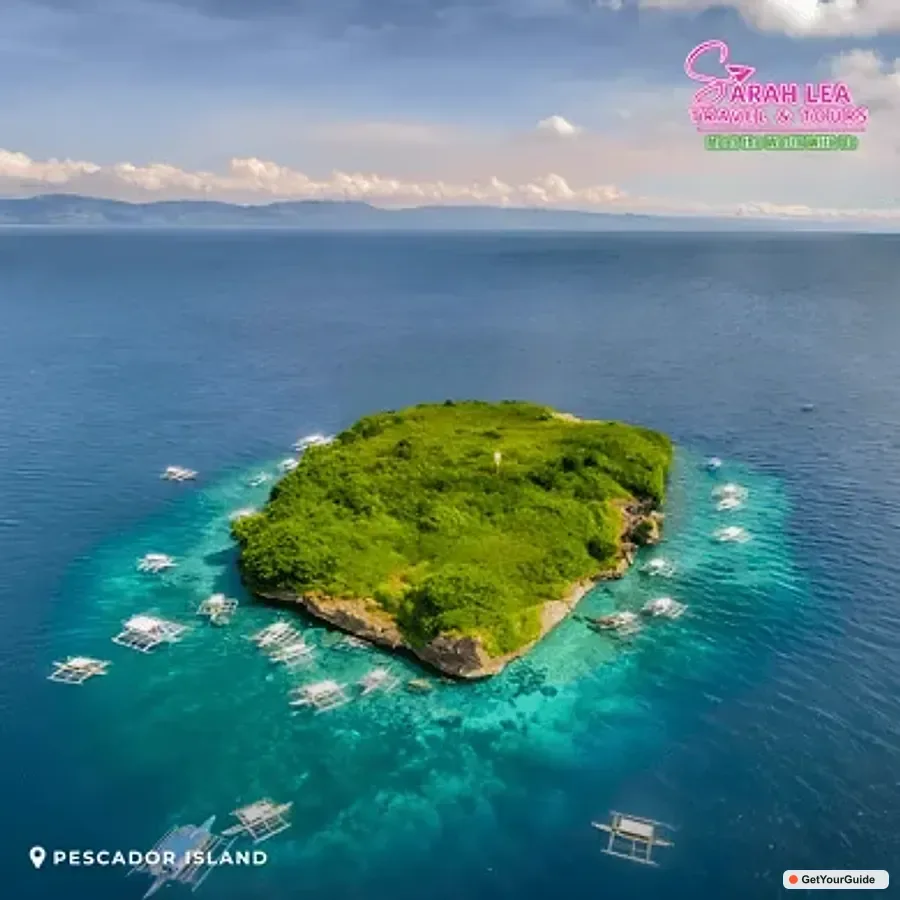
Cebu also offers the sardine run and turtles at Moalboal's Pescador Island, the bamboo rafts and pools at the Tumalog Falls near Oslob, and easy access by ferry to neighboring Bohol. It is the connective tissue of any Visayas trip.
Coron: karst towers, hidden lagoons and a sunken fleet
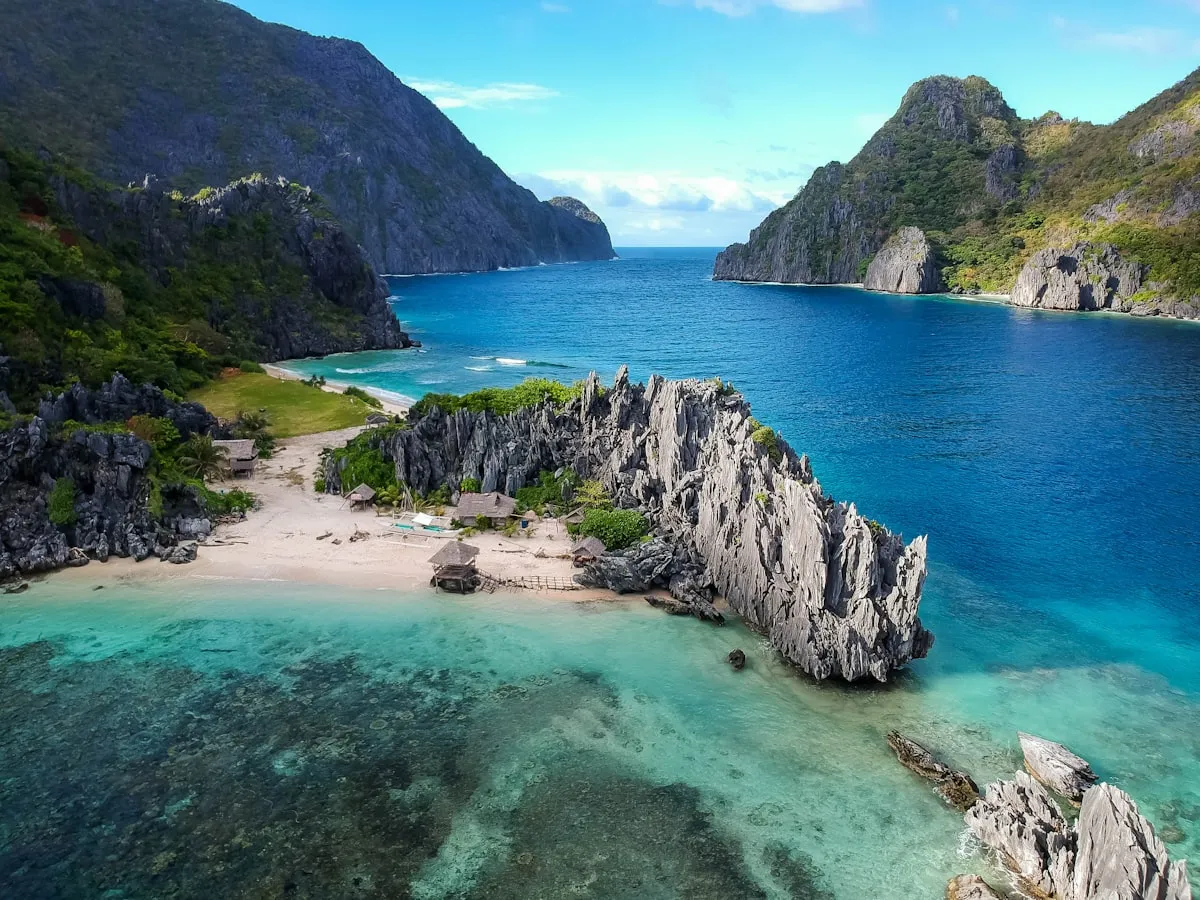
Coron is the showstopper. The town of Coron sits on Busuanga, the largest of the Calamian Islands in northern Palawan, but the real attraction is Coron Island just offshore: a dramatic mass of ancient limestone karst, its cliffs rising sheer out of the water like the teeth of some enormous sleeping animal. This karst formed from coral reefs deposited under an ancient sea, lifted and then sculpted over millions of years by rain and groundwater, which dissolved the rock into jagged ridges, caves and enclosed lakes.
Coron Island is the ancestral domain of the Tagbanua people, one of the oldest indigenous groups in the Philippines, who hold legal stewardship over the island and its lakes. Several lakes are sacred and closed to outsiders entirely; the famous ones you can visit are open by their permission.
Standout stops on a typical Coron tour include:
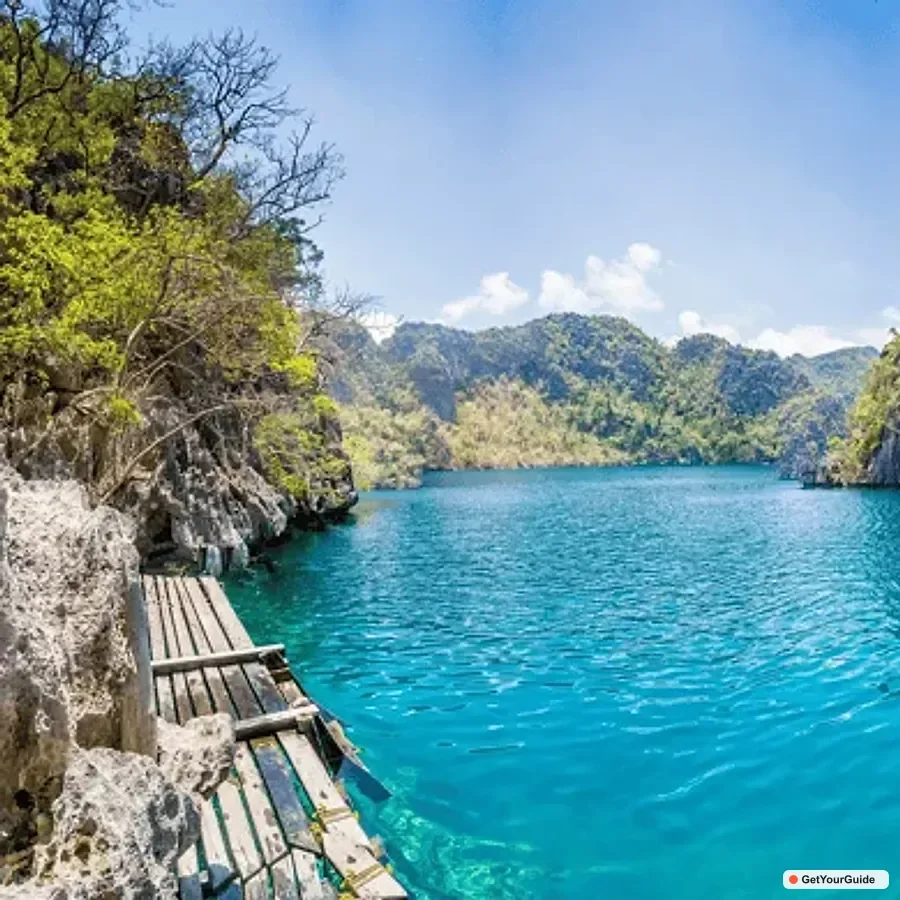
- Kayangan Lake, reached by a short steep climb to one of the most photographed viewpoints in the country, then a descent into a brackish lake of extraordinary clarity, ringed by limestone walls.
- Twin Lagoon, where you swim or duck under a low rock gap to pass between two lagoons; here cool seawater and warmer freshwater layer over each other, creating a shimmering, slightly blurry thermocline as the two mix.
- Barracuda Lake, a diver's favorite for the same thermocline effect, with dramatic temperature jumps as you descend.
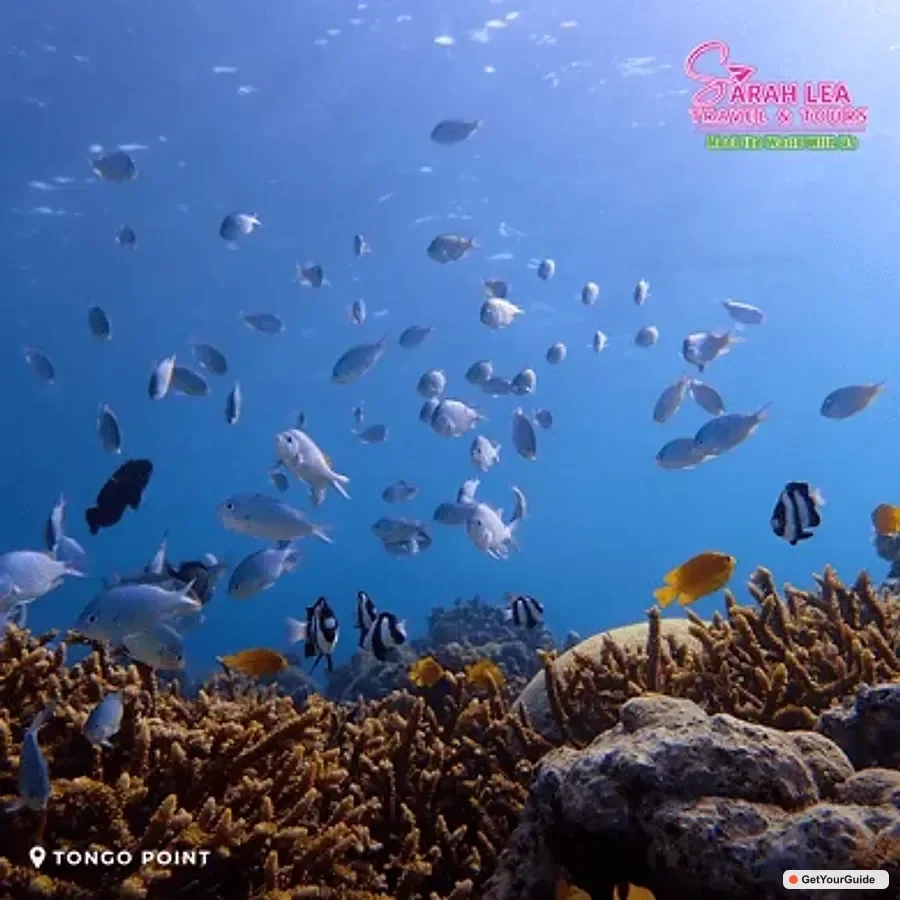
- The Japanese shipwrecks, a fleet sunk by U.S. air raids in September 1944 during World War II. Today these wrecks are encrusted in coral and teeming with fish, making Coron one of the world's premier wreck-diving destinations. Several are shallow enough to enjoy by snorkeling.
Add in coral gardens, the white sand of CYC Beach and the warm spring at Maquinit, and Coron delivers the most cinematic island-hopping of the three.
Getting around and how strenuous it is
Because these three islands are far apart, this kind of trip relies on domestic flights. Boracay is reached via Caticlan or Kalibo airports plus a short ferry; Cebu has the country's second-busiest international airport (Mactan-Cebu); and Coron is reached via Busuanga (USU) airport, usually flying through Manila or Cebu. Budget for travel days, and book flights ahead, since seats sell out and weather can disrupt schedules.
The activities range from completely relaxed to genuinely physical. Lounging on White Beach asks nothing of you; canyoneering at Kawasan and the climb to the Kayangan viewpoint are moderately strenuous and involve scrambling, swimming and steep stairs. A basic comfort in the water and the ability to swim will dramatically improve almost every day of this trip.
Practical tips for the nine days
- Best time to go: The dry season, roughly late November through May, gives the calmest seas and clearest water. The peak of the wet season and typhoon risk runs broadly from June to October, though the Visayas and Palawan can still have fine windows.
- What to bring: reef-safe sunscreen, a rash guard for sun and coral protection, water shoes for rocky entries and canyoneering, a dry bag for boat days, and quick-dry clothing. Bring cash, as smaller islands and boat operators often do not take cards.
- What is typically included: island-hopping packages usually cover the boat, a local guide or boatman, entrance and environmental fees, and often a simple grilled lunch on the beach. Confirm whether snorkeling gear is provided or rented.
- Responsible travel: respect the Tagbanua's sacred lakes in Coron, do not stand on or touch coral, take all trash back with you, and make an informed choice about Oslob. Tip local boatmen and guides; tourism is a real livelihood here.
- Sun and sea sense: the tropical sun is intense even on cloudy days, dehydration sneaks up on boat trips, and currents around some lagoons can be strong, so listen to your guides.
A closing thought
Nine days is enough to feel the rhythm of island life: the early boat departures, the salt drying on your skin, the slow sunset beers after a long day on the water. Boracay gives you the postcard, Cebu gives you the adventure and the history, and Coron gives you the wild, otherworldly finale. Travel it with curiosity and care, and you will leave understanding why people come back to these islands again and again, and why protecting them matters more with every visitor who arrives.
Good to know before you book
- Duration: typically a full day (around 8 to 10 hours including transfers), though half-day and multi-day options exist - check the listing.
- Best for: couples, families and first-time visitors.
- What is included: transport and a guide; check the listing for meals, gear and fees.
- Pickup: most tours offer hotel or central pickup; confirm your point and time when booking.
- Book through: the GetYourGuide button on this page, which shows live availability and pricing.
Frequently asked questions
How long does the Boracay, Cebu & Coron 9-Day Island Adventure take?
Most departures run as a full day - roughly 8 to 10 hours including pickup, travel and the activities themselves - so plan to set aside the whole day. Some operators offer shorter or private versions; the exact timing for your date is shown when you book through the GetYourGuide button on this page.
What is included in the Boracay, Cebu & Coron 9-Day Island Adventure?
Typically the price covers transport and a guide; check the listing for meals, gear and fees. Inclusions vary by operator, so always read the specific listing - it spells out exactly what is provided and what you pay for separately, such as entrance or environmental fees.
What should I bring?
Pack comfortable clothing, sunscreen, a hat, water and a little cash for fees and extras. It is also worth carrying some cash for local fees, drinks and tips, plus any personal medication, since card facilities can be limited outside the cities.
Is the Boracay, Cebu & Coron 9-Day Island Adventure suitable for beginners or families?
It suits a wide range of travellers; ask the operator about fitness or swimming requirements if you are unsure. If you have specific concerns about age, fitness or swimming ability, message the operator before booking - they can advise on the best option for your group.
When is the best time to do this tour?
The best conditions are usually the dry season from roughly November to May. That said, the Philippines is a year-round destination, and many of these experiences run in any season - just expect the occasional shower and check the forecast for the day.
How do I get to Boracay?
To reach Boracay, travel to Boracay by the nearest airport or ferry and continue by road. Many tours include transfers from nearby towns or hotels, so confirm your pickup arrangement when you book so the day runs smoothly from the start.
Do I need to book the Boracay, Cebu & Coron 9-Day Island Adventure in advance?
Yes - booking ahead is strongly recommended, especially in the dry-season peak and on weekends, when popular tours and the best operators sell out. Reserving online also locks in your spot and lets you compare timings and inclusions easily.
How much does the Boracay, Cebu & Coron 9-Day Island Adventure cost?
Prices vary with the season, group size and exactly what is included, so we do not list a fixed figure here. Tap the GetYourGuide button on this page to see the current, accurate price and availability for your chosen date.
Can I do the Boracay, Cebu & Coron 9-Day Island Adventure as a private or customised tour?
Many operators offer a private version of this experience for couples, families or small groups who want a flexible pace and a guide to themselves, and some can tailor the route or add stops. If a private or custom option matters to you, check the listing or message the operator before booking, as availability and prices differ from the standard shared tour.
Ready to explore Boracay?
From planning to the moment you arrive, the Boracay, Cebu & Coron 9-Day Island Adventure is one of the most rewarding ways to experience this corner of the Philippines - and booking it is simple. Use the GetYourGuide button on this page to check live availability, compare timings and secure your spot, then turn up and let the local guides handle the rest while you focus on the views, the water and the memories.

PANA.PH Editorial Team
Philippines travel desk
The PANA.PH travel desk researches, books and re-checks Philippines travel logistics — fares, ferry schedules, government fees and permit rules — and publishes what it can verify.
🏡 Real local stays (book direct)
Hand-picked homestays and guesthouses — book direct, no markup.
Browse all local stays →

🌊 Popular activities (book instantly)
Island hopping, canyoneering, whale sharks — real Klook/GetYourGuide options.
View all activities →