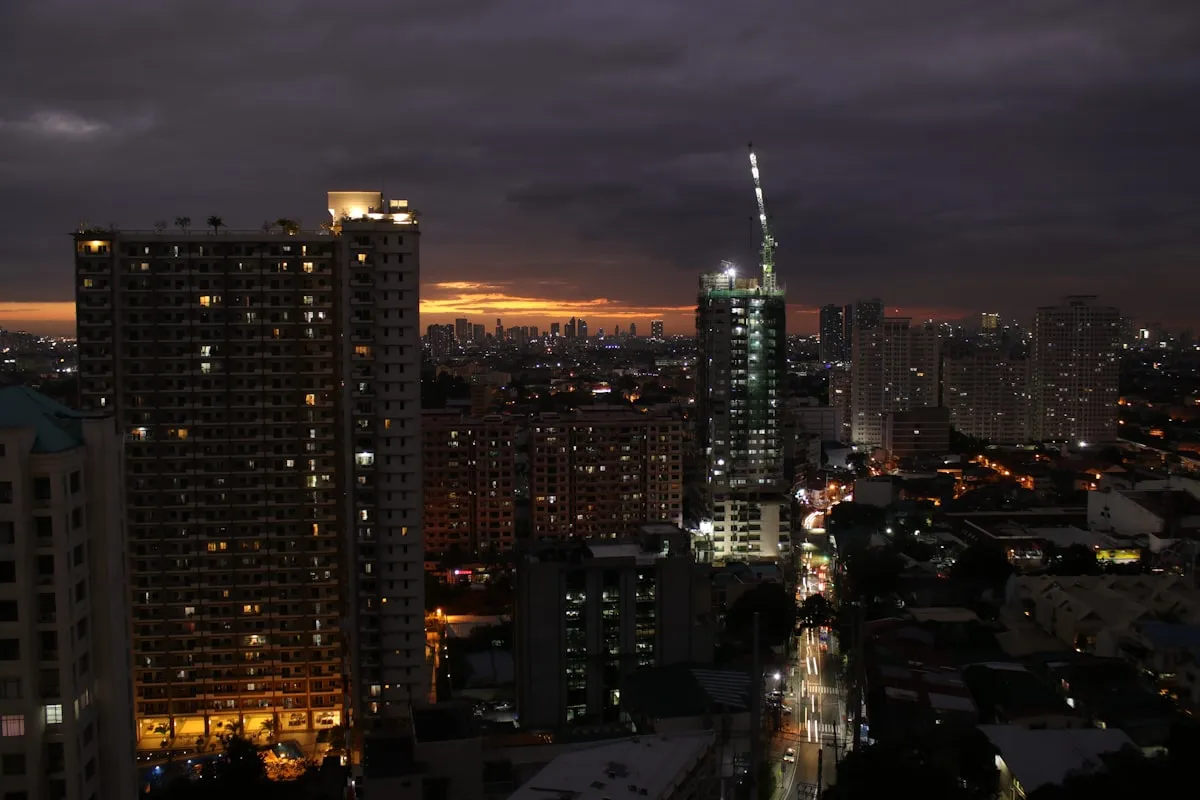
Tacloban City
A city that was leveled by the strongest typhoon ever recorded — and rebuilt itself into something worth visiting · Leyte Province, Visayas
Photo: Mermarquez / CC BY-SA 4.0 via Wikimedia Commons
Tacloban City is the capital of Leyte province and one of the most historically layered cities in the Visayas. General Douglas MacArthur waded ashore at nearby Red Beach in 1944 to fulfill his promise to return; Imelda Marcos was born here, and the city still carries the marks of that complicated legacy; and on November 8, 2013, Typhoon Yolanda — the strongest landfalling typhoon in human history — pushed a storm surge through the city that killed over 6,300 people and destroyed almost everything. What you find in Tacloban today is a city that has thought deeply about what happened to it and chosen to keep some of the scars visible.
Things to do in Tacloban City
Yolanda Memorial at Anibong
The most important site in Tacloban and one of the most powerful memorial experiences in Southeast Asia. At Anibong, on the northern shore of Cancabato Bay, two large cargo ships deposited by the storm surge on November 8, 2013 remain exactly where the water left them, rusting into the landscape. The city and the community chose to leave them in place as a permanent monument to the dead. Standing at the water's edge looking at these massive steel hulls grounded in what is now a residential area, surrounded by rebuilt homes, children playing, and everyday life continuing — the scale of what happened becomes visceral in a way that no museum achieves. There is no formal entrance fee; a local guide (PHP 300–500 for a 2–3 hour city tour) can provide context.
San Juanico Bridge at Sunrise
The San Juanico Bridge connects Leyte to Samar across the San Juanico Strait — at 2.16 km, it is the longest bridge in the Philippines, completed in 1973. At sunrise, the bridge's succession of concrete spans and steel arches rises above the strait as pink sky reflects in mirror-calm water below. The best viewpoint is from below, at the base of the Leyte approach, where a small park gives you the full perspective. Take a tricycle from the city centre (PHP 80–100 return with waiting time).
Santo Nino Shrine and Heritage Museum
This is the Marcos family vacation home, built during the martial law years using government funds on a scale that makes opulence an understatement. After 1986, it was taken over by the national government and opened as a museum. The collection inside — dozens of rooms filled with gifts from foreign heads of state, religious icons, and extravagant furnishings — is genuinely extraordinary regardless of your politics. A visit is not an endorsement; it is an encounter with one of the most remarkable exercises of unchecked power in Philippine history, preserved in amber. Entrance is PHP 50. The guided tour lasts about 45 minutes.
Leyte Landing Memorial at Red Beach
Drive 15 km south from Tacloban to Palo and the Red Beach memorial — bronze statues of General Douglas MacArthur and his staff wading ashore from the sea on October 20, 1944, in fulfillment of his "I shall return" promise. The statues are life-size, placed in the water at the actual landing beach, and the effect is unexpectedly moving. The adjacent museum (free entry, donations welcome) covers the liberation campaign in detail. Take a tricycle from Tacloban to Palo (PHP 60–80) and onward to the landing site.
Day Trip Base for Sohoton Natural Bridge
Tacloban is the practical gateway to Sohoton Natural Bridge National Park in Samar, 20 km across the San Juanico Bridge in the town of Basey. This labyrinthine cave and river system — underground passages, natural limestone arches, tidal lagoons, and bioluminescent plankton — is a full-day excursion from Tacloban. Hire a tricycle to Basey (PHP 150–200 one-way), then book a banca tour from Basey port. The full Sohoton package (banca, guide, cave passage, helmet and lighting) costs PHP 800–1,200 per person.
Eating Along Real Street
Tacloban's local food scene is underappreciated. The stretch of Real Street and the surrounding downtown area has carinderia-style lunch counters (PHP 50–80 for a plate of rice with fish or meat), fresh seafood restaurants (try kinilaw — raw fish cured in vinegar and ginger — at the market), and bakeries selling moron, a sticky rice and chocolate roll that is Leyte's answer to the suman. Lantaw Floating Restaurant, on the waterfront, serves decent grilled seafood with a view of the bay where the storm surge originated — the juxtaposition is not lost on anyone who knows the history.
Photos of Tacloban City
A visual taste of Tacloban City before you go.
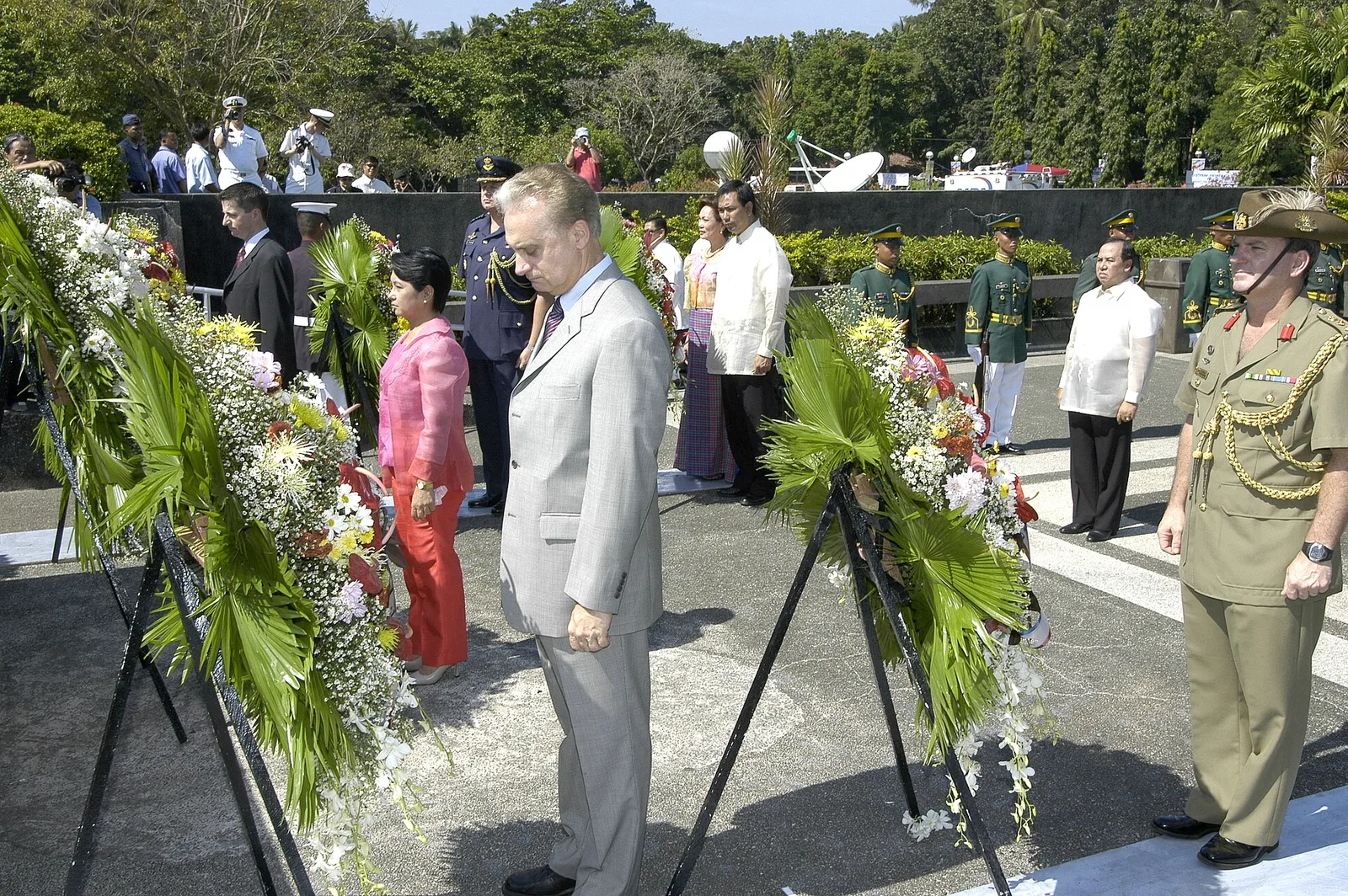
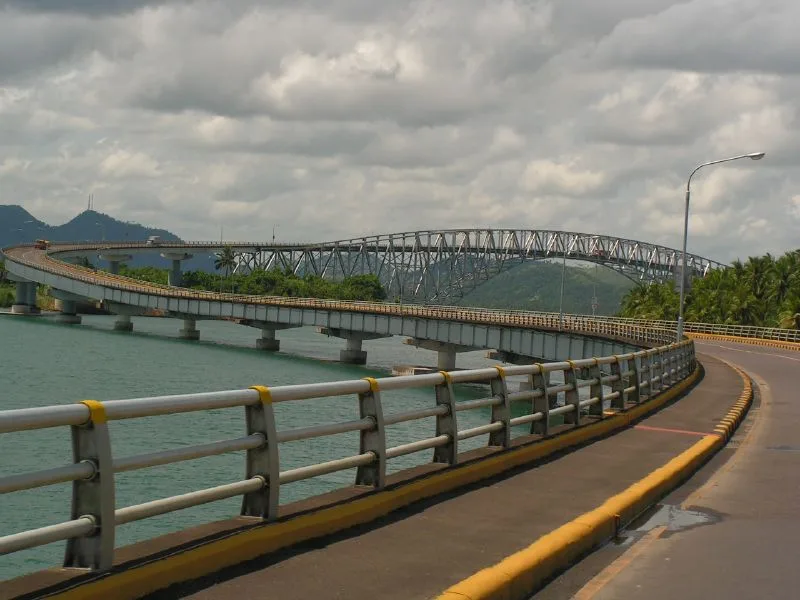
Photos: U.S. Navy photo by Chief Petty Officer John S. Stadelman (Public domain) via Wikimedia Commons · byron alcantara from Fredon, United States (Public domain) via Wikimedia Commons
Ready to book?
Book your Tacloban City trip now
Hotels, tours and transfers — compare live prices and book securely through trusted partners. Prices update daily.
Affiliate links — we earn a small commission at no extra cost to you. Prices shown are live from our partners.
🗓️ Best time to visit Tacloban City
November through May is the drier season in Leyte, with the best conditions from December through May. June through October is typhoon season; Leyte lies squarely in the typhoon belt and this is not an abstract risk — plan accordingly. The anniversary of Yolanda on November 8 brings commemorative events that are open to respectful visitors.
✈️ How to get to Tacloban City
Tacloban Daniel Z. Romualdez Airport (TAC) is served daily by Cebu Pacific and Philippine Airlines from Manila (1 hour 15 minutes, fares from PHP 900 one-way on advance purchase). Cebu Pacific also flies directly from Cebu (40 minutes, from PHP 800). The airport is 5 km from the city centre; tricycles cost PHP 30–50 (shared) or PHP 100–150 (private), Grab operates in the city. From Cebu by sea, Trans-Asia or SuperCat fast ferries connect Cebu to Ormoc (2.5 hours, PHP 500–700); from Ormoc, buses and vans reach Tacloban in 2–2.5 hours (PHP 150–180).
Plan your Tacloban City trip
Compare hotels and tours — booked through trusted partners. Use the planner on /plan to turn this guide into a full day-by-day itinerary.
🗓️ Use this guide in your plan
Build a Tacloban City trip directly. The planner combines it with real flights, stays and tours into one day-by-day itinerary.
✨ Open Trip PlannerOne of 215+ destinations covered. Explore more at /guides and /blog.
Frequently asked questions — Tacloban City
Is it appropriate to visit Tacloban as a tourist given the Yolanda tragedy?
Yes — and many locals actively want visitors to come, understand what happened, and bear witness to the recovery. Tacloban is not a ruin or a disaster zone; it is a fully functioning, rebuilt city with a story that deserves to be heard. Visit the Anibong memorial with respect and openness, spend money locally, and engage with the community as you would anywhere.
How long should I spend in Tacloban?
Two nights is the minimum to do the city justice: one day for the city's own sites (Anibong, San Juanico, Santo Nino Shrine, Red Beach), and one day for Sohoton or a longer trip toward Palompon for Kalanggaman. Three nights lets you take both excursions without rushing.
What is the best accommodation in Tacloban?
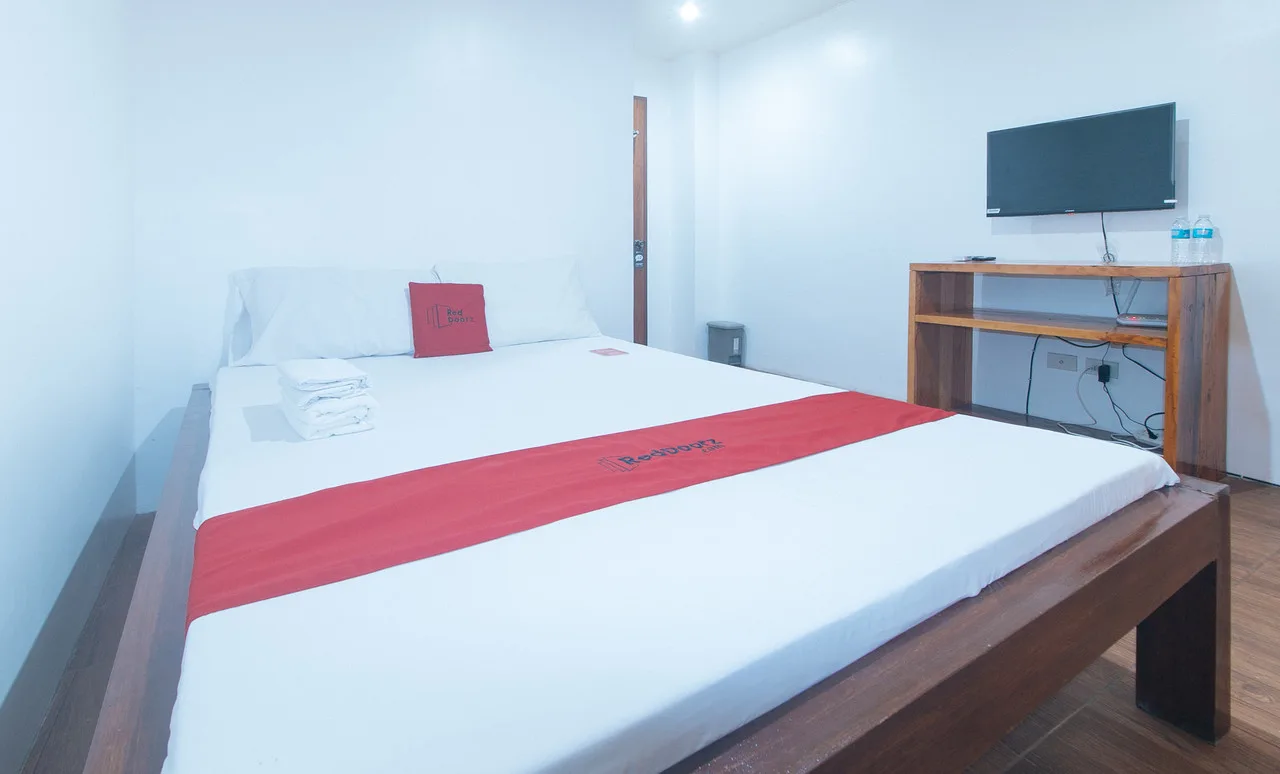
Leyte Park Hotel (Marcos-era lakeside property with a pool, PHP 2,500–4,000 per night) is the most characterful option and the most storied. Alicia's Place and Casa Rosa are solid mid-range guesthouses (PHP 1,200–2,000). Budget travelers use pensions near the downtown market (PHP 500–800). Book early for the November 8 Yolanda anniversary.
Is Tacloban affected by typhoons now?
Leyte remains in the typhoon belt and direct hits are a real possibility, particularly from August through November. The new sea walls, improved drainage, and early warning systems built after Yolanda have significantly reduced vulnerability to storm surge. Travel insurance that covers trip cancellation due to typhoon is highly recommended for any Visayas travel in the wet season.
💬 Ask Locals about Tacloban City
No questions about Tacloban City yet — be the first to ask.
Ask the community →💡 Traveller tips for Tacloban City
Local-knowledge from other travellers. Got a tip? Share it.
Loading tips…
📝 Your notes & photos for Tacloban City
Loading…
First time in Tacloban City?
Quick essentials so you can hit the ground running.
Citizens of most countries receive a free 30-day visa on arrival in the Philippines. Carry proof of onward travel and a passport valid for at least 6 months beyond your arrival date.
Philippine peso (PHP) only. BDO and BPI ATMs are found at the Tacloban airport, Robinsons Place mall, and along downtown Real Street. There are no reliable ATMs in Basey or Palompon — stock up in Tacloban.
No specific health requirements beyond standard Philippines precautions. Drink only bottled or purified water (PHP 15–25 per 1.5L). Mosquito repellent is recommended, especially for visits to mangrove and riverside areas near Sohoton. The Eastern Visayas Regional Medical Center is the main hospital in the city.
Daily budget PHP 1,000–2,000 covers accommodation (guesthouse level), food at local restaurants, transport around the city, and entrance fees. Mid-range travelers spending PHP 2,500–4,000 can add a hotel with a pool and guided city tour. Sohoton and Kalanggaman day trips add PHP 1,000–1,500 each in transport and tour costs.
Tacloban is a safe city for tourists. Take the same precautions you would in any Philippine city: do not display valuables, use Grab at night, and be aware of your surroundings in the public market. The city is more conservative in manner than Cebu or Manila; dress modestly when visiting churches and the Yolanda memorial sites.
Local Stays in Tacloban City
Hand-picked homestays and guesthouses — book direct with local hosts. Add them to your trip plan.
Top Experiences in Tacloban City
Island hopping, diving, surfing and more — book instantly. Add them to your trip plan.