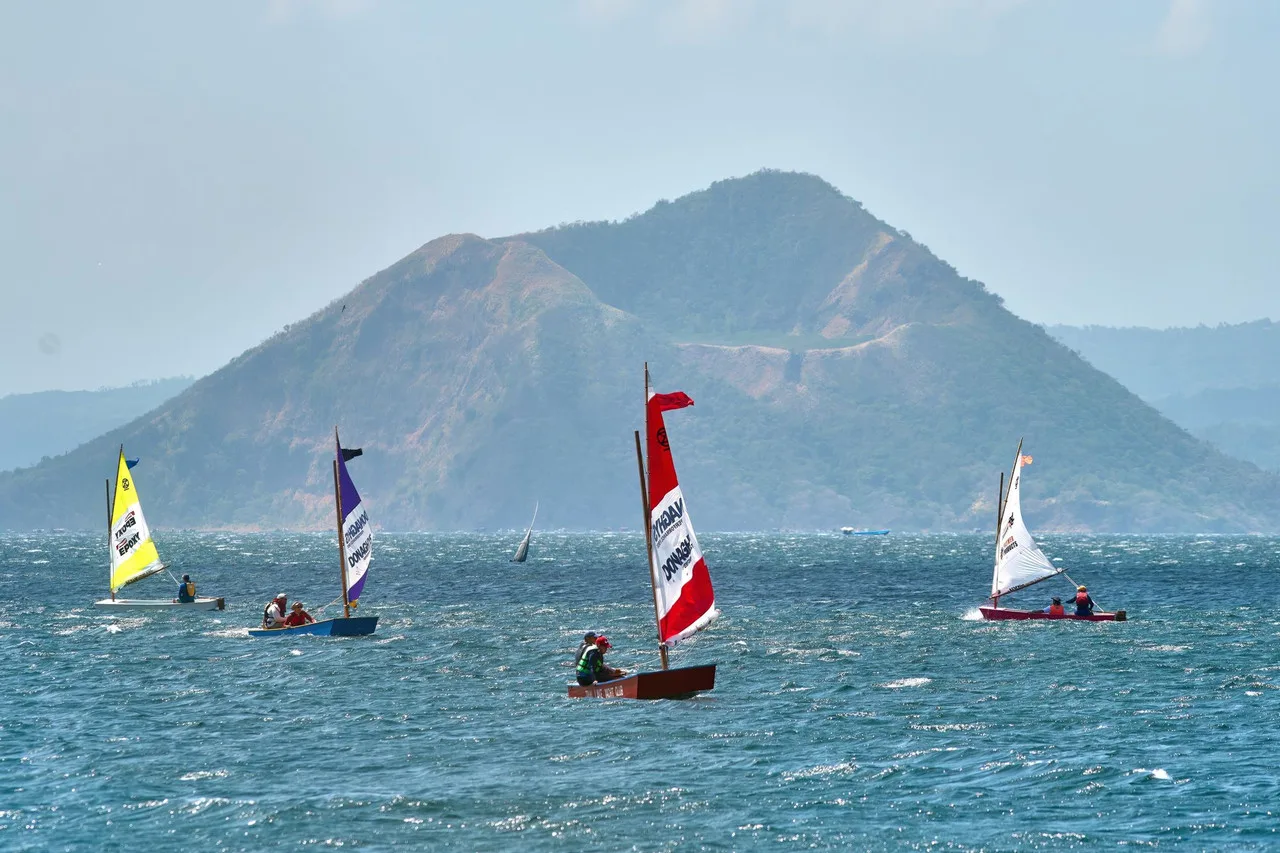
Taal Volcano
A volcano on an island in a lake inside a caldera — the most unusual volcanic geography in the world · Batangas, Luzon
Photo: MatthieuG at English Wikipedia / Public domain via Wikimedia Commons
Taal Volcano presents one of the strangest and most compelling pieces of natural geography in Asia: the active crater sits on Volcano Island, which rises from Taal Lake, which itself fills the interior of a massive ancient caldera, all of it set within the island of Luzon. You are, in the most literal sense, looking at a volcano within a lake within a volcano on an island. From the ridge at Tagaytay, 700 metres above the lake, the view over the entire system is one of the great panoramas of the Philippines. But the real experience is getting down to it — crossing the lake by banca, climbing to the crater rim, and standing above the turquoise sulphuric lake that occupies the active vent. It is accessible, dramatic, and unlike anything else in the country.
Things to do in Taal Volcano
Trek to the Crater Rim
From the landing point on Volcano Island, a steep and well-worn trail climbs for roughly 45 minutes to the crater rim at approximately 311 metres. The path is loose volcanic rock and can be slippery after rain. Horse rentals are available at the base: PHP 600–900 for the round trip (optional — the trail is doable on foot in decent fitness). At the rim, the view down into the sulphuric crater lake (a vivid turquoise-green) is the payoff. Do not descend toward the lake itself; the ground around the inner crater is unstable and the sulphur fumes at low altitude are hazardous.
Check PHIVOLCS Before You Go
This is not optional. PHIVOLCS (Philippine Institute of Volcanology and Seismology) maintains real-time alert levels for Taal at phivolcs.dost.gov.ph. Alert Level 0 means background activity; Level 1 means low-level unrest and restricted entry to the Permanent Danger Zone. At Level 2 or above, the entire Volcano Island is off limits. The January 2020 eruption reached Level 4 within hours of the first explosion — this is an active volcano and the advisory system exists for good reason.
Take a Banca Tour of Taal Lake
Even if you choose not to make the crater climb, the banca crossing of Taal Lake is worthwhile in its own right. The lake is enormous — 234 square kilometres — and from the water you get a completely different perspective on the volcanic geography: the caldera walls rising all around you, the volcano island filling the centre of the frame, and the occasional vent emitting wisps of steam. Some banca operators offer extended lake tours that include the Yellow Boathouses and the smaller Binintiang Malaki islet. PHP 1,000–1,500 for an extended tour.
Visit the Tagaytay Ridge Viewpoints
The ridge road that runs through Tagaytay city offers continuous, unobstructed views of the Taal Lake system from 700 metres up. These are free to access from the road; the view is best on clear mornings before the midday haze builds over the lake. The famous Josephine's Restaurant and several competitors line the ridge with al fresco dining over the view — bulalo and grilled tawilis (lake fish) are the things to order. Expect to pay PHP 350–600 for a substantial meal.
Explore Peoples Park in the Sky
A short drive inland from the main ridge road, this hilltop park occupies the summit of a secondary peak above Tagaytay at roughly 750 metres — higher than the ridge itself — with views in three directions including down onto Taal Lake. The main attraction is the shell of an unfinished mansion intended as a Marcos-era presidential retreat but never completed. Entrance PHP 50.
Eat Bulalo in Tagaytay
Bulalo is the definitive Tagaytay food experience — a deeply savoury beef bone marrow soup that has been simmering for hours. The cool highland air makes it particularly compelling. Every major restaurant on the ridge serves it; prices run PHP 350–550 for a full single-serve pot. Mahogany Market in the centre of Tagaytay is the cheapest source (PHP 250–350 per serve at the market stalls) and the most local experience.
Photos of Taal Volcano
A visual taste of Taal Volcano before you go.
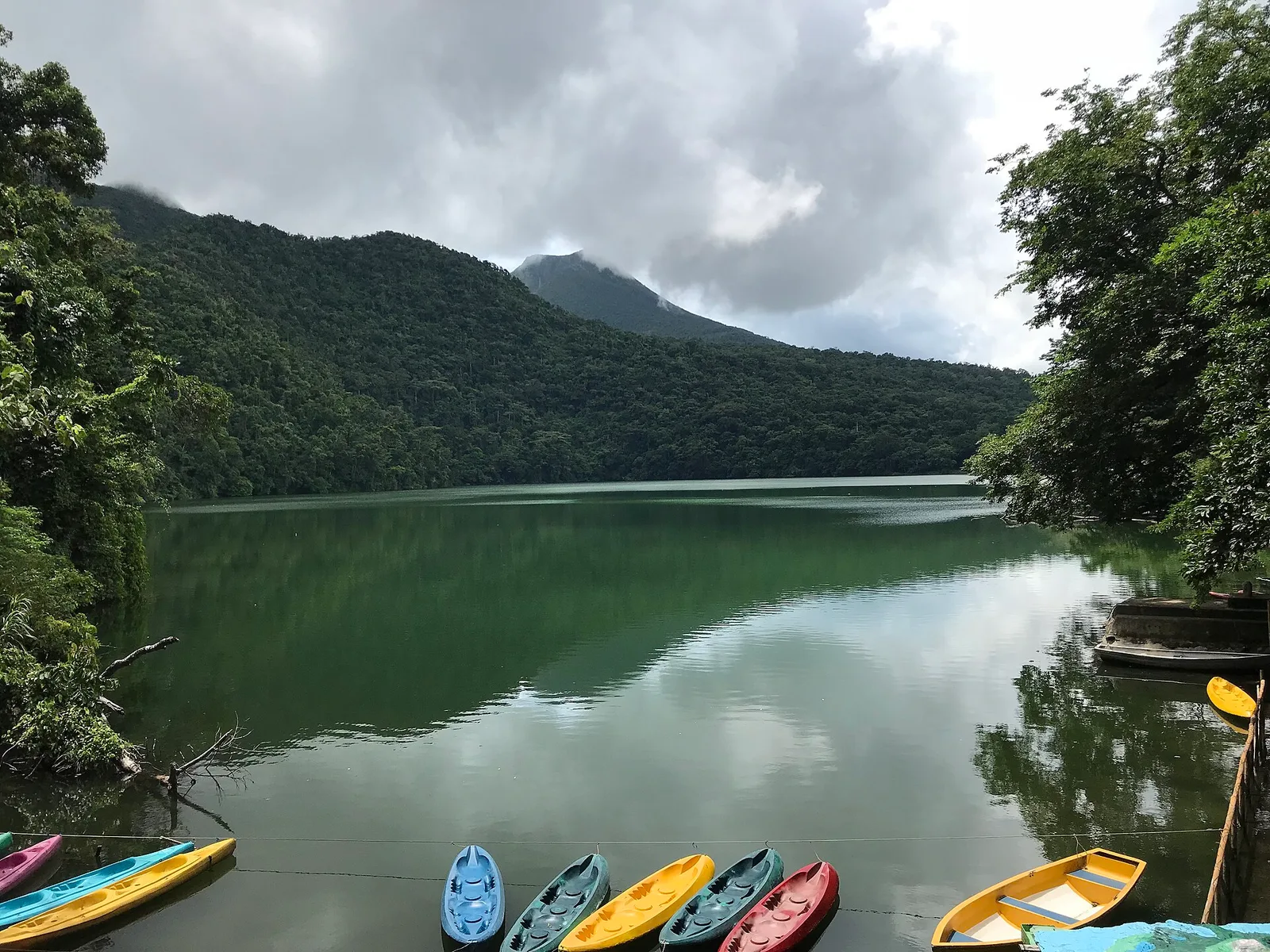
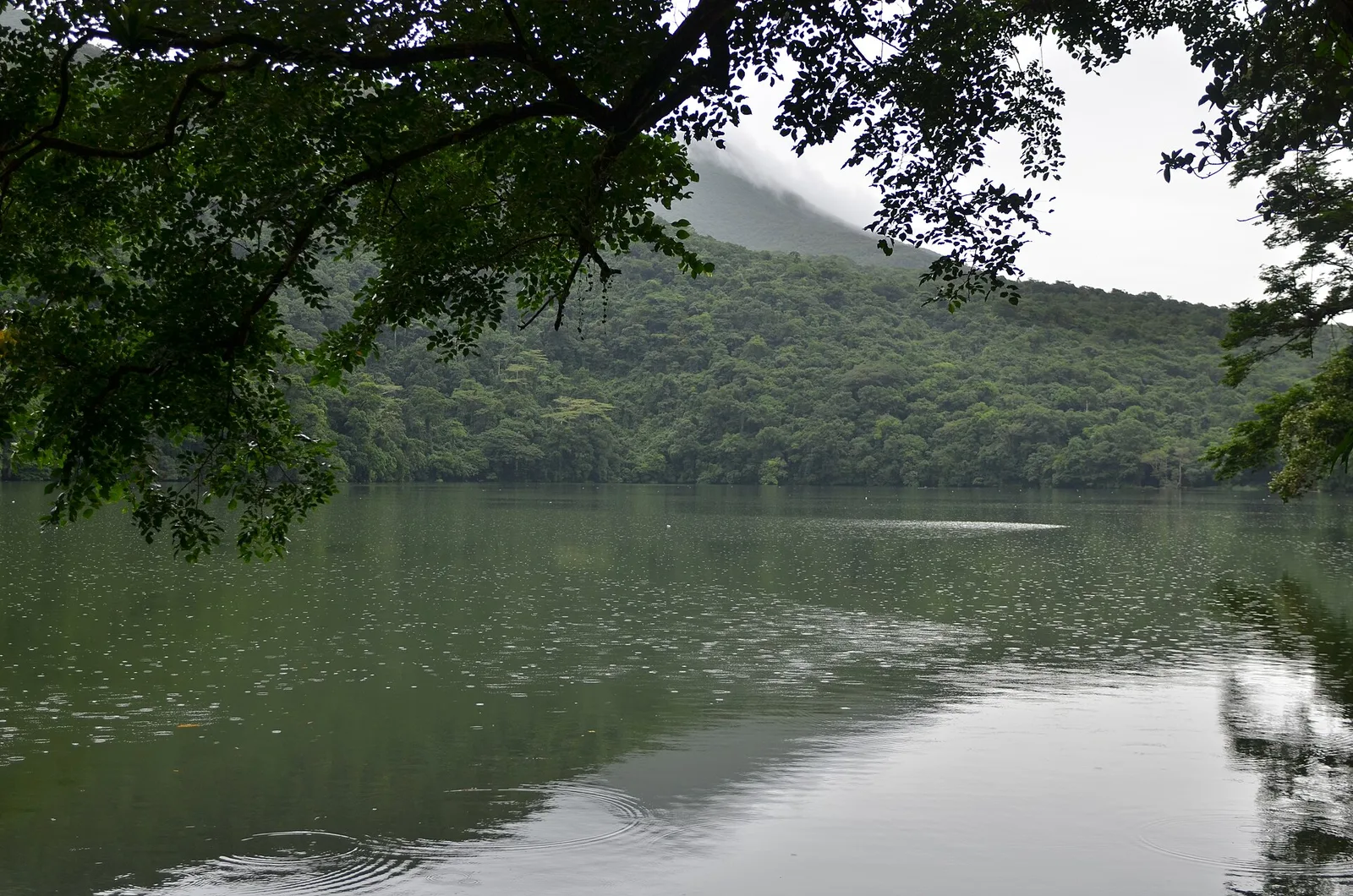


Photos: Jamesbourne1986 (CC BY-SA 4.0) via Wikimedia Commons · ignacio malapitan (CC BY-SA 3.0) via Wikimedia Commons
Ready to book?
Book your Taal Volcano trip now
Hotels, tours and transfers — compare live prices and book securely through trusted partners. Prices update daily.
Affiliate links — we earn a small commission at no extra cost to you. Prices shown are live from our partners.
🗓️ Best time to visit Taal Volcano
November through June offers the driest, clearest weather. January and February are peak season — cool air, sharp visibility, and the best conditions for the trek. July through October brings rain and reduced visibility. Beyond weather, the single most important timing factor is volcanic activity: always check the PHIVOLCS bulletin at phivolcs.dost.gov.ph in the days before your visit — access to Volcano Island is restricted when the alert level rises above 1.
✈️ How to get to Taal Volcano
From Manila, take a bus from Buendia or Cubao bound for Tagaytay (PHP 70–120, roughly 2 hours). Alternatively, buses bound for Batangas City pass through Talisay junction (PHP 120–160, 2.5 hours). The jump-off point for the volcano is Talisay town on the northern lakeshore. At Talisay pier, negotiate a banca across the lake to Volcano Island: PHP 800–1,200 per boat return, maximum 10 passengers. The crossing takes about 20 minutes.
Plan your Taal Volcano trip
Compare hotels and tours — booked through trusted partners. Use the planner on /plan to turn this guide into a full day-by-day itinerary.
🗓️ Use this guide in your plan
Build a Taal Volcano trip directly. The planner combines it with real flights, stays and tours into one day-by-day itinerary.
✨ Open Trip PlannerOne of 215+ destinations covered. Explore more at /guides and /blog.
Frequently asked questions — Taal Volcano
Is Taal Volcano safe to visit in 2026?
It depends entirely on the current PHIVOLCS alert level, which changes frequently. At Alert Level 0 the trek is open; at Level 1 access to the crater zone is restricted; at Level 2 and above, Volcano Island is off limits. Always check phivolcs.dost.gov.ph within 24 hours of your planned visit. This is a live volcano and the advisory system should be taken seriously.
Can I visit Taal Volcano and Tagaytay in one day trip from Manila?
Yes — this is one of the most popular day trips from Manila and works well if you leave early. A 6am departure from Manila gets you to Talisay by 8:30am, on the volcano by 9:30am, back at the ridge for lunch by noon, and home by 5pm.
Are the horses on Volcano Island really necessary?
No, but you will be asked repeatedly. The trail to the crater takes about 45 minutes on foot for someone in average fitness; it is steep but manageable. Horses do shorten the climb and the handlers are part of the local economy. If you hire a horse, agree on the price (PHP 600–900 return) before mounting.
What is the entrance fee for Taal Volcano?
Expect to pay PHP 150–200 per person in combined local government and environmental fees, collected at the Talisay pier before boarding the banca. This is in addition to the PHP 800–1,200 banca fare per boat. The horse rental on Volcano Island is paid separately to the handler and is entirely optional.
💬 Ask Locals about Taal Volcano
No questions about Taal Volcano yet — be the first to ask.
Ask the community →💡 Traveller tips for Taal Volcano
Local-knowledge from other travellers. Got a tip? Share it.
Loading tips…
📝 Your notes & photos for Taal Volcano
Loading…
First time in Taal Volcano?
Quick essentials so you can hit the ground running.
Most nationalities get a free 30-day visa on arrival at Manila (MNL). No special permits are needed for Taal Volcano beyond the standard entrance fees paid at Talisay pier. The only hard gate on access is the PHIVOLCS alert level.
Withdraw cash in Manila or at the ATMs in Tagaytay town before heading to Talisay — there are no reliable ATMs at the Talisay pier. All transactions at the volcano landing, horse hire, and banca are cash only.
Bring water and wear sun protection — the crater trek is exposed, dusty, and at elevation. The sulphur fumes near the active vent can be irritating to the respiratory system; people with asthma or breathing conditions should be cautious and stay back from the inner crater.
A full day at Taal Volcano and Tagaytay runs PHP 1,200–2,500 per person from Tagaytay, including banca (shared), entrance fees, the trek, a bulalo lunch on the ridge, and transport back. Add PHP 300–400 for the Manila-Tagaytay bus both ways.
The primary safety consideration is volcanic activity — follow PHIVOLCS alerts without exception. On the trek, wear closed shoes with grip (the volcanic rock is loose and the trail is uneven). Do not approach the inner crater or descend below the rim. On the lake crossing, life jackets are available; use them if conditions look rough.
Local Stays in Taal Volcano
Hand-picked homestays and guesthouses — book direct with local hosts. Add them to your trip plan.
Top Experiences in Taal Volcano
Island hopping, diving, surfing and more — book instantly. Add them to your trip plan.