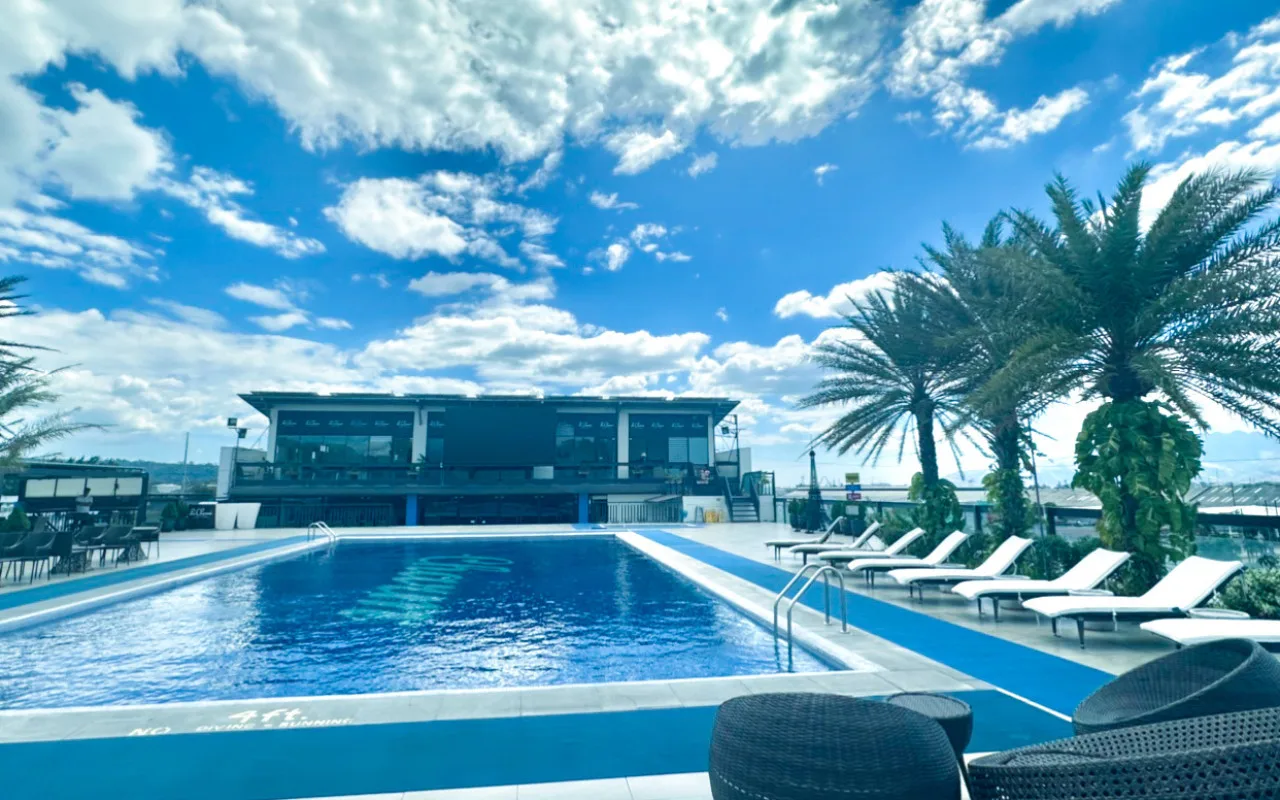
Subic Bay
Wreck dives in an ex-US naval base — and one of the best rainforests left in Luzon · Zambales, Central Luzon
Photo: Sindre Helvik / CC BY 3.0 via Wikimedia Commons
Subic Bay was the United States Navy's most important Pacific base outside Hawaii until 1992, when the Philippine Senate voted not to renew the lease and the Americans left — taking their hardware but leaving behind infrastructure: warehouses, hangars, housing blocks, a deep-water harbour, and the jet fighter runways of Cubi Point. The base became the Subic Bay Freeport Zone, a special economic area with duty-free shopping and lighter regulation, and attracted a mix of manufacturers, casinos, water parks, and, critically for travellers, a dive industry built around the extraordinary collection of sunken ships in the bay. The USS New York, a full-size US Navy cruiser scuttled as an artificial reef in 1941, is the centrepiece — a 158-metre steel wreck in 27 metres of water, encrusted with marine life, navigable inside, and one of the best wreck dives in Southeast Asia. Around it are a dozen other wrecks, plus a rainforest DENR reservation covering the former naval base's interior, where tribes of Aeta people offer jungle survival demonstrations, and one of the few remaining intact lowland dipterocarp forests in Luzon.
Things to do in Subic Bay
USS New York Wreck Dive
The USS New York (not to be confused with the modern USS New York commissioned in 2009) is the signature dive of Subic Bay — an Olympia-class protected cruiser, 158 metres long, scuttled upright in 27 metres of water on the eastern side of Subic Bay. The wreck is covered in hard and soft coral, with schools of snapper and jack sheltering in the superstructure. The engine room is accessible to qualified wreck divers. Visibility is typically 10–20 metres; the wreck is well-marked and dived regularly by the local operators. Cost: PHP 1,500–2,500 per dive with equipment through a Subic Bay dive centre.
Multiple Subic Bay Wrecks (El Capitan, San Quentin, Oryoku Maru)
Beyond the USS New York, Subic Bay has a dozen additional wrecks ranging from a Japanese freighter (Oryoku Maru, sunk by US aircraft in 1944 while carrying Allied POWs) to the El Capitan, a 150-metre cargo ship now carpeted in coral in 25 metres. The Oryoku Maru is historically significant and emotionally heavy — the wreck still contains the remains of some of the approximately 300 POWs who died when it was bombed. Dive shops offer multi-wreck day packages for PHP 3,000–4,500 covering 2–3 wrecks.
JEST Jungle Environment Survival Training
The JEST (Jungle Environment Survival Training) camp, run by Aeta people in the former naval base rainforest, offers a half-day jungle survival programme: fire-making with bamboo friction, trap-setting, medicinal plant identification, and a jungle lunch of food cooked from what the forest provides. Cost is PHP 600–900 per person including a guide. The camp is 20 minutes from the main Freeport entrance by tricycle or shuttle. The Aeta are the indigenous people of Luzon's mountains — their land was covered by the US base and they were compensated with the right to continue living in the forest portion.
Triboa Bay Mangrove Kayaking
The mangrove system in Triboa Bay on the eastern side of the Freeport is one of the largest intact mangrove forests remaining in Central Luzon. Kayaking tours (PHP 500–800 per person including equipment) wind through mangrove channels where kingfishers, herons, and monitor lizards are regular sightings. The tour takes 1.5–2 hours. The same operators offer paddleboarding on the calm inner bay. Book through the Subic Bay Metropolitan Authority (SBMA) leisure desk or your hotel.
Ocean Adventure and Zoobic Safari
For families, Ocean Adventure (dolphin and sea lion shows, PHP 800–1,200 per person) and Zoobic Safari (open-air zoo featuring tigers, reptiles, and Philippine wildlife, PHP 400–600) are the primary Subic Bay attractions. Both are well-maintained by Philippine standards. The tiger feeding enclosure at Zoobic is the signature experience — you sit in a vehicle in the tiger enclosure while the animals feed around you. Controversial in the animal-welfare sense but popular.
Photos of Subic Bay
A visual taste of Subic Bay before you go.
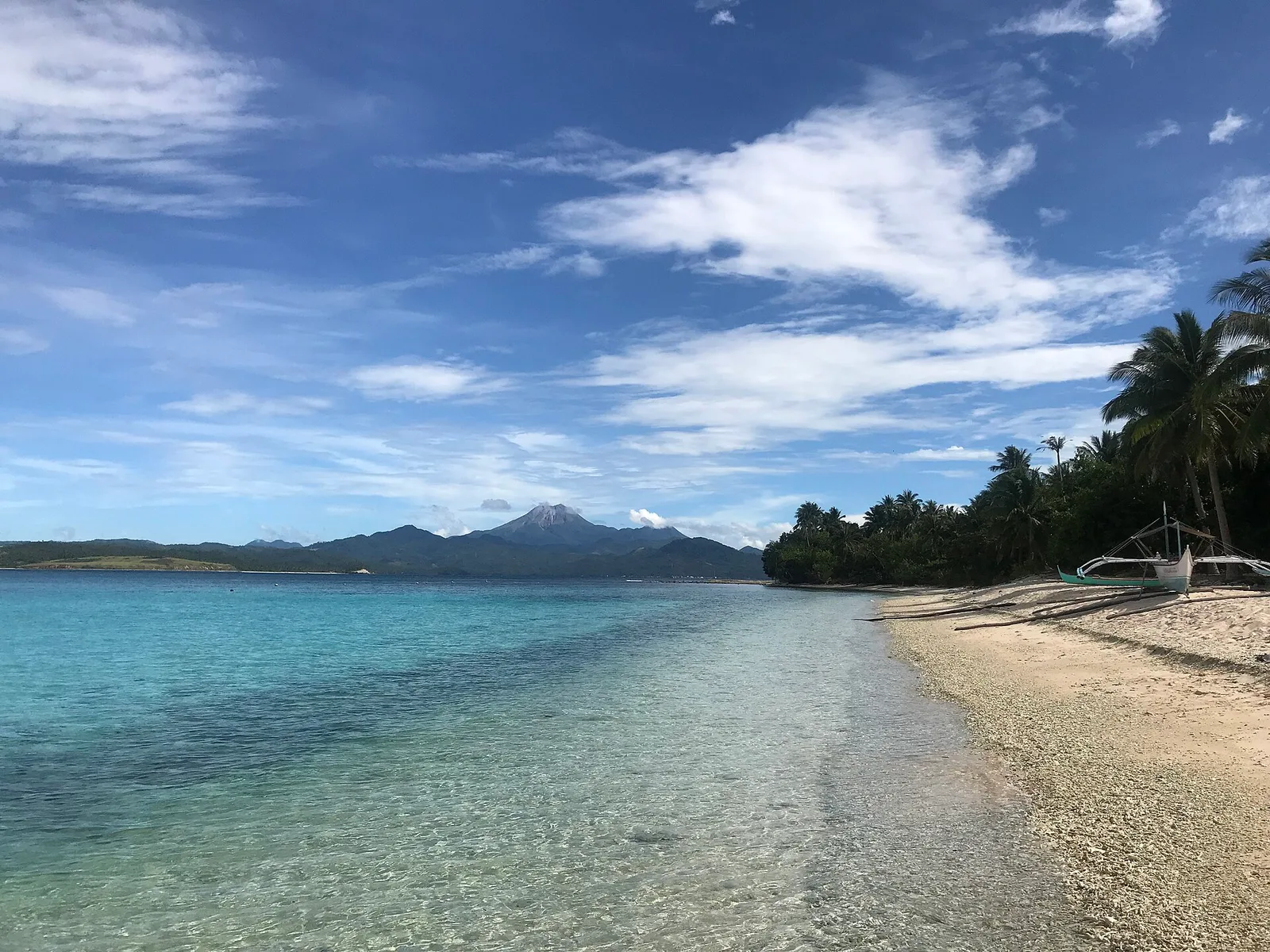
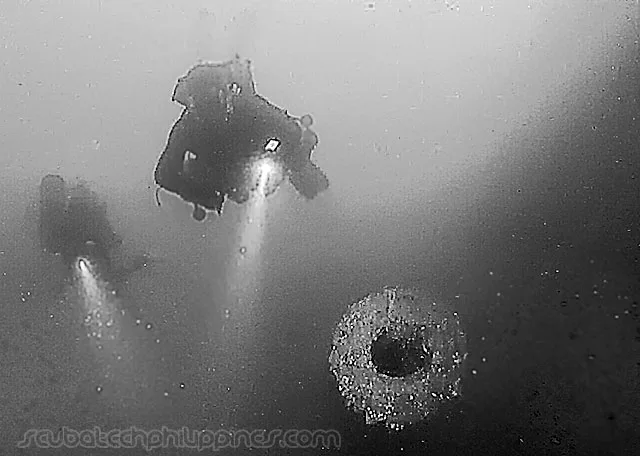
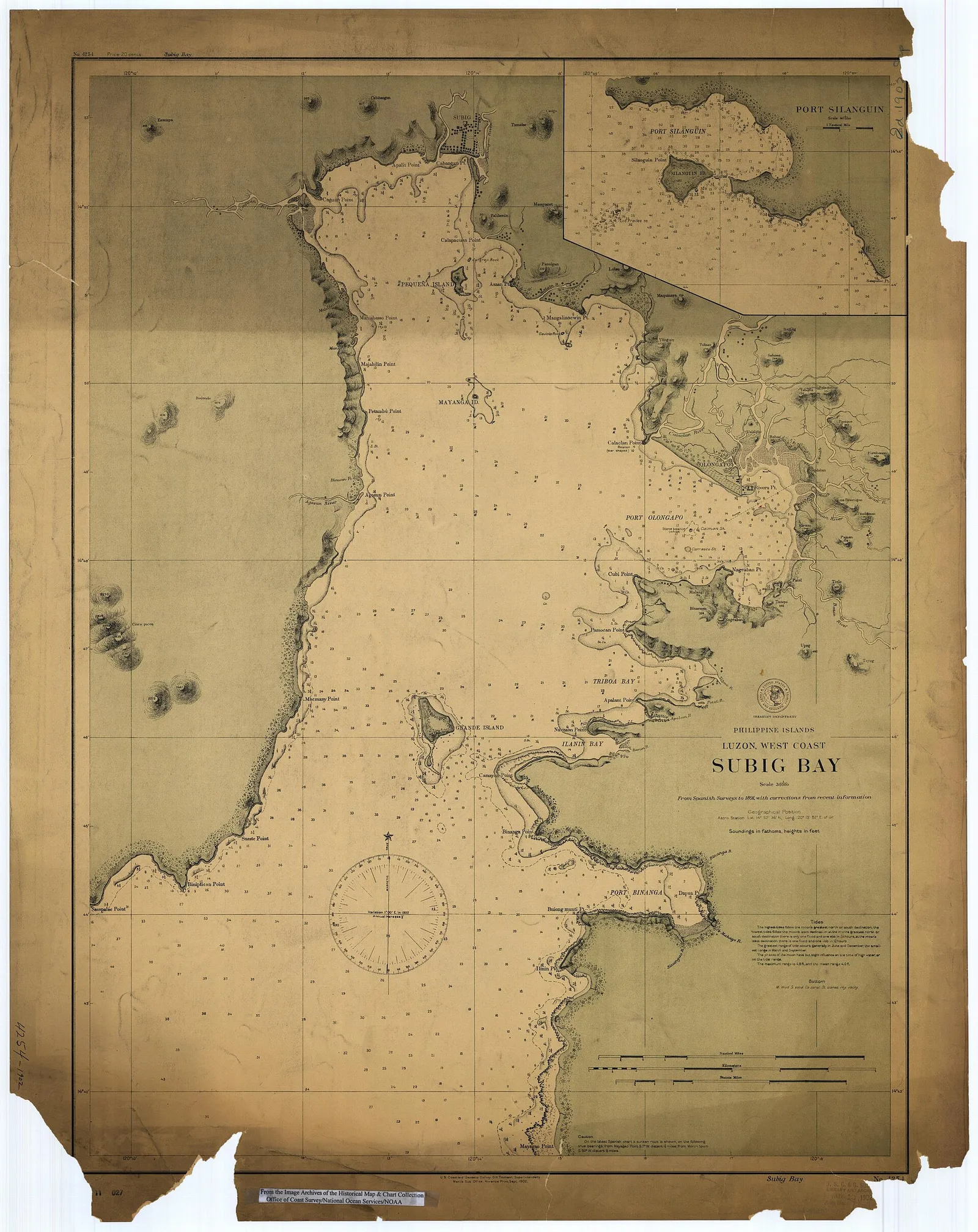
Photos: Jamesbourne1986 (CC BY-SA 4.0) via Wikimedia Commons · Devondiver (CC BY-SA 3.0) via Wikimedia Commons · Wikimedia Commons (Public domain) via Wikimedia Commons
Ready to book?
Book your Subic Bay trip now
Hotels, tours and transfers — compare live prices and book securely through trusted partners. Prices update daily.
Affiliate links — we earn a small commission at no extra cost to you. Prices shown are live from our partners.
🗓️ Best time to visit Subic Bay
November through May is the dry season and the best period for diving (visibility 10–25m), beach days, and rainforest trekking. October through April is the typhoon-free window. June through October brings the southwest monsoon; some beach areas are rough, but the bay itself (sheltered by the Bataan Peninsula) stays diveable through most of the wet season.
✈️ How to get to Subic Bay
From Manila: Victory Liner buses from Pasay or Cubao terminal to Olongapo City (the gateway city adjacent to Subic Bay Freeport) — PHP 200–280, 2.5–3 hours. Private car or Grab from Manila takes 2–2.5 hours via NLEX and SCTEX (fastest route). Once at Subic Bay Freeport, free shuttle buses connect the various zones. Most dive shops and hotels are concentrated in the Waterfront Road area near the bay.
Plan your Subic Bay trip
Compare hotels and tours — booked through trusted partners. Use the planner on /plan to turn this guide into a full day-by-day itinerary.
🗓️ Use this guide in your plan
Build a Subic Bay trip directly. The planner combines it with real flights, stays and tours into one day-by-day itinerary.
✨ Open Trip PlannerOne of 215+ destinations covered. Explore more at /guides and /blog.
Frequently asked questions — Subic Bay
Is Subic Bay worth visiting if I don't dive?
Yes. The rainforest trekking (JEST, Pamulaklakin Forest), Triboa Bay kayaking, the beach and water sports on Barretto Beach and Ocean Beach, the Zoobic Safari, and the town of Olongapo's food scene (Angeles City-style restaurant strip) provide a full non-diving itinerary. That said, the wreck diving is genuinely one of the best reasons to go, and if you are not a diver, Subic Bay is not the most beach-forward destination in the Philippines.
How does Subic Bay wreck diving compare to Coron?
Both locations have world-class wreck diving. Coron's wrecks are generally larger (Second World War Japanese fleet ships) and in more remote, clear water. Subic Bay's wrecks are more accessible from Manila (2.5 hours vs 1.5 hour flight to Coron), well-established for navigation, and at shallower depths (20–30m vs 25–40m at Coron). Coron wins on water clarity and sheer scale; Subic Bay wins on accessibility and the variety of the surrounding non-diving experience.
Is the Subic Bay Freeport area self-contained?
Yes. The Freeport Zone has hotels, restaurants, dive shops, duty-free malls, beaches, the Ocean Adventure and Zoobic attractions, and shuttle buses connecting everything. You can spend 3 days without leaving the Freeport. The adjacent Olongapo City (outside the gate) has more authentic Filipino food and a livelier nightlife scene.
💬 Ask Locals about Subic Bay
No questions about Subic Bay yet — be the first to ask.
Ask the community →💡 Traveller tips for Subic Bay
Local-knowledge from other travellers. Got a tip? Share it.
Loading tips…
📝 Your notes & photos for Subic Bay
Loading…
First time in Subic Bay?
Quick essentials so you can hit the ground running.
Standard Philippines visa-free entry. Day visitors to the Subic Bay Freeport Zone register at the gate (free). Dive operators handle any additional permits for the wreck sites.
ATMs at SM Subic, the Subic Bay Mall, and throughout Olongapo. The Freeport Zone accepts credit cards widely. Bring PHP for food stalls, habal-habal transport, and small purchases outside major establishments.
No malaria in Subic Bay. Dengue present — use repellent in jungle/mangrove areas. Nearest hyperbaric chamber for diving emergencies is at the James Gordon Memorial Hospital in Olongapo — certified for dive accident treatment.
PHP 3,000–5,000/day for a dive-focused visit (accommodation PHP 1,200–2,000, 2–3 dives PHP 3,000–4,500, meals PHP 600–800). Non-diving budget: PHP 2,000–3,500/day covering hotel, activities (JEST + kayaking PHP 1,200–1,700), and food.
The Freeport Zone is well-maintained and safe by Philippine standards. Standard urban caution in Olongapo City at night. The wrecks at Subic Bay are well-trafficked and regularly dived — safe for qualified divers following standard protocols. Jungle trekking in the DENR forest reservation is safe with an Aeta guide.
Local Stays in Subic Bay
Hand-picked homestays and guesthouses — book direct with local hosts. Add them to your trip plan.
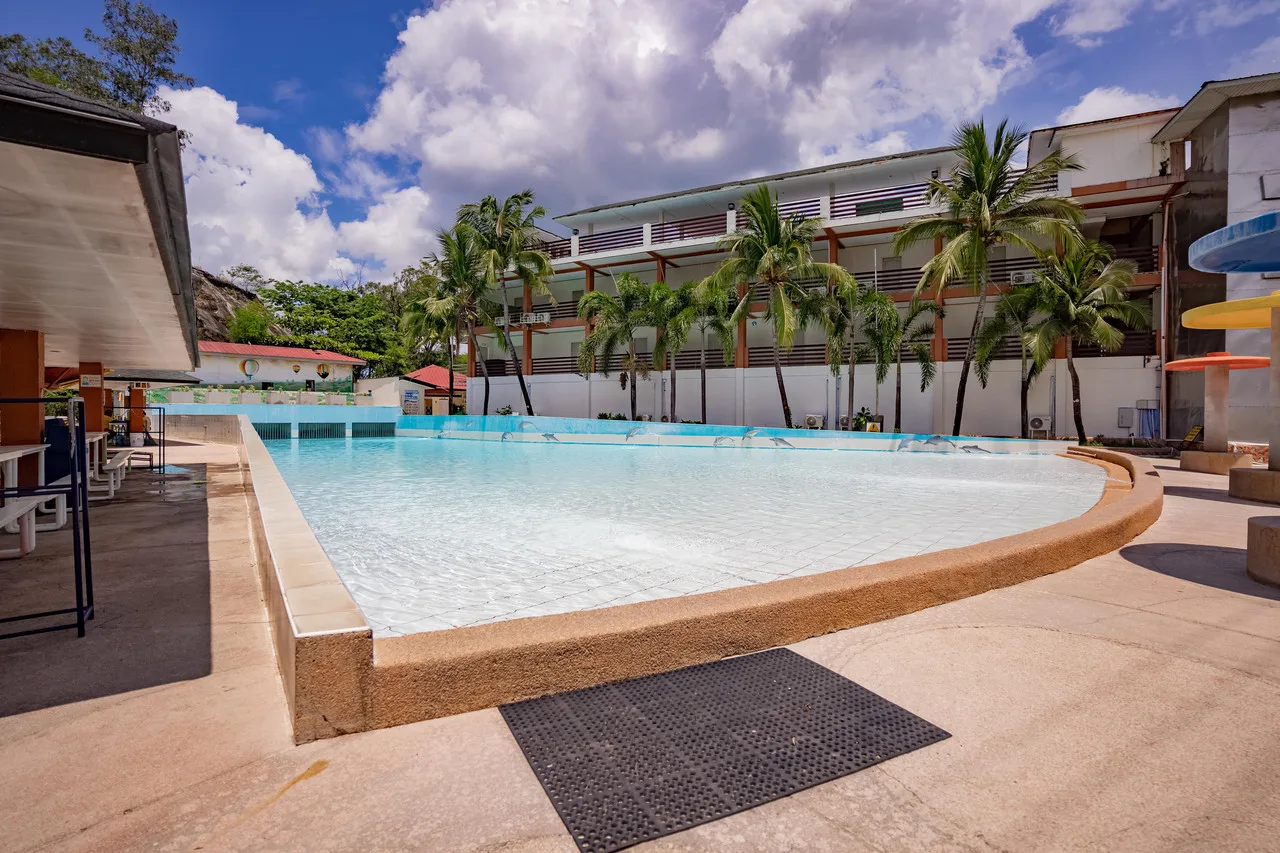
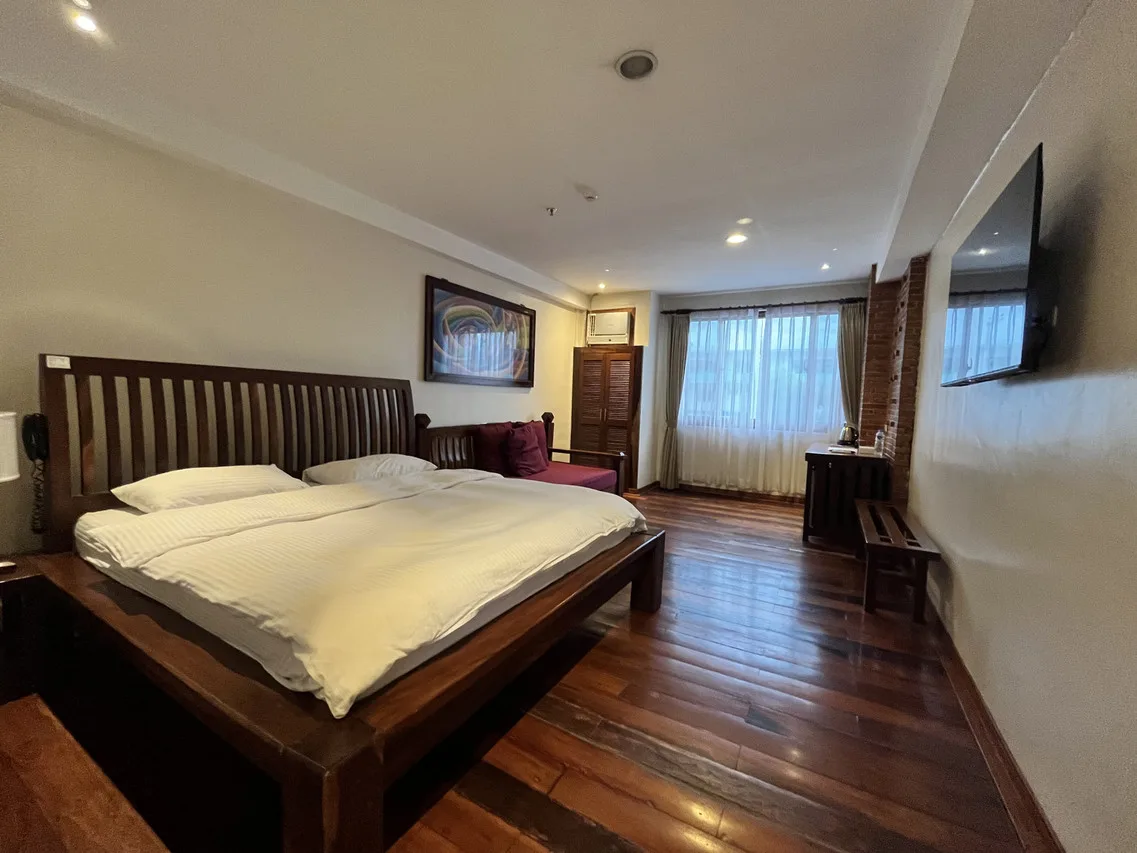
Top Experiences in Subic Bay
Island hopping, diving, surfing and more — book instantly. Add them to your trip plan.