Sagada
Hanging coffins, cave rivers, and pine-forest silence · Mountain Province, Cordillera
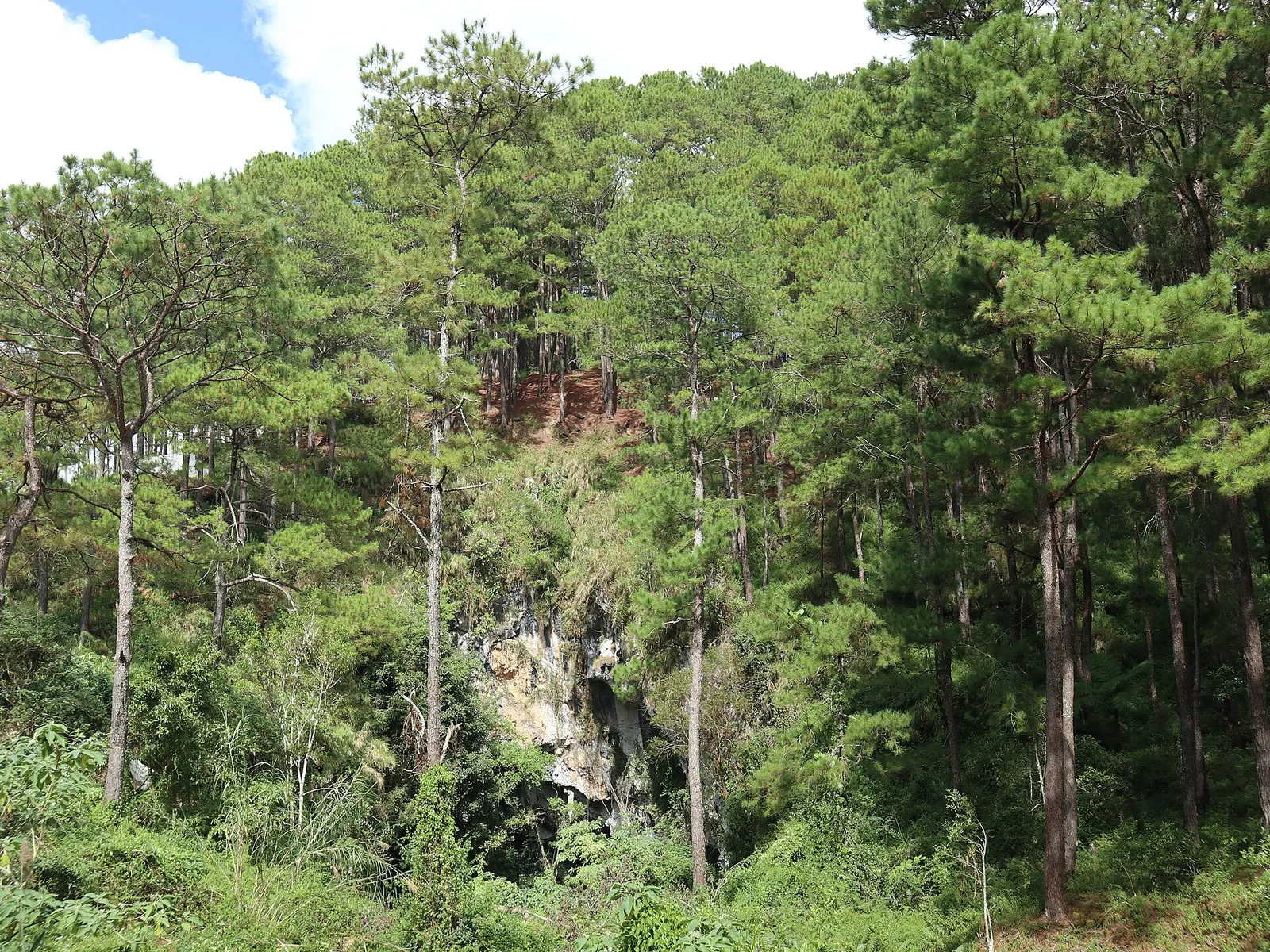
Photo: Kok Leng, Maurice Yeo from Singapore, Singapore / CC BY 2.0 via Wikimedia Commons
Sagada sits at 1,500 metres in the Cordillera mountains of northern Luzon — a small, pine-scented highland town that has been drawing adventurous travellers for decades. It is famous for its hanging coffins (an ancient Igorot burial tradition), its limestone cave system, and the kind of cool, foggy morning that makes you want to stay an extra night. There are no resorts here, no beach bars — just trails, caves, and genuine quiet.
Things to do in Sagada
Echo Valley and Hanging Coffins
The 30-minute hike from town winds through pine forest to the cliff face where generations of Igorot elders chose their eternal resting place — nailed to the rock face in wooden coffins. Register at the Sagada Tourism office (PHP 50); a guide is required by local ordinance.
Sumaguing Cave spelunking
The full two-hour cave route involves wading through cold underground rivers, squeezing through rock passages, and sliding down natural stone formations with a rope. It is genuinely physical and genuinely unforgettable. Guide is mandatory (PHP 600–800 for a group), bring a change of clothes.
Kiltepan Viewpoint for sunrise
Arrive by 5 AM — a jeepney from town costs PHP 80–100 return. When the conditions are right, a sea of cloud fills the valley below as the sun rises over the Cordillera ridge. Even a partial clearing is worth the early wake-up.
Lumiang Cave connection route
Combines Lumiang Burial Cave (200+ coffins stacked at the entrance) with Sumaguing in a single 4-hour traverse. The most dramatic caving experience in the Philippines — book through the tourism office the evening before.
Yoghurt House
Sagada's most beloved institution, open since the 1980s. Fresh homemade yoghurt with granola, thick local coffee, and a pine-view terrace — eat here at least twice. Budget PHP 150–250 for breakfast. No Wi-Fi by design.
Saturday market at Ganduyan
Local Igorot farmers and weavers gather every Saturday morning with fresh mountain produce, handwoven bags, and beadwork. Small but authentic — budget PHP 200–400 for woven souvenirs.
Photos of Sagada
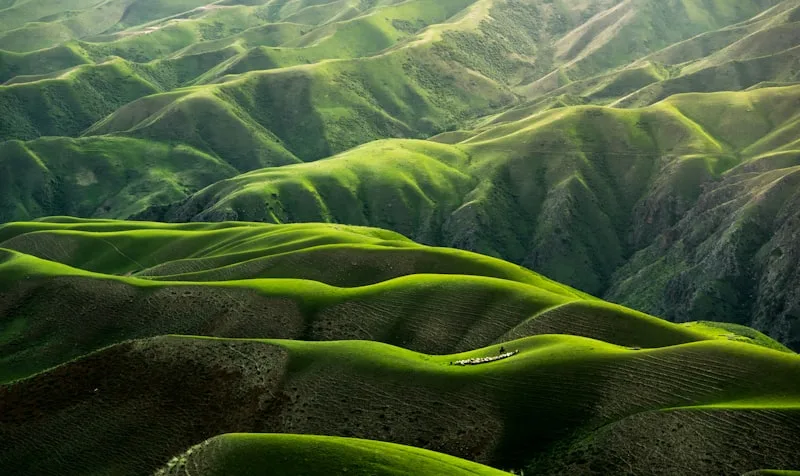
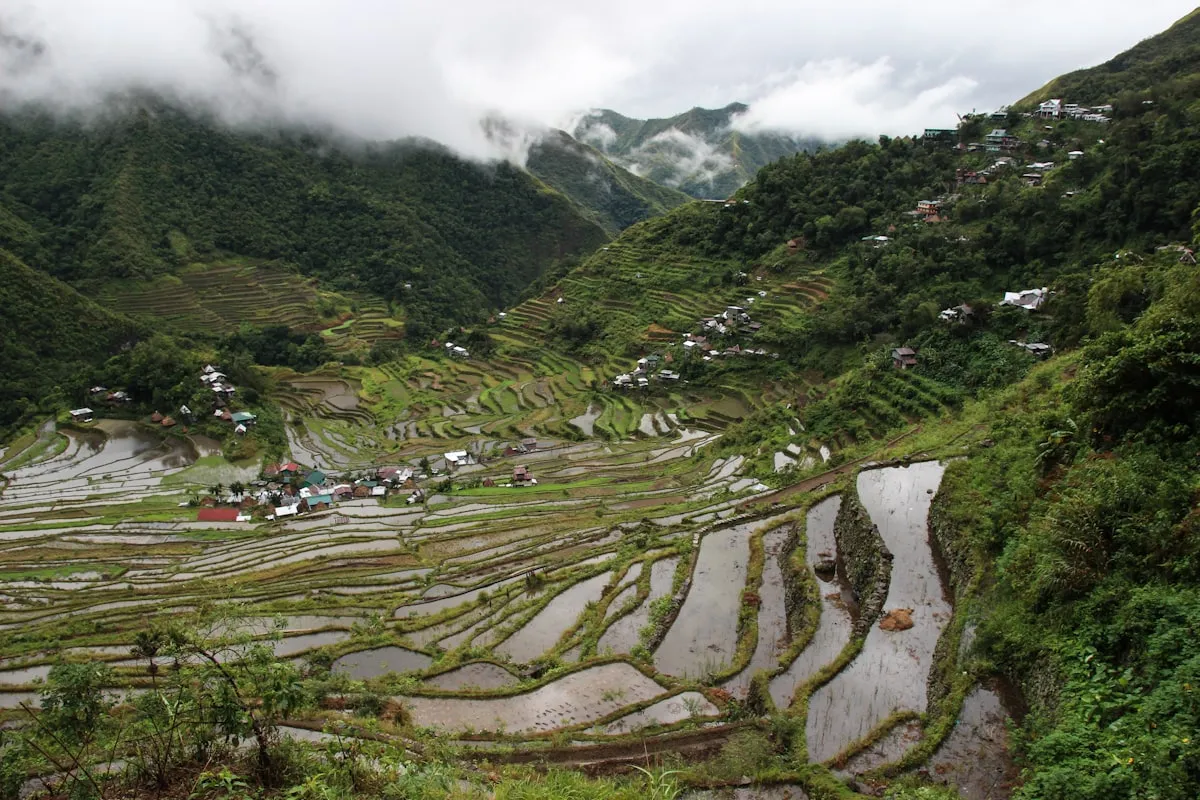
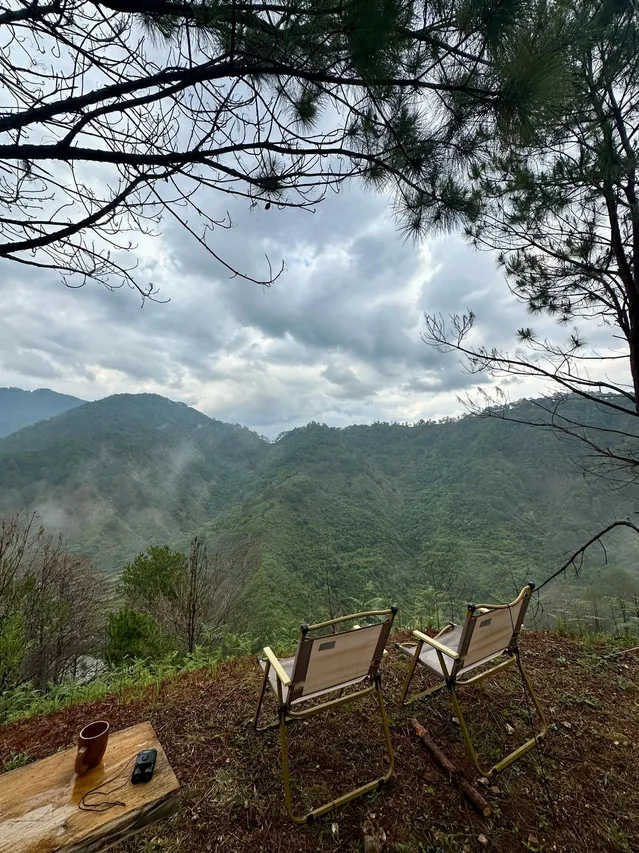
A visual taste of Sagada before you go.

Ready to book?
Book your Sagada trip now
Hotels, tours and transfers — compare live prices and book securely through trusted partners. Prices update daily.
Affiliate links — we earn a small commission at no extra cost to you. Prices shown are live from our partners.
🗓️ Best time to visit Sagada
March to May is the clearest and most comfortable time — cool days, crisp nights, reliable sunrise views. November to February is also good but colder (temperatures can drop to 10°C at night). Avoid June to October when mountain fog and rain can shut down trails and make cave routes genuinely dangerous.
✈️ How to get to Sagada
Most people take a night bus from Manila's Cubao terminal to Baguio (8–9 hours, PHP 500–700 on Victory Liner or GL Trans), then a van from Baguio's Slaughterhouse terminal to Sagada (4 hours, PHP 180–220). Total trip is 12–13 hours — overnight bus then early morning connection is the classic move.
Plan your Sagada trip
Compare hotels and tours — booked through trusted partners. Use the planner on /plan to turn this guide into a full day-by-day itinerary.
🗓️ Use this guide in your plan
Build a Sagada trip directly. The planner combines it with real flights, stays and tours into one day-by-day itinerary.
✨ Open Trip PlannerOne of 215+ destinations covered. Explore more at /guides and /blog.
Frequently asked questions — Sagada
Do I need a guide for everything in Sagada?
Local ordinance requires a registered guide for Echo Valley and all cave routes. Register at the Sagada Tourism office on the main road (8 AM–5 PM daily, PHP 50 registration fee).
How cold does it get at night?
In peak dry season (December–February), nights drop to 10–14°C. In March–May, expect 15–18°C nights. Pack a fleece or light jacket whatever the season — Sagada mornings are always cool.
Is Sagada accessible for non-hikers?
The town itself is flat and walkable. Echo Valley is a gentle 30-minute path. Sumaguing Cave is athletic — expect climbing, wading, and crawling. If you have mobility concerns, the aboveground sights (viewpoints, market, walks between villages) are still worthwhile.
Where should I stay in Sagada?
Sagada has no big hotels — it is all small guesthouses and inns. Masferre Country Inn and Restaurant is the reliable mid-range option (PHP 800–1,500/night). Book ahead in Holy Week and peak summer (March–May) when rooms fill up fast.
💬 Ask Locals about Sagada
No questions about Sagada yet — be the first to ask.
Ask the community →💡 Traveller tips for Sagada
Local-knowledge from other travellers. Got a tip? Share it.
Loading tips…
📝 Your notes & photos for Sagada
Loading…
First time in Sagada?
Quick essentials so you can hit the ground running.
Standard Philippine visa-free entry applies — Sagada has no additional permits beyond the local tourism registration fee.
Bring enough PHP cash from Baguio — there is one ATM in Sagada and it is frequently out of cash or out of order.
The altitude means sun exposure is stronger; wear sunscreen on cave hikes and bring rehydration salts for the Sumaguing route.
Cash only in Sagada — guesthouses, restaurants, and guides all operate cash-only; PHP 2,000–3,000 for two days covers accommodation, food, and guide fees.
Sagada is extremely safe; the main risk is on cave routes without a guide, which is why local ordinance mandates one — follow the rules and you will be fine.
Local Stays in Sagada
Hand-picked homestays and guesthouses — book direct with local hosts. Add them to your trip plan.
Top Experiences in Sagada
Island hopping, diving, surfing and more — book instantly. Add them to your trip plan.