Romblon Island
The marble island with world-class diving that the world has not found yet · Romblon Province, Philippines
Photo: Milexfabula / Public domain via Wikimedia Commons
Romblon is the kind of place that makes experienced Philippines travellers feel like they have discovered something. The provincial capital sits on a compact natural harbour, its streets built on bedrock marble, its fences carved from it, its souvenir stalls stacked with chess sets and ashtrays and furniture all cut from the same white-and-grey stone that runs through the mountains above town. A 17th-century Spanish fort watches over the harbour from a hill above the port, its walls intact and its cannons still pointing out to sea. Thirty minutes away by banca, Cobrador Island offers wall dives that drop 50 metres into a blue so dark it approaches black, with thresher sharks circling in the thermocline. Romblon Province has been exporting marble and fish for four centuries and tourists for almost none of them, which means everything here is priced for locals.
Things to do in Romblon Island
Fort San Andres and the Harbour Viewpoint
Built by the Spanish in 1640, Fort San Andres sits on a hill above the port and remains one of the best-preserved Spanish colonial fortifications in the Philippines. Entry is free. The walls are intact, the cannon emplacements are original, and the view of Romblon harbour, the marble mountains, and the surrounding sea is excellent especially in the late afternoon light. Allow 45 minutes to walk the full perimeter. The fort is a 10-minute walk uphill from the town plaza.
Cobrador Island Diving and Snorkeling
Cobrador Island, 30 minutes by banca from Romblon Town port (PHP 300–500 per boat charter), is one of the most underrated dive destinations in the Philippines. The marine sanctuary on the island's western wall drops from 5 metres to over 50 metres in a near-vertical face covered in sea fans, black coral, and enormous barrel sponges. Thresher sharks are regularly sighted in the thermocline at 30–40 metres. For non-divers, the shallow reef near the beach is exceptional snorkeling territory. Arrange a dive guide in Romblon Town through your guesthouse; day dive with equipment typically PHP 1,500–2,500.
Marble Craftsmen's District
The artisans of Romblon have been carving local marble for over 300 years, and the workshops around the town market and along the main street behind the port are still active. You can watch carvers shape anything from small chess pieces (PHP 200–500 for a set) to full dining tables. Prices are direct-from-maker with no middleman markup — a polished marble bowl that sells for PHP 800 in a Manila tourist shop costs PHP 200–300 from the carver himself. The marble is genuine Romblon stone: predominantly white with grey veining, rated among the best quality in Southeast Asia.
Tiamban Beach
A 20-minute tricycle ride from the town plaza (PHP 50–80 per ride), Tiamban is a curved cove of white-and-pale-yellow sand with calm water protected from the prevailing swell by the headland. There is no entrance fee, no resort infrastructure, and no hawkers — just a clean beach, a few coconut trees, and a small community of fishermen who pull their boats up on the sand at day's end. The water is shallow and gentle, good for swimming. Bring your own food and water as there is only a small sari-sari store nearby.
Bonbon Beach Sandbar Walk
A few kilometres north of Romblon Town, Bonbon Beach has a narrow white sandbar that extends into the sea at low tide, giving you a walk-on-water effect with the town's mountain backdrop behind you. The sandbar is tidal — check tide tables or ask locals the night before. Tricycle from town is PHP 60–100 return. There is a small PHP 30 entrance fee. The beach on either side of the sandbar is also good for a swim.
Romblon Cathedral and the Town Plaza Stroll
The Cathedral of Saint Joseph in Romblon Town dates to the 17th century and is built largely from local marble. The interior is cool and quiet in the heat of the day and the carved stone details are worth examining closely. The plaza outside is the social centre of the town, especially in the evening when vendors set up and locals gather. Wandering through it at dusk with a bag of puso (hanging rice) from a street vendor for PHP 10 is as good an introduction to the rhythm of the place as any tour guide can offer.
Photos of Romblon Island
A visual taste of Romblon Island before you go.
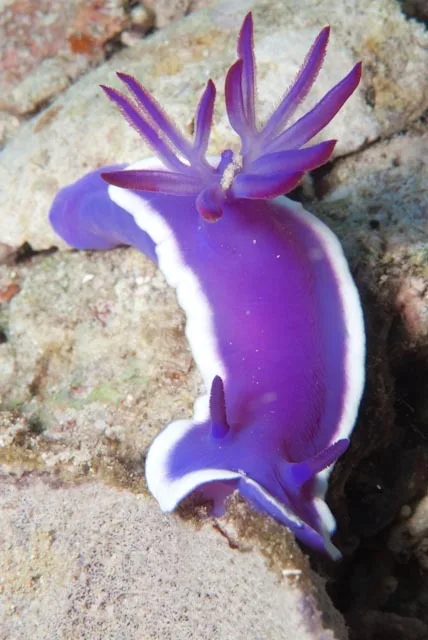
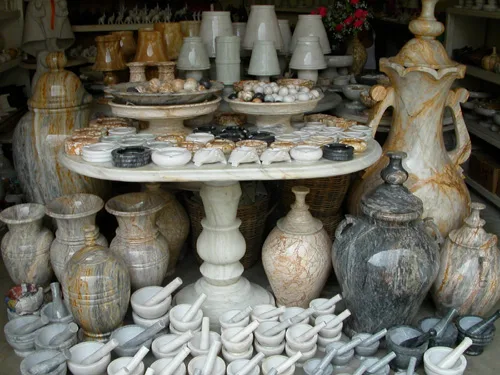
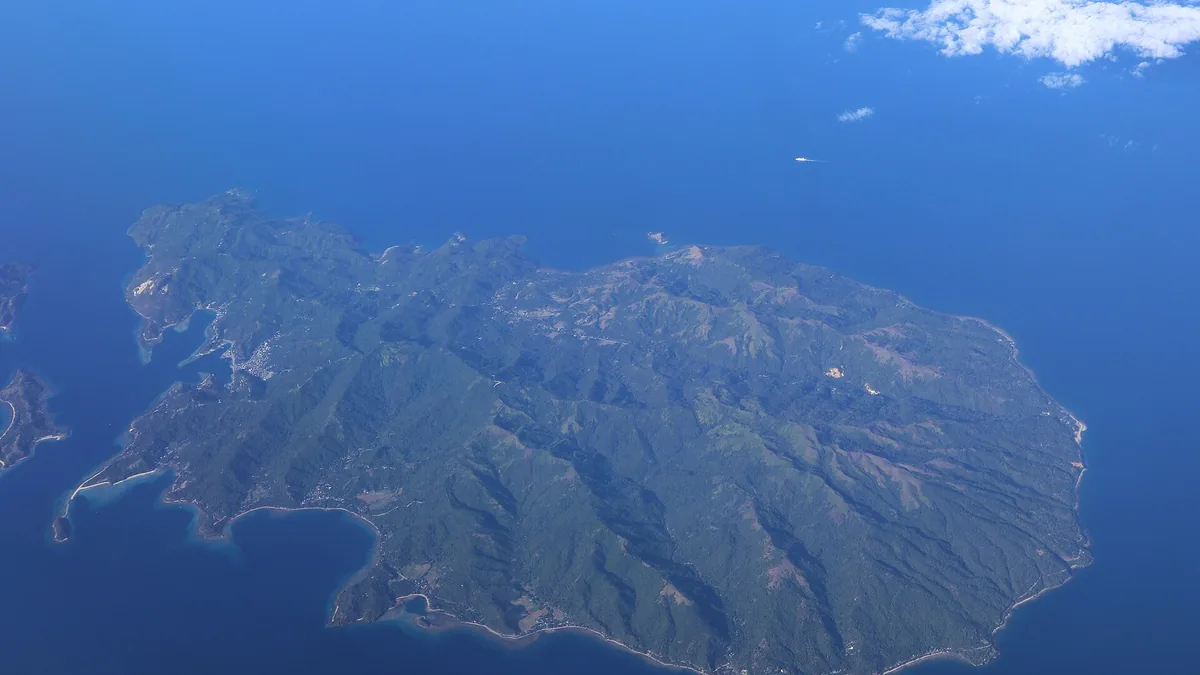
Photos: (c) Georgina Jones, some rights reserved (CC BY-SA) (CC BY-SA 4.0) via Wikimedia Commons · Milexfabula (Public domain) via Wikimedia Commons
Ready to book?
Book your Romblon Island trip now
Hotels, tours and transfers — compare live prices and book securely through trusted partners. Prices update daily.
Affiliate links — we earn a small commission at no extra cost to you. Prices shown are live from our partners.
🗓️ Best time to visit Romblon Island
November through May is the reliable dry season and the best window for diving and island hopping. December through February brings the clearest water and most consistent visibility around Cobrador. Avoid June through September: the southwest monsoon brings rough seas across the Sibuyan Sea and heavy rain.
✈️ How to get to Romblon Island
The most direct air option is to fly to Tablas Airport (TBH) on Tablas Island in Romblon Province — Cebu Pacific operates limited flights from Manila (about 45 minutes, PHP 1,500–3,500). From Tablas, take a ferry or fastcraft to Romblon Town (1–1.5 hours, PHP 150–200). The classic sea route is RORO ferry from Batangas Port to Romblon Town overnight (PHP 400–600 economy, 8–10 hours). From Manila, the Batangas ferry is the simplest option: bus from Cubao or Pasay to Batangas Port (PHP 200–250, 2 hours), then overnight ferry to Romblon.
Plan your Romblon Island trip
Compare hotels and tours — booked through trusted partners. Use the planner on /plan to turn this guide into a full day-by-day itinerary.
🗓️ Use this guide in your plan
Build a Romblon Island trip directly. The planner combines it with real flights, stays and tours into one day-by-day itinerary.
✨ Open Trip PlannerOne of 215+ destinations covered. Explore more at /guides and /blog.
Frequently asked questions — Romblon Island
Is the diving in Romblon good enough to be a primary reason to visit?
Yes, genuinely. Cobrador Island's wall dives are world-class by any objective standard — the biodiversity, coral coverage, and megafauna (thresher sharks, Napoleon wrasse, eagle rays) match or exceed more famous sites in Tubbataha or Malapascua at a fraction of the cost and with none of the crowds. The lack of a major dive resort infrastructure is the only barrier.
How do I get around Romblon Island once I arrive?
The main transport is tricycle. Romblon Town to most beaches and attractions costs PHP 50–100 per ride. Habal-habal (motorcycle taxi) drivers hang out near the port and plaza and can be chartered for a half-day for PHP 300–500. Walking is feasible within the town center — the fort, cathedral, marble district, and port are all within 15 minutes on foot.
Where should I stay in Romblon?
Romblon Town has a handful of small guesthouses and family-run inns around the port and plaza — expect PHP 600–1,200 per night for a clean fan room with private bathroom, PHP 1,200–2,000 for air-con. There are no international chain hotels and no luxury resorts. Advance booking is recommended in Holy Week and peak December–January.
Can I buy marble pieces and take them home on a plane?
Yes, though logistics require planning. Smaller pieces — chess sets, bowls, small sculptures under 2 kg — pack easily in checked luggage with newspaper wrapping. Larger pieces need to be shipped; the carvers and market vendors all have experience packaging marble for shipping and can arrange cargo forwarding to Manila or Cebu for a fee.
💬 Ask Locals about Romblon Island
No questions about Romblon Island yet — be the first to ask.
Ask the community →💡 Traveller tips for Romblon Island
Local-knowledge from other travellers. Got a tip? Share it.
Loading tips…
📝 Your notes & photos for Romblon Island
Loading…
First time in Romblon Island?
Quick essentials so you can hit the ground running.
Standard Philippines visa rules apply — most nationalities enter visa-free for 30 days. No special permits are needed for Romblon Province.
There is an ATM in Romblon Town (BDO and Landbank branches near the plaza) but it runs dry on weekends and after provincial paydays. Bring sufficient PHP cash from Batangas or Manila before boarding the ferry. GCash works at most guesthouses and some restaurants.
No malaria in Romblon Island itself. Dengue is present province-wide; use DEET repellent at dawn and dusk. The nearest hospital with surgical capacity is in Calapan, Oriental Mindoro, or Batangas — bring any required medication and a basic first aid kit. Motion sickness tablets are strongly recommended for the overnight ferry crossing.
Budget PHP 1,500–2,500 per day covering guesthouse (PHP 800), meals (PHP 400–600 for three full meals at local carenderias), transport (PHP 200), and activities (beach, fort, marble browsing are all free or nearly so). Diving adds PHP 1,500–2,500 per day for guide and equipment.
Romblon Town is a quiet, safe provincial capital. Petty crime is extremely low. The main risk for travellers is the ferry crossing in rough weather — always check weather forecasts before travelling between June and October, and consider rescheduling if a typhoon is approaching the central Philippines.
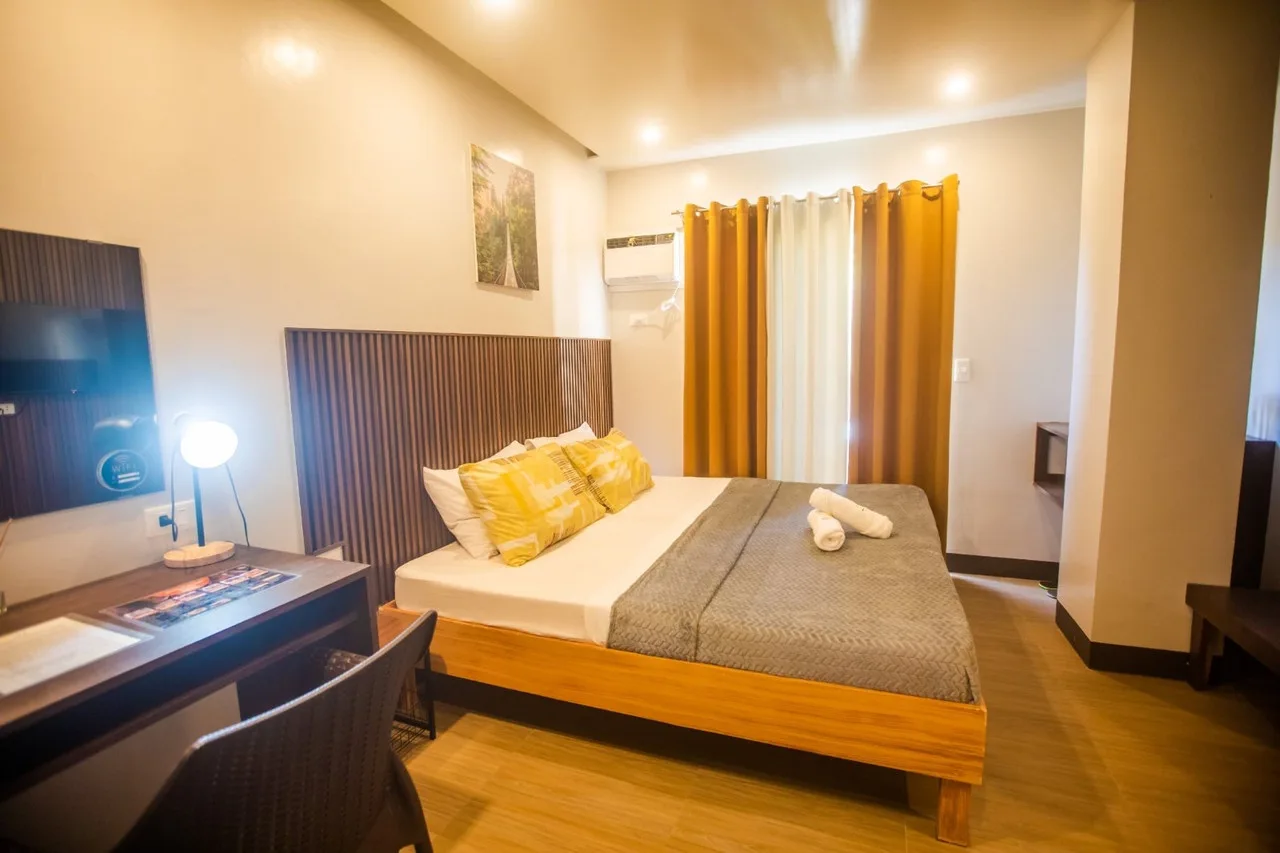
Local Stays in Romblon Island
Hand-picked homestays and guesthouses — book direct with local hosts. Add them to your trip plan.
Top Experiences in Romblon Island
Island hopping, diving, surfing and more — book instantly. Add them to your trip plan.