Marinduque
The heart-shaped island where Easter becomes theatre and the sea is always within sight · MIMAROPA, Philippines
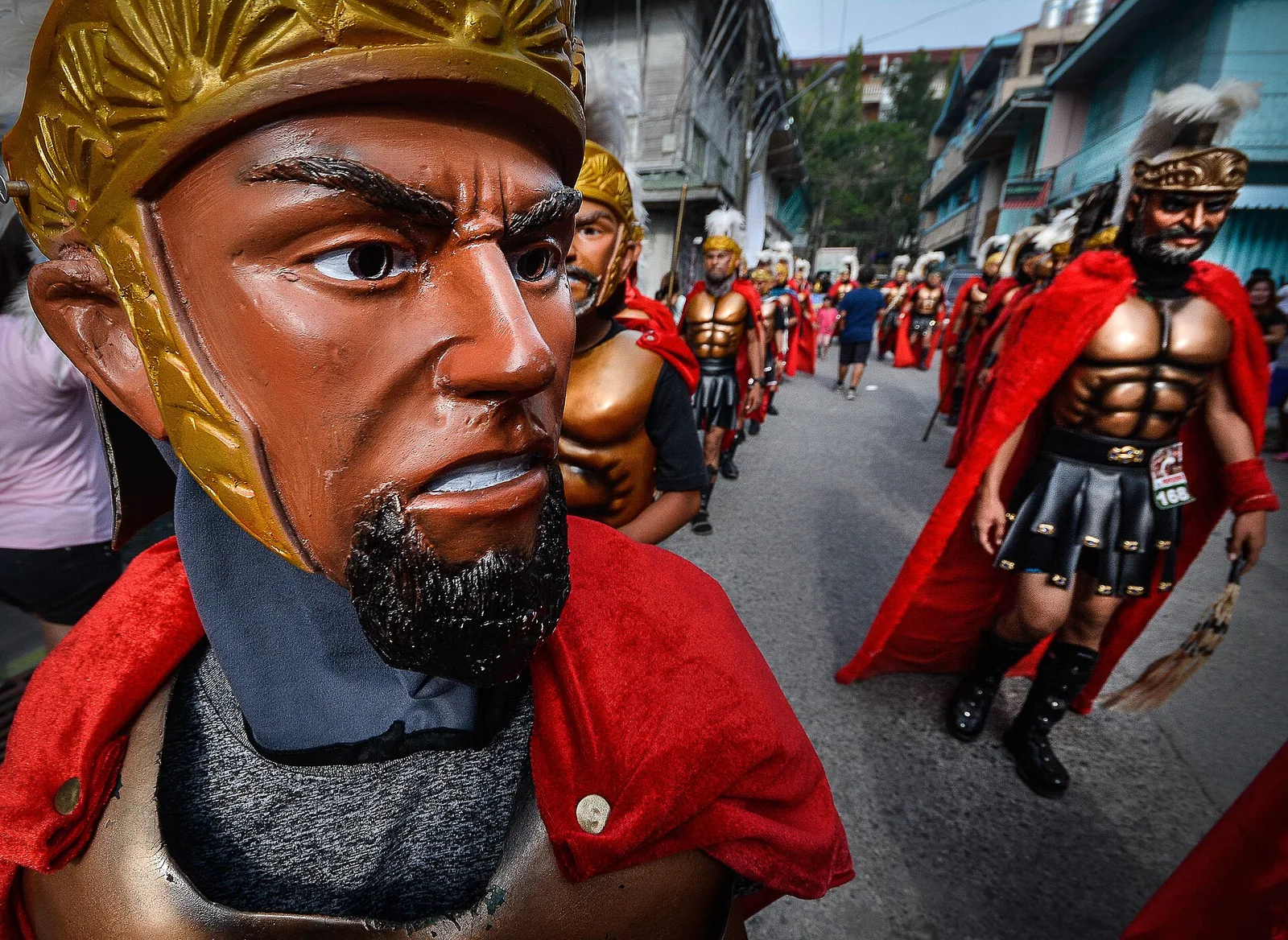
Photo: EMMAN A. FORONDA / CC BY-SA 4.0 via Wikimedia Commons
Marinduque is a roughly heart-shaped island in the MIMAROPA region, 150 kilometres south of Manila, and it is most famous for something that happens only once a year: the Moriones Festival. During Holy Week (Easter), the island's men don full centurion armour — Roman helmets, tunics, wooden shields, painted masks — and spend four days reenacting the passion narrative in village streets, culminating in the capture and beheading of Longinus (the Roman soldier who pierced Christ's side) in each municipality's plaza. It is one of the most viscerally theatrical festivals in the Philippines, rooted in a centuries-old folk Catholicism that the island has maintained with remarkable continuity. Outside Holy Week, Marinduque is a quiet, undervisited island with excellent diving around the Tres Reyes Islands, a remarkable cave system at Bathala, a luxury island resort at Bellarocca (with the most incongruous Venetian architecture you will see in any sea in Asia), and the kind of small-town Filipino hospitality that exists only where tourism has not yet overwritten the culture.
Things to do in Marinduque
Moriones Festival (Holy Week)
The Moriones Festival is the primary reason to visit Marinduque — one of the most distinctive folk-Catholic festivals in the Philippines. Over four days of Holy Week, centuriones (men in full Roman centurion costume) roam the streets of every Marinduque municipality. The story culminates on Easter Sunday when each barangay stages the capture and symbolic beheading of Longinus — the Roman soldier who, according to the apocryphal gospel, pierced Christ's side, was miraculously healed when blood fell on his blind eye, and then declared his faith. The centuriones chase Longinus through the streets, the crowd participates, children scatter. It is living theatre with 400 years of practice.
Bathala Caves
The Bathala cave system near Torrijos on the eastern coast consists of seven interconnected chambers, some with impressive stalactite and stalagmite formations, and one that opens directly to the sea — at high tide, seawater enters the cave, and at low tide the chamber floor is exposed coral and shell. The cave is named after the pre-colonial Filipino supreme deity. Entry PHP 30–50, guide required (PHP 100). The system takes about 90 minutes to walk. Wear closed shoes with grip; some passages require ducking and stepping over formations.
Diving the Tres Reyes Islands
Three Reyes (Three Kings) are three small islands off the northwest coast of Marinduque with a marine reserve protecting good coral. The reef systems around the three islands — Gaspar, Melchor, and Baltazar — have sea fans, moray eels, and good fish density. The diving here is not world-class but is very good for the region, and the water is usually clear (15–20m visibility). Dive packages from Boac or Santa Cruz: PHP 1,500–2,500 per dive. The islands also have small beaches suitable for a lunch stop.
Bellarocca Island Resort
Bellarocca is a private island resort off the eastern coast of Marinduque with a genuinely surreal architectural scheme: a Venetian-style palazzo in the middle of the Sibuyan Sea, with gondola arrivals, arched colonnades, and marble interiors. It is one of the more expensive resort experiences in the Philippines (rooms PHP 12,000–25,000/night) and primarily a destination for Manila couples and special occasions. Day-use visits (PHP 2,500–3,500 per person) give access to the beach and pool. Whether the incongruity of Venice-in-MIMAROPA is charming or alarming is a matter of taste.
Boac and the Provincial Heritage Circuit
The provincial capital Boac has the Boac Cathedral (1850, built on a hill above the town with river and valley views), the Marinduque National Museum (small but well-curated; local history, ethnography, Moriones costumes and artefacts), and a riverside promenade that is pleasant in the evening. A half-day circuit of Boac, the nearby Cawit Beach, and the Mboac river mouth covers the core heritage sites. The Moriones costumes in the museum are available to examine year-round and give context for the festival even if you visit off-season.
Photos of Marinduque
A visual taste of Marinduque before you go.
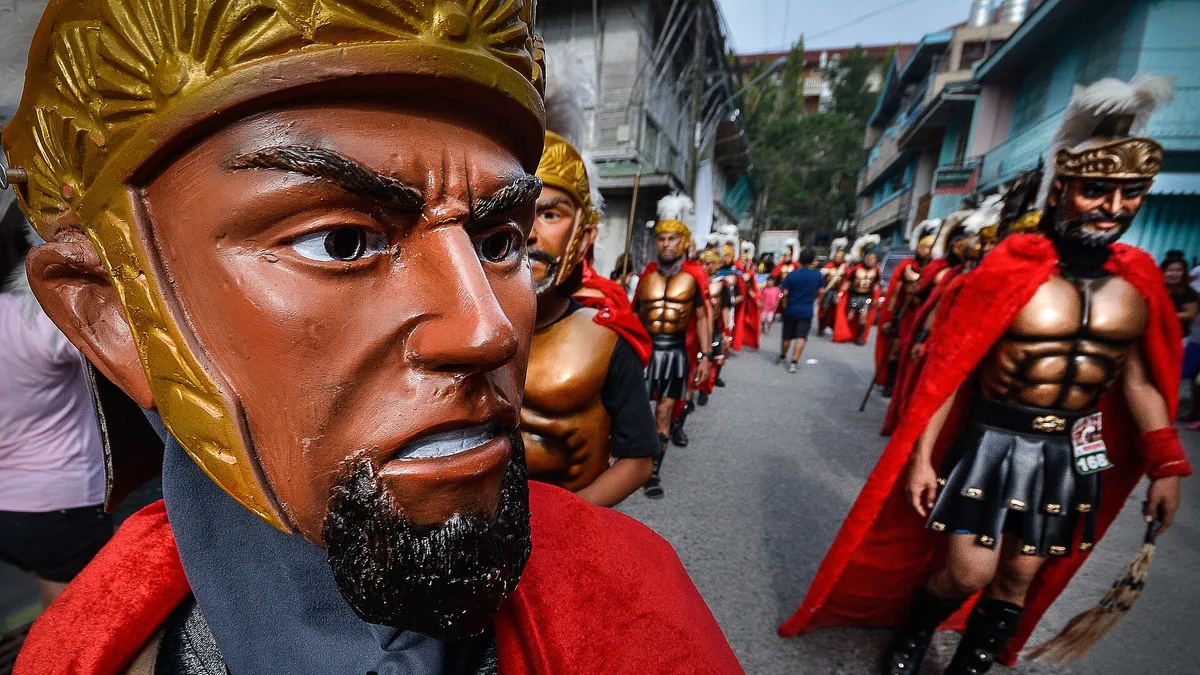
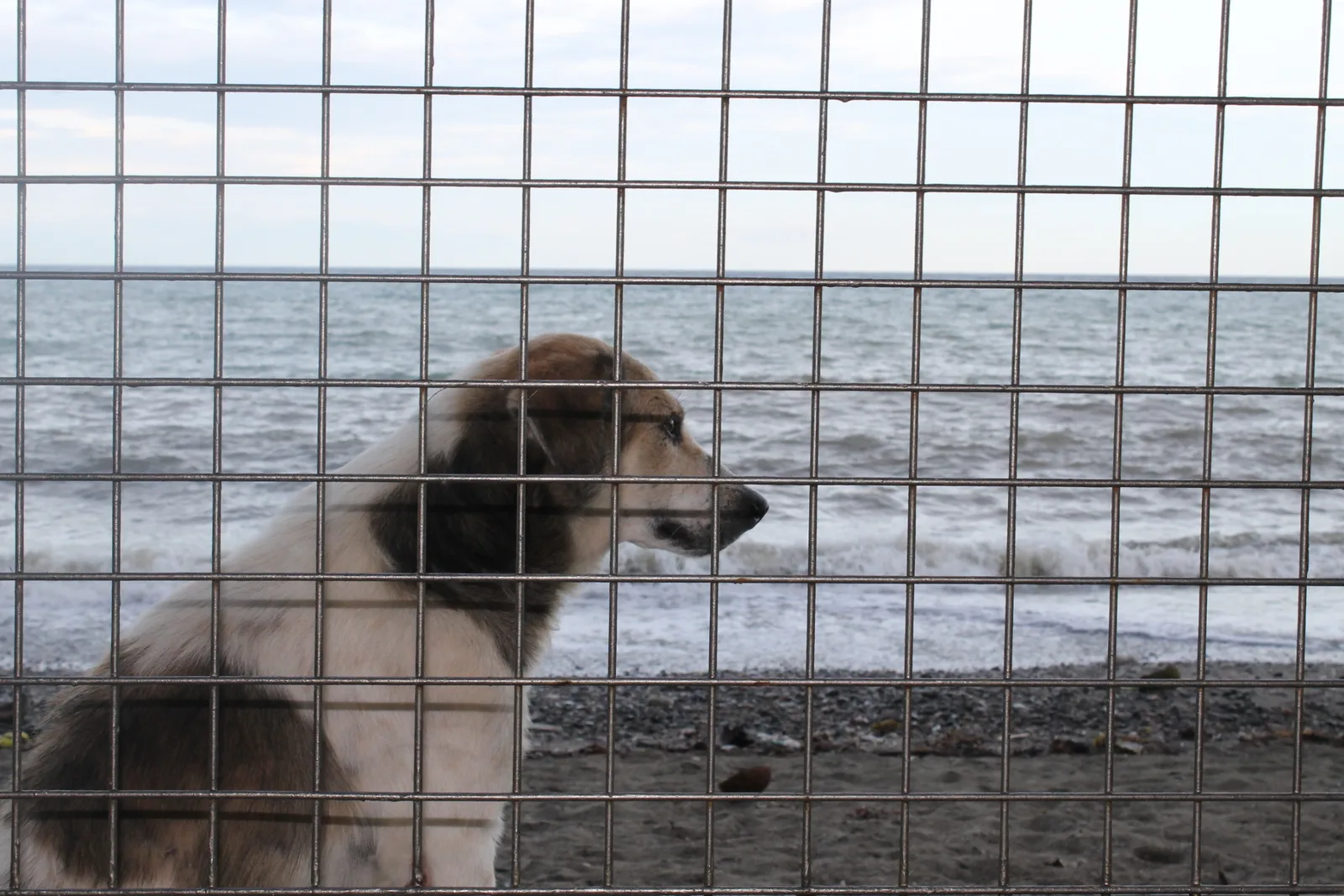
Photos: EMMAN A. FORONDA (CC BY-SA 4.0) via Wikimedia Commons · Totoyba2 (CC BY-SA 3.0) via Wikimedia Commons
Ready to book?
Book your Marinduque trip now
Hotels, tours and transfers — compare live prices and book securely through trusted partners. Prices update daily.
Affiliate links — we earn a small commission at no extra cost to you. Prices shown are live from our partners.
🗓️ Best time to visit Marinduque
Holy Week (March or April, varies by year) is the only time to see the Moriones Festival — book accommodation months in advance. The rest of the year, November through May is the dry season and the standard visiting window. June through October has intermittent rain and occasional typhoon risk but the island is accessible.
✈️ How to get to Marinduque
By ferry from Lucena Port (Quezon Province) to Balanacan Port, Mogpog, Marinduque — RORO ferries run daily (Starlite, Medallion, or similar; PHP 200–350 per person, 3–4 hours). From Manila to Lucena: Jam Transit or JAC Liner buses from Cubao/Buendia (PHP 250–350, 2.5–3 hours). By air: there is a small airport in Boac (Gasan) served by Air Juan and occasionally PAL Express from Manila (PHP 1,500–3,000, 1 hour, schedule varies — confirm before booking). The ferry from Lucena is more reliable and gives views of the Verde Island Passage.
Plan your Marinduque trip
Compare hotels and tours — booked through trusted partners. Use the planner on /plan to turn this guide into a full day-by-day itinerary.
🗓️ Use this guide in your plan
Build a Marinduque trip directly. The planner combines it with real flights, stays and tours into one day-by-day itinerary.
✨ Open Trip PlannerOne of 215+ destinations covered. Explore more at /guides and /blog.
Frequently asked questions — Marinduque
Do I need to go during Holy Week to enjoy Marinduque?
The Moriones Festival is spectacular and unique, but Marinduque off-season is also worth visiting for the diving, caves, and slow island pace. The island is quieter and cheaper outside Holy Week. If you are interested in the festival, plan ahead — accommodation fills up island-wide months in advance for Holy Week.
How do I get around Marinduque?
Tricycles and jeepneys serve routes between the main towns. Motorcycle rental from Boac (PHP 400–600/day) is the most flexible option for reaching beaches, the cave system, and scenic coastal roads. The island is small enough that the full circumference road can be driven in 3–4 hours. Habal-habal (motorcycle taxis) are available for specific destinations.
Is Marinduque a good base for a longer trip?
Marinduque works well as part of a MIMAROPA circuit: Marinduque → Romblon (by ferry, irregular schedule) → or back to Lucena → onward to Quezon Province eco-destinations (Jomalig Island, Bondoc Peninsula). Check ferry schedules in advance as they vary seasonally.
💬 Ask Locals about Marinduque
No questions about Marinduque yet — be the first to ask.
Ask the community →💡 Traveller tips for Marinduque
Local-knowledge from other travellers. Got a tip? Share it.
Loading tips…
📝 Your notes & photos for Marinduque
Loading…
First time in Marinduque?
Quick essentials so you can hit the ground running.
Standard Philippines visa-free entry. No special permits for beaches or cave system.
ATMs in Boac (BDO, LandBank). Bring PHP cash from Lucena or Manila for towns outside Boac. Very affordable island: PHP 1,200–2,000/day for accommodation, meals, and activities.
Dengue present — use repellent. Bathala Caves have uneven terrain; wear closed shoes. The sea around Tres Reyes Islands can have currents; dive with a guide.
Basic guesthouse in Boac: PHP 500–900/night. Meals: PHP 150–350 at local restaurants. Cave visit: PHP 150–200 including guide. Tres Reyes dive: PHP 1,500–2,500. Bellarocca day-use: PHP 2,500–3,500.
Very safe island for independent travel. The RORO ferry from Lucena runs in normal weather; check for cancellations during typhoon warnings. Cave exploration is safe with a guide and proper footwear.
Local Stays in Marinduque
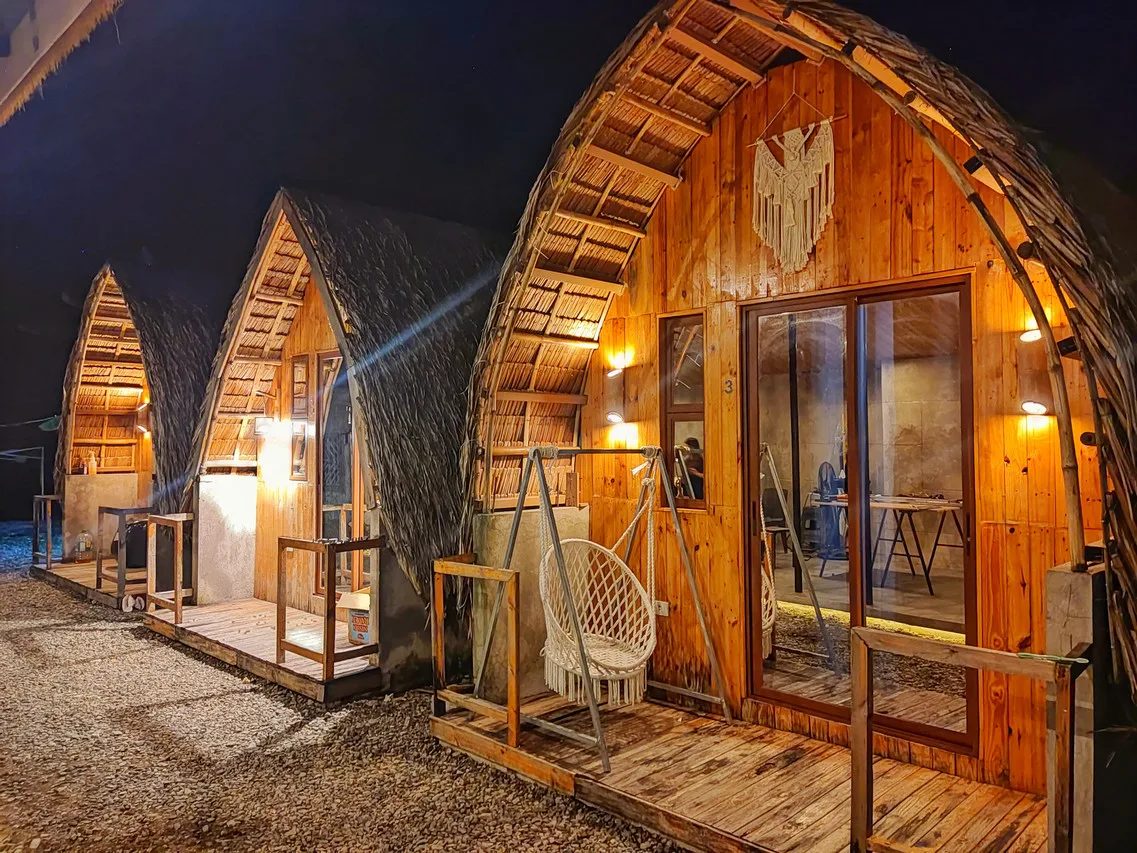
Hand-picked homestays and guesthouses — book direct with local hosts. Add them to your trip plan.
Top Experiences in Marinduque
Island hopping, diving, surfing and more — book instantly. Add them to your trip plan.